No products in the cart.

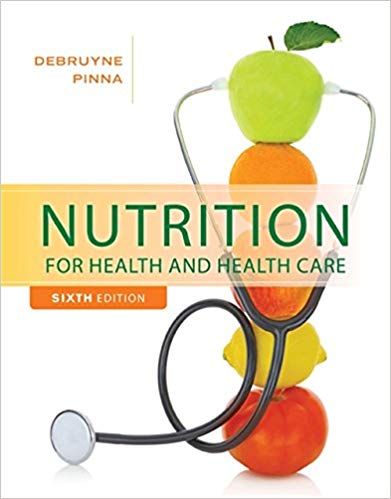
Nutrition for Health And Healthcare 6th Edition By Linda Kelly De Bruyne - Test Bank

Nutrition for Health And Healthcare 6th Edition By Linda Kelly DeBruyne - Test Bank   Instant Download - Complete Test Bank With Answers     Sample Questions Are Posted Below   True / False   1. The DRI committee that reviewed the safety of amino acid supplements was unable to set Tolerable Upper Intake Levels for …

$19.99

Nutrition for Health And Healthcare 6th Edition By Linda Kelly DeBruyne – Test Bank


Instant Download – Complete Test Bank With Answers


Sample Questions Are Posted Below


True / False


1. The DRI committee that reviewed the safety of amino acid supplements was unable to set Tolerable Upper Intake Levels for safe supplement use.

  a. True
  b. False


ANSWER:   True
REFERENCES:   5.5 Protein and Health
LEARNING OBJECTIVES:   NHHE.DEBR.17.5.5 – Describe the health effects of protein deficiency and excess, some of the people who may be harmed by taking amino acid supplements, and the assumptions underlying the protein RDA.
KEYWORDS:   Bloom’s: Remember


2. Vegans must carefully combine their plant protein foods in order to obtain the full array of essential amino acids.​

  a. True
  b. False


ANSWER:   False
REFERENCES:   5.7 Nutrition in Practice: Vegetarian Diets
LEARNING OBJECTIVES:   NHHE.DEBR.17.5.7 – Develop a well-balanced vegetarian eating pattern.
KEYWORDS:   Bloom’s: Remember


3. Research supports the idea that vegetarians may actually be healthier than meat eaters.​

  a. True
  b. False


ANSWER:   True
REFERENCES:   5.7 Nutrition in Practice: Vegetarian Diets
LEARNING OBJECTIVES:   NHHE.DEBR.17.5.7 – Develop a well-balanced vegetarian eating pattern.
KEYWORDS:   Bloom’s: Understand


Multiple Choice


4. Proteins differ from the other energy nutrients because they contain:​

  a. ​glycerol.
  b. ​carbon.
  c. ​fatty acids.
  d. ​nitrogen.
  e. ​hydrogen.


ANSWER:   d
REFERENCES:   5.1 The Chemist’s View of Proteins
LEARNING OBJECTIVES:   NHHE.DEBR.17.5.1 – Describe the chemical structure of proteins and the difference between nonessential and essential amino acids.
KEYWORDS:   Bloom’s: Remember


5. Protein is:​

  a. ​unique in that it is the only dietary component that contains oxygen.
  b. ​important primarily because it builds strong bones and teeth.
  c. ​made up of 20 different amino acids.
  d. made up of branches of amino acids combined with branches of glucose.
  e. made up of a triglyceride backbone.


ANSWER:   c
REFERENCES:   5.1 The Chemist’s View of Proteins
LEARNING OBJECTIVES:   NHHE.DEBR.17.5.1 – Describe the chemical structure of proteins and the difference between nonessential and essential amino acids.
KEYWORDS:   Bloom’s: Remember


6. The basic building blocks of proteins are:

  a. ​monosaccharides.
  b. ​fatty acids.
  c. ​ketones.
  d. ​enzymes.
  e. ​amino acids.


ANSWER:   e
REFERENCES:   5.1 The Chemist’s View of Proteins
LEARNING OBJECTIVES:   NHHE.DEBR.17.5.1 – Describe the chemical structure of proteins and the difference between nonessential and essential amino acids.
KEYWORDS:   Bloom’s: Remember


7. The component that distinguishes one amino acid from another is its:

  a. ​side group.
  b. ​backbone.
  c. ​amino group.
  d. ​acid group.
  e. ​coils.


ANSWER:   a
REFERENCES:   5.1 The Chemist’s View of Proteins
LEARNING OBJECTIVES:   NHHE.DEBR.17.5.1 – Describe the chemical structure of proteins and the difference between nonessential and essential amino acids.
KEYWORDS:   Bloom’s: Remember


8. Changing the shape of a protein causes which of the following to change in the protein?

  a. ​function
  b. ​size
  c. ​electrical charge
  d. ​nutritional value
  e. ​nitrogen balance


ANSWER:   a
REFERENCES:   5.1 The Chemist’s View of Proteins
LEARNING OBJECTIVES:   NHHE.DEBR.17.5.1 – Describe the chemical structure of proteins and the difference between nonessential and essential amino acids.
KEYWORDS:   Bloom’s: Remember


9. An essential amino acid:

  a. ​is not necessary to the diet.
  b. ​must be supplied by the diet.
  c. ​can be made from glucose in the body.
  d. ​can be made from fat in the body.
  e. ​includes alanine.


ANSWER:   b
REFERENCES:   5.1 The Chemist’s View of Proteins
LEARNING OBJECTIVES:   NHHE.DEBR.17.5.1 – Describe the chemical structure of proteins and the difference between nonessential and essential amino acids.
KEYWORDS:   Bloom’s: Remember


10. The term “non-essential,” as it applies to amino acids, means that:​

  a. ​the body does not require them.
  b. ​they differ in their capacity to support growth.
  c. ​the body can produce those it lacks.
  d. ​they are not used to synthesize tissue.
  e. they must be consumed as part of the diet.


ANSWER:   c
REFERENCES:   5.1 The Chemist’s View of Proteins
LEARNING OBJECTIVES:   NHHE.DEBR.17.5.1 – Describe the chemical structure of proteins and the difference between nonessential and essential amino acids.
KEYWORDS:   Bloom’s: Understand


11. ​Not all amino acids have to be supplied by food. This is true because:

  a. ​not all necessary amino acids are found in food.
  b. ​hormones furnish the missing amino acids.
  c. ​the liver is able to manufacture some amino acids from others.
  d. ​the liver is able to manufacture some amino acids from fatty acids.
  e. ​the human body does not require all amino acids.


ANSWER:   c
REFERENCES:   5.1 The Chemist’s View of Proteins
LEARNING OBJECTIVES:   NHHE.DEBR.17.5.1 – Describe the chemical structure of proteins and the difference between nonessential and essential amino acids.
KEYWORDS:   Bloom’s: Understand


12. How many essential amino acids are required by the adult?

  a. ​9
  b. ​16
  c. ​10
  d. ​22
  e. ​25


ANSWER:   a
REFERENCES:   5.1 The Chemist’s View of Proteins
LEARNING OBJECTIVES:   NHHE.DEBR.17.5.1 – Describe the chemical structure of proteins and the difference between nonessential and essential amino acids.
KEYWORDS:   Bloom’s: Remember


13. Essential amino acids:​

  a. ​are found mostly in plant foods.
  b. ​cannot be synthesized by the body.
  c. ​cannot be supplied by the diet.
  d. ​are the best source of energy for the body.
  e. ​are also referred to as dispensable amino acids.


ANSWER:   b
REFERENCES:   5.1 The Chemist’s View of Proteins
LEARNING OBJECTIVES:   NHHE.DEBR.17.5.1 – Describe the chemical structure of proteins and the difference between nonessential and essential amino acids.
KEYWORDS:   Bloom’s: Remember


14. ​An example of a conditionally essential amino acid is:

  a. ​valine.
  b. ​leucine.
  c. ​lysine.
  d. ​tyrosine.
  e. ​methionine


ANSWER:   d
REFERENCES:   5.1 The Chemist’s View of Proteins
LEARNING OBJECTIVES:   NHHE.DEBR.17.5.1 – Describe the chemical structure of proteins and the difference between nonessential and essential amino acids.
KEYWORDS:   Bloom’s: Remember


15. Which of the following is one of the essential amino acids?​

  a. ​carnitine
  b. ​alanine
  c. ​tyrosine
  d. ​hemoglobin
  e. ​phenylalanine


ANSWER:   e
REFERENCES:   5.1 The Chemist’s View of Proteins
LEARNING OBJECTIVES:   NHHE.DEBR.17.5.1 – Describe the chemical structure of proteins and the difference between nonessential and essential amino acids.
KEYWORDS:   Bloom’s: Remember


16. ​The process of protein breakdown, recovery, and synthesis is called:

  a. ​protein recovery.
  b. ​the protein cycle.
  c. ​protein turnover.
  d. ​protein rotation.
  e. ​protein digestion.


ANSWER:   c
REFERENCES:   5.3 Protein Turnover and Nitrogen Balance
LEARNING OBJECTIVES:   NHHE.DEBR.17.5.3 – Explain the process of protein turnover and describe nitrogen balance.
KEYWORDS:   Bloom’s: Remember


17. Bill is a normal, healthy adult who consumes twice as much protein as he requires; his nitrogen output will:​

  a. ​equal his nitrogen intake.
  b. ​exceed his nitrogen intake.
  c. ​depend on his genetics.
  d. ​be less than his nitrogen intake.
  e. ​depend on his activity level.


ANSWER:   a
REFERENCES:   5.3 Protein Turnover and Nitrogen Balance
LEARNING OBJECTIVES:   NHHE.DEBR.17.5.3 – Explain the process of protein turnover and describe nitrogen balance.
KEYWORDS:   Bloom’s: Apply


18. A person is in positive nitrogen balance during:​

  a. ​growth.
  b. ​old age.
  c. ​exercise.
  d. ​adulthood.
  e. ​an infection.


ANSWER:   a
REFERENCES:   5.3 Protein Turnover and Nitrogen Balance
LEARNING OBJECTIVES:   NHHE.DEBR.17.5.3 – Explain the process of protein turnover and describe nitrogen balance.
KEYWORDS:   Bloom’s: Remember


19. Which of the following would likely be in positive nitrogen balance?​

  a. ​burn victims
  b. ​a starving child
  c. ​pregnant women
  d. ​a man who was recently in a severe car accident
  e. ​someone with a high fever


ANSWER:   c
REFERENCES:   5.3 Protein Turnover and Nitrogen Balance
LEARNING OBJECTIVES:   NHHE.DEBR.17.5.3 – Explain the process of protein turnover and describe nitrogen balance.
KEYWORDS:   Bloom’s: Apply


20. Enzymes:​

  a. ​are made up of carbohydrate.
  b. ​are essential to all life processes.
  c. ​are altered by the chemical reactions they facilitate.
  d. ​are essential nutrients.
  e. ​must be taken in through the diet.


ANSWER:   b
REFERENCES:   5.4 Roles of Body Proteins
LEARNING OBJECTIVES:   NHHE.DEBR.17.5.4 – Identify some of the roles of body proteins.
KEYWORDS:   Bloom’s: Understand


21. Which of the following statements is true?​

  a. ​Enzymes are essential to all life processes.
  b. ​Enzymes are made up of either proteins or carbohydrates.
  c. ​Enzymes are involved in synthesis reactions only.
  d. ​Only a few enzymes are catalysts.
  e. ​Enzymes are incapable of disassembling lipids.


ANSWER:   a
REFERENCES:   5.4 Roles of Body Proteins
LEARNING OBJECTIVES:   NHHE.DEBR.17.5.4 – Identify some of the roles of body proteins.
KEYWORDS:   Bloom’s: Remember


22. ​One reason why proteins in fluids can help determine the fluids’ distribution in living systems is that proteins are:

  a. ​large.
  b. ​resistant to heat.
  c. ​attracted to water.
  d. ​small.
  e. ​hydrophobic.


ANSWER:   c
REFERENCES:   5.4 Roles of Body Proteins
LEARNING OBJECTIVES:   NHHE.DEBR.17.5.4 – Identify some of the roles of body proteins.
KEYWORDS:   Bloom’s: Remember


23. An important buffer in the maintenance of the acid-base balance of the blood is:​

  a. ​fatty acids.
  b. ​lactic acid.
  c. ​heme.
  d. ​carbohydrate.
  e. ​protein.


ANSWER:   e
REFERENCES:   5.4 Roles of Body Proteins
LEARNING OBJECTIVES:   NHHE.DEBR.17.5.4 – Identify some of the roles of body proteins.
KEYWORDS:   Bloom’s: Remember


24. One of the reasons why acid-base balance is so important for the body is that:​

  a. ​highly acidic conditions cause vital proteins to denature.
  b. ​highly acidic conditions cause the destruction of certain fatty acids.
  c. ​acid-base imbalances contribute to the destruction of hormones.
  d. ​acid-base imbalances compromise growth in children.
  e. ​highly alkaline conditions cause excess iron loss.


ANSWER:   a
REFERENCES:   5.4 Roles of Body Proteins
LEARNING OBJECTIVES:   NHHE.DEBR.17.5.4 – Identify some of the roles of body proteins.
KEYWORDS:   Bloom’s: Remember


25. Resistance to disease is dependent largely on the body’s:​

  a. ​carbohydrates.
  b. ​lipids.
  c. ​proteins.
  d. ​vitamins.
  e. ​minerals.


ANSWER:   c
REFERENCES:   5.4 Roles of Body Proteins
LEARNING OBJECTIVES:   NHHE.DEBR.17.5.4 – Identify some of the roles of body proteins.
KEYWORDS:   Bloom’s: Remember


26. ​Which of the following proteins helps the body maintain its resistance to disease?

  a. ​antibodies
  b. ​collagen
  c. ​hormones
  d. ​hemoglobin
  e. ​albumin


ANSWER:   a
REFERENCES:   5.4 Roles of Body Proteins
LEARNING OBJECTIVES:   NHHE.DEBR.17.5.4 – Identify some of the roles of body proteins.
KEYWORDS:   Bloom’s: Remember


27. An antibody is a type of protein that:​

  a. ​regulates pH balance in the body.
  b. ​transports lipids throughout the body.
  c. ​protects the body from viruses, bacteria, and other disease agents.
  d. ​regulates fluid balance in the body.
  e. ​carries messenger molecules.


ANSWER:   c
REFERENCES:   5.4 Roles of Body Proteins
LEARNING OBJECTIVES:   NHHE.DEBR.17.5.4 – Identify some of the roles of body proteins.
KEYWORDS:   Bloom’s: Understand


28. Amino acids are a secondary source of energy. Their primary function is to:​

  a. ​build proteins needed by the body.
  b. ​provide essential water-soluble vitamins.
  c. ​produce thyroxin and insulin.
  d. ​supply most of the kcalories in the average U.S. diet.
  e. ​insulate the body against temperature extremes.


ANSWER:   a
REFERENCES:   5.4 Roles of Body Proteins
LEARNING OBJECTIVES:   NHHE.DEBR.17.5.4 – Identify some of the roles of body proteins.
KEYWORDS:   Bloom’s: Remember


29. When glucose is unavailable, the functioning of which two parts of the body becomes compromised?​

  a. ​lungs and circulatory system
  b. ​kidneys and liver
  c. ​brain and nervous system
  d. ​bones and muscles
  e. ​liver and muscles


ANSWER:   c
REFERENCES:   5.4 Roles of Body Proteins
LEARNING OBJECTIVES:   NHHE.DEBR.17.5.4 – Identify some of the roles of body proteins.
KEYWORDS:   Bloom’s: Remember


30. The body uses amino acids for energy when:​

  a. ​protein stores run low.
  b. ​there is inadequate glucose or fatty acids.
  c. ​an athlete performs strength training exercises.
  d. ​the body becomes dehydrated.
  e. ​a person is very sedentary.


ANSWER:   b
REFERENCES:   5.4 Roles of Body Proteins
LEARNING OBJECTIVES:   NHHE.DEBR.17.5.4 – Identify some of the roles of body proteins.
KEYWORDS:   Bloom’s: Remember


31. Marasmus may be described as a form of malnutrition caused by:​

  a. ​a chronic, severe deprivation of food.
  b. ​deficiency of energy.
  c. ​a chronic, severe deprivation of protein.
  d. ​deficiency of protein and vitamins.
  e. ​excessive exercise.


ANSWER:   a
REFERENCES:   5.5 Protein and Health
LEARNING OBJECTIVES:   NHHE.DEBR.17.5.5 – Describe the health effects of protein deficiency and excess, some of the people who may be harmed by taking amino acid supplements, and the assumptions underlying the protein RDA.
KEYWORDS:   Bloom’s: Remember


32. During a medical mission trip to Africa, you encounter a child with severe malnutrition due to marasmus. The condition:​

  a. ​results in increased resistance to disease.
  b. ​causes increased body temperature.
  c. ​is found only in children.
  d. ​affects physical development but leaves the brain unaffected.
  e. ​results in low resistance to disease.


ANSWER:   e
REFERENCES:   5.5 Protein and Health
LEARNING OBJECTIVES:   NHHE.DEBR.17.5.5 – Describe the health effects of protein deficiency and excess, some of the people who may be harmed by taking amino acid supplements, and the assumptions underlying the protein RDA.
KEYWORDS:   Bloom’s: Apply


33. The child with marasmus differs from the child with kwashiorkor in that the:​

  a. ​marasmic child has a swollen belly.
  b. ​marasmic child experiences edema.
  c. ​marasmic child appears extremely thin.
  d. ​marasmic child develops a fatty liver.
  e. ​kwashiorkor child appears extremely thin.


ANSWER:   c
REFERENCES:   5.5 Protein and Health
LEARNING OBJECTIVES:   NHHE.DEBR.17.5.5 – Describe the health effects of protein deficiency and excess, some of the people who may be harmed by taking amino acid supplements, and the assumptions underlying the protein RDA.
KEYWORDS:   Bloom’s: Understand


34. Kwashiorkor most frequently develops among:​

  a. ​older adults.
  b. ​newborns.
  c. ​newly weaned children.
  d. ​adolescents.
  e. ​women.


ANSWER:   c
REFERENCES:   5.5 Protein and Health
LEARNING OBJECTIVES:   NHHE.DEBR.17.5.5 – Describe the health effects of protein deficiency and excess, some of the people who may be harmed by taking amino acid supplements, and the assumptions underlying the protein RDA.
KEYWORDS:   Bloom’s: Remember


35. What is the primary cause of the edema that accompanies kwashiorkor?​

  a. ​Albumin concentrations fall and fluid leaks into interstitial spaces.
  b. ​Lipoprotein synthesis is diminished, causing fat to accumulate.
  c. ​Protein is lost from the heart muscle, resulting in a weak heartbeat.
  d. ​Synthesis of enzymes is reduced.
  e. ​Deterioration of the digestive tract lining.


ANSWER:   a
REFERENCES:   5.5 Protein and Health
LEARNING OBJECTIVES:   NHHE.DEBR.17.5.5 – Describe the health effects of protein deficiency and excess, some of the people who may be harmed by taking amino acid supplements, and the assumptions underlying the protein RDA.
KEYWORDS:   Bloom’s: Remember


36. ​Food proteins:

  a. ​are absorbed as amino acids.
  b. ​are incorporated into body proteins.
  c. ​remain intact until they reach the small intestine, where they are digested.
  d. ​are denatured by body heat.
  e. ​require a highly alkaline environment to break down.


ANSWER:   a
REFERENCES:   5.2 Protein Digestion and Absorption
LEARNING OBJECTIVES:   NHHE.DEBR.17.5.2 – Summarize protein digestion and absorption.
KEYWORDS:   Bloom’s: Remember


37. Rick overconsumes animal-derived protein food sources. Which of the following is least likely to happen to him as a result?​

  a. ​an increased risk of heart disease.
  b. ​the worsening of existing kidney disease.
  c. ​inadequate intake of fruits, vegetables, and whole grains.
  d. ​an increased risk of developing liver disease.
  e. ​increased risk of obesity.


ANSWER:   d
REFERENCES:   5.5 Protein and Health
LEARNING OBJECTIVES:   NHHE.DEBR.17.5.5 – Describe the health effects of protein deficiency and excess, some of the people who may be harmed by taking amino acid supplements, and the assumptions underlying the protein RDA.
KEYWORDS:   Bloom’s: Apply


38. The end products of protein metabolism are excreted by the:​

  a. ​stomach.
  b. ​liver.
  c. ​colon.
  d. ​gallbladder.
  e. ​kidneys.


ANSWER:   e
REFERENCES:   5.4 Roles of Body Proteins
LEARNING OBJECTIVES:   NHHE.DEBR.17.5.4 – Identify some of the roles of body proteins.
KEYWORDS:   Bloom’s: Remember


39. What is the protein RDA for adults in gram(s) per kilogram of body weight?​

  a. ​0.4
  b. ​0.5
  c. ​0.8
  d. ​1.0
  e. ​2.0


ANSWER:   c
REFERENCES:   5.6 Protein in Foods
LEARNING OBJECTIVES:   NHHE.DEBR.17.5.6 – Explain the differences between high-quality and low-quality proteins, including notable food sources of each.
KEYWORDS:   Bloom’s: Apply


40. ​You are estimating your client’s protein requirements. What information must you know in order to do this?

  a. ​age
  b. ​whether or not they smoke
  c. ​weight
  d. ​gender
  e. ​current protein intake


ANSWER:   c
REFERENCES:   5.5 Protein and Health
LEARNING OBJECTIVES:   NHHE.DEBR.17.5.5 – Describe the health effects of protein deficiency and excess, some of the people who may be harmed by taking amino acid supplements, and the assumptions underlying the protein RDA.
KEYWORDS:   Bloom’s: Apply


41. ​A 25-year-old man weighs 154 pounds and consumes 2,700 kcalories with 45 grams of protein a day. If two-thirds of the protein comes from animal sources, it may be concluded that he:

  a. ​ingested his recommended allowance of protein.
  b. ​needs 8 grams more protein to meet the recommended allowance.
  c. ​needs 11 grams more protein to meet the recommended allowance.
  d. ​has exceeded his recommended allowance of protein.
  e. ​needs 5 more grams of plant-based protein to meet the recommended allowance.


ANSWER:   c
REFERENCES:   5.5 Protein and Health
LEARNING OBJECTIVES:   NHHE.DEBR.17.5.5 – Describe the health effects of protein deficiency and excess, some of the people who may be harmed by taking amino acid supplements, and the assumptions underlying the protein RDA.
KEYWORDS:   Bloom’s: Apply


42. ​What is the RDA for protein for a 121-pound woman in grams per day?

  a. ​44
  b. ​60
  c. ​75
  d. ​100
  e. ​225


ANSWER:   a
REFERENCES:   5.5 Protein and Health
LEARNING OBJECTIVES:   NHHE.DEBR.17.5.5 – Describe the health effects of protein deficiency and excess, some of the people who may be harmed by taking amino acid supplements, and the assumptions underlying the protein RDA.
KEYWORDS:   Bloom’s: Apply


43. The protein requirement of a child as compared to an adult is:​

  a. ​approximately the same.
  b. ​higher.
  c. ​much lower.
  d. ​dependent on the activity level of the child.
  e. ​not known.


ANSWER:   b
REFERENCES:   5.5 Protein and Health
LEARNING OBJECTIVES:   NHHE.DEBR.17.5.5 – Describe the health effects of protein deficiency and excess, some of the people who may be harmed by taking amino acid supplements, and the assumptions underlying the protein RDA.
KEYWORDS:   Bloom’s: Remember


44. ​In setting the RDA for protein, the committee assumed that:

  a. ​protein will be of low quality.
  b. ​protein will be the main source of energy intake
  c. other nutrients in the diet will be inadequate.​
  d. ​the RDA will be applied to individuals with unusual metabolic needs.
  e. ​protein will be consumed together with adequate energy and other nutrients.


ANSWER:   e
REFERENCES:   5.5 Protein and Health
LEARNING OBJECTIVES:   NHHE.DEBR.17.5.5 – Describe the health effects of protein deficiency and excess, some of the people who may be harmed by taking amino acid supplements, and the assumptions underlying the protein RDA.
KEYWORDS:   Bloom’s: Understand


45. The recommended intake of protein represents what percentage of daily energy intake?​

  a. ​15-20%
  b. ​10-20%
  c. ​15-35%
  d. ​10-35%
  e. ​55-65%


ANSWER:   d
REFERENCES:   5.5 Protein and Health
LEARNING OBJECTIVES:   NHHE.DEBR.17.5.5 – Describe the health effects of protein deficiency and excess, some of the people who may be harmed by taking amino acid supplements, and the assumptions underlying the protein RDA.
KEYWORDS:   Bloom’s: Remember


46. Mary consumes approximately 1800 kcalories per day. If she wants to consume 15% of her kcalories from protein, how many grams would that be?​

  a. ​28 g/day
  b. ​48 g/day
  c. ​58 g/day
  d. ​68 g/day
  e. ​75 g/day


ANSWER:   d
REFERENCES:   5.5 Protein and Health
LEARNING OBJECTIVES:   NHHE.DEBR.17.5.5 – Describe the health effects of protein deficiency and excess, some of the people who may be harmed by taking amino acid supplements, and the assumptions underlying the protein RDA.
KEYWORDS:   Bloom’s: Apply


47. A measure of the amount of amino acids absorbed from a given protein intake is called:​

  a. ​protein quality.
  b. ​net protein utilization.
  c. ​protein coefficient.
  d. ​protein efficiency ratio.
  e. ​protein digestibility.


ANSWER:   e
REFERENCES:   5.6 Protein in Foods
LEARNING OBJECTIVES:   NHHE.DEBR.17.5.6 – Explain the differences between high-quality and low-quality proteins, including notable food sources of each.
KEYWORDS:   Bloom’s: Remember


48. ​The plant food with the highest protein digestibility is:

  a. ​corn.
  b. ​sweet potato.
  c. ​asparagus.
  d. ​soybeans.
  e. ​peanuts.


ANSWER:   d
REFERENCES:   5.6 Protein in Foods
LEARNING OBJECTIVES:   NHHE.DEBR.17.5.6 – Explain the differences between high-quality and low-quality proteins, including notable food sources of each.
KEYWORDS:   Bloom’s: Apply


49. An essential amino acid found in the shortest supply relative to the amounts needed for protein synthesis in the body is which type of amino acid?​

  a. ​indigestible
  b. ​non-essential
  c. ​reduced
  d. ​limiting
  e. ​non-kcalorie


ANSWER:   d
REFERENCES:   5.6 Protein in Foods
LEARNING OBJECTIVES:   NHHE.DEBR.17.5.6 – Explain the differences between high-quality and low-quality proteins, including notable food sources of each.
KEYWORDS:   Bloom’s: Remember


50. What happens when the diet lacks an essential amino acid?​

  a. ​Proteins will be made but they will be limited in that particular amino acid.
  b. ​The body will synthesize it.
  c. ​A person’s health will not be affected as long as carbohydrate and fat intakes are adequate.
  d. ​Protein synthesis will be limited.
  e. ​Fatty acids will be substituted for the missing amino acid.


ANSWER:   d
REFERENCES:   5.6 Protein in Foods
LEARNING OBJECTIVES:   NHHE.DEBR.17.5.6 – Explain the differences between high-quality and low-quality proteins, including notable food sources of each.
KEYWORDS:   Bloom’s: Understand


51. Which of the following provides the highest-quality protein?​

  a. ​ citrus fruits
  b. ​cereal
  c. ​legumes
  d. ​bread
  e. ​greens


ANSWER:   c
REFERENCES:   5.6 Protein in Foods
LEARNING OBJECTIVES:   NHHE.DEBR.17.5.6 – Explain the differences between high-quality and low-quality proteins, including notable food sources of each.
KEYWORDS:   Bloom’s: Apply


52. The best choice for a dessert that will provide high-quality protein is:​

  a. ​milk pudding.
  b. ​fruit gelatin.
  c. ​sherbet.
  d. ​apple pie.
  e. ​peanut butter cookie.


ANSWER:   a
REFERENCES:   5.6 Protein in Foods
LEARNING OBJECTIVES:   NHHE.DEBR.17.5.6 – Explain the differences between high-quality and low-quality proteins, including notable food sources of each.
KEYWORDS:   Bloom’s: Apply


53. ​Your client, Alice, is trying to incorporate more high-quality protein sources into her diet. Which of the following would provide her with the least high-quality protein?

  a. ​fish
  b. ​eggs
  c. ​milk
  d. ​gelatin
  e. ​tofu


ANSWER:   d
REFERENCES:   5.6 Protein in Foods
LEARNING OBJECTIVES:   NHHE.DEBR.17.5.6 – Explain the differences between high-quality and low-quality proteins, including notable food sources of each.
KEYWORDS:   Bloom’s: Apply


54. ​Which of the following foods contains low-quality protein?

  a. ​corn
  b. ​soy
  c. ​legumes
  d. ​beef
  e. ​yogurt


ANSWER:   a
REFERENCES:   5.6 Protein in Foods
LEARNING OBJECTIVES:   NHHE.DEBR.17.5.6 – Explain the differences between high-quality and low-quality proteins, including notable food sources of each.
KEYWORDS:   Bloom’s: Apply


55. Which of the following food groups in the USDA Food Patterns contains only tiny amounts of protein?​

  a. ​fruit
  b. ​vegetables
  c. ​grains
  d. ​milk
  e. ​nuts


ANSWER:   a
REFERENCES:   5.6 Protein in Foods
LEARNING OBJECTIVES:   NHHE.DEBR.17.5.6 – Explain the differences between high-quality and low-quality proteins, including notable food sources of each.
KEYWORDS:   Bloom’s: Apply


56. How many grams of protein are in a 6-ounce serving of rib eye steak?​

  a. ​18
  b. ​24
  c. ​42
  d. ​60
  e. ​100


ANSWER:   c
REFERENCES:   5.6 Protein in Foods
LEARNING OBJECTIVES:   NHHE.DEBR.17.5.6 – Explain the differences between high-quality and low-quality proteins, including notable food sources of each.
KEYWORDS:   Bloom’s: Apply


57. ​Which of the following provides the largest amount of protein?

  a. ​1/2 cup cooked broccoli
  b. ​2 tablespoons peanut butter
  c. ​1 cup milk
  d. ​1 slice of bread
  e. ​1 cup tofu


ANSWER:   e
REFERENCES:   5.6 Protein in Foods
LEARNING OBJECTIVES:   NHHE.DEBR.17.5.6 – Explain the differences between high-quality and low-quality proteins, including notable food sources of each.
KEYWORDS:   Bloom’s: Apply


58. ​Which of the following provides less than seven grams of protein?

  a. ​1/2 cup of legumes.
  b. ​1 ounce chicken.
  c. ​1 egg.
  d. ​1 slice of bread.
  e. ​2 tablespoons of peanut butter


ANSWER:   d
REFERENCES:   5.6 Protein in Foods
LEARNING OBJECTIVES:   NHHE.DEBR.17.5.6 – Explain the differences between high-quality and low-quality proteins, including notable food sources of each.
KEYWORDS:   Bloom’s: Apply


59. What is the best strategy for consuming adequate amino acids?​

  a. ​Eat high-quality proteins or foods containing complementary proteins.
  b. ​Avoid protein supplements in favor of single amino acid supplements.
  c. ​Take the Tolerable Upper Intake Level for supplemental amino acids.
  d. ​Consume the perfect ratio of carbohydrate to protein.
  e. ​Avoid fat and carbohydrates in the diet.


ANSWER:   a
REFERENCES:   5.6 Protein in Foods
LEARNING OBJECTIVES:   NHHE.DEBR.17.5.6 – Explain the differences between high-quality and low-quality proteins, including notable food sources of each.
KEYWORDS:   Bloom’s: Understand


60. Complementary proteins:​

  a. ​enhance the taste of food.
  b. ​increase the quality of the protein.
  c. ​combine proteins from different foods to provide all essential amino acids.
  d. ​decrease the loss of nitrogen from the body.
  e. ​must be consumed with fat in order to be used.


ANSWER:   c
REFERENCES:   5.6 Protein in Foods
LEARNING OBJECTIVES:   NHHE.DEBR.17.5.6 – Explain the differences between high-quality and low-quality proteins, including notable food sources of each.
KEYWORDS:   Bloom’s: Remember


61. Dietary protein will not be used efficiently and will not support growth if _____ are inadequate.​

  a. ​vegetables
  b. ​essential fatty acids
  c. ​kcalories
  d. ​dairy foods
  e. ​plant-based protein


ANSWER:   c
REFERENCES:   5.6 Protein in Foods
LEARNING OBJECTIVES:   NHHE.DEBR.17.5.6 – Explain the differences between high-quality and low-quality proteins, including notable food sources of each.
KEYWORDS:   Bloom’s: Remember


62. ​Which of the following non-meat mixtures provides the least high-quality protein?

  a. ​black beans and rice.
  b. ​pasta with broccoli, peppers, and sesame seeds.
  c. ​peanut butter and whole-wheat bread sandwich.
  d. ​stir-fried cabbage, squash, and green peppers.
  e. ​pad thai with tofu and eggs


ANSWER:   d
REFERENCES:   5.6 Protein in Foods
LEARNING OBJECTIVES:   NHHE.DEBR.17.5.6 – Explain the differences between high-quality and low-quality proteins, including notable food sources of each.
KEYWORDS:   Bloom’s: Apply


63. A major reason why people must have sufficient carbohydrate and fat in the diet is to:​

  a. ​stimulate the breakdown of body protein for energy.
  b. ​prevent the loss of essential fatty acids.
  c. ​prevent the breakdown of body protein for energy.
  d. ​stimulate the synthesis of essential amino acids.
  e. ​supply the brain with its preferred energy source.


ANSWER:   c
REFERENCES:   5.6 Protein in Foods
LEARNING OBJECTIVES:   NHHE.DEBR.17.5.6 – Explain the differences between high-quality and low-quality proteins, including notable food sources of each.
KEYWORDS:   Bloom’s: Remember


64. Mary excludes meat from her diet but occasionally consumes poultry, fish, and shellfish. She would be described as:​

  a. ​lacto-ovo vegetarian.
  b. ​partial vegetarian.
  c. ​ovo-vegetarian.
  d. ​temporary vegetarian.
  e. ​undecided vegetarian.


ANSWER:   b
REFERENCES:   5.7 Nutrition in Practice: Vegetarian Diets
LEARNING OBJECTIVES:   NHHE.DEBR.17.5.7 – Develop a well-balanced vegetarian eating pattern.
KEYWORDS:   Bloom’s: Apply


65. The task of acquiring enough vitamin B12 may pose a problem to vegans because:​

  a. ​fibers in vegetables inhibit its absorption.
  b. ​they lack the intrinsic factor.
  c. ​it is found naturally only in animal-derived products.
  d. ​deficiency may occur from excess intake of soy products.
  e. ​they are unable to recycle their vitamin B12.


ANSWER:   c
REFERENCES:   5.7 Nutrition in Practice: Vegetarian Diets
LEARNING OBJECTIVES:   NHHE.DEBR.17.5.7 – Develop a well-balanced vegetarian eating pattern.
KEYWORDS:   Bloom’s: Remember


66. A vegetarian must be careful about intakes of:​

  a. ​vitamin C and vitamin A; they may be too high.
  b. ​iron and zinc; they may be too low.
  c. ​iron and zinc; they may be too high.
  d. ​vitamin C and vitamin A; they may be too low.
  e. ​vitamin B12 and iron; they may be too high.


ANSWER:   b
REFERENCES:   5.7 Nutrition in Practice: Vegetarian Diets
LEARNING OBJECTIVES:   NHHE.DEBR.17.5.7 – Develop a well-balanced vegetarian eating pattern.
KEYWORDS:   Bloom’s: Remember


67. ​You encourage your vegetarian clients to eat iron-rich foods and foods that are rich in which of the following to increase iron absorption?

  a. ​vitamin C
  b. ​calcium
  c. ​phytic acid
  d. ​fiber
  e. ​phosphorous


ANSWER:   a
REFERENCES:   5.7 Nutrition in Practice: Vegetarian Diets
LEARNING OBJECTIVES:   NHHE.DEBR.17.5.7 – Develop a well-balanced vegetarian eating pattern.
KEYWORDS:   Bloom’s: Apply


68. Which minerals are most likely to be lacking in the diets of vegans?​

  a. ​sodium , potassium, and chloride
  b. ​zinc, magnesium, and fluoride
  c. ​iron, manganese, and calcium
  d. ​iron, zinc, and calcium
  e. ​sodium, phosphorous, and magnesium


ANSWER:   d
REFERENCES:   5.7 Nutrition in Practice: Vegetarian Diets
LEARNING OBJECTIVES:   NHHE.DEBR.17.5.7 – Develop a well-balanced vegetarian eating pattern.
KEYWORDS:   Bloom’s: Apply


69. Which of the following would you be least likely to recommend to your vegan client who is trying to increase his calcium intake?​

  a. ​dark green, leafy vegetables.
  b. ​fortified soy milk.
  c. ​legumes.
  d. ​fortified breakfast cereal
  e. ​deep orange and yellow fruits and vegetables


ANSWER:   e
REFERENCES:   5.7 Nutrition in Practice: Vegetarian Diets
LEARNING OBJECTIVES:   NHHE.DEBR.17.5.7 – Develop a well-balanced vegetarian eating pattern.
KEYWORDS:   Bloom’s: Apply


Matching


Matching

a. ​maintenance of the necessary amounts and types of fluid and minerals in each compartment of the body fluids.
b. ​the swelling of body tissue caused by leakage of fluid from the blood vessels and accumulation of the fluid in the interstitial spaces.
c. ​compounds that release hydrogen ions in a solution.
d. ​compounds that accept hydrogen ions in a solution.
e. ​the balance maintained between acid and base concentrations in the blood and body fluids.
f. ​the concentration of hydrogen ions.
g. ​too much acid in the blood and body fluids.
h. ​too much base in the blood and body fluids.
i. ​compounds that can reversibly combine with hydrogen ions to help keep a solution’s acidity or alkalinity constant.
j. ​large proteins of the blood and body fluids, produced in response to invasion of the body by unfamiliar molecules called antigens.
k. ​chemical messengers.


REFERENCES:   5.4 Roles of Body Proteins
LEARNING OBJECTIVES:   NHHE.DEBR.17.5.4 – Identify some of the roles of body proteins.
KEYWORDS:   Bloom’s: Remember


70. ​acid-base balance

ANSWER:   e


71. ​ acidosis

ANSWER:   g


72. ​acids

ANSWER:   c


73. ​alkalosis

ANSWER:   h


74. ​antibodies

ANSWER:   j


75. bases ​

ANSWER:   d


76. buffers​

ANSWER:   i


77. edema  ​

ANSWER:   b


78. ​fluid and electrolyte balance

ANSWER:   a


79. hormones  ​

ANSWER:   k


80. ​pH

ANSWER:   f


Essay


81. Explain the difference between an essential and a nonessential amino acid.​

ANSWER:   An essential amino acid is one that the body cannot synthesize in amount sufficient to meet the needs of the body. Nonessential amino acids can be synthesized by the body.​
REFERENCES:   5.1 The Chemist’s View of Proteins
LEARNING OBJECTIVES:   NHHE.DEBR.17.5.1 – Describe the chemical structure of proteins and the difference between nonessential and essential amino acids.
KEYWORDS:   Bloom’s: Remember


82. Describe the role of protein in maintaining the body’s acid-base balance.​

ANSWER:   Proteins, such as albumin, help to prevent acid-base imbalances, by accepting and releasing hydrogen ions (acting as buffers).​
REFERENCES:   5.4 Roles of Body Proteins
LEARNING OBJECTIVES:   NHHE.DEBR.17.5.4 – Identify some of the roles of body proteins.
KEYWORDS:   Bloom’s: Remember


83. Differentiate between severe acute malnutrition and chronic malnutrition.​

ANSWER:   Severe acute malnutrition (SAM) is caused by recent severe food restriction. In children, this is characterized by being underweight for height (wasting). Chronic malnutrition is caused by long-term food deprivation. This is characterized by children who are short for their height (stunting).​\
REFERENCES:   5.5 Protein and Health
LEARNING OBJECTIVES:   NHHE.DEBR.17.5.5 – Describe the health effects of protein deficiency and excess, some of the people who may be harmed by taking amino acid supplements, and the assumptions underlying the protein RDA.
KEYWORDS:   Bloom’s: Remember


84. What are the possible risks associated with over-consumption of protein?​

ANSWER:   For people with established kidney problems, excess protein may accelerate the decline of the kidneys. Excess animal-derived proteins may lead to heart disease, obesity, and high cholesterol.​
REFERENCES:   5.5 Protein and Health
LEARNING OBJECTIVES:   NHHE.DEBR.17.5.5 – Describe the health effects of protein deficiency and excess, some of the people who may be harmed by taking amino acid supplements, and the assumptions underlying the protein RDA.
KEYWORDS:   Bloom’s: Understand


85. Discuss potential problems with the use of amino acid supplements. ​

ANSWER:   Amino acid supplements can cause digestive disturbances because the concentrated supplements cause excess water to flow into the digestive tract, resulting in diarrhea.​
REFERENCES:   5.5 Protein and Health
LEARNING OBJECTIVES:   NHHE.DEBR.17.5.5 – Describe the health effects of protein deficiency and excess, some of the people who may be harmed by taking amino acid supplements, and the assumptions underlying the protein RDA.
KEYWORDS:   Bloom’s: Understand


86. Discuss the factors that determine protein quality. What makes a protein “high quality”?​

ANSWER:   Protein quality is determined by its digestibility and its amino acid composition. High-quality protein provide enough of the essential amino acids needed to support the body’s work.​
REFERENCES:   5.6 Protein in Foods
LEARNING OBJECTIVES:   NHHE.DEBR.17.5.6 – Explain the differences between high-quality and low-quality proteins, including notable food sources of each.
KEYWORDS:   Bloom’s: Understand


87. ​Under what conditions will dietary protein not be used efficiently by the body, regardless of the quality? Why does this occur?

ANSWER:   Dietary protein will not be used efficiently and will not support growth when energy from carbohydrate and fat is lacking. Carbohydrate and fat allow amino acids to be used to build body proteins. Without carbohydrate and fat, the body will break down protein to meet its energy needs (protein wasting).​
REFERENCES:   5.6 Protein in Foods
LEARNING OBJECTIVES:   NHHE.DEBR.17.5.6 – Explain the differences between high-quality and low-quality proteins, including notable food sources of each.


88. What nutrition education would you offer a healthy vegan client?​

ANSWER:   A mixture of proteins from whole grains, legumes, seeds, nuts, and vegetables can provide adequate amounts of high-quality protein and energy. Iron and zinc deficiency can be a problem for vegans but can be overcome by intake of legumes, dark green leafy vegetables, iron-fortified cereals, and whole-grain breads.​
REFERENCES:   5.7 Nutrition in Practice: Vegetarian Diets
LEARNING OBJECTIVES:   NHHE.DEBR.17.5.7 – Develop a well-balanced vegetarian eating pattern.
KEYWORDS:   Bloom’s: Apply


Additional information

Add Review

Your email address will not be published. Required fields are marked *