No products in the cart.

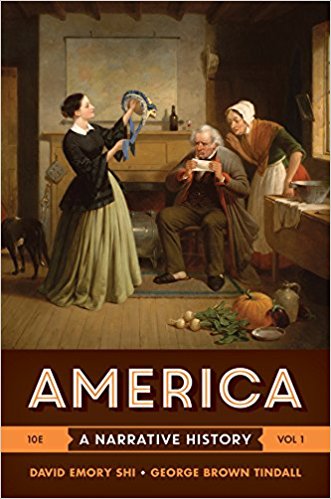
America A Narrative History (Vol. 1) 10th Edition, Kindle Edition by David E. Shi - Test Bank

America A Narrative History (Vol. 1) 10th Edition, Kindle Edition by David E. Shi - Test Bank   Instant Download - Complete Test Bank With Answers     Sample Questions Are Posted Below   CHAPTER 05: THE AMERICAN REVOLUTION, 1776-1783   TRUE/FALSE   Desertion was a big problem for Washington’s army during the Revolution.   …

$19.99

America A Narrative History (Vol. 1) 10th Edition, Kindle Edition by David E. Shi – Test Bank


Instant Download – Complete Test Bank With Answers


Sample Questions Are Posted Below


CHAPTER 05: THE AMERICAN REVOLUTION, 1776-1783


TRUE/FALSE


  1. Desertion was a big problem for Washington’s army during the Revolution.


ANS:  T                    DIF:    Easy               REF:   Page 203

OBJ:   Identify the challenges faced by the Americans and the British forces in the Revolutionary War, and identify their respective military strategies.                        TOP:              The Continental Army (I.A)


  1. The first conflicts of the American Revolution took place in South Carolina.


ANS:  F                    DIF:    Easy               REF:   Page 205

OBJ:   Identify the challenges faced by the Americans and the British forces in the Revolutionary War, and identify their respective military strategies.                        TOP:              Disaster in Canada (I.D)


  1. Thomas Paine’s pamphlet, The American Crisis, gave the colonists inspiration with the line, “These are times that try men’s souls.”


ANS:  T                    DIF:    Easy               REF:   Page 208

OBJ:   Understand the Revolutionary War’s major turning points.

TOP:   Washington’s Narrow Escape (I.E)


  1. During the Revolution, Loyalists came exclusively from the elite ranks of society.


ANS:  F                    DIF:    Easy               REF:   Page 212

OBJ:   Analyze the ways in which the American Revolution also functioned as a civil war.

TOP:   American Society at War (II)


  1. Many Loyalists emigrated from the American colonies during and after the American Revolution.


ANS:  T                    DIF:    Easy               REF:   Page 212

OBJ:   Analyze the ways in which the American Revolution also functioned as a civil war.

TOP:   American Society at War (II)


  1. Before the Revolution was over, the British were fighting the Spanish, the French, and the Dutch, as well as the Americans.


ANS:  T                    DIF:    Moderate       REF:   Page 216

OBJ:   Identify the challenges faced by the Americans and the British forces in the Revolutionary War, and identify their respective military strategies.                        TOP:              Alliance with France (III.B)


  1. During the war, Iroquois tribes such as the Mohawks helped the Americans fight against the British.


ANS:  F                    DIF:    Moderate       REF:   Page 219

OBJ:   Identify the challenges faced by the Americans and the British forces in the Revolutionary War, and identify their respective military strategies.                        TOP:              War in the West (IV.B)


  1. Daniel Boone led settlers who fought both the British and the Indians in Kentucky.


ANS:  T                    DIF:    Easy               REF:   Pages 220-221

OBJ:   Identify the challenges faced by the Americans and the British forces in the Revolutionary War, and identify their respective military strategies.                        TOP:              War in the West (IV.B)


  1. After 1778, most of the fighting in the Revolution was done in the South.


ANS:  T                    DIF:    Easy               REF:   Page 221

OBJ:   Understand the Revolutionary War’s major turning points.

TOP:   The War Moves South (V)


  1. Benedict Arnold, originally a British officer, switched to the American side halfway through the war.


ANS:  F                    DIF:    Easy               REF:   Page 225

OBJ:   Identify the challenges faced by the Americans and the British forces in the Revolutionary War, and identify their respective military strategies.

TOP:   The Virginia Campaign (VI.A)


  1. The timely arrival of the French navy off the coast of Yorktown gave Washington’s forces the reinforcement they needed to defeat Cornwallis’s British army.


ANS:  T                    DIF:    Moderate       REF:   Page 227

OBJ:   Understand the Revolutionary War’s major turning points.

TOP:   Yorktown (VI.B)


  1. Under the Articles of Confederation, some legislative measures required different majorities for approval.


ANS:  T                    DIF:    Easy               REF:   Page 232

OBJ:   Explain how the American Revolution served as an “engine” for political and social change.

TOP:   The Articles of Confederation (VIII.C)


  1. The Articles of Confederation left many powers to the states.


ANS:  T                    DIF:    Easy               REF:   Page 232

OBJ:   Explain how the American Revolution served as an “engine” for political and social change.

TOP:   The Articles of Confederation (VIII.C)


  1. The Anglican Church became the Episcopal Church after the American Revolution.


ANS:  T                    DIF:    Moderate       REF:   Page 235

OBJ:   Explain how the American Revolution served as an “engine” for political and social change.

TOP:   Freedom of Religion (IX.B)


  1. Thomas Jefferson was the most notable Virginian to free his slaves during the Revolution.


ANS:  F                    DIF:    Moderate       REF:   Page 236

OBJ:   Assess the extent to which the American Revolution was a social revolution in matters of race and gender. TOP:           Slaves and the Revolution (X)


MULTIPLE CHOICE


  1. The state militia units that made up the initial American military force and later came to augment the Continental army:
a. generally refused to ambush the British or to engage in hand-to-hand combat
b. often seemed to appear at crucial moments and then evaporate
c. provided the most seasoned troops of the war because of their past experience fighting the Indians
d. were highly successful as organized units even though they refused to wear uniforms
e. frequently mutinied and joined the British


ANS:  B                    DIF:    Moderate       REF:   Page 202

OBJ:   Identify the challenges faced by the Americans and the British forces in the Revolutionary War, and identify their respective military strategies.                        TOP:              The Continental Army (I.A)

MSC:  Understanding


  1. The Patriot militia:
a. favored conventional European tactics in battle
b. frustrated Washington with its lack of discipline
c. enlisted for a three-year term of service
d. basically won the war against the British
e. was completely worthless


ANS:  B                    DIF:    Easy               REF:   Page 203

OBJ:   Identify the challenges faced by the Americans and the British forces in the Revolutionary War, and identify their respective military strategies.                        TOP:              The Continental Army (I.A)

MSC:  Understanding


  1. Which of the following provided most of the money raised by the Continental Congress for the Revolution?
a. loans from foreign countries d. direct taxes on the American people
b. requisitions from the states e. new issues of paper money
c. contributions from patriotic citizens  


ANS:  E                    DIF:    Moderate       REF:   Page 204

OBJ:   Identify the challenges faced by the Americans and the British forces in the Revolutionary War, and identify their respective military strategies.

TOP:   Problems of Finance and Supply (I.B)                               MSC:  Understanding


  1. Which of the following was NOT true of the expedition against Canada in 1775–1776?
a. Smallpox was perhaps their greatest adversary on that campaign.
b. It resulted in an important American victory and set the tone for the coming campaign.
c. It was led in part by General Benedict Arnold.
d. It had as its main goal the expulsion of Indian tribes in the area.
e. It made Americans see the long-term nature of their struggle.


ANS:  B                    DIF:    Moderate       REF:   Page 205

OBJ:   Understand the Revolutionary War’s major turning points.

TOP:   Disaster in Canada (I.D)                  MSC:  Evaluating


  1. When the British attacked New York in late August 1776:
a. Washington ambushed and routed them
b. Washington met them with a larger, more experienced force
c. Washington learned the superiority of the militia to regular troops
d. the American army was fortunate to escape
e. the Americans received French reinforcements just in time


ANS:  D                    DIF:    Moderate       REF:   Page 207

OBJ:   Identify the challenges faced by the Americans and the British forces in the Revolutionary War, and identify their respective military strategies.

TOP:   Washington’s Narrow Escape (I.E)   MSC:  Analyzing


  1. In August 1776, General Washington had 28,000 men under his command. By December, he had:
a. 15,000 d. 3,000
b. 13,000 e. 35,000
c. 20,000  


ANS:  D                    DIF:    Easy               REF:   Page 207

OBJ:   Identify the challenges faced by the Americans and the British forces in the Revolutionary War, and identify their respective military strategies.

TOP:   Washington’s Narrow Escape (I.E)   MSC:  Remembering


  1. Which city did the British capture early in the American Revolution and hold for the remainder of the war?
a. Atlanta d. Philadelphia
b. Boston e. New York
c. Williamsburg  


ANS:  E                    DIF:    Easy               REF:   Page 207

OBJ:   Understand the Revolutionary War’s major turning points.

TOP:   Washington’s Narrow Escape (I.E)   MSC:  Remembering


  1. Thomas Paine’s The American Crisis:
a. stated the impossibility of beating the British
b. urged Congress to make Washington a temporary dictator
c. bolstered American morale
d. supplied Washington with battle plans
e. blamed Congress for the army’s defeats


ANS:  C                    DIF:    Easy               REF:   Page 208

OBJ:   Understand the Revolutionary War’s major turning points.

TOP:   Washington’s Narrow Escape (I.E)   MSC:  Remembering


  1. On Christmas night 1776, Washington crossed the Delaware to defeat the:
a. Loyalists d. Iroquois
b. Hessians e. Tories
c. British  


ANS:  B                    DIF:    Easy               REF:   Page 209

OBJ:   Understand the Revolutionary War’s major turning points.

TOP:   A Desperate Gamble (I.F)                MSC:  Remembering


  1. In late December 1776, George Washington was able to reverse American fortunes by:
a. recapturing New York City from the British
b. convincing Congress to give the army all the resources it needed
c. getting France and Spain to enter the conflict
d. destroying a British force outside of Boston
e. winning battles at Trenton and Princeton


ANS:  E                    DIF:    Moderate       REF:   Page 209

OBJ:   Understand the Revolutionary War’s major turning points.

TOP:   A Desperate Gamble (I.F)                MSC:  Analyzing


  1. In 1777, Washington dealt with the threat of smallpox to his army by:
a. ordering a mass inoculation
b. sending most of his soldiers home
c. placing his camp under quarantine
d. providing his soldiers with clean quarters and healthy food
e. asking for a halt in the fighting


ANS:  A                    DIF:    Moderate       REF:   Page 211

OBJ:   Identify the challenges faced by the Americans and the British forces in the Revolutionary War, and identify their respective military strategies.                        TOP:              Winter in Morristown (I.G)

MSC:  Remembering


  1. Benedict Arnold became notorious late in the war by:
a. recruiting slaves into the American army
b. questioning Washington’s fitness for command
c. defecting to the British
d. selling weapons to Indians
e. trying to become a military dictator


ANS:  C                    DIF:    Easy               REF:   Page 212

OBJ:   Analyze the ways in which the American Revolution also functioned as a civil war.

TOP:   American Society at War (II)           MSC:  Analyzing


  1. During the war, Benjamin Franklin’s son, William:
a. was a prominent American general
b. served as minister to France
c. stayed loyal to Britain
d. deserted from the Continental army
e. earned his father’s admiration


ANS:  C                    DIF:    Easy               REF:   Page 212

OBJ:   Analyze the ways in which the American Revolution also functioned as a civil war.

TOP:   American Society at War (II)           MSC:  Remembering


  1. During the war, Tories:
a. refused to take prisoners
b. probably outnumbered Patriots
c. generally lived at peace with their Whig neighbors
d. controlled large areas for an extended time
e. came from all classes of society


ANS:  E                    DIF:    Easy               REF:   Page 213

OBJ:   Analyze the ways in which the American Revolution also functioned as a civil war.

TOP:   American Society at War (II)           MSC:  Analyzing


  1. Which of the following statements is NOT true of the battle at Brandywine Creek?
a. It resulted in American forces abandoning New York City.
b. It forced Washington’s army to withdraw into winter quarters in Valley Forge.
c. The Patriots lost Philadelphia as a result.
d. British forces spent the winter in relative comfort following their victory.
e. The Continental Congress fled after the battle.


ANS:  A                    DIF:    Difficult         REF:   Page 214

OBJ:   Understand the Revolutionary War’s major turning points.

TOP:   Setbacks for the British (1777) (III)                                   MSC:  Evaluating


  1. Americans won a tremendous victory in October 1777 with the surrender at Saratoga of:
a. Lord Cornwallis d. Benedict Arnold
b. Banastre Tarleton e. Lord Howe
c. Johnny Burgoyne  


ANS:  C                    DIF:    Easy               REF:   Page 215

OBJ:   Understand the Revolutionary War’s major turning points.

TOP:   The Campaign of 1777 (III.A)          MSC:  Remembering


  1. The American victory at Saratoga resulted in:
a. a new invasion of Canada
b. serious peace negotiations with the British
c. a huge increase in the size of the Continental army
d. France’s entry on the American side
e. Dutch entry on the American side


ANS:  D                    DIF:    Moderate       REF:   Page 215

OBJ:   Understand the Revolutionary War’s major turning points.

TOP:   Alliance with France (III.B)             MSC:  Applying


  1. In its winter camp at Valley Forge, Washington’s army was decimated by all of the following EXCEPT:
a. hunger d. resignations
b. desertion e. brutal cold
c. enemy attack  


ANS:  C                    DIF:    Easy               REF:   Page 216

OBJ:   Understand the Revolutionary War’s major turning points.

TOP:   Valley Forge and Stalemate (IV.A)  MSC:  Evaluating


  1. The baron von Steuben’s contribution to the American cause was to:
a. supply the army with weapons
b. instruct Washington in military strategy
c. drill American soldiers
d. train the American cavalry
e. use his fortune to pay the troops


ANS:  C                    DIF:    Easy               REF:   Page 216

OBJ:   Understand the Revolutionary War’s major turning points.

TOP:   Valley Forge and Stalemate (IV.A)  MSC:  Remembering


  1. The Marquis de Lafayette served the American cause during the war as:
a. commander of the French navy
b. Washington’s most trusted aide
c. France’s ambassador to Congress
d. leader of the attack on the British in Canada
e. chief fundraiser in Europe


ANS:  B                    DIF:    Easy               REF:   Page 217

OBJ:   Understand the Revolutionary War’s major turning points.

TOP:   Valley Forge and Stalemate (IV.A)  MSC:  Remembering


  1. The great exploit of George Rogers Clark was the:
a. conquest of the Canadian side of the Great Lakes
b. conquest of the western frontier
c. termination of Pontiac’s Rebellion in the Ohio Valley
d. destruction of the Cherokees on the Carolina frontier
e. defeat of the British in a major naval battle


ANS:  B                    DIF:    Easy               REF:   Page 219

OBJ:   Understand the Revolutionary War’s major turning points.

TOP:   War in the West (IV.B)                    MSC:  Understanding


  1. American settlers who defended Kentucky were led by:
a. Daniel Boone d. Francis Marion
b. George Rogers Clark e. Andrew Jackson
c. Ethan Allen  


ANS:  A                    DIF:    Easy               REF:   Page 220

OBJ:   Understand the Revolutionary War’s major turning points.

TOP:   War in the West (IV.B)                    MSC:  Remembering


  1. On the western frontier, Indian tribes such as the Mohawks, Shawnees, and Cherokees:
a. stayed neutral
b. supported the Americans
c. fled further west to escape the fighting
d. attacked frontier settlements in Virginia and the Carolinas
e. switched sides constantly


ANS:  D                    DIF:    Easy               REF:   Page 221

OBJ:   Identify the challenges faced by the Americans and the British forces in the Revolutionary War, and identify their respective military strategies.                        TOP:              War in the West (IV.B)

MSC:  Remembering


  1. The British shifted their military effort to the South:
a. to protect their settlements in Florida
b. to fight in a milder climate
c. to destroy rebel plantations
d. to utilize the strength of local Tories
e. to utilize the strength of their navy


ANS:  D                    DIF:    Easy               REF:   Page 221

OBJ:   Understand the Revolutionary War’s major turning points.

TOP:   The War Moves South (V)               MSC:  Analyzing


  1. The war in the South was characterized by:
a. massive civilian casualties
b. killing of prisoners by both sides
c. conventional military tactics
d. an unbroken series of British victories
e. massive use of slave soldiers by the Americans


ANS:  B                    DIF:    Moderate       REF:   Page 222

OBJ:   Analyze the ways in which the American Revolution also functioned as a civil war.

TOP:   War in the Carolinas (V.B)              MSC:  Understanding


  1. An important American victory—“the turn of the tide of success”—was at:
a. Savannah d. Charleston
b. Camden e. Kings Mountain
c. Vincennes  


ANS:  E                    DIF:    Easy               REF:   Page 224

OBJ:   Understand the Revolutionary War’s major turning points.

TOP:   The Battle of Kings Mountain (V.C)                                 MSC:  Understanding


  1. The most complete American victory of the Revolution took place at:
a. Yorktown d. Cowpens
b. Bunker Hill e. Guilford Courthouse
c. Saratoga  


ANS:  D                    DIF:    Difficult         REF:   Page 224

OBJ:   Understand the Revolutionary War’s major turning points.

TOP:   Southern Retreat (V.D)                    MSC:  Remembering


  1. The battle that resulted in a hard-fought and costly stalemate that ultimately forced Cornwallis to retreat to the coastline was:
a. Cowpens d. Guilford Courthouse
b. Kings Mountain e. Brandywine Creek
c. Saratoga  


ANS:  D                    DIF:    Moderate       REF:   Page 225

OBJ:   Understand the Revolutionary War’s major turning points.

TOP:   Southern Retreat (V.D)                    MSC:  Evaluating


  1. Which of the following statements about the English army’s condition at Yorktown is true?
a. Cornwallis’s force had been pushed to the brink of exhaustion by a persistent Washington.
b. The British navy showed itself to be much weaker in the face of Americans than anyone expected.
c. Cornwallis’s combined force numbered only 7,200 men.
d. Cornwallis could have escaped but for a second duplicity by Benedict Arnold.
e. Washington had to march his army from Massachusetts to meet Cornwallis at Yorktown.


ANS:  C                    DIF:    Moderate       REF:   Page 227

OBJ:   Understand the Revolutionary War’s major turning points.

TOP:   Yorktown (VI.B)                             MSC:  Understanding


  1. The American victory at Yorktown would have been impossible without:
a. French assistance d. favorable weather
b. divine intervention e. superior weapons
c. British incompetence  


ANS:  A                    DIF:    Moderate       REF:   Page 227

OBJ:   Understand the Revolutionary War’s major turning points.

TOP:   Yorktown (VI.B)                             MSC:  Applying


  1. The news of Yorktown inspired the British to:
a. recruit more soldiers d. sign a peace treaty with France
b. end the war e. replace their commanders
c. replace George III  


ANS:  B                    DIF:    Moderate       REF:   Page 229

OBJ:   Understand the Revolutionary War’s major turning points.

TOP:   The Treaty of Paris (1783) (VII)       MSC:  Understanding


  1. Which of the following did NOT participate in the negotiations that resulted in the Treaty of Paris?
a. Thomas Jefferson d. John Adams
b. John Jay e. George Washington
c. Benjamin Franklin  


ANS:  E                    DIF:    Easy               REF:   Page 230

OBJ:   Understand the Revolutionary War’s major turning points.

TOP:   A Negotiated Peace (VII.A)             MSC:  Evaluating


  1. The peace treaty was signed in:
a. Brussels d. Amsterdam
b. London e. Paris
c. Madrid  


ANS:  E                    DIF:    Easy               REF:   Page 230

OBJ:   Understand the Revolutionary War’s major turning points.

TOP:   A Negotiated Peace (VII.A)             MSC:  Remembering


  1. Which of the following was NOT one of the provisions of the treaty ending the American Revolution?
a. Florida was given to Spain.
b. Congress would not prevent British merchants from collecting debts owed them by Americans.
c. The Mississippi River was recognized as the western boundary of the United States.
d. Congress would restore all property confiscated from Loyalists during the war.
e. Americans were allowed to fish off the Canadian coast.


ANS:  D                    DIF:    Easy               REF:   Page 230

OBJ:   Understand the Revolutionary War’s major turning points.

TOP:   A Negotiated Peace (VII.A)             MSC:  Evaluating


  1. The treaty with Britain that ended the Revolutionary War:
a. protected the rights of Loyalists
b. gave Florida to the United States
c. recognized American independence
d. gave America a claim to Newfoundland
e. imposed war damages on the British


ANS:  C                    DIF:    Easy               REF:   Page 230

OBJ:   Understand the Revolutionary War’s major turning points.

TOP:   A Negotiated Peace (VII.A)             MSC:  Analyzing


  1. Most of the state constitutions adopted during the Revolution:
a. gave governors extensive powers
b. granted universal manhood suffrage
c. contained bills of rights
d. abolished slavery
e. were rejected by Congress


ANS:  C                    DIF:    Easy               REF:   Page 231

OBJ:   Explain how the American Revolution served as an “engine” for political and social change.

TOP:   State Governments (VIII.B)             MSC:  Remembering


  1. The Articles of Confederation were fully ratified and became effective:
a. in 1781
b. in 1789
c. in 1776
d. because most people wanted a strong central government
e. never


ANS:  A                    DIF:    Easy               REF:   Page 232

OBJ:   Explain how the American Revolution served as an “engine” for political and social change.

TOP:   The Articles of Confederation (VIII.C)                              MSC:  Remembering


  1. Under the Articles of Confederation, Congress:
a. combined legislative and executive power
b. shared power with a supreme court
c. was superior to the various state governments
d. was largely a debating society with no clear areas of authority
e. would elect the president


ANS:  A                    DIF:    Easy               REF:   Page 232

OBJ:   Explain how the American Revolution served as an “engine” for political and social change.

TOP:   The Articles of Confederation (VIII.C)                              MSC:  Understanding


  1. Which of the following was NOT a power of the national government under the Articles of Confederation?
a. full authority over foreign affairs
b. the right to levy taxes on trade and commerce
c. control of government in the western territories
d. authority to coin money, run a postal service, and direct Indian affairs
e. authority to settle disputes between states


ANS:  B                    DIF:    Easy               REF:   Page 232

OBJ:   Explain how the American Revolution served as an “engine” for political and social change.

TOP:   The Articles of Confederation (VIII.C)                              MSC:  Remembering


  1. The Revolution did all of the following EXCEPT:
a. foster a spirit of social equality
b. lower property requirements for the vote
c. limit opportunities to acquire land in the West
d. encourage greater participation in politics
e. establish American independence


ANS:  C                    DIF:    Moderate       REF:   Pages 232-233

OBJ:   Explain how the American Revolution served as an “engine” for political and social change.

TOP:   The Social Revolution (IX)              MSC:  Evaluating


  1. Because of associations with the British, the Revolution was especially detrimental to the status of the:
a. Quakers d. Presbyterians
b. Baptists e. Anglicans
c. Methodists  


ANS:  E                    DIF:    Moderate       REF:   Page 235

OBJ:   Explain how the American Revolution served as an “engine” for political and social change.

TOP:   Freedom of Religion (IX.B)             MSC:  Applying


  1. The Virginia Statute of Religious Freedom was written by:
a. John Adams d. Thomas Paine
b. Alexander Hamilton e. Thomas Jefferson
c. Patrick Henry  


ANS:  E                    DIF:    Easy               REF:   Page 235

OBJ:   Explain how the American Revolution served as an “engine” for political and social change.

TOP:   Freedom of Religion (IX.B)             MSC:  Remembering


  1. The Virginia Statute of Religious Freedom marked the general trend away from:
a. belief in God d. revivalism
b. religious diversity e. state-supported churches
c. public prayer  


ANS:  E                    DIF:    Difficult         REF:   Pages 235-236

OBJ:   Explain how the American Revolution served as an “engine” for political and social change.

TOP:   Freedom of Religion (IX.B)             MSC:  Applying


  1. Elite Virginians despised Lord Dunmore because of his:
a. harsh treatment of captured rebels
b. offer of freedom to slaves who would join the British
c. abolition of the slave trade
d. belief in true racial equality
e. arrogant British manners


ANS:  B                    DIF:    Moderate       REF:   Page 236

OBJ:   Assess the extent to which the American Revolution was a social revolution in matters of race and gender. TOP:           Slaves and the Revolution (X)          MSC:  Remembering


  1. During the period of the Revolution, a slave might gain his freedom:
a. claiming amnesty as a political prisoner
b. appealing to George Washington
c. suing for freedom in local courts
d. running away to northern states
e. joining the British army


ANS:  E                    DIF:    Moderate       REF:   Page 236

OBJ:   Assess the extent to which the American Revolution was a social revolution in matters of race and gender. TOP:           Slaves and the Revolution (X)          MSC:  Analyzing


  1. In the era of the Revolution, the northern states:
a. took steps to abolish slavery
b. elected a number of free blacks to office
c. gave free blacks full equality
d. outlawed racist language
e. sent many former slaves to Canada


ANS:  A                    DIF:    Easy               REF:   Page 237

OBJ:   Assess the extent to which the American Revolution was a social revolution in matters of race and gender. TOP:           Southern Backlash (X.A)                 MSC:  Understanding


  1. Which of the following statements was NOT true of women during the Revolutionary era?
a. sometimes disguised themselves as men in order to enlist in the Continental army
b. were often considered the property of their husbands without an opportunity to establish a public life for themselves
c. had few opportunities to receive an education
d. on at least one occasion, commanded an artillery company in Washington’s army
e. frequently worked behind the scenes to supply soldiers with food and clothing


ANS:  D                    DIF:    Moderate       REF:   Page 238

OBJ:   Assess the extent to which the American Revolution was a social revolution in matters of race and gender. TOP:           The Status of Women (X.B)             MSC:  Evaluating


  1. Abigail Adams’s appeal to her husband, John, to “remember the Ladies”:
a. resulted in more rights for women
b. proved her subordinate nature
c. showed her rejection of women’s domestic role
d. was basically ignored
e. revealed her political ambitions


ANS:  D                    DIF:    Moderate       REF:   Page 239

OBJ:   Assess the extent to which the American Revolution was a social revolution in matters of race and gender. TOP:           Women and Liberty (X.C)               MSC:  Understanding


  1. Immediately after the end of the Revolution, the most popular public ritual in the United States became:
a. Washington’s birthday d. Christmas
b. Lexington and Concord e. Thanksgiving
c. Independence Day  


ANS:  C                    DIF:    Easy               REF:   Page 240

OBJ:   Explain how the American Revolution served as an “engine” for political and social change.

TOP:   The Emergence of an American Culture (XI)                     MSC:  Remembering


  1. With the end of the war, many Americans viewed the United States as a:
a. nation with a special destiny
b. future imperial power
c. temporary expedient until it could reunite with Britain
d. North American extension of Europe
e. leader in science and technological innovation


ANS:  A                    DIF:    Easy               REF:   Pages 240-241

OBJ:   Explain how the American Revolution served as an “engine” for political and social change.

TOP:   The Emergence of an American Culture (XI)                     MSC:  Applying


ESSAY


  1. Describe the problems in America of finance, supplies, and troops during the Revolution. How did Americans attempt to solve these problems? How successful were they?


ANS:

Answer will vary.


  1. In what ways were the campaigns in the North different from those in the South?


ANS:

Answer will vary.


  1. Discuss the validity of the following assertion: “Without the cooperation of the French, American victory in the Revolution would not have been possible.”


ANS:

Answer will vary.


  1. Discuss the social effects of the Revolution. In what areas was the Revolutionary promise or spirit most fulfilled? In what areas was it least fulfilled?


ANS:

Answer will vary.


  1. Indian participation in European conflicts in North America was not new at the time of the American Revolution. Examine the roles of native tribes and discuss what they hoped to receive from their activity.


ANS:

Answer will vary.


  1. Describe the basic military strategy (or strategies) of the two sides during the Revolution. How might the British have been more successful?


ANS:

Answer will vary.


  1. Discuss the choices colonists had to make concerning which side to support during the American Revolution.


ANS:

Answer will vary.


  1. Describe the preparations, strength, and experience of the American and British armies during the American Revolution.


ANS:

Answer will vary.


  1. George Washington’s winter at Valley Forge was a special moment in American history. Examine that winter and discuss the important developments that helped transform the Continental army.


ANS:

Answer will vary.


  1. Explain why 1777 has been referred to as the “year of setbacks” for the British.


ANS:

Answer will vary.


  1. Trace the negotiations and details of the Treaty of Paris of 1783.


ANS:

Answer will vary.


  1. Discuss Lord Dunmore’s proclamation and how it impacted the colonists.


ANS:

Answer will vary.


  1. Discuss the evolution of the Articles of Confederation. What type of government was established and how effective was the Confederation government?


ANS:

Answer will vary.


  1. At the end of the American Revolution, many of the old traditions were replaced with new ones. Examine how religion changed as a result.


ANS:

Answer will vary.


  1. The nationalism that grew out of the Revolution brought with it the concept that the new nation had a unique destiny. Examine that idea of American exceptionalism alongside modern manifestations of the same idea.


ANS:

Answer will vary.


MATCHING


Match each description with the item below.

a. author of the Virginia Statute of Religious Freedom
b. wrote The American Crisis
c. surrendered his army to Washington at Yorktown
d. American commander in the South known as the “fighting Quaker”
e. was a brutal British leader in the South
f. major American peace negotiator
g. arrogant British general defeated at Saratoga
h. promised American slaves their freedom if they would join the British war effort
i. fought against Indians in Kentucky
j. ended Benedict Arnold’s plot, hanged as a spy


  1. Daniel Boone


  1. John Burgoyne


  1. Benjamin Franklin


  1. Lord Dunmore


  1. Thomas Jefferson


  1. Lord Charles Cornwallis


  1. Thomas Paine


  1. Nathanael Greene


  1. Banastre Tarleton


  1. John André


  1. ANS:  I


  1. ANS:  G


  1. ANS:  F


  1. ANS:  H


  1. ANS:  A


  1. ANS:  C


  1. ANS:  B


  1. ANS:  D


  1. ANS:  E


  1. ANS:  J

Additional information

Add Review

Your email address will not be published. Required fields are marked *