No products in the cart.

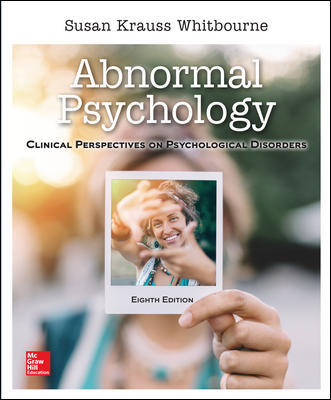
Abnormal Psychology Clinical Perspectives on Psychological Disorders 8Th Edition By Susan - Test Bank

Abnormal Psychology Clinical Perspectives on Psychological Disorders 8Th Edition By Susan - Test Bank   Instant Download - Complete Test Bank With Answers     Sample Questions Are Posted Below   Chapter 05 Neurodevelopmental Disorders   _____ disorders are conditions that begin in childhood and have a major impact on social and cognitive functioning, involving …

$19.99

Abnormal Psychology Clinical Perspectives on Psychological Disorders 8Th Edition By Susan – Test Bank


Instant Download – Complete Test Bank With Answers


Sample Questions Are Posted Below


Chapter 05

Neurodevelopmental Disorders


  1. _____ disorders are conditions that begin in childhood and have a major impact on social and cognitive functioning, involving serious deficits in social interaction and communication skills, as well as odd behavior, interests, and activities.
  2. Personality
  3. B. Neurodevelopmental
  4. Elimination
  5. Disruptive behavior

Page: 110

Accessibility: Keyboard Navigation

APA LO: 1.3

Bloom’s: Remember

Difficulty: Easy

Gradable: automatic

Learning Objective: Discuss neurodevelopmental disorders.

Topic: Symptoms


  1. _____ is a condition that presents itself in childhood and is characterized by significantly below-average general cognitive functioning as well as deficits in adaptive skills
  2. A. Intellectual disability
  3. Autism spectrum disorder
  4. Avoidant disorder
  5. Dyslexia

Page: 111

Accessibility: Keyboard Navigation

APA LO: 1.3

Bloom’s: Remember

Difficulty: Medium

Gradable: automatic

Learning Objective: Explain the causes, characteristics and treatment of intellectual disability.

Topic: Intellectual Disability


  1. To receive a diagnosis of intellectual disability, an individual’s IQ must be
  2. between 100 and 120.
  3. between 80 and 100.
  4. less than 100.
  5. D. approximately 70 or below.

Page: 111

Accessibility: Keyboard Navigation

APA LO: 1.3

Bloom’s: Remember

Difficulty: Difficult

Gradable: automatic

Learning Objective: Explain the causes, characteristics and treatment of intellectual disability.

Topic: Intellectual Disability


  1. Which of the following will be a criterion for the diagnosis of intellectual developmental disorder in DSM-5?
  2. There should be growth problems such as height, weight, or both at or below the 10th percentile (adjusted for age, sex, and race or ethnicity).
  3. The IQ level should be approximately 50 or below on an individually administered intelligence test, such as the WAIS-IV or WISC-IV.
  4. C. There should be impairments in adaptive functioning, relative to a person’s age and cultural group, in a variety of daily life activities such as communication and social participation.
  5. The disorder must begin prior to the age of 12.

Page: 111

Accessibility: Keyboard Navigation

APA LO: 1.3

Bloom’s: Remember

Difficulty: Difficult

Gradable: automatic

Learning Objective: Explain the causes, characteristics and treatment of intellectual disability.

Topic: Intellectual Disability


  1. According to the text, approximately _____ of the world’s population has intellectual developmental disability, with appreciably higher rates in low-income countries.
  2. A. 1%
  3. 5%
  4. 8%
  5. 12%

Page: 112

Accessibility: Keyboard Navigation

APA LO: 1.3

Bloom’s: Remember

Difficulty: Easy

Gradable: automatic

Learning Objective: Explain the causes, characteristics and treatment of intellectual disability.

Topic: Intellectual Disability


  1. Which of the following forms of intellectual disabilities is caused by abnormal chromosomal development affecting the 21st pair of chromosomes?
  2. Fragile X syndrome
  3. B. Down syndrome
  4. Tay-Sachs disease
  5. PKU

Page: 112-113

Accessibility: Keyboard Navigation

APA LO: 1.3

Bloom’s: Remember

Difficulty: Medium

Gradable: automatic

Learning Objective: Explain the causes, characteristics and treatment of intellectual disability.

Topic: Down Syndrome


Topic: Intellectual Disability Causes


  1. An amniocentesis or amniotic fluid test has identified a defect on the short arm of the 21st pair of chromosomes in a developing embryo. It is likely that this child will have
  2. Tay-Sachs disease.
  3. Fragile X syndrome.
  4. Tourette’s disorder.
  5. D. Down syndrome.

Page: 112-113

Accessibility: Keyboard Navigation

APA LO: 1.3

Bloom’s: Apply

Difficulty: Difficult

Gradable: automatic

Learning Objective: Explain the causes, characteristics and treatment of intellectual disability.

Topic: Down Syndrome


Topic: Intellectual Disability Causes


  1. In which of the following forms of Down syndrome does the extra copy of one of the chromosome pairs interfere with the normal development of the body and brain?
  2. Fragile X syndrome
  3. B. Trisomy 21
  4. Tay-Sachs disease
  5. PKU

Page: 113

Accessibility: Keyboard Navigation

APA LO: 1.3

Bloom’s: Remember

Difficulty: Difficult

Gradable: automatic

Learning Objective: Explain the causes, characteristics and treatment of intellectual disability.

Topic: Down Syndrome


Topic: Intellectual Disability Causes


  1. Which of the following is true about the causes of intellectual disabilities?
  2. A. Genetic abnormalities are a significant cause of intellectual disabilities.
  3. Epigenetics does not play an important role in increasing an individual’s risk of developing intellectual disabilities.
  4. The only two genetic causes for intellectual disabilities are Down syndrome and Fragile X syndrome.
  5. The expression of a gene is independent of diet and living conditions.

Page: 112-113

Accessibility: Keyboard Navigation

APA LO: 1.3

Bloom’s: Understand

Difficulty: Difficult

Gradable: automatic

Learning Objective: Explain the causes, characteristics and treatment of intellectual disability.

Topic: Down Syndrome

Topic: Intellectual Disability Causes


  1. Which of the following statements is true about Down syndrome?
  2. The symptoms of Down syndrome are severe and are mostly similar for every person.
  3. An individual with Down syndrome has a head that is larger than normal and oval shaped.
  4. C. Down syndrome is the most common cause of birth defects in humans.
  5. Individuals with Down syndrome reach full adult height around the age of 10.

Page: 113

Accessibility: Keyboard Navigation

APA LO: 1.3

Bloom’s: Remember

Difficulty: Medium

Gradable: automatic

Learning Objective: Explain the causes, characteristics and treatment of intellectual disability.

Topic: Down Syndrome


Topic: Intellectual Disability Causes


  1. Which of the following is characteristic of an individual with Down syndrome?
  2. The face of an individual with Down syndrome includes a head that is larger than normal and oval shaped.
  3. Infants born with Down syndrome are missing an enzyme called phenylalanine hydroxylase.
  4. C. Some of the characteristic features of people with Down syndrome include a flattened nose, small ears, small mouth,

and upward slanting eyes.

  1. Individuals with Down syndrome reach full adult height around the age of 10.

Page: 113

Accessibility: Keyboard Navigation

APA LO: 1.3

Bloom’s: Remember

Difficulty: Medium

Gradable: automatic

Learning Objective: Explain the causes, characteristics and treatment of intellectual disability.

Topic: Down Syndrome

Topic: Intellectual Disability Causes


  1. _____ is the disorder of infancy characterized by failure to produce an enzyme necessary for the breakdown of a specific amino acid in the body.
  2. Down syndrome
  3. Fragile X syndrome
  4. C. Phenylketonuria
  5. Tay-Sachs disease

Page: 113

Accessibility: Keyboard Navigation

APA LO: 1.3

Bloom’s: Remember

Difficulty: Difficult

Gradable: automatic

Learning Objective: Explain the causes, characteristics and treatment of intellectual disability.

Topic: Intellectual Disability Causes


  1. An infant is said to suffer from ______________ if she has a deficiency of an enzyme which breaks down phenylalanine, an amino acid found in foods that contain protein.
  2. A. PKU
  3. HPP
  4. Fragile X syndrome
  5. intellectual disability

Page: 113

Accessibility: Keyboard Navigation

APA LO: 1.3

Bloom’s: Remember

Difficulty: Difficult

Gradable: automatic

Learning Objective: Explain the causes, characteristics and treatment of intellectual disability.

Topic: Intellectual Disability Causes

Topic: PKU


  1. Garrett was born with a specific condition that causes his body to be unable to break down a specific amino acid. As a result his parents have to monitor his diet, restricting certain foods such as milk and eggs. Garrett as probably been diagnosed with:
  2. A.
  3. hypoplastic left heart syndrome.
  4. ulcerative colitis.
  5. Tay-Sachs disease

Page: 113

Accessibility: Keyboard Navigation

APA LO: 1.3

Bloom’s: Apply

Difficulty: Difficult

Gradable: automatic

Learning Objective: Explain the causes, characteristics and treatment of intellectual disability.

Topic: Intellectual Disability Causes

Topic: PKU


  1. Children who are diagnosed with PKU must follow a strict diet and avoid foods that are high in
  2. iron.
  3. carnitine.
  4. fish oil.
  5. D.

Page: 113

Accessibility: Keyboard Navigation

APA LO: 1.3

Bloom’s: Remember

Difficulty: Medium

Gradable: automatic

Learning Objective: Explain the causes, characteristics and treatment of intellectual disability.

Topic: Intellectual Disability Causes

Topic: PKU


  1. Gabriel was administered a simple blood test shortly after birth. He was diagnosed PKU. Which of the following should would be okay for Gabriel to eat?
  2. Milk
  3. B. Carnitine
  4. Egg
  5. Aspartame

Page: 113

Accessibility: Keyboard Navigation

APA LO: 1.3

Bloom’s: Apply

Difficulty: Difficult

Gradable: automatic

Learning Objective: Explain the causes, characteristics and treatment of intellectual disability.

Topic: Intellectual Disability Causes

Topic: PKU


  1. In children born with _____, deficits in intellectual functioning occur due to a lack of the enzyme hexosaminidase
  2. Down syndrome
  3. Fragile X syndrome
  4. phenylketonuria
  5. D. Tay-Sachs disease

Page: 113

Accessibility: Keyboard Navigation

APA LO: 1.3

Bloom’s: Remember

Difficulty: Difficult

Gradable: automatic

Learning Objective: Explain the causes, characteristics and treatment of intellectual disability.

Topic: Intellectual Disability Causes


  1. In order to develop Tay-Sachs disease,
  2. one of the child’s parents must have this genetic defect.
  3. one of the child’s siblings must have this genetic defect.
  4. C. both of the child’s parents must have this genetic defect.
  5. both of the child’s grand parents must have this genetic defect.

Page: 113

Accessibility: Keyboard Navigation

APA LO: 1.3

Bloom’s: Understand

Difficulty: Medium

Gradable: automatic

Learning Objective: Explain the causes, characteristics and treatment of intellectual disability.

Topic: Intellectual Disability Causes


  1. Which of the following disorders, which results in intellectual disability, is more likely to be inherited by the Ashkenazi

Jews, of Eastern European descent?

  1. Down syndrome
  2. B. Tay-Sachs disease
  3. Phenylketonuria
  4. Fragile X syndrome

Page: 113

Accessibility: Keyboard Navigation

APA LO: 1.3

Bloom’s: Remember

Difficulty: Medium

Gradable: automatic

Learning Objective: Explain the causes, characteristics and treatment of intellectual disability.

Topic: Intellectual Disability Causes


  1. The disorder that causes developmental delays and early death, usually before the child reaches the age of 4 or 5,

is called

  1. A. Tay-Sachs disease.
  2. Fragile X syndrome.
  3. phenylketonuria.
  4. Down syndrome.

Page: 113-114

Accessibility: Keyboard Navigation

APA LO: 1.3

Bloom’s: Remember

Difficulty: Medium

Gradable: automatic

Learning Objective: Explain the causes, characteristics and treatment of intellectual disability.

Topic: Intellectual Disability Causes


  1. Which of the following is the most common genetic disorder in males caused by a change in a gene called FMRI?
  2. A. Fragile X syndrome
  3. Down syndrome
  4. Tay-Sachs disease
  5. PKU

Page: 114

Accessibility: Keyboard Navigation

APA LO: 1.3

Bloom’s: Remember

Difficulty: Difficult

Gradable: automatic

Learning Objective: Explain the causes, characteristics and treatment of intellectual disability.

Topic: Intellectual Disability Causes


  1. Girls with Fragile X syndrome may show no symptoms other than
  2. hyperactive or impulsive behavior.
  3. large head circumference.
  4. C. premature menopause or difficulty conceiving a child.
  5. speech and language delay.

Page: 114

Accessibility: Keyboard Navigation

APA LO: 1.3

Bloom’s: Remember

Difficulty: Medium

Gradable: automatic

Learning Objective: Explain the causes, characteristics and treatment of intellectual disability.

Topic: Intellectual Disability Causes


  1. Which of the following terms refers to environmental hazards that include drugs or toxic chemicals, maternal malnutrition, and infections in the mother during critical phases of prenatal development?
  2. Carcinogen
  3. Mutagen
  4. Androgens
  5. D. Teratogens

Page: 115

Accessibility: Keyboard Navigation

APA LO: 1.3

Bloom’s: Remember

Difficulty: Easy

Gradable: automatic

Learning Objective: Explain the causes, characteristics and treatment of intellectual disability.

Topic: Intellectual Disability Causes


  1. Which of the following most likely indicates the reason for children to be born with intellectual disability?
  2. Mother had consumed alcohol frequently before conception
  3. Mother had strict and punitive parenting during her childhood
  4. Mother had contracted Rubella just after the birth of the child
  5. D. Mother was malnourished during the critical phase of fetal development

Page: 115

Accessibility: Keyboard Navigation

APA LO: 1.3

Bloom’s: Understand

Difficulty: Medium

Gradable: automatic

Learning Objective: Explain the causes, characteristics and treatment of intellectual disability.

Topic: Intellectual Disability Causes


  1. When is a mother’s contraction of rubella likely to result in a child’s intellectual disability?
  2. At any point in the pregnancy
  3. B. During the first three months of pregnancy
  4. During the second three months of pregnancy
  5. During the third three months of pregnancy

Page: 115

Accessibility: Keyboard Navigation

APA LO: 1.3

Bloom’s: Remember

Difficulty: Difficult

Gradable: automatic

Learning Objective: Explain the causes, characteristics and treatment of intellectual disability.

Topic: Intellectual Disability Causes


  1. Mrs. Preston has contracted Rubella during her pregnancy. She is concerned about giving birth to a child with intellectual disability. Her child is most likely to have an intellectual disability if she contracted the disease during the ____ week of the pregnancy.
  2. 20th
  3. 40th
  4. C. second
  5. eighth

Page: 115

Accessibility: Keyboard Navigation

APA LO: 1.3

Bloom’s: Apply

Difficulty: Difficult

Gradable: automatic

Learning Objective: Explain the causes, characteristics and treatment of intellectual disability.

Topic: Intellectual Disability Causes


  1. _____ is a term used to describe a deprivation of one’s oxygen supply, which may lead to brain damage.
  2. Echolalia
  3. Asphyxiation
  4. C. Anoxia
  5. Suffocation

Page: 115

Accessibility: Keyboard Navigation

APA LO: 1.3

Bloom’s: Remember

Difficulty: Easy

Gradable: automatic

Learning Objective: Explain the causes, characteristics and treatment of intellectual disability.

Topic: Intellectual Disability Causes


  1. Which of the following is NOT one of the possible causes of intellectual disability?
  2. A genetically inherited condition
  3. An illness that occurs during prenatal development
  4. C. Strict and punitive parenting
  5. Maternal alcohol use during pregnancy.

Page: 113-115

Accessibility: Keyboard Navigation

APA LO: 1.3

Bloom’s: Remember

Difficulty: Easy

Gradable: automatic

Learning Objective: Explain the causes, characteristics and treatment of intellectual disability.

Topic: Intellectual Disability Causes


  1. A condition involving intellectual disability that develops in the child of a woman who regularly consumes excess amounts of alcohol while she is pregnant is referred to as
  2. Fragile X syndrome.
  3. alcohol dependence syndrome.
  4. Tay-Sachs disease.
  5. D. Fetal Alcohol Syndrome.

Page: 115

Accessibility: Keyboard Navigation

APA LO: 1.3

Bloom’s: Remember

Difficulty: Easy

Gradable: automatic

Learning Objective: Explain the causes, characteristics and treatment of intellectual disability.

Topic: Fetal Alcohol Syndrome

Topic: Intellectual Disability Causes


  1. Based on the incidence of Fetal Alcohol Syndrome in various ethnic groups, which of the following individuals would be considered at high risk of having a baby with this syndrome?
  2. A woman of French Canadian descent
  3. A woman of Irish descent
  4. A woman of Italian descent
  5. D. A woman of Native American descent

Page: 116

Accessibility: Keyboard Navigation

APA LO: 1.3

Bloom’s: Remember

Difficulty: Difficult

Gradable: automatic

Learning Objective: Explain the causes, characteristics and treatment of intellectual disability.

Topic: Fetal Alcohol Syndrome


Topic: Intellectual Disability Causes


  1. The governmental policy intended to fully integrate people with intellectual and physical disabilities into society is referred to as
  2. integration.
  3. B.
  4. consolidation.
  5. desegregation.

Page: 115

Accessibility: Keyboard Navigation

APA LO: 1.3

Bloom’s: Remember

Difficulty: Medium

Gradable: automatic

Learning Objective: Explain the causes, characteristics and treatment of intellectual disability.

Topic: Intellectual Disability


  1. Catherine has been diagnosed with intellectual disability due to maternal alcohol exposure. She goes to a regular school, instead of attending special classes. This educational philosophy that places Catherine in a regular set up in society is an example of
  2. A.
  3. association.
  4. classical conditioning.
  5. assimilation.

Page: 116

Accessibility: Keyboard Navigation

APA LO: 1.3

Bloom’s: Apply

Difficulty: Medium

Gradable: automatic

Learning Objective: Explain the causes, characteristics and treatment of intellectual disability.

Topic: Education

Topic: Intellectual Disability


  1. _____ is a behavioral intervention that can help children with Fetal Alcohol Syndrome learn how to interact appropriately with other children. It involves a combination of social skills such as how to play with other children, arrange and handle play dates in the home, and avoid conflicts.
  2. Resistance training
  3. B. Friendship training
  4. Pharmacological therapy
  5. Exposure therapy

Page: 116

Accessibility: Keyboard Navigation

APA LO: 1.3

Bloom’s: Remember

Difficulty: Easy

Gradable: automatic

Learning Objective: Explain the causes, characteristics and treatment of intellectual disability.

Topic: Education

Topic: Fetal Alcohol Syndrome

Topic: Intellectual Disability


  1. Which of the following is a neurodevelopmental disorder involving significant impairments in the domains of social communication and performance of restricted, repetitive behaviors?
  2. A. Autism spectrum disorder
  3. Separation anxiety disorder
  4. Avoidant disorder
  5. Overanxious disorder

Page: 117

Accessibility: Keyboard Navigation

APA LO: 1.3

Bloom’s: Remember

Difficulty: Easy

Gradable: automatic

Learning Objective: Explain the causes, characteristics and treatment of autism spectrum disorder.

Topic: Autism Spectrum Disorder


  1. At 12 months of age, it was evident that little Saber was unresponsive to people. He resisted the cuddling of his parents and became increasingly aloof. Saber was most likely diagnosed with
  2. Tay-Sachs disease.
  3. separation anxiety disorder.
  4. C. autism spectrum disorder.
  5. rumination disorder.

Page: 117

Accessibility: Keyboard Navigation

APA LO: 1.3

Bloom’s: Apply

Difficulty: Medium

Gradable: automatic

Learning Objective: Explain the causes, characteristics and treatment of autism spectrum disorder.

Topic: Autism Spectrum Disorder


  1. The repetitive behaviors of children with autism spectrum disorder can take the form of repeating the same sounds again and again. This is referred to as
  2. A.
  3. anosognosia.
  4. logoclonia.
  5. coprolalia.

Page: 118

Accessibility: Keyboard Navigation

APA LO: 1.3

Bloom’s: Remember

Difficulty: Difficult

Gradable: automatic

Learning Objective: Explain the causes, characteristics and treatment of autism spectrum disorder.

Topic: Autism Spectrum Disorder Characteristics


  1. Which of the following is true about autism spectrum disorder?
  2. The unusual characteristics of autism spectrum disorder are most prominent during infancy and reduce during toddlerhood.
  3. Autism spectrum disorder is caused by a change in a gene called FMRI.
  4. C. The sensory abnormalities of children with autism spectrum disorder may take the form of hypersensitivity to sound, light, or smell.
  5. Children with autism spectrum disorder always engage in the imitative play patterns.

Page: 118

Accessibility: Keyboard Navigation

APA LO: 1.3

Bloom’s: Remember

Difficulty: Medium

Gradable: automatic

Learning Objective: Explain the causes, characteristics and treatment of autism spectrum disorder.

Topic: Autism Spectrum Disorder Characteristics


  1. An individual with autistic symptoms who also possesses an extraordinary skill of some kind is referred to as a person with _____ syndrome.
  2. astute prodigy.
  3. B. autistic savant.
  4. gifted genius.
  5. auteur extraordinaire.

Page: 118

Accessibility: Keyboard Navigation

APA LO: 1.3

Bloom’s: Remember

Difficulty: Difficult

Gradable: automatic

Learning Objective: Explain the causes, characteristics and treatment of autism spectrum disorder.

Topic: Autism Spectrum Disorder Characteristics


  1. Marcus suffers from a pervasive developmental disorder, because of which he cannot communicate with others. He is unable to relate emotionally to others. However, he can remember directions to any location he has been to once. He can also recall 16 digit pin codes after having heard them only once. He can quickly solve extremely challenging mathematical puzzles. Marcus is most likely to be diagnosed with
  2. Down syndrome.
  3. B. autistic savant syndrome.
  4. PKU syndrome.
  5. Fragile X syndrome.

Page: 118

Accessibility: Keyboard Navigation

APA LO: 1.3

Bloom’s: Apply

Difficulty: Medium

Gradable: automatic

Learning Objective: Explain the causes, characteristics and treatment of autism spectrum disorder.

Topic: Autism Spectrum Disorder Characteristics


  1. According to recent research, people with autism spectrum disorder may have less ability to share information between the two cerebral hemispheres. This indicates that the condition is related to abnormalities in
  2. A. neural circuitry.
  3. learning processes.
  4. attachment formation.
  5. acetylcholine systems.

Page: 120

Accessibility: Keyboard Navigation

APA LO: 1.3

Bloom’s: Remember

Difficulty: Medium

Gradable: automatic

Learning Objective: Explain the causes, characteristics and treatment of autism spectrum disorder.

Topic: Autism Spectrum Disorder Causes


  1. Which of the following is NOT one of the possible characteristics of autism spectrum disorder highlighted in the text?
  2. Lack of ability to form emotional bonds
  3. B. High levels of the neurotransmitter norepinephrine
  4. Cognitive difficulties that prevent appropriate communication
  5. Unable to engage in imitative play patterns

Page: 117-118

Accessibility: Keyboard Navigation

APA LO: 1.3

Bloom’s: Understand

Difficulty: Medium

Gradable: automatic

Learning Objective: Explain the causes, characteristics and treatment of autism spectrum disorder.

Topic: Autism Spectrum Disorder Characteristics


  1. The fact that autism spectrum disorder shows a pattern of familial inheritance indicates that there may be
  2. truth to the notion of the “refrigerator mother.”
  3. an environmental cause to this disorder.
  4. C. a genetic basis for autism.
  5. a link between poor communication and autism.

Page: 119

Accessibility: Keyboard Navigation

APA LO: 1.3

Bloom’s: Understand

Difficulty: Medium

Gradable: automatic

Learning Objective: Explain the causes, characteristics and treatment of autism spectrum disorder.

Topic: Autism Spectrum Disorder Causes

Topic: Heritability


  1. High-functioning autism spectrum disorder was formerly called
  2. A. Asperger’s disorder.
  3. Rett’s disorder.
  4. childhood disintegrative disorder.
  5. Fragile X disorder.

Page: 123

Accessibility: Keyboard Navigation

APA LO: 1.3

Bloom’s: Remember

Difficulty: Difficult

Gradable: automatic

Learning Objective: Explain the causes, characteristics and treatment of autism spectrum disorder.

Topic: Autism Spectrum Disorder


  1. The Lovaas treatment rests on principles of
  2. A. operant conditioning.
  3. hypnosis.
  4. gestalt theory.
  5. modeling.

Page: 123

Accessibility: Keyboard Navigation

APA LO: 1.3

Bloom’s: Remember

Difficulty: Medium

Gradable: automatic

Learning Objective: Explain the causes, characteristics and treatment of autism spectrum disorder.

Topic: Autism Spectrum Disorder

Topic: Treatment


  1. Teaching children with autism spectrum disorder how to break down a large problem into smaller tasks, self-monitoring of language, relaxation training, and covert conditioning and introducing small changes in the child’s environment are all methods derived from which theoretical perspective?
  2. Psychodynamic
  3. Humanistic
  4. Biological
  5. D. Behavioral

Page: 120

Accessibility: Keyboard Navigation

APA LO: 1.3

Bloom’s: Remember

Difficulty: Difficult

Gradable: automatic

Learning Objective: Explain the causes, characteristics and treatment of autism spectrum disorder.

Topic: Autism Spectrum Disorder

Topic: Treatment


  1. Which of the following factors best predicts the success of behavioral interventions in treating autism spectrum disorder?
  2. The severity of the autism
  3. The age of onset of the disorder
  4. Whether or not the child is on medication
  5. D. The intensity and duration of the training program

Page: 120

Accessibility: Keyboard Navigation

APA LO: 1.3

Bloom’s: Understand

Difficulty: Difficult

Gradable: automatic

Learning Objective: Explain the causes, characteristics and treatment of autism spectrum disorder.

Topic: Autism Spectrum Disorder

Topic: Treatment


  1. Which of the following is the most effective form of intervention for children with autism spectrum disorder?
  2. Younger girls whose parents provide the intervention
  3. B. Younger boys whose older male siblings provide the intervention
  4. Younger boys whose parents provide the intervention
  5. Younger girls whose teachers provide the intervention

Page: 121

Accessibility: Keyboard Navigation

APA LO: 1.3

Bloom’s: Remember

Difficulty: Difficult

Gradable: automatic

Learning Objective: Explain the causes, characteristics and treatment of autism spectrum disorder.

Topic: Autism Spectrum Disorder

Topic: Treatment


  1. Which of the following is a neurodevelopmental disorder, occurring almost exclusively in females, in which the child develops normally early in life up to the age of 4 and then begins to show a number of neurological and cognitive impairments?
  2. A. Rett syndrome
  3. Childhood disintegrative disorder
  4. Asperger’s disorder
  5. Autism spectrum disorder

Page: 121

Accessibility: Keyboard Navigation

APA LO: 1.3

Bloom’s: Remember

Difficulty: Difficult

Gradable: automatic

Learning Objective: Explain the causes, characteristics and treatment of autism spectrum disorder.

Topic: Rett’s Disorder


  1. Up until five months of age, Maureen was developing normally. At age two, her parents noticed that her head seemed small compared to other two-year-olds and the quality of her interaction with them deteriorated. Maureen was most likely diagnosed with
  2. A. Rett syndrome.
  3. childhood disintegrative disorder.
  4. Asperger’s disorder.
  5. autism spectrum disorder.

Page: 121

Accessibility: Keyboard Navigation

APA LO: 1.3

Bloom’s: Apply

Difficulty: Difficult

Gradable: automatic

Learning Objective: Explain the causes, characteristics and treatment of autism spectrum disorder.

Topic: Rett Syndrome


  1. _____ was a disorder specified in DSM-IV-TR in which the child develops normally for the first 2 years and then starts to lose language, social, and motor skills, as well as other adaptive functions, including bowel and bladder control.
  2. Rett syndrome
  3. B. Childhood disintegrative disorder
  4. Asperger’s disorder
  5. Autism spectrum disorder

Page: 121

Accessibility: Keyboard Navigation

APA LO: 1.3

Bloom’s: Remember

Difficulty: Difficult

Gradable: automatic

Learning Objective: Explain the causes, characteristics and treatment of autism spectrum disorder.

Topic: Rett Syndrome


  1. Till she was two years old, Janet reached all the developmental milestones in time. However, after her second birthday, she began experiencing severe difficulties in walking and coordinating her movements. She stopped interacting with people and was unable to use language effectively. She had bladder control problems even at the age of eight. With regard to the diseases specified under DSM-IV-TR, Janet was most likely diagnosed with _____ disorder.
  2. rumination
  3. B. childhood disintegrative
  4. Asperger’s
  5. Alzheimer’s

Page: 121

Accessibility: Keyboard Navigation

APA LO: 1.3

Bloom’s: Apply

Difficulty: Difficult

Gradable: automatic

Learning Objective: Explain the causes, characteristics and treatment of autism spectrum disorder.

Topic: Rett Syndrome


  1. A disorder in which there is a significant delay or deficit in an academic skill is referred to as a(n) _____ disorder.
  2. educational
  3. knowledge
  4. C. specific learning
  5. intelligence

Page: 124

Accessibility: Keyboard Navigation

APA LO: 1.3

Bloom’s: Remember

Difficulty: Easy

Gradable: automatic

Learning Objective: Differentiate among learning and communication disorders.

Topic: Specific Learning Disorder


  1. Specific learning disorders are found in approximately what percentage of school-aged children in the United States?
  2. A. 8%
  3. 14%
  4. 19%
  5. 26%

Page: 124

Accessibility: Keyboard Navigation

APA LO: 1.3

Bloom’s: Remember

Difficulty: Difficult

Gradable: automatic

Learning Objective: Differentiate among learning and communication disorders.

Topic: Specific Learning Disorder


  1. In which learning disorder does the individual have difficulty with mathematical tasks and numerical concepts?
  2. Math phobia
  3. Dyslexia
  4. Specific learning disorder with impairment in written expression
  5. D. Specific learning disorder with impairment in mathematics

Page: 124

Accessibility: Keyboard Navigation

APA LO: 1.3

Bloom’s: Remember

Difficulty: Easy

Gradable: automatic

Learning Objective: Differentiate among learning and communication disorders.

Topic: Specific Learning Disorder


  1. Norm has just started first grade but does not understand what his teacher means when she asks him to count to 10. He is also baffled by her requests to add or subtract numbers. Norm may be diagnosed as having
  2. math phobia.
  3. B. specific learning disorder with impairment in mathematics.
  4. specific learning disorder with impairment in written expression.
  5. dyscalculia.

Page: 124

Accessibility: Keyboard Navigation

APA LO: 1.3

Bloom’s: Apply

Difficulty: Difficult

Gradable: automatic

Learning Objective: Differentiate among learning and communication disorders.

Topic: Specific Learning Disorder


  1. _____ is a learning disorder in which the individual’s writing is characterized by poor spelling, grammatical or punctuation errors, and disorganization of paragraphs.
  2. A. Specific learning disorder with impairment in written expression
  3. Specific learning disorder with impairment in reading
  4. Expressive language disorder
  5. Receptive language disorder

Page: 125

Accessibility: Keyboard Navigation

APA LO: 1.3

Bloom’s: Remember

Difficulty: Medium

Gradable: automatic

Learning Objective: Differentiate among learning and communication disorders.

Topic: Specific Learning Disorder


  1. Tabatha is in the second grade but is not able to write complete sentences. Her hand writing is not legible. She has difficulty with spellings and makes lot of punctuation errors. Even though she has put in a lot of effort to improve her academic performance, she is unable to overcome these problems. Which of the following disorders in Tabatha most likely to be suffering from?
  2. Specific learning disorder with impairment in reading
  3. Stuttering
  4. Receptive language disorder
  5. D. Specific learning disorder with impairment in written expression

Page: 125

Accessibility: Keyboard Navigation

APA LO: 1.3

Bloom’s: Apply

Difficulty: Easy

Gradable: automatic

Learning Objective: Differentiate among learning and communication disorders.

Topic: Specific Learning Disorder


  1. In which learning disorder does a child omit, distort, or substitute words when reading, and read in a slow and halting fashion?
  2. Specific learning disorder with impairment in written expression
  3. B. Dyslexia
  4. Dyscalculia
  5. Receptive language disorder

Page: 125

Accessibility: Keyboard Navigation

APA LO: 1.3

Bloom’s: Remember

Difficulty: Easy

Gradable: automatic

Learning Objective: Differentiate among learning and communication disorders.

Topic: Specific Learning Disorder


  1. Dyslexia is also known as
  2. expressive language disorder.
  3. specific learning disorder with impairment in written expression.
  4. C. specific learning disorder with impairment in reading.
  5. receptive language disorder.

Page: 125

Accessibility: Keyboard Navigation

APA LO: 1.3

Bloom’s: Remember

Difficulty: Medium

Gradable: automatic

Learning Objective: Differentiate among learning and communication disorders.

Topic: Specific Learning Disorder


  1. Meredith, who is 6 years old, has a lot of difficulty in reading. When asked to read aloud, she is very slow and often leaves out words. She reads letters and words in a reversed manner. When she is reading letters, she reads them incorrectly, for example the letter “b” looks like “d” and “m” becomes “n.” Meredith may be suffering from
  2. stuttering.
  3. cluttering.
  4. expressive language disorder.
  5. D.

Page: 125

Accessibility: Keyboard Navigation

APA LO: 1.3

Bloom’s: Apply

Difficulty: Easy

Gradable: automatic

Learning Objective: Differentiate among learning and communication disorders.

Topic: Specific Learning Disorder


  1. Which of the following terms refers to conditions involving impaired expression or understanding of language?
  2. Disorders of written expression
  3. B. Communication disorders
  4. Agnosia
  5. Dyslexia

Page: 127

Accessibility: Keyboard Navigation

APA LO: 1.3

Bloom’s: Remember

Difficulty: Medium

Gradable: automatic

Learning Objective: Explain the causes, characteristics and treatment of autism spectrum disorder.

Topic: Language Disorder


  1. _____ is the communication disorder in which an individual misarticulates, substitutes, or omits speech sounds.
  2. A. Speech sound disorder
  3. Receptive language disorder
  4. Expressive language disorder
  5. Pica

Page: 127

Accessibility: Keyboard Navigation

APA LO: 1.3

Bloom’s: Remember

Difficulty: Difficult

Gradable: automatic

Learning Objective: Explain the causes, characteristics and treatment of autism spectrum disorder.

Topic: Language Disorder


  1. Cathy substitutes, omits, or incorrectly articulates speech sounds. She uses a t sound for the letter s, saying “tite” rather than “site.” She mispronounces most of the words and has academic difficulties. Which of the following disorder represents Cathy’s condition?
  2. A. Speech sound disorder
  3. Receptive language disorder
  4. Agnosia
  5. Dyslexia

Page: 127

Accessibility: Keyboard Navigation

APA LO: 1.3

Bloom’s: Apply

Difficulty: Medium

Gradable: automatic

Learning Objective: Explain the causes, characteristics and treatment of autism spectrum disorder.

Topic: Language Disorder


  1. The communication disorder in which the individual has a disturbance in the normal fluency and patterning of speech is called
  2. A.
  3. echolalia.
  4. clanging.
  5. articulation disorder.

Page: 127

Accessibility: Keyboard Navigation

APA LO: 1.3

Bloom’s: Remember

Difficulty: Easy

Gradable: automatic

Learning Objective: Explain the causes, characteristics and treatment of autism spectrum disorder.

Topic: Language Disorder


  1. Practitioners believe that the “Response to Intervention” (RTI) approach is the best approach to identify children with
  2. oppositional defiant disorder.
  3. intellectual developmental disorders.
  4. attention-deficit/hyperactivity disorder.
  5. D. specific learning disorders.

Page: 125

Accessibility: Keyboard Navigation

APA LO: 1.3

Bloom’s: Remember

Difficulty: Difficult

Gradable: automatic

Learning Objective: Explain the causes, characteristics and treatment of autism spectrum disorder.

Topic: Specific Learning Disorder

Topic: Treatment


  1. The neurodevelopmental disorder characterized by restlessness and difficulty in maintaining attentional focus is referred to as _____ disorder.
  2. overanxiety
  3. conduct
  4. oppositional defiant
  5. D. attention-deficit/hyperactivity

Page: 128

Accessibility: Keyboard Navigation

APA LO: 1.3

Bloom’s: Remember

Difficulty: Easy

Gradable: automatic

Learning Objective: Explain the causes, characteristics and treatment of ADHD.

Topic: Attention Deficit Hyperactivity Disorder


  1. Mark talks a lot and often interrupts others during conversations. He gets into fights with his friends for being unable to wait for his turn during games. He also has a difficult time sitting still, and has a tendency to interrupt others, but generally he can pay attention to what his teacher is saying as he moves around the room. He has not shown any of the symptoms of inattentiveness during the past six months. He has discipline problems and gets lower grades. Which type of attention-deficit/hyperactivity disorder is Mark likely to be diagnosed with?
  2. Psychotic
  3. B. Predominantly hyperactive-impulsive
  4. Combined
  5. Predominantly overactive

Page: 128

Accessibility: Keyboard Navigation

APA LO: 1.3

Bloom’s: Apply

Difficulty: Medium

Gradable: automatic

Learning Objective: Explain the causes, characteristics and treatment of ADHD.

Topic: ADHD Types


  1. Nathan generally has no difficulty sitting still, but cannot focus his attention on what the teacher is saying for long periods of time. He is easily distracted, and his parents feel that he does not seem to listen when spoken to directly. He is a quiet, obedient child who rarely butts into conversations or games. Which type of attentiondeficit/ hyperactivity disorder is Nathan likely to be diagnosed with?
  2. A. Predominantly inattentive
  3. Predominantly hyperactive-impulsive
  4. Combined
  5. Overactive

Page: 128

Accessibility: Keyboard Navigation

APA LO: 1.3

Bloom’s: Apply

Difficulty: Medium

Gradable: automatic

Learning Objective: Explain the causes, characteristics and treatment of ADHD.

Topic: ADHD Types


  1. Raven cannot sit still and cannot focus his attention for long periods of time. He talks a lot, and butts into conversations. This phase of Raven has continued for almost a year now. He is often hyperactive and impulsive. Which type of attention-deficit/hyperactivity disorder would Raven likely be diagnosed with?
  2. Predominantly inattentive
  3. Predominantly hyperactive-impulsive
  4. C. Combined
  5. Overactive

Page: 128

Accessibility: Keyboard Navigation

APA LO: 1.3

Bloom’s: Apply

Difficulty: Medium

Gradable: automatic

Learning Objective: Explain the causes, characteristics and treatment of ADHD.

Topic: ADHD Types


  1. Which of the following is NOT one of the educational deficits typically seen in children with ADHD?
  2. Repeated discipline problems
  3. Lower grades
  4. Placement in special education classes
  5. D. Low self-esteem

Page: 128

Accessibility: Keyboard Navigation

APA LO: 1.3

Bloom’s: Understand

Difficulty: Difficult

Gradable: automatic

Learning Objective: Explain the causes, characteristics and treatment of ADHD.

Topic: Attention Deficit Hyperactivity Disorder


  1. Which of the following statements best characterizes the expression of ADHD symptoms in teenage girls?
  2. A. They tend to externalize their symptoms more than boy.
  3. They are more likely to behave in a physically aggressive way.
  4. They are more likely to experience conflict with their parents.
  5. They tend to have symptoms of specific learning disabilities alongside ADHD challenges.

Page: 130

Accessibility: Keyboard Navigation

APA LO: 1.3

Bloom’s: Understand

Difficulty: Difficult

Gradable: automatic

Learning Objective: Explain the causes, characteristics and treatment of ADHD.

Topic: Attention Deficit Hyperactivity Disorder


  1. Ramón’s boss characterizes him as a habitual procrastinator who constantly misses project deadlines. He does not handle stress very well, makes careless mistakes, and tends to lose things. Ramón could possibly have the adult version of _____ disorder.
  2. overanxious
  3. conduct
  4. oppositional defiant
  5. D. attention-deficit/hyperactivity

Page: 130

Accessibility: Keyboard Navigation

APA LO: 1.3

Bloom’s: Apply

Difficulty: Difficult

Gradable: automatic

Learning Objective: Explain the causes, characteristics and treatment of ADHD.

Topic: Attention Deficit Hyperactivity Disorder


  1. According to researchers’ estimate, which of the following disorders has highest rate of heritability of all psychiatric disorders?
  2. Overanxious disorder
  3. Conduct disorder
  4. Oppositional defiant disorder
  5. D. Attention-deficit/hyperactivity disorder

Page: 131

Accessibility: Keyboard Navigation

APA LO: 1.3

Bloom’s: Remember

Difficulty: Difficult

Gradable: automatic

Learning Objective: Explain the causes, characteristics and treatment of ADHD.

Topic: Attention Deficit Hyperactivity Disorder

Topic: Heritability


  1. The heritability of ADHD is approximately
  2. 23%.
  3. 55%.
  4. C. 76%.
  5. 91%.

Page: 131

Accessibility: Keyboard Navigation

APA LO: 1.3

Bloom’s: Remember

Difficulty: Difficult

Gradable: automatic

Learning Objective: Explain the causes, characteristics and treatment of ADHD.

Topic: Attention Deficit Hyperactivity Disorder

Topic: Heritability


  1. The inability of a child with ADHD to break down observed behaviors into component parts that can be recombined into goal-directed behaviors is referred to by Barkley as
  2. internalization.
  3. self-regulation.
  4. C.
  5. nonverbalization.

Page: 131

Accessibility: Keyboard Navigation

APA LO: 1.3

Bloom’s: Remember

Difficulty: Difficult

Gradable: automatic

Learning Objective: Explain the causes, characteristics and treatment of ADHD.

Topic: Attention Deficit Hyperactivity Disorder


  1. Which of these medications is most commonly prescribed for attention-deficit/hyperactivity disorder?
  2. Valium
  3. Lithium
  4. Xanax
  5. D. Ritalin

Page: 132

Accessibility: Keyboard Navigation

APA LO: 1.3

Bloom’s: Remember

Difficulty: Easy

Gradable: automatic

Learning Objective: Explain the causes, characteristics and treatment of ADHD.

Topic: Attention Deficit Hyperactivity Disorder

Topic: Treatment


  1. Mild to moderate cases of ADHD can be effectively treated with
  2. second generation antipsychotics.
  3. B.
  4. lithium carbonate.
  5. anticonvulsants.

Page: 133

Accessibility: Keyboard Navigation

APA LO: 1.3

Bloom’s: Remember

Difficulty: Medium

Gradable: automatic

Learning Objective: Explain the causes, characteristics and treatment of ADHD.

Topic: Attention Deficit Hyperactivity Disorder

Topic: Treatment


  1. Alex has been dually diagnosed with ADHD and Tourette’s syndrome. Which of the following types of medications would be most effective in treating his conditions?
  2. Phenothiazines
  3. Second generation antipsychotics
  4. Anxiolytics
  5. D. Antidepressants

Page: 133

Accessibility: Keyboard Navigation

APA LO: 1.3

Bloom’s: Apply

Difficulty: Medium

Gradable: automatic

Learning Objective: Explain the causes, characteristics and treatment of ADHD.

Topic: Attention Deficit Hyperactivity Disorder

Topic: Treatment


  1. Which of the following components of Murphy’s multipronged approach to treatment of ADHD is best considered the starting point for developing coping strategies?
  2. A. Psychoeducation
  3. Compensatory behavioral/self-management training
  4. School/workplace accommodations
  5. Advocacy

Page: 134

Accessibility: Keyboard Navigation

APA LO: 1.3

Bloom’s: Remember

Difficulty: Difficult

Gradable: automatic

Learning Objective: Explain the causes, characteristics and treatment of ADHD.

Topic: Attention Deficit Hyperactivity Disorder

Topic: Treatment


  1. _____ disorder is a motor skill disorder in which an individual has difficulty carrying out simple motor activities, making him or her appear clumsy and uncoordinated.
  2. Rumination
  3. Stereotypic movement
  4. C. Developmental coordination
  5. Tourette’s

Page: 135

Accessibility: Keyboard Navigation

APA LO: 1.3

Bloom’s: Remember

Difficulty: Easy

Gradable: automatic

Learning Objective: Describe motor disorders.

Topic: Motor Disorders


  1. Jim is eight years old and cannot yet tie his own shoes. He is extremely embarrassed in gym class because he cannot catch, throw, or kick a ball. His parents regard him as being “accident-prone.” Jim most likely has _____ disorder.
  2. A. developmental coordination
  3. rumination
  4. stereotypic movement
  5. Tourette’s

Page: 135

Accessibility: Keyboard Navigation

APA LO: 1.3

Bloom’s: Apply

Difficulty: Medium

Gradable: automatic

Learning Objective: Describe motor disorders.

Topic: Motor Disorders


  1. A rapid, recurring, involuntary movement or vocalization is referred to as a vocal
  2. habit.
  3. obsession.
  4. fixation.
  5. D.

Page: 135

Accessibility: Keyboard Navigation

APA LO: 1.3

Bloom’s: Remember

Difficulty: Easy

Gradable: automatic

Learning Objective: Describe motor disorders.

Topic: Tourette’s Disorder


  1. The involuntary uttering of obscenities as the result of a tic is referred to as
  2. echolalia.
  3. B.
  4. encopresis.
  5. enuresis.

Page: 135

Accessibility: Keyboard Navigation

APA LO: 1.3

Bloom’s: Remember

Difficulty: Difficult

Gradable: automatic

Learning Objective: Describe motor disorders.

Topic: Tourette’s Disorder


  1. Which childhood disorder is characterized by a chronic combination of chronic movement and vocal tics?
  2. Stuttering
  3. Cluttering
  4. C. Tourette’s disorder
  5. Tay-Sachs disease

Page: 135

Accessibility: Keyboard Navigation

APA LO: 1.3

Bloom’s: Remember

Difficulty: Easy

Gradable: automatic

Learning Objective: Describe motor disorders.

Topic: Tourette’s Disorder


  1. Roger has a severe disorder that makes him blink his eye constantly. He also frequently bangs his head and makes growling noises. These repetitive behaviors are involuntary and occur frequently. Roger most likely has _____ disorder.
  2. obsessive-compulsive
  3. autism spectrum
  4. Asperger’s
  5. D. Tourette’s

Page: 135

Accessibility: Keyboard Navigation

APA LO: 1.3

Bloom’s: Apply

Difficulty: Medium

Gradable: automatic

Learning Objective: Describe motor disorders.

Topic: Tourette’s Disorder


  1. Which of the following is a symptom of Tourette’s disorder?
  2. A. Tics
  3. Compulsions
  4. Obsessions
  5. Delusions

Page: 135

Accessibility: Keyboard Navigation

APA LO: 1.3

Bloom’s: Remember

Difficulty: Easy

Gradable: automatic

Learning Objective: Describe motor disorders.

Topic: Tourette’s Disorder


  1. Deficits in brain inhibitory mechanisms in the _____ are thought to be involved in Tourette’s disorder.
  2. basal ganglia
  3. amygdala
  4. hypothalamus
  5. D. prefrontal cortex

Page: 136

Accessibility: Keyboard Navigation

APA LO: 1.3

Bloom’s: Remember

Difficulty: Difficult

Gradable: automatic

Learning Objective: Describe motor disorders.

Topic: Tourette’s Disorder


  1. Tourette’s disorder usually involves both _____ and _____ tics.
  2. A. motor; vocal
  3. vocal; facial
  4. cognitive; facial
  5. bodily; motor

Page: 135

Accessibility: Keyboard Navigation

APA LO: 1.3

Bloom’s: Remember

Difficulty: Easy

Gradable: automatic

Learning Objective: Describe motor disorders.

Topic: Tourette’s Disorder


  1. Which of the following is true of stereotypic movement disorder?
  2. It is a very uncommon disorder.
  3. It occurs in children after they reach puberty.
  4. C. It occurs more commonly in children who are blind.
  5. It occurs in children who indiscriminately attach to adult caregivers.

Page: 136

Accessibility: Keyboard Navigation

APA LO: 1.3

Bloom’s: Remember

Difficulty: Medium

Gradable: automatic

Learning Objective: Describe motor disorders.

Topic: Motor Disorders


  1. Which of the following is a symptom of stereotypic movement disorder?
  2. A. Self-biting
  3. Refusing to talk
  4. Being unresponsive to people
  5. Bed wetting

Page: 136

Accessibility: Keyboard Navigation

APA LO: 1.3

Bloom’s: Remember

Difficulty: Easy

Gradable: automatic

Learning Objective: Describe motor disorders.

Topic: Motor Disorders


  1. The disorder originating in childhood in which the individual voluntarily repeats nonfunctional behaviors such as rocking or head-banging is called
  2. A. selective mutism.
  3. childhood schizophrenia.
  4. stereotypic movement disorder.
  5. pica.

Page: 136

Accessibility: Keyboard Navigation

APA LO: 1.3

Bloom’s: Remember

Difficulty: Medium

Gradable: automatic

Learning Objective: Describe motor disorders.

Topic: Motor Disorders


  1. Conditions like intellectual disability and learning disabilities are not considered to be neurodevelopmental disorders.

FALSE

Page: 111; 124

Accessibility: Keyboard Navigation

APA LO: 1.3

Bloom’s: Remember

Difficulty: Easy

Gradable: automatic

Learning Objective: Differentiate among learning and communication disorders.

Learning Objective: Explain the causes, characteristics and treatment of intellectual disability.

Topic: Intellectual Disability

Topic: Specific Learning Disorder


  1. Clinicians diagnose individuals with intellectual disability if they have intellectual and adaptive deficits that first became evident when they were children.

TRUE

Page: 111

Accessibility: Keyboard Navigation

APA LO: 1.3

Bloom’s: Remember

Difficulty: Easy

Gradable: automatic

Learning Objective: Explain the causes, characteristics and treatment of intellectual disability.

Topic: Intellectual Disability


  1. The most well-known intervention for autism spectrum disorder, developed by UCLA psychologist Ivar Lovaas, utilizes psychodynamic principles.

FALSE

Page: 120

Accessibility: Keyboard Navigation

APA LO: 1.3

Bloom’s: Remember

Difficulty: Medium

Gradable: automatic

Learning Objective: Explain the causes, characteristics and treatment of autism spectrum disorder.

Topic: Autism Spectrum Disorder

Topic: Treatment


  1. Rett syndrome occurs almost exclusively in females.

TRUE

Page: 121

Accessibility: Keyboard Navigation

APA LO: 1.3

Bloom’s: Remember

Difficulty: Difficult

Gradable: automatic

Learning Objective: Explain the causes, characteristics and treatment of autism spectrum disorder.

Topic: Rett’s Disorder


  1. Specific learning disorder with impairment in reading may be evident in a language style that includes using limited and faulty vocabulary, speaking in short sentences with simplified grammatical structures, omitting critical words or phrases, and putting words together in peculiar order.

FALSE

Page: 125

Accessibility: Keyboard Navigation

APA LO: 1.3

Bloom’s: Remember

Difficulty: Easy

Gradable: automatic

Learning Objective: Differentiate among learning and communication disorders.

Topic: Specific Learning Disorder


  1. The wide prevalence variations of ADHD around the world show that researchers and clinicians have not yet arrived at a consistent view of the core symptoms of ADHD.

TRUE

Page: 128

Accessibility: Keyboard Navigation

APA LO: 1.3

Bloom’s: Understand

Difficulty: Medium

Gradable: automatic

Learning Objective: Explain the causes, characteristics and treatment of ADHD. Topic: Attention Deficit Hyperactivity Disorder


  1. The hyperactivity seen in children with ADHD in the childhood years typically decreases during adolescence.

TRUE

Page: 129

Accessibility: Keyboard Navigation

APA LO: 1.3

Bloom’s: Remember

Difficulty: Medium

Gradable: automatic

Learning Objective: Explain the causes, characteristics and treatment of ADHD. Topic: Attention Deficit Hyperactivity Disorder


  1. All individuals with ADHD typically outgrow the disorder by the age of 10.

FALSE

Page: 129

Accessibility: Keyboard Navigation

APA LO: 1.3

Bloom’s: Remember

Difficulty: Easy

Gradable: automatic

Learning Objective: Explain the causes, characteristics and treatment of ADHD. Topic: Attention Deficit Hyperactivity Disorder


  1. Match the term to the most appropriate description or definition.
  2. Dyslexia a learning disorder in which the individual omits, distorts, or substitutes words when reading and reads in a slow, halting fashion 1
  3. Mainstreaming condition in which children are born missing an enzyme called phenylalanine hydroxylase 5
  4. Development coordination disorder people with disabilities are integrated with nondisabled students in ordinary classrooms 2
  5. Echolalia disorders that begin early in life and remain with the individual throughout life 6
  6. Phenylketonuria characterized by marked impairment in the development of motor coordination 3
  7. Neurodevelopmental disorders the repetition of words or phrases seen in individuals with autism spectrum disorder 4


APA LO: 1.3

Difficulty: Medium

Gradable: automatic

Learning Objective: Describe motor disorders.

Learning Objective: Discuss neurodevelopmental disorders.

Learning Objective: Explain the causes, characteristics and treatment of autism spectrum disorder.

Learning Objective: Explain the causes, characteristics and treatment of intellectual disability.

Topic: Autism Spectrum Disorder Characteristics

Topic: Intellectual Disability Causes

Topic: Motor Disorders

Topic: Symptoms


  1. Match the term to the most appropriate description or definition.
  2. Tay-Sachs disease rapid, recurring involuntary movement or vocalization 2
  3. Tic a metabolic disorder most commonly found among descendants of Eastern European Jews 1
  4. Stuttering a neurodevelopmental disorder involving a persistent pattern of inattention and/or hyperactivity 5
  5. Asperger’s disorder a term once used to describe individuals with high-functioning autism spectrum disorder. 4
  6. Attention deficit hyperactivity disorder a disturbance in the normal fluency and patterning of speech 3


APA LO: 1.3

Difficulty: Easy

Gradable: automatic

Learning Objective: Discuss neurodevelopmental disorders.

Learning Objective: Explain the causes, characteristics and treatment of ADHD.

Learning Objective: Explain the causes, characteristics and treatment of autism spectrum disorder.

Learning Objective: Explain the causes, characteristics and treatment of intellectual disability.

Topic: Attention Deficit Hyperactivity Disorder

Topic: Autism Spectrum Disorder Characteristics

Topic: Intellectual Disability Causes

Topic: Symptoms


  1. Individuals with Down Syndrome are more likely than other individuals to develop Alzheimer’s disease, and to do it at a far earlier age than would be expected.


Page: 113

APA LO: 1.3

Bloom’s: Remember

Difficulty: Difficult

Gradable: automatic

Learning Objective: Explain the causes, characteristics and treatment of intellectual disability.

Topic: Intellectual Disability Causes


  1. Fetal Alcohol Syndrome is a condition associated with intellectual disability in a child whose mother consumed large amounts of alcohol on a regular basis while pregnant.


Page: 113-115

APA LO: 1.3

Bloom’s: Remember

Difficulty: Easy

Gradable: automatic

Learning Objective: Explain the causes, characteristics and treatment of intellectual disability.

Topic: Fetal Alcohol Syndrome

Topic: Intellectual Disability Causes


  1. With regard to DSM-IV-TR, a child with childhood disintegrative disorder was said to develop normally for the first two years of life but before the age of 10 starts to lose language and motor skills as well as other adaptive functioning skills.


Page: 121

APA LO: 1.3

Bloom’s: Remember

Difficulty: Difficult

Gradable: automatic

Learning Objective: Explain the causes, characteristics and treatment of autism spectrum disorder.

Topic: Autism Spectrum Disorder


  1. A specific learning disorder is a delay or deficit in an academic skill that is evident when an individual’s achievement on standardized tests is substantially below what would be expected for others of comparable age, education, and level of intelligence.


Page: 12

APA LO: 1.3

Bloom’s: Remember

Difficulty: Easy

Gradable: automatic

Learning Objective: Differentiate among learning and communication disorders.

Topic: Learning Disorders


  1. Hyperactivity (or ADHD) is characterized by fidgeting, restlessness, running about inappropriately, difficulty in playing quietly, and talking excessively.


Page: 128

APA LO: 1.3

Bloom’s: Remember

Difficulty: Medium

Gradable: automatic

Learning Objective: Explain the causes, characteristics and treatment of ADHD.

Topic: Attention Deficit Hyperactivity Disorder


  1. Tourette’s disorder involves a combination of chronic movement and vocal tics.


Page: 135

APA LO: 1.3

Bloom’s: Remember

Difficulty: Difficult

Gradable: automatic

Learning Objective: Describe motor disorders.

Topic: Tourette’s Disorder


  1. Why did DSM-5 authors replace the category of autistic disorder with autism spectrum disorder?


The DSM-5 authors replaced the category of autistic disorder with “autism spectrum disorder.” The main reason for changing the term was to provide a more reliable and valid distinction between children who clearly show “typical development” and those who demonstrate the range of deficits in communication and social behaviors that DSM-IV-TR attempted to differentiate. Although it was evident that neurological differences exist between people with and without autism spectrum disorder, the basis for these differences and their implications were not clear. According to this view, the diagnosis of Asperger’s disorder was removed, and individuals with these symptoms are diagnosed with autism spectrum disorder.


Page: 117

APA LO: 1.3

Bloom’s: Understand

Difficulty: Medium

Gradable: manual

Learning Objective: Explain the causes, characteristics and treatment of autism spectrum disorder.

Topic: Autism Spectrum Disorder


  1. Distinguish between Rett syndrome and autism spectrum disorder.


In Rett syndrome the child develops normally early in life (up to age 4); then the growth of the child’s head slows and cognitive and neurological impairments become evident. Children with autism spectrum disorder show impairment in several areas of development beginning in infancy.


Page: 121

APA LO: 1.3

Bloom’s: Evaluate

Difficulty: Medium

Gradable: manual

Learning Objective: Explain the causes, characteristics and treatment of autism spectrum disorder.

Topic: Autism Spectrum Disorder

Topic: Rett’s Disorder


  1. Do you agree that the symptoms of ADHD appear in different forms in adults compared to children? Give reasons in support of your answer.


Once regarded as a disorder restricted to childhood, clinicians and researchers now view ADHD as having the potential to continue into adulthood. The symptoms of ADHD appear in different forms in adults compared to children. Adults with ADHD are less likely to demonstrate hyperactivity and impulsivity, and are more likely to continue to have symptoms of inattentiveness. Their symptoms fit a picture consistent with deficits in executive functioning, meaning that they are more likely to have difficulty organizing tasks, make careless mistakes, lose things, and perform tasks that involve prioritizing activities on the basis of importance.

Where as children may show greater evidence of restlessness and impulsivity, adult ADHD involves difficulties in maintaining attentional focus.


Page: 130

APA LO: 1.3

Bloom’s: Understand

Difficulty: Difficult

Gradable: manual

Learning Objective: Explain the causes, characteristics and treatment of ADHD. Topic: Attention Deficit Hyperactivity Disorder


  1. An individual at the high-functioning end of the autism spectrum is likely to show abnormalities in which of the following areas?
  2. A. Social skills
  3. Language
  4. Motor skills
  5. Reading

Page: 124

Accessibility: Keyboard Navigation

APA LO: 1.3

Bloom’s: Remember

Difficulty: Medium

Gradable: automatic

Learning Objective: Explain the causes, characteristics and treatment of autism spectrum disorder.

Topic: Autism Spectrum Disorder


  1. Asperger’s Disorder, which was previously considered a form of autism, is now included as a separate diagnostic category in the DSM-5 system.

FALSE

Page: 124

Accessibility: Keyboard Navigation

APA LO: 1.3

Bloom’s: Remember

Difficulty: Difficult

Gradable: automatic

Learning Objective: Explain the causes, characteristics and treatment of autism spectrum disorder.

Topic: Autism Spectrum Disorder


  1. Sarah is 7 years old and displays difficulties in understanding numbers, learning arithmetic facts, and performing accurate calculations. She is showing signs of
  2. dyslexia.
  3. dysgraphia.
  4. dysmathia.
  5. D.

Page: 124

Accessibility: Keyboard Navigation

APA LO: 1.3

Bloom’s: Remember

Difficulty: Medium

Gradable: automatic

Learning Objective: Discuss neurodevelopmental disorders.

Topic: Learning Disorders


  1. Researchers’ hesitancy to conduct studies of psychotropic medications among children has had which of the following consequences?
  2. Higher suicide rates in young adolescents than in older adults
  3. Recall of antidepressants by the Food and Drug Administration (FDA)
  4. Increased rates of psychotic disorders
  5. D. Off-label use of FDA-approved medications

Page: 133

Accessibility: Keyboard Navigation

APA LO: 1.3

Bloom’s: Remember

Difficulty: Difficult

Gradable: automatic

Learning Objective: Discuss neurodevelopmental disorders.

Topic: Treatment


  1. There is strong evidence that selective serotonin reuptake inhibitors increase risk of suicide and self-injury when prescribed to adolescents.

FALSE

Page: 133

Accessibility: Keyboard Navigation

APA LO: 1.3

Bloom’s: Remember

Difficulty: Medium

Gradable: automatic

Learning Objective: Discuss neurodevelopmental disorders.

Topic: Treatment


  1. Dr. Jonas is beginning treatment with Sean, an 8-year-old whom she has diagnosed with Attention Deficit Hyperactivity Disorder. Before introducing techniques designed to change his behavior and symptoms, she begins treatment by helping him understand his condition and how it affects him. Dr. Jonas is delivering what treatment component?
  2. A. Psychoeducation
  3. Experiential learning
  4. Coaching
  5. Self-management training

Page: 134

Accessibility: Keyboard Navigation

APA LO: 1.3

Bloom’s: Remember

Difficulty: Easy

Gradable: automatic

Learning Objective: Explain the causes, characteristics and treatment of ADHD.

Topic: Treatment


  1. Medication is the primary treatment for Attention Deficit Hyperactivity Disorder because side effects are very rare, and because there are currently no recommended psychotherapeutic interventions.

FALSE

Page: 134

Accessibility: Keyboard Navigation

APA LO: 1.3

Bloom’s: Remember

Difficulty: Medium

Gradable: automatic

Learning Objective: Explain the causes, characteristics and treatment of ADHD.

Topic: Treatment


                              Category                                                                                                                                                                                                                                                             # of Questions

Accessibility: Keyboard Navigation                                                                                                                                                       106

APA LO: 1.3                                                                                                                                                                                          117

Bloom’s: Apply                                                                                                                                                                                      20

Bloom’s: Evaluate                                                                                                                                                                                   1

Bloom’s: Remember                                                                                                                                                                               83

Bloom’s: Understand                                                                                                                                                                              11

Difficulty: Difficult                                                                                                                                                                                44

Difficulty: Easy                                                                                                                                                                                      30

Difficulty: Medium                                                                                                                                                                                43

Gradable: automatic                                                                                                                                                                                114

Gradable: manual                                                                                                                                                                                    3

Learning Objective: Describe motor disorders.                                                                                                                                     14

Learning Objective: Differentiate among learning and communication disorders.                                                                               12

Learning Objective: Discuss neurodevelopmental disorders.                                                                                                                6

Learning Objective: Explain the causes, characteristics and treatment of ADHD.                                                                               22

Learning Objective: Explain the causes, characteristics and treatment of autism spectrum disorder.                                                  32

Learning Objective: Explain the causes, characteristics and treatment of intellectual disability.                                                          38

Topic: ADHD Types                                                                                                                                                                              3

Topic: Attention Deficit Hyperactivity Disorder                                                                                                                                   17

Topic: Autism Spectrum Disorder                                                                                                                                                         13

Topic: Autism Spectrum Disorder Causes                                                                                                                                             2

Topic: Autism Spectrum Disorder Characteristics                                                                                                                                 7

Topic: Down Syndrome                                                                                                                                                                         6

Topic: Education                                                                                                                                                                                     2

Topic: Fetal Alcohol Syndrome                                                                                                                                                             4

Topic: Heritability                                                                                                                                                                                   3

Topic: Intellectual Disability                                                                                                                                                                  9

Topic: Intellectual Disability Causes                                                                                                                                                     29

Topic: Language Disorder                                                                                                                                                                     4

Topic: Learning Disorders                                                                                                                                                                     2

Topic: Motor Disorders                                                                                                                                                                          6

Topic: PKU                                                                                                                                                                                            4

Topic: Rett Syndrome                                                                                                                                                                            3

Topic: Rett’s Disorder                                                                                                                                                                            3

Topic: Specific Learning Disorder                                                                                                                                                         12

Topic: Symptoms                                                                                                                                                                                   3

Topic: Tourette’s Disorder                                                                                                                                                                     8

Topic: Treatment                                                                                                                                                                                     14

Additional information

Add Review

Your email address will not be published. Required fields are marked *