No products in the cart.

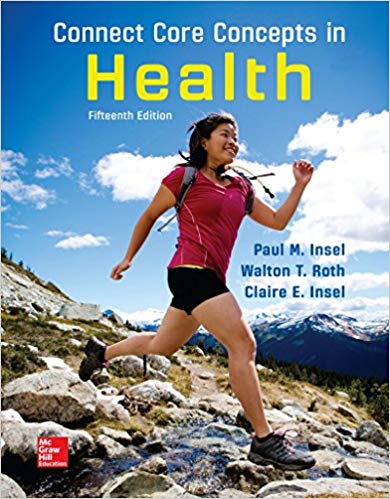
Connect Core Concepts in Health BIG 15Th Edition Bu Paul M. -Test Bank

Connect Core Concepts in Health BIG 15Th Edition Bu Paul M. -Test Bank   Instant Download - Complete Test Bank With Answers     Sample Questions Are Posted Below   Chapter 05 Sex and Your Body     Multiple Choice Questions (p. 112)Gonads include the A. scrotum and vulva. B. hormones and pheromones. C. penises and vaginas. D. ovaries and …

$19.99

Connect Core Concepts in Health BIG 15Th Edition Bu Paul M. -Test Bank


Instant Download – Complete Test Bank With Answers


Sample Questions Are Posted Below


Chapter 05

Sex and Your Body


Multiple Choice Questions

  1. (p. 112)Gonads include the
    A. scrotum and vulva.
    B. hormones and pheromones.
    C. penises and vaginas.
    D. ovaries and testes.


Accessibility: Keyboard Navigation
Blooms: Remember
Learning Objective: Describe the structure and function of human sexual anatomy.
Topic: Sexual anatomy

  1. (p. 113)The external female sex organs are called the
    A. vagina.
    B. uterus.
    C. vulva.
    D. gonads.


Accessibility: Keyboard Navigation
Blooms: Remember
Learning Objective: Describe the structure and function of human sexual anatomy.
Topic: Sexual anatomy


  1. (p. 113)Which of the following contains spongy tissue that becomes engorged with blood during sexual excitement?
    A. labia majora
    B. clitoris
    C. vulva
    D. labia minora


Accessibility: Keyboard Navigation
Blooms: Remember
Learning Objective: Describe the structure and function of human sexual anatomy.
Topic: Sexual anatomy

  1. (p. 113)The passage that leads to the internal female reproductive organs is the
    A. uterus.
    B. cervix.
    C. clitoris.
    D. vagina.


Accessibility: Keyboard Navigation
Blooms: Remember
Learning Objective: Describe the structure and function of human sexual anatomy.
Topic: Sexual anatomy

  1. (p. 113-114)Womb is another term for
    A. uterus.
    B. cervix.
    C. clitoris.
    D. vagina.


Accessibility: Keyboard Navigation
Blooms: Remember
Learning Objective: Describe the structure and function of human sexual anatomy.
Topic: Sexual anatomy


  1. (p. 114)The fallopian tubes link the
    A. bladder and urethra.
    B. uterus and bladder.
    C. ovaries and uterus.
    D. cervix and uterus.


Accessibility: Keyboard Navigation
Blooms: Remember
Learning Objective: Describe the structure and function of human sexual anatomy.
Topic: Sexual anatomy

  1. (p. 113-114)The fertilized egg is implanted in the _______________, where it grows into a fetus.
    A. uterus
    B. vagina
    C. ovary
    D. cervix


Accessibility: Keyboard Navigation
Blooms: Remember
Learning Objective: Describe the structure and function of human sexual anatomy.
Topic: Sexual anatomy

  1. (p. 114)The purpose of the scrotum is to
    A. hold the ovaries.
    B. maintain the temperature of the testes.
    C. transport semen.
    D. protect against sexually transmitted diseases.


Accessibility: Keyboard Navigation
Blooms: Understand
Learning Objective: Describe the structure and function of human sexual anatomy.
Topic: Sexual anatomy


  1. (p. 114)Sperm are manufactured in the
    A. testes’ tubules.
    B. vas deferens.
    C. epididymis.
    D. seminal vesicle.


Accessibility: Keyboard Navigation
Blooms: Remember
Learning Objective: Describe the structure and function of human sexual anatomy.
Topic: Sexual anatomy

  1. (p. 114)The sperm-storing structure on the surface of each testicle is the
    A. glans.
    B. epididymis.
    C. seminal vesicle.
    D. Cowper’s gland.


Accessibility: Keyboard Navigation
Blooms: Remember
Learning Objective: Describe the structure and function of human sexual anatomy.
Topic: Sexual anatomy

  1. (p. 116)Which of the following is an argument in support of male circumcision?
    A. It reduces the risk of contracting a sexually transmitted infection later in life.
    B. It does not pose a risk of bleeding or infection.
    C. It may make the penis more sensitive.
    D. It is a completely painless procedure.


Accessibility: Keyboard Navigation
Blooms: Understand
Learning Objective: Describe the structure and function of human sexual anatomy.
Topic: Sexual anatomy


  1. (p. 115)The prostate gland
    A. has no known function in male reproduction.
    B. produces part of the seminal fluid.
    C. secretes a preejaculatory fluid to neutralize the sperm passageway.
    D. is the site of sperm production.


Accessibility: Keyboard Navigation
Blooms: Remember
Learning Objective: Describe the structure and function of human sexual anatomy.
Topic: Sexual anatomy

  1. (p. 114-115)Which of the following is the route sperm take from the testes to the urethra?
    A. through the epididymis to the vas deferens; then through the prostate gland to the seminal vesicles; and then to the ejaculatory ducts
    B. through the vas deferens to the epididymis; then through the prostate gland to the seminal vesicles; and then to the ejaculatory ducts
    C. through the seminal vesicles to the vas deferens; then through the prostate gland to the epididymis; and then to the ejaculatory ducts
    D. through the epididymis to the vas deferens; then to the seminal vesicles; and then through the prostate gland to the ejaculatory ducts


Accessibility: Keyboard Navigation
Blooms: Understand
Learning Objective: Describe the structure and function of human sexual anatomy.
Topic: Sexual anatomy

  1. (p. 115)The purpose of the seminal vesicles is to
    A. lubricate the urethra.
    B. allow for an orgasm without ejaculation.
    C. serve as an indicator that ejaculation is about to occur.
    D. provide nutrients for semen.


Accessibility: Keyboard Navigation
Blooms: Remember
Learning Objective: Describe the structure and function of human sexual anatomy.
Topic: Sexual anatomy


  1. (p. 114)The purpose of preejaculatory fluid is to
    A. lubricate the urethra.
    B. allow for an orgasm without ejaculation.
    C. serve as an indicator that ejaculation is about to occur.
    D. provide nutrients for semen.


Accessibility: Keyboard Navigation
Blooms: Remember
Learning Objective: Describe the structure and function of human sexual anatomy.
Topic: Sexual anatomy

  1. (p. 113-114)The glans is
    A. the rounded head of the clitoris or penis.
    B. the scrotum sac.
    C. the spongy component of the penis.
    D. another word for testicle.


Accessibility: Keyboard Navigation
Blooms: Remember
Learning Objective: Describe the structure and function of human sexual anatomy.
Topic: Sexual anatomy

  1. (p. 115)Male circumcision involves removal of the
    A. glans.
    B. prepuce.
    C. scrotum.
    D. epididymis.


Accessibility: Keyboard Navigation
Blooms: Remember
Learning Objective: Describe the structure and function of human sexual anatomy.
Topic: Sexual anatomy


  1. (p. 115)Male sex hormones are called
    A. androgens.
    B. estrogens.
    C. progestogens.
    D. endorphins.


Accessibility: Keyboard Navigation
Blooms: Remember
Learning Objective: Explain the reproductive life cycle and the role hormones play in it.
Topic: Hormones and the reproductive life cycle

  1. (p. 115)What are the two groups of female sex hormones?
    A. androgens and estrogens
    B. estrogens and progestogens
    C. progestogens and endorphins
    D. endorphins and androgens


Accessibility: Keyboard Navigation
Blooms: Remember
Learning Objective: Explain the reproductive life cycle and the role hormones play in it.
Topic: Hormones and the reproductive life cycle

  1. (p. 115)Which of the following do/does NOT produce testosterone?
    A. testes
    B. ovaries
    C. adrenal glands
    D. pituitary gland


Accessibility: Keyboard Navigation
Blooms: Remember
Learning Objective: Explain the reproductive life cycle and the role hormones play in it.
Topic: Hormones and the reproductive life cycle


  1. (p. 115)The hormones secreted by the _______________ gland(s) regulate the release of hormones by other glands.
    A. adrenal
    B. Bartholin’s
    C. Cowper’s
    D. pituitary


Accessibility: Keyboard Navigation
Blooms: Understand
Learning Objective: Explain the reproductive life cycle and the role hormones play in it.
Topic: Hormones and the reproductive life cycle

  1. (p. 115)How many pairs of chromosomes do human cells normally contain?
    A. 12
    B. 23
    C. 32
    D. 46


Accessibility: Keyboard Navigation
Blooms: Remember
Learning Objective: Explain the reproductive life cycle and the role hormones play in it.
Topic: Hormones and the reproductive life cycle

  1. (p. 115)Which of the following chromosomal configurations denotes female?
    A. YY
    B. YX
    C. XY
    D. XX


Accessibility: Keyboard Navigation
Blooms: Remember
Learning Objective: Explain the reproductive life cycle and the role hormones play in it.
Topic: Hormones and the reproductive life cycle


  1. (p. 115)Which of the following chromosomal configurations denotes male?
    A. YY
    B. XY
    C. XX
    D. YX


Accessibility: Keyboard Navigation
Blooms: Remember
Learning Objective: Explain the reproductive life cycle and the role hormones play in it.
Topic: Hormones and the reproductive life cycle

  1. (p. 115)Which of the following describes Turner syndrome?
    A. It can cause infertility in men.
    B. It occurs when a man carries two or more X chromosomes.
    C. It causes women to appear masculine.
    D. It occurs when a woman only has one complete X chromosome.


Accessibility: Keyboard Navigation
Blooms: Remember
Learning Objective: Explain the reproductive life cycle and the role hormones play in it.
Topic: Hormones and the reproductive life cycle

  1. (p. 115)Testosterone is produced by which male organ(s)?
    A. Cowper’s gland
    B. penis
    C. seminal vesicles
    D. testes


Accessibility: Keyboard Navigation
Blooms: Remember
Learning Objective: Explain the reproductive life cycle and the role hormones play in it.
Topic: Hormones and the reproductive life cycle


  1. (p. 117)The period during which the male and female reproductive systems mature is called
    A. menstruation.
    B. puberty.
    C. growing pains.
    D. menarche.


Accessibility: Keyboard Navigation
Blooms: Remember
Learning Objective: Explain the reproductive life cycle and the role hormones play in it.
Topic: Hormones and the reproductive life cycle

  1. (p. 117)The first sign of female puberty is
    A. underarm hair.
    B. an increase in growth rate.
    C. the onset of menstruation.
    D. breast development.


Accessibility: Keyboard Navigation
Blooms: Remember
Learning Objective: Explain the reproductive life cycle and the role hormones play in it.
Topic: Hormones and the reproductive life cycle

  1. (p. 118)Early onset of menarche has been linked to
    A. lack of sleep.
    B. physical activity.
    C. poverty.
    D. obesity.


Accessibility: Keyboard Navigation
Blooms: Understand
Learning Objective: Explain the reproductive life cycle and the role hormones play in it.
Topic: Hormones and the reproductive life cycle


  1. (p. 115)What is the correct order of phases in the menstrual cycle?
    A. (1) estrogenic phase, (2) menses, (3) ovulation, (4) progestational phase
    B. (1) menses, (2) estrogenic phase, (3) ovulation, (4) progestational phase
    C. (1) progestational phase, (2) ovulation, (3) estrogenic phase, (4) menses
    D. (1) menses, (2) ovulation, (3) estrogenic phase, (4) progestational phase


Accessibility: Keyboard Navigation
Blooms: Understand
Learning Objective: Explain the reproductive life cycle and the role hormones play in it.
Topic: Hormones and the reproductive life cycle

  1. (p. 118)Which of the four phases of the menstrual cycle is characterized by menstrual flow?
    A. estrogenic phase
    B. menses
    C. progestational phase
    D. ovulation


Accessibility: Keyboard Navigation
Blooms: Remember
Learning Objective: Explain the reproductive life cycle and the role hormones play in it.
Topic: Hormones and the reproductive life cycle

  1. (p. 118)The release of the egg is characteristic of
    A. menses.
    B. the progestational phase.
    C. the estrogenic phase.
    D. ovulation.


Accessibility: Keyboard Navigation
Blooms: Understand
Learning Objective: Explain the reproductive life cycle and the role hormones play in it.
Topic: Hormones and the reproductive life cycle


  1. (p. 118-119)What happens to the corpus luteum if pregnancy occurs?
    A. It begins to produce progesterone and estrogen.
    B. It degenerates almost immediately, and the levels of estrogen and progesterone decline.
    C. It is maintained by human chorionic gonadotropin, so it continues to produce hormones.
    D. It forms the placenta for the embryo.


Accessibility: Keyboard Navigation
Blooms: Remember
Learning Objective: Explain the reproductive life cycle and the role hormones play in it.
Topic: Hormones and the reproductive life cycle

  1. (p. 119)Women who experience dysmenorrhea have _______________ menstruation.
    A. lengthy
    B. infrequent
    C. painful
    D. interrupted


Accessibility: Keyboard Navigation
Blooms: Remember
Learning Objective: Explain the reproductive life cycle and the role hormones play in it.
Topic: Hormones and the reproductive life cycle

  1. (p. 119)Which of the following best describes premenstrual dysphoric disorder (PMDD)?
    A. It occurs after age 40.
    B. It occurs in emotionally unstable women.
    C. It is experienced by more than half of all women.
    D. It interferes with normal daily activities.


Accessibility: Keyboard Navigation
Blooms: Understand
Learning Objective: Explain the reproductive life cycle and the role hormones play in it.
Topic: Hormones and the reproductive life cycle


  1. (p. 119)Which of the following is a recommended strategy for relieving PMS?
    A. increasing salt intake
    B. reducing complex carbohydrates
    C. using relaxation techniques
    D. abstaining from exercise


Accessibility: Keyboard Navigation
Blooms: Understand
Learning Objective: Explain the reproductive life cycle and the role hormones play in it.
Topic: Hormones and the reproductive life cycle

  1. (p. 120)The first visible sign of sexual maturity in boys is usually
    A. the growth of testicles.
    B. the development of body hair.
    C. deepening of the voice.
    D. the appearance of facial hair.


Accessibility: Keyboard Navigation
Blooms: Remember
Learning Objective: Explain the reproductive life cycle and the role hormones play in it.
Topic: Hormones and the reproductive life cycle

  1. (p. 120-121)The cessation of menstruation is called
    A. menopause.
    B. menarche.
    C. dysmenorrhea.
    D. gynecomastia.


Accessibility: Keyboard Navigation
Blooms: Remember
Learning Objective: Explain the reproductive life cycle and the role hormones play in it.
Topic: Hormones and the reproductive life cycle


  1. (p. 121)Which of the following statements about hormone replacement therapy is accurate?
    A. It has been known to advance bone loss.
    B. It has been linked to an increased risk of cardiovascular disease.
    C. It has been associated with increased vaginal dryness.
    D. It is increasingly prescribed by doctors to combat a range of side effects of menopause.


Accessibility: Keyboard Navigation
Blooms: Understand
Learning Objective: Explain the reproductive life cycle and the role hormones play in it.
Topic: Hormones and the reproductive life cycle

  1. (p. 121-122)Which of the following best describes aging male syndrome?
    A. It usually begins at 50.
    B. It occurs over a shorter period than menopause.
    C. It may involve loss of muscle mass and increase in fat mass.
    D. It cannot be alleviated with medical treatment.


Accessibility: Keyboard Navigation
Blooms: Understand
Learning Objective: Explain the reproductive life cycle and the role hormones play in it.
Topic: Hormones and the reproductive life cycle

  1. (p. 122)Areas of the body that produce sexual excitement when touched are called
    A. erogenous zones.
    B. stimulation glands.
    C. estrogenic sites.
    D. orgasmic portals.


Accessibility: Keyboard Navigation
Blooms: Remember
Learning Objective: Describe how the sex organs function during sexual activity.
Topic: How sex organs function during sexual activity


  1. (p. 122)The engorgement of tissues that results when more blood flows into an organ than is flowing out is called
    A. vasocongestion.
    B. orgasm.
    C. vaginismus.
    D. menarche.


Accessibility: Keyboard Navigation
Blooms: Remember
Learning Objective: Describe how the sex organs function during sexual activity.
Topic: How sex organs function during sexual activity

  1. (p. 124)Which of the following commonly occurs during the excitement stage of sexual response?
    A. The vagina or penis rhythmically contracts.
    B. The testes pull upward within the scrotum.
    C. The upper end of the vagina expands.
    D. The seminal vesicles release secretions.


Accessibility: Keyboard Navigation
Blooms: Understand
Learning Objective: Describe how the sex organs function during sexual activity.
Topic: How sex organs function during sexual activity

  1. (p. 124)The plateau phase of the sexual response cycle is characterized by
    A. leveling off of reactions in the excitement phase.
    B. intensification of reactions from the excitement phase.
    C. a gradual reduction in sexual tension.
    D. the beginning of the resolution phase.


Accessibility: Keyboard Navigation
Blooms: Understand
Learning Objective: Describe how the sex organs function during sexual activity.
Topic: How sex organs function during sexual activity


  1. (p. 124)Rhythmic contractions of the male and female reproductive structures occur during the _______________ phase.
    A. excitement
    B. plateau
    C. orgasmic
    D. resolution


Accessibility: Keyboard Navigation
Blooms: Remember
Learning Objective: Describe how the sex organs function during sexual activity.
Topic: How sex organs function during sexual activity

  1. (p. 124)Male and female reactions during the sexual response cycle differ in which of the following ways?
    A. Men experience a fusion of the plateau and orgasmic phases.
    B. Women experience a more uniform progression through the phases.
    C. Women go straight from excitement to orgasm without a plateau phase.
    D. Men enter a refractory period in which they cannot be restimulated to orgasm.


Accessibility: Keyboard Navigation
Blooms: Understand
Learning Objective: Describe how the sex organs function during sexual activity.
Topic: How sex organs function during sexual activity

  1. (p. 124)Which of the following occurs during orgasm?
    A. The uterus suddenly elevates.
    B. The vaginal walls swell.
    C. The Cowper’s gland releases secretions.
    D. The male urethra contracts.


Accessibility: Keyboard Navigation
Blooms: Remember
Learning Objective: Describe how the sex organs function during sexual activity.
Topic: How sex organs function during sexual activity


  1. (p. 124)Which of the following sexual health problems in women can be caused by the organism Candida?
    A. vaginitis
    B. endometriosis
    C. pelvic inflammatory disease
    D. vulvodynia


Accessibility: Keyboard Navigation
Blooms: Understand
Learning Objective: Describe how the sex organs function during sexual activity.
Topic: How sex organs function during sexual activity

  1. (p. 124)Endometriosis is a(n)
    A. infection of the uterus, oviducts, or ovaries.
    B. thinning of endometrial tissue that increases oviduct diameter.
    C. growth of endometrial-like tissue outside the uterus.
    D. inflammation of endometrial tissue inside the uterus.


Accessibility: Keyboard Navigation
Blooms: Remember
Learning Objective: Describe how the sex organs function during sexual activity.
Topic: How sex organs function during sexual activity

  1. (p. 125)The term impotence is an older name for
    A. erectile dysfunction.
    B. premature ejaculation.
    C. delayed ejaculation.
    D. orgasmic dysfunction.


Accessibility: Keyboard Navigation
Blooms: Remember
Learning Objective: Describe how the sex organs function during sexual activity.
Topic: How sex organs function during sexual activity


  1. (p. 125)A male attempting to engage in intercourse after excessive alcohol consumption is most likely to experience which of the following?
    A. multiple orgasms
    B. premature ejaculation
    C. erectile dysfunction
    D. an intense orgasm


Accessibility: Keyboard Navigation
Blooms: Understand
Learning Objective: Describe how the sex organs function during sexual activity.
Topic: How sex organs function during sexual activity

  1. (p. 126)The first step in treating a sexual dysfunction is
    A. getting counseling for troubled relationships.
    B. treating irrational attitudes.
    C. improving sexual skills.
    D. undergoing a physical examination.


Accessibility: Keyboard Navigation
Blooms: Remember
Learning Objective: Describe how the sex organs function during sexual activity.
Topic: How sex organs function during sexual activity

  1. (p. 124)Dyspareunia is the
    A. inability to achieve a vaginal orgasm in women.
    B. experience of painful intercourse in women.
    C. inability to ejaculate live sperm in men.
    D. experience of involuntary orgasm in men.


Accessibility: Keyboard Navigation
Blooms: Remember
Learning Objective: Describe how the sex organs function during sexual activity.
Topic: How sex organs function during sexual activity


  1. (p. 124)Mixing nitrates with Viagra can cause
    A. blood pressure to plummet.
    B. increased alertness.
    C. an adrenaline rush.
    D. hallucinations.


Accessibility: Keyboard Navigation
Blooms: Understand
Learning Objective: Describe how the sex organs function during sexual activity.
Topic: How sex organs function during sexual activity

  1. (p. 127)Which of the following is the most common treatment for orgasmic dysfunction in women?
    A. masturbation
    B. generous amounts of lubricant
    C. desensitization techniques
    D. Viagra


Accessibility: Keyboard Navigation
Blooms: Understand
Learning Objective: Describe how the sex organs function during sexual activity.
Topic: How sex organs function during sexual activity

  1. (p. 128)Everything you do in your daily life that expresses your maleness or femaleness to others determines your
    A. gender.
    B. gender identity.
    C. gender role.
    D. sex.


Accessibility: Keyboard Navigation
Blooms: Remember
Learning Objective: Explain the range of gender roles and sexual orientations.
Topic: Gender roles and sexual orientation


  1. (p. 128)Individuals whose biological sex and assigned gender role match the gender they identify with are called
    A. cisgender.
    B. transgender.
    C. monogender.
    D. unigender.


Accessibility: Keyboard Navigation
Blooms: Remember
Learning Objective: Explain the range of gender roles and sexual orientations.
Topic: Gender roles and sexual orientation

  1. (p. 128-129)Which of the following terms best describes people who feel their biological sex does not match their gender?
    A. bisexual
    B. transsexual
    C. transvestite
    D. homosexual


Accessibility: Keyboard Navigation
Blooms: Remember
Learning Objective: Explain the range of gender roles and sexual orientations.
Topic: Gender roles and sexual orientation

  1. (p. 128)Androgyny is best characterized as having
    A. no sexual characteristics.
    B. no overtly male or female identity or characteristics.
    C. gender-role confusion.
    D. gender identity disorder.


Accessibility: Keyboard Navigation
Blooms: Remember
Learning Objective: Explain the range of gender roles and sexual orientations.
Topic: Gender roles and sexual orientation


  1. (p. 131-132)Once they reach puberty, teenage boys experience
    A. nocturnal emissions.
    B. menses.
    C. androgyny.
    D. erectile dysfunction.


Accessibility: Keyboard Navigation
Blooms: Remember
Learning Objective: Explain the development and varieties of sexual behavior.
Topic: Sexual behavior

  1. (p. 132)Adolescent sexual interaction
    A. is limited to heterosexual relationships.
    B. largely determines the person’s adult sexual orientation.
    C. is an indicator of social maturity.
    D. usually takes place within the context of dating or partying.


Accessibility: Keyboard Navigation
Blooms: Understand
Learning Objective: Explain the development and varieties of sexual behavior.
Topic: Sexual behavior

  1. (p. 129)Which of the following is true of sexual orientation?
    A. It is defined by a continuum of attraction.
    B. It involves choosing to be either heterosexual or homosexual.
    C. It consists of random, unpredictable sexual impulses.
    D. It is independent of emotional and romantic attraction.


Accessibility: Keyboard Navigation
Blooms: Understand
Learning Objective: Explain the range of gender roles and sexual orientations.
Topic: Gender roles and sexual orientation


  1. (p. 130)People who identify as bisexual
    A. are more or less equally attracted to men and women.
    B. used to be attracted to one gender but now like another.
    C. cannot decide which gender they really like.
    D. have markedly low sexual desire.


Accessibility: Keyboard Navigation
Blooms: Understand
Learning Objective: Explain the range of gender roles and sexual orientations.
Topic: Gender roles and sexual orientation

  1. (p. 130)Which of the following is a finding of recent experimental research on sexual orientation?
    A. Environment plays a large role in determining gender identity.
    B. There is no difference between the brains of heterosexuals and homosexuals.
    C. Having several sons reduces the chances of having a homosexual child.
    D. Exposure to hormones in the womb may have an effect on sexual orientation.


Accessibility: Keyboard Navigation
Blooms: Understand
Learning Objective: Explain the range of gender roles and sexual orientations.
Topic: Gender roles and sexual orientation

  1. (p. 133-134)An umbrella term for behavior aimed at sexual self-stimulation is
    A. autoeroticism.
    B. erotic fantasy.
    C. masturbation.
    D. foreplay.


Accessibility: Keyboard Navigation
Blooms: Evaluate
Learning Objective: Explain the development and varieties of sexual behavior.
Topic: Sexual behavior


  1. (p. 134)Oral stimulation of the female genitalia is called
    A. cunnilingus.
    B. masturbation.
    C. fellatio.
    D. coitus.


Accessibility: Keyboard Navigation
Blooms: Remember
Learning Objective: Explain the development and varieties of sexual behavior.
Topic: Sexual behavior

  1. (p. 134)Oral stimulation of the penis with the mouth is called
    A. cunnilingus.
    B. masturbation.
    C. fellatio.
    D. coitus.


Accessibility: Keyboard Navigation
Blooms: Remember
Learning Objective: Explain the development and varieties of sexual behavior.
Topic: Sexual behavior

  1. (p. 135)The most extreme form of sexual coercion is
    A. seduction.
    B. harassment.
    C. solicitation.
    D. rape.


Accessibility: Keyboard Navigation
Blooms: Remember
Learning Objective: Explain the development and varieties of sexual behavior.
Topic: Sexual behavior


  1. (p. 136)Which of the following forms of commercial sex involves physical contact?
    A. pornography
    B. prostitution
    C. cybersex
    D. online porn


Accessibility: Keyboard Navigation
Blooms: Remember
Learning Objective: Explain the development and varieties of sexual behavior.
Topic: Sexual behavior

  1. (p. 137)Which of the following is a good way to start a conversation about sex with your partner?
    A. “You don’t seem to be sexually attracted to me. Why?”
    B. “Why do you think you don’t pay attention to me anymore?”
    C. “It’s really hard to talk about sex with you because I don’t want to upset you.”
    D. “Isn’t it funny how difficult it is for people to talk about sex?”


Accessibility: Keyboard Navigation
Blooms: Understand
Learning Objective: Explain the development and varieties of sexual behavior.
Topic: Sexual behavior

Paul and Fatima are in their late 20s and have been married for 2 years. Their sexual intimacy includes various sexual behaviors. Paul has noticed that while he has no difficulty getting an erection, he does have difficulty ejaculating when he and Fatima are having intercourse. Fatima rarely feels sexually satisfied during intercourse and often relies on self-stimulation to achieve an orgasm. Fatima doesn’t see her lack of orgasm with Paul as a problem; however, Paul does. Paul is beginning to make excuses for not having sex.


  1. (p. 126)Of the following possibilities, Fatima’s sexual response is most likely due to
    A. vaginismus.
    B. orgasmic dysfunction.
    C. a need for direct clitoral stimulation.
    D. guilt over the sexual behaviors she engages in.


Accessibility: Keyboard Navigation
Blooms: Analyze
Learning Objective: Describe how the sex organs function during sexual activity.
Topic: How sex organs function during sexual activity

  1. (p. 125-128)Paul’s concern over Fatima’s lack of orgasm has led to
    A. erectile dysfunction.
    B. lack of desire.
    C. orgasmic dysfunction.
    D. autoeroticism.


Accessibility: Keyboard Navigation
Blooms: Analyze
Learning Objective: Describe how the sex organs function during sexual activity.
Topic: How sex organs function during sexual activity

  1. (p. 125-128, 137)Which of the following would be the best initial approach to resolving the conflict in Paul and Fatima’s sexual relationship?
    A. Fatima should fake orgasm to make Paul more comfortable and boost his confidence.
    B. Paul should seek a prescription drug for his sexual dysfunction.
    C. Fatima and Paul should drink before having sex to become more relaxed about it.
    D. Fatima and Paul should establish open communication about what they want in their sexual relationship.


Accessibility: Keyboard Navigation
Blooms: Create
Learning Objective: Describe how the sex organs function during sexual activity.
Learning Objective: Explain the development and varieties of sexual behavior.
Topic: How sex organs function during sexual activity
Topic: Sexual behavior


True / False Questions
 

  1. (p. 112)Biological sex is a component of sexuality.
    TRUE


Accessibility: Keyboard Navigation
Blooms: Understand
Learning Objective: Describe the structure and function of human sexual anatomy.
Topic: Sexual anatomy

  1. (p. 113)The purpose of the clitoris is to produce germ cells.
    FALSE


Accessibility: Keyboard Navigation
Blooms: Understand
Learning Objective: Describe the structure and function of human sexual anatomy.
Topic: Sexual anatomy

  1. (p. 113)In women, the urethra is located behind the vagina.
    FALSE


Accessibility: Keyboard Navigation
Blooms: Remember
Learning Objective: Describe the structure and function of human sexual anatomy.
Topic: Sexual anatomy

  1. (p. 115)In men, urine often mixes with semen before exiting the urethra.
    FALSE


Accessibility: Keyboard Navigation
Blooms: Remember
Learning Objective: Describe the structure and function of human sexual anatomy.
Topic: Sexual anatomy


  1. (p. 116-117)A common explanation for female genital cutting is to control a woman’s sexuality.
    TRUE


Accessibility: Keyboard Navigation
Blooms: Understand
Learning Objective: Explain the reproductive life cycle and the role hormones play in it.
Topic: Hormones and the reproductive life cycle

  1. (p. 114)Preejaculatory fluid may contain sperm.
    TRUE


Accessibility: Keyboard Navigation
Blooms: Understand
Learning Objective: Describe the structure and function of human sexual anatomy.
Topic: Sexual anatomy

  1. (p. 115)Ovaries produce testosterone.
    TRUE


Accessibility: Keyboard Navigation
Blooms: Remember
Learning Objective: Explain the reproductive life cycle and the role hormones play in it.
Topic: Hormones and the reproductive life cycle

  1. (p. 115)Klinefelter syndrome occurs when women have only a single complete X chromosome.
    FALSE


Accessibility: Keyboard Navigation
Blooms: Remember
Learning Objective: Explain the reproductive life cycle and the role hormones play in it.
Topic: Hormones and the reproductive life cycle


  1. (p. 116)Gonads become ovaries when testosterone is present.
    FALSE


Accessibility: Keyboard Navigation
Blooms: Understand
Learning Objective: Explain the reproductive life cycle and the role hormones play in it.
Topic: Hormones and the reproductive life cycle

  1. (p. 118)FSH triggers ovulation.
    FALSE


Accessibility: Keyboard Navigation
Blooms: Remember
Learning Objective: Explain the reproductive life cycle and the role hormones play in it.
Topic: Hormones and the reproductive life cycle

  1. (p. 120)Calcium is the only supplement proven to provide relief from PMS and PMDD symptoms.
    TRUE


Accessibility: Keyboard Navigation
Blooms: Remember
Learning Objective: Explain the reproductive life cycle and the role hormones play in it.
Topic: Hormones and the reproductive life cycle

  1. (p. 120)The reproductive system of girls matures later in life than the reproductive system of boys.
    FALSE


Accessibility: Keyboard Navigation
Blooms: Remember
Learning Objective: Explain the reproductive life cycle and the role hormones play in it.
Topic: Hormones and the reproductive life cycle


  1. (p. 121-122)Male aging syndrome takes place more gradually than menopause.
    TRUE


Accessibility: Keyboard Navigation
Blooms: Understand
Learning Objective: Explain the reproductive life cycle and the role hormones play in it.
Topic: Hormones and the reproductive life cycle

  1. (p. 122)As men grow older, the intensity of sexual response increases.
    FALSE


Accessibility: Keyboard Navigation
Blooms: Understand
Learning Objective: Explain the reproductive life cycle and the role hormones play in it.
Topic: Hormones and the reproductive life cycle

  1. (p. 124)In the resolution phase, the changes initiated during the excitement phase are reversed.
    TRUE


Accessibility: Keyboard Navigation
Blooms: Remember
Learning Objective: Describe how the sex organs function during sexual activity.
Topic: How sex organs function during sexual activity

  1. (p. 126)Sexual dysfunction usually occurs in the mind.
    FALSE


Accessibility: Keyboard Navigation
Blooms: Understand
Learning Objective: Describe how the sex organs function during sexual activity.
Topic: How sex organs function during sexual activity


  1. (p. 124)Pelvic inflammatory disease is an infection of the prostate and vas deferens.
    FALSE


Accessibility: Keyboard Navigation
Blooms: Remember
Learning Objective: Describe how the sex organs function during sexual activity.
Topic: How sex organs function during sexual activity

  1. (p. 125)Epididymitis is usually caused by infection from sexually transmitted diseases.
    TRUE


Accessibility: Keyboard Navigation
Blooms: Understand
Learning Objective: Describe how the sex organs function during sexual activity.
Topic: How sex organs function during sexual activity

  1. (p. 126)A minority of erectile problems are linked to other health conditions.
    FALSE


Accessibility: Keyboard Navigation
Blooms: Remember
Learning Objective: Describe how the sex organs function during sexual activity.
Topic: How sex organs function during sexual activity

  1. (p. 128)Transgender individuals are defined as having a biological sex that is different from their gender.
    TRUE


Accessibility: Keyboard Navigation
Blooms: Remember
Learning Objective: Explain the range of gender roles and sexual orientations.
Topic: Gender roles and sexual orientation


  1. (p. 112-113)Intersex refers to people who alternate between wanting to be female and wanting to be male.
    FALSE


Accessibility: Keyboard Navigation
Blooms: Remember
Learning Objective: Describe the structure and function of human sexual anatomy.
Topic: Sexual anatomy

  1. (p. 131)Media images of sexuality have little influence on shaping the sexual attitudes and behaviors of adolescents and college students.
    FALSE


Accessibility: Keyboard Navigation
Blooms: Understand
Learning Objective: Explain the development and varieties of sexual behavior.
Topic: Sexual behavior

  1. (p. 131)Sex play in children under 9 is a sign of a significant problem.
    FALSE


Accessibility: Keyboard Navigation
Blooms: Understand
Learning Objective: Explain the development and varieties of sexual behavior.
Topic: Sexual behavior

  1. (p. 131)Biological and social maturity are often reached at the same time.
    FALSE


Accessibility: Keyboard Navigation
Blooms: Understand
Learning Objective: Explain the development and varieties of sexual behavior.
Topic: Sexual behavior


  1. (p. 132)Most adolescents who engage in same-sex sexual behavior will, as adults, identify themselves as homosexuals.
    FALSE


Accessibility: Keyboard Navigation
Blooms: Understand
Learning Objective: Explain the development and varieties of sexual behavior.
Topic: Sexual behavior

  1. (p. 130)Most people are actually bisexual.
    FALSE


Accessibility: Keyboard Navigation
Blooms: Understand
Learning Objective: Explain the range of gender roles and sexual orientations.
Topic: Gender roles and sexual orientation

  1. (p. 133)Individuals can be celibate even while engaging in oral sex.
    FALSE


Accessibility: Keyboard Navigation
Blooms: Understand
Learning Objective: Explain the development and varieties of sexual behavior.
Topic: Sexual behavior

  1. (p. 135)Cybersex can be addictive.
    TRUE


Accessibility: Keyboard Navigation
Blooms: Understand
Learning Objective: Explain the development and varieties of sexual behavior.
Topic: Sexual behavior


  1. (p. 136)Few prostitutes report being sexually abused as children.
    FALSE


Accessibility: Keyboard Navigation
Blooms: Remember
Learning Objective: Explain the development and varieties of sexual behavior.
Topic: Sexual behavior


Essay Questions

  1. (p. 116)You and your partner have just given birth to a baby boy. Do you circumcise your son? Why or why not? Briefly describe the arguments both for and against the practice of male circumcision.

Answers will vary.


Blooms: Analyze
Learning Objective: Explain the reproductive life cycle and the role hormones play in it.
Topic: Hormones and the reproductive life cycle

  1. (p. 119)Describe and explain the differences among premenstrual tension, premenstrual syndrome, and premenstrual dysphoric disorder. List at least five coping strategies.

Answers will vary.


Blooms: Analyze
Learning Objective: Explain the reproductive life cycle and the role hormones play in it.
Topic: Hormones and the reproductive life cycle

  1. (p. 124)Name and describe the four phases of the human sexual response cycle.

Answers will vary.


Blooms: Understand
Learning Objective: Describe how the sex organs function during sexual activity.
Topic: How sex organs function during sexual activity


  1. (p. 124-128)Identify and describe a common male sexual health problem or dysfunction and a common female sexual health problem or dysfunction. For each, describe possible causes and treatments.

Answers will vary.


Blooms: Understand
Learning Objective: Describe how the sex organs function during sexual activity.
Topic: How sex organs function during sexual activity

  1. (p. 135-136)Describe some of the benefits and potential problems with the wide availability of sexually-oriented websites and cybersex.

Answers will vary.


Blooms: Understand
Learning Objective: Explain the development and varieties of sexual behavior.
Topic: Sexual behavior

  1. (p. 129-130)There are many theories about the development of sexual orientation. Outline some of the biological, cultural, and psychological factors that psychologists believe may influence an adult’s sexual orientation.

Answers will vary.


Blooms: Evaluate
Learning Objective: Explain the range of gender roles and sexual orientations.
Topic: Gender roles and sexual orientation

Additional information

Add Review

Your email address will not be published. Required fields are marked *