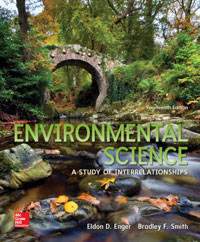
ENVIRONMENTAL SCIENCE 14Th Edition By Eldon Enger - Test Bank

ENVIRONMENTAL SCIENCE 14Th Edition By Eldon Enger - Test Bank   Instant Download - Complete Test Bank With Answers     Sample Questions Are Posted Below   Chapter 05 Test Bank   Multiple Choice Questions Which of the following is an example of an abiotic factor? A. the number of individuals of a particular species living …

$19.99

ENVIRONMENTAL SCIENCE 14Th Edition By Eldon Enger – Test Bank


Instant Download – Complete Test Bank With Answers


Sample Questions Are Posted Below


Chapter 05 Test Bank


Multiple Choice Questions

  1. Which of the following is an example of an abiotic factor?
    A. the number of individuals of a particular species living in a community
    B. the interactions between different species in a community
    C. the diversity of prey and predator species in a community
    D. the climate of the community in which the species mentioned above inhabit


  1. Natural selection is the process that determines
    A. who an individual mates with.
    B. which scientist publishes their experiments.
    C. which individuals within a species will reproduce and pass their genes to the next generation.
    D. how active an animal is at night.


  1. The development of herbicide resistance in populations of weeds over several generations is an example of
    A. social Darwinism.
    B. biogeochemical cycles.
    C. organic farming.
    D. evolution.


  1. Charles Darwin is generally credited with
    A. developing the concept of sexual dimorphism.
    B. developing the concept of natural selection.
    C. developing the concept of genetic concept.
    D. All of these are correct.


  1. Among plants, a condition that results in the number of sets of chromosomes in cells to increase, is called
    A. multi-genetics.
    B. polyploidy.
    C. diploid.
    D. haploid.


  1. Extinction of organisms is
    A. very unusual.
    B. uncommon.
    C. not occurring today.
    D. a common event.


  1. Ecologists distinguish two different kinds of competition. One is
    A. intraspecific.
    B. interspecific.
    C. ultraspecific.
    D. Both intraspecific and interspecific are correct.


  1. This concept states that no two species can occupy the same ecological niche in the same place and the same time.
    A. Natural Selection
    B. Genetic Drift
    C. Competitive Exclusion Principle
    D. Niche Exclusion


  1. Two organisms that interbreed and produce fertile offspring are said to be individuals of the same
    A. community.
    B. niche.
    C. habitat.
    D. species.


  1. When a population becomes isolated from another over a long period of time
    A. gene exchange is likely to occur.
    B. speciation will not occur.
    C. speciation is likely to occur.
    D. extinction is likely to occur.


  1. Ecologists have traditionally categorized the roles of organisms in ecosystems into three broad categories that include
    A. producers.
    B. consumers.
    C. decomposers.
    D. All of these are correct.


  1. The use of fertilizers in agriculture has significantly altered several nutrient cycles including
    A. nitrogen.
    B. phosphorus.
    C. potassium.
    D. All of these are correct.


  1. The chief limiting factor to the success of most trout species is
    A. the ability to reproduce.
    B. the dissolved oxygen content in water.
    C. the amount of plant biomass.
    D. All of these are correct.


  1. What is the term used to describe food chains which overlap and intersect?
    A. food web
    B. detrital food chain
    C. natural selection
    D. range of tolerance


  1. The small amount of dissolved oxygen found in warm water is considered a _______ to the success of many fish species.
    A.  biotic factor
    B.  limiting factor
    C.  niche
    D.  None of these are correct


  1. Grazing animals and the grasses they eat have both evolved in response to each other’s influence. This process is known as
    A. coevolution.
    B. extinction.
    C. competitive exclusion principle.
    D. interspecific competition.


  1. Which of the following organisms is a primary producer?
    A. fungi
    B. grasshoppers
    C. grass
    D. bacteria


  1. Which of the following organisms is a secondary consumer?
    A. wolf
    B. elk
    C. mouse
    D. bacteria


  1. Which of the following is NOT a decomposer?
    A. fungi
    B. bacteria
    C. moss
    D. None of these are correct.


  1. In a mutualistic relationship
    A. one organism benefits while the other is unaffected.
    B. both species benefit.
    C. one species benefits while the other is harmed.
    D. endoparasites outnumber ectoparasites.


  1. Each step in the flow of energy through an ecosystem is known as a
    A. food chain.
    B. trophic level.
    C. plateau of consumption.
    D. food web.


  1. The relationship between frogs and insects is an example of
    A. intraspecific competition.
    B. coevolution.
    C. a predator-prey relationship.
    D. competitive exclusion.


  1. Biting insects that transmit parasites are known as
    A. vectors.
    B. endoparasites.
    C. keystone species.
    D. None of these are correct.


  1. Tapeworms living inside the intestines of their host are an example of what type of relationship?
    A. symbiosis
    B. commensalisms
    C. ectoparasitism
    D. endoparasitism


  1. Which of the following elements is a limiting factor to plants in naturally occurring soil?
    A. nitrogen
    B. phosphorous
    C. oxygen
    D. carbon


  1. What kind of plant has nitrogen-fixing bacteria living in their roots?
    A. deciduous trees
    B. mosses
    C. legumes
    D. ferns


  1. Phosphorous is released from rocks by which process?
    A.  bacterial decomposition
    B.  weathering and erosion
    C.  photosynthesis
    D.  All of these are correct


  1. Carbon enters the carbon cycle in the form of
    A. lipids formed in photosynthesis.
    B. carbonate in rock.
    C. atmospheric carbon dioxide.
    D. decomposition of organic material.


  1. Which of the following is an example of a keystone species?
    A. bison
    B. sea kelp
    C. wolves
    D. None of these are correct.


  1. Which of the following is an example of a detrital food chain?
    A. a coniferous forest
    B. sewage treatment plan
    C. open lake
    D. salt marsh


  1. Polyploidy is an evolutionary mechanism that may result in
    A. new plant species.
    B. a surge in birthrates in mammals.
    C. the baldness trait becoming dominant in men.
    D. death if recessive.


  1. Another name for a nutrient cycle in an ecosystem is a
    A. biogeochemical cycle.
    B. menstrual cycle.
    C. hydrogen cycle.
    D. diurnal cycle.


  1. This meat eater often gets meat from animals that have died by accident or illness, or were killed by other animals.
    A. scavenger
    B. omnivore
    C. carnivore
    D. parasite


  1. The introduction of which organism is correlated with a major disruption to the food web of the Great Lakes?
    A. diatoms
    B. whitefish
    C. zebra mussels
    D. Diporeia.


  1. Indian pipe, a flowering plant, lacks chlorophyll and is not able to do photosynthesis. It is a(n):
    A. indirect parasite
    B. direct parasite
    C. host
    D. ectoparasite
    E. More than one of these choices is correct.


  1. Which of the following types of habitats does NOT have slow decomposition?
    A.  tundra
    B.  tropical forests
    C.  northern forests
    D.  grasslands
    E.  swamps


  1. ______ are a major carbon sink.
    A.  oceans
    B.  lakes
    C.  rivers
    D.  ponds


  1. Phosphorus ions are ________ in water and tend to precipitate in the oceans to form sediments that eventually become rock on the ocean floor.
    A.  ionic
    B.  bionic
    C.  soluble
    D.  insoluble


  1. Agricultural runoff consists of a mixture of compounds that serve as nutrients. The two primary nutrients are ________ and __________.
    A.  nitrogen, oxygen
    B.  nitrogen, carbon
    C.  nitrogen, phosphorus
    D.  nitrogen, sulfur


Which of the following best matches the description?


  1. Series of stages in the flow of nitrogen in ecosystems.
    A. denitrifying bacteria
    B. herbivore
    C. omnivore
    D. producer
    E. trophic level
    F. community
    G. ectoparasite
    H. limiting factor
    I. secondary consumer
    J. nitrogen cycle
    K. biomass
    L. habitat
    M. carbon cycle
    N. interspecific competition
    O. nitrogen-fixing bacteria
    P. intraspecific competition


  1. Stage in the flow of energy in an ecosystem.
    A. denitrifying bacteria
    B. herbivore
    C. omnivore
    D. producer
    E. trophic level
    F. community
    G. ectoparasite
    H. limiting factor
    I. secondary consumer
    J. nitrogen cycle
    K. biomass
    L. habitat
    M. carbon cycle
    N. interspecific competition
    O. nitrogen-fixing bacteria
    P. intraspecific competition


  1. Animal that eats plants.
    A. denitrifying bacteria
    B. herbivore
    C. omnivore
    D. producer
    E. trophic level
    F. community
    G. ectoparasite
    H. limiting factor
    I. secondary consumer
    J. nitrogen cycle
    K. biomass
    L. habitat
    M. carbon cycle
    N. interspecific competition
    O. nitrogen-fixing bacteria
    P. intraspecific competition


  1. An organism that can manufacture food from inorganic compounds and light energy.
    A. denitrifying bacteria
    B. herbivore
    C. omnivore
    D. producer
    E. trophic level
    F. community
    G. ectoparasite
    H. limiting factor
    I. secondary consumer
    J. nitrogen cycle
    K. biomass
    L. habitat
    M. carbon cycle
    N. interspecific competition
    O. nitrogen-fixing bacteria
    P. intraspecific competition


  1. A region in which an organism lives.
    A. denitrifying bacteria
    B. herbivore
    C. omnivore
    D. producer
    E. trophic level
    F. community
    G. ectoparasite
    H. limiting factor
    I. secondary consumer
    J. nitrogen cycle
    K. biomass
    L. habitat
    M. carbon cycle
    N. interspecific competition
    O. nitrogen-fixing bacteria
    P. intraspecific competition


  1. The flow of carbon from the atmosphere to living organisms and back again.
    A. denitrifying bacteria
    B. herbivore
    C. omnivore
    D. producer
    E. trophic level
    F. community
    G. ectoparasite
    H. limiting factor
    I. secondary consumer
    J. nitrogen cycle
    K. biomass
    L. habitat
    M. carbon cycle
    N. interspecific competition
    O. nitrogen-fixing bacteria
    P. intraspecific competition


  1. Bacteria that convert nitrogen compounds in the soil into nitrogen gas.
    A. denitrifying bacteria
    B. herbivore
    C. omnivore
    D. producer
    E. trophic level
    F. community
    G. ectoparasite
    H. limiting factor
    I. secondary consumer
    J. nitrogen cycle
    K. biomass
    L. habitat
    M. carbon cycle
    N. interspecific competition
    O. nitrogen-fixing bacteria
    P. intraspecific competition


  1. Competition between members of different species.
    A. denitrifying bacteria
    B. herbivore
    C. omnivore
    D. producer
    E. trophic level
    F. community
    G. ectoparasite
    H. limiting factor
    I. secondary consumer
    J. nitrogen cycle
    K. biomass
    L. habitat
    M. carbon cycle
    N. interspecific competition
    O. nitrogen-fixing bacteria
    P. intraspecific competition


  1. An organism that eats both plants and animals.
    A. denitrifying bacteria
    B. herbivore
    C. omnivore
    D. producer
    E. trophic level
    F. community
    G. ectoparasite
    H. limiting factor
    I. secondary consumer
    J. nitrogen cycle
    K. biomass
    L. habitat
    M. carbon cycle
    N. interspecific competition
    O. nitrogen-fixing bacteria
    P. intraspecific competition


  1. Competition between members of the same species.
    A. denitrifying bacteria
    B. herbivore
    C. omnivore
    D. producer
    E. trophic level
    F. community
    G. ectoparasite
    H. limiting factor
    I. secondary consumer
    J. nitrogen cycle
    K. biomass
    L. habitat
    M. carbon cycle
    N. interspecific competition
    O. nitrogen-fixing bacteria
    P. intraspecific competition


  1. Interacting groups of different species in a given area.
    A. denitrifying bacteria
    B. herbivore
    C. omnivore
    D. producer
    E. trophic level
    F. community
    G. ectoparasite
    H. limiting factor
    I. secondary consumer
    J. nitrogen cycle
    K. biomass
    L. habitat
    M. carbon cycle
    N. interspecific competition
    O. nitrogen-fixing bacteria
    P. intraspecific competition


  1. Accumulation of organic material produced by living things.
    A. denitrifying bacteria
    B. herbivore
    C. omnivore
    D. producer
    E. trophic level
    F. community
    G. ectoparasite
    H. limiting factor
    I. secondary consumer
    J. nitrogen cycle
    K. biomass
    L. habitat
    M. carbon cycle
    N. interspecific competition
    O. nitrogen-fixing bacteria
    P. intraspecific competition


  1. Bacteria that convert atmospheric nitrogen gas into usable plant forms.
    A. denitrifying bacteria
    B. herbivore
    C. omnivore
    D. producer
    E. trophic level
    F. community
    G. ectoparasite
    H. limiting factor
    I. secondary consumer
    J. nitrogen cycle
    K. biomass
    L. habitat
    M. carbon cycle
    N. interspecific competition
    O. nitrogen-fixing bacteria
    P. intraspecific competition


  1. Parasite that lives on the outside of its host.
    A. denitrifying bacteria
    B. herbivore
    C. omnivore
    D. producer
    E. trophic level
    F. community
    G. ectoparasite
    H. limiting factor
    I. secondary consumer
    J. nitrogen cycle
    K. biomass
    L. habitat
    M. carbon cycle
    N. interspecific competition
    O. nitrogen-fixing bacteria
    P. intraspecific competition


  1. One primary environmental condition that determines the success of an organism.
    A. denitrifying bacteria
    B. herbivore
    C. omnivore
    D. producer
    E. trophic level
    F. community
    G. ectoparasite
    H. limiting factor
    I. secondary consumer
    J. nitrogen cycle
    K. biomass
    L. habitat
    M. carbon cycle
    N. interspecific competition
    O. nitrogen-fixing bacteria
    P. intraspecific competition


True / False Questions

  1. Genetic variation among individuals of the same species enables some of these individuals to have a greater chance of obtaining resources and therefore, producing more offspring.
    True    False


  1. Genes are distinct pieces of DNA that determine the characteristics an individual displays.
    True    False


  1. Everything that affects an organism during its lifetime is known as ecology.
    True    False


  1. The carbon cycle is an example of how materials are cycled through ecosystems.
    True    False


  1. The biotic component of an organism’s environment is the non-living or physical factors.
    True    False


  1. Competition between foxes and hawks for the use of mice and rabbits as food is called intraspecific competition.
    True    False


  1. About 20 percent of the energy passing from one trophic level to the next is lost.
    True    False


  1. Symbiotic relationships are those in which organisms live in physical contact with one another.
    True    False


  1. Commensal organisms live on another organism and harm the host in the process.
    True    False


  1. The niche of an organism is the result of many years of natural selection.
    True    False


  1. At the highest trophic level, there is less energy and fewer organisms than at the lower levels.
    True    False


  1. Competition between members of the same species is known as intraspecific competition.
    True    False


  1. The production of a new species from a previous species is known as mutualism.
    True    False


  1. Populations are all organisms of a specific kind that live within a specific geographic region
    True    False


  1. If a species becomes isolated from another for a long time as a result of a barrier, speciation will not occur.
    True    False


  1. Producers are organisms that are able to use sources of energy to make complex, organic molecules from simple inorganic substances in their environment.
    True    False


  1. Consumers are organisms that require no organic matter as a source of food.
    True    False


  1. A food chain is a series of organism occupying different trophic levels through which energy passes.
    True    False


  1. Detritus are small bits of non-living organic material.
    True    False


  1. About 50% of photosynthesis activity takes place in fresh water.
    True    False


  1. During the carbon cycle, the same carbon atoms are used over and over again.
    True    False


  1. The source of nitrogen in the nitrogen cycle is found in rocks.
    True    False


  1. The source of phosphate in the phosphorous cycle is the atmosphere.
    True    False


  1. Conversion of natural ecosystems to agriculture ecosystems can lead to less carbon stored in soil and large plants such as trees.
    True    False


  1. Charles Darwin developed the idea of natural selection without understanding the gene concept.
    True    False


  1. A species that has a narrow range of tolerance to heat, such as a polar bear, should be able to adapt easily to changes in its habitat that occur with global warming.
    True    False


  1. Producers use the energy of sunlight to convert inorganic carbon compounds into organic compounds through the process of photosynthesis.
    True    False


  1. Processes that remove atoms from short-term nutrient cycles are known as sinks.
    True    False


Short Answer Questions

  1. How are fossil fuels (coal, petroleum and natural gas) thought to have formed? Please be specific about each type of fossil fuel.


  1. Why are nutrients carried into aquatic ecosystems?


Fill in the Blank Questions

  1. Some flowering plants, such as beech drops and Indian pipe, lack chlorophyll and are not able to do ______________.
    ________________________________________


  1. Most exotic species are introduced into a new environment accidentally as a result of ______________.
    ________________________________________


  1. The primary sink for nitrogen is ____________ in the atmosphere.
    ________________________________________


Essay Questions

  1. How are humans involved in modifying the carbon cycle? What are the consequences of these actions?


Chapter 05 Test Bank Key
 

Multiple Choice Questions

  1. Which of the following is an example of an abiotic factor?
    A.the number of individuals of a particular species living in a community
    B. the interactions between different species in a community
    C. the diversity of prey and predator species in a community
    D. the climate of the community in which the species mentioned above inhabit


Bloom’s Level: 1. Remember
Gradable: automatic
Section: 05.01
Topic: Environment

  1. Natural selection is the process that determines
    A.who an individual mates with.
    B. which scientist publishes their experiments.
    C. which individuals within a species will reproduce and pass their genes to the next generation.
    D. how active an animal is at night.


Bloom’s Level: 1. Remember
Gradable: automatic
Section: 05.02
Topic: Natural Selection

  1. The development of herbicide resistance in populations of weeds over several generations is an example of
    A.social Darwinism.
    B. biogeochemical cycles.
    C. organic farming.
    D. evolution.


Bloom’s Level: 1. Remember
Gradable: automatic
Section: 05.02
Topic: Natural Selection

  1. Charles Darwin is generally credited with
    A.developing the concept of sexual dimorphism.
    B. developing the concept of natural selection.
    C. developing the concept of genetic concept.
    D. All of these are correct.


Bloom’s Level: 1. Remember
Gradable: automatic
Section: 05.02
Topic: Natural Selection

  1. Among plants, a condition that results in the number of sets of chromosomes in cells to increase, is called
    A.multi-genetics.
    B. polyploidy.
    C. diploid.
    D. haploid.


Bloom’s Level: 1. Remember
Gradable: automatic
Section: 05.02
Topic: Speciation

  1. Extinction of organisms is
    A.very unusual.
    B. uncommon.
    C. not occurring today.
    D. a common event.


Bloom’s Level: 1. Remember
Gradable: automatic
Section: 05.02
Topic: Extinction

  1. Ecologists distinguish two different kinds of competition. One is
    A.intraspecific.
    B. interspecific.
    C. ultraspecific.
    D. Both intraspecific and interspecific are correct.


Bloom’s Level: 1. Remember
Gradable: automatic
Section: 05.03
Topic: Species Interaction

  1. This concept states that no two species can occupy the same ecological niche in the same place and the same time.
    A.Natural Selection
    B. Genetic Drift
    C. Competitive Exclusion Principle
    D. Niche Exclusion


Bloom’s Level: 1. Remember
Gradable: automatic
Section: 05.03
Topic: Species Interaction

  1. Two organisms that interbreed and produce fertile offspring are said to be individuals of the same
    A.community.
    B. niche.
    C. habitat.
    D. species.


Bloom’s Level: 1. Remember
Gradable: automatic
Section: 05.02
Topic: Natural Selection

  1. When a population becomes isolated from another over a long period of time
    A.gene exchange is likely to occur.
    B. speciation will not occur.
    C. speciation is likely to occur.
    D. extinction is likely to occur.


Bloom’s Level: 1. Remember
Gradable: automatic
Section: 05.02
Topic: Evolution

  1. Ecologists have traditionally categorized the roles of organisms in ecosystems into three broad categories that include
    A.producers.
    B. consumers.
    C. decomposers.
    D. All of these are correct.


Bloom’s Level: 1. Remember
Gradable: automatic
Section: 05.04
Topic: Ecosystems

  1. The use of fertilizers in agriculture has significantly altered several nutrient cycles including
    A.nitrogen.
    B. phosphorus.
    C. potassium.
    D. All of these are correct.


Bloom’s Level: 1. Remember
Gradable: automatic
Section: 05.04
Topic: Ecosystems

  1. The chief limiting factor to the success of most trout species is
    A.the ability to reproduce.
    B. the dissolved oxygen content in water.
    C. the amount of plant biomass.
    D. All of these are correct.


Bloom’s Level: 1. Remember
Gradable: automatic
Section: 05.01
Topic: Limiting Factors

  1. What is the term used to describe food chains which overlap and intersect?
    A.food web
    B. detrital food chain
    C. natural selection
    D. range of tolerance


Bloom’s Level: 1. Remember
Gradable: automatic
Section: 05.04
Topic: Ecosystems
Topic: Energy Flow

  1. The small amount of dissolved oxygen found in warm water is considered a _______ to the success of many fish species.
    A. biotic factor
    B.  limiting factor
    C.  niche
    D.  None of these are correct


Bloom’s Level: 1. Remember
Gradable: automatic
Section: 05.01
Topic: Environment

  1. Grazing animals and the grasses they eat have both evolved in response to each other’s influence. This process is known as
    A.coevolution.
    B. extinction.
    C. competitive exclusion principle.
    D. interspecific competition.


Bloom’s Level: 1. Remember
Gradable: automatic
Section: 05.02
Topic: Evolution

  1. Which of the following organisms is a primary producer?
    A.fungi
    B. grasshoppers
    C. grass
    D. bacteria


Bloom’s Level: 1. Remember
Gradable: automatic
Section: 05.04
Topic: Ecosystems

  1. Which of the following organisms is a secondary consumer?
    A.wolf
    B. elk
    C. mouse
    D. bacteria


Bloom’s Level: 1. Remember
Gradable: automatic
Section: 05.04
Topic: Ecosystems

  1. Which of the following is NOT a decomposer?
    A.fungi
    B. bacteria
    C. moss
    D. None of these are correct.


Bloom’s Level: 1. Remember
Gradable: automatic
Section: 05.04
Topic: Ecosystems

  1. In a mutualistic relationship
    A.one organism benefits while the other is unaffected.
    B. both species benefit.
    C. one species benefits while the other is harmed.
    D. endoparasites outnumber ectoparasites.


Bloom’s Level: 1. Remember
Gradable: automatic
Section: 05.03
Topic: Species Interaction

  1. Each step in the flow of energy through an ecosystem is known as a
    A.food chain.
    B. trophic level.
    C. plateau of consumption.
    D. food web.


Bloom’s Level: 1. Remember
Gradable: automatic
Section: 05.04
Topic: Energy Flow

  1. The relationship between frogs and insects is an example of
    A.intraspecific competition.
    B. coevolution.
    C. a predator-prey relationship.
    D. competitive exclusion.


Bloom’s Level: 1. Remember
Gradable: automatic
Section: 05.03
Topic: Species Interaction

  1. Biting insects that transmit parasites are known as
    A.vectors.
    B. endoparasites.
    C. keystone species.
    D. None of these are correct.


Bloom’s Level: 1. Remember
Gradable: automatic
Section: 05.03
Topic: Species Interaction

  1. Tapeworms living inside the intestines of their host are an example of what type of relationship?
    A.symbiosis
    B. commensalisms
    C. ectoparasitism
    D. endoparasitism


Bloom’s Level: 1. Remember
Gradable: automatic
Section: 05.03
Topic: Species Interaction

  1. Which of the following elements is a limiting factor to plants in naturally occurring soil?
    A.nitrogen
    B. phosphorous
    C. oxygen
    D. carbon


Bloom’s Level: 1. Remember
Gradable: automatic
Section: 05.01
Topic: Limiting Factors

  1. What kind of plant has nitrogen-fixing bacteria living in their roots?
    A.deciduous trees
    B. mosses
    C. legumes
    D. ferns


Bloom’s Level: 1. Remember
Gradable: automatic
Section: 05.04
Topic: Nitrogen Cycle

  1. Phosphorous is released from rocks by which process?
    A. bacterial decomposition
    B.  weathering and erosion
    C.  photosynthesis
    D.  All of these are correct


Bloom’s Level: 1. Remember
Gradable: automatic
Section: 05.04
Topic: Phosphorus Cycle

  1. Carbon enters the carbon cycle in the form of
    A.lipids formed in photosynthesis.
    B. carbonate in rock.
    C. atmospheric carbon dioxide.
    D. decomposition of organic material.


Bloom’s Level: 1. Remember
Gradable: automatic
Section: 05.04
Topic: Carbon Cycle

  1. Which of the following is an example of a keystone species?
    A.bison
    B. sea kelp
    C. wolves
    D. None of these are correct.


Bloom’s Level: 1. Remember
Gradable: automatic
Section: 05.04
Topic: Ecosystems

  1. Which of the following is an example of a detrital food chain?
    A.a coniferous forest
    B. sewage treatment plan
    C. open lake
    D. salt marsh


Bloom’s Level: 1. Remember
Gradable: automatic
Section: 05.04
Topic: Ecosystems

  1. Polyploidy is an evolutionary mechanism that may result in
    A.new plant species.
    B.

a surge in birthrates in mammals.

  1. the baldness trait becoming dominant in men.
    D.death if recessive.


Bloom’s Level: 1. Remember
Gradable: automatic
Section: 05.02
Topic: Speciation

Another name for a nutrient cycle in an ecosystem is a

  1. biogeochemical cycle.
    B. menstrual cycle.
    C. hydrogen cycle.
    D. diurnal cycle.


Bloom’s Level: 1. Remember
Gradable: automatic
Section: 05.04
Topic: Ecosystems

  1. This meat eater often gets meat from animals that have died by accident or illness, or were killed by other animals.
    A.scavenger
    B. omnivore
    C. carnivore
    D. parasite


Bloom’s Level: 1. Remember
Gradable: automatic
Section: 05.04
Topic: Ecosystems

  1. The introduction of which organism is correlated with a major disruption to the food web of the Great Lakes?
    A.diatoms
    B. whitefish
    C. zebra mussels
    D. Diporeia.


Bloom’s Level: 1. Remember
Gradable: automatic
Section: 05.04
Topic: Ecosystems

  1. Indian pipe, a flowering plant, lacks chlorophyll and is not able to do photosynthesis. It is a(n):
    A.indirect parasite
    B. direct parasite
    C. host
    D. ectoparasite
    E.

More than one of these choices is correct.


Bloom’s Level: 1. Remember
Gradable: automatic
Section: 05.03
Topic: Species Interaction

  1. Which of the following types of habitats does NOT have slow decomposition?
    A. tundra
    B.  tropical forests
    C.  northern forests
    D.  grasslands
    E.  swamps


Bloom’s Level: 1. Remember
Gradable: automatic
Section: 05.04
Topic: Carbon Cycle

  1. ______ are a major carbon sink.
    A. oceans
    B.  lakes
    C.  rivers
    D.  ponds


Bloom’s Level: 1. Remember
Gradable: automatic
Section: 05.04
Topic: Carbon Cycle

  1. Phosphorus ions are ________ in water and tend to precipitate in the oceans to form sediments that eventually become rock on the ocean floor.
    A. ionic
    B.  bionic
    C.  soluble
    D.  insoluble


Bloom’s Level: 1. Remember
Gradable: automatic
Section: 05.04
Topic: Phosphorus Cycle

  1. Agricultural runoff consists of a mixture of compounds that serve as nutrients. The two primary nutrients are ________ and __________.
    A. nitrogen, oxygen
    B.  nitrogen, carbon
    C.  nitrogen, phosphorus
    D.  nitrogen, sulfur


Bloom’s Level: 1. Remember
Gradable: automatic
Section: 05.04
Topic: Ecosystems

Which of the following best matches the description?


  1. Series of stages in the flow of nitrogen in ecosystems.
    A.denitrifying bacteria
    B. herbivore
    C. omnivore
    D. producer
    E. trophic level
    F. community
    G. ectoparasite
    H. limiting factor
    I. secondary consumer
    J. nitrogen cycle
    K. biomass
    L. habitat
    M. carbon cycle
    N. interspecific competition
    O. nitrogen-fixing bacteria
    P. intraspecific competition


Bloom’s Level: 1. Remember
Gradable: automatic
Section: 05.04
Topic: Ecosystems

  1. Stage in the flow of energy in an ecosystem.
    A.denitrifying bacteria
    B. herbivore
    C. omnivore
    D. producer
    E. trophic level
    F. community
    G. ectoparasite
    H. limiting factor
    I. secondary consumer
    J. nitrogen cycle
    K. biomass
    L. habitat
    M. carbon cycle
    N. interspecific competition
    O. nitrogen-fixing bacteria
    P. intraspecific competition


Bloom’s Level: 1. Remember
Gradable: automatic
Section: 05.04
Topic: Ecosystems
Topic: Energy Flow

  1. Animal that eats plants.
    A.denitrifying bacteria
    B. herbivore
    C. omnivore
    D. producer
    E. trophic level
    F. community
    G. ectoparasite
    H. limiting factor
    I. secondary consumer
    J. nitrogen cycle
    K. biomass
    L. habitat
    M. carbon cycle
    N. interspecific competition
    O. nitrogen-fixing bacteria
    P. intraspecific competition


Bloom’s Level: 1. Remember
Gradable: automatic
Section: 05.04
Topic: Ecosystems

An organism that can manufacture food from inorganic compounds and light energy.

  1. denitrifying bacteria
    B. herbivore
    C. omnivore
    D. producer
    E. trophic level
    F. community
    G. ectoparasite
    H. limiting factor
    I. secondary consumer
    J. nitrogen cycle
    K. biomass
    L. habitat
    M. carbon cycle
    N. interspecific competition
    O. nitrogen-fixing bacteria
    P. intraspecific competition


Bloom’s Level: 1. Remember
Gradable: automatic
Section: 05.04
Topic: Ecosystems

  1. A region in which an organism lives.
    A.denitrifying bacteria
    B. herbivore
    C. omnivore
    D. producer
    E. trophic level
    F. community
    G. ectoparasite
    H. limiting factor
    I. secondary consumer
    J. nitrogen cycle
    K. biomass
    L. habitat
    M. carbon cycle
    N. interspecific competition
    O. nitrogen-fixing bacteria
    P. intraspecific competition


Bloom’s Level: 1. Remember
Gradable: automatic
Section: 05.01
Topic: Environment

The flow of carbon from the atmosphere to living organisms and back again.

  1. denitrifying bacteria
    B. herbivore
    C. omnivore
    D. producer
    E. trophic level
    F. community
    G. ectoparasite
    H. limiting factor
    I. secondary consumer
    J. nitrogen cycle
    K. biomass
    L. habitat
    M. carbon cycle
    N. interspecific competition
    O. nitrogen-fixing bacteria
    P. intraspecific competition


Bloom’s Level: 1. Remember
Gradable: automatic
Section: 05.04
Topic: Ecosystems

Bacteria that convert nitrogen compounds in the soil into nitrogen gas.

  1. denitrifying bacteria
    B. herbivore
    C. omnivore
    D. producer
    E. trophic level
    F. community
    G. ectoparasite
    H. limiting factor
    I. secondary consumer
    J. nitrogen cycle
    K. biomass
    L. habitat
    M. carbon cycle
    N. interspecific competition
    O. nitrogen-fixing bacteria
    P. intraspecific competition


Bloom’s Level: 1. Remember
Gradable: automatic
Section: 05.04
Topic: Nitrogen Cycle

Competition between members of different species.

  1. denitrifying bacteria
    B. herbivore
    C. omnivore
    D. producer
    E. trophic level
    F. community
    G. ectoparasite
    H. limiting factor
    I. secondary consumer
    J. nitrogen cycle
    K. biomass
    L. habitat
    M. carbon cycle
    N. interspecific competition
    O. nitrogen-fixing bacteria
    P. intraspecific competition


Bloom’s Level: 1. Remember
Gradable: automatic
Section: 05.03
Topic: Species Interaction

An organism that eats both plants and animals.

  1. denitrifying bacteria
    B. herbivore
    C. omnivore
    D. producer
    E. trophic level
    F. community
    G. ectoparasite
    H. limiting factor
    I. secondary consumer
    J. nitrogen cycle
    K. biomass
    L. habitat
    M. carbon cycle
    N. interspecific competition
    O. nitrogen-fixing bacteria
    P. intraspecific competition


Bloom’s Level: 1. Remember
Gradable: automatic
Section: 05.04
Topic: Ecosystems

Competition between members of the same species.

  1. denitrifying bacteria
    B. herbivore
    C. omnivore
    D. producer
    E. trophic level
    F. community
    G. ectoparasite
    H. limiting factor
    I. secondary consumer
    J. nitrogen cycle
    K. biomass
    L. habitat
    M. carbon cycle
    N. interspecific competition
    O. nitrogen-fixing bacteria
    P. intraspecific competition


Bloom’s Level: 1. Remember
Gradable: automatic
Section: 05.03
Topic: Species Interaction

Interacting groups of different species in a given area.

  1. denitrifying bacteria
    B. herbivore
    C. omnivore
    D. producer
    E. trophic level
    F. community
    G. ectoparasite
    H. limiting factor
    I. secondary consumer
    J. nitrogen cycle
    K. biomass
    L. habitat
    M. carbon cycle
    N. interspecific competition
    O. nitrogen-fixing bacteria
    P. intraspecific competition


Bloom’s Level: 1. Remember
Gradable: automatic
Section: 05.04
Topic: Ecosystems

  1. Accumulation of organic material produced by living things.
    A.denitrifying bacteria
    B. herbivore
    C. omnivore
    D. producer
    E. trophic level
    F. community
    G. ectoparasite
    H. limiting factor
    I. secondary consumer
    J. nitrogen cycle
    K. biomass
    L. habitat
    M. carbon cycle
    N. interspecific competition
    O. nitrogen-fixing bacteria
    P. intraspecific competition


Bloom’s Level: 1. Remember
Gradable: automatic
Section: 05.04
Topic: Ecosystems

  1. Bacteria that convert atmospheric nitrogen gas into usable plant forms.
    A.denitrifying bacteria
    B. herbivore
    C. omnivore
    D. producer
    E. trophic level
    F. community
    G. ectoparasite
    H. limiting factor
    I. secondary consumer
    J. nitrogen cycle
    K. biomass
    L. habitat
    M. carbon cycle
    N. interspecific competition
    O. nitrogen-fixing bacteria
    P. intraspecific competition


Bloom’s Level: 1. Remember
Gradable: automatic
Section: 05.04
Topic: Nitrogen Cycle

  1. Parasite that lives on the outside of its host.
    A.denitrifying bacteria
    B. herbivore
    C. omnivore
    D. producer
    E. trophic level
    F. community
    G. ectoparasite
    H. limiting factor
    I. secondary consumer
    J. nitrogen cycle
    K. biomass
    L. habitat
    M. carbon cycle
    N. interspecific competition
    O. nitrogen-fixing bacteria
    P. intraspecific competition


Bloom’s Level: 1. Remember
Gradable: automatic
Section: 05.03
Topic: Species Interaction

  1. One primary environmental condition that determines the success of an organism.
    A.denitrifying bacteria
    B. herbivore
    C. omnivore
    D. producer
    E. trophic level
    F. community
    G. ectoparasite
    H. limiting factor
    I. secondary consumer
    J. nitrogen cycle
    K. biomass
    L. habitat
    M. carbon cycle
    N. interspecific competition
    O. nitrogen-fixing bacteria
    P. intraspecific competition


Bloom’s Level: 1. Remember
Gradable: automatic
Section: 05.01
Topic: Environment


True / False Questions

  1. Genetic variation among individuals of the same species enables some of these individuals to have a greater chance of obtaining resources and therefore, producing more offspring.
    TRUE


Bloom’s Level: 1. Remember
Gradable: automatic
Section: 05.02
Topic: Natural Selection

  1. Genes are distinct pieces of DNA that determine the characteristics an individual displays.
    TRUE


Bloom’s Level: 1. Remember
Gradable: automatic
Section: 05.02
Topic: Natural Selection

  1. Everything that affects an organism during its lifetime is known as ecology.
    FALSE


Bloom’s Level: 1. Remember
Gradable: automatic
Section: 05.01
Topic: Ecology

  1. The carbon cycle is an example of how materials are cycled through ecosystems.
    TRUE


Bloom’s Level: 1. Remember
Gradable: automatic
Section: 05.04
Topic: Carbon Cycle

  1. The biotic component of an organism’s environment is the non-living or physical factors.
    FALSE


Bloom’s Level: 1. Remember
Gradable: automatic
Section: 05.01
Topic: Environment

  1. Competition between foxes and hawks for the use of mice and rabbits as food is called intraspecific competition.
    FALSE


Bloom’s Level: 1. Remember
Gradable: automatic
Section: 05.03
Topic: Species Interaction

  1. About 20 percent of the energy passing from one trophic level to the next is lost.
    FALSE


Bloom’s Level: 1. Remember
Gradable: automatic
Section: 05.04
Topic: Energy Flow

  1. Symbiotic relationships are those in which organisms live in physical contact with one another.
    TRUE


Bloom’s Level: 1. Remember
Gradable: automatic
Section: 05.03
Topic: Species Interaction

  1. Commensal organisms live on another organism and harm the host in the process.
    FALSE


Bloom’s Level: 1. Remember
Gradable: automatic
Section: 05.03
Topic: Species Interaction

  1. The niche of an organism is the result of many years of natural selection.
    TRUE


Bloom’s Level: 1. Remember
Gradable: automatic
Section: 05.01
Section: 05.02
Topic: Niche

  1. At the highest trophic level, there is less energy and fewer organisms than at the lower levels.
    TRUE


Bloom’s Level: 1. Remember
Gradable: automatic
Section: 05.04
Topic: Energy Flow

  1. Competition between members of the same species is known as intraspecific competition.
    TRUE


Bloom’s Level: 1. Remember
Gradable: automatic
Section: 05.03
Topic: Species Interaction

  1. The production of a new species from a previous species is known as mutualism.
    FALSE


Bloom’s Level: 1. Remember
Gradable: automatic
Section: 05.02
Topic: Speciation

  1. Populations are all organisms of a specific kind that live within a specific geographic region
    TRUE


Bloom’s Level: 1. Remember
Gradable: automatic
Section: 05.02
Topic: Populations

  1. If a species becomes isolated from another for a long time as a result of a barrier, speciation will not occur.
    FALSE


Bloom’s Level: 1. Remember
Gradable: automatic
Section: 05.02
Topic: Speciation

  1. Producers are organisms that are able to use sources of energy to make complex, organic molecules from simple inorganic substances in their environment.
    TRUE


Bloom’s Level: 1. Remember
Gradable: automatic
Section: 05.04
Topic: Ecosystems

  1. Consumers are organisms that require no organic matter as a source of food.
    FALSE


Bloom’s Level: 1. Remember
Gradable: automatic
Section: 05.04
Topic: Ecosystems

  1. A food chain is a series of organism occupying different trophic levels through which energy passes.
    TRUE


Bloom’s Level: 1. Remember
Gradable: automatic
Section: 05.04
Topic: Ecosystems
Topic: Energy Flow

  1. Detritus are small bits of non-living organic material.
    TRUE


Bloom’s Level: 1. Remember
Gradable: automatic
Section: 05.04
Topic: Ecosystems

  1. About 50% of photosynthesis activity takes place in fresh water.
    FALSE


Bloom’s Level: 1. Remember
Gradable: automatic
Section: 05.04
Topic: Carbon Cycle

  1. During the carbon cycle, the same carbon atoms are used over and over again.
    TRUE


Bloom’s Level: 1. Remember
Gradable: automatic
Section: 05.04
Topic: Carbon Cycle

  1. The source of nitrogen in the nitrogen cycle is found in rocks.
    FALSE


Bloom’s Level: 1. Remember
Gradable: automatic
Section: 05.04
Topic: Nitrogen Cycle

  1. The source of phosphate in the phosphorous cycle is the atmosphere.
    FALSE


Bloom’s Level: 1. Remember
Gradable: automatic
Section: 05.04
Topic: Phosphorus Cycle

  1. Conversion of natural ecosystems to agriculture ecosystems can lead to less carbon stored in soil and large plants such as trees.
    TRUE


Bloom’s Level: 1. Remember
Gradable: automatic
Section: 05.04
Topic: Carbon Cycle

  1. Charles Darwin developed the idea of natural selection without understanding the gene concept.
    TRUE


Bloom’s Level: 1. Remember
Gradable: automatic
Section: 05.02
Topic: Natural Selection

  1. A species that has a narrow range of tolerance to heat, such as a polar bear, should be able to adapt easily to changes in its habitat that occur with global warming.
    FALSE


Bloom’s Level: 1. Remember
Gradable: automatic
Section: 05.01
Topic: Limiting Factors

  1. Producers use the energy of sunlight to convert inorganic carbon compounds into organic compounds through the process of photosynthesis.
    TRUE


Bloom’s Level: 1. Remember
Gradable: automatic
Section: 05.04
Topic: Ecosystems

  1. Processes that remove atoms from short-term nutrient cycles are known as sinks.
    TRUE


Bloom’s Level: 1. Remember
Gradable: automatic
Section: 05.04
Topic: Ecosystems


Short Answer Questions

  1. How are fossil fuels (coal, petroleum and natural gas) thought to have formed? Please be specific about each type of fossil fuel.


Bloom’s Level: 1. Remember
Gradable: manual
Section: 05.04
Topic: Carbon Cycle

  1. Why are nutrients carried into aquatic ecosystems?


Bloom’s Level: 1. Remember
Gradable: manual
Section: 05.04
Topic: Ecosystems


Fill in the Blank Questions

  1. Some flowering plants, such as beech drops and Indian pipe, lack chlorophyll and are not able to do ______________.
    photosynthesis


Bloom’s Level: 1. Remember
Gradable: automatic
Section: 05.03
Topic: Species Interaction

  1. Most exotic species are introduced into a new environment accidentally as a result of ______________.
    human activity


Bloom’s Level: 1. Remember
Gradable: automatic
Section: 05.03
Topic: Introduced/Exotic Species

  1. The primary sink for nitrogen is ____________ in the atmosphere.
    nitrogen gas


Bloom’s Level: 1. Remember
Gradable: automatic
Section: 05.04
Topic: Nitrogen Cycle


Essay Questions

  1. How are humans involved in modifying the carbon cycle? What are the consequences of these actions?


Bloom’s Level: 1. Remember
Gradable: manual
Section: 05.04
Topic: Carbon Cycle


Chapter 05 Test Bank Summary

Category # of Questions
Bloom’s Level: 1. Remember 88
Gradable: automatic 85
Gradable: manual 3
Section: 05.01 10
Section: 05.02 16
Section: 05.03 16
Section: 05.04 47
Topic: Carbon Cycle 9
Topic: Ecology 1
Topic: Ecosystems 27
Topic: Energy Flow 6
Topic: Environment 5
Topic: Evolution 2
Topic: Extinction 1
Topic: Introduced/Exotic Species 1
Topic: Limiting Factors 3
Topic: Natural Selection 7
Topic: Niche 1
Topic: Nitrogen Cycle 5
Topic: Phosphorus Cycle 3
Topic: Populations 1
Topic: Speciation 4
Topic: Species Interaction 15


Additional information

Add Review

Your email address will not be published. Required fields are marked *