No products in the cart.

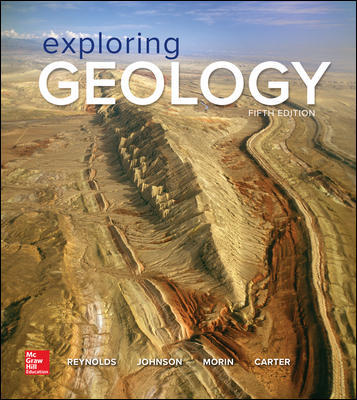
Exploring Geology 5Th Edition By Stephen Reynolds - Test Bank

Exploring Geology 5Th Edition By Stephen Reynolds - Test Bank   Instant Download - Complete Test Bank With Answers     Sample Questions Are Posted Below   Exploring Geology, 5e (Reynolds) Chapter 5   Igneous Environments   1) Which numbered feature on this figure formed by an explosive pyroclastic eruption?     A) location 1, the …

$19.99

Exploring Geology 5Th Edition By Stephen Reynolds – Test Bank


Instant Download – Complete Test Bank With Answers


Sample Questions Are Posted Below


Exploring Geology, 5e (Reynolds)

Chapter 5   Igneous Environments


1) Which numbered feature on this figure formed by an explosive pyroclastic eruption?


  1. A) location 1, the Valles Caldera
  2. B) location 2, dark basalt flows along the Rio Grande
  3. C) location 3, the dark, basaltic volcanoes
  4. D) location 4, pegmatite in the northeastern part of the area


Answer:  A

Section:  05.00

Topic:  Volcanoes

Bloom’s:  2. Understand

Gradable:  automatic

Accessibility:  Keyboard Navigation


2) What texture is displayed by the igneous rock in this photograph?


  1. A) vesicles
  2. B) breccia
  3. C) porphyritic
  4. D) glassy
  5. E) None of these choices are correct.


Answer:  E

Section:  05.01

Topic:  Rocks

Bloom’s:  2. Understand

Gradable:  automatic

Accessibility:  Keyboard Navigation


3) What texture is displayed by the igneous rock in this photograph?


  1. A) vesicles
  2. B) breccia
  3. C) porphyritic
  4. D) glassy
  5. E) None of these choices are correct.


Answer:  C

Section:  05.01

Topic:  Rocks

Bloom’s:  2. Understand

Gradable:  automatic

Accessibility:  Keyboard Navigation


4) What texture is displayed by the igneous rock in this photograph?


  1. A) vesicles
  2. B) breccia
  3. C) porphyritic
  4. D) glassy
  5. E) None of these choices are correct.


Answer:  A

Section:  05.01

Topic:  Rocks

Bloom’s:  2. Understand

Gradable:  automatic

Accessibility:  Keyboard Navigation


5) What texture is displayed by the igneous rock in this photograph?


  1. A) vesicles
  2. B) breccia
  3. C) porphyritic
  4. D) glassy
  5. E) None of these choices are correct.


Answer:  B

Section:  05.01

Topic:  Rocks

Bloom’s:  2. Understand

Gradable:  automatic

Accessibility:  Keyboard Navigation


6) What does this texture indicate about the formation of this rock?


  1. A) It formed from an explosive pyroclastic eruption.
  2. B) The rock solidified at great depth.
  3. C) The magma formed some crystals before rising closer to the surface and solidifying.
  4. D) The magma had abundant dissolved gas.


Answer:  C

Section:  05.01

Topic:  Rocks

Bloom’s:  2. Understand

Gradable:  automatic

Accessibility:  Keyboard Navigation


7) What does this texture indicate about the formation of this rock?


  1. A) It formed from an explosive pyroclastic eruption.
  2. B) The rock solidified at great depth.
  3. C) The magma formed some crystals before rising closer to the surface and solidifying.
  4. D) The magma had abundant dissolved gas.


Answer:  D

Section:  05.01

Topic:  Rocks

Bloom’s:  2. Understand

Gradable:  automatic

Accessibility:  Keyboard Navigation


8) What does this welded texture indicate about the formation of this rock?


  1. A) It formed from an explosive pyroclastic eruption.
  2. B) The rock solidified at great depth.
  3. C) The magma formed some crystals before rising closer to the surface and solidifying.
  4. D) The magma had abundant dissolved gas.


Answer:  A

Section:  05.01

Topic:  Rocks

Bloom’s:  2. Understand

Gradable:  automatic

Accessibility:  Keyboard Navigation


9) The site on the accompanying figure that would most likely form a rock with large crystals is


  1. A) A
  2. B) B
  3. C) C
  4. D) D
  5. E) E


Answer:  A

Section:  05.01

Topic:  Rocks

Bloom’s:  2. Understand

Gradable:  automatic

Accessibility:  Keyboard Navigation


10) The site on the accompanying figure that would most likely form a rock that is fine grained (has small crystals but is not glassy) is


  1. A) A
  2. B) B
  3. C) C
  4. D) D
  5. E) E


Answer:  B

Section:  05.01

Topic:  Rocks

Bloom’s:  2. Understand

Gradable:  automatic

Accessibility:  Keyboard Navigation


11) The site on the accompanying figure that would most likely form a rock that is glassy with no volcanic ash is


  1. A) A
  2. B) B
  3. C) C
  4. D) D
  5. E) E


Answer:  C

Section:  05.01

Topic:  Rocks

Bloom’s:  2. Understand

Gradable:  automatic

Accessibility:  Keyboard Navigation


12) The site on the accompanying figure that would most likely form a rock that has a nonwelded texture with many fine particles is


  1. A) A
  2. B) B
  3. C) C
  4. D) D
  5. E) E


Answer:  E

Section:  05.01

Topic:  Rocks

Bloom’s:  2. Understand

Gradable:  automatic

Accessibility:  Keyboard Navigation


13) The site on the accompanying figure that would most likely form a rock that has a welded texture is


  1. A) A
  2. B) B
  3. C) C
  4. D) D
  5. E) E


Answer:  D

Section:  05.01

Topic:  Rocks

Bloom’s:  2. Understand

Gradable:  automatic

Accessibility:  Keyboard Navigation


14) A finely crystalline or glassy igneous texture indicates that

  1. A) there was a lot of gas in the magma.
  2. B) the rock cooled quickly.
  3. C) the rock broke apart as it flowed.
  4. D) the rock cooled slowly.
  5. E) the ash and pumice were hot and became compacted.


Answer:  B

Section:  05.01

Topic:  Rocks

Bloom’s:  2. Understand

Gradable:  automatic

Accessibility:  Keyboard Navigation


15) A vesicular igneous texture indicates that

  1. A) there was a lot of gas in the magma.
  2. B) the rock cooled quickly.
  3. C) the rock broke apart as it flowed.
  4. D) the rock cooled slowly.
  5. E) the ash and pumice were hot and became compacted.


Answer:  A

Section:  05.01

Topic:  Rocks

Bloom’s:  2. Understand

Gradable:  automatic

Accessibility:  Keyboard Navigation


16) Coarsely crystalline igneous textures indicate that

  1. A) there was a lot of gas in the magma.
  2. B) the rock cooled quickly.
  3. C) the rock broke apart as it flowed.
  4. D) the rock cooled slowly.
  5. E) the ash and pumice were hot and became compacted.


Answer:  D

Section:  05.01

Topic:  Rocks

Bloom’s:  2. Understand

Gradable:  automatic

Accessibility:  Keyboard Navigation


17) A welded igneous texture indicates that

  1. A) there was a lot of gas in the magma.
  2. B) the rock cooled quickly.
  3. C) the rock broke apart as it flowed.
  4. D) the rock cooled slowly.
  5. E) the ash and pumice were hot and became compacted.


Answer:  E

Section:  05.01

Topic:  Rocks

Bloom’s:  2. Understand

Gradable:  automatic

Accessibility:  Keyboard Navigation


18) A volcanic breccia texture indicates that

  1. A) there was a lot of gas in the magma.
  2. B) the rock cooled quickly.
  3. C) the rock broke apart as it flowed.
  4. D) the rock cooled slowly.
  5. E) the ash and pumice were hot and became compacted.


Answer:  C

Section:  05.01

Topic:  Rocks

Bloom’s:  2. Understand

Gradable:  automatic

Accessibility:  Keyboard Navigation


19) An igneous pegmatite indicates that

  1. A) there was water in the magma.
  2. B) the rock cooled slowly and then quickly.
  3. C) the rock broke apart as it flowed.
  4. D) the rock cooled quickly.
  5. E) the ash and pumice were hot and became compacted.


Answer:  A

Section:  05.01

Topic:  Rocks

Bloom’s:  2. Understand

Gradable:  automatic

Accessibility:  Keyboard Navigation


20) A porphyritic igneous texture indicates that

  1. A) there was water in the magma.
  2. B) the rock cooled slowly and then quickly.
  3. C) the rock broke apart as it flowed.
  4. D) the rock cooled slowly.
  5. E) the ash and pumice were hot and became compacted.


Answer:  B

Section:  05.01

Topic:  Rocks

Bloom’s:  2. Understand

Gradable:  automatic

Accessibility:  Keyboard Navigation


21) Rock that has formed from cooling magma or lava is

  1. A) igneous rock.
  2. B) metamorphic rock.
  3. C) sedimentary rock.


Answer:  A

Section:  05.01

Topic:  Rocks

Bloom’s:  1. Remember

Gradable:  automatic

Accessibility:  Keyboard Navigation


22) Which of the following rock photographs depicts a felsic igneous rock?

A)

B)

C)

D)


Answer:  A

Section:  05.02

Topic:  Rocks

Bloom’s:  3. Apply

Gradable:  automatic

Accessibility:  Keyboard Navigation


23) Which of the following rock photographs depicts an igneous rock that trapped gas?

A)

B)

C)

D)


Answer:  C

Section:  05.02

Topic:  Rocks

Bloom’s:  3. Apply

Gradable:  automatic

Accessibility:  Keyboard Navigation


24) Which of the following photographs depicts an igneous rock where the magma cooled slowly at first and then had fast cooling?

A)

B)


C)

D)


Answer:  D

Section:  05.02

Topic:  Rocks

Bloom’s:  3. Apply

Gradable:  automatic

Accessibility:  Keyboard Navigation


25) Which of the following rock types requires dissolved gas in the magma?

  1. A) granite
  2. B) pumice
  3. C) gabbro
  4. D) diorite
  5. E) andesite


Answer:  B

Section:  05.02

Topic:  Rocks

Bloom’s:  1. Remember

Gradable:  automatic

Accessibility:  Keyboard Navigation


26) Which of the following igneous rocks can be composed of fragments?

  1. A) tuff
  2. B) scoria
  3. C) volcanic breccia
  4. D) All of these choices are correct.


Answer:  D

Section:  05.02

Topic:  Rocks

Bloom’s:  1. Remember

Gradable:  automatic

Accessibility:  Keyboard Navigation


27) Which of the following rock types does NOT involve dissolved gas in the magma?

  1. A) tuff
  2. B) pumice
  3. C) scoria
  4. D) diorite
  5. E) vesicular basalt


Answer:  D

Section:  05.02

Topic:  Rocks

Bloom’s:  1. Remember

Gradable:  automatic

Accessibility:  Keyboard Navigation


28) Which of the following can occur within a magma chamber?

  1. A) Sinking or floating crystals may change the composition of the remaining magma.
  2. B) Wall rocks can melt and become incorporated into the magma.
  3. C) If two magmas mix, the resulting magma would be between the composition of the two magmas.
  4. D) All of these choices are correct.


Answer:  D

Section:  05.02

Topic:  Rocks

Bloom’s:  1. Remember

Gradable:  automatic

Accessibility:  Keyboard Navigation


29) To study an igneous rock with a phaneritic texture, a geologist would need

  1. A) a hand lens.
  2. B) a microscope.
  3. C) no special equipment.


Answer:  C

Section:  05.02

Topic:  Rocks

Bloom’s:  2. Understand

Gradable:  automatic

Accessibility:  Keyboard Navigation


30) A coarse-grained intrusive igneous rock composed mostly of feldspar and quartz is called

  1. A) granite.
  2. B) ryholite.
  3. C) basalt.
  4. D) gabbro.
  5. E) andesite.


Answer:  A

Section:  05.02

Topic:  Rocks

Bloom’s:  1. Remember

Gradable:  automatic

Accessibility:  Keyboard Navigation


31) Which letter in this classification table indicates the position of granite?


  1. A) A
  2. B) B
  3. C) C
  4. D) D
  5. E) E


Answer:  A

Section:  05.03

Topic:  Rocks

Bloom’s:  1. Remember

Gradable:  automatic

Accessibility:  Keyboard Navigation


32) Which letter in this classification table indicates the position of rhyolite?


  1. A) A
  2. B) B
  3. C) C
  4. D) D
  5. E) E


Answer:  B

Section:  05.03

Topic:  Rocks

Bloom’s:  1. Remember

Gradable:  automatic

Accessibility:  Keyboard Navigation


33) Which letter in this classification table indicates the position of andesite?


  1. A) A
  2. B) B
  3. C) C
  4. D) D
  5. E) E


Answer:  C

Section:  05.03

Topic:  Rocks

Bloom’s:  1. Remember

Gradable:  automatic

Accessibility:  Keyboard Navigation


34) Which letter in this classification table indicates the position of gabbro?


  1. A) A
  2. B) B
  3. C) C
  4. D) D
  5. E) E


Answer:  D

Section:  05.03

Topic:  Rocks

Bloom’s:  1. Remember

Gradable:  automatic

Accessibility:  Keyboard Navigation


35) Which letter in this classification table indicates the position of basalt?


  1. A) A
  2. B) B
  3. C) C
  4. D) D
  5. E) E


Answer:  E

Section:  05.03

Topic:  Rocks

Bloom’s:  1. Remember

Gradable:  automatic

Accessibility:  Keyboard Navigation


36) Tuff and volcanic breccia are both composed of a variety of igneous fragments. Their classification as either felsic, intermediate, or mafic therefore depends on the particular

  1. A) mineral content of each individual unit.
  2. B) average grain size of each individual unit.
  3. C) thickness of each individual unit.


Answer:  A

Section:  05.03

Topic:  Rocks

Bloom’s:  1. Remember

Gradable:  automatic

Accessibility:  Keyboard Navigation


37) Which of the following processes has added heat to Earth’s interior during or after its formation?

  1. A) collision of asteroids and meteoroids with Earth
  2. B) formation and sinking of masses of iron and nickel
  3. C) radioactive decay
  4. D) All of these choices are correct.


Answer:  D

Section:  05.04

Topic:  Rocks

Bloom’s:  1. Remember

Gradable:  automatic

Accessibility:  Keyboard Navigation


38) The main process that happens during the alpha type of radioactive decay is

  1. A) an electron is given off.
  2. B) an electron is absorbed and turned into a neutron.
  3. C) an atom splits into two pieces.
  4. D) an alpha particle combines with a small atom to make a larger one.


Answer:  C

Section:  05.04

Topic:  Earth’s Interior

Bloom’s:  1. Remember

Gradable:  automatic

Accessibility:  Keyboard Navigation


39) Which number on this figure indicates heating by conduction?


  1. A) 1, direct contact between the burner and the pan
  2. B) 2, heating by thermal radiation through the air
  3. C) 3, heated water expands and rises to the top of the pan and then cools and flows back down
  4. D) 4, moving a pan of water away from the stove


Answer:  A

Section:  05.04

Topic:  Earth’s Interior

Bloom’s:  2. Understand

Gradable:  automatic

Accessibility:  Keyboard Navigation


40) Which number of this figure indicates transfer of thermal energy by conduction?


  1. A) 1, heating of adjacent rocks by a magma
  2. B) 2, cooling of hot lithosphere by contact with cooler rocks and seawater
  3. C) 3, heating of the subducted plate by contact with hotter overlying materials
  4. D) All of these choices are correct.


Answer:  D

Section:  05.04

Topic:  Earth’s Interior

Bloom’s:  4. Analyze

Gradable:  automatic

Accessibility:  Keyboard Navigation


41) Which of the following is the best example of heat transfer by conduction?

  1. A) A pan is placed directly on a burner.
  2. B) Water within the pan flows in a circular path.
  3. C) A burner gives heat through the air without touching the object.
  4. D) Seawater is drawn into a mid-ocean ridge.


Answer:  A

Section:  05.04

Topic:  Earth’s Interior

Bloom’s:  2. Understand

Gradable:  automatic

Accessibility:  Keyboard Navigation


42) Which of the following is the best example of heat transfer by conduction?

  1. A) Newly created lithosphere loses heat to adjacent rocks.
  2. B) Water flows in a circular path in a pan.
  3. C) A burner gives heat through the air without touching the object.
  4. D) Seawater is drawn into a mid-ocean ridge.


Answer:  A

Section:  05.04

Topic:  Igneous Environments

Bloom’s:  3. Apply; 4. Analyze

Gradable:  automatic

Accessibility:  Keyboard Navigation


43) Which number on this figure indicates transfer of thermal energy by a convection cell?


  1. A) 1, direct contact between the burner and the pan
  2. B) 2, heating by thermal radiation through the air
  3. C) 3, heated water expands and rises to the top of the pan and then cools and flows back down
  4. D) 4, moving a pan of water away from the stove


Answer:  C

Section:  05.04

Topic:  Earth’s Interior

Bloom’s:  2. Understand

Gradable:  automatic

Accessibility:  Keyboard Navigation

44) Which of the following is an example of heat transfer by convection?

  1. A) Water within a pan is heated and flows in a circular path.
  2. B) Seawater is drawn into a mid-ocean ridge, heated, and rises.
  3. C) The rise of material beneath mid-ocean ridges is coupled with subduction.
  4. D) All of these choices are correct.


Answer:  D

Section:  05.04

Topic:  Earth’s Interior

Bloom’s:  3. Apply

Gradable:  automatic

Accessibility:  Keyboard Navigation


45) The main source of heat energy for the Earth’s interior is a direct result of

  1. A) alpha decay, which is an unstable atom losing 2 protons and 2 neutrons.
  2. B) beta decay, which is an unstable atom losing an electron.
  3. C) gamma decay, which is an unstable atom losing a photon.


Answer:  A

Section:  05.04

Topic:  Earth’s Interior

Bloom’s:  2. Understand

Gradable:  automatic

Accessibility:  Keyboard Navigation


46) The geothermal gradient is the

  1. A) increase of the Earth’s temperature with increase in depth.
  2. B) increase of the Earth’s temperature on the surface as the Sun rises.
  3. C) decrease of the Earth’s temperature with increase of depth.
  4. D) decrease of the Earth’s temperature on the surface as the Sun sets.


Answer:  A

Section:  05.04

Topic:  Earth’s Interior

Bloom’s:  1. Remember

Gradable:  automatic

Accessibility:  Keyboard Navigation


47) As depth increases into the Earth

  1. A) there is an increase in temperature and pressure.
  2. B) there is an increase in temperature only.
  3. C) there is an increase in pressure only.
  4. D) there is an increase in temperature and a decrease in pressure.


Answer:  A

Section:  05.04

Topic:  Earth’s Interior

Bloom’s:  1. Remember

Gradable:  automatic

Accessibility:  Keyboard Navigation


48) Which of the following changes in conditions would cause melting of a solid rock?


  1. A) from A to B
  2. B) from B to C
  3. C) from C to D
  4. D) from A to D
  5. E) from A to C


Answer:  A

Section:  05.05

Topic:  Rocks

Bloom’s:  3. Apply

Gradable:  automatic

Accessibility:  Keyboard Navigation


49) Which of the following changes in conditions indicates heating of the rock?


  1. A) from A to B
  2. B) from B to C
  3. C) from C to D
  4. D) from D to A
  5. E) None of these choices are correct.


Answer:  A

Section:  05.05

Topic:  Rocks

Bloom’s:  3. Apply

Gradable:  automatic

Accessibility:  Keyboard Navigation


50) Which of the following changes in conditions would represent heating during burial?


  1. A) from A to B
  2. B) from B to C
  3. C) from C to D
  4. D) from D to A
  5. E) from A to C


Answer:  E

Section:  05.05

Topic:  Rocks

Bloom’s:  3. Apply

Gradable:  automatic

Accessibility:  Keyboard Navigation


51) Which of the following changes in conditions could represent melting of continental crust from the introduction of a mafic magma?


  1. A) from A to B
  2. B) from A to C
  3. C) from A to D
  4. D) from C to B
  5. E) from B to D


Answer:  A

Section:  05.05

Topic:  Rocks

Bloom’s:  3. Apply

Gradable:  automatic

Accessibility:  Keyboard Navigation


52) The liquid-solid boundary on this graph slopes down and to the right because


  1. A) temperature increases down in the Earth.
  2. B) temperature decreases down in the Earth.
  3. C) pressure increases down in the Earth.
  4. D) None of these choices are correct.


Answer:  C

Section:  05.05

Topic:  Rocks

Bloom’s:  3. Apply

Gradable:  automatic

Accessibility:  Keyboard Navigation


53) Which of the following changes in conditions represents decompression melting?


  1. A) from A to B
  2. B) from B to A
  3. C) from B to C
  4. D) from C to B
  5. E) from D to A


Answer:  D

Section:  05.05

Topic:  Rocks

Bloom’s:  3. Apply

Gradable:  automatic

Accessibility:  Keyboard Navigation


54) How could a rock at point C be melted?


  1. A) increase in temperature
  2. B) decrease in pressure
  3. C) increase in temperature accompanied by a decrease in pressure
  4. D) All of these choices are correct.


Answer:  D

Section:  05.05

Topic:  Rocks

Bloom’s:  3. Apply

Gradable:  automatic

Accessibility:  Keyboard Navigation


55) Which of the following changes in conditions represents the main cause of melting beneath mid-ocean ridges?


  1. A) from A to B
  2. B) from A to C
  3. C) from A to D
  4. D) from C to B
  5. E) from D to B


Answer:  D

Section:  05.05

Topic:  Rocks

Bloom’s:  3. Apply

Gradable:  automatic

Accessibility:  Keyboard Navigation


56) How does the addition of water cause melting?

  1. A) It heats the rocks.
  2. B) It decreases the pressure on the rocks.
  3. C) It increases the temperature while decreasing the pressure.
  4. D) It changes the location of the liquid-solid boundary.


Answer:  D

Section:  05.05

Topic:  Rocks

Bloom’s:  3. Apply

Gradable:  automatic

Accessibility:  Keyboard Navigation


57) Which of the following acts to keep a rock solid (instead of melting)?

  1. A) an increase in temperature
  2. B) an increase in the vibration within a lattice
  3. C) an increase in confining pressure
  4. D) None of these choices are correct.


Answer:  C

Section:  05.05

Topic:  Rocks

Bloom’s:  2. Understand

Gradable:  automatic

Accessibility:  Keyboard Navigation


58) Use this graph that relates temperature and pressure to answer this question. What is required if a rock in position B moves to position A on the graph?


  1. A) Temperature would have to decrease.
  2. B) Temperature and pressure would have to increase.
  3. C) Temperature would have to increase and pressure decrease.
  4. D) Temperature would have to decrease and pressure increase.


Answer:  A

Section:  05.05

Topic:  Rocks

Bloom’s:  3. Apply

Gradable:  automatic

Accessibility:  Keyboard Navigation


59) What does the texture of this rock indicate about its cooling history? The magma cooled


  1. A) entirely at the surface.
  2. B) for a while at some depth and then rose to the surface where it finished solidifying.
  3. C) slowly under relatively deep conditions.
  4. D) slowly in the presence of water.


Answer:  B

Section:  05.06

Topic:  Rocks

Bloom’s:  3. Apply

Gradable:  automatic

Accessibility:  Keyboard Navigation


60) What does the texture of this rock indicate about its cooling history? The magma cooled


  1. A) entirely at the surface.
  2. B) for a while at some depth and then rose to the surface where it finished solidifying.
  3. C) slowly under relatively deep conditions.
  4. D) slowly and under water.


Answer:  C

Section:  05.06

Topic:  Rocks

Bloom’s:  3. Apply

Gradable:  automatic

Accessibility:  Keyboard Navigation


61) When melting forms magma

  1. A) rocks in the source region generally are completely melted.
  2. B) partial melting produces a magma that is more felsic than the source.
  3. C) melting of the mantle generally produces felsic magma.
  4. D) melting of continental crust generally produces mafic magma.
  5. E) None of these choices are correct.


Answer:  B

Section:  05.06

Topic:  Rocks

Bloom’s:  3. Apply

Gradable:  automatic

Accessibility:  Keyboard Navigation


62) Which of the following is common during crystallization of a magma?

  1. A) Felsic minerals crystallize first.
  2. B) Mafic minerals are light and float in most magma chambers.
  3. C) Felsic crystals are heavy and sink in most magma chambers.
  4. D) All crystals form at about the same time.
  5. E) None of these choices are correct.


Answer:  E

Section:  05.06

Topic:  Rocks

Bloom’s:  2. Understand

Gradable:  automatic

Accessibility:  Keyboard Navigation


63) Which of the following processes could result in a felsic magma?

  1. A) partial melting of an intermediate-composition source
  2. B) partial melting of continental crust
  3. C) formation and settling of mafic crystals in an intermediate magma
  4. D) All of these choices are correct.


Answer:  D

Section:  05.06

Topic:  Rocks

Bloom’s:  2. Understand

Gradable:  automatic

Accessibility:  Keyboard Navigation


64) The place in the crust or mantle where igneous rocks begin to form is called the

  1. A) source area.
  2. B) magma chamber.
  3. C) intrusive area.
  4. D) extrusive area.


Answer:  A

Section:  05.06

Topic:  Rocks

Bloom’s:  1. Remember

Gradable:  automatic

Accessibility:  Keyboard Navigation


65) An igneous rock that solidifies below the surface is called a(n)

  1. A) intrusive rock.
  2. B) extrusive rock.
  3. C) magma rock.
  4. D) lava rock.


Answer:  A

Section:  05.06

Topic:  Rocks

Bloom’s:  1. Remember

Gradable:  automatic

Accessibility:  Keyboard Navigation


66) An igneous rock that solidifies on Earth’s surface is called a(n)

  1. A) intrusive rock.
  2. B) extrusive rock.
  3. C) magma rock.
  4. D) vesicular rock.


Answer:  B

Section:  05.06

Topic:  Rocks

Bloom’s:  1. Remember

Gradable:  automatic

Accessibility:  Keyboard Navigation


67) Which are important ways that magma can raise through the crust?

  1. A) through fractures that can form dikes
  2. B) pieces of the wall rocks can break off
  3. C) tectonic forces can help open pathways
  4. D) magma is hotter and less dense than surrounding rocks
  5. E) All of these choices are correct.


Answer:  E

Section:  05.07

Topic:  Earth’s Interior

Bloom’s:  1. Remember

Gradable:  automatic

Accessibility:  Keyboard Navigation


68) Which of the following factors helps magma rise toward Earth’s surface?

  1. A) Pressure decreases with increasing depth.
  2. B) Magma is more dense and therefore tougher than the surrounding solid rocks.
  3. C) Gas bubbles generally form at great depth and drive magma upward.
  4. D) None of these choices are correct.


Answer:  D

Section:  05.07

Topic:  Earth’s Interior

Bloom’s:  2. Understand

Gradable:  automatic

Accessibility:  Keyboard Navigation


69) Which of the following causes magma to be less viscous?

  1. A) a lower temperature
  2. B) fewer silicate chains in the magma
  3. C) a more felsic composition
  4. D) a higher percentage of crystals
  5. E) None of these choices are correct.


Answer:  B

Section:  05.07

Topic:  Rocks

Bloom’s:  2. Understand

Gradable:  automatic

Accessibility:  Keyboard Navigation


70) Which of the following is likely to be true about the magma that formed the left volcanic feature compared to the right one in this figure?


  1. A) The magma has a higher viscosity.
  2. B) The magma has a higher silicate content.
  3. C) The magma is probably more felsic.
  4. D) All of these choices are correct.


Answer:  D

Section:  05.07

Topic:  Rocks

Bloom’s:  3. Apply

Gradable:  automatic

Accessibility:  Keyboard Navigation


71) Which of the following is likely to be true about the left volcanic feature compared to the right one in this figure?


  1. A) The magma has a higher viscosity.
  2. B) The magma has fewer silicate chains.
  3. C) The magma probably formed at a higher temperature.
  4. D) All of these choices are correct.


Answer:  A

Section:  05.07

Topic:  Rocks

Bloom’s:  3. Apply

Gradable:  automatic

Accessibility:  Keyboard Navigation


72) Which of the following is NOT a factor that affects the viscosity of magma?

  1. A) pressure
  2. B) temperature
  3. C) composition
  4. D) crystal content
  5. E) depth


Answer:  E

Section:  05.07

Topic:  Rocks

Bloom’s:  2. Understand

Gradable:  automatic

Accessibility:  Keyboard Navigation


73) On this figure of Bowen’s Reaction Series, which mineral would crystallize last from magma?


  1. A) 1, olivine
  2. B) 2, calcium-rich plagioclase
  3. C) 3, sodium-rich plagioclase
  4. D) 4, K-feldspar


Answer:  D

Section:  05.08

Topic:  Rocks

Bloom’s:  2. Understand

Gradable:  automatic

Accessibility:  Keyboard Navigation


74) What is a path for magma as it solidifies at great depth and then is uplifted slowly toward the surface?


  1. A) from B to A
  2. B) from C to A
  3. C) from C to B to A
  4. D) from D to C to B
  5. E) from D to C to A


Answer:  E

Section:  05.08

Topic:  Rocks

Bloom’s:  4. Analyze

Gradable:  automatic

Accessibility:  Keyboard Navigation


75) Which of the following minerals would likely crystallize early from magma?

  1. A) mafic minerals
  2. B) quartz
  3. C) muscovite
  4. D) potassium feldspar


Answer:  A

Section:  05.08

Topic:  Rocks

Bloom’s:  2. Understand

Gradable:  automatic

Accessibility:  Keyboard Navigation


76) Which of the following is NOT a way that magma can lose heat to begin solidifying?

  1. A) conduction to surrounding solid rocks
  2. B) loss of thermal energy to the air and water
  3. C) water that is heated and circulated near the magma
  4. D) an increase in the rate of radioactive decay


Answer:  D

Section:  05.08

Topic:  Rocks

Bloom’s:  2. Understand

Gradable:  automatic

Accessibility:  Keyboard Navigation


77) Which of the following igneous rocks would be formed by the fastest cooling?

  1. A) very coarse granite pegmatite
  2. B) coarse granite
  3. C) medium-grained granite
  4. D) fine-grained granite
  5. E) volcanic glass


Answer:  E

Section:  05.08

Topic:  Rocks

Bloom’s:  2. Understand

Gradable:  automatic

Accessibility:  Keyboard Navigation


78) Which of the following igneous rocks would be formed by the slowest cooling?

  1. A) coarse granite
  2. B) medium-grained granite
  3. C) fine-grained granite
  4. D) volcanic glass
  5. E) There is not enough information to tell.


Answer:  A

Section:  05.08

Topic:  Rocks

Bloom’s:  2. Understand

Gradable:  automatic

Accessibility:  Keyboard Navigation


79) Which of the following igneous rocks has a texture consistent with a magma that cooled and solidified slowly at first, followed by more rapid cooling?

  1. A) small felsic crystals enclosed in large mafic ones
  2. B) small mafic crystals enclosed in large felsic ones
  3. C) large crystals like those in pegmatite
  4. D) large, early formed crystals surrounded by smaller, late formed crystals


Answer:  D

Section:  05.08

Topic:  Rocks

Bloom’s:  2. Understand

Gradable:  automatic

Accessibility:  Keyboard Navigation


80) At which point on this graph is the magma under highest pressure and temperature?


  1. A) 1/1
  2. B) 1/2
  3. C) 2/1
  4. D) 2/3
  5. E) 3/2
  6. F) 3/3


Answer:  A

Section:  05.08

Topic:  Rocks

Bloom’s:  4. Analyze

Gradable:  automatic

Accessibility:  Keyboard Navigation


81) Which of the following statements correctly states how early crystallization affects the composition of a magma? Use the graph.


  1. A) Early crystallization causes the MgO (mafic) content to decline in the magma.
  2. B) Early crystallization causes the MgO content to increase in the magma.
  3. C) Early crystallization causes the SiO content to decline in the magma.


Answer:  A

Section:  05.08

Topic:  Rocks

Bloom’s:  2. Understand

Gradable:  automatic

Accessibility:  Keyboard Navigation


82) Minerals crystallize

  1. A) in the opposite order they melt.
  2. B) in the same order they melt.


Answer:  A

Section:  05.08

Topic:  Rocks

Bloom’s:  1. Remember

Gradable:  automatic

Accessibility:  Keyboard Navigation


83) Which of the following is true about igneous processes along oceanic divergent boundaries as shown in this figure?


  1. A) Oceanic crust moves toward the ridge in a conveyor-belt manner.
  2. B) Most of the mantle is molten, not solid.
  3. C) Solid asthenosphere rises as plates move apart.
  4. D) Magma generated in the crust drips down into the mantle.


Answer:  C

Section:  05.09

Topic:  Plate Tectonics

Bloom’s:  2. Understand

Gradable:  automatic

Accessibility:  Keyboard Navigation


84) Which of the following igneous rocks is NOT characteristic of mid-ocean ridges?

  1. A) finely crystalline rocks that formed in dikes
  2. B) gabbro that solidified in a magma chamber
  3. C) pillow basalt
  4. D) andesite and granodiorite


Answer:  D

Section:  05.09

Topic:  Plate Tectonics

Bloom’s:  1. Remember

Gradable:  automatic

Accessibility:  Keyboard Navigation


85) Which of the following is characteristic of continental rifts?


  1. A) Some magmas are felsic and intermediate.
  2. B) Heat from hot, mafic magma can melt continental crust.
  3. C) Solid asthenosphere undergoes decompression melting.
  4. D) All of these choices are correct.


Answer:  D

Section:  05.09

Topic:  Plate Tectonics

Bloom’s:  2. Understand

Gradable:  automatic

Accessibility:  Keyboard Navigation


86) When two plates are moving away from each other they are said to be


  1. A) diverging.
  2. B) converging.
  3. C) remaining the same.


Answer:  A

Section:  05.09

Topic:  Plate Tectonics

Bloom’s:  1. Remember

Gradable:  automatic

Accessibility:  Keyboard Navigation


87) Continental rifts have a diverse suite of igneous rocks associated with them because melting occurs

  1. A) in the mantle and in the crust.
  2. B) only in the crust.
  3. C) only in the mantle.


Answer:  A

Section:  05.09

Topic:  Plate Tectonics

Bloom’s:  2. Understand

Gradable:  automatic

Accessibility:  Keyboard Navigation


88) An ophiolite is

  1. A) a sliced-off piece of oceanic crust that has been thrust onto the edge of a continent or island.
  2. B) a mineral consisting of basalt and gabbro formed in the mantle.
  3. C) a mixture of mafic and felsic magma within pillow basalts.


Answer:  A

Section:  05.09

Topic:  Plate Tectonics

Bloom’s:  1. Remember

Gradable:  automatic

Accessibility:  Keyboard Navigation


89) An ophiolite is identical to

  1. A) a newly formed segment of oceanic crust, except it contains an additional layer of sediment.
  2. B) a magma chamber, only it is formed beneath the ocean.
  3. C) a combination of mafic and felsic magmas at depth lodged within sheeted dikes of basalt.


Answer:  A

Section:  05.09

Topic:  Plate Tectonics

Bloom’s:  2. Understand

Gradable:  automatic

Accessibility:  Keyboard Navigation


90) Melting in the mantle is a result of


  1. A) decompression.
  2. B) conduction.
  3. C) convection.
  4. D) compression.


Answer:  A

Section:  05.09

Topic:  Plate Tectonics

Bloom’s:  1. Remember

Gradable:  automatic

Accessibility:  Keyboard Navigation


91) The main cause of melting along subduction zones is the

  1. A) rise and decompression melting of mantle lithosphere.
  2. B) rise and decompression melting of mantle asthenosphere.
  3. C) melting of the subducting plate.
  4. D) release of water from the subducting plate.


Answer:  D

Section:  05.10

Topic:  Plate Tectonics

Bloom’s:  2. Understand

Gradable:  automatic

Accessibility:  Keyboard Navigation


92) What generally happens when subduction-derived magma encounters thick continental crust?

  1. A) Most magma reaches the surface with minor modification.
  2. B) The magma solidifies in sheeted dikes with a composition of basalt.
  3. C) The magma interacts with the crust, forming felsic or intermediate compositions.
  4. D) The oceanic crust melts.


Answer:  C

Section:  05.10

Topic:  Plate Tectonics

Bloom’s:  2. Understand

Gradable:  automatic

Accessibility:  Keyboard Navigation


93) Which of the following settings is most likely to have eruptions of basalt?

  1. A) island arcs
  2. B) subduction beneath a thin continental plate
  3. C) subduction beneath a thick continental plate
  4. D) mid-ocean ridge
  5. E) None of these choices are correct.


Answer:  D

Section:  05.10

Topic:  Plate Tectonics

Bloom’s:  2. Understand

Gradable:  automatic

Accessibility:  Keyboard Navigation


94) The main way water gets into a subduction zone is by

  1. A) heating of the overlying continental crust.
  2. B) a decrease in pressure that causes melting.
  3. C) rain associated with eruptions in the island arc.
  4. D) seawater introduced into oceanic crust at the mid-ocean ridge, prior to subduction.
  5. E) All of these choices are correct.


Answer:  D

Section:  05.10

Topic:  Plate Tectonics

Bloom’s:  2. Understand

Gradable:  automatic

Accessibility:  Keyboard Navigation


95) Which of the following occurs during a continental collision, after any subduction has ended?

  1. A) The descending continental plate gets hotter and decreases in pressure.
  2. B) Decreasing pressure causes downgoing crust to melt.
  3. C) Volcanoes are widespread above continental collisions.
  4. D) All of these choices are correct.
  5. E) None of these choices are correct.


Answer:  E

Section:  05.10

Topic:  Plate Tectonics

Bloom’s:  2. Understand

Gradable:  automatic

Accessibility:  Keyboard Navigation


96) Most subduction-derived magma never reaches the surface. However, what is formed if this type of magma reaches the surface of a continent?


  1. A) belts of volcanoes
  2. B) lines of calderas
  3. C) basalt fissure


Answer:  A

Section:  05.10

Topic:  Plate Tectonics

Bloom’s:  2. Understand

Gradable:  automatic

Accessibility:  Keyboard Navigation


97) Most subduction-derived magma never reaches the surface. However, what is formed if this type of magma reaches oceanic crust?


  1. A) island arcs
  2. B) mountain ranges
  3. C) belts of calderas


Answer:  A

Section:  05.10

Topic:  Plate Tectonics

Bloom’s:  2. Understand

Gradable:  automatic

Accessibility:  Keyboard Navigation


98) As magma is generated along a subduction zone


  1. A) the subducted plate melts in response to the increase in temperature.
  2. B) minerals in the subducted plate release water, which lowers the melting temperature of the mantle material above.
  3. C) friction from the act of subduction melts both the subducting and overlying plates.


Answer:  B

Section:  05.10

Topic:  Plate Tectonics

Bloom’s:  2. Understand

Gradable:  automatic

Accessibility:  Keyboard Navigation


99) What is formed when an oceanic plate subducts into the mantle at a convergent boundary?


  1. A) magma
  2. B) reefs
  3. C) a caldera


Answer:  A

Section:  05.10

Topic:  Plate Tectonics

Bloom’s:  2. Understand

Gradable:  automatic

Accessibility:  Keyboard Navigation


100) Rocks of the continental crust contain different minerals and each mineral has its own melting point. If the minerals with the lowest melting temperatures are the only ones melted, this is referred to as

  1. A) partial melting.
  2. B) complete melting.
  3. C) temporary melting.
  4. D) subductive melting.


Answer:  A

Section:  05.10

Topic:  Earth’s Interior

Bloom’s:  1. Remember

Gradable:  automatic

Accessibility:  Keyboard Navigation


101) What is the source of water necessary to induce the production of magma in a subduction zone?

  1. A) ocean water incorporated into crust at divergent plate boundaries
  2. B) subducted ocean water
  3. C) meteoric water
  4. D) mantle-derived magmatic waters


Answer:  A

Section:  05.10

Topic:  Plate Tectonics

Bloom’s:  1. Remember

Gradable:  automatic

Accessibility:  Keyboard Navigation


102) Hot spots in oceanic settings typically produce

  1. A) flood basalts in the middle of a continent.
  2. B) huge caldera explosions.
  3. C) island arcs.
  4. D) lines or clusters of volcanic islands.


Answer:  D

Section:  05.11

Topic:  Earth’s Interior

Bloom’s:  1. Remember

Gradable:  automatic

Accessibility:  Keyboard Navigation


103) A hot spot is interpreted to have formed from

  1. A) extreme heating of the seas near the equator.
  2. B) abundant magma produced within a subduction zone.
  3. C) abundant magma formed within a typical mid-ocean ridge.
  4. D) a rising plume of hot mantle material.


Answer:  D

Section:  05.11

Topic:  Earth’s Interior

Bloom’s:  2. Understand

Gradable:  automatic

Accessibility:  Keyboard Navigation


104) A mantle plume rises because

  1. A) it is mostly molten.
  2. B) it is solid but less dense than material around it.
  3. C) it is molten and more dense than material around it.
  4. D) it is propelled upward by gas coming out of the magma.


Answer:  B

Section:  05.11

Topic:  Earth’s Interior

Bloom’s:  2. Understand

Gradable:  automatic

Accessibility:  Keyboard Navigation


105) Hot spots in continental settings typically produce

  1. A) high continental plateaus, such as in Tibet.
  2. B) lines or clusters of islands.
  3. C) basaltic lava flows or explosive calderas.
  4. D) new oceanic crust.


Answer:  C

Section:  05.11

Topic:  Earth’s Interior

Bloom’s:  2. Understand

Gradable:  automatic

Accessibility:  Keyboard Navigation


106) What is typically occurring when magmatism occurs far away from plate boundaries?

  1. A) New oceanic crust is created at mid-ocean ridges.
  2. B) Large volcanoes are built above subduction zones.
  3. C) Some type of thermal disturbance is occurring in the mantle.
  4. D) All of these choices are correct.


Answer:  C

Section:  05.11

Topic:  Earth’s Interior

Bloom’s:  2. Understand

Gradable:  automatic

Accessibility:  Keyboard Navigation


107) Most hot spots are considered to be

  1. A) crustal expressions of a rising plume of hot magma.
  2. B) volcanoes with an active lava flow.
  3. C) seamounts with no active flow of lava.


Answer:  A

Section:  05.11

Topic:  Earth’s Interior

Bloom’s:  1. Remember

Gradable:  automatic

Accessibility:  Keyboard Navigation


108) Continental mantle plumes that are composed of felsic magma tend to be explosive when the Earth’s surface is reached. These explosive eruptions create


  1. A) calderas.
  2. B) plutons.
  3. C) fissures.


Answer:  A

Section:  05.11

Topic:  Earth’s Interior

Bloom’s:  1. Remember

Gradable:  automatic

Accessibility:  Keyboard Navigation


109) At which of the sites shown in this figure would melting probably be caused by introduction of water into hot rocks?


  1. A) A
  2. B) B
  3. C) C
  4. D) D
  5. E) E


Answer:  C

Section:  05.12

Topic:  Rocks

Bloom’s:  4. Analyze

Gradable:  automatic

Accessibility:  Keyboard Navigation


110) Which of the sites shown in this figure have decompression melting in an oceanic setting?


  1. A) A
  2. B) B
  3. C) C
  4. D) All of the locations shown
  5. E) Locations A and B only


Answer:  E

Section:  05.12

Topic:  Rocks

Bloom’s:  4. Analyze

Gradable:  automatic

Accessibility:  Keyboard Navigation


111) Which of the magma systems shown is likely to contain mostly basalt?


  1. A) A
  2. B) B
  3. C) C
  4. D) All of the locations
  5. E) Locations A and B only


Answer:  E

Section:  05.12

Topic:  Rocks

Bloom’s:  4. Analyze

Gradable:  automatic

Accessibility:  Keyboard Navigation


112) Which of the magma systems shown is most likely to include felsic or intermediate magmas?


  1. A) A and B
  2. B) B and C
  3. C) A, B, and C
  4. D) B, C, and D
  5. E) C, D, and E


Answer:  E

Section:  05.12

Topic:  Rocks

Bloom’s:  4. Analyze

Gradable:  automatic

Accessibility:  Keyboard Navigation


113) The igneous feature shown in this photograph is


  1. A) dike.
  2. B) sill.
  3. C) volcanic neck.
  4. D) batholith.


Answer:  D

Section:  05.12

Topic:  Rocks

Bloom’s:  3. Apply

Gradable:  automatic

Accessibility:  Keyboard Navigation


114) A magma chamber is


  1. A) an underground body of molten rock.
  2. B) an above ground body of solid rock.
  3. C) an underground body of lava.


Answer:  A

Section:  05.12

Topic:  Rocks

Bloom’s:  1. Remember

Gradable:  automatic

Accessibility:  Keyboard Navigation


115) Which of the following are tectonic settings where large magma chambers can form?


  1. A) in the oceanic lithosphere above hot spots and within mid-ocean ridges
  2. B) above subduction zones
  3. C) in the continental lithosphere within regions of hot spots and rifts
  4. D) in areas of continental collisions
  5. E) All of these choices are correct.


Answer:  E

Section:  05.12

Topic:  Rocks

Bloom’s:  2. Understand

Gradable:  automatic

Accessibility:  Keyboard Navigation


116) All of the following are tectonic settings where large magma chambers can form EXCEPT


  1. A) hot spots.
  2. B) rifts.
  3. C) mid-ocean ridges.
  4. D) continental collisions.
  5. E) above existing lava fields.


Answer:  E

Section:  05.12

Topic:  Plate Tectonics

Bloom’s:  2. Understand

Gradable:  automatic

Accessibility:  Keyboard Navigation


117) Which of the following are processes that can occur in large magma chambers?

  1. A) Crystals that form may sink or rise in the chamber.
  2. B) A partially crystallized magma could be heated by a new, hotter magma entering the chamber.
  3. C) Magma may partially melt the chamber’s rock walls, forming a new magma composition.
  4. D) All of these choices are correct.


Answer:  D

Section:  05.12

Topic:  Rocks

Bloom’s:  2. Understand

Gradable:  automatic

Accessibility:  Keyboard Navigation


118) Which of the following choices is NOT true about magma chambers?

  1. A) Rock walls of magma chambers can withstand the intense heat and not melt.
  2. B) Crystal setting occurs within magma chambers.
  3. C) Different magmas can mix within a magma chamber depending on their densities.


Answer:  A

Section:  05.12

Topic:  Rocks

Bloom’s:  2. Understand

Gradable:  automatic

Accessibility:  Keyboard Navigation


119) Which type of pluton is shown in the diagram?


  1. A) batholith
  2. B) irregular
  3. C) sheetlike


Answer:  A

Section:  05.12

Topic:  Rocks

Bloom’s:  1. Remember

Gradable:  automatic

Accessibility:  Keyboard Navigation


120) The igneous feature shown in this figure is a


  1. A) dike.
  2. B) sill.
  3. C) volcanic neck.
  4. D) laccolith.


Answer:  A

Section:  05.13

Topic:  Rocks

Bloom’s:  3. Apply

Gradable:  automatic

Accessibility:  Keyboard Navigation


121) The igneous feature shown in this figure is a


  1. A) dike.
  2. B) sill.
  3. C) volcanic neck.
  4. D) laccolith.


Answer:  B

Section:  05.13

Topic:  Rocks

Bloom’s:  3. Apply

Gradable:  automatic

Accessibility:  Keyboard Navigation


122) The igneous feature shown in this figure is a


  1. A) dike.
  2. B) sill.
  3. C) volcanic neck.
  4. D) laccolith.


Answer:  D

Section:  05.13

Topic:  Rocks

Bloom’s:  3. Apply

Gradable:  automatic

Accessibility:  Keyboard Navigation


123) The vertical igneous feature shown in this photograph is a


  1. A) dike.
  2. B) sill.
  3. C) volcanic neck.
  4. D) batholith.


Answer:  A

Section:  05.13

Topic:  Rocks

Bloom’s:  3. Apply

Gradable:  automatic

Accessibility:  Keyboard Navigation


124) The dark igneous features shown in this photograph are


  1. A) dikes.
  2. B) sills.
  3. C) volcanic necks.
  4. D) batholiths.


Answer:  B

Section:  05.13

Topic:  Rocks

Bloom’s:  3. Apply

Gradable:  automatic

Accessibility:  Keyboard Navigation


125) The igneous rocks shown in this photograph are forming


  1. A) a dike.
  2. B) an irregular pluton.
  3. C) a volcanic neck.
  4. D) columnar joints.


Answer:  D

Section:  05.13

Topic:  Rocks

Bloom’s:  3. Apply

Gradable:  automatic

Accessibility:  Keyboard Navigation


126) The igneous feature shown in this photograph is


  1. A) dike.
  2. B) sill.
  3. C) volcanic neck.
  4. D) batholith.


Answer:  C

Section:  05.13

Topic:  Rocks

Bloom’s:  3. Apply

Gradable:  automatic

Accessibility:  Keyboard Navigation


127) A volcanic neck can form by

  1. A) erosion of the volcano, leaving behind the solidified conduit inside the volcano.
  2. B) erosion of overlying rock layers exposing the conduit below the volcano.
  3. C) both of these.


Answer:  C

Section:  05.13

Topic:  Volcanoes

Bloom’s:  2. Understand

Gradable:  automatic

Accessibility:  Keyboard Navigation


128) Columnar joints, like the ones shown in the photograph, are formed


  1. A) when hot but solid igneous rock contracts.
  2. B) when hot liquid igneous rock contracts.
  3. C) when hot but solid igneous rock expands.
  4. D) when hot liquid igneous rock expands.


Answer:  A

Section:  05.13

Topic:  Rocks

Bloom’s:  2. Understand

Gradable:  automatic

Accessibility:  Keyboard Navigation


129) When a volcano erodes and the solidified conduit is exposed, it is referred to as a volcanic


  1. A) neck.
  2. B) dike.
  3. C) sill.


Answer:  A

Section:  05.13

Topic:  Volcanoes

Bloom’s:  2. Understand

Gradable:  automatic

Accessibility:  Keyboard Navigation


130) Mt. Taylor in the diagram has a partial volcanic neck exposed. Which type of volcanic neck is being shown?


  1. A) beneath a volcano
  2. B) above a volcano
  3. C) with a volcano


Answer:  A

Section:  05.13

Topic:  Volcanoes

Bloom’s:  2. Understand

Gradable:  automatic

Accessibility:  Keyboard Navigation


131) This figure shows the formation of the Sierra Nevada batholith as magma chambers within the crust. What is the cause of melting?


  1. A) melting due to rising solid lithosphere
  2. B) decompression melting
  3. C) a hot spot
  4. D) release of water from the subducting plate


Answer:  D

Section:  05.14

Topic:  Geologic Structures

Bloom’s:  4. Analyze

Gradable:  automatic

Accessibility:  Keyboard Navigation


132) Which of the following were involved in bringing the deep batholithic rocks to the surface?

  1. A) uplift of the rocks over tens of millions of years
  2. B) a hot spot that formed a broad continental plateau
  3. C) a continent-continent collision with Australia
  4. D) The recent restarting of subduction beneath the area.


Answer:  A

Section:  05.14

Topic:  Geologic Structures

Bloom’s:  2. Understand

Gradable:  automatic

Accessibility:  Keyboard Navigation


133) Most igneous rocks in the Sierra Nevada batholith formed from

  1. A) a hot spot beneath continental crust.
  2. B) continental rifting.
  3. C) ocean-continent convergence.
  4. D) transform faulting.


Answer:  C

Section:  05.14

Topic:  Geologic Structures

Bloom’s:  1. Remember

Gradable:  automatic

Accessibility:  Keyboard Navigation


134) Which of the following was NOT involved in forming magmas of the main batholith?

  1. A) subduction beneath western North America
  2. B) water that caused partial melting of hot mantle
  3. C) partial melting of continental crust
  4. D) solidification of magma below the surface
  5. E) recent normal faulting along the east side of the batholith


Answer:  E

Section:  05.14

Topic:  Geologic Structures

Bloom’s:  2. Understand

Gradable:  automatic

Accessibility:  Keyboard Navigation


135) Which of the following is characteristic of the Sierra Nevada?

  1. A) peaks and cliffs of gray granite
  2. B) a large area of granitic rocks
  3. C) metamorphism of rocks within and adjacent to a batholith
  4. D) All of these choices are correct.


Answer:  D

Section:  05.14

Topic:  Geologic Structures

Bloom’s:  1. Remember

Gradable:  automatic

Accessibility:  Keyboard Navigation


136) The most common rock in the Sierra Nevada batholith is the plutonic rock


  1. A) granite.
  2. B) basalt.
  3. C) pumice.


Answer:  A

Section:  05.14

Topic:  Geologic Structures

Bloom’s:  1. Remember

Gradable:  automatic

Accessibility:  Keyboard Navigation


137) Which of the letters shown on this figure would most likely include some intermediate to felsic magmas?


  1. A) B and C
  2. B) A and C
  3. C) A, B, and C
  4. D) B, C, and D
  5. E) B, D, and E


Answer:  E

Section:  05.15

Topic:  Plate Tectonics

Bloom’s:  4. Analyze

Gradable:  automatic

Accessibility:  Keyboard Navigation


138) Which of the letters shown on this figure would most likely be over magma related to decompression melting?


  1. A) A and B
  2. B) A, B, and C
  3. C) B, C, and D
  4. D) C, D, and E
  5. E) D and E


Answer:  B

Section:  05.15

Topic:  Plate Tectonics

Bloom’s:  4. Analyze

Gradable:  automatic

Accessibility:  Keyboard Navigation


139) Which of the letters shown on this figure would most likely have magmas related to a hot spot?


  1. A) A
  2. B) B
  3. C) A and B
  4. D) C
  5. E) D and E


Answer:  C

Section:  05.15

Topic:  Plate Tectonics

Bloom’s:  4. Analyze

Gradable:  automatic

Accessibility:  Keyboard Navigation


140) Which of the letters shown on this figure would most likely have mafic (basalt) magmas?


  1. A) A and B
  2. B) A and C
  3. C) B and D
  4. D) D and E
  5. E) C and D


Answer:  B

Section:  05.15

Topic:  Plate Tectonics

Bloom’s:  4. Analyze

Gradable:  automatic

Accessibility:  Keyboard Navigation


141) Which of the letters shown on this figure would most likely have magma related to subduction?


  1. A) A and B
  2. B) A and C
  3. C) B and D
  4. D) D and E
  5. E) C and E


Answer:  D

Section:  05.15

Topic:  Plate Tectonics

Bloom’s:  4. Analyze

Gradable:  automatic

Accessibility:  Keyboard Navigation


142) For the letters on this figure, choose the likely cause of melting for Site A.


  1. A) decompression melting as the mantle rises
  2. B) melting by adding water
  3. C) melting of continental crust caused by an influx of mantle-derived magmas


Answer:  A

Section:  05.15

Topic:  Plate Tectonics

Bloom’s:  4. Analyze

Gradable:  automatic

Accessibility:  Keyboard Navigation


143) For the letters on this figure, choose the likely cause of melting for Site B.


  1. A) decompression melting as the mantle rises
  2. B) melting by adding water
  3. C) melting of continental crust caused by an influx of mantle-derived magmas


Answer:  C

Section:  05.15

Topic:  Plate Tectonics

Bloom’s:  4. Analyze

Gradable:  automatic

Accessibility:  Keyboard Navigation


144) For the letters on this figure, choose the likely cause of melting for Site C.


  1. A) decompression melting as the mantle rises
  2. B) melting by adding water
  3. C) melting of continental crust caused by an influx of mantle-derived magmas


Answer:  A

Section:  05.15

Topic:  Plate Tectonics

Bloom’s:  4. Analyze

Gradable:  automatic

Accessibility:  Keyboard Navigation


145) For the letters on this figure, choose the likely cause of melting for Site D.


  1. A) decompression melting as the mantle rises
  2. B) melting by adding water
  3. C) melting of continental crust caused by an influx of mantle-derived magmas


Answer:  B

Section:  05.15

Topic:  Plate Tectonics

Bloom’s:  4. Analyze

Gradable:  automatic

Accessibility:  Keyboard Navigation


146) For the letters on this figure, choose the likely cause of melting for Site E.


  1. A) decompression melting as the mantle rises
  2. B) melting by adding water
  3. C) melting of continental crust caused by an influx of mantle-derived magmas


Answer:  B

Section:  05.15

Topic:  Plate Tectonics

Bloom’s:  4. Analyze

Gradable:  automatic

Accessibility:  Keyboard Navigation

Additional information

Add Review

Your email address will not be published. Required fields are marked *