No products in the cart.

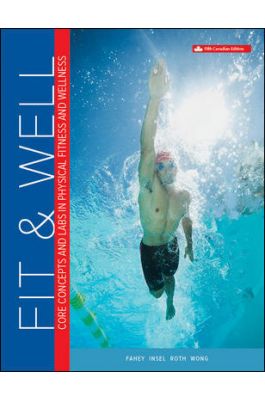
Fit and Well 5Th Canadian Edition By Thomas D. Fahey -Test Bank

Fit and Well 5Th Canadian Edition By Thomas D. Fahey -Test Bank   Instant Download - Complete Test Bank With Answers     Sample Questions Are Posted Below   Chapter 05 Flexibility and Low-Back Health     True / False Questions Flexibility increases in response to stretching exercises. TRUE   Accessibility: Keyboard Navigation Blooms: Understand …

$19.99

Fit and Well 5Th Canadian Edition By Thomas D. Fahey -Test Bank


Instant Download – Complete Test Bank With Answers


Sample Questions Are Posted Below


Chapter 05

Flexibility and Low-Back Health


True / False Questions

  1. Flexibility increases in response to stretching exercises.
    TRUE


Accessibility: Keyboard Navigation
Blooms: Understand
Difficulty: Easy
Learning Objective: 05-01 List the factors that affect a joint’s flexibility.
Topic: 05-01 What Determines Flexibility?

  1. Dynamic stretching includes forceful bouncing movements.
    FALSE


Accessibility: Keyboard Navigation
Blooms: Apply
Difficulty: Hard
Learning Objective: 05-01 List the factors that affect a joint’s flexibility.
Topic: 05-01 What Determines Flexibility?

  1. The flexibility of a joint is affected by its structure, the nature of the surrounding tissue and muscle elasticity and length.
    TRUE


Accessibility: Keyboard Navigation
Blooms: Apply
Difficulty: Hard
Learning Objective: 05-01 List the factors that affect a joint’s flexibility.
Topic: 05-01 What Determines Flexibility?

  1. Titin is a protein found in muscle that has elastic properties.
    TRUE


Accessibility: Keyboard Navigation
Blooms: Remember
Difficulty: Hard
Learning Objective: 05-01 List the factors that affect a joint’s flexibility.
Topic: 05-02 Joint Structure

  1. If one’s flexibility is pushed to the limit, it is possible to rupture connective tissue.
    TRUE


Accessibility: Keyboard Navigation
Blooms: Understand
Difficulty: Hard
Learning Objective: 05-01 List the factors that affect a joint’s flexibility.
Topic: 05-02 Joint Structure

  1. Soft tissue includes skin, muscles, bones, tendons, and ligaments.
    FALSE


Accessibility: Keyboard Navigation
Blooms: Remember
Difficulty: Easy
Learning Objective: 05-01 List the factors that affect a joint’s flexibility.
Topic: 05-03 Muscle Elasticity and Length

  1. Two components of connective tissue are collages and elastin.
    TRUE


Accessibility: Keyboard Navigation
Blooms: Remember
Difficulty: Medium
Learning Objective: 05-01 List the factors that affect a joint’s flexibility.
Topic: 05-03 Muscle Elasticity and Length

  1. Elastic elongation is the long-term change in the length of muscles, tendons and ligaments.
    FALSE


Accessibility: Keyboard Navigation
Blooms: Remember
Difficulty: Hard
Learning Objective: 05-01 List the factors that affect a joint’s flexibility.
Topic: 05-03 Muscle Elasticity and Length

  1. When a muscle reaches its limit of flexibility, connective tissue becomes more brittle and may rupture.
    TRUE


Accessibility: Keyboard Navigation
Blooms: Remember
Difficulty: Hard
Learning Objective: 05-01 List the factors that affect a joint’s flexibility.
Topic: 05-03 Muscle Elasticity and Length

  1. Stretch receptors are structures in the muscle that need to be targeted in order to improve flexibility.
    FALSE


Accessibility: Keyboard Navigation
Blooms: Apply
Difficulty: Hard
Learning Objective: 05-01 List the factors that affect a joint’s flexibility.
Topic: 05-04 Nervous System Regulation

  1. Stretches that involve bouncy movements are most effective for increasing an individual’s range of motion.
    FALSE


Accessibility: Keyboard Navigation
Blooms: Understand
Difficulty: Hard
Learning Objective: 05-01 List the factors that affect a joint’s flexibility.
Topic: 05-04 Nervous System Regulation

  1. A slow stretch prompts a stronger reaction from proprioceptors.
    FALSE


Accessibility: Keyboard Navigation
Blooms: Analyze
Difficulty: Hard
Learning Objective: 05-01 List the factors that affect a joint’s flexibility.
Topic: 05-04 Nervous System Regulation

  1. Proprioceptive neuromuscular facilitation takes advantage of the nerve activity to improve flexibility.
    TRUE


Accessibility: Keyboard Navigation
Blooms: Remember
Difficulty: Hard
Learning Objective: 05-01 List the factors that affect a joint’s flexibility.
Topic: 05-04 Nervous System Regulation

  1. Good flexibility provides benefits for the entire musculoskeletal system.
    TRUE


Accessibility: Keyboard Navigation
Blooms: Remember
Difficulty: Easy
Learning Objective: 05-02 Identify the potential benefits of flexibility and stretching exercises.
Topic: 05-05 Benefits of Flexibility

  1. Increased flexibility has been shown to improve performance in some sports by allowing a person to exert force through a greater range of motion.
    TRUE


Accessibility: Keyboard Navigation
Blooms: Apply
Difficulty: Medium
Learning Objective: 05-02 Identify the potential benefits of flexibility and stretching exercises.
Topic: 05-06 Joint Health

  1. Good joint flexibility will prevent arthritis in older people.
    FALSE


Accessibility: Keyboard Navigation
Blooms: Apply
Difficulty: Hard
Learning Objective: 05-02 Identify the potential benefits of flexibility and stretching exercises.
Topic: 05-06 Joint Health

  1. Poor spinal stability puts pressure on the nerves leading out of the spinal column.
    TRUE


Accessibility: Keyboard Navigation
Blooms: Remember
Difficulty: Easy
Learning Objective: 05-02 Identify the potential benefits of flexibility and stretching exercises.
Topic: 05-07 Prevention of Low-Back Pain and Injuries

  1. People will high spinal flexibility may have a decreased risk of injury.
    FALSE


Accessibility: Keyboard Navigation
Blooms: Remember
Difficulty: Hard
Learning Objective: 05-02 Identify the potential benefits of flexibility and stretching exercises.
Topic: 05-07 Prevention of Low-Back Pain and Injuries

  1. Recent research suggests that exercise-induced muscle cramps are caused by decreased electrical activity within the affected muscle.
    FALSE


Accessibility: Keyboard Navigation
Blooms: Understand
Difficulty: Hard
Learning Objective: 05-02 Identify the potential benefits of flexibility and stretching exercises.
Topic: 05-08 Additional Potential Benefits

  1. Yoga or tai-chi related flexibility exercises may reduce mental and physical tension.
    TRUE


Accessibility: Keyboard Navigation
Blooms: Understand
Difficulty: Hard
Learning Objective: 05-02 Identify the potential benefits of flexibility and stretching exercises.
Topic: 05-08 Additional Potential Benefits

  1. The sit-and-reach test is the most commonly used flexibility test.
    TRUE


Accessibility: Keyboard Navigation
Blooms: Remember
Difficulty: Easy
Learning Objective: 05-02 Identify the potential benefits of flexibility and stretching exercises.
Topic: 05-09 Assessing Flexibility

  1. Stretching relieves tension and stress.
    TRUE


Accessibility: Keyboard Navigation
Blooms: Apply
Difficulty: Hard
Learning Objective: 05-04 Describe the different types of stretching exercises and how they affect muscles.
Topic: 05-11 Applying the FITT Principle

  1. Flexibility is joint specific.
    TRUE


Accessibility: Keyboard Navigation
Blooms: Remember
Difficulty: Easy
Learning Objective: 05-04 Describe the different types of stretching exercises and how they affect muscles.
Topic: 05-11 Applying the FITT Principle

  1. A stretch should be held in position for a minimum of 45 seconds.
    FALSE


Accessibility: Keyboard Navigation
Blooms: Remember
Difficulty: Easy
Learning Objective: 05-04 Describe the different types of stretching exercises and how they affect muscles.
Topic: 05-11 Applying the FITT Principle

  1. It is beneficial to increase muscle temperature before stretching.
    TRUE


Accessibility: Keyboard Navigation
Blooms: Understand
Difficulty: Easy
Learning Objective: 05-04 Describe the different types of stretching exercises and how they affect muscles.
Topic: 05-11 Applying the FITT Principle

  1. Following a stretching workout, muscle soreness that lasts more than 24 hours is an indication of overstretching.
    TRUE


Accessibility: Keyboard Navigation
Blooms: Remember
Difficulty: Medium
Learning Objective: 05-04 Describe the different types of stretching exercises and how they affect muscles.
Topic: 05-11 Applying the FITT Principle

  1. There are several ways to improve flexibility.
    TRUE


Accessibility: Keyboard Navigation
Blooms: Understand
Difficulty: Hard
Learning Objective: 05-04 Describe the different types of stretching exercises and how they affect muscles.
Topic: 05-11 Applying the FITT Principle

  1. Stretching may temporarily decrease the degree of muscle soreness after exercise.
    TRUE


Accessibility: Keyboard Navigation
Blooms: Understand
Difficulty: Hard
Learning Objective: 05-04 Describe the different types of stretching exercises and how they affect muscles.
Topic: 05-11 Applying the FITT Principle

  1. In active stretching, an outside force or resistance assists your muscles and joints in moving through a range of motion.
    FALSE


Accessibility: Keyboard Navigation
Blooms: Analyze
Difficulty: Hard
Learning Objective: 05-04 Describe the different types of stretching exercises and how they affect muscles.
Topic: 05-11 Applying the FITT Principle

  1. Keeping track of your body position while stretching can help estimate progress.
    TRUE


Accessibility: Keyboard Navigation
Blooms: Understand
Difficulty: Medium
Learning Objective: 05-04 Describe the different types of stretching exercises and how they affect muscles.
Topic: 05-12 Making Progress

  1. An upper back stretch can stretch the muscles and other soft tissue in the upper back.
    TRUE


Accessibility: Keyboard Navigation
Blooms: Remember
Difficulty: Hard
Learning Objective: 05-05 List safe stretching exercises for major joints.
Topic: 05-13 Exercise to Improve Flexibility: A Sample Program

  1. Intervertebral disks are partially made up of water.
    TRUE


Accessibility: Keyboard Navigation
Blooms: Remember
Difficulty: Easy
Learning Objective: 05-06 Explain how low-back pain can be prevented and managed.
Topic: 05-15 Function and Structure of the Spine

  1. The thoracic vertebrae are found in the neck.
    FALSE


Accessibility: Keyboard Navigation
Blooms: Understand
Difficulty: Easy
Learning Objective: 05-06 Explain how low-back pain can be prevented and managed.
Topic: 05-15 Function and Structure of the Spine

  1. Intervertebral disks maintain the spaces between vertebrae.
    TRUE


Accessibility: Keyboard Navigation
Blooms: Remember
Difficulty: Easy
Learning Objective: 05-06 Explain how low-back pain can be prevented and managed.
Topic: 05-15 Function and Structure of the Spine

  1. There are 31 pairs of spinal nerves that branch off of the spinal cord.
    TRUE


Accessibility: Keyboard Navigation
Blooms: Remember
Difficulty: Easy
Learning Objective: 05-06 Explain how low-back pain can be prevented and managed.
Topic: 05-15 Function and Structure of the Spine

  1. The pelvic floor muscles are good examples of core muscles.
    TRUE


Accessibility: Keyboard Navigation
Blooms: Understand
Difficulty: Hard
Learning Objective: 05-06 Explain how low-back pain can be prevented and managed.
Topic: 05-16 Core Muscle Fitness

  1. The most common site of back pain is the cervical region.
    FALSE


Accessibility: Keyboard Navigation
Blooms: Understand
Difficulty: Medium
Learning Objective: 05-06 Explain how low-back pain can be prevented and managed.
Topic: 05-17 Causes of Back Pain

  1. Smoking is a risk factor for low-back pain.
    TRUE


Accessibility: Keyboard Navigation
Blooms: Analyze
Difficulty: Medium
Learning Objective: 05-06 Explain how low-back pain can be prevented and managed.
Topic: 05-17 Causes of Back Pain

  1. Numbness in the foot is a possible symptom of damaged intervertebral disks.
    TRUE


Accessibility: Keyboard Navigation
Blooms: Understand
Difficulty: Hard
Learning Objective: 05-06 Explain how low-back pain can be prevented and managed.
Topic: 05-17 Causes of Back Pain

  1. During any dynamic movement, the core muscles work together; some muscles shorten while others lengthen.
    TRUE


Accessibility: Keyboard Navigation
Blooms: Understand
Difficulty: Hard
Learning Objective: 05-06 Explain how low-back pain can be prevented and managed.
Topic: 05-18 Preventing Low-Back Pain

  1. Sleeping on one’s stomach can reduce low-back pain.
    FALSE


Accessibility: Keyboard Navigation
Blooms: Apply
Difficulty: Hard
Learning Objective: 05-06 Explain how low-back pain can be prevented and managed.
Topic: 05-19 Managing Acute Back Pain

  1. Most cases of acute back pain last longer than a month.
    FALSE


Accessibility: Keyboard Navigation
Blooms: Apply
Difficulty: Hard
Learning Objective: 05-06 Explain how low-back pain can be prevented and managed.
Topic: 05-19 Managing Acute Back Pain

  1. Bed rest for at least 5 days is recommended in cases of acute back pain.
    FALSE


Accessibility: Keyboard Navigation
Blooms: Apply
Difficulty: Medium
Learning Objective: 05-06 Explain how low-back pain can be prevented and managed.
Topic: 05-19 Managing Acute Back Pain

  1. Exercise can help prevent and manage low-back pain.
    TRUE


Accessibility: Keyboard Navigation
Blooms: Analyze
Difficulty: Medium
Learning Objective: 05-06 Explain how low-back pain can be prevented and managed.
Topic: 05-19 Managing Acute Back Pain

  1. Emphasize exercise to improve strength rather than endurance to protect the back from injury.
    FALSE


Accessibility: Keyboard Navigation
Blooms: Analyze
Difficulty: Hard
Learning Objective: 05-06 Explain how low-back pain can be prevented and managed.
Topic: 05-19 Managing Acute Back Pain

  1. The best time of day to perform stretching exercises for the back is in the morning.
    FALSE


Accessibility: Keyboard Navigation
Blooms: Remember
Difficulty: Easy
Learning Objective: 05-06 Explain how low-back pain can be prevented and managed.
Topic: 05-20 Managing Chronic Back Pain

  1. The back is more flexible after a good night’s sleep than it would be at the end of the day.
    FALSE


Accessibility: Keyboard Navigation
Blooms: Apply
Difficulty: Medium
Learning Objective: 05-06 Explain how low-back pain can be prevented and managed.
Topic: 05-20 Managing Chronic Back Pain


Multiple Choice Questions

  1. Flexibility is defined as:
    A.The ability of the tendon to control the movement in the joint
    B. The ability of the joint to move through its full range of motion
    C. The ability of the joint to move with the muscle pair attached to it
    D. the ability of the ligaments to control the movement in the joint


Accessibility: Keyboard Navigation
Blooms: Remember
Difficulty: Easy
Learning Objective: 05-01 List the factors that affect a joint’s flexibility.
Topic: 05-01 What Determines Flexibility?

  1. Only one of the following statements about flexibility is TRUE. Which one is it?
    A.Good flexibility can slow joint deterioration.
    B. Flexibility is not joint specific.
    C. Flexibility improves strength.
    D. The best way to improve flexibility is by performing ballistic stretching on a regular basis.


Accessibility: Keyboard Navigation
Blooms: Understand
Difficulty: Easy
Learning Objective: 05-01 List the factors that affect a joint’s flexibility.
Topic: 05-01 What Determines Flexibility?

  1. Stretching exercises should be performed:
    A.after a warm-up or workout.
    B. immediately before all high-performance activities.
    C. to the point of pain.
    D. while holding one’s breath.


Accessibility: Keyboard Navigation
Blooms: Understand
Difficulty: Hard
Learning Objective: 05-01 List the factors that affect a joint’s flexibility.
Topic: 05-01 What Determines Flexibility?

  1. The flexibility of the joint is affected by all of the following, EXCEPT:
    A.joint structure.
    B. muscle elasticity.
    C. muscle length.
    D. Bone density


Accessibility: Keyboard Navigation
Blooms: Remember
Difficulty: Easy
Learning Objective: 05-01 List the factors that affect a joint’s flexibility.
Topic: 05-01 What Determines Flexibility?

  1. Hinge joints allow for which type of movement?
    A.Movement in multiple directions/planes
    B. Movement forward and back
    C. Movement side to side
    D. Hinge joints are immovable


Accessibility: Keyboard Navigation
Blooms: Remember
Difficulty: Easy
Learning Objective: 05-01 List the factors that affect a joint’s flexibility.
Topic: 05-02 Joint Structure

  1. Ball and socket allow for which type of movement(s)?
    A.Movement in multiple directions/planes
    B. Movement forward and back
    C. Movement side to side
    D. Hinge joints are immovable


Accessibility: Keyboard Navigation
Blooms: Remember
Difficulty: Easy
Learning Objective: 05-01 List the factors that affect a joint’s flexibility.
Topic: 05-02 Joint Structure

  1. Which one of the following is a significant determinant of flexibility?
    A.Mitochondria
    B. How fit the person is
    C. Level of cardiorespiratory fitness
    D. Muscle elasticity


Accessibility: Keyboard Navigation
Blooms: Understand
Difficulty: Medium
Learning Objective: 05-01 List the factors that affect a joint’s flexibility.
Topic: 05-02 Joint Structure

  1. Joint capsules are:
    A.yellow fibres that make connective tissue flexible.
    B. sense organs in muscles that initiate nerve signals.
    C. semielastic structures that surround major joints.
    D. white fibres that provide support in connective tissue.


Accessibility: Keyboard Navigation
Blooms: Understand
Difficulty: Medium
Learning Objective: 05-01 List the factors that affect a joint’s flexibility.
Topic: 05-02 Joint Structure

  1. All of the following have an impact on joint flexibility EXCEPT:
    A.Gender
    B. Heredity
    C. Muscle strength
    D. Fitness level


Accessibility: Keyboard Navigation
Blooms: Understand
Difficulty: Easy
Learning Objective: 05-01 List the factors that affect a joint’s flexibility.
Topic: 05-02 Joint Structure

  1. Examples of soft tissues include all of the following EXCEPT:
    A.bone.
    B. muscle.
    C. ligament.
    D. tendon.


Accessibility: Keyboard Navigation
Blooms: Understand
Difficulty: Medium
Learning Objective: 05-01 List the factors that affect a joint’s flexibility.
Topic: 05-03 Muscle Elasticity and Length

  1. Collagen and elastin are principal types of structures observed in the:
    A.nerve tissue.
    B. connective tissue.
    C. blood tissue.
    D. fat tissue.


Accessibility: Keyboard Navigation
Blooms: Understand
Difficulty: Medium
Learning Objective: 05-01 List the factors that affect a joint’s flexibility.
Topic: 05-03 Muscle Elasticity and Length

  1. The yellow fibres that make connective tissue flexible are:
    A.collagen.
    B. elastin.
    C. titin.
    D. stretch receptors.


Accessibility: Keyboard Navigation
Blooms: Remember
Difficulty: Easy
Learning Objective: 05-01 List the factors that affect a joint’s flexibility.
Topic: 05-03 Muscle Elasticity and Length

  1. Two principal types of connective tissue in a muscle are:
    A.collagen and myofibrils.
    B. myofibrils and elastin.
    C. myofibrils and disks.
    D. elastin and collagen.


Accessibility: Keyboard Navigation
Blooms: Remember
Difficulty: Easy
Learning Objective: 05-01 List the factors that affect a joint’s flexibility.
Topic: 05-03 Muscle Elasticity and Length

  1. When muscle is stretched, the elastin fibres straighten, and when regularly leads to long-term lengthening and is called __________.
    A.Elastic elongation
    B. Elastin elongation
    C. Plastic elongation
    D. Collagen elongation


Accessibility: Keyboard Navigation
Blooms: Remember
Difficulty: Easy
Learning Objective: 05-01 List the factors that affect a joint’s flexibility.
Topic: 05-03 Muscle Elasticity and Length

  1. _____________ that strongly stimulate the receptors cause large, powerful reflex muscle contractions.
    A.Rapid, powerful and sudden movement
    B. Gentle stretching movements
    C. Dynamic movements
    D. Moving a 10 lb dumbbell gently


Accessibility: Keyboard Navigation
Blooms: Remember
Difficulty: Medium
Learning Objective: 05-01 List the factors that affect a joint’s flexibility.
Topic: 05-04 Nervous System Regulation

  1. Proprioceptors are:
    A.Sense organs that are located inside the bone, and communicate with the nervous system.
    B. sense organs in muscles that send information about the muscle to the nervous system.
    C. Sense organs that are located inside the brain.
    D. Sense organs of the muscle fibres that help with elasticity.


Accessibility: Keyboard Navigation
Blooms: Remember
Difficulty: Easy
Learning Objective: 05-01 List the factors that affect a joint’s flexibility.
Topic: 05-04 Nervous System Regulation

  1. Nerves that send information about the muscular system are called:
    A.proceptors.
    B. proprioceptors.
    C. nociceptors.
    D. motor receptors.


Accessibility: Keyboard Navigation
Blooms: Remember
Difficulty: Easy
Learning Objective: 05-01 List the factors that affect a joint’s flexibility.
Topic: 05-04 Nervous System Regulation

  1. All of the following are TRUE about the effect of tight muscles on joints, EXCEPT:
    A.joint deterioration.
    B. abnormal joint lubrication.
    C. increased range of motion.
    D. deterioration of cartilage cells within the joint.


Accessibility: Keyboard Navigation
Blooms: Understand
Difficulty: Medium
Learning Objective: 05-02 Identify the potential benefits of flexibility and stretching exercises.
Topic: 05-06 Joint Health

  1. All of the following are TRUE about improved joint flexibility, EXCEPT:
    A.improved quality of life.
    B. good joint mobility.
    C. increased incidence of pain.
    D. improved elasticity of muscles, tendons, and ligaments.


Accessibility: Keyboard Navigation
Blooms: Understand
Difficulty: Medium
Learning Objective: 05-02 Identify the potential benefits of flexibility and stretching exercises.
Topic: 05-06 Joint Health

  1. Increased injury of the low back can occur if:
    A.One is strong
    B. One is weak
    C. One is extremely or poorly flexible
    D. One if fit


Accessibility: Keyboard Navigation
Blooms: Remember
Difficulty: Easy
Learning Objective: 05-02 Identify the potential benefits of flexibility and stretching exercises.
Topic: 05-06 Joint Health

  1. Poor lumbar spinal stability puts pressure on the nerves leading out from the spinal column, leading to:
    A.lower back pain.
    B. upper back pain.
    C. neck pain.
    D. good spinal mobility.


Accessibility: Keyboard Navigation
Blooms: Understand
Difficulty: Hard
Learning Objective: 05-02 Identify the potential benefits of flexibility and stretching exercises.
Topic: 05-07 Prevention of Low-Back Pain and Injuries

  1. Extreme joint flexibility reduces:
    A.mobility.
    B. stability.
    C. strength.
    D. endurance.


Accessibility: Keyboard Navigation
Blooms: Understand
Difficulty: Hard
Learning Objective: 05-02 Identify the potential benefits of flexibility and stretching exercises.
Topic: 05-07 Prevention of Low-Back Pain and Injuries

  1. Which of the following statements is false about flexibility?
    A.Numerous studies have found trunk hyper-flexibility improves back health.
    B. Good knee and hip flexion protect the spine.
    C. Research shows that poor flexibility can increase the risk of injury.
    D. Overstretching may decrease joint stability.


Accessibility: Keyboard Navigation
Blooms: Analyze
Difficulty: Hard
Learning Objective: 05-02 Identify the potential benefits of flexibility and stretching exercises.
Topic: 05-08 Additional Potential Benefits

  1. While jogging, Melanie’s lower leg muscle begins to cramp. What is the treatment for her?
    A.Stop jogging immediately
    B. Hot compress
    C. Ice
    D. Mild stretching


Accessibility: Keyboard Navigation
Blooms: Apply
Difficulty: Medium
Learning Objective: 05-02 Identify the potential benefits of flexibility and stretching exercises.
Topic: 05-08 Additional Potential Benefits

  1. The most commonly used test to test for back flexibility is:
    A.The stand and reach test
    B. The sit and reach test
    C. The run and reach test
    D. The wall stretch test


Accessibility: Keyboard Navigation
Blooms: Remember
Difficulty: Easy
Learning Objective: 05-02 Identify the potential benefits of flexibility and stretching exercises.
Topic: 05-09 Assessing Flexibility

  1. A complete flexibility workout should take how long?
    A.5-10 minutes
    B. 35-45 minutes
    C. 10-30 minutes
    D. 35 minutes and more


Accessibility: Keyboard Navigation
Blooms: Understand
Difficulty: Hard
Learning Objective: 05-04 Describe the different types of stretching exercises and how they affect muscles.
Topic: 05-11 Applying the FITT Principle

  1. Health Canada recommends that stretching be performed at a minimum of:
    A.1 day per week.
    B. 2 days per week.
    C. 4 days per week.
    D. 7 days per week.


Accessibility: Keyboard Navigation
Blooms: Remember
Difficulty: Medium
Learning Objective: 05-04 Describe the different types of stretching exercises and how they affect muscles.
Topic: 05-11 Applying the FITT Principle

  1. Health Canada recommends performing stretching exercises a minimum of _____ day(s) per week.
    A.2-3
    B. 3-4
    C. 4-7
    D. at least one


Accessibility: Keyboard Navigation
Blooms: Analyze
Difficulty: Easy
Learning Objective: 05-04 Describe the different types of stretching exercises and how they affect muscles.
Topic: 05-11 Applying the FITT Principle

  1. The stretching technique most commonly recommended by experts for general fitness is:
    A.static stretching.
    B. ballistic stretching.
    C. proprioceptive neuromuscular facilitation.
    D. passive stretching.


Accessibility: Keyboard Navigation
Blooms: Understand
Difficulty: Easy
Learning Objective: 05-04 Describe the different types of stretching exercises and how they affect muscles.
Topic: 05-11 Applying the FITT Principle

  1. Which of the following statements is FALSE with regards to the proprioceptive neuromuscular facilitation technique?
    A.PNF techniques utilize reflexes initiated by both muscle and joint receptors to cause greater training effects.
    B. The contract-relax-contract stretching method requires a muscle to be stretched prior to contraction.
    C. The contract-relax-contract stretching method requires a muscle contraction prior to being stretched.
    D. PNF allows more effective stretching and greater immediate increases in flexibility than static stretching.


Accessibility: Keyboard Navigation
Blooms: Remember
Difficulty: Hard
Learning Objective: 05-04 Describe the different types of stretching exercises and how they affect muscles.
Topic: 05-11 Applying the FITT Principle

  1. To improve flexibility, stretch the desired muscle:
    A.to the point of pain.
    B. to the point of mild discomfort.
    C. by bouncing into it.
    D. by having a partner push the muscle to the point of pain.


Accessibility: Keyboard Navigation
Blooms: Remember
Difficulty: Easy
Learning Objective: 05-04 Describe the different types of stretching exercises and how they affect muscles.
Topic: 05-11 Applying the FITT Principle

  1. Having a higher than average level of static flexibility enables a person to perform certain skills quite a bit better than individuals who are not as flexible. Which one of the following household activities is an example?
    A.Attempting to get something down from a high shelf just beyond reach
    B. Vacuuming the house.
    C. Stacking groceries in the fridge.
    D. walking up the stairs.


Accessibility: Keyboard Navigation
Blooms: Apply
Difficulty: Easy
Learning Objective: 05-04 Describe the different types of stretching exercises and how they affect muscles.
Topic: 05-11 Applying the FITT Principle

  1. Ballistic stretches are considered dangerous because they:
    A.may cause a muscle to relax.
    B. may stimulate a muscular contraction during a stretch.
    C. do not increase flexibility.
    D. do not trigger action by stretch receptors.


Accessibility: Keyboard Navigation
Blooms: Apply
Difficulty: Medium
Learning Objective: 05-04 Describe the different types of stretching exercises and how they affect muscles.
Topic: 05-11 Applying the FITT Principle

  1. The stretching technique most commonly associated with injury in people of average fitness is:
    A.static stretching.
    B. ballistic stretching.
    C. proprioceptive neuromuscular facilitation.
    D. active stretching.


Accessibility: Keyboard Navigation
Blooms: Understand
Difficulty: Hard
Learning Objective: 05-04 Describe the different types of stretching exercises and how they affect muscles.
Topic: 05-11 Applying the FITT Principle

  1. Contracting a muscle prior to stretching it is best described as an example of:
    A.active stretching.
    B. passive stretching.
    C. ballistic stretching.
    D. proprioceptive neuromuscular facilitation.


Accessibility: Keyboard Navigation
Blooms: Apply
Difficulty: Hard
Learning Objective: 05-04 Describe the different types of stretching exercises and how they affect muscles.
Topic: 05-11 Applying the FITT Principle

  1. Which type of stretching usually requires a partner?
    A.Ballistic
    B. Active
    C. Proprioceptive neuromuscular facilitation
    D. Static


Accessibility: Keyboard Navigation
Blooms: Remember
Difficulty: Hard
Learning Objective: 05-04 Describe the different types of stretching exercises and how they affect muscles.
Topic: 05-11 Applying the FITT Principle

  1. Daniel executes a lunge walk. He is demonstrating what type of stretching?
    A.Static
    B. Proprioceptive neuromuscular facilitation (PNF)
    C. Active
    D. Dynamic


Accessibility: Keyboard Navigation
Blooms: Apply
Difficulty: Hard
Learning Objective: 05-04 Describe the different types of stretching exercises and how they affect muscles.
Topic: 05-11 Applying the FITT Principle

  1. An essential component of safe passive stretching is:
    A.rapid movement.
    B. heavy resistance.
    C. extreme flexibility.
    D. good communication between partners.


Accessibility: Keyboard Navigation
Blooms: Remember
Difficulty: Easy
Learning Objective: 05-04 Describe the different types of stretching exercises and how they affect muscles.
Topic: 05-11 Applying the FITT Principle

  1. A disadvantage of active stretching is that it:
    A.takes a long time to perform each stretch.
    B. has a very high risk of injury.
    C. may not produce a sufficient stretch.
    D. requires a partner.


Accessibility: Keyboard Navigation
Blooms: Understand
Difficulty: Medium
Learning Objective: 05-04 Describe the different types of stretching exercises and how they affect muscles.
Topic: 05-11 Applying the FITT Principle

  1. The safest and most convenient stretching technique for general fitness is:
    A.active proprioceptive neuromuscular facilitation.
    B. active static stretching with an occasional passive assist.
    C. active ballistic stretching with an occasional passive assist.
    D. passive static stretching.


Accessibility: Keyboard Navigation
Blooms: Apply
Difficulty: Medium
Learning Objective: 05-04 Describe the different types of stretching exercises and how they affect muscles.
Topic: 05-11 Applying the FITT Principle

  1. Dynamic stretches are more challenging than static stretches, because:
    A.dynamic stretches require strength.
    B. dynamic stretches have a decreased risk for muscle soreness.
    C. dynamic stretches require balance and coordination.
    D. dynamic stretches do not increase flexibility.


Accessibility: Keyboard Navigation
Blooms: Understand
Difficulty: Medium
Learning Objective: 05-04 Describe the different types of stretching exercises and how they affect muscles.
Topic: 05-11 Applying the FITT Principle

  1. Denzel warms up for his soccer game by stretching each muscle for 15 seconds four times and then goes for a 5-minute run around the soccer field. This warm up routine:
    A.meets the guidelines recommended by Health Canada.
    B. would meet the guidelines by Health Canada if the stretches were held longer.
    C. would be appropriate if the cardio workout was done prior to the stretching routine.
    D. is irresponsible as soccer players should avoid jogging before a game.


Accessibility: Keyboard Navigation
Blooms: Apply
Difficulty: Hard
Learning Objective: 05-04 Describe the different types of stretching exercises and how they affect muscles.
Topic: 05-11 Applying the FITT Principle

  1. Which of the muscles are stretched by the side lunge exercise?
    A.Outer thigh, hip and calf
    B. Inner thigh, hip and calf
    C. Inner thigh, abdominals and calf
    D. Outer thigh, back extensors and calf


Accessibility: Keyboard Navigation
Blooms: Remember
Difficulty: Medium
Learning Objective: 05-05 List safe stretching exercises for major joints.
Topic: 05-13 Exercise to Improve Flexibility: A Sample Program

  1. Which of the muscles are stretched by the towel stretch exercise?
    A.Biceps, shoulder and chest
    B. Triceps, chest and brachioradialis
    C. Biceps and triceps
    D. Triceps, shoulders and chest


Accessibility: Keyboard Navigation
Blooms: Remember
Difficulty: Medium
Learning Objective: 05-05 List safe stretching exercises for major joints.
Topic: 05-13 Exercise to Improve Flexibility: A Sample Program

  1. Which of the muscles are stretched by the modified hurdler exercise (seated single leg hamstring stretch)?
    A.Front of thigh and lower back muscles
    B. Back of thigh and lower back muscles
    C. Back of thigh and abdominals
    D. Front of thigh and abdominals


Accessibility: Keyboard Navigation
Blooms: Remember
Difficulty: Hard
Learning Objective: 05-05 List safe stretching exercises for major joints.
Topic: 05-13 Exercise to Improve Flexibility: A Sample Program

  1. The structures that absorb and disperse stress on the spine are:
    A.nerve roots.
    B. vertebral arches.
    C. intervertebral disks.
    D. spinal curves.


Accessibility: Keyboard Navigation
Blooms: Remember
Difficulty: Medium
Learning Objective: 05-06 Explain how low-back pain can be prevented and managed.
Topic: 05-14 Preventing and Managing Low-Back Pain

  1. The area of spine housing the largest intervertebral disks is the:
    A.cervical region.
    B. thoracic region.
    C. lumbar region.
    D. sacral region.


Accessibility: Keyboard Navigation
Blooms: Remember
Difficulty: Easy
Learning Objective: 05-06 Explain how low-back pain can be prevented and managed.
Topic: 05-15 Function and Structure of the Spine

  1. From top to bottom, the five regions of the spine are:
    A.cervical, thoracic, lumbar, sacral, and coccygeal.
    B. cervical, sacral, thoracic, lumbar, and coccygeal.
    C. thoracic, cervical, sacral, lumbar, and coccygeal.
    D. thoracic, cervical, lumbar, coccygeal, and sacral.


Accessibility: Keyboard Navigation
Blooms: Remember
Difficulty: Easy
Learning Objective: 05-06 Explain how low-back pain can be prevented and managed.
Topic: 05-15 Function and Structure of the Spine

  1. Which of the following is NOT a core muscle?
    A.Abdominal muscles
    B. Pelvic floor muscles
    C. Buttock muscles
    D. Shoulder muscles


Accessibility: Keyboard Navigation
Blooms: Remember
Difficulty: Easy
Learning Objective: 05-06 Explain how low-back pain can be prevented and managed.
Topic: 05-16 Core Muscle Fitness

  1. When Ryan sits, stands, or performs other activities, his core muscles stabilizes the _____ section of his body.
    A.mid-section
    B. upper section
    C. lower section
    D. Side sections


Accessibility: Keyboard Navigation
Blooms: Apply
Difficulty: Easy
Learning Objective: 05-06 Explain how low-back pain can be prevented and managed.
Topic: 05-16 Core Muscle Fitness

  1. The most common site of back pain is the _____ area.
    A.cervical
    B. lumbar
    C. thoracic
    D. Coccygeall


Accessibility: Keyboard Navigation
Blooms: Understand
Difficulty: Easy
Learning Objective: 05-06 Explain how low-back pain can be prevented and managed.
Topic: 05-17 Causes of Back Pain

  1. Pain from a “slipped disk” is most likely the result of:
    A.pressure on a nerve root.
    B. damage to the vertebral body.
    C. pressure on the spinal cord.
    D. damage to the vertebral arch.


Accessibility: Keyboard Navigation
Blooms: Understand
Difficulty: Easy
Learning Objective: 05-06 Explain how low-back pain can be prevented and managed.
Topic: 05-17 Causes of Back Pain

  1. Which of the following is NOT a lifestyle recommendation for preventing low-back pain in healthy individuals?
    A.Use lumbar support when walking
    B. Warm-up thoroughly before exercising
    C. Stop smoking and reduce stress
    D. Maintain a healthy body weight


Accessibility: Keyboard Navigation
Blooms: Understand
Difficulty: Easy
Learning Objective: 05-06 Explain how low-back pain can be prevented and managed.
Topic: 05-18 Preventing Low-Back Pain

  1. Which of the following statements about exercise for the prevention and management of low-back pain is FALSE?
    A.Exercises should be performed at least 3 days per week.
    B. Exercises should be done early in the morning.
    C. The exercise program should emphasize muscular endurance over muscular strength.
    D. The exercise program may need to be continued for 3 months before results are seen.


Accessibility: Keyboard Navigation
Blooms: Analyze
Difficulty: Hard
Learning Objective: 05-06 Explain how low-back pain can be prevented and managed.
Topic: 05-18 Preventing Low-Back Pain

  1. The best treatment for acute back pain is:
    A.bed rest.
    B. application of heat followed by cold.
    C. application of cold followed by heat.
    D. a flexibility program.


Accessibility: Keyboard Navigation
Blooms: Apply
Difficulty: Easy
Learning Objective: 05-06 Explain how low-back pain can be prevented and managed.
Topic: 05-19 Managing Acute Back Pain

  1. The best sleeping position for managing back pain is sleeping:
    A.on the side.
    B. on the back.
    C. on the stomach.
    D. with pillows under your back.


Accessibility: Keyboard Navigation
Blooms: Apply
Difficulty: Medium
Learning Objective: 05-06 Explain how low-back pain can be prevented and managed.
Topic: 05-19 Managing Acute Back Pain

  1. Studies have shown that low-back pain has been linked to:
    A.poor flexibility in the groin.
    B. average flexibility in the lower back.
    C. collagen.
    D. poor trunk flexibility.


Accessibility: Keyboard Navigation
Blooms: Remember
Difficulty: Easy
Learning Objective: 05-06 Explain how low-back pain can be prevented and managed.
Topic: 05-19 Managing Acute Back Pain

  1. Chronic back pain can be diagnosed if pain lasts longer than:
    A.a few days.
    B. a few weeks.
    C. one month.
    D. three months.


Accessibility: Keyboard Navigation
Blooms: Understand
Difficulty: Easy
Learning Objective: 05-06 Explain how low-back pain can be prevented and managed.
Topic: 05-20 Managing Chronic Back Pain

  1. Participating in a flexibility program is an activity that can enhance _____ wellness.
    A.environmental
    B. social
    C. emotional
    D. cardiorespiratory


Accessibility: Keyboard Navigation
Blooms: Understand
Difficulty: Medium
Learning Objective: 05-06 Explain how low-back pain can be prevented and managed.
Topic: 05-21 Exercises for the Prevention and Management of Low-Back Pain

  1. Low-back pain is most commonly caused by muscle imbalances between the:
    A.erector spinae muscles and pelvic muscles.
    B. abdominals and posterior spinals muscles.
    C. pelvic muscles and abdominals.
    D. transverse abdominals and rectus abdominus.


Accessibility: Keyboard Navigation
Blooms: Analyze
Difficulty: Hard
Learning Objective: 05-06 Explain how low-back pain can be prevented and managed.
Topic: 05-21 Exercises for the Prevention and Management of Low-Back Pain


Short Answer Questions

  1. ______________ refers to the ability to hold an extended position at one end or point in a joint’s range of motion

Static flexibility


Accessibility: Keyboard Navigation
Blooms: Remember
Difficulty: Medium
Learning Objective: 05-01 List the factors that affect a joint’s flexibility.
Topic: 05-01 What Determines Flexibility?

  1. ______________ joints like the hip enable movement in many different directions and have a greater range of motion.

Ball and socket joint


Accessibility: Keyboard Navigation
Blooms: Remember
Difficulty: Medium
Learning Objective: 05-01 List the factors that affect a joint’s flexibility.
Topic: 05-02 Joint Structure

  1. The long-term lengthening and flexibility of muscles as a result of stretching is called __________.

plastic elongation


Accessibility: Keyboard Navigation
Blooms: Remember
Difficulty: Medium
Learning Objective: 05-01 List the factors that affect a joint’s flexibility.
Topic: 05-03 Muscle Elasticity and Length

  1. A nerve that sends information about the muscular and skeletal system to the nervous system is called a(n) __________.

proprioceptor


Accessibility: Keyboard Navigation
Blooms: Remember
Difficulty: Medium
Learning Objective: 05-01 List the factors that affect a joint’s flexibility.
Topic: 05-04 Nervous System Regulation

  1. The best treatment for muscle cramps is ______________.

Gentle stretching


Accessibility: Keyboard Navigation
Blooms: Remember
Difficulty: Easy
Learning Objective: 05-02 Identify the potential benefits of flexibility and stretching exercises.
Topic: 05-08 Additional Potential Benefits

  1. Tightness in the muscles in the front of your chest and overstretching and looseness in the upper spine, causing a rounding of the upper back, lead to a condition called _______________.

kyphosis


Accessibility: Keyboard Navigation
Blooms: Remember
Difficulty: Medium
Learning Objective: 05-02 Identify the potential benefits of flexibility and stretching exercises.
Topic: 05-08 Additional Potential Benefits

  1. The _______________ test is commonly used to assess flexibility.

sit-and-reach


Accessibility: Keyboard Navigation
Blooms: Remember
Difficulty: Medium
Learning Objective: 05-02 Identify the potential benefits of flexibility and stretching exercises.
Topic: 05-09 Assessing Flexibility

  1. A minimum of _______________ days a week of flexibility training is recommended by Health Canada.

2-3


Accessibility: Keyboard Navigation
Blooms: Remember
Difficulty: Medium
Learning Objective: 05-04 Describe the different types of stretching exercises and how they affect muscles.
Topic: 05-11 Applying the FITT Principle

  1. The recommended rest period between stretches is __________.

30-60 seconds


Accessibility: Keyboard Navigation
Blooms: Remember
Difficulty: Medium
Learning Objective: 05-04 Describe the different types of stretching exercises and how they affect muscles.
Topic: 05-11 Applying the FITT Principle

  1. In _____________________ stretching, the muscles are stretched suddenly in forceful bouncing movements.

ballistic


Accessibility: Keyboard Navigation
Blooms: Remember
Difficulty: Medium
Learning Objective: 05-04 Describe the different types of stretching exercises and how they affect muscles.
Topic: 05-11 Applying the FITT Principle

  1. In _____________________ stretching, the muscles are stretched by the contraction of the opposing muscles.

active muscle


Accessibility: Keyboard Navigation
Blooms: Remember
Difficulty: Medium
Learning Objective: 05-04 Describe the different types of stretching exercises and how they affect muscles.
Topic: 05-11 Applying the FITT Principle

  1. Head turns and tilts stretching exercise, stretch the ____________ muscles.

neck


Accessibility: Keyboard Navigation
Blooms: Remember
Difficulty: Hard
Learning Objective: 05-05 List safe stretching exercises for major joints.
Topic: 05-13 Exercise to Improve Flexibility: A Sample Program

  1. The trunk muscles extending from the hips to the upper back are called the __________.

core muscles


Accessibility: Keyboard Navigation
Blooms: Remember
Difficulty: Medium
Learning Objective: 05-06 Explain how low-back pain can be prevented and managed.
Topic: 05-17 Causes of Back Pain

  1. A damaged disk that may bulge out between vertebrae and put pressure on a nerve root is referred to as a(n) _________________ disk.

slipped or herniated


Accessibility: Keyboard Navigation
Blooms: Remember
Difficulty: Medium
Learning Objective: 05-06 Explain how low-back pain can be prevented and managed.
Topic: 05-17 Causes of Back Pain

  1. What are the two basic types of flexibility? Describe.
  • Static flexibility refers to the ability to hold an extended position at one end or point in a joint’s range of motion. For example, static flexibility determines how far you could extend your arm across the front of your body or out to the side. Static flexibility depends on your ability to tolerate stretched muscles, the structure of a joint, and the tightness of muscles, tendons, and ligaments.

    · Dynamic flexibility is the ability to move a joint through its range of motion with little resistance. For example, dynamic flexibility affects your ability to pitch a ball, or swing a golf club. Dynamic flexibility depends on static flexibility, but it also involves strength, coordination, and resistance to movement.


Accessibility: Keyboard Navigation
Blooms: Remember
Difficulty: Medium
Learning Objective: 05-01 List the factors that affect a joint’s flexibility.
Topic: 05-01 What Determines Flexibility?

  1. Define and describe elastic and plastic elongation.

When a muscle is stretched, the wavelike elastin fibres straighten; when the stretch is relieved, they rapidly snap back to their resting position. This temporary lengthening is called elastic elongation. If stretched gently and regularly, connective tissues may lengthen and flexibility may improve. This long-term lengthening is called plastic elongation. Without regular stretching, the process reverses: These tissues shorten, resulting in decreased flexibility. Regular stretching may contribute to flexibility by lengthening muscle fibres through the addition of contractile units called sarcomeres.


Accessibility: Keyboard Navigation
Blooms: Remember
Difficulty: Medium
Learning Objective: 05-01 List the factors that affect a joint’s flexibility.
Topic: 05-01 What Determines Flexibility?

  1. List and describe in detail the various potential benefits of stretching.

Relief of aches and pains: Studying or working in one place for a long time can make your muscles tense. Stretching helps relieve tension, so you can go back to work refreshed and effective.
Relief of muscle cramps: Recent research suggests that exercise-related muscle cramps are caused by increased electrical activity within the affected muscle. The best treatment for muscle cramps is gentle stretching, which reduces the electrical activity and allows the muscle to relax.

Improved body position and strength for sports (and life): Good flexibility lets a person assume more efficient body positions and exert force through a greater range of motion. For example, swimmers with more flexible shoulders have stronger strokes because they can pull their arms through the water in the optimal position. Some studies suggest that flexibility training enhances strength development. Do not use stretching however, to enable yourself to exercise excessively.

Maintenance of good posture and balance: Good flexibility also contributes to body symmetry and good posture. Bad posture can gradually change your body structure. Sitting in a slumped position, for example, can lead to tightness in the muscles in the front of your chest and overstretching and looseness in the upper spine, causing a rounding of the upper back. This condition, called kyphosis, is common in older people. It may be prevented by stretching regularly.

Relaxation through flexibility: Exercises reduce mental tension, slow your breathing rate, and reduce blood pressure.
Improving impaired mobility: Stretching often decreases pain and improves functional capacity in people with arthritis, stroke, or muscle and nerve diseases and in people who are recovering from surgery or injury.


Accessibility: Keyboard Navigation
Blooms: Remember
Difficulty: Medium
Learning Objective: 05-02 Identify the potential benefits of flexibility and stretching exercises.
Topic: 05-08 Additional Potential Benefits

  1. What is the Health Canada recommendation for stretching exercises? Describe.

Health Canada recommends that stretching exercises be performed a minimum of 2–3 days a week, but ideally they should be performed 4-7 days a week. Doing these exercises often will provide the most benefit. It is best to stretch when your muscles are warm, so try incorporating your stretching program into your cool-down after cardiorespiratory endurance exercise or weight training.


Accessibility: Keyboard Navigation
Blooms: Remember
Difficulty: Medium
Learning Objective: 05-04 Describe the different types of stretching exercises and how they affect muscles.
Topic: 05-11 Applying the FITT Principle

  1. What are the various types of stretching techniques?

Static Stretching
Ballistic Stretching
Dynamic (functional) Stretching
Proprioceptive Neuromuscular Facilitation (PNF)
Passive Vs. Active Stretching


Accessibility: Keyboard Navigation
Blooms: Remember
Difficulty: Medium
Learning Objective: 05-04 Describe the different types of stretching exercises and how they affect muscles.
Topic: 05-11 Applying the FITT Principle

  1. Briefly describe the instructions for the following two exercises; a) Head Turns & Tilts, b) Towel Stretch.

EXERCISE 1 Head Turns and Tilts

Areas stretched: Neck
Instructions:

Head turns: Turn your head to the right and hold the stretch. Repeat to the left.
Head tilts: Tilt your head to the left and hold the stretch. Repeat to the right.

EXERCISE 2 Towel Stretch

Areas stretched: Triceps, shoulders and chest
Instructions: Roll up a towel and grasp it with both hands, palms down. With your arms straight, slowly lift it back over your head as far as possible. The closer together your hands are, the greater the stretch.


Accessibility: Keyboard Navigation
Blooms: Remember
Difficulty: Medium
Learning Objective: 05-05 List safe stretching exercises for major joints.
Topic: 05-13 Exercise to Improve Flexibility: A Sample Program

  1. What are the various risk factors for low-back pain?

The following are the various risk factors that can cause low-back pain:

– age greater than 34 years
– degenerative diseases such as arthritis or osteoporosis a family or personal history of back pain or trauma, a sedentary lifestyle, low job satisfaction
– low socioeconomic status
– smoking increases risk because smoking appears to increase degenerative changes in the spine
– excess body weight also increases strain on the back psychological stress or depression can cause muscle tension and back pain
– occupations and activities associated with low-back pain are those involving physically hard work, such as frequent lifting, twisting, bending, standing up, or straining in forced positions; those requiring high concentration demands (such as computer programming); and those involving vibrations affecting the entire body (such as truck driving).


Accessibility: Keyboard Navigation
Blooms: Remember
Difficulty: Medium
Learning Objective: 05-06 Explain how low-back pain can be prevented and managed.
Topic: 05-14 Preventing and Managing Low-Back Pain

Additional information

Add Review

Your email address will not be published. Required fields are marked *