No products in the cart.

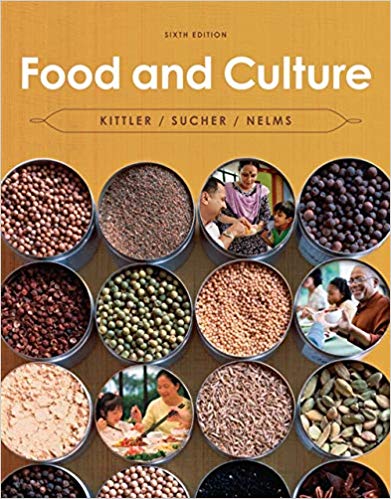
Food and Culture 6th Edition by Pamela Goyan Kittler - Test Bank

Food and Culture 6th Edition by Pamela Goyan Kittler - Test Bank   Instant Download - Complete Test Bank With Answers     Sample Questions Are Posted Below   Test Bank[1] for Food and Culture 6e Chapter 5: Native Americans   Multiple Choice Questions   The Plains Indians would traditionally prepare buffalo jerky by dehydrating …

$19.99

Food and Culture 6th Edition by Pamela Goyan Kittler – Test Bank


Instant Download – Complete Test Bank With Answers


Sample Questions Are Posted Below


Test Bank[1] for Food and Culture 6e
Chapter 5: Native Americans


Multiple Choice Questions


  1. The Plains Indians would traditionally prepare buffalo jerky by
  2. dehydrating the buffalo meat in the sun or over the fire.
  3. mixing the buffalo meat with fat and berries.
  4. using salt to pull the water out of the meat to “jerk” it.
  5. a and b
  6. b and c


  1. In the area that is today the United States, there are many different distinct Native American nations. By the estimate given in the text, the number of distinct nations is
  2. 250.
  3. 300.
  4. 350.
  5. 400.
  6. 450.


  1. Which of the following is NOT a traditional Native American food?
  2. Corn
  3. Wild berries
  4. Apples
  5. Wild rice
  6. None of these choices is a traditional Native American food


  1. Who was traditionally served first at a Native American meal?
  2. Men
  3. Women
  4. Children
  5. Elders
  6. Guests


  1. What is the harmful substance contained in acorns that must be leached out before consumption?
  2. Tannic acid
  3. Salicylic acid
  4. Toxic acid
  5. Acid rain
  6. None of the above


  1. What single food source shaped the traditions of the Plains Indians?
  2. Bison
  3. Horses
  4. Acorns
  5. Corn


  1. When does research indicate that the ancestors of Native Americans crossed over the Bering Strait from Asia?
  2. 2,000-5,000 years ago
  3. 20,000-50,000 years ago
  4. 200,000-500,000 years ago
  5. None of the above


  1. What group had abundant food sources, even through the cold winter, because of the heavy woodlands, freshwater lakes, and coastal access?
  2. Northeastern
  3. Southern
  4. Plains
  5. Southwest
  6. Northwest Coast


  1. Regular seasonal migration of salmon created a constant and reliable protein source for which of the following groups?
  2. Northeastern
  3. Southern
  4. Plains
  5. Southwest
  6. Northwest Coast


  1. What group often ate foods raw because there was a general lack of firewood over much of the area in which they lived?
  2. Northeastern
  3. Southern
  4. Plains
  5. Alaska Native
  6. Northwest Coast


  1. What percentage of the population in the United States is Native American?
  2. 1%
  3. 1.6%
  4. 5.8%
  5. 10%


  1. Of the following, which is not one of the three major centers of Native American culture observed in the 17th century?
  2. Five Civilized Tribes
  3. Pueblo
  4. Artic
  5. Iroquois nations


  1. Of the states, which has the highest number of resident American Indians?
  2. New Mexico
  3. Oklahoma
  4. Arizona
  5. California


  1. Who is in charge of administration of the federal reservations?
  2. Bureau of Indian Affairs
  3. The Native American Society
  4. The Government of Indian Affairs
  5. None of the above


  1. What was the typical traditional meal pattern of Native Americans in the Southwest and the Pacific Northwest?
  2. 2 meals per day
  3. 3 meals per day
  4. 3 meals plus frequent snacks
  5. 1 meal per day


  1. What term best describes the Native American approach to life?
  2. Wellness
  3. Nirvana
  4. Harmony
  5. Conservative


  1. How can the Native American belief regarding religion be best described?
  2. Religion permeates all aspects of life
  3. Religion is a separate set of beliefs practiced at certain times
  4. Religion is unimportant to Native Americans
  5. None of the above


  1. Many Native American nations are matrilineal, which means what?
  2. Decisions are made by the male elders
  3. Decisions are made by the married men
  4. Decisions are made by the female elders
  5. Decisions are made by the tribe’s chief


  1. According to Native American beliefs, all of the following may be causes which account for illness except
  2. witchcraft.
  3. transgressions committed at ceremonial occasions.
  4. evil spirits.
  5. none of the above; all of these choices are possible causes


  1. In what Native American region would blue corn bread be commonly eaten?
  2. Plains
  3. Southwest
  4. Pacific Northwest
  5. New England


  1. Which 3 foods were most abundant across most Indian nations?
  2. Beans, corn, rice
  3. Corn, squash, apples
  4. Beans, corn, squash
  5. Fish, beans, corn


  1. Which of the following foods is commonly restricted during illness among Native Americans?
  2. Cabbage
  3. Eggs
  4. Organ meats
  5. All of the above


  1. The chicken dish known as Brunswick stew is an adaptation of a Native American recipe from what region?
  2. Plains
  3. Southern
  4. Artic
  5. Northeastern


  1. What is the main ingredient in the Cherokee kanuche soup?
  2. Cream
  3. Corn
  4. Hickory nuts
  5. Gooseberries


  1. What percentage of the diet was dependant on wild rice for the Ojibwa of the Plains?
  2. 50%
  3. 25%
  4. 10%
  5. 2%


  1. Hopi Indians from what region were known for using 20 different varieties of corn?
  2. Southwestern
  3. Southern
  4. Northeastern
  5. Plains


  1. What is flat, griddle-fried cornmeal bread called?
  2. Pozole
  3. Chukuviki
  4. Tortillas
  5. Pemmican


  1. What is the name for thick pudding made from bison suet and berries?
  2. Wojapi
  3. Pemmican
  4. Chukuviki
  5. Piki


  1. What was the second most important crop, after corn, for the southwestern region?
  2. Wheat
  3. Potatoes
  4. Hominy
  5. Beans


  1. A lacy, flat, blue cornmeal bread that Hopi women baked was called a
  2. tortilla.
  3. piki.
  4. piñon.
  5. kopalchen.


  1. Chunks of meat with fat and skin attached made from whale or walrus are called
  2. lichen
  3. akutok.
  4. muktuk.
  5. salal.


  1. How many varieties of indigenous fruits, and vegetables were consumed by the Native Americans of the Northwest Coast.
  2. 5020010100


  1. “Digger Indians” were called such because they were known to
  2. dig graves for their ancestors.
  3. dig irrigation systems.
  4. dig roots for food.
  5. none of the above


  1. What is a horno?
  2. An adobe oven
  3. A meat stew indigenous to the plains
  4. Cornmeal bread
  5. A tool for digging


  1. What food is of significance in many healing ceremonies?
  2. Blackberry
  3. Corn
  4. Cactus
  5. All of the above


  1. Which of the following is an Indian food thought of as “traditional” but made from ingredients introduced by the Europeans?
  2. Fry bread
  3. Hominy
  4. Cactus stew
  5. Bean bread


  1. Legend has that it that an Indian named _____ saved the Pilgrims by teaching them to grow corn.
  2. Tanto
  3. Pocahontas
  4. Squanto
  5. Sequoyah


  1. What was the obesity rate among American Indian adults in 2008?
  2. 60%
  3. 50%
  4. 20%
  5. 40%


  1. How does the incidence of type 2 diabetes among Native Americans compare to that of the general population?
  2. 1-2 times as great
  3. 2-4 times as great
  4. 2-4 times lower
  5. About the same


  1. When counseling Native Americans, which of the following is good advice?
  2. Talk with clients instead of to clients.
  3. Open-ended questions are preferred.
  4. Use both verbal and nonverbal communication.
  5. All of the above


  1. Native Americans of the southern region used _____ to thicken soups and stews, brew tea, and prepare a seasoning called filé powder.
  2. sassafras
  3. hickory nuts
  4. spicebush
  5. sumac berries


  1. What plant food high in iron and calcium was often added to cornmeal dishes by the Southwestern Indians?
  2. Cactus
  3. Persimmon
  4. Juneberries
  5. Juniper ash


  1. What are the pads of the prickly pear cactus called?
  2. Tunas
  3. Nopales
  4. Piñon
  5. Pulp


  1. What plant product did the Ojibwas boil to prevent miscarriages?
  2. Strawberries
  3. Sumac
  4. Cabbage
  5. Blackberry roots


  1. As thanks for a plentiful summer harvest, southern nations celebrated what festival?
  2. Peyote Festival
  3. Green Corn Festival
  4. Festival of the Sun
  5. Festival of the Corn


True/False Questions


_____    1.     By the 19th century, forced migrations and diminishing land resources resulted in most Native Americans living on federal reservations.

_____    2.     Some Navajos believe that illness may be caused by witchcraft.

_____    3.     Native Americans are more likely to accept the biomedical view of illness than a traditional explanation.

_____    4.     The Pacific northwestern tribes were known for their agriculture.

_____    5.     Pemmican is a type of jerky cake made with bison fat and berries.

_____    6.     The northwest coast is characterized by its temperate climate with wooded valleys and reliable food supplies.

_____    7.     Whale and seal blubber were highly valued by the arctic tribes.

_____    8.     There is little variation across tribes throughout North America in terms of traditional meal cycles.

_____    9.     Many factors about the lifestyle on the reservations contribute to Native Americans’ lower economic status and inadequate diet.

_____    10.  After being adjusted for age, life expectancy rates for Native Americans are the same as those for other ethnicities in the United States.


Matching Questions


Match the five regional variations in Native American fare with the foods listed below.


  1. Northeastern
  2. Southern
  3. Plains
  4. Southwestern
  5. Northwest Coast/Alaskan Native


_____    1.     Brunswick stew, persimmon pudding, sassafras tea

_____    2.     Grilled salmon, lichen, akutok ice cream

_____    3.     Ember-roasted buffalo, wojapi pudding with juneberries, wild rice

_____    4.     Maple-sugar baked beans, succotash, Indian corn pudding

_____    5.     Green chile stew, tortillas, and piñon seeds


Short Essay Questions


  1. Briefly summarize some of the technologies that came to America with the Europeans. Give specific examples of how these processes changed traditional lifestyles for the Native Americans.


  1. Describe how the climate and geography of the middle of the continent resulted in the specific food ways of the Plains Indians.


  1. Discuss why the Native American health beliefs and practices might influence their use of the mainstream American biomedical systems.


  1. What is one suggested reason why there are so few restaurants that feature Native American foods?


  1. Name and describe the three transitional adaptations of members of the Ojibwa tribe that have been identified and associated with increasingly acculturated lifestyles. Is it assumed that these transitions may be typical of other native groups?


Answer Key for Chapter 5


Multiple Choice


  1. a (p. 111)
  2. d (p. 102)
  3. c (p. 107)
  4. a (p. 114)
  5. a (p. 114)
  6. a (p. 111)
  7. b (p. 102)
  8. a (p. 108)
  9. e (p. 113)
  10. d (p. 113)
  11. b (p. 102)
  12. c (pp. 102-103)
  13. d (p. 104)
  14. a (p. 103)
  15. a (p. 114)
  16. c (p. 105)
  17. a (p. 105)
  18. c (p. 106)
  19. d (p. 106)
  20. b (p. 112)
  21. c (p. 108)
  22. d (p. 116)
  23. b (p. 110)
  24. c (p. 110)
  25. b (p. 111)
  26. a (p. 112)
  27. c (p. 112)
  28. a (p. 111)
  29. d (p. 112)
  30. b (p. 112)
  31. c (p. 113)
  32. d (p. 113)
  33. c (p. 114)
  34. a (p. 115)
  35. b (p. 115)
  36. a (p. 117)
  37. c (p. 107)
  38. d (p. 120)
  39. b (p. 121)
  40. d (p. 123
  41. a (pp. 108, 110)
  42. d (p. 112)
  43. b (p. 112)
  44. d (p. 116)
  45. b (p. 115)


True/False


  1. T (pp. 103, 104)
  2. T (p. 106)
  3. F (p. 106)
  4. F (p. 113)
  5. T (p. 111)
  6. T (pp. 112-113)
  7. T (pp. 113-114)
  8. F (p. 114)
  9. T (pp. 104-105, 116-117)
  10. F (p. 120)


Matching


  1. b (p. 110)
  2. e (p. 113)
  3. c (p. 111)
  4. a (p. 108, 110)
  5. d (p. 112)


Short Essay Questions (page references)


  1. p. 108
  2. p. 111
  3. pp. 106-107
  4. p. 115
  5. p. 116


[1] By Tawni Holmes, Ph.D., R.D., University of Central Oklahoma

Additional information

Add Review

Your email address will not be published. Required fields are marked *