No products in the cart.

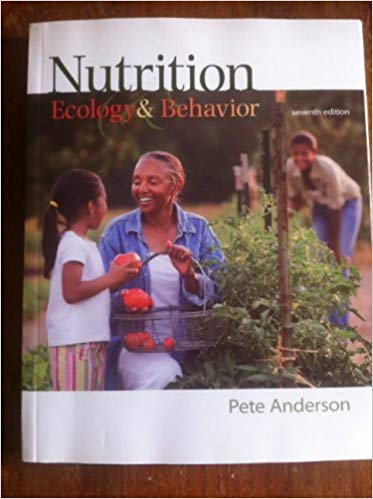
Nutrition Ecology and Behavior 8Th Edition By Pete Anderson - Test Bank

Nutrition Ecology and Behavior 8Th Edition By Pete Anderson - Test Bank   Instant Download - Complete Test Bank With Answers     Sample Questions Are Posted Below   Chapter 05 Lipids Answer Key   Multiple Choice Questions 1. A(n) _____ is the simplest form of lipid; it is a carbon chain, flanked by hydrogens, …

$19.99

Nutrition Ecology and Behavior 8Th Edition By Pete Anderson – Test Bank


Instant Download – Complete Test Bank With Answers


Sample Questions Are Posted Below


Chapter 05 Lipids Answer Key


Multiple Choice Questions

1. A(n) _____ is the simplest form of lipid; it is a carbon chain, flanked by hydrogens, with an acid group at one end and a methyl group at the other end.

A. cholesterol


B. fatty acid


C. glycerol


D. triglyceride


Blooms Level: 1. Remember
Learning Outcome: 05.02 List three structural forms of lipids (fats) and the role of each in our food supply. Distinguish between fatty acids and triglycerides. Discuss the importance of the essential fatty acids, as well as the balance between omega-3 and omega-6 fatty acids, with respect to health.
Section: 05.02 Lipids: Triglycerides, Phospholipids, and Sterols
Topic: Fatty acids


2. A(n) _____ is made up of a glycerol backbone attached to three fatty acids.

A. lipoprotein


B. chylomicron


C. eicosanoid


D. triglyceride


Blooms Level: 2. Understand
Learning Outcome: 05.02 List three structural forms of lipids (fats) and the role of each in our food supply. Distinguish between fatty acids and triglycerides. Discuss the importance of the essential fatty acids, as well as the balance between omega-3 and omega-6 fatty acids, with respect to health.
Section: 05.02 Lipids: Triglycerides, Phospholipids, and Sterols
Topic: Triglycerides


3. Olive and canola oils contain a high percentage of _____ fatty acids.

A. omega-3


B. saturated


C. monounsaturated


D. polyunsaturated


Blooms Level: 3. Apply
Learning Outcome: 05.03 Differentiate among food sources of saturated, monounsaturated, and polyunsaturated fatty acids and cholesterol.
Section: 05.03 Fats and Oils in Foods
Topic: Food sources


4. A(n) ______ fatty acid is an essential, polyunsaturated fatty acid that has a double bond at the third carbon from the methyl end.

A. tri-saturated


B. omega-3


C. omega-6


D. tri-methyl


Blooms Level: 2. Understand
Learning Outcome: 05.02 List three structural forms of lipids (fats) and the role of each in our food supply. Distinguish between fatty acids and triglycerides. Discuss the importance of the essential fatty acids, as well as the balance between omega-3 and omega-6 fatty acids, with respect to health.
Section: 05.02 Lipids: Triglycerides, Phospholipids, and Sterols
Topic: Fatty acids


5. Most lipids are transported in the blood as part of a structure called a(n)

A. emulsifier.


B. lipoprotein.


C. glycerol.


D. cholesterol.


Blooms Level: 2. Understand
Learning Outcome: 05.05 Name the classes of lipoproteins and classify them according to their functions.
Section: 05.05 Carrying Lipids in the Bloodstream
Topic: Lipoproteins


6. _____ are lipoproteins made of dietary fat surrounded by a shell of cholesterol, phospholipids, and protein; their role is to transport fat that has been absorbed from the GI tract.


A. Chylomicrons


B. Very-low-density lipoproteins


C. Low-density lipoproteins


D. High-density lipoproteins


Blooms Level: 1. Remember
Learning Outcome: 05.05 Name the classes of lipoproteins and classify them according to their functions.
Section: 05.05 Carrying Lipids in the Bloodstream
Topic: Lipoproteins


7. During rest and light activities, ______ are the main fuel for muscles.

A. fatty acids


B. amino acids


C. phospholipids


D. monosaccharides


Blooms Level: 2. Understand
Learning Outcome: 05.06 List the function of lipids, including the roles of phospholipids and the functions of cholesterol in the body.
Section: 05.06 Roles of Lipids in the Body
Topic: Fatty acids


8. The process of _______ removes double bonds from fatty acids, giving the fat a more solid consistency.

A. emulsification


B. elongation


C. saponification


D. hydrogenation


Blooms Level: 2. Understand
Learning Outcome: 05.03 Differentiate among food sources of saturated, monounsaturated, and polyunsaturated fatty acids and cholesterol.
Section: 05.03 Fats and Oils in Foods
Topic: Fatty acids


9. When chyme is in the small intestine, the pancreas secretes ______ to digest triglycerides.

A. chylomicrons


B. lipase


C. bicarbonate


D. insulin


Blooms Level: 2. Understand
Learning Outcome: 05.04 Explain how lipids are digested and absorbed.
Section: 05.04 Making Lipids Available for Body Use
Topic: Digestion, absorption, and transport


10. Of the macronutrients, fats are the most significant dietary factor(s) associated with

A. diabetes.


B. stomach ulcers.


C. heart disease.


D. lung cancer.


Blooms Level: 1. Remember
Learning Outcome: 05.08 Characterize the symptoms of cardiovascular disease and highlight some known risk factors.
Section: 05.08 Nutrition and Your Health: Lipids and Cardiovascular Disease
Topic: Cardiovascular disease


11. A meal providing 1,200 kilocalories contains 13 grams of saturated fat, 10 grams of monounsaturated fat, and 27 grams of polyunsaturated fat. This meal provides ______% of total kcal as fat.

A. 16.7


B. 30


C. 37.5


D. 50

13 g saturated fat + 10 g monounsaturated fat + 27 g polyunsaturated fat = 50 g total fat
50 g fat x 9 kcal/g = 450 kcal from fat
450 kcal from fat / 1200 kcal = 0.375 = 37.5%


Blooms Level: 3. Apply
Learning Outcome: 05.02 List three structural forms of lipids (fats) and the role of each in our food supply. Distinguish between fatty acids and triglycerides. Discuss the importance of the essential fatty acids, as well as the balance between omega-3 and omega-6 fatty acids, with respect to health.
Section: 05.02 Lipids: Triglycerides, Phospholipids, and Sterols
Topic: Food sources


12. Sometimes phospholipids are used in commercial salad dressings to suspend vegetable oil in water. In this case, phospholipids are serving as

A. fat replacers.


B. emulsifiers.


C. thickeners.


D. homogenizers.


Blooms Level: 3. Apply
Learning Outcome: 05.06 List the function of lipids, including the roles of phospholipids and the functions of cholesterol in the body.
Section: 05.03 Fats and Oils in Foods
Topic: Phospholipids


13. All of the following are characteristics of cholesterol except

A. it is used for making estrogen and testosterone.


B. it is converted to bile.


C. it is incorporated into cell membranes.


D. it is an essential nutrient.

Cholesterol is not an essential nutrient.


Blooms Level: 2. Understand
Learning Outcome: 05.06 List the function of lipids, including the roles of phospholipids and the functions of cholesterol in the body.
Section: 05.06 Roles of Lipids in the Body
Topic: Sterols


14. Sterols are similar to triglycerides in which of the following ways?

A. They contain fatty acids.


B. They contain glycerol.


C. They usually contain three fatty acids.


D. They do not dissolve in water.

Cholesterol and triglycerides have different structural components.


Blooms Level: 2. Understand
Learning Outcome: 05.02 List three structural forms of lipids (fats) and the role of each in our food supply. Distinguish between fatty acids and triglycerides. Discuss the importance of the essential fatty acids, as well as the balance between omega-3 and omega-6 fatty acids, with respect to health.
Section: 05.02 Lipids: Triglycerides, Phospholipids, and Sterols
Topic: Sterols


15. Lecithin is a(n)

A. phospholipid.


B. fatty acid.


C. sterol.


D. eicosanoid.

Lecithin is another name for phosphatidylcholine, a phospholipid.


Blooms Level: 2. Understand
Learning Outcome: 05.02 List three structural forms of lipids (fats) and the role of each in our food supply. Distinguish between fatty acids and triglycerides. Discuss the importance of the essential fatty acids, as well as the balance between omega-3 and omega-6 fatty acids, with respect to health.
Section: 05.02 Lipids: Triglycerides, Phospholipids, and Sterols
Topic: Phospholipids


16. Phospholipids differ from triglycerides in which of the following ways?

A. A compound containing phosphorus replaces at least one fatty acid.


B. Phospholipids do not contain glycerol.


C. Phospholipids do not contain fatty acids.


D. A compound containing nitrogen replaces at least one fatty acid.


Blooms Level: 2. Understand
Learning Outcome: 05.02 List three structural forms of lipids (fats) and the role of each in our food supply. Distinguish between fatty acids and triglycerides. Discuss the importance of the essential fatty acids, as well as the balance between omega-3 and omega-6 fatty acids, with respect to health.
Section: 05.02 Lipids: Triglycerides, Phospholipids, and Sterols
Topic: Phospholipids


17. A monounsaturated fatty acid contains

A. no double bonds.


B. one double bond.


C. 2 to 12 double bonds.


D. 14 to 24 double bonds.


Blooms Level: 2. Understand
Learning Outcome: 05.02 List three structural forms of lipids (fats) and the role of each in our food supply. Distinguish between fatty acids and triglycerides. Discuss the importance of the essential fatty acids, as well as the balance between omega-3 and omega-6 fatty acids, with respect to health.
Section: 05.02 Lipids: Triglycerides, Phospholipids, and Sterols
Topic: Fatty acids


18. In which form are most dietary lipids found?

A. Sterols


B. Phospholipids


C. Triglycerides


D. Monoglycerides


Blooms Level: 2. Understand
Learning Outcome: 05.02 List three structural forms of lipids (fats) and the role of each in our food supply. Distinguish between fatty acids and triglycerides. Discuss the importance of the essential fatty acids, as well as the balance between omega-3 and omega-6 fatty acids, with respect to health.
Section: 05.02 Lipids: Triglycerides, Phospholipids, and Sterols
Topic: Triglycerides


19. A ______ fatty acid has one double bond.

A. saturated


B. hydrogenated


C. monounsaturated


D. polyunsaturated


Blooms Level: 2. Understand
Learning Outcome: 05.02 List three structural forms of lipids (fats) and the role of each in our food supply. Distinguish between fatty acids and triglycerides. Discuss the importance of the essential fatty acids, as well as the balance between omega-3 and omega-6 fatty acids, with respect to health.
Section: 05.02 Lipids: Triglycerides, Phospholipids, and Sterols
Topic: Fatty acids


20. A saturated fatty acid contains

A. no double bonds.


B. one double bond.


C. 2 to 12 double bonds.


D. 14 to 24 double bonds.


Blooms Level: 2. Understand
Learning Outcome: 05.02 List three structural forms of lipids (fats) and the role of each in our food supply. Distinguish between fatty acids and triglycerides. Discuss the importance of the essential fatty acids, as well as the balance between omega-3 and omega-6 fatty acids, with respect to health.
Section: 05.02 Lipids: Triglycerides, Phospholipids, and Sterols
Topic: Fatty acids


21. Which of the following oils contains the most polyunsaturated fatty acids?

A. Canola oil


B. Olive oil


C. Palm oil


D. Safflower oil

Olive and canola oils are rich sources of monounsaturated fatty acids. Palm oil is rich in saturated fatty acids. Safflower oil contains mostly polyunsaturated fatty acids.


Blooms Level: 3. Apply
Learning Outcome: 05.03 Differentiate among food sources of saturated, monounsaturated, and polyunsaturated fatty acids and cholesterol.
Section: 05.03 Fats and Oils in Foods
Topic: Food sources


22. Triglycerides are composed of

A. glycogen and fatty acids.


B. fatty acids and glycerol.


C. lactic acid and glycogen.


D. glucose and fatty acids.


Blooms Level: 2. Understand
Learning Outcome: 05.02 List three structural forms of lipids (fats) and the role of each in our food supply. Distinguish between fatty acids and triglycerides. Discuss the importance of the essential fatty acids, as well as the balance between omega-3 and omega-6 fatty acids, with respect to health.
Section: 05.02 Lipids: Triglycerides, Phospholipids, and Sterols
Topic: Triglycerides


23. The three-carbon structure that forms the “backbone” of a triglyceride is called

A. glycerol.


B. glucose.


C. lipoprotein.


D. sterol.


Blooms Level: 1. Remember
Learning Outcome: 05.02 List three structural forms of lipids (fats) and the role of each in our food supply. Distinguish between fatty acids and triglycerides. Discuss the importance of the essential fatty acids, as well as the balance between omega-3 and omega-6 fatty acids, with respect to health.
Section: 05.02 Lipids: Triglycerides, Phospholipids, and Sterols
Topic: Triglycerides


24. Palmitic acid is a 16-carbon, saturated fatty acid. Based on its chain length, palmitic acid is a

A. short-chain fatty acid.


B. medium-chain fatty acid.


C. long-chain fatty acid.

A long-chain fatty acid has 12 or more carbons in its hydrocarbon chain.


Blooms Level: 2. Understand
Learning Outcome: 05.02 List three structural forms of lipids (fats) and the role of each in our food supply. Distinguish between fatty acids and triglycerides. Discuss the importance of the essential fatty acids, as well as the balance between omega-3 and omega-6 fatty acids, with respect to health.
Section: 05.02 Lipids: Triglycerides, Phospholipids, and Sterols
Topic: Fatty acids


25. A diglyceride consists of

A. 2 glycerols and 1 fatty acid.


B. 2 glucoses and 1 fatty acid.


C. 1 glucose and 2 fatty acids.


D. 1 glycerol and 2 fatty acids.


Blooms Level: 2. Understand
Learning Outcome: 05.02 List three structural forms of lipids (fats) and the role of each in our food supply. Distinguish between fatty acids and triglycerides. Discuss the importance of the essential fatty acids, as well as the balance between omega-3 and omega-6 fatty acids, with respect to health.
Section: 05.02 Lipids: Triglycerides, Phospholipids, and Sterols
Topic: Triglycerides


26. Which of the following is a food source of cholesterol?

A. Safflower oil


B. Stick margarine


C. Shortening


D. Lard

Cholesterol is only found in animal products. Lard is another name for pig fat.


Blooms Level: 2. Understand
Learning Outcome: 05.03 Differentiate among food sources of saturated, monounsaturated, and polyunsaturated fatty acids and cholesterol.
Section: 05.03 Fats and Oils in Foods
Topic: Sterols


27. Gram for gram, which of the following contains the most cholesterol?

A. Liver


B. Shrimp


C. Lard


D. Ice cream


Blooms Level: 4. Analyze
Learning Outcome: 05.03 Differentiate among food sources of saturated, monounsaturated, and polyunsaturated fatty acids and cholesterol.
Section: 05.03 Fats and Oils in Foods
Topic: Food sources


28. Which of the following is true about Olestra?

A. It is not approved for use by the FDA.


B. It does provide kilocalories but not as many as fat provides.


C. It cannot be digested, therefore it is excreted in feces.


D. It cannot be used for frying.


Blooms Level: 2. Understand
Learning Outcome: 05.03 Differentiate among food sources of saturated, monounsaturated, and polyunsaturated fatty acids and cholesterol.
Section: 05.03 Fats and Oils in Foods
Topic: Food sources


29. Hydrogenation produces

A. high-density lipoproteins.


B. cis fatty acids.


C. low-density lipoproteins.


D. trans fatty acids.


Blooms Level: 2. Understand
Learning Outcome: 05.03 Differentiate among food sources of saturated, monounsaturated, and polyunsaturated fatty acids and cholesterol.
Section: 05.03 Fats and Oils in Foods
Topic: Fatty acids


30. Cholesterol is found in all of the following except

A. corn oil.


B. cheddar cheese.


C. sirloin steak.


D. butter.


Blooms Level: 1. Remember
Blooms Level: 2. Understand
Learning Outcome: 05.03 Differentiate among food sources of saturated, monounsaturated, and polyunsaturated fatty acids and cholesterol.
Section: 05.03 Fats and Oils in Foods
Topic: Food sources


31. Which of the following would be a good source of polyunsaturated fatty acids?

A. Beef


B. Chicken


C. Olive oil


D. Soybean oil


Blooms Level: 3. Apply
Learning Outcome: 05.03 Differentiate among food sources of saturated, monounsaturated, and polyunsaturated fatty acids and cholesterol.
Section: 05.03 Fats and Oils in Foods
Topic: Food sources


32. If a fat contains mostly saturated fatty acids, it is likely to be _______ at room temperature.

A. liquid


B. solid


C. rancid


D. soft


Blooms Level: 2. Understand
Learning Outcome: 05.02 List three structural forms of lipids (fats) and the role of each in our food supply. Distinguish between fatty acids and triglycerides. Discuss the importance of the essential fatty acids, as well as the balance between omega-3 and omega-6 fatty acids, with respect to health.
Section: 05.02 Lipids: Triglycerides, Phospholipids, and Sterols
Topic: Fatty acids


33. Which of the following is a rich source of saturated fatty acids?

A. Corn oil


B. Soybean oil


C. Coconut oil


D. Safflower oil


Blooms Level: 3. Apply
Learning Outcome: 05.03 Differentiate among food sources of saturated, monounsaturated, and polyunsaturated fatty acids and cholesterol.
Section: 05.03 Fats and Oils in Foods
Topic: Food sources


34. Which of the following foods is cholesterol-free?

A. Butter


B. Whole milk


C. Turkey (light meat)


D. Peanut butter

Foods of plant origin contain no cholesterol.


Blooms Level: 3. Apply
Learning Outcome: 05.03 Differentiate among food sources of saturated, monounsaturated, and polyunsaturated fatty acids and cholesterol.
Section: 05.03 Fats and Oils in Foods
Topic: Food sources


35. Olive oil contains mostly ______ fatty acids.

A. saturated


B. monounsaturated


C. polyunsaturated


D. trans


Blooms Level: 1. Remember
Learning Outcome: 05.03 Differentiate among food sources of saturated, monounsaturated, and polyunsaturated fatty acids and cholesterol.
Section: 05.03 Fats and Oils in Foods
Topic: Food sources


36. Triglycerides in food are said to have satiety value primarily because

A. they are high in kilocalories.


B. they are readily stored in adipose tissue.


C. they provide bulk in foods.


D. they require bile to be digested.


Blooms Level: 2. Understand
Learning Outcome: 05.03 Differentiate among food sources of saturated, monounsaturated, and polyunsaturated fatty acids and cholesterol.
Section: 05.03 Fats and Oils in Foods
Topic: Triglycerides


37. “Hidden” fat includes

A. butter.


B. fat in crackers and other grain products.


C. fat around the edges of meats.


D. mayonnaise in potato salad.


Blooms Level: 2. Understand
Learning Outcome: 05.03 Differentiate among food sources of saturated, monounsaturated, and polyunsaturated fatty acids and cholesterol.
Section: 05.03 Fats and Oils in Foods
Topic: Food sources


38. Hydrogenation changes a fat

A. from liquid to solid.


B. from solid to liquid.


Blooms Level: 2. Understand
Learning Outcome: 05.03 Differentiate among food sources of saturated, monounsaturated, and polyunsaturated fatty acids and cholesterol.
Section: 05.03 Fats and Oils in Foods
Topic: Fatty acids


39. Which of the following contains the greatest percentage of calories from fat?

A. T-Bone steak


B. Margarine


C. Whole milk


D. M&M candies


Blooms Level: 4. Analyze
Learning Outcome: 05.03 Differentiate among food sources of saturated, monounsaturated, and polyunsaturated fatty acids and cholesterol.
Section: 05.03 Fats and Oils in Foods
Topic: Food sources


40. Which of the following is the best strategy to limit trans fat in the diet?


A. Use margarine instead of butter.


B. Choose natural peanut butter instead of peanut butter made with hydrogenated vegetable oils.


C. Choose chicken fried in peanut oil instead of chicken fried in lard.


D. Choose light meat poultry instead of dark meat.

Hydrogenated oils are a source of trans fat. Natural peanut butter has lower trans fat than peanut butter made with partially hydrogenated oil. Some types of margarine are made with partially hydrogenated oils, which are a source of trans fat. Switching from dark to light poultry and frying in peanut oil instead of lard are two strategies to reduce saturated fat intake, but would not make a difference for trans fat.


Blooms Level: 3. Apply
Learning Outcome: 05.03 Differentiate among food sources of saturated, monounsaturated, and polyunsaturated fatty acids and cholesterol.
Section: 05.03 Fats and Oils in Foods
Topic: Food sources


41. Which of the following is true about the fate of fatty acids after their absorption?

A. Fatty acids of 16 or more carbons enter the blood and then the liver via the portal vein.


B. Fatty acids of less than 12 carbons enter the lymphatic system packaged in chylomicrons.


C. Fatty acids of less than 12 carbons enter the blood and then the liver via the portal vein.


D. Fatty acids of 16 or more carbons enter the lymphatic system directly and then enter the blood via the aorta.


Blooms Level: 2. Understand
Learning Outcome: 05.04 Explain how lipids are digested and absorbed.
Section: 05.04 Making Lipids Available for Body Use
Topic: Digestion, absorption, and transport


42. After dietary fats are digested, the small intestinal cells absorb a mixture of

A. diglycerides and fatty acids.


B. monoglycerides and diglycerides.


C. monoglycerides and fatty acids.


D. monoglycerides, diglycerides, and triglycerides.


Blooms Level: 2. Understand
Learning Outcome: 05.04 Explain how lipids are digested and absorbed.
Section: 05.04 Making Lipids Available for Body Use
Topic: Digestion, absorption, and transport


43. The major fat-digesting enzyme is

A. amylase.


B. pepsin.


C. trypsin.


D. lipase.


Blooms Level: 2. Understand
Learning Outcome: 05.04 Explain how lipids are digested and absorbed.
Section: 05.04 Making Lipids Available for Body Use
Topic: Digestion, absorption, and transport


44. ______ are synthesized by the liver to transport fat to the rest of the body.

A. Chylomicrons


B. Low-density lipoproteins


C. Very-low-density lipoproteins


D. High-density lipoproteins


Blooms Level: 2. Understand
Learning Outcome: 05.05 Name the classes of lipoproteins and classify them according to their functions.
Section: 05.05 Carrying Lipids in the Bloodstream
Topic: Lipoproteins


45. After chylomicrons leave the intestinal cells, they are transported via what system?

A. Vascular


B. Lymphatic


C. Capillary


D. Venous


Blooms Level: 2. Understand
Learning Outcome: 05.04 Explain how lipids are digested and absorbed.
Section: 05.04 Making Lipids Available for Body Use
Topic: Lipoproteins


46. Which of the following lipase enzymes digests the majority of dietary fat?

A. Pancreatic lipase


B. Lingual lipase


C. Gastric lipase


Blooms Level: 2. Understand
Learning Outcome: 05.04 Explain how lipids are digested and absorbed.
Section: 05.04 Making Lipids Available for Body Use
Topic: Digestion, absorption, and transport


47. After absorption, long-chain fatty acids and monoglycerides inside intestinal cells are

A. converted to proteins.


B. converted to glucose.


C. reformed into triglycerides.


D. converted to cholesterol.


Blooms Level: 2. Understand
Learning Outcome: 05.04 Explain how lipids are digested and absorbed.
Section: 05.04 Making Lipids Available for Body Use
Topic: Digestion, absorption, and transport


48. Which lipoprotein is responsible for picking up cholesterol from dying cells and other sources so it can be transported back to the liver for excretion?

A. Chylomicron


B. Low-density lipoprotein


C. Very-low-density lipoprotein


D. High-density lipoprotein


Blooms Level: 2. Understand
Learning Outcome: 05.05 Name the classes of lipoproteins and classify them according to their functions.
Section: 05.05 Carrying Lipids in the Bloodstream
Topic: Lipoproteins


49. Lipoproteins contain all of the following components except

A. protein.


B. cholesterol.


C. carbohydrates.


D. phospholipids.


Blooms Level: 2. Understand
Learning Outcome: 05.05 Name the classes of lipoproteins and classify them according to their functions.
Section: 05.05 Carrying Lipids in the Bloodstream
Topic: Lipoproteins


50. Once the chylomicrons arrive at their destination via the bloodstream, the triglycerides in the chylomicrons are broken down into glycerol and fatty acids by an enzyme associated with the blood vessel called ________ lipase.

A. lipoprotein


B. pancreatic


C. lingual


D. lecithin


Blooms Level: 2. Understand
Learning Outcome: 05.05 Name the classes of lipoproteins and classify them according to their functions.
Section: 05.05 Carrying Lipids in the Bloodstream
Topic: Digestion, absorption, and transport


51. The main regulator of blood cholesterol levels is the

A. heart.


B. liver.


C. intestine.


D. brain.


Blooms Level: 2. Understand
Learning Outcome: 05.06 List the function of lipids, including the roles of phospholipids and the functions of cholesterol in the body.
Section: 05.06 Roles of Lipids in the Body
Topic: Digestion, absorption, and transport


52. To be transported throughout the body, fats are packaged in structures called

A. sterols.


B. phospholipids.


C. lipoproteins.


D. micelles.


Blooms Level: 1. Remember
Learning Outcome: 05.05 Name the classes of lipoproteins and classify them according to their functions.
Section: 05.04 Making Lipids Available for Body Use
Topic: Lipoproteins


53. Immediately after a meal, newly absorbed dietary fats appear in the blood as

A. high-density lipoproteins.


B. low-density lipoproteins.


C. chylomicrons.


D. cholesterol.


Blooms Level: 2. Understand
Learning Outcome: 05.05 Name the classes of lipoproteins and classify them according to their functions.
Section: 05.05 Carrying Lipids in the Bloodstream
Topic: Digestion, absorption, and transport


54. Diets high in trans fatty acids tend to ______ levels of LDL in the blood.

A. decrease


B. increase


Blooms Level: 2. Understand
Learning Outcome: 05.07 Explain the recommendations for fat intake.
Section: 05.07 Recommendations for Fat Intake
Topic: Fatty acids


55. ______ is an essential omega-3 fatty acid.

A. Linoleic acid (LA)


B. Eicosapentaenoic acid (EPA)


C. Alpha-linolenic acid (ALA)


D. Docasahexaenoic acid (DHA)

Linoleic acid and alpha-linolenic acid are the two essential fatty acids.  Linoleic acid is an omega-6 fatty acid and alpha-linolenic acid is an omega-3 fatty acid. Eicosapentaenoic acid and docosahexaenoic acid are also omega-3 fatty acids, but they are not essential because they can be made from alpha-linolenic acid in the body.


Blooms Level: 1. Remember
Learning Outcome: 05.02 List three structural forms of lipids (fats) and the role of each in our food supply. Distinguish between fatty acids and triglycerides. Discuss the importance of the essential fatty acids, as well as the balance between omega-3 and omega-6 fatty acids, with respect to health.
Section: 05.02 Lipids: Triglycerides, Phospholipids, and Sterols
Topic: Fatty acids


56. Which of the following is an essential fatty acid?

A. Oleic acid


B. Linoleic acid


C. Palmitic acid


D. Stearic acid


Blooms Level: 1. Remember
Learning Outcome: 05.02 List three structural forms of lipids (fats) and the role of each in our food supply. Distinguish between fatty acids and triglycerides. Discuss the importance of the essential fatty acids, as well as the balance between omega-3 and omega-6 fatty acids, with respect to health.
Section: 05.02 Lipids: Triglycerides, Phospholipids, and Sterols
Topic: Fatty acids


57. Which of the following is a rich source of omega-3 fatty acids?

A. Broccoli


B. Sirloin steak


C. Salmon


D. Chicken breast


Blooms Level: 1. Remember
Learning Outcome: 05.03 Differentiate among food sources of saturated, monounsaturated, and polyunsaturated fatty acids and cholesterol.
Section: 05.03 Fats and Oils in Foods
Topic: Food sources


58. Fatty fish, such as salmon, are rich sources of which omega-3 fatty acid?


A. Arachidonic acid (AA)


B. Eicosapentaenoic Acid (EPA)


C. Alpha-linoleic acid (ALA)


D. Conjugated linoleic acid (CLA)


Blooms Level: 1. Remember
Learning Outcome: 05.03 Differentiate among food sources of saturated, monounsaturated, and polyunsaturated fatty acids and cholesterol.
Section: 05.03 Fats and Oils in Foods
Topic: Fatty acids


59. Studies of the Greenlandic Inuit population have demonstrated a relationship between the consumption of fish and the risk for heart disease. What is the most likely mechanism for the reduction of heart disease risk when fish is consumed?

A. The protein in fish lowers the blood cholesterol.


B. Fish is low in cholesterol.


C. Fish supplies fatty acids that decrease blood clotting.


D. The carbohydrate in fish lowers blood cholesterol.


Blooms Level: 2. Understand
Learning Outcome: 05.02 List three structural forms of lipids (fats) and the role of each in our food supply. Distinguish between fatty acids and triglycerides. Discuss the importance of the essential fatty acids, as well as the balance between omega-3 and omega-6 fatty acids, with respect to health.
Section: 05.06 Roles of Lipids in the Body
Topic: Cardiovascular disease


60. One of the richest plant sources of omega-3 fatty acids is

A. cranberries.


B. walnuts.


C. tomatoes.


D. peanut butter.


Blooms Level: 1. Remember
Learning Outcome: 05.03 Differentiate among food sources of saturated, monounsaturated, and polyunsaturated fatty acids and cholesterol.
Section: 05.02 Lipids: Triglycerides, Phospholipids, and Sterols
Topic: Food sources


61. In adipose tissue, humans can store a nearly limitless supply of energy in the form of

A. glycogen.


B. triglycerides.


C. amino acids.


D. phospholipids.


Blooms Level: 1. Remember
Learning Outcome: 05.06 List the function of lipids, including the roles of phospholipids and the functions of cholesterol in the body.
Section: 05.06 Roles of Lipids in the Body
Topic: Triglycerides


62. The major function of adipose tissue is to

A. store glycogen.


B. store triglycerides.


C. synthesize protein for muscle.


D. synthesize cholesterol.


Blooms Level: 1. Remember
Learning Outcome: 05.06 List the function of lipids, including the roles of phospholipids and the functions of cholesterol in the body.
Section: 05.06 Roles of Lipids in the Body
Topic: Triglycerides


63. The body stores excess protein as

A. muscle tissue.


B. glycogen.


C. triglycerides.


D. bone marrow.


Blooms Level: 2. Understand
Learning Outcome: 05.06 List the function of lipids, including the roles of phospholipids and the functions of cholesterol in the body.
Section: 05.06 Roles of Lipids in the Body
Topic: Triglycerides


64. Which of the following does not describe a function of fat?

A. Adds flavor to food


B. Carrier of fat-soluble vitamins


C. Best source of energy for the brain


D. Insulates and protects the body


Blooms Level: 1. Remember
Learning Outcome: 05.06 List the function of lipids, including the roles of phospholipids and the functions of cholesterol in the body.
Section: 05.06 Roles of Lipids in the Body
Topic: Triglycerides


65. When a person gains weight,

A. fat cells can increase in both size and number.


B. the number of fat cells increases, but the size of fat cells remains the same.


C. the size of fat cells increases, but the number of fat cells remains the same.


Blooms Level: 1. Remember
Learning Outcome: 05.06 List the function of lipids, including the roles of phospholipids and the functions of cholesterol in the body.
Section: 05.06 Roles of Lipids in the Body
Topic: Triglycerides


66. Phospholipids are the main components of

A. lipoproteins.


B. cell membranes.


C. plaque.


D. adipose tissue.


Blooms Level: 1. Remember
Learning Outcome: 05.06 List the function of lipids, including the roles of phospholipids and the functions of cholesterol in the body.
Section: 05.06 Roles of Lipids in the Body
Topic: Phospholipids


67. The Dietary Guidelines for Americans recommend getting no more than ______ % of your total kilocalories from fat.

A. 20


B. 25


C. 30


D. 35


Blooms Level: 1. Remember
Learning Outcome: 05.07 Explain the recommendations for fat intake.
Section: 05.07 Recommendations for Fat Intake
Topic: Dietary requirements


68. How could you lower the fat content of the following breakfast menu?

Omelet (made with 2 whole eggs, 1/4 cup of Swiss cheese, 1/4 cup of mushrooms)
2 links of turkey sausage
1 slice of whole-wheat toast with 1 teaspoon of butter
1 cup of orange juice


A. Choose skim milk instead of orange juice.


B. Use egg whites instead of whole eggs in the omelet.


C. Use margarine instead of butter on the toast.


D. Choose pork sausage instead of turkey sausage.


Blooms Level: 4. Analyze
Learning Outcome: 05.07 Explain the recommendations for fat intake.
Section: 05.07 Recommendations for Fat Intake
Topic: Food sources


69. Good suggestions for eating in a heart-healthy way would be to

A. avoid all treats.


B. trim fat off meat before and after cooking.


C. use eggs liberally because they are not associated with serum cholesterol.


D. avoid foods high in monounsaturated fat, such as olive oil.


Blooms Level: 3. Apply
Learning Outcome: 05.07 Explain the recommendations for fat intake.
Section: 05.07 Recommendations for Fat Intake
Topic: Cardiovascular disease


70. According to the Food and Nutrition Board, what is the upper limit of fat (in grams) that should be consumed by a healthy person requiring 2,000 kilocalories per day?

A. 44


B. 78


C. 30


D. 93

The Food and Nutrition Board recommends that fat intake should fall within the range of 20% to 35% of total kcal.

2000 kcal × 0.35 = 700 kcal from fat ÷ 9 kcal/g = 78 g


Blooms Level: 3. Apply
Learning Outcome: 05.07 Explain the recommendations for fat intake.
Section: 05.07 Recommendations for Fat Intake
Topic: Dietary requirements


71. The major dietary factor to be concerned about in relation to heart disease is

A. cholesterol.


B. protein.


C. total fat.


D. saturated fat.


Blooms Level: 2. Understand
Learning Outcome: 05.08 Characterize the symptoms of cardiovascular disease and highlight some known risk factors.
Section: 05.08 Nutrition and Your Health: Lipids and Cardiovascular Disease
Topic: Cardiovascular disease


72. A desirable total serum cholesterol level is less than ______ milligrams per deciliter.

A. 100


B. 200


C. 300


D. 400


Blooms Level: 1. Remember
Learning Outcome: 05.08 Characterize the symptoms of cardiovascular disease and highlight some known risk factors.
Section: 05.08 Nutrition and Your Health: Lipids and Cardiovascular Disease
Topic: Cardiovascular disease


73. In terms of heart disease risk, which of the following is true?

A. Lower LDL = increased risk


B. Higher HDL = increased risk


C. Higher LDL = increased risk


D. Lower HDL = decreased risk


Blooms Level: 2. Understand
Learning Outcome: 05.08 Characterize the symptoms of cardiovascular disease and highlight some known risk factors.
Section: 05.08 Nutrition and Your Health: Lipids and Cardiovascular Disease
Topic: Cardiovascular disease


74. The plant stanols/sterols, also called phytosterols, work by

A. reducing cholesterol absorption in the small intestine and lowering its return to the liver.


B. increasing the absorption of dietary fiber from the small intestine.


C. decreasing the ability of cholesterol to bind to artery walls.


D. decreasing trans fat formation in fried foods.


Blooms Level: 2. Understand
Learning Outcome: 05.08 Characterize the symptoms of cardiovascular disease and highlight some known risk factors.
Section: 05.08 Nutrition and Your Health: Lipids and Cardiovascular Disease
Topic: Cardiovascular disease


75. Which of the following is true about the use of medications that lower blood cholesterol levels?

A. They often are helpful for persons who have had a heart attack or have cardiovascular disease or diabetes.


B. They should be used by anyone with a high blood cholesterol level.


C. They have few side effects.


D. When one takes these, dietary changes are not necessary.


Blooms Level: 2. Understand
Learning Outcome: 05.08 Characterize the symptoms of cardiovascular disease and highlight some known risk factors.
Section: 05.08 Nutrition and Your Health: Lipids and Cardiovascular Disease
Topic: Cardiovascular disease


76. Cardiovascular disease risk factors include all of the following except

A. total blood cholesterol >200 mg/dl.


B. hypertension.


C. HDL cholesterol > 40 mg/dl.


D. blood triglycerides > 200 mg/dl.


Blooms Level: 1. Remember
Learning Outcome: 05.08 Characterize the symptoms of cardiovascular disease and highlight some known risk factors.
Section: 05.08 Nutrition and Your Health: Lipids and Cardiovascular Disease
Topic: Cardiovascular disease


77. An omega-9 fatty acid has its first double bond starting at the ninth carbon from the

A. acid group.


B. alpha end.


C. glycerol.


D. methyl end.


Blooms Level: 2. Understand
Learning Outcome: 05.02 List three structural forms of lipids (fats) and the role of each in our food supply. Distinguish between fatty acids and triglycerides. Discuss the importance of the essential fatty acids, as well as the balance between omega-3 and omega-6 fatty acids, with respect to health.
Section: 05.02 Lipids: Triglycerides, Phospholipids, and Sterols
Topic: Fatty acids


78. We need to consume only about 5% of our total calories per day from essential fatty acids. This corresponds to about _______ of plant oil each day.


A. 2 to 4 teaspoons


B. 2 to 4 tablespoons


C. 1/4 to 1/2 cup


D. 3/4 to 1 cup


Blooms Level: 3. Apply
Learning Outcome: 05.07 Explain the recommendations for fat intake.
Section: 05.07 Recommendations for Fat Intake
Topic: Dietary requirements


79. The omega-6 parent fat, linoleic acid, is converted by the body into the long-chain fatty acid,


A. arachidonic acid.


B. oleic acid.


C. palmitic acid.


D. linolenic acid.


Blooms Level: 2. Understand
Learning Outcome: 05.02 List three structural forms of lipids (fats) and the role of each in our food supply. Distinguish between fatty acids and triglycerides. Discuss the importance of the essential fatty acids, as well as the balance between omega-3 and omega-6 fatty acids, with respect to health.
Section: 05.02 Lipids: Triglycerides, Phospholipids, and Sterols
Topic: Fatty acids


80. Consumption of fatty fish at least twice a week is recommended to provide omega-3 fatty acids. However, some fish—especially swordfish, shark, king mackerel, and tile fish—can be a source of ________, which is toxic in high amounts.


A. vitamin A


B. arsenic


C. fluoride


D. mercury


Blooms Level: 2. Understand
Learning Outcome: 05.03 Differentiate among food sources of saturated, monounsaturated, and polyunsaturated fatty acids and cholesterol.
Section: 05.03 Fats and Oils in Foods
Topic: Food sources


81. The main problem with the fat replacer olestra is that it can reduce absorption of

A. cholesterol.


B. fatty acids.


C. fat-soluble vitamins.


D. fiber.


Blooms Level: 2. Understand
Learning Outcome: 05.03 Differentiate among food sources of saturated, monounsaturated, and polyunsaturated fatty acids and cholesterol.
Section: 05.03 Fats and Oils in Foods
Topic: Food sources


82. ________ are lipid-loaded white blood cells that form plaque in blood vessels.

A. Lymphocytes


B. Neutrophils


C. Foam cells


D. Liposomes


Blooms Level: 2. Understand
Learning Outcome: 05.08 Characterize the symptoms of cardiovascular disease and highlight some known risk factors.
Section: 05.05 Carrying Lipids in the Bloodstream
Topic: Cardiovascular disease


Matching Questions

83. Match each of the following terms with its description.

1. Chylomicron      Lipoprotein made in the intestine after fat absorption   1
2. HDL      Lipoprotein that carries cholesterol and lipids newly synthesized by the liver   4
3. LDL      Product of the VLDL metabolism that contains primarily cholesterol   3
4. VLDL      Lipoprotein that picks up cholesterol from dying cells and other sources and transfers it to other lipoproteins, as well as directly to the liver   2


Blooms Level: 1. Remember
Learning Outcome: 05.05 Name the classes of lipoproteins and classify them according to their functions.
Learning Outcome: 05.06 List the function of lipids, including the roles of phospholipids and the functions of cholesterol in the body.
Section: 05.05 Carrying Lipids in the Bloodstream
Topic: Lipoproteins


84. Match each of the following terms with its description.


1. Monounsaturated fatty acid      Fatty acid with no carbon-carbon double bonds   4
2. Omega-6 fatty acid      An unsaturated fatty acid with its first carbon-carbon double bond at the third carbon atom from the methyl end   6
3. Trans fatty acid      An unsaturated fatty acid with its first carbon-carbon double bond at the sixth carbon atom from the methyl end   2
4. Saturated fatty acid      Three fatty acids attached to a glycerol backbone   10
5. Diglyceride      Unsaturated fatty acid with hydrogen atoms on opposite sides of a carbon-carbon double bond   3
6. Omega-3 fatty acid      Unsaturated fatty acid with hydrogen atoms on the same side of a carbon-carbon double bond   8
7. Polyunsaturated fatty acid      Fatty acid with one carbon-carbon double bond   1
8. Cis fatty acid      Fatty acid with two or more carbon-carbon double bonds   7
9. Monoglyceride      Two fatty acids attached to a glycerol backbone   5
10. Triglyceride      One fatty acid attached to a glycerol backbone   9


Blooms Level: 1. Remember
Learning Outcome: 05.02 List three structural forms of lipids (fats) and the role of each in our food supply. Distinguish between fatty acids and triglycerides. Discuss the importance of the essential fatty acids, as well as the balance between omega-3 and omega-6 fatty acids, with respect to health.
Section: 05.02 Lipids: Triglycerides, Phospholipids, and Sterols
Topic: Fatty acids
Topic: Triglycerides


Additional information

Add Review

Your email address will not be published. Required fields are marked *