No products in the cart.

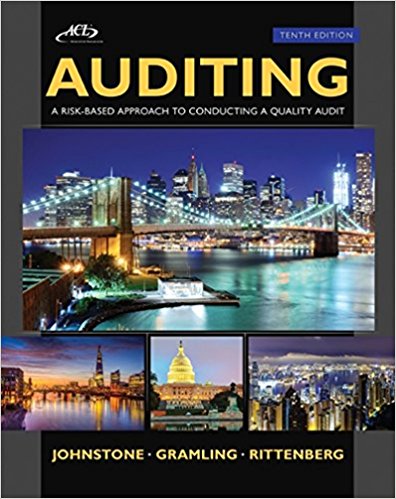
Auditing A Risk Based Approach to Conducting a Quality Audit 10Th Edition By Johnstone - Test Bank

Auditing A Risk Based Approach to Conducting a Quality Audit 10Th Edition By Johnstone - Test Bank   Instant Download - Complete Test Bank With Answers     Sample Questions Are Posted Below   1. The auditing standards issued by the PCAOB are identical to the auditing standards issued by the AICPA.   a. True   …

$19.99

Auditing A Risk Based Approach to Conducting a Quality Audit 10Th Edition By Johnstone – Test Bank


Instant Download – Complete Test Bank With Answers


Sample Questions Are Posted Below


1. The auditing standards issued by the PCAOB are identical to the auditing standards issued by the AICPA.

  a. True
  b. False


ANSWER:   False
POINTS:   1
NATIONAL STANDARDS:   United States – BUSPORG: Analytic
STATE STANDARDS:   United States – AK – AICPA BB-Critical thinking
TOPICS:   Generally Accepted Auditing Standards and IAASB Principles


2. The standards of the PCAOB consist of seven principles.

  a. True
  b. False


ANSWER:   False
POINTS:   1
NATIONAL STANDARDS:   United States – BUSPORG: Analytic
STATE STANDARDS:   United States – AK – AICPA BB-Critical thinking
TOPICS:   Generally Accepted Auditing Standards and IAASB Principles


3. The PCAOB’s general standards provide guidance to audit firms in selecting and training their professionals.

  a. True
  b. False


ANSWER:   True
POINTS:   1
NATIONAL STANDARDS:   United States – BUSPORG: Analytic
STATE STANDARDS:   United States – AK – AICPA BB-Critical thinking
TOPICS:   Generally Accepted Auditing Standards and IAASB Principles


4. The PCAOB’s second fieldwork standard requires auditors develop an understanding of the client’s controls as an important prerequisite to developing specific audit tests.

  a. True
  b. False


ANSWER:   True
POINTS:   1
NATIONAL STANDARDS:   United States – BUSPORG: Analytic
STATE STANDARDS:   United States – AK – AICPA BB-Critical thinking
TOPICS:   Generally Accepted Auditing Standards and IAASB Principles


5. The AICPA’s fundamental principles can be divided into four sections: purpose of the audit, responsibility of the auditor, performance of the audit, and reporting of the results.

  a. True
  b. False


ANSWER:   True
POINTS:   1
NATIONAL STANDARDS:   United States – BUSPORG: Analytic
STATE STANDARDS:   United States – AK – AICPA BB-Critical thinking
TOPICS:   Generally Accepted Auditing Standards and IAASB Principles


6. Auditors are responsible for having the appropriate competence and capabilities to perform the audit, should comply with ethical requirements, and maintain professional skepticism throughout the audit.

  a. True
  b. False


ANSWER:   True
POINTS:   1
NATIONAL STANDARDS:   United States – BUSPORG: Analytic
STATE STANDARDS:   United States – AK – AICPA BB-Critical thinking
TOPICS:   Generally Accepted Auditing Standards and IAASB Principles


7. An audit must be performed by persons who can make sound judgments relating to complex accounting issues.

  a. True
  b. False


ANSWER:   True
POINTS:   1
NATIONAL STANDARDS:   United States – BUSPORG: Analytic
STATE STANDARDS:   United States – AK – AICPA BB-Critical thinking
TOPICS:   Generally Accepted Auditing Standards and IAASB Principles


8. The auditor needs to obtain absolute assurance as to whether the financial statements are free from material misstatement.

  a. True
  b. False


ANSWER:   False
POINTS:   1
NATIONAL STANDARDS:   United States – BUSPORG: Analytic
STATE STANDARDS:   United States – AK – AICPA BB-Critical thinking
TOPICS:   Generally Accepted Auditing Standards and IAASB Principles


9. The Clarity Project is an initiative of the PCAOB to clarify the links between the standards of the PCAOB and the AICPA.

  a. True
  b. False


ANSWER:   False
POINTS:   1
LEARNING OBJECTIVES:   AUDT.JOHN.16.05-01 – LO: 05-01
NATIONAL STANDARDS:   United States – BUSPORG: Analytic
STATE STANDARDS:   United States – AK – AICPA BB-Critical thinking
TOPICS:   Professional Audit Standards


10. The ten standards of auditing, adopted by the PCAOB encompass three broad categories including: general standards, fieldwork standards and reporting standards.

  a. True
  b. False


ANSWER:   True
POINTS:   1
NATIONAL STANDARDS:   United States – BUSPORG: Analytic
STATE STANDARDS:   United States – AK – AICPA BB-Critical thinking
TOPICS:   Generally Accepted Auditing Standards and IAASB Principles


11. The common purpose of audit standards created by the various authorities is to provide reasonable assurance that audits are conducted in a quality manner.

  a. True
  b. False


ANSWER:   True
POINTS:   1
LEARNING OBJECTIVES:   AUDT.JOHN.16.05-01 – LO: 05-01
NATIONAL STANDARDS:   United States – BUSPORG: Analytic
STATE STANDARDS:   United States – AK – AICPA BB-Critical thinking
TOPICS:   Professional Audit Standards


12. The AICPA principles governing an audit explicitly state that an audit has inherent limitations prohibiting an auditor from obtaining reasonable assurance that the statements are free from misstatement.

  a. True
  b. False


ANSWER:   False
POINTS:   1
LEARNING OBJECTIVES:   AUDT.JOHN.16.05-01 – LO: 05-01
NATIONAL STANDARDS:   United States – BUSPORG: Analytic
STATE STANDARDS:   United States – AK – AICPA BB-Critical thinking
TOPICS:   Professional Auditing Standards


13. If controls are effective, there is a higher likelihood that the financial statements are free of material misstatement.

  a. True
  b. False


ANSWER:   True
POINTS:   1
LEARNING OBJECTIVES:   AUDT.JOHN.16.05-03 – LO: 05-03
NATIONAL STANDARDS:   United States – BUSPORG: Analytic
STATE STANDARDS:   United States – AK – AICPA BB-Critical thinking
TOPICS:   Overview of the Phases of the Audit Opinion Formulation Process


14. The reporting standards of the ten generally accepted audit standards of the PCAOB includes consistency, disclosure, and due professional care.

  a. True
  b. False


ANSWER:   False
POINTS:   1
NATIONAL STANDARDS:   United States – BUSPORG: Analytic
STATE STANDARDS:   United States – AK – AICPA BB-Critical thinking
TOPICS:   Generally Accepted Auditing Standards and IAASB Principles


15. Within each cycle, the audit is designed around the specific audit procedures required by the PCAOB general standards.

  a. True
  b. False


ANSWER:   False
POINTS:   1
LEARNING OBJECTIVES:   AUDT.JOHN.16.05-05 – LO: 05-05
NATIONAL STANDARDS:   United States – BUSPORG: Analytic
STATE STANDARDS:   United States – AK – AICPA BB-Critical thinking
TOPICS:   Financial Statement Assertions


16. Comparability is one of the five management assertions.

  a. True
  b. False


ANSWER:   False
POINTS:   1
LEARNING OBJECTIVES:   AUDT.JOHN.16.05-05 – LO: 05-05
NATIONAL STANDARDS:   United States – BUSPORG: Analytic
STATE STANDARDS:   United States – AK – AICPA BB-Critical thinking
TOPICS:   Financial Statement Assertions


17. The PCAOB requires the audit be conducted with due professional care, which is a standard of care that would be expected of a reasonably prudent auditor.

  a. True
  b. False


ANSWER:   True
POINTS:   1
NATIONAL STANDARDS:   United States – BUSPORG: Analytic
STATE STANDARDS:   United States – AK – AICPA BB-Critical thinking
TOPICS:   Generally Accepted Auditing Standards and IAASB Principles


18. An auditor should give equal emphasis to all management assertions when testing accounts.

  a. True
  b. False


ANSWER:   False
POINTS:   1
LEARNING OBJECTIVES:   AUDT.JOHN.16.05-05 – LO: 05-05
NATIONAL STANDARDS:   United States – BUSPORG: Analytic
STATE STANDARDS:   United States – AK – AICPA BB-Critical thinking
TOPICS:   Financial Statement Assertions


19. The nature of an audit procedure indicates when the procedure is performed during the audit.

  a. True
  b. False


ANSWER:   False
POINTS:   1
LEARNING OBJECTIVES:   AUDT.JOHN.16.05-06 – LO: 05-06
NATIONAL STANDARDS:   United States – BUSPORG: Analytic
STATE STANDARDS:   United States – AK – AICPA BB-Critical thinking
TOPICS:   Audit Evidence and Procedures


20. An auditor typically indicates in the engagement letter that the audit will result in an unqualified report on the financial statements.

  a. True
  b. False


ANSWER:   False
POINTS:   1
LEARNING OBJECTIVES:   AUDT.JOHN.16.05-08 – LO: 05-08
NATIONAL STANDARDS:   United States – BUSPORG: Analytic
STATE STANDARDS:   United States – AK – AICPA BB-Critical thinking
TOPICS:   Phase I Making Client Acceptance and Continuation Decisions


21. Evidence is required to be sufficient and appropriate in order to provide a reasonable basis for audit conclusions.

  a. True
  b. False


ANSWER:   True
POINTS:   1
NATIONAL STANDARDS:   United States – BUSPORG: Analytic
STATE STANDARDS:   United States – AK – AICPA BB-Critical thinking
TOPICS:   Generally Accepted Auditing Standards and IAASB Principles


22. U.S. auditing standards recommend that a successor auditor on an initial audit obtain client permission to communicate with the predecessor auditor.

  a. True
  b. False


ANSWER:   False
POINTS:   1
LEARNING OBJECTIVES:   AUDT.JOHN.16.05-08 – LO: 05-08
NATIONAL STANDARDS:   United States – BUSPORG: Analytic
STATE STANDARDS:   United States – AK – AICPA BB-Critical thinking
TOPICS:   Phase I Making Client Acceptance and Continuation Decisions


23. Developing an understanding of the client’s business and industry is essential to proficiency as discussed in the PCAOB’s general standards.

  a. True
  b. False


ANSWER:   True
POINTS:   1
NATIONAL STANDARDS:   United States – BUSPORG: Analytic
STATE STANDARDS:   United States – AK – AICPA BB-Critical thinking
TOPICS:   Generally Accepted Auditing Standards and IAASB Principles


24. Test of controls are a type of substantive procedure.

  a. True
  b. False


ANSWER:   False
POINTS:   1
NATIONAL STANDARDS:   United States – BUSPORG: Analytic
STATE STANDARDS:   United States – AK – AICPA BB-Critical thinking
TOPICS:   Audit Procedures


25. The Public Company Accounting Oversight Board (PCAOB) does not set specific standards for audits of public companies.

  a. True
  b. False


ANSWER:   False
POINTS:   1
NATIONAL STANDARDS:   United States – BUSPORG: Analytic
STATE STANDARDS:   United States – AK – AICPA BB-Critical thinking
TOPICS:   Generally Accepted Auditing Standards and IAASB Principles


26. Recalculation involves independently performing procedures or controls that were originally performed by the client, such as reperforming a bank reconciliation.

  a. True
  b. False


ANSWER:   False
POINTS:   1
NATIONAL STANDARDS:   United States – BUSPORG: Analytic
STATE STANDARDS:   United States – AK – AICPA BB-Critical thinking
TOPICS:   Audit Procedures


27. Scanning is a type of analytical procedure which involves reviewing accounting data to identify significant or unusual items, such as examining a credit balance in an account that typically has a debit balance.

  a. True
  b. False


ANSWER:   True
POINTS:   1
NATIONAL STANDARDS:   United States – BUSPORG: Analytic
STATE STANDARDS:   United States – AK – AICPA BB-Critical thinking
TOPICS:   Audit Procedures


28. Audit procedures can be classified as risk assessment procedures, test of controls or substantive tests.

  a. True
  b. False


ANSWER:   True
POINTS:   1
NATIONAL STANDARDS:   United States – BUSPORG: Analytic
STATE STANDARDS:   United States – AK – AICPA BB-Critical thinking
TOPICS:   Audit Procedures


29. Assertions about existence address whether assets and liabilities exist and assertions about occurrence address whether recorded transactions, such as sales transactions, have occurred

  a. True
  b. False


ANSWER:   True
POINTS:   1
NATIONAL STANDARDS:   United States – BUSPORG: Analytic
STATE STANDARDS:   United States – AK – AICPA BB-Critical thinking
TOPICS:   Describe the Assertions Contained in Financial Statements


30. The first stage in an audit is performing a risk assessment.

  a. True
  b. False


ANSWER:   False
POINTS:   1
NATIONAL STANDARDS:   United States – BUSPORG: Analytic
STATE STANDARDS:   United States – AK – AICPA BB-Critical thinking
TOPICS:   Audit Procedures


31. Physically examining a client’s assets is an audit procedure.

  a. True
  b. False


ANSWER:   True
POINTS:   1
NATIONAL STANDARDS:   United States – BUSPORG: Analytic
STATE STANDARDS:   United States – AK – AICPA BB-Critical thinking
TOPICS:   Audit Procedures


32. Audit documentation is frequently called working papers.

  a. True
  b. False


ANSWER:   True
POINTS:   1
NATIONAL STANDARDS:   United States – BUSPORG: Analytic
STATE STANDARDS:   United States – AK – AICPA BB-Critical thinking
TOPICS:   Audit Procedures


33. Control risk refers to the risk that a misstatement could occur in an assertion about a class of transaction, account balance, or disclosure and that could be material, either individually or when aggregated with other misstatements, will not be prevented, or detected and corrected, on a timely basis by the entity’s internal control.

  a. True
  b. False


ANSWER:   True
POINTS:   1
NATIONAL STANDARDS:   United States – BUSPORG: Analytic
STATE STANDARDS:   United States – AK – AICPA BB-Critical thinking
TOPICS:   Overview of the Audit Process: A Standards-Based Approach


34. Inherent risk refers to the susceptibility of an assertion about a class of transaction, account balance, or disclosure to a misstatement that could be immaterial, either individually or when aggregated with other misstatements, before consideration of any related controls.

  a. True
  b. False


ANSWER:   False
POINTS:   1
NATIONAL STANDARDS:   United States – BUSPORG: Analytic
STATE STANDARDS:   United States – AK – AICPA BB-Critical thinking
TOPICS:   Overview of the Audit Process: A Standards-Based Approach


35. There is an inverse relationship between the assessment of risk of material misstatement in an account and the amount of evidence required.

  a. True
  b. False


ANSWER:   False
POINTS:   1
LEARNING OBJECTIVES:   AUDT.JOHN.16.05-09 – LO: 05-09
NATIONAL STANDARDS:   United States – BUSPORG: Analytic
STATE STANDARDS:   United States – AK – AICPA BB-Critical thinking
TOPICS:   Phase III Performing Risk Assessment


36. The purpose of the audit program is to list the audit procedures to be followed in gathering audit evidence and to help those in charge of the audit to monitor the progress and supervise the work.

  a. True
  b. False


ANSWER:   True
POINTS:   1
NATIONAL STANDARDS:   United States – BUSPORG: Analytic
STATE STANDARDS:   United States – AK – AICPA BB-Critical thinking
TOPICS:   Overview of the Audit Process: A Standards-Based Approach


37. The effectiveness of entity-wide controls may reduce the extent of testing of transaction controls.

  a. True
  b. False


ANSWER:   True
POINTS:   1
LEARNING OBJECTIVES:   AUDT.JOHN.16.05-10 – LO: 05-10
NATIONAL STANDARDS:   United States – BUSPORG: Analytic
STATE STANDARDS:   United States – AK – AICPA BB-Critical thinking
TOPICS:   Phase III Obtaining Evidence about Internal Control Operating Effectiveness


38. When assessing the effectiveness of controls for relevant assertions the auditor tests only transaction controls.

  a. True
  b. False


ANSWER:   False
POINTS:   1
LEARNING OBJECTIVES:   AUDT.JOHN.16.05-10 – LO: 05-10
NATIONAL STANDARDS:   United States – BUSPORG: Analytic
STATE STANDARDS:   United States – AK – AICPA BB-Critical thinking
TOPICS:   Phase IV Obtaining Evidence about Internal Control Operating Effectiveness


39. The auditor is not required to test every control related to relevant assertions in a significant account.

  a. True
  b. False


ANSWER:   True
POINTS:   1
LEARNING OBJECTIVES:   AUDT.JOHN.16.05-10 – LO: 05-10
NATIONAL STANDARDS:   United States – BUSPORG: Analytic
STATE STANDARDS:   United States – AK – AICPA BB-Critical thinking
TOPICS:   Phase III Obtaining Evidence about Internal Control Operating Effectiveness


40. For an integrated audit, the auditor’s opinion about internal control effectiveness is based on control effectiveness at year-end as opposed to throughout the year.

  a. True
  b. False


ANSWER:   True
POINTS:   1
LEARNING OBJECTIVES:   AUDT.JOHN.16.05-10 – LO: 05-10
NATIONAL STANDARDS:   United States – BUSPORG: Analytic
STATE STANDARDS:   United States – AK – AICPA BB-Critical thinking
TOPICS:   Phase III Obtaining Evidence about Internal Control Operating Effectiveness


41. Research indicates that weaknesses in control components other than control activities do not cause fraud and other misstatements in financial statements.

  a. True
  b. False


ANSWER:   False
POINTS:   1
LEARNING OBJECTIVES:   AUDT.JOHN.16.05-10 – LO: 05-10
NATIONAL STANDARDS:   United States – BUSPORG: Analytic
STATE STANDARDS:   United States – AK – AICPA BB-Critical thinking
TOPICS:   Phase III Obtaining Evidence about Internal Control Operating Effectiveness


42. Assertions are relevant to the audit process because they are the representations of management embodied in the financial statements.

  a. True
  b. False


ANSWER:   True
POINTS:   1
NATIONAL STANDARDS:   United States – BUSPORG: Analytic
STATE STANDARDS:   United States – AK – AICPA BB-Critical thinking
TOPICS:   Describe the Assertions Contained in Financial Statements


43. Presentation and disclosure assertions imply that all transactions and balances are properly presented, disclosures represent what actually happened, and the footnote disclosures are appropriate and adequate.

  a. True
  b. False


ANSWER:   True
POINTS:   1
NATIONAL STANDARDS:   United States – BUSPORG: Analytic
STATE STANDARDS:   United States – AK – AICPA BB-Critical thinking
TOPICS:   Describe the Assertions Contained in Financial Statements


44. The PCAOB does not currently have a mandate for convergence with other auditing standards.

  a. True
  b. False


ANSWER:   True
POINTS:   1
NATIONAL STANDARDS:   United States – BUSPORG: Analytic
STATE STANDARDS:   United States – AK – AICPA BB-Critical thinking
TOPICS:   Describe the Assertions Contained in Financial Statements


45. Substantive analytical procedures are optional for significant tests and disclosures.

  a. True
  b. False


ANSWER:   True
POINTS:   1
LEARNING OBJECTIVES:   AUDT.JOHN.16.05-11 – LO: 05-11
NATIONAL STANDARDS:   United States – BUSPORG: Analytic
STATE STANDARDS:   United States – AK – AICPA BB-Critical thinking
TOPICS:   Phase IV Obtaining Substantive Evidence


46. In performing substantive tests on account balances, the auditor performs tests for all five assertions.

  a. True
  b. False


ANSWER:   False
POINTS:   1
LEARNING OBJECTIVES:   AUDT.JOHN.16.05-11 – LO: 05-11
NATIONAL STANDARDS:   United States – BUSPORG: Analytic
STATE STANDARDS:   United States – AK – AICPA BB-Critical thinking
TOPICS:   Phase IV Obtaining Substantive Evidence


47. If the auditor assesses internal controls to be effective, less substantive testing is likely.

  a. True
  b. False


ANSWER:   False
POINTS:   1
LEARNING OBJECTIVES:   AUDT.JOHN.16.05-11 – LO: 05-11
NATIONAL STANDARDS:   United States – BUSPORG: Analytic
STATE STANDARDS:   United States – AK – AICPA BB-Critical thinking
TOPICS:   Phase IV Obtaining Substantive Evidence


48. If the auditor’s assessment is that there is high risk due to the subjectivity of the accounting process, substantive procedures should be more rigorous.

  a. True
  b. False


ANSWER:   True
POINTS:   1
LEARNING OBJECTIVES:   AUDT.JOHN.16.05-11 – LO: 05-11
NATIONAL STANDARDS:   United States – BUSPORG: Analytic
STATE STANDARDS:   United States – AK – AICPA BB-Critical thinking
TOPICS:   Phase IV Obtaining Substantive Evidence


49. An Integrated Audit requires the issuance of separate reports for the opinions expressed on the financial statements and on internal control..

  a. True
  b. False


ANSWER:   False
POINTS:   1
LEARNING OBJECTIVES:   AUDT.JOHN.16.05-12 – LO: 05-12
NATIONAL STANDARDS:   United States – BUSPORG: Analytic
STATE STANDARDS:   United States – AK – AICPA BB-Critical thinking
TOPICS:   Completing the Audit and Making Reporting Decisions


50. In an integrated audit, the auditor issues an opinion on both the financial statements and internal control.

  a. True
  b. False


ANSWER:   True
POINTS:   1
LEARNING OBJECTIVES:   AUDT.JOHN.16.05-12 – LO: 05-12
NATIONAL STANDARDS:   United States – BUSPORG: Analytic
STATE STANDARDS:   United States – AK – AICPA BB-Critical thinking
TOPICS:   Phase V Completing the Audit and Making Reporting Decisions


51. The first general standard of the PCAOB requires that an audit be performed by which type of person?

  a. An auditor with seasoned judgment in varying degrees of supervision and review.
  b. An auditor with appropriate technical training and proficiency.
  c. An auditor with adequate knowledge of the standards of field work and reporting.
  d. An auditor satisfying the independence standards.


ANSWER:   b
POINTS:   1
NATIONAL STANDARDS:   United States – BUSPORG: Analytic
STATE STANDARDS:   United States – AK – AICPA BB-Critical thinking
TOPICS:   Generally Accepted Auditing Standards and IAASB Principles


52. Which auditing standards apply to private companies?

  a. The AICPA Standards.
  b. The IASSB Standards.
  c. The Standards of the PCAOB.
  d. All of the above.


ANSWER:   a
POINTS:   1
NATIONAL STANDARDS:   United States – BUSPORG: Analytic
STATE STANDARDS:   United States – AK – AICPA BB-Critical thinking
TOPICS:   Generally Accepted Auditing Standards and IAASB Principles


53. The AICPA Principles Governing an Audit include which of the following categories that guide the conduct of an audit?

  a. Purpose of an audit and premise upon which an audit is conducted.
  b. Responsibilities.
  c. Performance.
  d. All of the above.


ANSWER:   d
POINTS:   1
LEARNING OBJECTIVES:   AUDT.JOHN.16.05-01 – LO: 05-01
NATIONAL STANDARDS:   United States – BUSPORG: Analytic
STATE STANDARDS:   United States – AK – AICPA BB-Critical thinking
TOPICS:   Professional Auditing Standards


54. What is the scope of applicability of the auditing standards of the AICPA?

  a. Nonpublic companies traded in non-U.S. markets.
  b. Nonpublic companies in the U.S.
  c. Public companies traded in non-U.S. markets.
  d. Public companies traded in the U.S.


ANSWER:   b
POINTS:   1
NATIONAL STANDARDS:   United States – BUSPORG: Analytic
STATE STANDARDS:   United States – AK – AICPA BB-Critical thinking
TOPICS:   Generally Accepted Auditing Standards and IAASB Principles


55. To satisfy the fieldwork standards, what must an auditor do?

  a. Act with due care.
  b. Gather sufficient appropriate evidence.
  c. Be independent in mental attitude.
  d. Have adequate knowledge about the client’s industry.
  e. All of the above.


ANSWER:   b
POINTS:   1
NATIONAL STANDARDS:   United States – BUSPORG: Analytic
STATE STANDARDS:   United States – AK – AICPA BB-Critical thinking
TOPICS:   Generally Accepted Auditing Standards and IAASB Principles


56. Which one of the following organizations provides auditing standards for public companies?

  a. GAO.
  b. AICPA.
  c. GAAP.
  d. PCAOB.


ANSWER:   d
POINTS:   1
NATIONAL STANDARDS:   United States – BUSPORG: Analytic
STATE STANDARDS:   United States – AK – AICPA BB-Critical thinking
TOPICS:   Generally Accepted Auditing Standards and IAASB Principles


57. Which one of the following has the most affect on the reliability of financial statements?

  a. The size of the client
  b. The industry of the client
  c. The client’s internal control structure.
  d. The client’s trend of earnings.


ANSWER:   c
POINTS:   1
LEARNING OBJECTIVES:   AUDT.JOHN.16.05-03 – LO: 05-03
NATIONAL STANDARDS:   United States – BUSPORG: Analytic
STATE STANDARDS:   United States – AK – AICPA BB-Critical thinking
TOPICS:   An Overview of the Phases in the Audit Opinion Formulation Process


58. The standards of competence, independence, and due professional care are covered by which section of the generally accepted auditing standards?

  a. General standards.
  b. Standards of fieldwork.
  c. Reporting standards.
  d. None of the above.


ANSWER:   a
POINTS:   1
NATIONAL STANDARDS:   United States – BUSPORG: Analytic
STATE STANDARDS:   United States – AK – AICPA BB-Critical thinking
TOPICS:   Generally Accepted Auditing Standards and IAASB Principles


59. What are the PCAOB standards that present guidance in testing assertions and planning for the audit are known as?

  a. General standards.
  b. Fieldwork standards.
  c. Reporting standards.
  d. None of the above.


ANSWER:   b
POINTS:   1
NATIONAL STANDARDS:   United States – BUSPORG: Analytic
STATE STANDARDS:   United States – AK – AICPA BB-Critical thinking
TOPICS:   Generally Accepted Auditing Standards and IAASB Principles


60. Which of the following is the primary assertion related to testing inventory on hand to see if it includes consignment goods ?

  a. Existence
  b. Completeness
  c. Valuation
  d. Rights and Obligations


ANSWER:   d
POINTS:   1
LEARNING OBJECTIVES:   AUDT.JOHN.16.05-05 – LO: 05-05
NATIONAL STANDARDS:   United States – BUSPORG: Analytic
STATE STANDARDS:   United States – AK – AICPA BB-Critical thinking
TOPICS:   Financial Statement Assertions


61. Which assertion is most closely related to the determination of the adequacy of the allowance for doubtful accounts?

  a. Existence
  b. Valuation
  c. Rights and Obligations
  d. Presentation and Disclosure


ANSWER:   b
POINTS:   1
LEARNING OBJECTIVES:   AUDT.JOHN.16.05-05 – LO: 05-05
NATIONAL STANDARDS:   United States – BUSPORG: Analytic
STATE STANDARDS:   United States – AK – AICPA BB-Critical thinking
TOPICS:   Financial Statement Assertions


62. Which assertion addresses whether all transactions and accounts that should be included in the financial statements are included?

  a. Existence.
  b. Valuation.
  c. Completeness.
  d. Rights and Obligations


ANSWER:   c
POINTS:   1
NATIONAL STANDARDS:   United States – BUSPORG: Analytic
STATE STANDARDS:   United States – AK – AICPA BB-Critical thinking
TOPICS:   Describe the Assertions Contained in Financial Statements


63. Which assertion addresses whether the financial statements items are properly classified in the financial statements?

  a. Completeness.
  b. Existence.
  c. Valuation.
  d. Presentation and Disclosure.


ANSWER:   d
POINTS:   1
NATIONAL STANDARDS:   United States – BUSPORG: Analytic
STATE STANDARDS:   United States – AK – AICPA BB-Critical thinking
TOPICS:   Describe the Assertions Contained in Financial Statements


64. Which of the following groups are committed to the convergence of the auditing standards?

  a. IAASB.
  b. PCAOB.
  c. AICPA.
  d. Both A and C.
  e. All of the above.


ANSWER:   d
POINTS:   1
NATIONAL STANDARDS:   United States – BUSPORG: Analytic
STATE STANDARDS:   United States – AK – AICPA BB-Critical thinking
TOPICS:   Generally Accepted Auditing Standards and IAASB Principles


65. Which of the following is a procedure that requests a direct written response to the auditor form a third party?

  a. Inquiry
  b. Confirmation
  c. Inspection
  d. Observation


ANSWER:   b
POINTS:   1
LEARNING OBJECTIVES:   AUDT.JOHN.16.05-06 – LO: 05-06
NATIONAL STANDARDS:   United States – BUSPORG: Analytic
STATE STANDARDS:   United States – AK – AICPA BB-Critical thinking
TOPICS:   Audit Evidence and Audit Procedures


66. Which of the following is a procedure which analyzes plausible relationships among financial and nonfinancial data?

  a. Analytical procedures.
  b. Scanning.
  c. Reviewing.
  d. Observation.


ANSWER:   a
POINTS:   1
LEARNING OBJECTIVES:   AUDT.JOHN.16.05-06 – LO: 05-06
NATIONAL STANDARDS:   United States – BUSPORG: Analytic
STATE STANDARDS:   United States – AK – AICPA BB-Critical thinking
TOPICS:   Audit Evidence and Audit Procedures


67. What does the quality of the evidence an auditor collects depend upon?

  a. The nature of the procedures.
  b. The extent of the procedures.
  c. The timing of the procedures.
  d. Both A and C.
  e. All of the above.


ANSWER:   e
POINTS:   1
NATIONAL STANDARDS:   United States – BUSPORG: Analytic
STATE STANDARDS:   United States – AK – AICPA BB-Critical thinking
TOPICS:   Audit Procedures


68. Which of the following terms describes procedures designed to detect material misstatements in accounts ?

  a. Substantive procedures.
  b. Control Tests
  c. Risk assessment procedures
  d. Business risk procedures.


ANSWER:   a
POINTS:   1
LEARNING OBJECTIVES:   AUDT.JOHN.16.05-06 – LO: 05-06
NATIONAL STANDARDS:   United States – BUSPORG: Analytic
STATE STANDARDS:   United States – AK – AICPA BB-Critical thinking
TOPICS:   Audit Evidence and Audit Procedures


69. The proper supervision of audit assistants is a requirement found in which section of the Generally Accepted Auditing Standards?

  a. General Standards.
  b. Standards of Fieldwork.
  c. Standards of Reporting.
  d. Standards of Quality Control.


ANSWER:   b
POINTS:   1
NATIONAL STANDARDS:   United States – BUSPORG: Analytic
STATE STANDARDS:   United States – AK – AICPA BB-Critical thinking
TOPICS:   Generally Accepted Auditing Standards and IAASB Principles


70. Which one of the following is a requirement pf the reporting standards included in the generally accepted auditing standards?

  a. The auditor will state explicitly whether the financial statements are fairly presented in accordance with the applicable financial reporting framework.
  b. The auditor will identify in the auditor’s report, those circumstances in which auditing principles have not been consistently observed in the current period in comparison to the preceding period.
  c. The auditor will review adjusting journal entries for accuracy, and if the auditor concludes those entries are not reasonable accurate, the auditor must so state in the auditor’s report.
  d. The auditor will express an unqualified opinion on the financial statements, or will conduct additional audit procedures until such an opinion can be expressed.


ANSWER:   a
POINTS:   1
NATIONAL STANDARDS:   United States – BUSPORG: Analytic
STATE STANDARDS:   United States – AK – AICPA BB-Critical thinking
TOPICS:   Generally Accepted Auditing Standards and IAASB Principles


71. Which of the following statements about the auditing standards issued by the AICPA is true?

  a. The auditing standards issued by the AICPA are no longer recognized by the PCAOB.
  b. The auditing standards issued by the AICPA are no longer recognized by the profession because the AICPA voted itself out of existence.
  c. The auditing standards issued by the AICPA continue to be issued by that organization for audits of public companies.
  d. The auditing standards issued by the AICPA were used by the PCAOB as a starting point.


ANSWER:   d
POINTS:   1
NATIONAL STANDARDS:   United States – BUSPORG: Analytic
STATE STANDARDS:   United States – AK – AICPA BB-Critical thinking
TOPICS:   Generally Accepted Auditing Standards and IAASB Principles


72. Which of the following is a reason why an auditor needs an understanding of internal controls?

  a. To provide individual comments on internal control non-compliance.
  b. To become comfortable that the client will pay its audit bills.
  c. To assess materiality.
  d. To assess the risk of possible misstatements in the financial statements.


ANSWER:   d
POINTS:   1
NATIONAL STANDARDS:   United States – BUSPORG: Analytic
STATE STANDARDS:   United States – AK – AICPA BB-Critical thinking
TOPICS:   Generally Accepted Auditing Standards and IAASB Principles


73. Which of the following is not a reason why an auditor obtains an understanding of internal controls?

  a. Understanding the entity’s internal control is a requirement of GAAS.
  b. The auditor must use the information to assess the risk of material misstatements arising from the lack of internal control.
  c. It is the primary basis for the audit report.
  d. It assists the auditor in designing the nature, timing and extent of further audit procedures.


ANSWER:   c
POINTS:   1
NATIONAL STANDARDS:   United States – BUSPORG: Analytic
STATE STANDARDS:   United States – AK – AICPA BB-Critical thinking
TOPICS:   Generally Accepted Auditing Standards and IAASB Principles


74. Which type of audit documentation is required by PCAOB standards?

  a. Flowcharts
  b. Narratives
  c. Questionnaires
  d. A specific form of documentation is not required.


ANSWER:   d
POINTS:   1
LEARNING OBJECTIVES:   AUDT.JOHN.16.05-07 – LO: 05-07
NATIONAL STANDARDS:   United States – BUSPORG: Analytic
STATE STANDARDS:   United States – AK – AICPA BB-Critical thinking
TOPICS:   Audit Documentation


75. Which of the following is not a typical accounting cycle?

  a. Revenue.
  b. Inventory.
  c. Cash.
  d. Internal Controls.


ANSWER:   d
POINTS:   1
NATIONAL STANDARDS:   United States – BUSPORG: Analytic
STATE STANDARDS:   United States – AK – AICPA BB-Critical thinking
TOPICS:   Overview of the Audit Process: A Standards-Based Approach


76. Which of the following statements about assertions is true?

  a. All assertions are equally important for all accounts.
  b. The importance of an assertion depends upon the account.
  c. Assertions are not related to accounts.
  d. None of the above.


ANSWER:   b
POINTS:   1
NATIONAL STANDARDS:   United States – BUSPORG: Analytic
STATE STANDARDS:   United States – AK – AICPA BB-Critical thinking
TOPICS:   Describe the Assertions Contained in Financial Statements


77. Which of the following assertions would the auditor usually consider most relevant for accounts payable?

  a. Existence.
  b. Valuation.
  c. Disclosure.
  d. Completeness.


ANSWER:   d
POINTS:   1
NATIONAL STANDARDS:   United States – BUSPORG: Analytic
STATE STANDARDS:   United States – AK – AICPA BB-Critical thinking
TOPICS:   Describe the Assertions Contained in Financial Statements


78. Which of the following is a use of audit documentation?

  a. Assisting the engagement team in planning and performing the audit.
  b. Assisting members of the engagement team responsible for supervising and reviewing the audit work.
  c. Retaining a record of matters of continuing significance to future audits of the same organization.
  d. All of the above.


ANSWER:   d
POINTS:   1
NATIONAL STANDARDS:   United States – BUSPORG: Analytic
STATE STANDARDS:   United States – AK – AICPA BB-Critical thinking
TOPICS:   Audit Procedures


79. Which of the following factors influence the risk of material misstatement?

  a. The business risks.
  b. Management incentives.
  c. IT risks.
  d. All of the above.


ANSWER:   d
POINTS:   1
NATIONAL STANDARDS:   United States – BUSPORG: Analytic
STATE STANDARDS:   United States – AK – AICPA BB-Critical thinking
TOPICS:   Overview of the Audit Process: A Standards-Based Approach


80. What does business risk include?

  a. Economic factors.
  b. Competitive factors.
  c. Regulatory risk.
  d. All of the above.


ANSWER:   d
POINTS:   1
NATIONAL STANDARDS:   United States – BUSPORG: Analytic
STATE STANDARDS:   United States – AK – AICPA BB-Critical thinking
TOPICS:   Overview of the Audit Process: A Standards-Based Approach


81. At what level does the auditor assess the risk of material misstatement?

  a. The financial statement level.
  b. The company level.
  c. The assertion level.
  d. Both A and C.
  e. All of the above.


ANSWER:   d
POINTS:   1
NATIONAL STANDARDS:   United States – BUSPORG: Analytic
STATE STANDARDS:   United States – AK – AICPA BB-Critical thinking
TOPICS:   Overview of the Audit Process: A Standards-Based Approach


82. What does the effectiveness of internal controls influence?

  a. Inherent risk.
  b. Control risk.
  c. Risk of material misstatement.
  d. Both B and C.


ANSWER:   d
POINTS:   1
NATIONAL STANDARDS:   United States – BUSPORG: Analytic
STATE STANDARDS:   United States – AK – AICPA BB-Critical thinking
TOPICS:   Overview of the Audit Process: A Standards-Based Approach


83. Which of the following is not a control that the PCAOB has identified that auditors should consider in evaluating whether or not an organization has sufficiently addressed fraud risk?

  a. Controls over significant, unusual transaction.
  b. Controls over related-party transactions.
  c. Controls related to marketable securities.
  d. Controls related to significant management estimates.


ANSWER:   c
POINTS:   1
LEARNING OBJECTIVES:   AUDT.JOHN.16.05-09 – LO: 05-09
NATIONAL STANDARDS:   United States – BUSPORG: Analytic
STATE STANDARDS:   United States – AK – AICPA BB-Critical thinking
TOPICS:   Phase II Performing Risk Assessment


84. Which statement is true concerning materiality?

  a. Misstatements are material if they could reasonably be expected to influence the decisions of users of the financial statements.
  b. Materiality guidelines are specifically prescribed by the PCAOB.
  c. Materiality is not a useful concept in assessing internal control effectiveness.
  d. Materiality is a concept applied to financial statement presentation but not to disclosures.


ANSWER:   a
POINTS:   1
LEARNING OBJECTIVES:   AUDT.JOHN.16.05-09 – LO: 05-09
NATIONAL STANDARDS:   United States – BUSPORG: Analytic
STATE STANDARDS:   United States – AK – AICPA BB-Critical thinking
TOPICS:   Phase II Performing Risk Assessment


85. Which document is used by auditors to formally accept a new client?

  a. Management representation letter.
  b. Audit Report.
  c. Engagement Letter.
  d. Audit Contract.


ANSWER:   c
POINTS:   1
NATIONAL STANDARDS:   United States – BUSPORG: Analytic
STATE STANDARDS:   United States – AK – AICPA BB-Critical thinking
TOPICS:   Overview of the Audit Process: A Standards-Based Approach


86. Which of the following items is not included in the engagement letter?

  a. The responsibilities of the auditor.
  b. The responsibilities of management.
  c. The objective of the financial statements.
  d. Identification of the applicable financial reporting framework for the preparation of the financial statements.


ANSWER:   c
POINTS:   1
NATIONAL STANDARDS:   United States – BUSPORG: Analytic
STATE STANDARDS:   United States – AK – AICPA BB-Critical thinking
TOPICS:   Overview of the Audit Process: A Standards-Based Approach


87. With a substantive audit strategy, what is an auditor likely to do?

  a. Extensively tests internal controls.
  b. Limit the testing of internal controls.
  c. Not assess control risks.
  d. Issue an adverse opinion on the financial statements.


ANSWER:   b
POINTS:   1
NATIONAL STANDARDS:   United States – BUSPORG: Analytic
STATE STANDARDS:   United States – AK – AICPA BB-Critical thinking
TOPICS:   Overview of the Audit Process: A Standards-Based Approach


88. Which of the following is not a question an auditor considers in deciding whether to pursue a lower control risk approach prior to substantive testing?

  a. Is the design of the control effective?
  b. Does the control promote operational efficiency?
  c. Is it cost effective to test controls?
  d. Are controls operating effectively?


ANSWER:   b
POINTS:   1
LEARNING OBJECTIVES:   AUDT.JOHN.16.05-10 – LO: 05-10
NATIONAL STANDARDS:   United States – BUSPORG: Analytic
STATE STANDARDS:   United States – AK – AICPA BB-Critical thinking
TOPICS:   Phase III Obtaining Evidence about Internal Control Effectiveness


89. Which of the following would not affect an auditor’s judgment concerning internal controls?

  a. The assertion being tested.
  b. The design of the control.
  c. The operation of the control.
  d. The level of inherent risk.


ANSWER:   d
POINTS:   1
NATIONAL STANDARDS:   United States – BUSPORG: Analytic
STATE STANDARDS:   United States – AK – AICPA BB-Critical thinking
TOPICS:   Overview of the Audit Process: A Standards-Based Approach


90. With a dual purpose test, what is an auditor likely to do?

  a. Perform a substantive procedure concurrently with a test of a control.
  b. Perform a substantive procedure concurrently with a risk assessment test.
  c. Perform a risk assessment test concurrently with a test of a control.
  d. None of the above.


ANSWER:   a
POINTS:   1
NATIONAL STANDARDS:   United States – BUSPORG: Analytic
STATE STANDARDS:   United States – AK – AICPA BB-Critical thinking
TOPICS:   Audit Procedures


91. Which statement is correct?

  a. Assertions affected by highly objective estimates usually require direct tests of balances.
  b. The materiality of the account totally dictates the substantive procedures to be performed.
  c. The evidence the auditor obtains from risk assessment procedures does not influence the substantive procedures to be performed.
  d. The extent and results of control tests performed by the auditor will influence the substantive procedures to be performed.


ANSWER:   d
POINTS:   1
LEARNING OBJECTIVES:   AUDT.JOHN.16.05-11 – LO: 05-11
NATIONAL STANDARDS:   United States – BUSPORG: Analytic
STATE STANDARDS:   United States – AK – AICPA BB-Critical thinking
TOPICS:   Phase IV Obtaining Substantive Evidence about Accounts


92. Which of the following factors affect the substantive procedures performed in an audit?

  a. The subjectivity of accounting process.
  b. Size of the account.
  c. Effectiveness of the relevant controls.
  d. All of the above affect the substantive procedure that are performed.


ANSWER:   d
POINTS:   1
NATIONAL STANDARDS:   United States – BUSPORG: Analytic
STATE STANDARDS:   United States – AK – AICPA BB-Critical thinking
TOPICS:   Audit Procedures


93. If the auditor’s assessment of the materiality of the account balance is high, what would be the respective effect on the extent of substantive testing and the nature of procedures performed?
Extent of Tests Nature of Procedures

  a. Less More rigorous
  b. Less Less rigorous.
  c. More Less rigorous
  d. More More rigorous


ANSWER:   d
POINTS:   1
LEARNING OBJECTIVES:   AUDT.JOHN.16.05-11 – LO: 05-11
NATIONAL STANDARDS:   United States – BUSPORG: Analytic
STATE STANDARDS:   United States – AK – AICPA BB-Critical thinking
TOPICS:   Phase IV Obtaining Substantive Evidence about Accounts


94. An auditor gathers evidence on internal controls for which respective time periods for the purposes of expressing an opinion on control effectiveness and for testing controls in the financial statement period?
Control Effectiveness Financial Statement

  a. As of year end As of year end
  b. As of year end Throughout the year
  c. Throughout the year As of year end
  d. Throughout the year Throughout the year


ANSWER:   b
POINTS:   1
LEARNING OBJECTIVES:   AUDT.JOHN.16.05-13 – LO: 05-13
NATIONAL STANDARDS:   United States – BUSPORG: Analytic
STATE STANDARDS:   United States – AK – AICPA BB-Critical thinking
TOPICS:   Audit Example: Assessing Control Design Effectiveness


95. Which of the following would not be a factor in whether a control weakness would be considered to be a material weakness as opposed to a significant deficiency?

  a. The materiality of the related balance.
  b. The volume of transactions affected.
  c. The subjectivity of the account balance.
  d. The nature of the client’s industry.


ANSWER:   d
POINTS:   1
LEARNING OBJECTIVES:   AUDT.JOHN.16.05-13 – LO: 05-13
NATIONAL STANDARDS:   United States – BUSPORG: Analytic
STATE STANDARDS:   United States – AK – AICPA BB-Critical thinking
TOPICS:   Audit Example: Assessing Control Effectiveness


96. Which of the following statements is correct concerning the auditor’s opinion on internal control effectiveness?

  a. The report describes any material weaknesses and discusses actions taken by management to remediate the problems.
  b. The report does not discuss whether the control weaknesses were first identified by management or the auditor.
  c. The report does not recognize the integrated nature of the audit and the affect of the material weakness on the planning of the financial statement audit.
  d. The report identifies management’s actions to remedy the prior year’s control weaknesses.


ANSWER:   b
POINTS:   1
LEARNING OBJECTIVES:   AUDT.JOHN.16.05-12 – LO: 05-12
NATIONAL STANDARDS:   United States – BUSPORG: Analytic
STATE STANDARDS:   United States – AK – AICPA BB-Critical thinking
TOPICS:   Phase V Completing the Audit and Making Reporting Decisions


97. The auditing standards

Under the clarified auditing standards, what is the structure of each auditing standard issued by the ASB? What is the purpose of each section?

ANSWER:   Introduction explains the purpose and scope of the standard.

Objective defines the context in which the requirements are set.

Definitions include, where relevant, specific meanings of terms in the standards.

Requirements identify what the auditor is required to do to achieve the objective of the standard. Requirements are expressed using the words “the auditor should ” or “the auditor must.”

Application and Other Explanatory Material include cross-references to the requirements and provide further guidance for applying the requirements of the standard

POINTS:   1
NATIONAL STANDARDS:   United States – BUSPORG: Analytic
United States – BUSPROG: Communication
STATE STANDARDS:   United States – AK – AICPA BB-Critical thinking
TOPICS:   Generally Accepted Auditing Standards and IAASB Principles


98. What are the AICPA’s fundamental principles?

ANSWER:   In place of the ten historical standards that governed the auditing profession, as part of the clarity project the AICPA developed seven fundamental principles that govern audits. The four categories, with their specific principles, are:

Purpose of an Audit and Premise upon Which an Audit Is Conducted

1. The purpose of an audit is to enhance the degree of confidence that users can place in the financial statement. This purpose is achieved when an auditor expresses an opinion on the financial statements.

2. An audit is based on the premise that management has responsibility to prepare the financial statements, maintain internal control over financial reporting, and provide the auditor with relevant information and access to personnel.

Responsibilities

3. Auditors are responsible for having the appropriate competence and capabilities to perform the audit, should comply with ethical requirements, and maintain professional skepticism throughout the audit.

Performance

4. The auditor needs to obtain reasonable assurance as to whether the financial statements are free from material misstatement.

5. Obtaining reasonable assurance requires the auditor to plan and supervise the work, determine materiality levels, identify risks of material misstatement, and design and implement appropriate audit responses to the assessed risks.

6. An audit has inherent limitations such that the auditor is not able to obtain absolute assurance about whether the financial statements are free from misstatement.

Reporting

7. The auditor expresses an opinion as to whether the financial statements are free of material misstatement or states that an opinion cannot be

expressed.

POINTS:   1
NATIONAL STANDARDS:   United States – BUSPORG: Analytic
United States – BUSPROG: Communication
STATE STANDARDS:   United States – AK – AICPA BB-Critical thinking
TOPICS:   Generally Accepted Auditing Standards and IAASB Principles


99. Audit phases

Identify at least five steps involved in an audit.

ANSWER:  
Phase I   Making Client Acceptance and Continuance Decisions
Phase II   Performing Risk Assessment
Phase III Obtaining Evidence about Internal Control Operating Effectiveness
Phase IV Obtaining Substantive Evidence about Accounts, Disclosures, and Assertions
Phase V   Completing the Audit and Making Reporting Decisions
POINTS:   1
NATIONAL STANDARDS:   United States – BUSPORG: Analytic
United States – BUSPROG: Communication
STATE STANDARDS:   United States – AK – AICPA BB-Critical thinking
TOPICS:   Overview of the Audit Process: A Standards-Based Approach


100. PCAOB Assertions

Discuss the five management financial statement assertions identified in the PCAOB Standards. Provide examples.

ANSWER:   Existence or Occurrence: Assertions about existence address whether assets and liabilities exist and assertions about occurrence address whether recorded transactions, such as sales transactions, have occurred.

Example: Management asserts that sales recorded in the income statement represent transactions in which the exchange of goods or services with customers for cash or other consideration had occurred.

Completeness: Assertions about completeness address whether all transactions and accounts that should be included in the financial statements are included.

Example: Management asserts that notes payable in the balance sheet include all such obligations of the organization.

Valuation or Allocation: Assertions about valuation or allocation address whether accounts have been included in the financial statements at appropriate amounts.

Example: Management asserts that trade accounts receivable included in the balance sheet are stated at net realizable value.

Rights and Obligations: Assertions about rights address whether assets are the rights of the organization, while assertions about obligations address whether liabilities are the obligations of the organization.

Example: Management asserts that amounts capitalized for leases in the balance sheet represent the cost of the entity’s rights to leased property and that the corresponding lease liability represents an obligation of the entity.

Presentation and Disclosure: Assertions about presentation and disclosure address whether components of the financial statements are properly classified, described, and disclosed.

Example: Management asserts that obligations classified as long-term liabilities in the balance sheet will not mature within one year

POINTS:   1
NATIONAL STANDARDS:   United States – BUSPORG: Analytic
United States – BUSPROG: Communication
STATE STANDARDS:   United States – AK – AICPA BB-Critical thinking
TOPICS:   Describe the Assertions Contained in Financial Statements


101. Write the three general auditing standards of the PCAOB.

ANSWER:   The general audit standards are:

1. Technical Training and proficiency: The examination is to be performed by a person or persons having adequate technical training and proficiency as an auditor.
2. Independence: An independence is mental attitude is to be maintained by the auditor or auditors.
3. Due Professional Care: Due professional care is to be exercised in the performance of the examination and the preparation of the report.
POINTS:   1
NATIONAL STANDARDS:   United States – BUSPORG: Analytic
United States – BUSPROG: Communication
STATE STANDARDS:   United States – AK – AICPA BB-Critical thinking
TOPICS:   Generally Accepted Auditing Standards and IAASB Principles


102. Explain the meaning of due professional care.

ANSWER:   Due professional care refers to the skill and care of a professional expected in an audit. Following Generally Accepted Auditing Standards (GAAS) is one benchmark for due professional care. However, following GAAS is not always sufficient. If a reasonably prudent person would have done more, the professional should do at least as much. Due professional care is also determined by evaluating whether someone with similar skills in a similar situation would have performed the same way as the auditor.
POINTS:   1
NATIONAL STANDARDS:   United States – BUSPORG: Analytic
United States – BUSPROG: Communication
STATE STANDARDS:   United States – AK – AICPA BB-Critical thinking
TOPICS:   Generally Accepted Auditing Standards and IAASB Principles


103. What are the three broad types of audit procedures? What is the purpose of each test?

ANSWER:   Risk assessment procedures. Procedures performed by the auditor to obtain information for identifying and assessing the risks of material misstatement in the financial statements whether due to error or fraud. Risk assessment procedures by themselves do not provide sufficient appropriate evidence on which to base an audit opinion, but are used for purposes of planning the audit.

Tests of controls. Audit procedures designed to evaluate the operating effectiveness of controls in preventing, or detecting and correcting, material misstatements, typically at the assertion level.

Substantive procedures. Audit procedures designed to detect material misstatements in accounts which include tests of details and substantive analytical procedures.

POINTS:   1
NATIONAL STANDARDS:   United States – BUSPORG: Analytic
United States – BUSPROG: Communication
STATE STANDARDS:   United States – AK – AICPA BB-Critical thinking
TOPICS:   Audit Procedures


104. There are nine specific actions an auditor can undertake to collect evidence. Identify each action and provide an example.

ANSWER:   Types of Audit Procedure (examples in italics)

Inspection of documentation

Examining a client document for evidence of authorization

Inspection of assets

Physically examining a client’s equipment

Observation

Looking at a process or procedure, such as observing the client use of a restricted access area

External confirmation

Obtaining a direct written response to the auditor from a third party, such the client’s customers, confirming the amount owed to the client

Recalculation

Checking the mathematical accuracy of a document or record, such as an inventory count sheet

Reperformance

Independently performing procedures or controls that were originally performed by the client, such as reperforming a bank reconciliation

Analytical procedures

Analyzing plausible relationships among both financial and non-financial data

Scanning

Performing a type of analytical procedure which involves reviewing accounting data to identify significant or unusual items, such as examining a credit balance in an account that typically has a debit balance

Inquiry

Seeking information of persons within or outside of the client organization, such as communicating with the CFO or general counsel about changes in accounting policy

POINTS:   1
NATIONAL STANDARDS:   United States – BUSPORG: Analytic
United States – BUSPROG: Communication
STATE STANDARDS:   United States – AK – AICPA BB-Critical thinking
TOPICS:   Audit Procedures


Additional information

Add Review

Your email address will not be published. Required fields are marked *