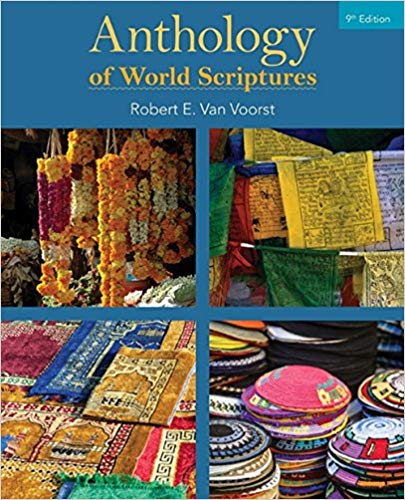
Anthology of World Scriptures 9th Edition by Robert E. Van Voorst - Test Bank

Anthology of World Scriptures 9th Edition by Robert E. Van Voorst - Test Bank   Instant Download - Complete Test Bank With Answers     Sample Questions Are Posted Below   Chapter 5   TRUE/FALSE   The chaur is a type of whisk.   ANS:  T                    PTS:   1                    REF:   p. 127 / sec. Introduction   …

$19.99

Anthology of World Scriptures 9th Edition by Robert E. Van Voorst – Test Bank


Instant Download – Complete Test Bank With Answers


Sample Questions Are Posted Below


Chapter 5


TRUE/FALSE


  1. The chaur is a type of whisk.


ANS:  T                    PTS:   1                    REF:   p. 127 / sec. Introduction


  1. Vak lao is “taking God’s word.”


ANS:  T                    PTS:   1                    REF:   p. 127 / sec. Introduction


  1. The main language of the Adi Granth is Hindi.


ANS:  F                    PTS:   1                    REF:   p. 126 / sec. Introduction


  1. Guru Nanak embraced the authority of the written word.


ANS:  F                    PTS:   1                    REF:   p. 127 / sec. Introduction


  1. Guru Nanak rejected meditation.


ANS:  F                    PTS:   1                    REF:   p. 127 / sec. Introduction


  1. The Japji plays an important role in Sikh daily life.


ANS:  T                    PTS:   1                    REF:   p. 128 / sec. Introduction


  1. The Japji ends with the Mul.


ANS:  F                    PTS:   1                    REF:   p. 128 / sec. Introduction


  1. Gobind Singh was the first Sikh guru.


ANS:  F                    PTS:   1                    REF:   p. 128 / sec. Introduction


  1. Gobind Singh held that all men are one.


ANS:  T                    PTS:   1                    REF:   p. 128 / sec. Introduction


  1. The Mul Mantar is a confession of sins.


ANS:  F                    PTS:   1                    REF:   p. 128 / sec. Introduction


  1. Devout Sikhs memorize large portions of the Adi Granth.


ANS:  T                    PTS:   1                    REF:   p. 128 / sec. Introduction


  1. Nanak died in 1539.


ANS:  T                    PTS:   1                    REF:   p. 127 / sec. Introduction


  1. Brahma is a Hindu god.


ANS:  T                    PTS:   1                    REF:   p. 129 / sec. 5-1a


  1. Sikhs believe that remembering God does not remove death.


ANS:  F                    PTS:   1                    REF:   p. 132 / sec. 5-1b


  1. Sikhs believe that by remembering God their enemies retreat.


ANS:  T                    PTS:   1                    REF:   p. 132 / sec. 5-1b


MULTIPLE CHOICE


  1. The Golden Temple of Amritsar is in
a. India c. Iraq
b. Pakistan d. Germany


ANS:  A                    PTS:   1                    REF:   p. 125 / sec. Introduction


  1. The size of the Adi Granth suggests its
a. Value c. Length
b. Weight d. Importance


ANS:  D                    PTS:   1                    REF:   p. 127 / sec. Introduction


  1. The home of Sikhism is in the
a. Punjab region c. City of Channai
b. Ganges valley d. City of Bombay


ANS:  A                    PTS:   1                    REF:   p. 125 / sec. Introduction


  1. Sikh gurus call themselves
a. Nanu c. Nanak
b. Nancy d. Nanas


ANS:  C                    PTS:   1                    REF:   p. 125 / sec. Introduction


  1. The numbered use of the term Mahala identifies
a. Sikh martyrs c. Sikh enemies
b. Sikh authors d. Sikh books


ANS:  B                    PTS:   1                    REF:   p. 125 / sec. Introduction


  1. There are thirty-nine
a. Mahalas c. Nanas
b. Gurus d. Ragas


ANS:  D                    PTS:   1                    REF:   p. 125 / sec. Introduction


  1. Sikhism argues for what as the chief basis of religion?
a. Ritual c. Moral Purity
b. Formalism d. Physical Purity


ANS:  C                    PTS:   1                    REF:   p. 126 / sec. Introduction


  1. After Guru Nanak, who is the most important Guru to most Sikhs?
a. Tegh Bahadur c. Arjan
b. Anand d. Gobind Singh


ANS:  C                    PTS:   1                    REF:   p. 128 / sec. Introduction


  1. How many gurus are there for Sikhs?
a. 6 c. 12
b. 10 d. 24


ANS:  B                    PTS:   1                    REF:   p. 128 / sec. Introduction


  1. What is the Sikh Temple a shrine for?
a. Sikh relics c. Sikh ritual oils
b. The Adi Granth d. Sikh icons


ANS:  B                    PTS:   1                    REF:   p. 127 / sec. Introduction


  1. The Adi Granth is known both as the first and also as the _____ book.
a. Last c. Original
b. Final d. Initial


ANS:  C                    PTS:   1                    REF:   p. 125 / sec. Introduction


  1. Ragas are
a. Stories c. Litanies
b. Tunes d. Poems


ANS:  B                    PTS:   1                    REF:   p. 125 / sec. Introduction


  1. How many Sikhs are there around the world?
a. Around 6 million c. Around 23 million
b. Around 19 million d. Around 35 million


ANS:  C                    PTS:   1                    REF:   p.125 / sec. Introduction


  1. How many pages are in the Adi Granth?
a. 1,230 c. 12,430
b. 1,430 d. 12,120


ANS:  B                    PTS:   1                    REF:   p. 125 / sec. Introduction


  1. The anthology of the most important passages from the Adi Granth is called a
a. Dharma c. Chaur
b. Sutra d. Gutka


ANS:  D                    PTS:   1                    REF:   p. 127 / sec. Introduction


COMPLETION


  1. In Indian devotional poetry, the ______ name is mentioned often.


ANS:  author’s


PTS:   1                    REF:   p. 128 / sec. 5-1a


  1. Shiva and Indra are _______ gods.


ANS:  Hindu


PTS:   1                    REF:   p. 129 / sec. 5-1a


  1. The real nature of the Vedas is held by Sikhs to be found in ______.


ANS:  Sikhism


PTS:   1                    REF:   p. 129 / sec. 5-1a


  1. Pandits are learned ______.


ANS:  Brahmins


PTS:   1                    REF:   p. 130 / sec. 5-1a


  1. The Qazis are Islamic ______.


ANS:  judges


PTS:   1                    REF:   p. 130 / sec. 5-1a


  1. Sikhs are urged to touch the ______ of these people out of respect.


ANS:  feet


PTS:   1                    REF:   p. 132 / sec. 5-1b


  1. In Sikhism, ______ is not the opposite of forgetting.


ANS:  remembering


PTS:   1                    REF:   p. 131 / sec. 5-1b


  1. Guru ______ rejected Hindu ritual practices.


ANS:  Nanak


PTS:   1                    REF:   p. 133 / sec. 5-1d


  1. Sikhs reject the Hindu sacred ______ tied on the body.


ANS:  string/thread


PTS:   1                    REF:   p. 133 / sec. 5-1d


  1. A full Hindu is a ______ – born Hindu.


ANS:  Twice


PTS:   1                    REF:   p. 133 / sec. 5-1d


  1. ______ marriages involve an astrological prediction, which Sikhs reject


ANS:  Hindu


PTS:   1                    REF:   p. 134 / sec. 5-1d


  1. Sikhs are taught to pray for forgiveness for their greedy attachment to ________.


ANS:  money / possessions


PTS:   1                    REF:   p. 134 / sec. 5-2a


  1. Sikhs hold that wine is ______.


ANS:  lust


PTS:   1                    REF:   p. 135 / sec. 5-2b


  1. The Dasam Granth taught that God can be described as a holy ______.


ANS:  sword


PTS:   1                    REF:   p. 140 / sec. 5-5b


  1. The Dasam Granth tells the story of Guru ______.


ANS:  Gobind Singh


PTS:   1                    REF:   p. 138 / sec. 5-5a


ESSAY


  1. What is the relationship between Sikhism and Hinduism?


ANS:

Answers may vary.


PTS:   1                    REF:   p. 125 / sec. Introduction


  1. What is the relationship between Sikhism and Islam?


ANS:

Answers may vary.


PTS:   1                    REF:   p. 125 / sec. Introduction


  1. How, does the Adi Granth reject Hindu and Muslim practices by reinterpreting them for Sikhs?  Give some examples.


ANS:

Answers may vary.


PTS:   1                    REF:   n/a


  1. What is the Sikh view of money? In answering this question, you should draw on both the Sikh view of treasures and also the prayer by Guru Arjan.


ANS:

Answers may vary.


PTS:   1                    REF:   p. 134 / sec. 5-2a


  1. What are the origins of the Adi Granth?


ANS:

Answers may vary.


PTS:   1                    REF:   p. 127 / sec. Introduction


  1. Explain in your own words what “remembering God” means for Sikhs.


ANS:

Answers may vary.


PTS:   1                    REF:   p. 131 / sec. 5-1b

Additional information

Add Review

Your email address will not be published. Required fields are marked *