Subtotal: $769.83

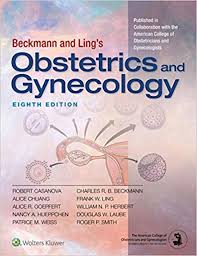
Beckmann and Ling's Obstetrics and Gynecology Nursing 8th Edition - Test Bank

Beckmann and Ling's Obstetrics and Gynecology Nursing 8th Edition - Test Bank   Instant Download - Complete Test Bank With Answers     Sample Questions Are Posted Below   Chapter 1: Women’s Health Examination and Women’s Health Care Management 1: Elevating the head of the examining table approximately 30 degrees facilitates a: the observation of …

$19.99

Beckmann and Ling’s Obstetrics and Gynecology Nursing 8th Edition – Test Bank


Instant Download – Complete Test Bank With Answers


Sample Questions Are Posted Below


Chapter 1: Women’s Health Examination and Women’s Health Care

Management

1:

Elevating the head of the examining table approximately 30 degrees facilitates

a:

the observation of the patient’s responses

b:

the ability of the patient to comfortably look around to distract her from the examination

c:

the contraction of the abdominal wall muscle groups, making the examination easier

d:

comfortable blood pressure measurement

e:

the physician not being distracted by eye contact with the patient

2:

Which of the following uterine positions is most associated with dyspareunia?

a:

Midposition, retroflexed

b:


Retroverted, anteflexed

c:

Anteverted, anteflexed

d:

Retroverted, retroflexed

e:

Midpostion, anteflexed

3:

Inquiry concerning adult and child history of sexual abuse should be included in the sexual history

a:

if time permits

b:

in visits where there are suspicious physical findings but not otherwise

c:

in visits where sufficient time is allotted

d:

in all new patient visits

e:

in visits where a specific indication is noted

4:

Peau d’orange change in the breast is associated with

a:

edema of the lymphatics

b:

jaundice


c:

too vigorous breastfeeding

d:

overly tight undergarments

e:

galactorrhea

5:

Which kind of speculum is often most suitable for examination of the nulliparous patient?

a:

Morgan’s speculum

b:

Endoscopic speculum

c:

Ling speculum

d:

Graves speculum

e:

Pederson speculum

6:

Which uterine configuration is most difficult to assess for size, shape, configuration, and mobility?

a:

Midposition

b:

Anteverted

c:


There is no difference in difficulty

d:

Retroverted

7:

Which type of speculum is most appropriate for the examination of a parous menstrual woman?

a:

Ling speculum

b:

Graves speculum

c:

Pederson speculum

d:

Endoscopic speculum

e:

Morgan’s speculum

8:

Menopause is defined as the cessation of menses for greater than

a:

9 months

b:

36 months

c:

12 months

d:

18 months


e:

24 months

9:

In a woman describing sufficiently frequent sexual encounters, infertility typically is described as a

failure to conceive after

a:

3 months

b:

9 months

c:

12 months

d:

18 months

e:

6 months

10:

During bimanual examination of the adnexa in normal premenopausal women, the ovaries are palpable

a:

all the time

b:

almost never

c:

about one-half of the time

d:

about thee-quarters/most of the time


e:

about one-quarter of the time

11:

If a patient becomes uncomfortable with a topic during a history-taking session, the best response of the

physician is to

a:

address the patient’s discomfort in a positive and supportive manner

b:

discontinue discussion of the topic to avoid further patient discomfort

c:

discontinue discussion to avoid damage to the patient-physician relationship

d:

continue after making a joke to relieve tension

e:

ignore the discomfort and proceed with questioning

12:

Which of the following statements about the steps in the breast examination is correct?

a:

Palpation is done first

b:

Palpation and inspection are done simultaneously

c:

Palpation is only done if inspection is abnormal

d:

Palpation may be done with detailed inspection if a woman is especially modest


e:

Inspection is done first

13:

Questions that promote the physician’s fullest understanding of the patient’s situation are best

characterized as

a:

compassionate

b:

chronological

c:

sympathetic

d:

emphatic

e:

evidence based

14:

The last menstrual period is dated from the

a:

first day of the last normal period

b:

last day of the last normal period

c:

first day of the last bleeding episode

d:

last day of the last bleeding episode


15:

The passage of clots during menstruation

a:

is always abnormal

b:

may be either normal or abnormal

c:

is always normal

d:

is extremely rare

16:

In the abbreviation of the obstetric history-G[1] P[2] [3] [4] [5]-“1” stands for the number of

a:

living children

b:

pregnancies

c:

term pregnancies

d:

preterm pregnancies

e:

abortions

17:

In the abbreviation of the obstetric history-G[1] P[2] [3] [4] [5]-“2” stands for the number of


a:

living children

b:

pregnancies

c:

term pregnancies

d:

preterm pregnancies

e:

abortions

18:

In the abbreviation of the obstetric history-G[1] P[2] [3] [4] [5]-“3” stands for the number of

a:

living children

b:

pregnancies

c:

term pregnancies

d:

preterm pregnancies

e:

abortions

19:

In the abbreviation of the obstetric history-G[1] P[2] [3] [4] [5]-“4” stands for the number of


a:

living children

b:

pregnancies

c:

term pregnancies

d:

preterm pregnancies

e:

abortions

20:

In the abbreviation of the obstetric history-G[1] P[2] [3] [4] [5]-“5” stands for the number of

a:

living children

b:

pregnancies

c:

term pregnancies

d:

preterm pregnancies

e:

abortions

21:

Tanner’s classification with respect to the breast relates to changes in the breast

a:


before and after lactation

b:

associated with malignancy

c:

associated with maturation

d:

associated with galactorrhea

e:

associated with fibrocystic changes

22:

The rectovaginal examination should be performed

a:

after 52 years of age

b:

at the initial patient visit

c:

only for the evaluation of chronic pelvic pain

d:

only when there are symptoms of pelvic relaxation

e:

at intervals of 5 years

23:

In the gynecologic history, it is often possible to distinguish between vaginitis and pelvic inflammatory

disease by inquiring about

a:


the duration of the pain

b:

the symptoms present (fever/chills, itching)

c:

the timing of pain in relation to menses

d:

the association of pain with body position

e:

the use of topical medications

24:

The most common reason for failure to visualize the cervix during the speculum examination is

a:

failure to use lubricant

b:

a full bladder

c:

failure to fully insert the speculum

d:

use of a speculum that has not been warmed

e:

use of the wrong speculum

25:

Prehypertension is defined as a blood pressure range of

a:

80-90/120-139


b:

90-100/120-139

c:

80-90/110-129

d:

70-80/110-129

e:

70-80/120-139


Beckmann and Ling’s Obstetrics and Gynecology / Edition 8/ 8th edition
TESTBANK
Chapter 1: Women’s Health Examination and Women’s Health Care
Management
ANS: 1-25. [A, D, D, A, E, D, B, C,C,C,A,E,D,A,B,B,C,D,E,A,C,B,E,C,A]

Additional information

Add Review

Your email address will not be published. Required fields are marked *