No products in the cart.

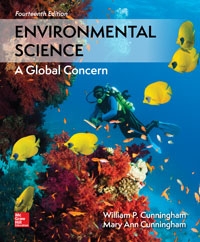
Environmental Science 14Th edition By William - Test Bank

Environmental Science 14Th edition By William - Test Bank   Instant Download - Complete Test Bank With Answers     Sample Questions Are Posted Below   Chapter 05 Test Bank: Biomes: Global Patterns of Life Key 1. Biomes exhibit __________ patterns in habitat characteristics. latitudinal B. longitudinal C. seasonal Accessibility: Keyboard Navigation Bloom's: 1. Remember …

$19.99

Environmental Science 14Th edition By William – Test Bank


Instant Download – Complete Test Bank With Answers


Sample Questions Are Posted Below


Chapter 05 Test Bank: Biomes: Global Patterns of Life Key

  1. 1. Biomes exhibit __________ patterns in habitat characteristics.
  2. latitudinal
    B. longitudinal
    C. seasonal

Accessibility: Keyboard Navigation
Bloom’s: 1. Remember
Chapter: 05
Gradable: automatic
Section: 05.01
Topic: Biomes

  1. The most important factor in determining the type of biome to develop in a given area of those listed is
  2. soil type.
    B. amount of sunlight.
    C. precipitation.
    D. glaciation patterns.

Accessibility: Keyboard Navigation
Bloom’s: 1. Remember
Chapter: 05
Gradable: automatic
Section: 05.01
Topic: Biomes

  1. Grasslands typically lack trees because seedlings have difficulty surviving the
  2. frequent occurrence of fire.
    B. high temperatures.
    C. changing soils.
    D. temperate environment.

Accessibility: Keyboard Navigation
Bloom’s: 1. Remember
Chapter: 05
Gradable: automatic
Section: 05.01
Topic: Biomes

  1. The boreal forest is
  2. dominated by coniferous trees.
    B. located where soils are typically dry.
    C. found in warm but not hot areas.
    D. characterized by tolerating a wide variety of temperatures and precipitation.

Accessibility: Keyboard Navigation
Bloom’s: 1. Remember
Chapter: 05
Gradable: automatic
Section: 05.01
Topic: Biomes

  1. Conifers are associated with all but
  2. boreal forest.
    B. temperate rain forest.
    C. taiga.
    D. tundra.

Accessibility: Keyboard Navigation
Bloom’s: 1. Remember
Chapter: 05
Gradable: automatic
Section: 05.01
Topic: Biomes

  1. Estuaries are characterized as being
  2. low in productivity.
    B. completely freshwater.
    C. important nurseries for many fish and other animal species.
    D. no longer important for fisheries.

Accessibility: Keyboard Navigation
Bloom’s: 1. Remember
Chapter: 05
Gradable: automatic
Section: 05.02
Topic: Marine Ecosystems

  1. The category of wetland that always contains trees is the
  2. marsh.
    B. bog.
    C. swamp.
    D. fen.

Accessibility: Keyboard Navigation
Bloom’s: 1. Remember
Chapter: 05
Gradable: automatic
Section: 05.03
Topic: Freshwater Ecosystems

  1. Unlike terrestrial communities, aquatic communities are rarely determined by the physical characteristics of the environment (other than the water itself).

FALSE

Accessibility: Keyboard Navigation
Bloom’s: 1. Remember
Chapter: 05
Gradable: automatic
Section: 05.03
Topic: Freshwater Ecosystems

  1. The sharp boundary between a lake’s warmer epilimnion and cooler hypolimnion is called the benthos.

FALSE

Accessibility: Keyboard Navigation
Bloom’s: 1. Remember
Chapter: 05
Gradable: automatic
Section: 05.03
Topic: Freshwater Ecosystems

  1. The temperate broad-leaved forest has become the most supportive of human occupation of any major biome.

TRUE

Accessibility: Keyboard Navigation
Bloom’s: 1. Remember
Chapter: 05
Gradable: automatic
Section: 05.04
Topic: Biomes

  1. Ecologically, barrier islands are not good places for development.

TRUE

Accessibility: Keyboard Navigation
Bloom’s: 1. Remember
Chapter: 05
Gradable: automatic
Section: 05.02
Topic: Marine Ecosystems

  1. Vertical zonation refers to
  2. the height of the forest canopy.
    B. the longitude of a given biome.
    C. vegetation zones defined by elevation.
    D. the latitude of a given biome.

Accessibility: Keyboard Navigation
Bloom’s: 1. Remember
Chapter: 05
Gradable: automatic
Section: 05.01
Topic: Biomes

  1. The deciduous forest with the highest present-day deforestation rate is located in
  2. eastern Siberia.
    B. the northern United States.
    C. western Europe.
    D. southern China.

Accessibility: Keyboard Navigation
Bloom’s: 1. Remember
Chapter: 05
Gradable: automatic
Section: 05.04
Topic: Biomes

  1. Soils in tropical rainforests are
  2. thin.
    B. nutrient poor.
    C. nutrient rich.
    D. thin and nutrient poor.
    E. thin and nutrient rich.

Accessibility: Keyboard Navigation
Bloom’s: 1. Remember
Chapter: 05
Gradable: automatic
Section: 05.01
Topic: Biomes

  1. Temperate grasslands are
  2. characterized by very rich soils.
    B. often converted to farmland.
    C. generally a mixture of grasses and forbs.
    D. characterized by very rich soils and often converted to farmland.
    E. characterized by very rich soils, often converted to farmland, and generally a mixture of grasses and forbs.

Accessibility: Keyboard Navigation
Bloom’s: 1. Remember
Chapter: 05
Gradable: automatic
Section: 05.01
Topic: Biomes

  1. Chaparral is
  2. a type of drought-adapted shrub-land.
    B. found only in the tropics.
    C. characterized by moderate rain and snow.
    D. characterized by a dry season that corresponds with cool temperatures.

Accessibility: Keyboard Navigation
Bloom’s: 1. Remember
Chapter: 05
Gradable: automatic
Section: 05.01
Topic: Biomes

  1. Rainforests
  2. are only found in the tropical latitudes.
    B. can be either temperate or tropical.

Accessibility: Keyboard Navigation
Bloom’s: 1. Remember
Chapter: 05
Gradable: automatic
Section: 05.01
Topic: Biomes

  1. Wetlands are important to conservation efforts because
  2. they support rich biodiversity.
    B. they retain storm water.
    C. they are essential to bird diversity.
    D. they support rich biodiversity and retain storm water.
    E. they support rich biodiversity, retain storm water, and are essential to bird diversity.

Accessibility: Keyboard Navigation
Bloom’s: 1. Remember
Chapter: 05
Gradable: automatic
Section: 05.03
Topic: Freshwater Ecosystems

  1. A biome is described by:
  2. A specified bioregion
    B. Broadly similar environmental conditions
    C. A watershed divide, generally
    D. Geographic location
    E. Large landforms in the area

Accessibility: Keyboard Navigation
Bloom’s: 1. Remember
Chapter: 05
Gradable: automatic
Section: 05.01
Topic: Biomes

  1. Location of specific biomes can be predicted based on:
  2. The coriolis effect
    B. The second law of thermodynamics
    C. Precipitation and temperature
    D. Seasonal variations in sunspots
    E. Large landforms in the area

Accessibility: Keyboard Navigation
Bloom’s: 1. Remember
Chapter: 05
Gradable: automatic
Section: 05.01
Topic: Biomes

Diagram

Accessibility: Keyboard Navigation
Chapter: 05

  1. In the graph of precipitation and temperature, desert biomes would fall in the area marked by the letter:
  2. A
    B. B
    C. C
    D. D
    E. E

Accessibility: Keyboard Navigation
Bloom’s: 3. Apply
Chapter: 05
Gradable: automatic
Section: 05.01
Topic: Biomes

  1. In the graph of precipitation and temperature, temperate forest biomes would fall in the area marked by the letter:
  2. A
    B. B
    C. C
    D. D
    E. E

Accessibility: Keyboard Navigation
Bloom’s: 3. Apply
Chapter: 05
Gradable: automatic
Section: 05.01
Topic: Biomes

  1. Neo and Trinity are in a biome that has relatively stable temperatures and abundant rainfall. They have a graph of precipitation and temperature similar to the one shown. Which letter marks the biome they are located in?
  2. A
    B. B
    C. C
    D. D
    E. E

Accessibility: Keyboard Navigation
Bloom’s: 3. Apply
Chapter: 05
Gradable: automatic
Section: 05.01
Topic: Biomes

  1. In the graph of precipitation and temperature, the area marked A has a:


rev: 02_17_2015_QC_CS-7355

  1. Wide precipitation range and narrow temperature range
    B. Narrow precipitation and temperature range
    C. Wide precipitation and temperature range
    D. Wide temperature range and narrow precipitation range
    E. Varying temperature and narrow precipitation range

Accessibility: Keyboard Navigation
Bloom’s: 3. Apply
Chapter: 05
Gradable: automatic
Section: 05.01
Topic: Biomes

  1. In the graph of precipitation and temperature, the area marked D has a


rev: 02_25_2015_QC_CS-7355

  1. Wide precipitation range and narrow temperature range
    B. Narrow precipitation and temperature range
    C. Wide precipitation and temperature range
    D. Wide temperature range and narrow precipitation range
    E. None of the choices is correct

Accessibility: Keyboard Navigation
Bloom’s: 3. Apply
Chapter: 05
Gradable: automatic
Section: 05.01
Topic: Biomes

  1. Cloud forests are found in the ________ areas in tropical regions.
  2. Hot coastal
    B. Cool mountainous
    C. Cool plains
    D. Low elevation
    E. Valley

Accessibility: Keyboard Navigation
Bloom’s: 1. Remember
Chapter: 05
Gradable: automatic
Section: 05.01
Topic: Biomes

  1. Neo finds himself sweating in a moist forest but there aren’t many streams or wetlands. He is amazed by the tremendous amount of biodiversity including an abundance of biting mosquitoes. Has he inadvertently gotten closer to his goal of finding a boreal forest?
  2. Yes
    B. No, the description is that of a tropical seasonal forest
    C. No, the description is that of a temperate deciduous forest
    D. No, the description is that of a tropical rainforest
    E. No, the description is that of a temperate rainforest

Accessibility: Keyboard Navigation
Bloom’s: 3. Apply
Chapter: 05
Gradable: automatic
Section: 05.01
Topic: Biomes

  1. A biome absent from Europe is the:
  2. Temperate deciduous forest
    B. Alpine tundra
    C. Desert
    D. Tropical rainforest
    E. Temperate rainforest

Accessibility: Keyboard Navigation
Bloom’s: 3. Apply
Chapter: 05
Gradable: automatic
Section: 05.01
Topic: Biomes

  1. Which of the following is an example of a specialization that plants in the desert may have?
  2. Storing water in stems or roots
    B. Reducing water loss with thick epidermal layers
    C. Salt tolerance
    D. All of these are adaptations of plants living in desert conditions

Accessibility: Keyboard Navigation
Bloom’s: 1. Remember
Chapter: 05
Gradable: automatic
Section: 05.01
Topic: Biomes

  1. Deserts are characterized by
  2. An absence of vegetation
    B. Sand dunes, which cause plants to grow only with difficulty
    C. Low levels of measurable precipitation
    D. Their location at 30° latitude
    E. Sand or gravel

Accessibility: Keyboard Navigation
Bloom’s: 1. Remember
Chapter: 05
Gradable: automatic
Section: 05.01
Topic: Biomes

  1. Humid tropical forests have extraordinary biological diversity
  2. Because of the very fertile tropical soils
    B. Because rainfall dissolves soil nutrients and makes them available to plants
    C. Despite a complete absence of nutrients in the environment
    D. Despite the poor, weathered soils

Accessibility: Keyboard Navigation
Bloom’s: 2. Understand
Chapter: 05
Gradable: automatic
Section: 05.01
Topic: Biomes

  1. Tropical seasonal forests are specially adapted to tolerate
  2. Annual cycles of extreme heat and extreme cold
    B. Years of drought followed by years of rain
    C. Annual cycles of severe drought and heavy rain
    D. Extreme drought and cold at the same time
    E. Extreme heat

Accessibility: Keyboard Navigation
Bloom’s: 1. Remember
Chapter: 05
Gradable: automatic
Section: 05.01
Topic: Biomes

  1. In contrast with the ______________, the soil of the ______________ is more nutrient-rich and this type of biome has fewer insects, parasites, and fungal diseases. Therefore, in many places, these areas are highly endangered.
  2. Temperate grasslands; tropical seasonal forest
    B. Tropical rainforest; tropical seasonal forest
    C. Grasslands; boreal forests
    D. Tropical seasonal forest; tropical rainforest
    E. Boreal forests; tundra

Accessibility: Keyboard Navigation
Bloom’s: 2. Understand
Chapter: 05
Gradable: automatic
Section: 05.01
Topic: Biomes

  1. You are in an area that is relatively hot. You bend down and notice that there are tracks in the soil that are very old. Since you know that this area is easily destroyed by human activity and the harsh climate slows recovery from human damage, you conclude that this biome is
  2. A tropical dry forest
    B. A desert
    C. Tundra
    D. A grassland
    E. A wetland

Accessibility: Keyboard Navigation
Bloom’s: 2. Understand
Chapter: 05
Gradable: automatic
Section: 05.01
Topic: Biomes

  1. What is unique about the Mediterranean climate area biome?
  2. It is a highly desirable place to live
    B. It is only found in the Mediterranean area
    C. It has very poor soil but supports an extremely diverse array of species
    D. It has a large total area
    E. It contains a high number of unique species

Accessibility: Keyboard Navigation
Bloom’s: 2. Understand
Chapter: 05
Gradable: automatic
Section: 05.01
Topic: Biomes

  1. The word “conifer” distinguishes plants that are
  2. Needle-bearing
    B. Cone-bearing
    C. Evergreen
    D. Cone-shaped
    E. Found in northern latitudes

Accessibility: Keyboard Navigation
Bloom’s: 1. Remember
Chapter: 05
Gradable: automatic
Section: 05.01
Topic: Biomes

  1. Morpheus, Trinity, and Neo are on the wet western coast of North America and as they look around, they see lots of mosses, lichens, and ferns covering the tree branches. Condensation from fog on the leaves is a major form of precipitation. Where are they?
  2. Temperate rainforest
    B. Boreal forest
    C. Tropical rainforest
    D. Southern pine forest
    E. Tropical savannah

Accessibility: Keyboard Navigation
Bloom’s: 2. Understand
Chapter: 05
Gradable: automatic
Section: 05.01
Topic: Biomes

  1. Deciduous forests
  2. Are adapted to extremely cold climates
    B. Have trees that bear seeds in cones
    C. Have trees that shed their leaves seasonally
    D. Are not useful commercially

Accessibility: Keyboard Navigation
Bloom’s: 1. Remember
Chapter: 05
Gradable: automatic
Section: 05.01
Topic: Biomes

  1. Many people in the United States take trips in the spring to see annual flowers that grow and flower before they are shaded by canopy. Where are these people going?
  2. Deserts after winter rain showers
    B. Prairies or grasslands
    C. Tropical rainforests
    D. Temperate deciduous forests
    E. Boreal forests

Accessibility: Keyboard Navigation
Bloom’s: 1. Remember
Chapter: 05
Gradable: automatic
Section: 05.01
Topic: Biomes

  1. Having needle-shaped leaves benefits plants because needles
  2. Reduce water loss and endure cold winters
    B. Are more efficient at photosynthesis because they are dark green
    C. Help evaporate water more efficiently
    D. Do not rot in the excessive rainfall that characterizes coniferous forests
    E. Are less resistant to strong winds

Accessibility: Keyboard Navigation
Bloom’s: 1. Remember
Chapter: 05
Gradable: automatic
Section: 05.01
Topic: Biomes

  1. Trinity and Neo are in an area that has many lakes and bogs. The majority of the trees are coniferous. As they look around, they also see deciduous trees, including birches, aspens, and maples. What type of forest are they in?
  2. Temperate rainforest
    B. Boreal forest
    C. Tropical rainforest
    D. Southern pine forest
    E. Coastal forest

Accessibility: Keyboard Navigation
Bloom’s: 2. Understand
Chapter: 05
Gradable: automatic
Section: 05.01
Topic: Biomes

  1. Boreal forests are generally
  2. Cold and dry, with extensive barren areas
    B. Warm and humid, with large rivers
    C. Dry because water is frozen most of the year
    D. Slow-growing because of the cold temperatures
    E. Soggy in the summer because of permafrost

Accessibility: Keyboard Navigation
Bloom’s: 1. Remember
Chapter: 05
Gradable: automatic
Section: 05.01
Topic: Biomes

  1. In what continent would you find a polar desert?
  2. Antarctica
    B. Africa
    C. South America
    D. Australia

Accessibility: Keyboard Navigation
Bloom’s: 3. Apply
Chapter: 05
Gradable: automatic
Section: 05.01
Topic: Biomes

  1. Vertical zonation shows that not only do different biomes occur at different latitudes, but also at different ______________.
  2. altitudes
    B. seasons
    C. right ascensions and declinations
    D. longitudes

Accessibility: Keyboard Navigation
Bloom’s: 2. Understand
Chapter: 05
Gradable: automatic
Section: 05.01
Topic: Biomes

  1. Tree growth in the taiga is limited by
  2. The increased soil salt content from ocean tides
    B. Intense heat and dryness
    C. Competition from fast-growing grasses
    D. The lack of large predators
    E. Extreme cold and short summers

Accessibility: Keyboard Navigation
Bloom’s: 1. Remember
Chapter: 05
Gradable: automatic
Section: 05.01
Topic: Biomes

  1. Tundra biomes occur
  2. At high latitudes, where temperatures are low
    B. Where rainfall is too great for tree growth
    C. Only at high latitudes
    D. Almost exclusively on Antarctica
    E. At high latitudes and altitudes, where the growing season is short

Accessibility: Keyboard Navigation
Bloom’s: 1. Remember
Chapter: 05
Gradable: automatic
Section: 05.01
Topic: Biomes

  1. Morpheus has been led into a wilderness environment and left to fend for himself for the summer. Luckily, he has a good coat because it looks like there may be a frost during the night and the mosquitoes are everywhere. As he looks around, he is relieved because he recognizes some of the plants. There are some mosses, lichens, small shrubs, sedges, and grasses. Which biome is he in?
  2. Tropical rainforest
    B. Wetland
    C. Temperate rainforest
    D. Tundra
    E. Coastal area

Accessibility: Keyboard Navigation
Bloom’s: 2. Understand
Chapter: 05
Gradable: automatic
Section: 05.01
Topic: Biomes

  1. The biome type that has a short growing season and is summer feeding and breeding grounds for caribou and musk-ox is the
  2. Temperate grassland
    B. Bog or fen
    C. Boreal forest
    D. Arctic tundra
    E. Arctic desert

Accessibility: Keyboard Navigation
Bloom’s: 1. Remember
Chapter: 05
Gradable: automatic
Section: 05.01
Topic: Biomes

  1. Coral reefs form in
  2. Deep, warm tropical seas
    B. Cold polar seas
    C. Warm, clear tropical seas
    D. Deep, cold oceans off continental shelves
    E. Nutrient-rich coastal areas

Accessibility: Keyboard Navigation
Bloom’s: 1. Remember
Chapter: 05
Gradable: automatic
Section: 05.02
Topic: Biomes

  1. Mangrove trees are found along ________________ shorelines.
  2. Tropical freshwater
    B. Tropical saltwater
    C. Temperate freshwater
    D. Temperate saltwater
    E. Tropical and temperate saltwater

Accessibility: Keyboard Navigation
Bloom’s: 1. Remember
Chapter: 05
Gradable: automatic
Section: 05.02
Topic: Biomes

  1. Why are the North Atlantic, North Pacific, and Antarctic waters the most productive?
  2. Phytoplankton grow there because they do not like direct sunlight.
    B. Cold water holds the most dissolved oxygen and can therefore support greater numbers of phytoplankton.
    C. The melt waters of the nearby ice have nutrients that are released in high quantities, fertilizing the phytoplankton.
    D. Those waters are the most violently mixed, bringing up nutrients from the depths of the ocean.

Accessibility: Keyboard Navigation
Bloom’s: 2. Understand
Chapter: 05
Gradable: automatic
Section: 05.02
Topic: Biomes

  1. _________ is the basis of marine food webs.
  2. Coral
    B. Minnows
    C. Sea grass
    D. Phytoplankton

Accessibility: Keyboard Navigation
Bloom’s: 1. Remember
Chapter: 05
Gradable: automatic
Section: 05.02
Topic: Biomes

  1. _____________ is where fresh water mixes with ocean water.
  2. An estuary
    B. A swamp
    C. A mangrove forest
    D. A delta

Accessibility: Keyboard Navigation
Bloom’s: 1. Remember
Chapter: 05
Gradable: automatic
Section: 05.02
Topic: Biomes

  1. Which of the following protects mainland shores from the force of waves?
  2. Wetlands
    B. Barrier islands
    C. Coral islands
    D. Estuaries
    E. Volcanic islands

Accessibility: Keyboard Navigation
Bloom’s: 2. Understand
Chapter: 05
Gradable: automatic
Section: 05.02
Topic: Biomes

  1. If an organism is described as ‘benthic,” where does it reside?
  2. In a cave
    B. At the bottom of the ocean or a lake
    C. At the bottom of a lake only
    D. At the bottom of the ocean only

Accessibility: Keyboard Navigation
Bloom’s: 2. Understand
Chapter: 05
Gradable: automatic
Section: 05.02
Section: 05.03
Topic: Biomes

  1. Coral bleaching occurs when ___________.
  2. when ocean temperatures are too cool.
    B. during low tide when coral is exposed to the air.
    C. ocean temperatures are too warm.
    D. when too much sunlight is shining on the coral.

Accessibility: Keyboard Navigation
Bloom’s: 1. Remember
Chapter: 05
Gradable: automatic
Section: 05.02
Topic: Biomes

  1. What marine ecosystem is most similar to a tropical rainforest in terms of diversity?
  2. Estuary
    B. Littoral zone
    C. Pelagic zone
    D. Coral reef

Accessibility: Keyboard Navigation
Bloom’s: 2. Understand
Chapter: 05
Gradable: automatic
Section: 05.02
Topic: Biomes

  1. Barrier islands are formed of
  2. Wind- and wave-deposited sand
    B. Volcanic debris
    C. Silt and mud left by estuaries
    D. Coral deposits
    E. Coral reef formations

Accessibility: Keyboard Navigation
Bloom’s: 2. Understand
Chapter: 05
Gradable: automatic
Section: 05.02
Topic: Biomes

  1. Freshwater ecosystems
  2. Lack oxygen
    B. Lack carbon dioxide
    C. Include lakes, marshes, bogs, and fens
    D. Do not contain thermoclines
    E. Are not affected by nutrient availability

Accessibility: Keyboard Navigation
Bloom’s: 1. Remember
Chapter: 05
Gradable: automatic
Section: 05.03
Topic: Biomes

Diagram

Accessibility: Keyboard Navigation
Chapter: 05

  1. What environmental factor does not change between “b” and “e” in the diagram?
  2. Light penetration
    B. Temperature
    C. Nutrient availability
    D. Oxygen content
    E. All of these change between “b” and “e.”

Accessibility: Keyboard Navigation
Bloom’s: 3. Apply
Chapter: 05
Gradable: automatic
Section: 05.03
Topic: Biomes

  1. Oxygen levels are lowest in what section in the diagram?
  2. A
    B. B
    C. C
    D. D
    E. E

Accessibility: Keyboard Navigation
Bloom’s: 2. Understand
Chapter: 05
Gradable: automatic
Section: 05.03
Topic: Biomes

  1. What aquatic ecosystem phenomenon is illustrated in the diagram?
  2. Nutrient inputs from upstream and uphill
    B. Vertical stratification
    C. Nutrient cycling
    D. Internal convective currents
    E. Horizontal stratification

Accessibility: Keyboard Navigation
Bloom’s: 2. Understand
Chapter: 05
Gradable: automatic
Section: 05.03
Topic: Biomes

  1. The thermocline is the layer in a lake at which
  2. Pollutants are trapped and held
    B. Seasonal lake mixing occurs
    C. The warm upper zone meets the cold lower zone
    D. Nutrient levels are the lowest
    E. Light no longer penetrates enough for photosynthesis to occur

Accessibility: Keyboard Navigation
Bloom’s: 2. Understand
Chapter: 05
Gradable: automatic
Section: 05.03
Topic: Biomes

  1. Which of the following is NOT a region in a lake ecosystem?
  2. Epilimnion
    B. Hypolimnion zone
    C. Pelagic zone
    D. Littoral zone

Accessibility: Keyboard Navigation
Bloom’s: 1. Remember
Chapter: 05
Gradable: automatic
Section: 05.03
Topic: Biomes

  1. Wetlands are biomes that
  2. Are wet all year round
    B. Are wet at least some of the year
    C. Have fresh, not salty, water
    D. Receive more rainfall than other ecosystems
    E. Have salty, not fresh, water

Accessibility: Keyboard Navigation
Bloom’s: 1. Remember
Chapter: 05
Gradable: automatic
Section: 05.03
Topic: Biomes

  1. Which type of wetland is noted for producing peat?
  2. Swamps
    B. Marshes
    C. Bogs and fens
    D. Estuaries
    E. Coastal areas

Accessibility: Keyboard Navigation
Bloom’s: 1. Remember
Chapter: 05
Gradable: automatic
Section: 05.03
Topic: Biomes

  1. The difference between a wetland and a swamp is that ________.
  2. Wetlands only occur at coastal areas.
    B. Wetlands are covered in water according to the tide.
    C. Swamps are always covered in water and wetlands have seasonally high water levels.
    D. A swamp has trees and a wetland does not.

Accessibility: Keyboard Navigation
Bloom’s: 2. Understand
Chapter: 05
Gradable: automatic
Section: 05.03
Topic: Biomes

  1. The biome type that has lost the greatest percentage of its original area due to human activities is the
  2. Temperate conifer forest
    B. Tropical rainforest
    C. Temperate deciduous forest
    D. Temperate grassland
    E. Tropical grassland

Accessibility: Keyboard Navigation
Bloom’s: 2. Understand
Chapter: 05
Gradable: automatic
Section: 05.04
Topic: Biomes

  1. What percentage of all wetlands has been lost to human disturbance?
  2. 25%
    B. 90%
    C. 50%
    D. 75%

Accessibility: Keyboard Navigation
Bloom’s: 1. Remember
Chapter: 05
Gradable: automatic
Section: 05.04
Topic: Biomes

  1. The deepest layers of the ocean are relatively devoid of life.

FALSE

Accessibility: Keyboard Navigation
Bloom’s: 2. Understand
Chapter: 05
Gradable: automatic
Section: 05.02
Topic: Biomes

  1. The coral reef is among the most endangered biological communities.

TRUE

Accessibility: Keyboard Navigation
Bloom’s: 1. Remember
Chapter: 05
Gradable: automatic
Section: 05.02
Topic: Biomes

  1. Estuaries are noted by biologists because they have few, but highly specialized biological niches.

FALSE

Accessibility: Keyboard Navigation
Bloom’s: 2. Understand
Chapter: 05
Gradable: automatic
Section: 05.02
Topic: Biomes

  1. Wetlands perform a major ecosystem service of trapping and filtering water as it passes through the wetland area.

TRUE

Accessibility: Keyboard Navigation
Bloom’s: 2. Understand
Chapter: 05
Gradable: automatic
Section: 05.03
Topic: Biomes

  1. Arctic deserts and tundras are the least disturbed by humans since they are usually unattractive places for humans to live.

TRUE

Accessibility: Keyboard Navigation
Bloom’s: 2. Understand
Chapter: 05
Gradable: automatic
Section: 05.01
Topic: Biomes

  1. An ecologist from your school who specializes in temperate forest ecology is touring the rainforests of Peru. You are giving her the first tour of the primary forest and she comments on the differences she notices between this ecosystem and the temperate ecosystem she is familiar with. Relate three of the differences she noted and explain what factors in each ecosystem lead to the differences.


Tropical rainforests: 1) nutrient-poor soil 2) extreme biodiversity—especially plants, amphibians, reptiles, and insects 3) temperature is warm year-round 4) almost daily precipitation occurs
Temperate rainforests: 1) nutrient-rich soil 2) not quite as many organisms—fewer species of plants, insects, amphibians, and reptiles 3) temperaure is mild year-round 4) condensation from fog makes up majority of the precipitation

Accessibility: Keyboard Navigation
Bloom’s: 3. Apply
Chapter: 05
Gradable: manual
Section: 05.01
Topic: Biomes

  1. Beginning in an equitorial tropical rainforest, you travel north to the arctic tundra. Name and desribe all of the terrestrial biomes you pass through on your journey.


Starting in the southeastern U.S., answer should mention temperate deciduous forest (covering entire eastern part of U.S.). Moving into Canada, it becomes colder and is now boreal forest. Eventually should end up in the arctic tundra. If starting in south-central U.S., temperate grasslands are the major biome; moving into boreal forest in Canada and finally into arctic tundra. Finally, if student begins in southwestern U.S., biomes mentioned may include desert, chaparral, temperate rainforest, and/or temperate grassland. Canada, once again, is boreal forest and finally arctic tundra.

Accessibility: Keyboard Navigation
Bloom’s: 3. Apply
Chapter: 05
Gradable: manual
Section: 05.01
Topic: Biomes


Chapter 05 Test Bank: Biomes: Global Patterns of Life Summary


Category-# of Questions

Accessibility: Keyboard Navigation-78

Bloom’s: 1. Remember-43

Bloom’s: 2. Understand-22

Bloom’s: 3. Apply-11

Chapter: 05-78

Gradable: automatic-74

Gradable: manual-2

Section: 05.01-43

Section: 05.02-15

Section: 05.03-15

Section: 05.04-4

Topic: Biomes-70

Topic: Freshwater Ecosystems-4

Topic: Marine Ecosystems-2


Additional information

Add Review

Your email address will not be published. Required fields are marked *