Subtotal: $999.95

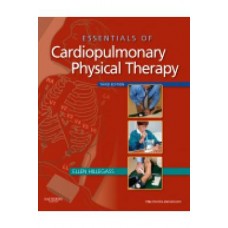
Essentials of Cardiopulmonary Physical Therapy 3rd Edition by Hillegass - Test Bank

Essentials of Cardiopulmonary Physical Therapy 3rd Edition by Hillegass - Test Bank   Instant Download - Complete Test Bank With Answers     Sample Questions Are Posted Below   Hillegass: Essentials of Cardiopulmonary Physical Therapy, 3rd Edition   Chapter 5: Restrictive Lung Dysfunction   Test Bank   MULTIPLE CHOICE   Which of the following aspects …

$19.99

Essentials of Cardiopulmonary Physical Therapy 3rd Edition by Hillegass – Test Bank


Instant Download – Complete Test Bank With Answers


Sample Questions Are Posted Below


Hillegass: Essentials of Cardiopulmonary Physical Therapy, 3rd Edition


Chapter 5: Restrictive Lung Dysfunction


Test Bank


MULTIPLE CHOICE


  1. Which of the following aspects of pulmonary ventilation lead to the requirement of increased transpulmonary pressure for a given volume of air in patients with restrictive lung disease?
A. Decreased lung compliance
B. Low chest wall compliance
C. Decreased inspiratory reserve volume (IRV)
D. Increased work of breathing


ANS:   A

As lung tissue compliance diminishes or become stiffer, a greater transpulmonary pressure is required to expand the lung for a given volume of air. Low chest wall compliance limits thoracic expansion. Decreased IRV and increased work of breathing are a result of the higher pressures.


PTS:    1


  1. In a patient with restrictive lung disease energy expenditure is increased due to the increase in work of breathing and accessory muscle use. Which of the following exercise prescriptions would be MOST appropriate?
A. Upper extremity ergometer at low intensity for 5 continuous minutes
B. Upper extremity resistance training at moderate intensity, three sets of 8
C. Low-intensity walking in intervals with walking time equal to rest time
D. Moderate-intensity walking in intervals with rest time greater than walk time


ANS:   C

Lower extremity interval training such as walking is beneficial to the patient if the rest period is at least equal to exercise time as determined by patient tolerance. Any exercise requiring upper extremity use would exacerbate the muscle fatigue due to accessory muscle overuse for breathing. If a patient has an increase in energy expenditure due to increased work of breathing, low-intensity exercise would be more appropriate than moderate-intensity exercise.


PTS:    1


  1. A patient with restrictive lung disease develops a rise in pulmonary circulation pressure subsequently increasing the work of the right ventricle. This is BEST described as:
A. Tachypnea
B. Hypoxemia
C. Cor pulmonale
D. Low lung volume


ANS:   C

Pulmonary hypertension due to hypoxemia, fibrosis, and compression of the pulmonary capillaries leads to a type of right-sided heart failure termed cor pulmonale. The increase in pulmonary circulation pressure leads to pulmonary hypertension.


PTS:    1


  1. Ventilation-perfusion mismatching in restrictive lung disease leads to which of the following classic signs?
A. Tachypnea
B. Hypoxemia
C. Low lung volume
D. Pulmonary hypertension


ANS:   B

Ventilation-perfusion mismatching in restrictive lung disease (RLD) leads to the classic sign of hypoxemia. Mismatching may be due to changes in the collagenous framework of the lung, scarring of capillary channels, distortion or narrowing of the small airways, compression from tumors within the lung, or bony abnormalities of the chest wall.


PTS:    1


  1. Hallmark symptoms of restrictive lung disease include dyspnea, an emaciated appearance, and which of the following?
A. Chest wall pain
B. Wet, productive cough
C. Dry, nonproductive cough
D. Fatigue


ANS:   C

Three hallmark symptoms typically experienced with RLD include dyspnea, a wasted and emaciated appearance, and an irritating, dry, and nonproductive cough.


PTS:    1


  1. Which of the following pathological occurrences associated with respiratory distress syndrome (RDS) in premature infants causes the overall retractive forces of the lung to be greater than normal?
A. Inadequate surfactant production
B. Alveolar septal thickening
C. Abnormal alveolar epithelial permeability
D. Pulmonary hypertension


ANS:   A

RDS is caused primarily by abnormalities in the surfactant system and inadequate surfactant production. The surfactant dysfunction causes overall retractive forces of the lung to be greater than normal, which decreases lung compliance, increases the work of breathing, and leads to progressive diffuse microatelectasis, alveolar collapse, increased ventilation-perfusion mismatching, and impaired gas exchange.


PTS:    1


  1. The distribution of inspired air and pulmonary blood flow becomes less homogeneous with increasing age. This age-related change contributes MOST to which of the following clinical manifestations?
A. Left shift of lung compliance curve
B. Sleep ventilation is altered
C. Decreased maximal ventilatory effort
D. Reduced diffusing capacity


ANS:   D

The alveolar walls become thinner and the capillary bed incurs considerable loss, with an increase in ventilation-perfusion mismatching. The distribution of inspired air and pulmonary blood flow becomes less homogeneous with age. Diffusing capacity is therefore reduced and the physiological space is increased.


PTS:    1


  1. Which of the following causes of restrictive lung disease is characterized by necrosis of the respiratory epithelium in the affected bronchioles?
A. Bronchiolitis obliterans
B. Bronchopulmonary dysplasia
C. Idiopathic pulmonary fibrosis
D. Asbestosis


ANS:   A

Bronchiolitis obliterans is characterized by necrosis of the respiratory epithelium in the affected bronchioles. This necrosis allows fluid and debris to enter the bronchioles and alveoli, causing alveolar pulmonary edema and partial or complete obstruction of these small airways.


PTS:    1


  1. Survivors of respiratory distress syndrome who have been ventilated mechanically and received high concentrations of oxygen over a prolonged period of time may develop which of the following pulmonary restrictive lung diseases?
A. Idiopathic pulmonary fibrosis
B. Bronchopulmonary dysplasia
C. Atelectasis
D. Pneumonia


ANS:   B

Bronchopulmonary dysplasia is a chronic pulmonary syndrome in neonates that occurs in some survivors of RDS who have been ventilated mechanically and have received high concentrations of oxygen over a prolonged period of time.


PTS:    1


  1. Which of the following statements BEST describes a cause of compression atelectasis?
A. Extrabronchial compression from a tumor or enlarged lymph node
B. Complication of either a lobar or segmental pneumonia
C. Unwillingness by the patient to deep breath or cough
D. Expanding volume outside of the alveoli


ANS:   D

Atelectasis (compression) occurs as a result of expanding volume outside of the alveoli (in pleural space, interstitial space, etc.), which presses on the alveoli and prevents complete expansion.


PTS:    1


  1. A patient is 1 day post-lumbar fusion surgery. Upon initial evaluation by the physical therapist, the patient was recorded to have an SpO2 of 92% on 2 liters of O2 via a nasal cannula. The physical therapist suspects acute atelectasis due to postoperative pain. Of the following, which is the BEST immediate intervention to improve oxygenation in this patient?
A. Use of an incentive spirometry
B. Teach the patient pursed lip breathing
C. Encourage the patient to sit in a chair
D. Use of a lumbar corset


ANS:   A

Acute atelectasis such as in postoperative or in other hospitalized patients can respond to deep breathing or incentive spirometry exercises as well as coughing.


PTS:    1


  1. The key to medical treatment of pneumonia is which of the following:
A. Determining if it is community acquired or nosocomial
B. Identifying the microbe (virus vs. bacteria)
C. Identifying specific risk factors
D. Determining the area of lung affected


ANS:   B

The key to treatment of pneumonia is to first identify the microbe (virus vs. gram-positive or gram-negative bacteria). Specific medical treatment (specific antibiotic) is based on the identification of the microbe.


PTS:    1


  1. Which of the following specific types of pneumonia consists of a water-borne organism that can be emanated from an air conditioning unit?
A. Steptococcus pneumoniae
B. Klebsiella pneumonia
C. Pseudomonas aeruginosa
D. Legionella pneumophila


ANS:   D

  1. pneumophila can occur in epidemic proportions because the organism is water borne and can emanate from air conditioning equipment, drinking water, lakes, river banks, water faucets, and shower heads.


PTS:    1


  1. Which of the following specific types of pneumonia is considered a fungal pneumonia and is closely associated with AIDS?
A. Haemophilus influenzae
B. Klebsiella pneumoniae
C. Pneumocystis carinii
D. Chlamydia psittaci


ANS:   C

  1. carinii, originally described as a protozoan, is now thought to be a fungal organism. Pneumocystis carinii pneumonia (PCP) is closely associated with AIDS because nearly 75% of AIDS patients have at least one episode of PCP during their lifetime.


PTS:    1


  1. In a patient with adult respiratory distress syndrome (ARDS), fat emboli would be categorized as which of the following types of causes for ARDS?
A. Inhaled toxin
B. Trauma
C. Shock
D. Metabolic


ANS:   B

Several categories exist to describe the varied primary causes of ARDS and fat emboli are categorized as trauma.


PTS:    1


  1. The primary causative factor of lung cancer is which of the following?
A. Asbestos
B. Passive smoking
C. Cigarette smoking
D. Air pollution


ANS:   C

It has been well established through numerous studies that the primary causative factor of lung cancer is tobacco use. Approximately 80% to 90% of lung cancers are caused by tobacco. The average cigarette smoker has 10 times the risk of developing lung cancer as the nonsmoker.


PTS:    1


  1. Which of the following types of bronchogenic carcinoma arises from the bronchial mucosa after repeated inflammation or irritation such as cigarette smoking?
A. Small cell carcinoma
B. Squamous cell carcinoma
C. Adenocarcinoma
D. Large cell carcinoma


ANS:   B

Squamous cell carcinoma arises from the bronchial mucosa after repeated inflammation or irritation caused by cancer stimuli. It is therefore the type of lung cancer most closely associated with cigarette smoking.


PTS:    1


  1. Which of the following types of bronchogenic carcinoma rapidly involves the vascular channels, lymph nodes, and soft tissue and is known to metastasize widely and early typically before the lung cancer diagnosis is made?
A. Small cell carcinoma
B. Squamous cell carcinoma
C. Adenocarcinoma
D. Large cell carcinoma


ANS:   A

Small cell carcinoma tumors do not extend into the bronchial lumen, but spread through the submucosa and can cause obstructive and restrictive dysfunction. This type of lung cancer rapidly involves the vascular channels, lymph nodes, and soft tissue. It is known to metastasize widely and early, often before the lung cancer diagnosis is made.


PTS:    1


  1. The MOST common body organ involved in direct metastasis from small cell carcinoma is which of the following?
A. Adrenal gland
B. Liver
C. Pancreas
D. Central nervous system


ANS:   D

Seventy-five percent of small cell carcinoma metastasizes to the central nervous system, 65% to the liver, 58% to the adrenal gland, 30% to the pancreas, 285 to bone, 20% to the genitourinary system, 10% to the thyroid, and 10% to the spleen.


PTS:    1


  1. Which of the following types of bronchogenic carcinoma is the least responsive to radiation?
A. Small cell carcinoma
B. Squamous cell carcinoma
C. Adenocarcinoma
D. Large cell carcinoma


ANS:   D

Large cell carcinoma is the least responsive to radiation. Small cell lung carcinoma is the most radiosensitive, followed by squamous cell carcinoma and adenocarcinoma.


PTS:    1


  1. Exudative pleural effusion is characterized by high protein content and accumulates due to changes in permeability of the pleural surfaces. Which of the following is a cause of exudative pleural effusion?
A. Congestive heart failure
B. Cirrhosis
C. Bacterial pneumonia
D. Pulmonary emboli


ANS:   B

Transudative pleural effusions (low protein) can be caused by congestive heart failure, left ventricular failure, cirrhosis, nephritic syndrome, pericardial disease, myxedema, pulmonary emboli, peritoneal dialysis, or atelectasis. Exudative pleural effusions can be caused by bacterial or viral pneumonias, parasitic or fungal infections, tuberculosis, mesotheliomas, bronchogenic carcinoma, systemic lupus erythematosus, rheumatoid arthritis, acute pancreatitis, esophageal perforations, intraabdominal abscess, asbestos exposure, uremia, sarcoidosis, or drug hypersensitivity.


PTS:    1


  1. Pulmonary edema is an increase in the amount of fluid within the lung. Which of the following BEST describes the results of a chest x-ray indicating pulmonary edema?
A. Diffuse scattered fluffy shadows
B. Diffuse haze/lung white out
C. Homogeneous opacity of fluid density
D. Increased vascular markings in the hilar region


ANS:   D

Clinical manifestations of pulmonary edema on a chest radiograph include increased vascular markings in the hilar region, which is indicative of a fluid back-up from the left atrium to the pulmonary vein.


PTS:    1


  1. Which of the following statements BEST defines congestive atelectasis resulting from a pulmonary emoboli?
A. Lack of blood flow to the alveolar wall
B. Decrease in alveolar surfactant
C. Edema and hemorrhage into the surrounding lung
D. Increase in alveolar dead space


ANS:   C

Pulmonary emboli lead to occlusion of one or more pulmonary arterial branches causing edema and hemorrhage into the surrounding lung parenchyma, which is known as congestive atelectasis.


PTS:    1


  1. A patient who is status postsurgical repair of a right hip fracture is at risk for thrombus formation and potentially pulmonary emboli. Which of the following interventions would be BEST recommended to this patient following discharge home to prevent a deep vein thrombus?
A. Pneumatic calf compression
B. Regular ambulation throughout the day
C. Passive stretch of the calf on the surgical limb
D. Elevation of the lower extremities


ANS:   B

For a patient who has been discharged home from the hospital, encouraging regular ambulation should be feasible and is the best type of activity to promote muscle pumping and thus venous return. Pneumatic calf compression is typically not available to a patient at home. Passive stretch will not enhance venous blood mobility and elevation of lower extremities will decrease edema, but does not provide an active muscle pump.


PTS:    1


  1. Which of the following spinal cord levels if injured would result in diaphragmatic dysfunction?
A. C4–5
B. T1–2
C. T4–5
D. T7–8


ANS:   A

C3, C4, and C5 (phrenic nerve) if injured would result in diaphragmatic dysfunction.


PTS:    1


  1. On a chest radiograph, the classic finding of an elevated hemidiaphragm indicates which of the following musculoskeletal causes of restrictive lung dysfunction?
A. Kyphoscoliosis
B. Ankylosing spondylitis
C. Diaphragmatic paresis
D. Pectus excavatum


ANS:   C

Diaphragmatic paralysis or paresis is the loss or impairment of motor function of the diaphragm because of a lesion in the neurological or muscular system. In this condition, the negative pleural space pressure moves the diaphragm in a cephalad direction so that the diaphragm’s resting position is elevated. Elevated hemidiaphragm is a classic finding on chest radiograph.


PTS:    1


  1. In patients with rheumatoid arthritis, an inflammatory reaction in the lung may occur, including patchy infiltrates, which can resolve or progress to fibrotic changes. This inflammatory reaction in the lungs is termed:
A. Pneumonitis
B. Interstitial fibrosis
C. Pulmonary vasculitis
D. Obliterative bronchiolitis


ANS:   A

Pneumonitis causes an inflammatory reaction in the lung, including patchy infiltrates, which can resolve spontaneously or can progress to fibrotic changes.


PTS:    1


  1. Of the following connective tissue disorders, which one is associated with the highest incidence of pulmonary involvement?
A. Rheumatoid arthritis
B. Systemic lupus erythematosus
C. Scleroderma
D. Polymyositis


ANS:   B

Systemic lupus erythematosus can involve the skin, joints, kidneys, lung, nervous tissue, and heart. In 50% to 90% of the cases it does involve the lungs or pleura; this incidence of pulmonary involvement is higher than that of any other connective tissue disorder.


PTS:    1


  1. Which of the following is the MOST common lung problem in patients with polymyositis?
A. Interstitial pneumonitis
B. Bronchiolitis obliterans
C. Diffuse pulmonary infiltrates
D. Aspiration pneumonia


ANS:   D

Dysphagia and aspiration problems are common. As a result, aspiration pneumonia is most common pulmonary abnormality and is seen in 15% to 20% of patients.


PTS:    1


  1. Which of the following pathological changes in lung function is a result of excess soft tissue in the abdominal wall, forcing the diaphragm upward at rest?
A. Decreases the compliance of the thorax
B. Forces early closure of the small airways and alveoli
C. Decreases carbon dioxide production from the lungs
D. Increases ventilator drive


ANS:   B

Excess soft tissue in the abdominal wall exerts pressure on the abdominal contents, forcing the diaphragm up to a higher resting position. This shift results in decreased lung expansion and early closure of the small airways and alveoli, especially at the bases or the dependent regions of the lung.


PTS:    1


  1. A free-floating segment of ribs that can be identified by its paradoxical movement is termed:
A. Lung contusion
B. Rib fractures
C. Flail chest
D. Empyema


ANS:   C

Flail chest refers to a free-floating segment of ribs due to multiple rib fractures both anteriorly and posteriorly that leave this part of the thoracic wall disconnected to the rest of the thoracic cage. This segment can usually be identified by its paradoxical movement during the respiratory cycle.


PTS:    1


  1. A 59-year-old male has fallen off a ladder at his home and hit a retaining wall on the way down fracturing several ribs on the right side. He was admitted to the hospital for pain control, close observation, and physical therapy. The primary goal for physical therapy is which of the following?
A. The patient will demonstrate appropriate splinting using a small pillow to reduce pain.
B. The patient will demonstrate log roll to the left side with contact guard assist to improve bed mobility.
C. The patient will ambulate in the hall 150 feet with supervision.
D. The patient will perform deep breathing using incentive spirometry to reestablish a normal breathing pattern.


ANS:   D

Pain control is the primary treatment and can be accomplished by oral analgesics, intercostals nerve block, or epidural anesthesia depending on the extent of the injury. The goal is to allow the patient to reestablish a normal breathing pattern.


PTS:    1


  1. Penetrating wounds to the thorax are commonly caused by shooting or stabbing. An injury described as air entering the pleural space that cannot escape into the external environment is termed:
A. Tension pneumothorax
B. Open pneumothorax
C. Hemothorax
D. Pulmonary laceration


ANS:   A

A tension pneumothorax means air can enter the pleural space but cannot escape into the external environment.


PTS:    1


  1. Which of the following lung pathologies may result in a condition known as fibrothorax if the pleural space is not evacuated effectively?
A. Open pneumothorax
B. Tension pneumothorax
C. Hemothorax
D. Pulmonary laceration


ANS:   C

Hemothorax can have serious sequelae if all the blood is not evacuated from the pleural space. The residual blood becomes organized into nonelastic fibrous tissue, which can form a restrictive pleural rind. This condition is known as fibrothorax and can limit lung expansion markedly.


PTS:    1


  1. The inhalation of carbon monoxide, a gas present in smoke, leads to which of the following pathological conditions?
A. Edema of the laryngeal and tracheal mucosa
B. Damage to the mucociliary clearance mechanism
C. Inactivation of surfactant and pneumonitis
D. Decreases in the oxygen-carrying capacity of the blood


ANS:   D

Carbon monoxide has more than 200 times the affinity for hemoglobin when compared to oxygen. This means that when CO is taken into the lungs it diffuses quickly into the pulmonary capillaries, enters the red blood cells, and binds with hemoglobin to form carboxyhemoglobin. This abnormal process decreases the available hemoglobin binding sites for oxygen and significantly decreases the oxygen-carrying capacity of the blood.


PTS:    1


  1. Which of the following factors related to surgery contributes MOST to decreases in ventilator response to hypercapnia and hypoxia?
A. Surgical site
B. Surgical incision
C. Placement of the endotracheal tube
D. Anesthetic agent


ANS:   D

The anesthetic agent causes a decrease in the pulmonary arterial vasoconstrictive response to hypoxia. Anesthesia also depresses the respiratory control centers so that ventilator response to hypercapnia and hypoxia is decreased.


PTS:    1


  1. Common techniques such as deep breathing exercises, early patient mobilization, and incentive spirometry are MOST likely implemented to treat which of the following conditions:
A. Pulmonary embolus
B. Postoperative atelectasis
C. Venous thromboembolism
D. Aspiration pneumonia


ANS:   B

Common techniques used to treat postoperative atelectasis include deep breathing exercises, early mobilization of the patient out of bed, incentive spirometry, and CPAP. Pulmonary embolus is initially treated with low-dose heparin, venous thromboembolism with leg exercises or low-dose heparin, and aspiration pneumonia with preventive methods such as NPO 12 hours before surgery and initially antibiotics.


PTS:    1


  1. Which of the following drugs is given for ventricular dysrhythmias and may lead to pulmonary complications if prescribed in a high dose?
A. Nitrofurantoin
B. Suflatalazine
C. Penicillamine
D. Amiodarone


ANS:   D

Amiodarone is an antiarrhythmic drug that is given for ventricular dysrhythmias. The pulmonary complications seem to be dose related. Nitrofurantoin is an antiseptic agent used to fight UTIs. suflatalazine is used to treat inflammatory bowel disease and rheumatologic disorders. penicillamine is used to treat Wilson’s disease, cystinuria, primary biliary cirrhosis, scleroderma, and severe RA.


PTS:    1


  1. Which of the following oncology diagnosis tends to be the highest risk for developing radiation pneumonitis or fibrosis?
A. Hodgkin’s disease
B. Breast cancer
C. Bone marrow transplant
D. Lung cancer


ANS:   C

One group of patients seems to be at higher risk for developing radiation pneumonitis or fibrosis. Bone marrow transplant patients receive whole lung irradiation; they are also on cytotoxic chemotherapeutic agents that can intensify the pneumonitis.


PTS:    1


  1. Which of the following chemotherapeutic drugs is used as an antiinflammatory agent to treat rheumatoid arthritis and may lead to interstitial lung disease?
A. Cytarabine
B. Methotrexate
C. Melphalan
D. Azathioprine


ANS:   B

Methotrexate is an antimetabolite taken for acute lymphatic leukemia and osteogenic sarcoma, but is now also being used as an antiinflammatory agent to treat RA, psoriasis, and asthma.


PTS:    1

Additional information

Add Review

Your email address will not be published. Required fields are marked *