No products in the cart.

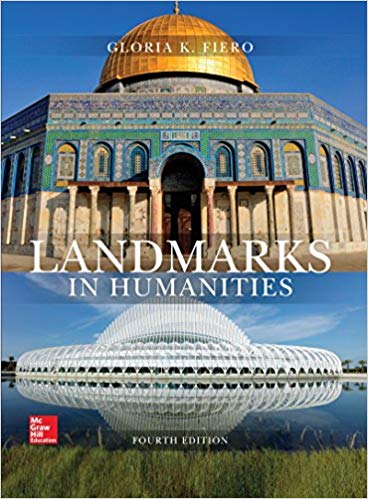
Landmarks in Humanities 4th Edition by Gloria Fiero - Test Bank

Landmarks in Humanities 4th Edition by Gloria Fiero - Test Bank   Instant Download - Complete Test Bank With Answers     Sample Questions Are Posted Below   Chapter 05 Synthesis   1  Which of the following was NOT essential to the medieval synthesis? Germanic culture Christian culture Roman culture D. Chinese culture   Learning …

$19.99

Landmarks in Humanities 4th Edition by Gloria Fiero – Test Bank


Instant Download – Complete Test Bank With Answers


Sample Questions Are Posted Below


Chapter 05

Synthesis


1  Which of the following was NOT essential to the medieval synthesis?

  1. Germanic culture
  2. Christian culture
  3. Roman culture
  4. D. Chinese culture


Learning Objective: Understand the impact of the Germanic tribes on the Roman Empire

Topic: Germanic tribes

Topic: History


  1. The landmark literature of the Germanic tribes took the form of
  2. comedic plays.
  3. troubadour poetry.
  4. C.
  5. All these answers are correct.


Learning Objective: Understand the impact of the Germanic tribes on the Roman Empire

Topic: Germanic tribes

Topic: History


  1. The Battle of Adrianople was a landmark event that
  2. A. opened the door to the Germanic invasion of the West.
  3. replaced the Roman emperor with a Germanic one.
  4. kept the Germanic tribes out of the West.
  5. created a lasting alliance between Roman and Germanic peoples.


Learning Objective: Understand the impact of the Germanic tribes on the Roman Empire

Topic: Germanic tribes

Topic: History


  1. The landmark event known as the Battle of Hastings is famously recorded in
  2. A.
  3. The Song of Roland.
  4. the Bayeux Tapestry.
  5. the Song of the Nibelungs.


Learning Objective: Explain the relevance the Bayeux Tapestry

Topic: Art and Architecture

Topic: History


  1. The interlace designs of the Book of Kells are most similar to the patterns
  2. on stone artifacts from Greco-Roman graves.
  3. in paintings in Germanic temples.
  4. C. on metalwork artifacts from Germanic graves.
  5. in Buddhist religious texts.


Learning Objective: Understand the impact of the Germanic tribes on the Roman Empire

Topic: Art and Architecture

Topic: Germanic tribes


  1. Among the most numerous and impressive landmarks of the Carolingian renaissance were
  2. A. illuminated manuscripts in more legible script.
  3. stone sculptures.
  4. enduring political systems.
  5. improvements on Roman engineering.


Learning Objective: Recall the innovations and developments of the Carolingian Renaissance

Topic: Art and Architecture

Topic: Literature


  1. The Carolingian renaissance depended greatly on
  2. civil servants.
  3. the Crusades.
  4. C. Benedictine monasteries.
  5. troubadours.


Learning Objective: Recall the innovations and developments of the Carolingian Renaissance

Topic: History


  1. An important center of learning in Charlemagne’s time was the palace-school at
  2. Lindisfarne.
  3. B.
  4. Novgorod.
  5. Hastings.


Learning Objective: Recall Charlemagne’s accomplishments

Learning Objective: Recall the innovations and developments of the Carolingian Renaissance

Topic: History


  1. It may be said of early medieval Western books that they were
  2. transcribed and decorated by hand.
  3. prepared for and by monks and clerics rather than laypeople.
  4. made from vellum or parchment and often other costly materials.
  5. D. All these answers are correct.


Learning Objective: Recall characteristics of the medieval book

Topic: History

Topic: Literature


  1. The first novel in world history was written by
  2. Charlemagne.
  3. the countess of Dia.
  4. C. Murasaki Shikibu.
  5. Chrétien de Troyes.


Learning Objective: Understand the importance of The Tale of Genji to the history of literature

Topic: Literature


  1. Japanese samurai abided by a warrior code known as
  2. A.
  3. Heian.
  4. Genji.
  5. Daoism.


Learning Objective: Remember the key components of feudalism

Topic: Feudalism

Topic: History


  1. Medieval feudalism in Europe
  2. was modeled on that of Japan.
  3. B. involved the exchange of land for military service.
  4. lasted only through the reign of Charlemagne.
  5. All these answers are correct.


Learning Objective: Remember the key components of feudalism

Topic: Feudalism

Topic: History


  1. The medieval serf was
  2. A. an unfree rural laborer.
  3. the vassal of a wealthy lord.
  4. a member of the fighting class.
  5. All these answers are correct.


Learning Objective: Remember the key components of feudalism

Topic: Feudalism

Topic: History


  1. Games of combat imitating medieval warfare were called
  2. investitures.
  3. latifundia.
  4. C.
  5. trysts.


Learning Objective: Remember the key components of feudalism

Topic: Feudalism

Topic: History


  1. The Bayeux Tapestry recorded which historical event?
  2. The coronation of Charlemagne
  3. The Fourth Crusade
  4. The ambush at the “Gate of Spain”
  5. D. The Norman conquest of England


Learning Objective: Explain the relevance the Bayeux Tapestry

Topic: Art and Architecture

Topic: Feudalism


  1. The Christian Crusades
  2. begin as an effort to rescue Jerusalem from the Muslims.
  3. were commonly fought by the younger sons of the feudal nobility.
  4. were an economic boon to Italian merchants.
  5. D. All these answers are correct.


Learning Objective: Summarize the effects of the Christian Crusades

Topic: Crusades

Topic: History


  1. The primary subject of a chanson de geste was
  2. A. heroic deeds.
  3. the pleasures of rural life.
  4. the social happenings of an aristocratic court.
  5. illicit romance.


Learning Objective: Describe the themes and content of medieval literature

Topic: Literature

Topic: Music and Dance


  1. Which of the following statements about twelfth-century troubadours is FALSE?
  2. They accompanied their singing with the playing of a lute.
  3. B. They were usually of lowly birth.
  4. Their art was influenced by Arabic traditions.
  5. Their songs often focused on passionate affection and physical pleasure.


Learning Objective: Describe the themes and content of medieval literature

Topic: Literature

Topic: Music and Dance


  1. The tradition of courtly love
  2. A. shaped modern concepts of gender.
  3. reveals that medieval females were considered the equals of males.
  4. originated at the court of Charlemagne.
  5. All these answers are correct.


Learning Objective: Describe the themes and content of medieval literature

Topic: History


  1. Medieval music-drama originated with the
  2. expansion of troubadour poetry.
  3. B. embellishment of the Mass.
  4. study of Greek tragedy.
  5. use of musical instruments.


Learning Objective: Recall features of medieval music

Learning Objective: Understand the impact of the Church on everyday life

Topic: Literature

Topic: Music and Dance


  1. The intellectual elite of Tang and Song China were deeply influenced by
  2. the Carolingian renaissance.
  3. Japanese traditional culture.
  4. C. Confucian traditions.
  5. military imperialism.


Learning Objective: Recall the contributions of the Tang and Song dynasties

Topic: History

Topic: Tang and Song dynasties


  1. The Tang and Song eras were a Golden Age of
  2. maritime expansion.
  3. the reformation and simplification of Chinese characters.
  4. C. landscape painting.
  5. All these answers are correct.


Learning Objective: Recall the contributions of the Tang and Song dynasties

Topic: Art and Architecture

Topic: Tang and Song dynasties


  1. Which of the following was NOT among the landmarks of Tang and Song China?
  2. The perfection of porcelain
  3. Excellence in landscape painting
  4. C. The creation of a simplified Chinese writing system
  5. The use of gunpowder


Learning Objective: Recall the contributions of the Tang and Song dynasties

Topic: Art and Architecture

Topic: History

Topic: Literature

Topic: Tang and Song dynasties


  1. What were the “ingredients” of the early medieval synthesis? How did they come to define the character of the West?


Learning Objective: Remember the key components of feudalism

Learning Objective: Understand the impact of the Church on everyday life

Learning Objective: Understand the impact of the Germanic tribes on the Roman Empire

Topic: Art and Architecture

Topic: History

Topic: Literature


  1. What were the principal landmarks of the emerging West between ca. 500 and 1100 C.E.? Which are the most memorable?


Learning Objective: Recall the innovations and developments of the Carolingian Renaissance

Learning Objective: Remember the key components of feudalism

Learning Objective: Understand the impact of the Germanic tribes on the Roman Empire

Topic: Art and Architecture

Topic: History

Topic: Literature


  1. In what ways did feudalism inspire the production of landmarks in the arts?


Learning Objective: Define Romanesque style

Learning Objective: Explain the relevance the Bayeux Tapestry

Learning Objective: Recall features of medieval music

Learning Objective: Recall the Normans’ achievements in architecture

Learning Objective: Remember the key components of feudalism

Learning Objective: Remember the purpose of medieval paintings

Topic: Art and Architecture

Topic: Feudalism

Topic: History

Topic: Literature


                                Category                                                                                                                                                                                   # of Questions

Learning Objective: Define Romanesque style                                                                                                      1

Learning Objective: Describe the themes and content of medieval literature                                                       3

Learning Objective: Explain the relevance the Bayeux Tapestry                                                                          3

Learning Objective: Recall characteristics of the medieval book                                                                          1

Learning Objective: Recall Charlemagne’s accomplishments                                                                               1

Learning Objective: Recall features of medieval music                                                                                        2

Learning Objective: Recall the contributions of the Tang and Song dynasties                                                     3

Learning Objective: Recall the innovations and developments of the Carolingian Renaissance                          4

Learning Objective: Recall the Normans’ achievements in architecture                                                                1

Learning Objective: Remember the key components of feudalism                                                                       7

Learning Objective: Remember the purpose of medieval paintings                                                                      1

Learning Objective: Summarize the effects of the Christian Crusades                                                                  1

Learning Objective: Understand the impact of the Church on everyday life                                                         2

Learning Objective: Understand the impact of the Germanic tribes on the Roman Empire                                  6

Learning Objective: Understand the importance of The Tale of Genji to the history of literature                        1

Topic: Art and Architecture                                                                                                                                   9

Topic: Crusades                                                                                                                                                      1

Topic: Feudalism                                                                                                                                                    6

Topic: Germanic tribes                                                                                                                                           4

Topic: History                                                                                                                                                         18

Topic: Literature                                                                                                                                                     10

Topic: Music and Dance                                                                                                                                         3

Topic: Tang and Song dynasties                                                                                                                            3

Additional information

Add Review

Your email address will not be published. Required fields are marked *