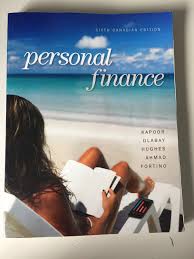
PERSONAL FINANCE CANADIAN 6TH EDITION BY KAPOOR - TEST BANK

PERSONAL FINANCE CANADIAN 6TH EDITION BY KAPOOR - TEST BANK   Instant Download - Complete Test Bank With Answers     Sample Questions Are Posted Below   05 Student: _______________________________________________________________________________________ 1. When did installment credit explode on the North American scene? A. Just after World War II B. with the advent of television in the …

$19.99

PERSONAL FINANCE CANADIAN 6TH EDITION BY KAPOOR – TEST BANK


Instant Download – Complete Test Bank With Answers


Sample Questions Are Posted Below


05
Student: _______________________________________________________________________________________
1. When did installment credit explode on the North American scene?
A. Just after World War II
B. with the advent of television in the late 1940s
C. with the advent of the automobile in the early 1900s
D. during the recession of the 1950s
E. during the inflation of the 1970s
2. The 25 to 44 age group currently represents about 30 percent of the population but holds nearly
____________ percent of the debt outstanding.
A. 80
B. 70
C. 60
D. 50
E. 40
3. Although credit permits more immediate satisfaction of needs and desires, it
A. does increase total purchasing power.
B. is always best to avoid credit purchases.
C. does not diminish your ability to buy more goods and services on credit.
D. has no opportunity costs attached to it.
E. does not increase total purchasing power
4. By paying cash for a purchase, you
A. forgo the opportunity to keep the cash in an interest bearing account.
B. always get a cash discount.
C. can build a better credit rating.
D. get better personal service from store employees.
E. have a better selection of goods than if you use credit.
5. Another name for credit when loans are made on a continuous basis and borrower is billed
periodically for at least partial payment is known as:
A. a line of credit.
B. convenience credit.
C. revolving credit.
D. installment credit.
E. bank card credit.
6. Which of the following is not an example of a consumer loan?
A. home mortgage
B. automobile loan
C. revolving credit
D. debt consolidation loan
E. demand loan
7. A common example of a consumer loan is:
A. a credit card issued by a department store.
B. a credit card issued by VISA or MasterCard.
C. using overdraft protection at a bank.
D. using a cashier’s check to pay for a purchase.
E. a mortgage loan.
8. Which of the following is not an example of revolving credit?
A. a line of credit.
B. a credit card loan.
C. overdraft protection.
D. charge cards.
E. automobile loans.
9. The maximum amount of credit you are allowed by a creditor is called a(n)
A. revolving credit.
B. installment cash credit.
C. convenience credit.
D. line of credit.
E. single lump sum credit.
10. An installment loan is a
A. direct loan of money for personal purposes.
B. direct loan of money for home improvement.
C. loan that allows you to receive merchandise such as a refrigerator or furniture.
D. direct loan for vacation purposes.
E. synonym for a single lump sum credit.
11. A good example of an open end credit is
A. the use of a bank credit card to make a purchase.
B. the mortgage loan from a savings and loan institution.
C. automobile loan from a credit union.
D. installment loan from a furniture store.
E. installment loan for purchasing a major appliance.
12. A credit arrangement that has no extra costs and no specific repayment plan is called
A. installment sales credit.
B. incidental credit.
C. line of credit.
D. single lump sum credit.
E. revolving check credit.
13. A personal line of credit is a
A. credit arrangement that has no extra costs.
B. prearranged loan for a specified amount that you can use by writing a special check.
C. credit arrangement that has no specific repayment plan.
D. synonym for installment cash credit.
E. synonym for single lump sum credit.
14. Which of these is not a true statement? To avoid online fraud, you should __________.
A. keep your personal information private.
B. review your monthly bank and credit card statements.
C. give your password only to your internet service provider.
D. use a secure browser.
E. give payment information only to know known businesses.
15. Which of these is not a characteristic of Paypal?
A. Facilitates online auction payments.
B. Offers password protected accounts.
C. Allows use of credit cards.
D. Transfers funds in U.S. dollars.
E. No annual fees.
16. Which of these is not a financing option for the purchase of a car?
A. factory financing
B. line of credit
C. conditional sales contract
D. installment loan
E. cash
17. In determining your credit capacity, you first provide for basic necessities, such as
A. furniture.
B. home furnishings.
C. mortgage or rent.
D. automobile.
E. durable goods.
18. Experts suggest that you spend no more than ____________ percent of your net income on credit
purchases.
A. 10
B. 20
C. 30
D. 40
E. 50
19. If you cosign a loan,
A. you are not being asked to guarantee the debt.
B. it is not your legal responsibility to pay the debt.
C. you’ll have to pay up to the full amount of the debt if the borrower does not pay.
D. the creditor must first try to collect from the borrower.
E. the creditor cannot garnish your wages.
20. Debt payments to income ratio is
A. calculated by dividing total liabilities by net worth.
B. calculated by dividing monthly debt payments (not including house payments) by net monthly
income.
C. determined by dividing your assets into liabilities.
D. a useless ratio for determining your credit capacity.
E. rarely used by creditors in determining credit worthiness.
21. Debt to equity ratio is
A. a useless ratio for determining your credit capacity.
B. calculated by dividing monthly debt payments by net monthly income.
C. determined by dividing your assets by liabilities.
D. calculated by dividing total liabilities by net worth.
E. rarely used by creditors in determining credit worthiness.
22. Which of the following agencies can produce for a subscribing creditor, almost instantaneously, a
report about your past and present credit activity?
A. The Bank of Canada
B. The Canada Customs and Revenue Agency
C. Your financial institution
D. A debit bureau
E. A credit bureau
23. If your monthly net (after tax) income is $1,500, what should be your maximum amount spent on
credit payments?
A. $200
B. $300
C. $400
D. $500
E. $600
24. What can be included in your credit report?
A. race
B. nationality
C. sex
D. employer
E. religion
25. Generally, most of the information in your credit file may be reported for only ______ years.
A. 7
B. 9
C. 11
D. 13
E. 15
26. If there is incorrect information in your credit file,
A. you should sue the credit bureau.
B. you must sue the merchant who denied the credit.
C. the credit bureau must reinvestigate and modify or remove inaccurate data.
D. pray that the credit bureau goes bankrupt.
E. you cannot dispute the derogatory information.
27. Kathy purchased a $2,000 digital TV from Young’s Appliances. She will make 12 equal payments
over the next year to pay for it. She is using:
A. an installment loan
B. open end credit
C. revolving check credit
D. a line of credit
E. none of the above
28. If you are an Ontario resident and you have declared personal bankruptcy for the first time, that fact
may be reported by credit bureaus for ____________ years.
A. 5
B. 7
C. 12
D. 20
E. 25
29. If you have incorrect information in your credit file,
A. you can’t really do much about it.
B. you have no legal remedies.
C. credit bureaus are not required to change it.
D. there are legal remedies available to you.
E. don’t worry much because you will still get the credit.
30. The best way to maintain your credit rating is to
A. use credit sparingly.
B. pay cash for your purchases.
C. repay your debts on time.
D. declare a Chapter 7 bankruptcy.
E. use as many credit cards as you can.
31. The borrower’s attitude toward his or her credit obligations is called
A. capacity.
B. capital.
C. character.
D. collateral.
E. conditions.
32. The borrower’s financial ability to meet credit obligations is called
A. capacity.
B. character.
C. capital.
D. collateral.
E. conditions.
33. A term that refers to the borrower’s assets or net worth is called
A. capacity.
B. character.
C. capital.
D. collateral.
E. conditions.
34. A loan officer is examining your income and the amount of your existing debt payments to help in
the decision to make a loan to you today. Which aspect of the Five Cs of lending is the loan officer
most likely looking at?
A. Character
B. Capacity
C. Capital
D. Collateral
E. Conditions
35. A valuable asset pledged to assure loan payments and subject to seizure upon default is called
A. capacity.
B. character.
C. capital.
D. collateral.
E. conditions.
36. If you are a woman, a creditor must
A. require a spouse to cosign a loan.
B. ask about your birth control practices or family plans.
C. consider whether you have a telephone listing in your own home.
D. refuse individual credit in your own name.
E. consider income from your part time employment.
37. In evaluating your credit application, a lender may
A. ask your age.
B. want to know if you are on public assistance.
C. require your marriage certificate.
D. ask if you are married or divorced.
E. ask your race and nationality.
38. If your credit application is denied, you
A. can sue the credit rating agency.
B. can file a complaint against the merchant.
C. don’t have any rights provided by law.
D. should ask to know specifically why.
E. can reapply for credit after 30 days.
39. If you think that your bill is wrong, you should first
A. contact the local credit bureau and inform it of the billing error.
B. complain to the Better Business Bureau.
C. contact your provincial consumer protection agency.
D. notify the creditor of the error.
E. contact your attorney to settle the matter.
40. Which of the following is considered to be a consumer loan?
A. Debit card
B. Credit loan
C. Personal line of credit
D. Overdraft protection
E. Mortgage loan
41. When a creditor looks at the borrower’s attitude toward credit obligations, which of the 5 Cs of credit
is she analyzing?
A. Capacity
B. Capital
C. Character
D. Collateral
E. Conditions
42. Valid reasons for using credit include all of the following except
A. medical emergency
B. acquiring a car to return to the workforce
C. borrowing for a higher education
D. borrow for everyday living expenses
E. buying an item now will cost less than in the future
43. Questions you should consider before you decide how and when to make a major purchase include
all except
A. do I have the cash I need for a down payment
B. do I want to use my savings for this purchase
C. could I postpone this purchase
D. what are the psychological costs of using credit (being in debt and responsible for monthly payments)
E. all these questions should be considered
44. The advantages of credit include
A. can purchase goods even when funds are low
B. carrying credit cards is safer than carrying cash
C. a credit card can allow you to carry up to a 30 day “float
D. credit cards may be used for identification when cashing a cheque
E. all of these are advantages of credit
45. Which of the following is not an example of revolving credit?
A. overdraft protection
B. charge cards
C. mortgage
D. line of credit.
E. bank card credit
46. What percentage of Canadian households carry 1 or more credit cards
A. 20%
B. 30%
C. 50%
D. 70%
E. more than 80%
47. What percentage of credit card users generally pay off their balance in full every month?
A. 20%
B. 30%
C. 50%
D. 70%
E. more than 80%
48. Which of these is a characteristic of Paypal?
A. Facilitates online auction payments.
B. Offers password protected accounts.
C. Allows use of credit cards.
D. Transfers funds in U.S. dollars.
E. All are characteristics of Paypal
49. If you cosign a loan, all of the following are true except,
A. you are being asked to guarantee the debt.
B. it is your legal responsibility to pay the debt.
C. you’ll have to pay only a portion of the debt if the borrower does not pay.
D. the creditor must first try to collect from the borrower.
E. the creditor can garnish your wages.
50. If your monthly net (after tax) income is $2,000, what should be your maximum amount spent on
credit payments?
A. $200
B. $300
C. $400
D. $500
E. $600
51. Generally, most of the information in your credit file may be reported for only ______ years.
A. 1
B. 3
C. 7
D. 9
E. 12
52. The best way to maintain your credit standing is to:
A. carry no credit cards
B. pay all credit card invoices within 120 days
C. repay your debts on time
D. cancel any cars with outstanding balances
E. if the balance is high and you cannot pay, claim your card was lost and misused by a 3rd party
53. If your identity is stolen you should
A. Contact the fraud departments of each of the two credit bureaus.
B. Contact the creditors for any accounts that have been tampered with or opened fraudulently.
C. File a police report
D. Keep a copy of the police report
E. Take all of the actions indicated
54. There are _________ main credit bureaus in Canada
A. 1
B. 2
C. 3
D. 5
E. 8
55. Which of the following is the best rating to have on your credit report?
A. L0
B. L10
C. R0
D. R1
E. R9
56. Which of the following is the worst rating to have on your credit report?
A. L0
B. L10
C. R0
D. R1
E. R9
57. A FICO score of 700 would be considered
A. poor
B. very poor
C. a risk to default
D. very good
E. fair
58. FICO scores range between
A. 1 10
B. 1 100
C. 1 1,000
D. 300 900
E. 100 500
59. Credit is an arrangement to receive cash, goods, or services now and pay for them in the future.
True False
60. Consumer credit refers to the use of credit for personal needs (except a home mortgage) by
individuals.
True False
61. Most consumers have only one choice in financing current purchases.
True False
62. Consumer credit is based on trust in people’s ability and willingness to pay bills when due.
True False
63. A credit file is a report which includes the individual’s present employer and position, former
employer(s), public records and a list of cheques returned for insufficient funds.
True False
64. Collateral refers to the borrower’s assets or net worth.
True False
65. There are very few valid reasons for using credit.
True False
66. “Shopaholics” and young adults are most vulnerable to misusing credit.
True False
67. College students are not a prime target for credit card issuers.
True False
68. Credit should not be considered a substitute for cash.
True False
69. It is safer to use credit, since charge accounts and credit cards let you shop and travel without
carrying large amounts of cash.
True False
70. The use of credit can provide up to a 45 day “float.”
True False
71. The use of credit indicates personal and financial instability.
True False
72. Perhaps the greatest disadvantage of using credit is the temptation to overspend.
True False
73. With an open end credit, you pay back one time loans in a specified period of time in equal
amounts.
True False
74. In a closed end credit, loans are made on a continuous basis and you make at least partial payment.
True False
75. Using a credit card, such as Visa or MasterCard is an example of closed end credit.
True False
76. A line of credit is the maximum dollar amount of credit the lender has made available to you.
True False
77. Interest is a periodic charge for the use of credit, or other finance charges.
True False
78. Incidental credit is a credit arrangement that has no extra costs and no specific repayment plan.
True False
79. A line of credit is considered a form of revolving credit.
True False
80. A car loan is an example of a consumer loan.
True False
81. A personal line of credit is a pre arranged loan for a specified amount that you can use by writing a
special check.
True False
82. The credit cardholders who pay off their balances in full each month are known as convenience
users.
True False
83. Cobranding has become increasingly unpopular since General Motors launched its credit card in
1992.
True False
84. Cobranding is the linking of a credit card with a business trade name offering “points” or premiums
toward the purchase of a product or service.
True False
85. In the near future, smart cards will provide a crucial link between the World Wide Web and the
physical world.
True False
86. You should sign your new credit cards as soon as they arrive.
True False
87. Department stores and gasoline companies are good places to obtain your first credit card.
True False
88. A home equity loan is based only on the amount you still owe on your mortgage.
True False
89. A home equity loan is usually set up as a revolving line of credit, typically with a variable interest
rate.
True False
90. Financing from car dealers in affiliation with car manufacturers is called a conditional sales contract.
True False
91. Financing from car dealers in affiliation with financial institutions is called factory financing.
True False
92. A home equity loan is a good source of credit for daily expenses.
True False
93. The debt payment to income ratio is calculated by dividing your total liabilities by your net worth.
True False
94. The debt to equity ratio is calculated by dividing your monthly debt payments (not including house
payments) by your net worth.
True False
95. Experts suggest that you spend no more than 20 percent of your net income on credit payments.
(However, 15 percent is much better.)
True False
96. The debt to equity ratio is calculated by dividing your total liabilities by your net worth.
True False
97. If your debt to equity ratio is about ½, you have reached the upper limit of debt obligations.
True False
98. If your debt to equity ratio is about 1, you have probably reached the upper limit of debt obligations.
True False
99. There is always a transaction fee attached to make a cash advance.
True False
100. The larger the debt to equity ratio, the riskier the situation is for lenders and borrowers.
True False
101. Some studies show that as many as three out of four cosigners are asked to repay the loan.
True False
102. When you cosign a loan, you are being asked to guarantee this debt.
True False
103. A lender requires a cosigner even when a borrower meets the lender’s criteria for making a loan.
True False
104. Most creditors rely heavily on borrowers’ bank reports when considering loan applications.
True False
105. Provincial legislation regarding consumer reporting agencies regulate the type of information that
can appear in a credit report and protects the consumer’s right not to suffer from false information.
True False
106. Your credit report may be issued only if this occurs with your consent.
True False
107. Your friends and neighbors can get credit information about you.
True False
108. Generally, most of the information in your credit file may be reported for only 3 years.
True False
109. It is legal for creditors to ask or assume anything about a woman’s childbearing plans.
True False
110. Consumers have three alternatives in financing current purchases, including drawing up on savings,
use their present earnings, or borrow against their expected future income
True False
111. If you think your bill is wrong, you must notify your creditor in writing within 15 days after the bill
was mailed.
True False
112. A credit card cash withdrawal always incurs interest from the moment of withdrawal.
True False
113. What are the two basic types of credit? Give examples of both.
114. How can you protect yourself against credit/debit card fraud?
115. What can you do if your identity is stolen?
116. What are the two general rules of measuring credit capacity?
117. How do creditors determine your credit worthiness?
118. As a result of the financials crisis in late med to late 2000 decade, new regulations were brought into
effect to protect Canadian credit card users. Briefly list and describe these.
119. Briefly list and describe the costs associated with credit cards
120. Briefly list and discuss the benefits associated with credit cards
05 KEY
1. (p. 144) When did installment credit explode on the North American scene?
A. Just after World War II
B. with the advent of television in the late 1940s
C. with the advent of the automobile in the early 1900s
D. during the recession of the 1950s
E. during the inflation of the 1970s
Difficulty: Medium
Gradable: automatic
Kapoor Chapter 05 #1
Learning Objective: 1
2. (p. 144) The 25 to 44 age group currently represents about 30 percent of the population but holds nearly
____________ percent of the debt outstanding.
A. 80
B. 70
C. 60
D. 50
E. 40
Difficulty: Medium
Gradable: automatic
Kapoor Chapter 05 #2
Learning Objective: 1
3. (p. 144) Although credit permits more immediate satisfaction of needs and desires, it
A. does increase total purchasing power.
B. is always best to avoid credit purchases.
C. does not diminish your ability to buy more goods and services on credit.
D. has no opportunity costs attached to it.
E. does not increase total purchasing power
Difficulty: Medium
Gradable: automatic
Kapoor Chapter 05 #3
Learning Objective: 1
4. (p. 146) By paying cash for a purchase, you
A. forgo the opportunity to keep the cash in an interest bearing account.
B. always get a cash discount.
C. can build a better credit rating.
D. get better personal service from store employees.
E. have a better selection of goods than if you use credit.
Difficulty: Medium
Gradable: automatic
Kapoor Chapter 05 #4
Learning Objective: 1
5. (p. 147) Another name for credit when loans are made on a continuous basis and borrower is billed
periodically for at least partial payment is known as:
A. a line of credit.
B. convenience credit.
C. revolving credit.
D. installment credit.
E. bank card credit.
Difficulty: Easy
Gradable: automatic
Kapoor Chapter 05 #5
Learning Objective: 2
6. (p. 147) Which of the following is not an example of a consumer loan?
A. home mortgage
B. automobile loan
C. revolving credit
D. debt consolidation loan
E. demand loan
Difficulty: Easy
Gradable: automatic
Kapoor Chapter 05 #6
Learning Objective: 2
7. (p. 147) A common example of a consumer loan is:
A. a credit card issued by a department store.
B. a credit card issued by VISA or MasterCard.
C. using overdraft protection at a bank.
D. using a cashier’s check to pay for a purchase.
E. a mortgage loan.
Difficulty: Hard
Gradable: automatic
Kapoor Chapter 05 #7
Learning Objective: 2
8. (p. 147) Which of the following is not an example of revolving credit?
A. a line of credit.
B. a credit card loan.
C. overdraft protection.
D. charge cards.
E. automobile loans.
Difficulty: Medium
Gradable: automatic
Kapoor Chapter 05 #8
Learning Objective: 2
9. (p. 148) The maximum amount of credit you are allowed by a creditor is called a(n)
A. revolving credit.
B. installment cash credit.
C. convenience credit.
D. line of credit.
E. single lump sum credit.
Difficulty: Medium
Gradable: automatic
Kapoor Chapter 05 #9
Learning Objective: 2
10. (p. 147) An installment loan is a
A. direct loan of money for personal purposes.
B. direct loan of money for home improvement.
C. loan that allows you to receive merchandise such as a refrigerator or furniture.
D. direct loan for vacation purposes.
E. synonym for a single lump sum credit.
Difficulty: Hard
Gradable: automatic
Kapoor Chapter 05 #10
Learning Objective: 2
11. (p. 147) A good example of an open end credit is
A. the use of a bank credit card to make a purchase.
B. the mortgage loan from a savings and loan institution.
C. automobile loan from a credit union.
D. installment loan from a furniture store.
E. installment loan for purchasing a major appliance.
Difficulty: Medium
Gradable: automatic
Kapoor Chapter 05 #11
Learning Objective: 2
12. (p. 148) A credit arrangement that has no extra costs and no specific repayment plan is called
A. installment sales credit.
B. incidental credit.
C. line of credit.
D. single lump sum credit.
E. revolving check credit.
Difficulty: Medium
Gradable: automatic
Kapoor Chapter 05 #12
Learning Objective: 2
13. (p. 148) A personal line of credit is a
A. credit arrangement that has no extra costs.
B. prearranged loan for a specified amount that you can use by writing a special check.
C. credit arrangement that has no specific repayment plan.
D. synonym for installment cash credit.
E. synonym for single lump sum credit.
Difficulty: Medium
Gradable: automatic
Kapoor Chapter 05 #13
Learning Objective: 2
14. (p. 149) Which of these is not a true statement? To avoid online fraud, you should __________.
A. keep your personal information private.
B. review your monthly bank and credit card statements.
C. give your password only to your internet service provider.
D. use a secure browser.
E. give payment information only to know known businesses.
Difficulty: Medium
Gradable: automatic
Kapoor Chapter 05 #14
Learning Objective: 2
15. (p. 152) Which of these is not a characteristic of Paypal?
A. Facilitates online auction payments.
B. Offers password protected accounts.
C. Allows use of credit cards.
D. Transfers funds in U.S. dollars.
E. No annual fees.
Difficulty: Medium
Gradable: automatic
Kapoor Chapter 05 #15
Learning Objective: 2
16. (p. 154) Which of these is not a financing option for the purchase of a car?
A. factory financing
B. line of credit
C. conditional sales contract
D. installment loan
E. cash
Difficulty: Medium
Gradable: automatic
Kapoor Chapter 05 #16
Learning Objective: 2
17. (p. 156) In determining your credit capacity, you first provide for basic necessities, such as
A. furniture.
B. home furnishings.
C. mortgage or rent.
D. automobile.
E. durable goods.
Difficulty: Easy
Gradable: automatic
Kapoor Chapter 05 #17
Learning Objective: 3
18. (p. 157) Experts suggest that you spend no more than ____________ percent of your net income on
credit purchases.
A. 10
B. 20
C. 30
D. 40
E. 50
Difficulty: Medium
Gradable: automatic
Kapoor Chapter 05 #18
Learning Objective: 3
19. (p. 157) If you cosign a loan,
A. you are not being asked to guarantee the debt.
B. it is not your legal responsibility to pay the debt.
C. you’ll have to pay up to the full amount of the debt if the borrower does not pay.
D. the creditor must first try to collect from the borrower.
E. the creditor cannot garnish your wages.
Difficulty: Medium
Gradable: automatic
Kapoor Chapter 05 #19
Learning Objective: 3
20. (p. 157) Debt payments to income ratio is
A. calculated by dividing total liabilities by net worth.
B. calculated by dividing monthly debt payments (not including house payments) by net monthly
income.
C. determined by dividing your assets into liabilities.
D. a useless ratio for determining your credit capacity.
E. rarely used by creditors in determining credit worthiness.
Difficulty: Hard
Gradable: automatic
Kapoor Chapter 05 #20
Learning Objective: 3
21. (p. 157) Debt to equity ratio is
A. a useless ratio for determining your credit capacity.
B. calculated by dividing monthly debt payments by net monthly income.
C. determined by dividing your assets by liabilities.
D. calculated by dividing total liabilities by net worth.
E. rarely used by creditors in determining credit worthiness.
Difficulty: Hard
Gradable: automatic
Kapoor Chapter 05 #21
Learning Objective: 3
22. (p. 158) Which of the following agencies can produce for a subscribing creditor, almost instantaneously,
a report about your past and present credit activity?
A. The Bank of Canada
B. The Canada Customs and Revenue Agency
C. Your financial institution
D. A debit bureau
E. A credit bureau
Difficulty: Medium
Gradable: automatic
Kapoor Chapter 05 #22
Learning Objective: 3
23. (p. 157) If your monthly net (after tax) income is $1,500, what should be your maximum amount spent
on credit payments?
A. $200
B. $300
C. $400
D. $500
E. $600
Difficulty: Hard
Gradable: automatic
Kapoor Chapter 05 #23
Learning Objective: 3
24. (p. 159) What can be included in your credit report?
A. race
B. nationality
C. sex
D. employer
E. religion
Difficulty: Medium
Gradable: automatic
Kapoor Chapter 05 #24
Learning Objective: 3
25. (p. 159) Generally, most of the information in your credit file may be reported for only ______ years.
A. 7
B. 9
C. 11
D. 13
E. 15
Difficulty: Medium
Gradable: automatic
Kapoor Chapter 05 #25
Learning Objective: 3
26. (p. 162) If there is incorrect information in your credit file,
A. you should sue the credit bureau.
B. you must sue the merchant who denied the credit.
C. the credit bureau must reinvestigate and modify or remove inaccurate data.
D. pray that the credit bureau goes bankrupt.
E. you cannot dispute the derogatory information.
Difficulty: Medium
Gradable: automatic
Kapoor Chapter 05 #26
Learning Objective: 3
27. (p. 147) Kathy purchased a $2,000 digital TV from Young’s Appliances. She will make 12 equal
payments over the next year to pay for it. She is using:
A. an installment loan
B. open end credit
C. revolving check credit
D. a line of credit
E. none of the above
Difficulty: Medium
Gradable: automatic
Kapoor Chapter 05 #27
Learning Objective: 2
28. (p. 162) If you are an Ontario resident and you have declared personal bankruptcy for the first time, that
fact may be reported by credit bureaus for ____________ years.
A. 5
B. 7
C. 12
D. 20
E. 25
Difficulty: Medium
Gradable: automatic
Kapoor Chapter 05 #28
Learning Objective: 3
29. (p. 162) If you have incorrect information in your credit file,
A. you can’t really do much about it.
B. you have no legal remedies.
C. credit bureaus are not required to change it.
D. there are legal remedies available to you.
E. don’t worry much because you will still get the credit.
Difficulty: Medium
Gradable: automatic
Kapoor Chapter 05 #29
Learning Objective: 3
30. (p. 163) The best way to maintain your credit rating is to
A. use credit sparingly.
B. pay cash for your purchases.
C. repay your debts on time.
D. declare a Chapter 7 bankruptcy.
E. use as many credit cards as you can.
Difficulty: Medium
Gradable: automatic
Kapoor Chapter 05 #30
Learning Objective: 3
31. (p. 164) The borrower’s attitude toward his or her credit obligations is called
A. capacity.
B. capital.
C. character.
D. collateral.
E. conditions.
Difficulty: Easy
Gradable: automatic
Kapoor Chapter 05 #31
Learning Objective: 3
32. (p. 165) The borrower’s financial ability to meet credit obligations is called
A. capacity.
B. character.
C. capital.
D. collateral.
E. conditions.
Difficulty: Easy
Gradable: automatic
Kapoor Chapter 05 #32
Learning Objective: 3
33. (p. 166) A term that refers to the borrower’s assets or net worth is called
A. capacity.
B. character.
C. capital.
D. collateral.
E. conditions.
Difficulty: Medium
Gradable: automatic
Kapoor Chapter 05 #33
Learning Objective: 4
34. (p. 166) A loan officer is examining your income and the amount of your existing debt payments to help
in the decision to make a loan to you today. Which aspect of the Five Cs of lending is the loan
officer most likely looking at?
A. Character
B. Capacity
C. Capital
D. Collateral
E. Conditions
Difficulty: Hard
Gradable: automatic
Kapoor Chapter 05 #34
Learning Objective: 4
35. (p. 166) A valuable asset pledged to assure loan payments and subject to seizure upon default is called
A. capacity.
B. character.
C. capital.
D. collateral.
E. conditions.
Difficulty: Medium
Gradable: automatic
Kapoor Chapter 05 #35
Learning Objective: 4
36. (p. 166) If you are a woman, a creditor must
A. require a spouse to cosign a loan.
B. ask about your birth control practices or family plans.
C. consider whether you have a telephone listing in your own home.
D. refuse individual credit in your own name.
E. consider income from your part time employment.
Difficulty: Medium
Gradable: automatic
Kapoor Chapter 05 #36
Learning Objective: 4
37. (p. 167) In evaluating your credit application, a lender may
A. ask your age.
B. want to know if you are on public assistance.
C. require your marriage certificate.
D. ask if you are married or divorced.
E. ask your race and nationality.
Difficulty: Medium
Gradable: automatic
Kapoor Chapter 05 #37
Learning Objective: 4
38. (p. 170) If your credit application is denied, you
A. can sue the credit rating agency.
B. can file a complaint against the merchant.
C. don’t have any rights provided by law.
D. should ask to know specifically why.
E. can reapply for credit after 30 days.
Difficulty: Hard
Gradable: automatic
Kapoor Chapter 05 #38
Learning Objective: 4
39. (p. 171) If you think that your bill is wrong, you should first
A. contact the local credit bureau and inform it of the billing error.
B. complain to the Better Business Bureau.
C. contact your provincial consumer protection agency.
D. notify the creditor of the error.
E. contact your attorney to settle the matter.
Difficulty: Hard
Gradable: automatic
Kapoor Chapter 05 #39
Learning Objective: 5
40. (p. 147) Which of the following is considered to be a consumer loan?
A. Debit card
B. Credit loan
C. Personal line of credit
D. Overdraft protection
E. Mortgage loan
Difficulty: Easy
Gradable: automatic
Kapoor Chapter 05 #40
Learning Objective: 2
41. (p. 166) When a creditor looks at the borrower’s attitude toward credit obligations, which of the 5 Cs of
credit is she analyzing?
A. Capacity
B. Capital
C. Character
D. Collateral
E. Conditions
Difficulty: Easy
Gradable: automatic
Kapoor Chapter 05 #41
Learning Objective: 4
42. (p. 144) Valid reasons for using credit include all of the following except
A. medical emergency
B. acquiring a car to return to the workforce
C. borrowing for a higher education
D. borrow for everyday living expenses
E. buying an item now will cost less than in the future
Difficulty: Medium
Gradable: automatic
Kapoor Chapter 05 #42
Learning Objective: 1
43. (p. 145) Questions you should consider before you decide how and when to make a major purchase
include all except
A. do I have the cash I need for a down payment
B. do I want to use my savings for this purchase
C. could I postpone this purchase
D. what are the psychological costs of using credit (being in debt and responsible for monthly payments)
E. all these questions should be considered
Difficulty: Medium
Gradable: automatic
Kapoor Chapter 05 #43
Learning Objective: 1
44. (p. 145) The advantages of credit include
A. can purchase goods even when funds are low
B. carrying credit cards is safer than carrying cash
C. a credit card can allow you to carry up to a 30 day “float
D. credit cards may be used for identification when cashing a cheque
E. all of these are advantages of credit
Difficulty: Medium
Gradable: automatic
Kapoor Chapter 05 #44
Learning Objective: 1
45. (p. 147) Which of the following is not an example of revolving credit?
A. overdraft protection
B. charge cards
C. mortgage
D. line of credit.
E. bank card credit
Difficulty: Easy
Gradable: automatic
Kapoor Chapter 05 #45
Learning Objective: 2
46. (p. 148) What percentage of Canadian households carry 1 or more credit cards
A. 20%
B. 30%
C. 50%
D. 70%
E. more than 80%
Difficulty: Medium
Gradable: automatic
Kapoor Chapter 05 #46
Learning Objective: 2
47. (p. 148) What percentage of credit card users generally pay off their balance in full every month?
A. 20%
B. 30%
C. 50%
D. 70%
E. more than 80%
Difficulty: Medium
Gradable: automatic
Kapoor Chapter 05 #47
Learning Objective: 2
48. (p. 152) Which of these is a characteristic of Paypal?
A. Facilitates online auction payments.
B. Offers password protected accounts.
C. Allows use of credit cards.
D. Transfers funds in U.S. dollars.
E. All are characteristics of Paypal
Difficulty: Easy
Gradable: automatic
Kapoor Chapter 05 #48
Learning Objective: 2
49. (p. 157) If you cosign a loan, all of the following are true except,
A. you are being asked to guarantee the debt.
B. it is your legal responsibility to pay the debt.
C. you’ll have to pay only a portion of the debt if the borrower does not pay.
D. the creditor must first try to collect from the borrower.
E. the creditor can garnish your wages.
Difficulty: Medium
Gradable: automatic
Kapoor Chapter 05 #49
Learning Objective: 3
50. (p. 157) If your monthly net (after tax) income is $2,000, what should be your maximum amount spent
on credit payments?
A. $200
B. $300
C. $400
D. $500
E. $600
Difficulty: Hard
Gradable: automatic
Kapoor Chapter 05 #50
Learning Objective: 3
51. (p. 159) Generally, most of the information in your credit file may be reported for only ______ years.
A. 1
B. 3
C. 7
D. 9
E. 12
Difficulty: Medium
Gradable: automatic
Kapoor Chapter 05 #51
Learning Objective: 3
52. (p. 170) The best way to maintain your credit standing is to:
A. carry no credit cards
B. pay all credit card invoices within 120 days
C. repay your debts on time
D. cancel any cars with outstanding balances
E. if the balance is high and you cannot pay, claim your card was lost and misused by a 3rd party
Difficulty: Medium
Gradable: automatic
Kapoor Chapter 05 #52
Learning Objective: 5
53. (p. 171) If your identity is stolen you should
A. Contact the fraud departments of each of the two credit bureaus.
B. Contact the creditors for any accounts that have been tampered with or opened fraudulently.
C. File a police report
D. Keep a copy of the police report
E. Take all of the actions indicated
Difficulty: Medium
Gradable: automatic
Kapoor Chapter 05 #53
Learning Objective: 5
54. (p. 160) There are _________ main credit bureaus in Canada
A. 1
B. 2
C. 3
D. 5
E. 8
Difficulty: Easy
Gradable: automatic
Kapoor Chapter 05 #54
Learning Objective: 3
55. (p. 164) Which of the following is the best rating to have on your credit report?
A. L0
B. L10
C. R0
D. R1
E. R9
Difficulty: Medium
Gradable: automatic
Kapoor Chapter 05 #55
Learning Objective: 3
56. (p. 164) Which of the following is the worst rating to have on your credit report?
A. L0
B. L10
C. R0
D. R1
E. R9
Difficulty: Medium
Gradable: automatic
Kapoor Chapter 05 #56
Learning Objective: 3
57. (p. 164) A FICO score of 700 would be considered
A. poor
B. very poor
C. a risk to default
D. very good
E. fair
Difficulty: Hard
Gradable: automatic
Kapoor Chapter 05 #57
Learning Objective: 3
58. (p. 164) FICO scores range between
A. 1 10
B. 1 100
C. 1 1,000
D. 300 900
E. 100 500
Difficulty: Medium
Gradable: automatic
Kapoor Chapter 05 #58
Learning Objective: 3
59. (p. 144) Credit is an arrangement to receive cash, goods, or services now and pay for them in the future.
TRUE
Difficulty: Easy
Gradable: automatic
Kapoor Chapter 05 #59
Learning Objective: 1
60. (p. 144) Consumer credit refers to the use of credit for personal needs (except a home mortgage) by
individuals.
TRUE
Difficulty: Easy
Gradable: automatic
Kapoor Chapter 05 #60
Learning Objective: 1
61. (p. 144) Most consumers have only one choice in financing current purchases.
FALSE
Difficulty: Easy
Gradable: automatic
Kapoor Chapter 05 #61
Learning Objective: 1
62. (p. 144) Consumer credit is based on trust in people’s ability and willingness to pay bills when due.
TRUE
Difficulty: Easy
Gradable: automatic
Kapoor Chapter 05 #62
Learning Objective: 1
63. (p. 159) A credit file is a report which includes the individual’s present employer and position, former
employer(s), public records and a list of cheques returned for insufficient funds.
TRUE
Difficulty: Easy
Gradable: automatic
Kapoor Chapter 05 #63
Learning Objective: 3
64. (p. 166) Collateral refers to the borrower’s assets or net worth.
FALSE
Difficulty: Easy
Gradable: automatic
Kapoor Chapter 05 #64
Learning Objective: 4
65. (p. 145) There are very few valid reasons for using credit.
FALSE
Difficulty: Easy
Gradable: automatic
Kapoor Chapter 05 #65
Learning Objective: 1
66. (p. 146) “Shopaholics” and young adults are most vulnerable to misusing credit.
TRUE
Difficulty: Easy
Gradable: automatic
Kapoor Chapter 05 #66
Learning Objective: 1
67. (p. 146) College students are not a prime target for credit card issuers.
FALSE
Difficulty: Easy
Gradable: automatic
Kapoor Chapter 05 #67
Learning Objective: 1
68. (p. 146) Credit should not be considered a substitute for cash.
FALSE
Difficulty: Easy
Gradable: automatic
Kapoor Chapter 05 #68
Learning Objective: 2
69. (p. 146) It is safer to use credit, since charge accounts and credit cards let you shop and travel without
carrying large amounts of cash.
TRUE
Difficulty: Easy
Gradable: automatic
Kapoor Chapter 05 #69
Learning Objective: 1
70. (p. 146) The use of credit can provide up to a 45 day “float.”
FALSE
Difficulty: Easy
Gradable: automatic
Kapoor Chapter 05 #70
Learning Objective: 1
71. (p. 146) The use of credit indicates personal and financial instability.
FALSE
Difficulty: Easy
Gradable: automatic
Kapoor Chapter 05 #71
Learning Objective: 1
72. (p. 146) Perhaps the greatest disadvantage of using credit is the temptation to overspend.
TRUE
Difficulty: Easy
Gradable: automatic
Kapoor Chapter 05 #72
Learning Objective: 1
73. (p. 147) With an open end credit, you pay back one time loans in a specified period of time in equal
amounts.
FALSE
Difficulty: Medium
Gradable: automatic
Kapoor Chapter 05 #73
Learning Objective: 2
74. (p. 147) In a closed end credit, loans are made on a continuous basis and you make at least partial
payment.
FALSE
Difficulty: Medium
Gradable: automatic
Kapoor Chapter 05 #74
Learning Objective: 2
75. (p. 147) Using a credit card, such as Visa or MasterCard is an example of closed end credit.
FALSE
Difficulty: Medium
Gradable: automatic
Kapoor Chapter 05 #75
Learning Objective: 2
76. (p. 148) A line of credit is the maximum dollar amount of credit the lender has made available to you.
TRUE
Difficulty: Easy
Gradable: automatic
Kapoor Chapter 05 #76
Learning Objective: 2
77. (p. 149) Interest is a periodic charge for the use of credit, or other finance charges.
TRUE
Difficulty: Easy
Gradable: automatic
Kapoor Chapter 05 #77
Learning Objective: 2
78. (p. 148) Incidental credit is a credit arrangement that has no extra costs and no specific repayment plan.
TRUE
Difficulty: Medium
Gradable: automatic
Kapoor Chapter 05 #78
Learning Objective: 2
79. (p. 148) A line of credit is considered a form of revolving credit.
TRUE
Difficulty: Medium
Gradable: automatic
Kapoor Chapter 05 #79
Learning Objective: 2
80. (p. 153) A car loan is an example of a consumer loan.
TRUE
Difficulty: Medium
Gradable: automatic
Kapoor Chapter 05 #80
Learning Objective: 2
81. (p. 152) A personal line of credit is a pre arranged loan for a specified amount that you can use by
writing a special check.
TRUE
Difficulty: Medium
Gradable: automatic
Kapoor Chapter 05 #81
Learning Objective: 2
82. (p. 149) The credit cardholders who pay off their balances in full each month are known as convenience
users.
FALSE
Difficulty: Easy
Gradable: automatic
Kapoor Chapter 05 #82
Learning Objective: 2
83. (p. 149) Cobranding has become increasingly unpopular since General Motors launched its credit card
in 1992.
FALSE
Difficulty: Easy
Gradable: automatic
Kapoor Chapter 05 #83
Learning Objective: 2
84. (p. 149) Cobranding is the linking of a credit card with a business trade name offering “points” or
premiums toward the purchase of a product or service.
TRUE
Difficulty: Easy
Gradable: automatic
Kapoor Chapter 05 #84
Learning Objective: 2
85. (p. 149) In the near future, smart cards will provide a crucial link between the World Wide Web and the
physical world.
TRUE
Difficulty: Easy
Gradable: automatic
Kapoor Chapter 05 #85
Learning Objective: 2
86. (p. 149) You should sign your new credit cards as soon as they arrive.
TRUE
Difficulty: Easy
Gradable: automatic
Kapoor Chapter 05 #86
Learning Objective: 2
87. (p. 150) Department stores and gasoline companies are good places to obtain your first credit card.
TRUE
Difficulty: Easy
Gradable: automatic
Kapoor Chapter 05 #87
Learning Objective: 2
88. (p. 152) A home equity loan is based only on the amount you still owe on your mortgage.
FALSE
Difficulty: Medium
Gradable: automatic
Kapoor Chapter 05 #88
Learning Objective: 2
89. (p. 152) A home equity loan is usually set up as a revolving line of credit, typically with a variable
interest rate.
TRUE
Difficulty: Medium
Gradable: automatic
Kapoor Chapter 05 #89
Learning Objective: 2
90. (p. 154) Financing from car dealers in affiliation with car manufacturers is called a conditional sales
contract.
FALSE
Difficulty: Medium
Gradable: automatic
Kapoor Chapter 05 #90
Learning Objective: 2
91. (p. 154) Financing from car dealers in affiliation with financial institutions is called factory financing.
FALSE
Difficulty: Medium
Gradable: automatic
Kapoor Chapter 05 #91
Learning Objective: 2
92. (p. 152) A home equity loan is a good source of credit for daily expenses.
FALSE
Difficulty: Easy
Gradable: automatic
Kapoor Chapter 05 #92
Learning Objective: 2
93. (p. 158) The debt payment to income ratio is calculated by dividing your total liabilities by your net
worth.
FALSE
Difficulty: Hard
Gradable: automatic
Kapoor Chapter 05 #93
Learning Objective: 3
94. (p. 158) The debt to equity ratio is calculated by dividing your monthly debt payments (not including
house payments) by your net worth.
FALSE
Difficulty: Hard
Gradable: automatic
Kapoor Chapter 05 #94
Learning Objective: 3
95. (p. 158) Experts suggest that you spend no more than 20 percent of your net income on credit payments.
(However, 15 percent is much better.)
TRUE
Difficulty: Medium
Gradable: automatic
Kapoor Chapter 05 #95
Learning Objective: 3
96. (p. 158) The debt to equity ratio is calculated by dividing your total liabilities by your net worth.
TRUE
Difficulty: Medium
Gradable: automatic
Kapoor Chapter 05 #96
Learning Objective: 3
97. (p. 158) If your debt to equity ratio is about ½, you have reached the upper limit of debt obligations.
FALSE
Difficulty: Medium
Gradable: automatic
Kapoor Chapter 05 #97
Learning Objective: 3
98. (p. 157) If your debt to equity ratio is about 1, you have probably reached the upper limit of debt
obligations.
TRUE
Difficulty: Medium
Gradable: automatic
Kapoor Chapter 05 #98
Learning Objective: 3
99. (p. 148) There is always a transaction fee attached to make a cash advance.
TRUE
Difficulty: Medium
Gradable: automatic
Kapoor Chapter 05 #99
Learning Objective: 2
100. (p. 158) The larger the debt to equity ratio, the riskier the situation is for lenders and borrowers.
TRUE
Difficulty: Medium
Gradable: automatic
Kapoor Chapter 05 #100
Learning Objective: 3
101. (p. 158) Some studies show that as many as three out of four cosigners are asked to repay the loan.
TRUE
Difficulty: Medium
Gradable: automatic
Kapoor Chapter 05 #101
Learning Objective: 3
102. (p. 159) When you cosign a loan, you are being asked to guarantee this debt.
TRUE
Difficulty: Medium
Gradable: automatic
Kapoor Chapter 05 #102
Learning Objective: 3
103. (p. 159) A lender requires a cosigner even when a borrower meets the lender’s criteria for making a
loan.
FALSE
Difficulty: Medium
Gradable: automatic
Kapoor Chapter 05 #103
Learning Objective: 3
104. (p. 159) Most creditors rely heavily on borrowers’ bank reports when considering loan applications.
FALSE
Difficulty: Easy
Gradable: automatic
Kapoor Chapter 05 #104
Learning Objective: 3
105. (p. 161) Provincial legislation regarding consumer reporting agencies regulate the type of information
that can appear in a credit report and protects the consumer’s right not to suffer from false
information.
TRUE
Difficulty: Easy
Gradable: automatic
Kapoor Chapter 05 #105
Learning Objective: 3
106. (p. 162) Your credit report may be issued only if this occurs with your consent.
TRUE
Difficulty: Easy
Gradable: automatic
Kapoor Chapter 05 #106
Learning Objective: 3
107. (p. 162) Your friends and neighbors can get credit information about you.
FALSE
Difficulty: Easy
Gradable: automatic
Kapoor Chapter 05 #107
Learning Objective: 3
108. (p. 159) Generally, most of the information in your credit file may be reported for only 3 years.
FALSE
Difficulty: Easy
Gradable: automatic
Kapoor Chapter 05 #108
Learning Objective: 3
109. (p. 164) It is legal for creditors to ask or assume anything about a woman’s childbearing plans.
FALSE
Difficulty: Easy
Gradable: automatic
Kapoor Chapter 05 #109
Learning Objective: 3
110. (p. 144) Consumers have three alternatives in financing current purchases, including drawing up on
savings, use their present earnings, or borrow against their expected future income
TRUE
Difficulty: Medium
Gradable: automatic
Kapoor Chapter 05 #110
Learning Objective: 1
111. (p. 168) If you think your bill is wrong, you must notify your creditor in writing within 15 days after
the bill was mailed.
FALSE
Difficulty: Medium
Gradable: automatic
Kapoor Chapter 05 #111
Learning Objective: 5
112. (p. 149) A credit card cash withdrawal always incurs interest from the moment of withdrawal.
TRUE
Difficulty: Easy
Gradable: automatic
Kapoor Chapter 05 #112
Learning Objective: 2
113. (p. 147
148) What are the two basic types of credit? Give examples of both.
Consumer loans and revolving credit. Consumer loans are one time loans that the borrower pays back in
a specified period of time with a pre determined payment schedule. Ex: home mortgages, automobile
loans, demand loans etc. Revolving credit, loans are made on a continuous basis and you are billed
periodically for at least partial payment. Ex: credit cards, lines or credit, overdraft protection.
Difficulty: Medium
Gradable: manual
Kapoor Chapter 05 #113
Learning Objective: 2
114. (p. 149
150) How can you protect yourself against credit/debit card fraud?
Here are the ways to protect yourself from fraud.
1. Sign your card as soon as it arrives.
2. Store it in a secure place.
3. Shred anything with your account number before throwing it away.
4. Do not give your card number over the phone or online unless you initiate the call.
5. Do not write your card number on a postcard or on the outside of an envelope.
6. Remember to get your card and receipt after a transaction, and double check to make sure it is yours.
7. Notify your card issuer immediately if your billing statement is incorrect or your credit cards are lost
or stolen.
8. Call your lender immediately if you are a victim of credit card fraud.
9. Request a copy of your credit report every few years to verify if anyone has applied for credit in your
name and whether any accounts are being used without your knowledge.
Difficulty: Medium
Gradable: manual
Kapoor Chapter 05 #114
Learning Objective: 2
115. (p. 171) What can you do if your identity is stolen?
If your identity is stolen, take three actions immediately:
a. Contact the fraud departments of each of the three credit bureaus.
b. Contact the creditors for any accounts that have been tampered with or opened fraudulently.
c. File a police report
Difficulty: Medium
Gradable: manual
Kapoor Chapter 05 #115
Learning Objective: 5
116. (p. 158) What are the two general rules of measuring credit capacity?
The two general rules of measuring credit capacity are debt payments to income ratio and debt to equity
ratio. Debt payments to income ratio is calculated by dividing your monthly debt payments (not
including house payments) by your net monthly income. The debt to equity ratio is calculated by
dividing your total liabilities by your net worth.
Difficulty: Hard
Gradable: manual
Kapoor Chapter 05 #116
Learning Objective: 3
117. (p. 166) How do creditors determine your credit worthiness?
Creditors determine credit worthiness on the basis of the five Cs: character, capacity, capital, collateral,
and conditions.
Difficulty: Medium
Gradable: manual
Kapoor Chapter 05 #117
Learning Objective: 4
118. (p. 149) As a result of the financials crisis in late med to late 2000 decade, new regulations were
brought into effect to protect Canadian credit card users. Briefly list and describe these.
Originally announced in September, 2009, the new regulations:
• Mandate an effective minimum 21 day, interest free grace period on all new credit card purchases when
a customer pays the outstanding balance in full.
• Lower interest costs by mandating allocations of payment in favour of the consumer. For example, any
payment made in excess of the required minimum must either be allocated to the balance with the highest
interest rate first or distributed proportionally to each type of balance (cash advances, purchases, etc).
• Provide information on the cardholder’s monthly statement on the time it would take to fully repay the
balance, if only the minimum payment is made every month.
For example, a balance of $1,000 on a credit card that charges 18 percent could take more than 10 years
to pay off.
• Mandate advance disclosure of interest rate increases prior to their taking effect, even if this
information was included in the credit contract.
• The regulations apply to credit cards issued by federally regulated institutions. Some provisions in the
regulations have broader application to other financial products, such as fixed and variable rate loans and
lines of credit.
These new credit card regulations are in addition to those that came into effect earlier in 2009, which
include:
• Providing a summary box on credit contracts and application forms that sets out key features, such as
interest rates and fees.
• Requiring express consent for credit limit increases.
• Limiting debt collection practices used by financial institutions.
Difficulty: Hard
Gradable: manual
Kapoor Chapter 05 #118
Learning Objective: 2
119. (p. 150) Briefly list and describe the costs associated with credit cards
The major fees charged to customers are for:
• Late or overdue payments.
• Charges that result in exceeding the credit limit on the card (whether done deliberately or by mistake),
called over limit fees.
• Returned cheque fees or payment processing fees (e.g., phone payment fee).
• Cash advances and convenience cheques (oft en 3 percent of the amount).
• Transactions in a foreign currency (as much as 3 percent of the amount). (A few financial institutions
do not charge a fee for this.)
• Membership fees (annual or monthly), sometimes a percentage of the credit limit.
• Exchange rate loading fees (sometimes these might not be reported on the customer’s statement, even
when applied). The variation of exchange rates applied by different credit cards can be substantial, as
much as 10 percent according to a Lonely Planet report in 2009.
Difficulty: Hard
Gradable: manual
Kapoor Chapter 05 #119
Learning Objective: 2
120. (p. 150) Briefly list and discuss the benefits associated with credit cards
If you use the right credit card, and use it responsibly, there are a number of benefits you can enjoy:
• You get a short term no interest loan when making a purchase if you pay off the balance each month.
• There are several reward credit cards that let you earn different types of rewards, rebates, or points.
• Insurance that covers purchases made by a credit card. A purchase made with a credit card is a form of
insurance. The credit card issuer can help you in disputes with a dishonest merchant if you run into
problems with incorrect charges. You should note that this is not the case with debit cards. In many cases
your credit card might insure you against damages to or theft s of purchased goods within 90 days of the
purchase. A purchase with a credit card may even extend the manufacturer’s warranty.
• Federal law states that you are only responsible for the first $50 of unauthorized charges on your credit
card.
• The availability of a credit card in case of an emergency.
Difficulty: Hard
Gradable: manual
Kapoor Chapter 05 #120
Learning Objective: 2
05 Summary
Category # of Questions
Difficulty: Easy 40
Difficulty: Hard 16
Difficulty: Medium 64
Gradable: automatic 112
Gradable: manual 8
Kapoor Chapter 05 120
Learning Objective: 1 19
Learning Objective: 2 46
Learning Objective: 3 41
Learning Objective: 4 9
Learning Objective: 5 5


Additional information

Add Review

Your email address will not be published. Required fields are marked *