No products in the cart.

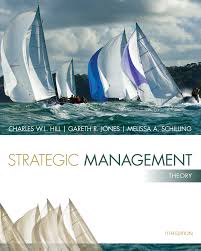
Strategic Management Theory & Cases An Integrated Approach 11th Edition by Charles W. L. Hill - Test Bank

Strategic Management Theory & Cases An Integrated Approach 11th Edition by Charles W. L. Hill - Test Bank   Instant Download - Complete Test Bank With Answers     Sample Questions Are Posted Below   A finn's bnsiness model shonld contain three components: what is to be satisfied, who is to be satisfied, and how …

$19.99

Strategic Management Theory & Cases An Integrated Approach 11th Edition by Charles W. L. Hill – Test Bank


Instant Download – Complete Test Bank With Answers


Sample Questions Are Posted Below


  1. A finn’s bnsiness model shonld contain three components: what is to be satisfied, who is to be satisfied, and how they will be satisfied.
  2. True
  3. False


ANSWER: POINTS:

DIFFICULTY:

True


I


Easy


LEARNING OBJECTIVES:  SMIA.HILL.l5.05.01- Explain the difference between low-cost and differentiation strategies

NATIONAL STANDARDS:   United  States- BUSPROG: Reflective Thin- BUSPROG: Analytic

KEYWORDS:                       Bloom’s: Knowledge


  1. The way a prodnet is differentiated from other prodncts  of its type and the price of the prodnct determine which prodnct a cnstomer chooses to satisfy  his or her needs.
  2. True
  3. False


ANSWER: POINTS:

DIFFICULTY:

True


I

Easy


LEARNING OBJECTIVES:  SMIA.HILL.l5.05.01- Explain the difference between low-cost and differentiation strategies

NATIONAL STANDARDS:   United  States- BUSPROG: Reflective Thin- BUSPROG: Analytic

KEYWORDS:                       Bloom’s: Knowledge


  1. Companies with a differentiation advantage tend to charge a lower price for their prodncts.
  2. True
  3. False


ANSWER: POINTS:

DIFFICULTY:

False


I


Easy


LEARNING OBJECTIVES:  SMIA.HILL.l5.05.01- Explain the difference between low-cost and differentiation strategies

NATIONAL STANDARDS:   United  States- BUSPROG: Reflective Thin- BUSPROG: Analytic

KEYWORDS:                       Bloom’s: Comprehension


  1. In commodity markets, competitive advantage goes to the company that has the lowest costs.
  2. True
  3. False


ANSWER: POINTS:

DIFFICULTY:

True

1

Easy


LEARNING OBJECTIVES:  SMIA.HILL.15.05.01- Explain the difference between low-cost and differentiation strategies

NATIONAL STANDARDS:   United States- BUSPROG: Reflective Thin- BUSPROG: Analytic

KEYWORDS:                       Bloom’s: Knowledge


  1. A company has a competitive advantage if it can increase costs relative to rivals.
  2. True
  3. False


ANSWER: POINTS:

DIFFICULTY:

False

1

Easy


LEARNING OBJECTIVES:  SMIA.HILL.15.05.01- Explain the difference between low-cost and differentiation strategies

NATIONAL STANDARDS:   United States- BUSPROG: Reflective Thin- BUSPROG: Analytic

KEYWORDS:                       Bloom’s: Knowledge


  1. Differentiation can help a company to grow overall demand and capture market share from its rivals.
  2. True
  3. False


ANSWER: POINTS:

DIFFICULTY:

True

1

Easy


LEARNING OBJECTIVES:  SMIA.HILL.15.05.01- Explain the difference between low-cost and differentiation strategies

NATIONAL STANDARDS:   United States- BUSPROG: Reflective Thin- BUSPROG: Analytic

KEYWORDS:                       Bloom’s: Comprehension


  1. Differentiation leads to high brand loyalty, which in tum significantly increases the threat of new firms entering the industry.
  2. True
  3. False


ANSWER: POINTS:

DIFFICULTY:

False

1

Easy


LEARNING OBJECTIVES:  SMIA.HILL.15.05.01- Explain the difference between low-cost and differentiation strategies

NATIONAL STANDARDS:   United States- BUSPROG: Reflective Thin- BUSPROG: Analytic

KEYWORDS:                       Bloom’s: Knowledge


  1. Market segmentation refers to the process of subdividing a market into clearly identifiable groups of customers with similar needs, desires, and demand characteristics.
  2. True
  3. False


ANSWER: POINTS:

DIFFICULTY:

True

I

Easy


LEARNING OBJECTIVES:  SMIA.HILL.l5.05.01- Explain the difference between low-cost and differentiation strategies

NATIONAL STANDARDS:   United States- BUSPROG: Reflective Thin- BUSPROG: Analytic

KEYWORDS:                       Bloom’s: Knowledge


  1. A generic business-level strategy is a strategy that gives a company a specific form of competitive position and advantage over its rivals that results in above-average profitability.
  2. True
  3. False


ANSWER:                              True POINTS:                               I DIFFICULTY:                      Easy

LEARNING OBJECTIVES:  SMIA.HILL.l5.05.03- Explain how a company executes its business-level strategy through function-level strategies and organizational arrangements

NATIONAL STANDARDS:   United States- BUSPROG: Reflective Thin- BUSPROG: Analytic

KEYWORDS:                       Bloom’s: Knowledge


  1. A product’s appeal to customers’ desires cannot be considered a source of differentiation.
  2. True
  3. False


ANSWER: POINTS:

DIFFICULTY:

False

I

Easy


LEARNING OBJECTIVES:  SMIA.HILL.l5.05.01- Explain the difference between low-cost and differentiation strategies

NATIONAL STANDARDS:   United States- BUSPROG: Reflective Thin- BUSPROG: Analytic

KEYWORDS:                       Bloom’s: Knowledge


  1. An efficiency frontier shows all of the different positions that a company can adopt with regard to differentiation and cost.
  2. True
  3. False


ANSWER: POINTS:

DIFFICULTY:

True

1

Easy


LEARNING OBJECTIVES:  SMIA.IIILL.l5.05.01- Explain the difference between low-cost and differentiation strategies

NATIONAL STANDARDS:   United States- BUSPROG: Reflective Thin- BUSPROG: Analytic

KEYWORDS:                       Bloom’s: Knowledge


  1. Mike’s Eatery, a fast food chain, neither customizes its product offerings nor sells new products based on market segments. Mike’s Eatery is pursuing standardization strategy.
  2. True
  3. False


ANSWER: POINTS:

DIFFICULTY:

True

1

Moderate


LEARNING OBJECTIVES:  SMIA.HILL.l5.05.01- Explain the difference between low-cost and differentiation strategies

NATIONAL STANDARDS:   United States- BUSPROG: Reflective Thin- BUSPROG: Analytic

KEYWORDS:                       Bloom’s: Application


  1. When a company decides to serve a limited number of segments, or just one segment, it is pursuing a segmentation strategy.
  2. True
  3. False


ANSWER: POINTS:

DIFFICULTY:

False

1

Easy


LEARNING OBJECTIVES:  SMIA.HILL.l5.05.01- Explain the difference between low-cost and differentiation strategies

NATIONAL STANDARDS:   United States- BUSPROG:  Analytic

KEYWORDS:                       Bloom’s: Knowledge


  1. When a company already has a low-cost structure, it has to give up a lot of differentiation in its product offering to get additional cost reductions.
  2. True
  3. False


ANSWER: POINTS:

DIFFICULTY:

True

1

Easy


LEARNING OBJECTIVES:  SMIA.HILL.l5.05.02- Articulate how the attainment of a differentiated or low-cost position can give a company a competitive advantage

NATIONAL STANDARDS:   United States- BUSPROG: Reflective Thin- BUSPROG: Analytic

KEYWORDS:                       Bloom’s: Knowledge


  1. All focus strategies entail serving a specific market segment using a differentiation approach.
  2. True
  3. False


ANSWER: POINTS:

DIFFICULTY:

False

1

Easy


LEARNING OBJECTIVES:  SMIA.HILL.l5.05.02- Articulate how the attainment of a differentiated or low-cost position can give a company a competitive advantage

NATIONAL STANDARDS:   United States- BUSPROG: Reflective Thin- BUSPROG: Analytic

KEYWORDS:                       Bloom’s: Comprehension


  1. The generic business-level strategies are cost leadership, differentiation, and mass marketing.
  2. True
  3. False


ANSWER: POINTS:

DIFFICULTY:

False

1

Easy


LEARNING OBJECTIVES:  SMIA.HILL.l5.05.02- Articulate how the attainment of a differentiated or low-cost position can give a company a competitive advantage

NATIONAL STANDARDS:   United States- BUSPROG: Reflective Thin- BUSPROG: Analytic

KEYWORDS:                       Bloom’s: Knowledge


  1. A low-cost company is often best positioned to survive price rivalry in its industry.
  2. True
  3. False


ANSWER:                             True

POINTS:                               1

DIFFICULTY:                      Easy

LEARNING OBJECTIVES:  SMIA.HILL.l5.05.03- Explain how a company executes its business-level strategy through function-level strategies and organizational arrangements

NATIONAL STANDARDS:   United States- BUSPROG: Reflective Thin- BUSPROG: Analytic

KEYWORDS:                       Bloom’s: Comprehension


  1. The brand loyalty enjoyed by the differentiated company does not protect it from substitute goods and services.
  2. True
  3. False


ANSWER:                            False

POINTS:                               1

DIFFICULTY:                      Easy

LEARNING OBJECTIVES:  SMIA.IIILL.l5.05.03- Explain how a company executes its business-level strategy through function-level strategies and organizational arrangements

NATIONAL STANDARDS:   United States- BUSPROG: Reflective Thin- BUSPROG: Analytic

KEYWORDS:                       Bloom’s: Comprehension


  1. Companies that focus on the higher-income or higher-value end of the market will tend to have a higher cost structure.
  2. True
  3. False


ANSWER: POINTS:

DIFFICULTY:

True

1

Easy


LEARNING OBJECTIVES:  SMIA.HILL.l5.05.02- Articulate how the attainment of a differentiated or low-cost position can give a company a competitive advantage

NATIONAL STANDARDS:   United States- BUSPROG: Reflective Thin- BUSPROG: Analytic

KEYWORDS:                       Bloom’s: Knowledge


  1. Companies that follow a standardization strategy ignore the many different market segments in an industry and position their products to appeal to the average customer.
  2. True
  3. False


ANSWER: POINTS:

DIFFICULTY:

True

1

Easy


LEARNING OBJECTIVES:  SMIA.HILL.l5.05.02- Articulate how the attainment of a differentiated or low-cost position can give a company a competitive advantage

NATIONAL STANDARDS:   United States- BUSPROG: Reflective Thin- BUSPROG: Analytic

KEYWORDS:                       Bloom’s: Knowledge


  1. By focusing on a niche, and customizing the offering to that segment, a differentiated company can often outsell differentiated rivals that target a broader market.
  2. True
  3. False


ANSWER:                             True POINTS:                               I DIFFICULTY:                      Easy

LEARNING OBJECTIVES:  SMIA.HILL.l5.05.03- Explain how a company executes its business-level strategy

through function-level strategies and organizational arrangements NATIONAL STANDARDS:   United States- BUSPROG: Reflective Thin- BUSPROG: Analytic KEYWORDS:                       Bloom’s: Comprehension


  1. A differentiated company is protected from intense price rivalry within its industry by its brand loyalty.
  2. True
  3. False


ANSWER:                             True POINTS:                               I DIFFICULTY:                      Easy

LEARNING OBJECTIVES:  SMIA.HILL.l5.05.03- Explain how a company executes its business-level strategy through function-level strategies and organizational arrangements

NATIONAL STANDARDS:   United States- BUSPROG: Reflective Thin- BUSPROG: Analytic

KEYWORDS:                       Bloom’s: Knowledge


  1. Actions taken at the functional level should support the business-level strategy, as should the organizational arrangements of the enterprise.
  2. True
  3. False


ANSWER:                             True POINTS:                               I DIFFICULTY:                      Easy

LEARNING OBJECTIVES:  SMIA.HILL.l5.05.03- Explain how a company executes its business-level strategy through function-level strategies and organizational arrangements

NATIONAL STANDARDS:   United States- BUSPROG: Reflective Thin- BUSPROG: Analytic

KEYWORDS:                       Bloom’s: Knowledge


  1. When a company targets a certain segment or niche, and tries to be the low-cost player in that niche, it is pursuing a broad low-cost strategy.
  2. True
  3. False


ANSWER:                            False

POINTS:                               1

DIFFICULTY:                      Easy

LEARNING OBJECTIVES:  SMIA.IIILL.15.05.03- Explain how a company executes its business-level strategy through function-level strategies and organizational arrangements

NATIONAL STANDARDS:   United States- BUSPROG: Reflective Thin- BUSPROG: Analytic

KEYWORDS:                       Bloom’s: Comprehension


  1. Standardization describes what happens when innovation pushes out the efficiency frontier in an industry, allowing for greater value to be offered through superior differentiation at a lower cost than was previously thought possible.
  2. True
  3. False


ANSWER:                            False

POINTS:                               1

DIFFICULTY:                      Easy

LEARNING OBJECTIVES:  SMIA.HILL.15.05.04- Describe what is meant by the term “value innovation” NATIONAL STANDARDS:   United States- BUSPROG: Reflective Thin- BUSPROG: Analytic KEYWORDS:         Bloom’s: Knowledge


  1. The efficiency frontier is not static; it is continually being pushed outwards by the efforts of managers to improve their firm’s performance through innovation.
  2. True
  3. False


ANSWER:                             True

POINTS:                               1

DIFFICULTY:                      Easy

LEARNING OBJECTIVES:  SMIA.HILL.15.05.04- Describe what is meant by the term “value innovation” NATIONAL STANDARDS:   United States- BUSPROG: Reflective Thin- BUSPROG: Analytic KEYWORDS:         Bloom’s: Knowledge


  1. When a company is able to pioneer process innovations that lead to value innovation, it effectively changes the game in an industry and may be able to outperform its rivals for a long period of time.
  2. True
  3. False


ANSWER:                             True

POINTS:                               1

DIFFICULTY:                      Easy

LEARNING OBJECTIVES:  SMIA.HILL.15.05.04- Describe what is meant by the term “value innovation” NATIONAL STANDARDS:   United States- BUSPROG: Reflective Thin- BUSPROG: Analytic KEYWORDS:         Bloom’s: Knowledge


  1. The basic proposition of the blue ocean strategy is that many successful companies have built their competitive advantage by initiating price wars and driving weaker rivals out of the industry.
  2. True
  3. False


ANSWER: POINTS:

DIFFICULTY:

False

1

Easy


LEARNING OBJECTIVES:  SMIA.HILL.15.05.05- Discuss the concept of blue ocean strategy, and explain how innovation in business-level strategy can change the competitive game in an industry, giving the innovator a sustained competitive advantage

NATIONAL STANDARDS:   United States- BUSPROG: Reflective Thin- BUSPROG: Analytic

KEYWORDS:                       Bloom’s: Comprehension


  1. One of the great advantages of successful value innovation is that it can catch rivals off guard and make it difficult for them to catch up.
  2. True
  3. False


ANSWER:                             True

POINTS:                               1

DIFFICULTY:                      Easy

LEARNING OBJECTIVES:  SMIA.HILL.15.05.05- Discuss the concept of blue ocean strategy, and explain how innovation in business-level strategy can change the competitive game in an industry, giving the innovator a sustained competitive advantage

NATIONAL STANDARDS:   United States- BUSPROG: Reflective Thin- BUSPROG: Analytic

KEYWORDS:                       Bloom’s: Knowledge


  1. Focus strategy can be defined as:
  2. the strategy of merging with an established company in order to gain monopoly over the market.
  3. the strategy a company uses when it decides to allocate the company resources equally among all the marketing segments
  4. the strategy a company uses when it decides to serve a limited number of segments, or just one segment of the market.
  5. the strategy a company uses when it decides to iguore the different needs of different market segments, and produce one standardized product for all the customers.
  6. the strategy of closing down one or more business units in order to minimize the losses.


ANSWER: POINTS:

DIFFICULTY:

c

1

Easy


LEARNING OBJECTIVES:  SMIA.HILL.15.05.01- Explain the difference between low-cost and differentiation


  1. Which of the following generic competitive strategies is a producer of commodity steel most likely to pursue?
  2. Exclusive dealing
  3. Broad differentiation c. Focus differentiation d. Broad low-cost
  4. Horizontal integration


ANSWER: POINTS:

DIFFICULTY:

d

I

Easy


LEARNING OBJECTIVES:  SMIA.HILL.l5.05.01- Explain the difference between low-cost and differentiation strategies

NATIONAL STANDARDS:   United States- BUSPROG:  Analytic

KEYWORDS:                       Bloom’s: Comprehension


  1. Companies that successfully differentiate a product often charge           prices for them. a. prermum
  2. exorbitant c. low
  3. average
  4. steep


ANSWER: POINTS:

DIFFICULTY:

a


I

Easy


LEARNING OBJECTIVES:  SMIA.HILL.l5.05.01- Explain the difference between low-cost and differentiation strategies

NATIONAL STANDARDS:   United States- BUSPROG: Reflective Thin- BUSPROG: Analytic

KEYWORDS:                       Bloom’s: Knowledge


  1. A differentiated product is a product that:
  2. has a greater resale value than rival products. b. provides greater reliability than rival products.
  3. is offered free of cost on purchase of a company’s standard product.
  4. always costs more than rival products. e. always costs less than rival products.


ANSWER: POINTS:

DIFFICULTY:

b

I

Easy


LEARNING OBJECTIVES:  SMIA.HILL.l5.05.01- Explain the difference between low-cost and differentiation


  1. Cool Looks produces a variety of clothing for various customer groups. Which of the following strategies is the finn most likely pursuing?
  2. Cost leadership b. Differentiation
  3. Product substitution d. Focus
  4. Share building


ANSWER: POINTS:

DIFFICULTY:

b

1

Moderate


LEARNING OBJECTIVES:  SMIA.IIILL.15.05.01- Explain the difference between low-cost and differentiation strategies

NATIONAL STANDARDS:   United States- BUSPROG: Reflective Thinking

KEYWORDS:                       Bloom’s: Application


  1. When a company produces a wide range of products for various customer groups, it is following a strategy. a. cost leadership
  2. differentiation
  3. customer retention
  4. market concentration e. share building


ANSWER: POINTS:

DIFFICULTY:

b

1

Easy


LEARNING OBJECTIVES:  SMIA.HILL.15.05.01- Explain the difference between low-cost and differentiation strategies

NATIONAL STANDARDS:   United States- BUSPROG: Reflective Thin- BUSPROG: Analytic

KEYWORDS:                       Bloom’s: Knowledge


  1. Compared to a differentiator, the company that follows a low-cost strategy has the advantage of:
  2. distinguishing its products from those of rivals by offering something that they fmd hard to match. b. absorbing cost increases by powerful suppliers while keeping to their lower pricing.
  3. allowing the company to charge a premium price for its good or service.
  4. using perceived superior value to generate growth in demand among customers.
  5. creating entry barriers for rivals with greater brand loyalty to the specific products offered.


ANSWER: POINTS:

DIFFICULTY:

b

1

Moderate


LEARNING OBJECTIVES:  SMIA.HILL.15.05.01- Explain the difference between low-cost and differentiation


  1. 3 A differentiation strategy is based on creating a product that customers perceive as being:
  2. the same as other available products. b. distinct from other available products. c. the least costly product in the industry. d. the most costly product in the industry.
  3. cheaper, but inferior to the available products.


ANSWER: POINTS:

DIFFICULTY:

b

I

Easy


LEARNING OBJECTIVES:  SMIA.HILL.l5.05.01- Explain the difference between low-cost and differentiation strategies

NATIONAL STANDARDS:   United States- BUSPROG: Reflective Thin- BUSPROG: Analytic

KEYWORDS:                       Bloom’s: Knowledge


  1. 3 When a company recognizes that the needs of one market segment is not the same as another and accordingly customizes its product offerings, it is said to be pursuing:
  2. stuck-in-the-middle strategy. b. rapid-growth strategy.
  3. differentiation strategy.
  4. focus strategy.
  5. low-cost strategy.


ANSWER: POINTS:

DIFFICULTY:

c

I

Challenging


LEARNING OBJECTIVES:  SMIA.HILL.l5.05.01- Explain the difference between low-cost and differentiation strategies

NATIONAL STANDARDS:   United States- BUSPROG: Reflective Thin- BUSPROG: Analytic

KEYWORDS:                       Bloom’s: Analysis


  1. A market segment consists of a group of:
  2. similar products.
  3. customers who have similar needs.
  4. products that are considered obsolete.
  5. diverse products produced by the same manufacturer. e. customers who have diverse needs.


ANSWER: POINTS:

DIFFICULTY:

b

I

Easy


LEARNING OBJECTIVES:  SMIA.HILL.l5.05.01- Explain the difference between low-cost and differentiation


  1. A segmentation strategy requires that a company:
  2. standardize its products.
  3. offer its products at low costs. c. customize its products.
  4. produce one basic offering.
  5. attain high economies of scale by achieving a high volume of sales.


ANSWER: POINTS:

DIFFICULTY:

c

I

Easy


LEARNING OBJECTIVES:  SMIA.HILL.l5.05.01- Explain the difference between low-cost and differentiation strategies

NATIONAL STANDARDS:   United States- BUSPROG: Reflective Thin- BUSPROG: Analytic

KEYWORDS:                       Bloom’s: Knowledge


  1. Which of the following is NOT a main approach to market segmentation?
  2. Marketing a product targeted toward average or typical customers
  3. Marketing a product to a group of people who are more likely to purchase it c. Making customized products to suit the unique requirements of customers
  4. Making products to meet the specific needs of a narrow group of customers
  5. Making one product aimed toward a general, rather than a specific subset of customers


ANSWER: POINTS:

DIFFICULTY:

e

I

Moderate


LEARNING OBJECTIVES:  SMIA.HILL.l5.05.01- Explain the difference between low-cost and differentiation strategies

NATIONAL STANDARDS:   United States- BUSPROG: Reflective Thin- BUSPROG: Analytic

KEYWORDS:                       Bloom’s: Comprehension


  1. Differentiation allows a company to:
  2. respond to demands of deep price demands from powerful buyers and still make money. b. lower its cost structure.
  3. charge a premium price for its good or service.
  4. charge low prices and still make profits.
  5. initiate a price war in order to grow volume and drive its weaker rivals out of the industry.


ANSWER: POINTS:

DIFFICULTY:

c

I

Easy


LEARNING OBJECTIVES:  SMIA.HILL.l5.05.02- Articulate how the attainment of a differentiated or low-cost position can give a company a competitive advantage

NATIONAL STANDARDS:   United States- BUSPROG: Reflective Thin- BUSPROG: Analytic

KEYWORDS:                       Bloom’s: Knowledge


  1. The main difference between companies following a broad low-cost strategy and those following a focus low-cost strategy is in the:
  2. standardized market price. b. industry life cycle stage.
  3. degree of market segmentation. d. age of the market.
  4. market trajectory.


ANSWER: POINTS:

DIFFICULTY:

c

1

Easy


LEARNING OBJECTIVES:  SMIA.HILL.15.05.02- Articulate how the attairnnent of a differentiated or low-cost position can give a company a competitive advantage

NATIONAL STANDARDS:   United States- BUSPROG: Reflective Thin- BUSPROG: Analytic

KEYWORDS:                       Bloom’s: Comprehension


  1. A company that follows the strategy customizes its offering to a particular niche in order to outsell its rivals. a. focused differentiation
  2. broad low-cost
  3. market standardization d. rapid growth
  4. stuck in the middle


ANSWER: POINTS:

DIFFICULTY:

a


1

Easy


LEARNING OBJECTIVES:  SMIA.HILL.15.05.02- Articulate how the attairnnent of a differentiated or low-cost position can give a company a competitive advantage

NATIONAL STANDARDS:   United States- BUSPROG: Reflective Thin- BUSPROG: Analytic

KEYWORDS:                       Bloom’s: Knowledge


  1. Production of a large product variety without a large cost penalty is known as:
  2. market concentration. b. market segmentation.
  3. focused differentiation. d. mass production.
  4. mass customization.


ANSWER: POINTS:

DIFFICULTY:

e

1

Easy


LEARNING OBJECTIVES:  SMIA.HILL.15.05.02- Articulate how the attairnnent of a differentiated or low-cost position can give a company a competitive advantage

NATIONAL STANDARDS:   United States- BUSPROG: Reflective Thin- BUSPROG: Analytic

KEYWORDS:                       Bloom’s: Knowledge


  1. When a company offers a wide variety of products at lower prices than its rivals, it is most likely:
  2. pursuing a low-cost strategy.
  3. pursuing a differentiation strategy. c. pursuing a focus strategy.
  4. pursuing an exit strategy.
  5. pursuing a rapid growth strategy.


ANSWER: POINTS:

DIFFICULTY:

a


1

Easy


LEARNING OBJECTIVES:  SMIA.HILL.15.05.02- Articulate how the attairnnent of a differentiated or low-cost position can give a company a competitive advantage

NATIONAL STANDARDS:   United States- BUSPROG: Reflective Thin- BUSPROG: Analytic

KEYWORDS:                       Bloom’s: Comprehension


  1. 4 A focused differentiator has the advantage of:
  2. selling on non-price factors, such as design or customer service. b. producing a large product variety without a large cost penalty.
  3. producing a basic offering that is relatively inexpensive to produce and deliver.
  4. being able to respond to demands for deep price discounts.
  5. being able to initiate a price war in order to grow volume and drive its weaker rivals out of the industry.


ANSWER: POINTS:

DIFFICULTY:

a


1

Easy


LEARNING OBJECTIVES:  SMIA.HILL.15.05.02- Articulate how the attairnnent of a differentiated or low-cost position can give a company a competitive advantage

NATIONAL STANDARDS:   United States- BUSPROG: Reflective Thin- BUSPROG: Analytic

KEYWORDS:                       Bloom’s: Comprehension


  1. Lucy’s Swirnwear Boutique offers swirnwear that is targeted at affluent people who can afford to buy expensive, handmade swimsuits. Which of the following approaches to market segmentation is Lucy’s Swimwear Boutique using?
  2. Broad differentiation strategy b. Low market segmentation
  3. Medium market segmentation strategy
  4. Broad high-cost strategy
  5. Focus differentiation strategy


ANSWER: POINTS:

DIFFICULTY:

e

1

Moderate


LEARNING OBJECTIVES:  SMIA.HILL.15.05.02- Articulate how the attairnnent of a differentiated or low-cost position can give a company a competitive advantage

NATIONAL STANDARDS:   United States- BUSPROG: Reflective Thinking

KEYWORDS:                       Bloom’s: Application


  1. At The Luxury Hotel in Miami, Florida, three hotel employees serve the needs of each guest. In every room, a guest can summon a chef, a maid, or a valet by pressing a button at his/her bedside. Which generic business-level strategy is The Luxury Hotel utilizing?
  2. Cost leadership b. Differentiation
  3. Vertical integration d. Razor and blade
  4. Brand loyalty


ANSWER: POINTS:

DIFFICULTY:

b

I

Moderate


LEARNING OBJECTIVES:  SMIA.HILL.l5.05.02- Articulate how the attairnnent of a differentiated or low-cost position can give a company a competitive advantage

NATIONAL STANDARDS:   United States- BUSPROG: Reflective Thinking

KEYWORDS:                       Bloom’s: Application


  1. The advantage that focused companies have over their broad market rivals is that they:
  2. can sells on non-price factors, such as design or customer service. b. can respond to demands for deep price discounts.
  3. sell fewer products in bulk to outsell their rivals.
  4. can initiate a price war in order to grow volume and drive its weaker rivals out of the industry. e. can absorb cost increases that may be passed on downstream by powerful suppliers.


ANSWER: POINTS:

DIFFICULTY:

c

I

Easy


LEARNING OBJECTIVES:  SMIA.HILL.l5.05.02- Articulate how the attairnnent of a differentiated or low-cost position can give a company a competitive advantage

NATIONAL STANDARDS:   United States- BUSPROG: Reflective Thin- BUSPROG: Analytic

KEYWORDS:                       Bloom’s: Knowledge


  1. Delta Airlines used to advertise its high-quality air travel service by saying it flew “anywhere, anytime.” What generic strategy is represented by this advertisement?
  2. Broad low-cost
  3. Broad differentiation c. Vertical integration
  4. Right-time marketing
  5. Rapid growth


ANSWER: POINTS:

DIFFICULTY:

b

I

Challenging


LEARNING OBJECTIVES:  SMIA.HILL.l5.05.02- Articulate how the attairnnent of a differentiated or low-cost position can give a company a competitive advantage

NATIONAL STANDARDS:   United States- BUSPROG: Reflective Thinking

KEYWORDS:                       Bloom’s: Application


  1. A company pursuing a focus strategy:
  2. attempts to serve all market segments.
  3. concentrates on building market share in one market segment.
  4. typically has more resources at its disposal than a differentiator does. d. has a greater impact on costs and revenues.
  5. produce different offerings for different segments.


ANSWER: POINTS:

DIFFICULTY:

b

I

Moderate


LEARNING OBJECTIVES:  SMIA.HILL.l5.05.02- Articulate how the attairnnent of a differentiated or low-cost position can give a company a competitive advantage

NATIONAL STANDARDS:   United States- BUSPROG: Reflective Thin- BUSPROG: Analytic

KEYWORDS:                       Bloom’s: Comprehension


  1. Which of the following statements is true of differentiation and cost structure?
  2. Differentiation and cost structure decisions affect one another.
  3. Differentiation and cost structure decisions do not affect one another.
  4. Companies that focus on the higher-value end of the market have a lower cost structure. d. Differentiation decisions do not affect a company’s profitability.
  5. Cost structure decisions do not affect a company’s profitability.


ANSWER: POINTS:

DIFFICULTY:

a


I

Moderate


LEARNING OBJECTIVES:  SMIA.HILL.l5.05.02- Articulate how the attairnnent of a differentiated or low-cost position can give a company a competitive advantage

NATIONAL STANDARDS:   United States- BUSPROG: Reflective Thin- BUSPROG: Analytic

KEYWORDS:                       Bloom’s: Comprehension


  1. Nick, a professional magician, is often invited to perform magic tricks at birthday parties and other social gatherings from across the country. However, he offers his services only to clients who stay in the same city as him. He is also known to charge less than other magicians in the city. Nick is pursuing which generic business strategy?
  2. Improved services
  3. Right-time marketing c. Focused low-cost
  4. Broad low-cost
  5. Deterrence strategy


ANSWER: POINTS:

DIFFICULTY:

c

I

Challenging


LEARNING OBJECTIVES:  SMIA.HILL.l5.05.02- Articulate how the attairnnent of a differentiated or low-cost position can give a company a competitive advantage

NATIONAL STANDARDS:   United States- BUSPROG: Reflective Thinking

KEYWORDS:                       Bloom’s: Analysis


  1. Yankee Candle Company offers customers candles that burn for 50-60 hours, much longer than most department store candle brands. Therefore, customers are willing to pay a higher price for these candles. Which of the following strategies is Yankee Candle Company following?
  2. Cost leadership b. Rapid growth
  3. Market segmentation d. Differentiation
  4. Stuck in the middle


ANSWER: POINTS:

DIFFICULTY:

d

I

Moderate


LEARNING OBJECTIVES:  SMIA.HILL.l5.05.02- Articulate how the attairnnent of a differentiated or low-cost position can give a company a competitive advantage

NATIONAL STANDARDS:   United States- BUSPROG: Reflective Thinking

KEYWORDS:                       Bloom’s: Application


  1. Lilly’s Beauty Company sells haircare products such as shampoo, conditioner, and hairspray. The company does not sell new or customized products in order to meet the specific needs of certain groups of people. Which of the following approaches is illustrated in this scenario?
  2. Standardization strategy b. Focus strategy
  3. Medium market segmentation
  4. High market segmentation
  5. Focused market segmentation


ANSWER: POINTS:

DIFFICULTY:

a


I

Moderate


LEARNING OBJECTIVES:  SMIA.HILL.l5.05.02- Articulate how the attairnnent of a differentiated or low-cost position can give a company a competitive advantage

NATIONAL STANDARDS:   United States- BUSPROG: Reflective Thinking

KEYWORDS:                       Bloom’s: Application


  1. A company that follows a low-cost strategy could reasonably be expected to reduce costs by:
  2. broadening the business processes.
  3. adopting lean production and flexible manufacturing technologies. c. implementing first-in-first-out inventory control systems.
  4. taking steps to increase customer chum.
  5. abandoning economies of scale and learning effects.


ANSWER:                             b POINTS:                               I DIFFICULTY:                      Easy

LEARNING OBJECTIVES:  SMIA.HILL.l5.05.03- Explain how a company executes its business-level strategy

through function-level strategies and organizational arrangements NATIONAL STANDARDS:   United States- BUSPROG: Reflective Thin- BUSPROG: Analytic KEYWORDS:                       Bloom’s: Comprehension


  1. When a company targets a certain segment or niche, and customizes its offering to the needs of that particular segment through the addition of features and functions, the company is pursuing a strategy.
  2. broad low-cost
  3. broad differentiation c. product substitution d. focus low-cost
  4. focus differentiation


ANSWER:                              e POINTS:                               I DIFFICULTY:                      Easy

LEARNING OBJECTIVES:  SMIA.HILL.l5.05.03- Explain how a company executes its business-level strategy through function-level strategies and organizational arrangements

NATIONAL STANDARDS:   United States- BUSPROG: Reflective Thin- BUSPROG: Analytic

KEYWORDS:                       Bloom’s: Knowledge


  1. Which of the following generic business-level strategies is based on the intent to lower costs so that a company can lower prices and still make a profit?
  2. Broad low-cost strategy
  3. Price differentiation strategy c. Broad differentiation strategy
  4. Focused differentiation strategy e. Focused low-cost strategy


ANSWER:                              a POINTS:                               I DIFFICULTY:                      Easy

LEARNING OBJECTIVES:  SMIA.HILL.l5.05.03- Explain how a company executes its business-level strategy


  1. Which of the following is NOT a generic business-level strategy?
  2. Broad differentiation strategy b. Broad low-cost strategy
  3. Focused low-cost strategy
  4. Focused differentiation strategy e. Focused innovation strategy


ANSWER:                             e

POINTS:                               1

DIFFICULTY:                      Easy

LEARNING OBJECTIVES:  SMIA.IIILL.15.05.03- Explain how a company executes its business-level strategy through function-level strategies and organizational arrangements

NATIONAL STANDARDS:   United States- BUSPROG: Reflective Thin- BUSPROG: Analytic

KEYWORDS:                       Bloom’s: Comprehension


  1. Jordan’s Ice Creams is strategically located near a university. After realizing that most of its customers, who are mostly students, prefer a wide range of flavors, it started offering different combinations of premium flavors, cones, and toppings to create hundreds of extravagant, customized products. Which generic strategy is Jordan pursuing?
  2. Broad low-cost strategy
  3. Broad differentiation strategy c. Focused low-cost strategy
  4. Focused differentiation strategy e. Product substitution strategy


ANSWER:                             d

POINTS:                               1

DIFFICULTY:                      Challenging

LEARNING OBJECTIVES:  SMIA.HILL.15.05.03- Explain how a company executes its business-level strategy through function-level strategies and organizational arrangements

NATIONAL STANDARDS:   United States- BUSPROG: Reflective Thinking

KEYWORDS:                       Bloom’s: Analysis


  1. A low-cost position is most appropriate when:
  2. the power of buyers is low and barriers to entry are high.
  3. economies of scale are relatively unimportant in manufacturing products. c. customers have very different needs and uses for the industry’s products. d. product innovation is the key competitive factor.
  4. industry rivalry is high and customers are very sensitive to prices.


ANSWER:                             e

POINTS:                               1

DIFFICULTY:                      Moderate

LEARNING OBJECTIVES:  SMIA.HILL.15.05.03- Explain how a company executes its business-level strategy


  1. In which of the following situations is a differentiation strategy used? a. The industry is fragmented into customer groups based on needs. b. Customer needs are primarily satisfied by the price of the product. c. A company’s cost structure needs to be reduced.
  2. There is a demand for deep price discounts from powerful buyers.
  3. The industry is not allowed to charge a premium price for its products.


ANSWER:                             a POINTS:                                             I DIFFICULTY:                      Moderate

LEARNING OBJECTIVES:  SMIA.HILL.l5.05.03- Explain how a company executes its business-level strategy

through function-level strategies and organizational arrangements NATIONAL STANDARDS:   United States- BUSPROG: Reflective Thin- BUSPROG: Analytic KEYWORDS:                       Bloom’s: Comprehension


  1. A disadvantage of pursuing a low-cost strategy is that:
  2. it makes it difficult for fmns to customize their product offerings . b. price wars make it hard to compete with differentiators.
  3. it costs more than a differentiation strategy because of the necessity of high capital investments.
  4. powerful buyers are a major threat. e. it reduces customer retention.


ANSWER:                             a POINTS:                                             I DIFFICULTY:                      Moderate

LEARNING OBJECTIVES:  SMIA.HILL.l5.05.03- Explain how a company executes its business-level strategy through function-level strategies and organizational arrangements

NATIONAL STANDARDS:   United States- BUSPROG: Reflective Thin- BUSPROG: Analytic

KEYWORDS:                       Bloom’s: Comprehension


  1. Functional strategies to improve differentiation should include:
  2. product offerings designed to be can be produced and delivered at as low a cost as possible b. standardization of the product offering and marketing mix to different market segments.
  3. hiring and employee development strategies designed to ensure that employees act in a manner that is

consistent with the image that the company is trying to project to the world.

  1. initiation of a price war in order to grow volume and drive its weaker rivals out of the industry.
  2. products that have lower prices to allow a company to erect an economic moat around its business that keeps higher-cost rivals out.


ANSWER:                             c POINTS:                               I DIFFICULTY:                      Easy

LEARNING OBJECTIVES:  SMIA.HILL.l5.05.03- Explain how a company executes its business-level strategy


  1. Which of the following is NOT a principal danger of a low-cost position approach?
  2. Powerful buyers
  3. Technological change
  4. hnitation of production techniques d. Changes in consumer tastes
  5. Rivals lowering their costs


ANSWER:                             a

POINTS:                               1

DIFFICULTY:                      Moderate

LEARNING OBJECTIVES:  SM1A.HILL.15.05.03- Explain how a company executes its business-level strategy through function-level strategies and organizational arrangements

NATIONAL STANDARDS:   United States- BUSPROG: Reflective Thin- BUSPROG: Analytic

KEYWORDS:                       Bloom’s: Comprehension


  1. A company pursuing a low-cost strategy:
  2. Improves non-price factors such as design and customer service b. Produces a basic offering to reduce cost structures
  3. Keeps advertising expenses at a maximum
  4. Relies on patent protections to keep costs low
  5. Customizes marketing mix to different market segments


ANSWER:                            b

POINTS:                               1

DIFFICULTY:                      Easy

LEARNING OBJECTIVES:  SM1A.HILL.15.05.03- Explain how a company executes its business-level strategy through function-level strategies and organizational arrangements

NATIONAL STANDARDS:   United States- BUSPROG: Reflective Thin- BUSPROG: Analytic

KEYWORDS:                       Bloom’s: Comprehension


  1. Which of the following allows a company to lower cost through functional strategy and organization?
  2. hnplernentingjust-in-tirne inventory control systems
  3. Customizing the product offering and marketing mix to different market segments
  4. Focusing marketing efforts on brand building and perceived differentiation from rivals
  5. Designing strategies to ensure that employees act in a manner that is consistent with the image that the company is trying to project to the world
  6. Adopting rigid manufacturing technologies


ANSWER:                             a

POINTS:                               1

DIFFICULTY:                      Easy

LEARNING OBJECTIVES:  SM1A.HILL.15.05.03- Explain how a company executes its business-level strategy through function-level strategies and organizational arrangements

NATIONAL STANDARDS:   United States- BUSPROG: Reflective Thin- BUSPROG: Analytic

KEYWORDS:                       Bloom’s: Knowledge


  1. Info Tech, Inc. makes complex telecommunications products, such as cellular telephones. Since this company has a distinctive competency in research and development, it should try to differentiate its product through:
  2. reliability. b. innovation. c. advertising. d. service.
  3. low pricing.


ANSWER:                            b

POINTS:                               1

DIFFICULTY:                      Moderate

LEARNING OBJECTIVES:  SMIA.HILL.15.05.04- Describe what is meant by the term “value innovation”

NATIONAL STANDARDS:   United States- BUSPROG: Reflective Thinking

KEYWORDS:                       Bloom’s: Application


  1. The term value innovation is used to describe:
  2. the way a company decides to group customers based on important differences in their needs to gain a competitive advantage.
  3. a business’s overall competitive theme, the way it positions itself in the marketplace to gain a competitive advantage, and the different positioning strategies that can be used in different industry settings.
  4. what happens when innovation pushes out the efficiency frontier in an industry, allowing for greater value to be offered through superior differentiation at a lower cost than was previously thought possible.
  5. what happens when a company decides to ignore different segments, and produce a standardized product for

the average consumer.

  1. what happens when a company decides to serve many segments, or even the entire market, producing different offerings for different segments.


ANSWER:                             c

POINTS:                               1

DIFFICULTY:                      Easy

LEARNING OBJECTIVES:  SMIA.HILL.15.05.04- Describe what is meant by the term “value innovation”

NATIONAL STANDARDS:   United States- BUSPROG: Reflective Thinking

KEYWORDS:                       Bloom’s: Comprehension


  1. The basic proposition of the blue ocean strategy is that many successful companies have built their competitive advantage by:
  2. redefming their product offering through value innovation and creating a new market space. b. initiating a price war in order to grow volume and drive its weaker rivals out of the industry. c. developing brand loyalty to protect them from intense price rivalry within their industry.
  3. charging premium prices for their goods or services.
  4. adopting lean production and flexible manufacturing technologies.


ANSWER:                             a POINTS:                               I DIFFICULTY:                                           Easy

LEARNING OBJECTIVES:  SMIA.HILL.l5.05.04- Describe what is meant by the term “value innovation”

NATIONAL STANDARDS:   United States- BUSPROG: Technology

KEYWORDS:                       Bloom’s: Knowledge


  1. Define the generic business-level strategies companies pursue.


ANSWER:                             There are four generic business-level  strategies.


When a company lowers costs so that it can lower prices and still make a profit, it is pursuing a broad low-cost strategy.


When a company differentiates its product in some way, such as by recognizing different segments or offering different products to each segment, it is pursuing a broad differentiation strategy.


When a company targets a certain segment or niche, and tries to be the low-cost player in that niche, it is pursuing a focus low-cost strategy.


When a company targets a certain segment or niche, and customizes its offering to the needs of that particular segment through the addition of features and functions, it is pursuing a focus differentiation strategy.

POINTS:                               I

DIFFICULTY:                      Challenging

LEARNING OBJECTIVES:  SMIA.HILL.l5.05.03- Explain how a company executes its business-level strategy through function-level strategies and organizational arrangements

NATIONAL STANDARDS:   United States- BUSPROG: Reflective Thin- BUSPROG: Analytic

KEYWORDS:                       Bloom’s: Analysis


  1. Describe how business-level strategies give a company a competitive advantage over actual and potential rivals.


ANSWER:                            Properly executed, a well-chosen and well-crafted business-level strategy can give a company a competitive advantage over actual and potential rivals.


Consider first the low-cost company; by defmition, the low-cost enterprise can make profits at price points that its rivals cannot profitably match. This makes it very hard for rivals to enter its market. In other words, the low-cost company can build an entry barrier into its market. It can, in effect, erect an economic moat around its business

that keeps higher-cost rivals out.

A low-cost position and the ability to charge low prices and still make profits also give a company protection against substitute goods or services. Low costs can help a company to absorb cost increases that may be passed on downstream by powerful suppliers. Low costs can also enable the company to respond to demands for deep price discounts from powerful buyers and still make money. The low-cost company is

often best positioned to survive price rivalry in its industry. Indeed, a low-cost company

may deliberately initiate a price war in order to grow volume and drive its weaker rivals out of the industry.


POINTS: DIFFICULTY:

Now consider the differentiated company. The brand loyalty associated with differentiation can constitute an important entry barrier, protecting the company’s market from potential competitors. Because the successful differentiator sells on non­ price factors, such as design or customer service, it is also less exposed to pricing pressure from powerful buyers. Indeed, the converse may be the case-the successful differentiator may be able to implement price increases without encountering much, if any, resistance from buyers. The differentiated company can also fairly easy absorb price increases from powerful suppliers and pass those on downstream in the form of higher prices for its offerings, without suffering much, if any, loss in market share. The brand loyalty enjoyed by the differentiated company also gives it protection from substitute goods and service.

The differentiated company is protected from intense price rivalry within its industry by its brand loyalty, and by the fact that non-price factors are important to its customer

set. At the same time, the differentiated company often does have to invest significant effort and resources in non-price rivalry, such as brand building through marketing campaigns or expensive product development efforts, but to the extent that it is successful, it can reap the benefits of these investments in the form of stable or higher pnces.

I

Challenging


LEARNING OBJECTIVES:  SMIA.HILL.l5.05.02- Articulate how the attairnnent of a differentiated or low-cost position can give a company a competitive advantage

NATIONAL STANDARDS:   United States- BUSPROG: Reflective Thin- BUSPROG: Analytic

KEYWORDS:                       Bloom’s: Evaluation


  1. 7 List the features that need to be included in functional strategies to improve differentiation.


ANSWER:                             A firm that implements the differentiation strategy cannot ignore efficiency. By virtue of its strategic choice, the differentiated company is likely to have a higher cost structure than the low-cost player in its industry.

Specific functional strategies designed to improve differentiation include the following:

  • Customization of the product offering and marketing mix to different market segments
  • Designing product offerings that have high perceived quality in terms of their functions, features, and performance, in addition to being reliable
  • A well-developed customer care function for quickly handling and responding to customer inquiries and problems
  • Marketing efforts focused on brand building and perceived differentiation from rivals
  • Hiring and employee development strategies designed to ensure that employees act in a manner that is consistent with the image that the company is trying to project to the world

POINTS:                               I

DIFFICULTY:                      Challenging

LEARNING OBJECTIVES:  SMIA.HILL.l5.05.03- Explain how a company executes its business-level strategy through function-level strategies and organizational arrangements

NATIONAL STANDARDS:   United States- BUSPROG: Reflective Thin- BUSPROG: Analytic

KEYWORDS:                       Bloom’s: Analysis

Additional information

Add Review

Your email address will not be published. Required fields are marked *