No products in the cart.

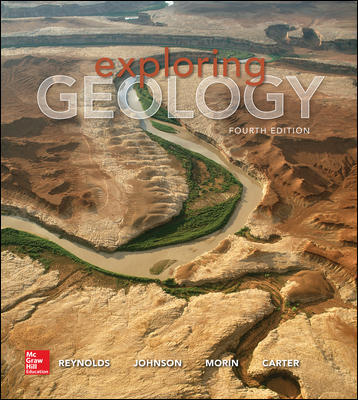
Exploring Geology 4Th Edition By Stephen Reynolds - Test Bank

Exploring Geology 4Th Edition By Stephen Reynolds - Test Bank   Instant Download - Complete Test Bank With Answers     Sample Questions Are Posted Below   TEST BANK QUESTIONS – This test bank is for Exploring Geology 4th edition. In addition to this Word file, the questions can be accessed via MH’s Connect system, …

$19.99

Exploring Geology 4Th Edition By Stephen Reynolds – Test Bank


Instant Download – Complete Test Bank With Answers


Sample Questions Are Posted Below


TEST BANK QUESTIONS – This test bank is for Exploring Geology 4th edition. In addition to this Word file, the questions can be accessed via MH’s Connect system, and MH can provide them for various classroom-management systems (e.g., Blackboard).

At the end of this document are instructions for copying and pasting these questions to create a new test, as well as a description the self-numbering character of the questions and answers using Styles in Microsoft Word. Short descriptors that follow each question are summarized here:

  • Answer: Correct answer to question.
  • Section: The number of the relevant two-page spread in Exploring Geology, 4th edition.
  • Difficulty Level: Cognitive skills required to answer the question, selected from six categories in a version of Bloom’s Taxonomy. The six categories are Remember, Understand, Apply, Analyze, Evaluate, or Create.
  • Topic: The chapter or the part of a chapter (e.g., energy resources versus mineral resources) to which the question applies.


  • 0 –Volcanoes and Volcanic Hazards


1.      What type of volcanic eruption is shown in this photograph?
a)       a lava fountain

b)      collapse of a volcanic dome

c)       a fissure eruption

d)      a pyroclastic column

e)       a volcanic mudflow

Answer: d

Section: 6.0

Difficulty Level: Apply/Analyze

Topic: Volcanoes


2.      What event triggered the main eruption of May 1980?
a)       Melting snow caused a huge steam eruption.

b)      Magma encountered groundwater and exploded.

c)       A landslide removed rocks and released pressure on the magma.

d)      All of these.

Answer: c

Section: 6.0

Difficulty Level: Remember/Understand

Topic: Volcanoes


3.      Which of the following types of volcanic eruption have occurred on Mount St. Helens since it began erupting in 1980?
a)       eruption column

b)      pyroclastic flow

c)       volcanic dome

d)      all of these

Answer: d

Section: 6.0

Difficulty Level: Remember/Understand

Topic: Volcanoes


4.      Which of the following is typically erupted from a volcano?
a)       Scalding hot ash, lava, and gases

b)      Ice and snow, combined with steam

c)       Large quantities of liquid water

Answer: a

Section: 6.0

Difficulty Level: Remember/Understand

Topic: Volcanoes


5.      Which of the following best describes the temperature of materials typically erupted from volcanoes?
a)       Extremely hot

b)      Warm to slighty hot

c)       Cool to cold

Answer: a

Section: 6.0

Difficulty Level: Remember/Understand

Topic: Volcanoes


6.      The typical shape of most volcanoes, including the one shown here, is:
a)       conical

b)      cylindrical

c)       domical

Answer: a

Section: 6.0

Difficulty Level: Remember/Understand

Topic: Volcanoes


  • 1 – What Is a Volcano


7.      This volcano is relatively small and composed of volcanic cinders. What kind of volcano is it?
a)       scoria cone

b)      shield volcano

c)       composite volcano

d)      volcanic dome

e)       caldera

Answer: a

Section: 6.1

Difficulty Level: Apply/Analyze

Topic: Volcanoes


8.      This volcano is broad and low, and is composed of basaltic lava flows. What kind of volcano is it?
a)       scoria cone

b)      shield volcano

c)       composite volcano

d)      volcanic dome

e)       caldera

Answer: b

Section: 6.1

Difficulty Level: Apply/Analyze

Topic: Volcanoes


9.      This relatively small volcanic feature consists of solidified lava and some volcanic ash. What kind of volcano is it?
a)       scoria cone

b)      shield volcano

c)       composite volcano

d)      volcanic dome

e)       caldera

Answer: d

Section: 6.1

Difficulty Level: Apply/Analyze

Topic: Volcanoes


10.  This relatively large, symmetrical volcano contains interlayered lava flow, pyroclastic deposits, and volcanic mudflows. What kind of volcano is it?
a)       scoria cone

b)      shield volcano

c)       composite volcano

d)      volcanic dome

e)       caldera

Answer: c

Section: 6.1

Difficulty Level: Apply/Analyze

Topic: Volcanoes


11.  This volcano is relatively small and composed of volcanic cinders. What kind of volcano is it?
a)       scoria cone

b)      shield volcano

c)       composite volcano

d)      volcanic dome

e)       caldera

Answer: a

Section: 6.1

Difficulty Level: Apply/Analyze

Topic: Volcanoes


12.  This volcano is broad and low, and is composed of basaltic lava flows. What kind of volcano is it?
a)       scoria cone

b)      shield volcano

c)       composite volcano

d)      volcanic dome

e)       caldera

Answer: b

Section: 6.1

Difficulty Level: Apply/Analyze

Topic: Volcanoes


13.  This relatively large, symmetrical volcano contains interlayered lava flow, pyroclastic deposits, and volcanic mudflows. What kind of volcano is it?
a)       scoria cone

b)      shield volcano

c)       composite volcano

d)      volcanic dome

e)       fissure

Answer: c

Section: 6.1

Difficulty Level: Apply/Analyze

Topic: Volcanoes


14.  This relatively small volcanic feature consists of solidified lava and some volcanic ash. What kind of volcano is it?
a)       scoria cone

b)      shield volcano

c)       composite volcano

d)      caldera

e)       none of these

Answer: e

Section: 6.1

Difficulty Level: Apply/Analyze

Topic: Volcanoes


15.  Which of the following volcanoes is generally the largest?
a)       scoria cone

b)      dome

c)       composite volcano

d)      shield volcano

Answer: d

Section: 6.1

Difficulty Level: Remember/Understand

Topic: Volcanoes


16.  Which of the following is least likely to be a volcano?
a)       a vent where magma and other volcanic material is erupted

b)      a hill with a crater formed at the site of an eruption

c)       a hill capped by volcanic rocks

d)      a fissure that erupts hot, molten lava

e)       a mountain that erupts only volcanic ash

Answer: c

Section: 6.1

Difficulty Level: Remember/Understand

Topic: Volcanoes


17.  Which of the following are characteristics of actively erupting volcanoes?
a)       Glowing orange lava flowing downhill

b)      Fragments of molten rock blasting into the air

c)       Billowing clouds of ash rising into the air

d)      All of these

Answer: d

Section: 6.1

Difficulty Level: Remember/Understand

Topic: Volcanoes


18.  Which of the following is NOT a characteristic of an actively erupting volcano?
a)       Totally covered in a fresh blanket of clean, white snow

b)      Billowing ash column rising into the sky

c)       Glowing lava flows moving down mountain slopes

d)      Rapidly melting glaciers/snowpack producing massive mudflows

Answer: a

Section: 6.1

Difficulty Level: Remember/Understand

Topic: Volcanoes


19.  Which of the following is NOT a typical characteristic of a volcano?
a)       Conical-shaped hill

b)      Crater at or near the top of a hill

c)       Fresh ash layers or lava flows covering part of a conical hill

d)      Flat-topped mesa with eroded volcanic rock cliffs at that top

Answer: d

Section: 6.1

Difficulty Level: Remember/Understand

Topic: Volcanoes


20.  Huge circular depressions from which volcanoes erupt are called:
a)       calderas

b)      fissures

c)       cones

Answer: a

Section: 6.1

Difficulty Level: Remember/Understand

Topic: Volcanoes


21.  Which of the following are erupted by volcanoes?
a)       lava

b)      ash

c)       pumice

d)      all of these

Answer: d

Section: 6.1

Difficulty Level: Remember/Understand

Topic: Volcanoes


22.  Which of the following materials is NOT produced by erupting volcanoes?
a)       sandstone

b)      basaltic lava

c)       obsidian/glass

d)      ash

Answer: a

Section: 6.1

Difficulty Level: Remember/Understand

Topic: Volcanoes


23.  Which of the following is NOT evidence of recent activity at a volcano?
a)       Thick, well-developed soil

b)      Layer of ash blanketing hillslopes

c)       Unweathered lava flows

d)      Ash flows lacking a well-developed soil

Answer: a

Section: 6.1

Difficulty Level: Remember/Understand

Topic: Volcanoes


24.  Which of the following would be evidence that a volcano has NOT been active for a long period of time?
a)       A layer of ash blanketing hillslopes

b)      Relatively unweathered lava flows

c)       Well-developed soils on volcanic rocks

Answer: c

Section: 6.1

Difficulty Level: Remember/Understand

Topic: Volcanoes


25.  Which of the following lists the four types of volcanoes shaped like hills and mountains?
a)       Scoria cone, shield, composite, dome

b)      Fissure, shield, scoria cone, dome

c)       Crater, scoria cone, crater, dome

Answer: a

Section: 6.1

Difficulty Level: Remember/Understand

Topic: Volcanoes


26.  Which of the following is NOT a common type of volcano?
a)       mesa

b)      shield

c)       dome

d)      composite cone

Answer: a

Section: 6.1

Difficulty Level: Remember/Understand

Topic: Volcanoes


  • 2 – Style of Eruption


27.  Comparing these two photographs, which eruption has lower viscosity magma?  
a)       the fluid cascade of lava

b)      the circular volcanic feature

c)       they could have the same viscosity

d)      there is no way to tell

Answer: a

Section: 6.2

Difficulty Level: Apply/Analyze

Topic: Volcanoes


28.  What type of eruption is shown in this photograph?
a)       lava flow

b)      lava dome

c)       lava fountain

d)      pyroclastic column

e)       pyroclastic flow

Answer: a

Section: 6.2

Difficulty Level: Apply/Analyze

Topic: Volcanoes


29.  What type of eruption is shown in this photograph?
a)       lava flow

b)      lava dome

c)       lava fountain

d)      pyroclastic column

e)       pyroclastic flow

Answer: b

Section: 6.2

Difficulty Level: Apply/Analyze

Topic: Volcanoes


30.  What type of eruption is shown in this photograph?
a)       lava flow

b)      lava dome

c)       lava fountain

d)      pyroclastic column

e)       pyroclastic flow

Answer: d

Section: 6.2

Difficulty Level: Apply/Analyze

Topic: Volcanoes


31.  What type of eruption is shown in this photograph?
a)       lava flow

b)      lava dome

c)       lava fountain

d)      pyroclastic flow

Answer: d

Section: 6.2

Difficulty Level: Apply/Analyze

Topic: Volcanoes


32.  At what depth do gas bubbles have the most effect on magma?
a)       when the magma first forms, before the bubbles can dissolve into the magma

b)      at moderate depths, when the magma is moving rapidly through the conduit

c)       at very shallow levels, such as within the volcano

d)      none of these

Answer: c

Section: 6.2

Difficulty Level: Remember/Understand

Topic: Volcanoes


33.  Which of the following are ways that viscosity affects gases in magma?
a)       Viscous magma prevents gas from escaping easily.

b)      Abundant silica chains in viscous magma allow gas to pass quickly through the magma.

c)       Less viscous magma allows gas to escape, which can lead to very explosive eruptions.

d)      All of these.

Answer: a

Section: 6.2

Difficulty Level: Remember/Understand

Topic: Volcanoes


34.  Which of the following are differences between an eruption column and pyroclastic flow?
a)       Tephra in an eruption column stays hotter until it reaches the ground.

b)      A pyroclastic flow rises higher into the atmosphere than an eruption column.

c)       Damage from an eruption column is more restricted than a pyroclastic flow.

d)      A pyroclastic flow forms when the gas flux cannot support the column.

Answer: d

Section: 6.2

Difficulty Level: Remember/Understand

Topic: Volcanoes


35.  Which of the following are NOT differences between an eruption column and pyroclastic flow?
a)       Tephra in an eruption column mostly cools before it reaches the ground.

b)      A pyroclastic flow mostly flows downhill, whereas a column rises at first.

c)       Damage from an eruption column can be more widespread.

d)      Pyroclastic flows form from a higher gas flux.

Answer: d

Section: 6.2

Difficulty Level: Remember/Understand

Topic: Volcanoes


36.  Which of the following is NOT a major controlling factor on volcanic eruption style?
a)       Age of volcano

b)      Chemistry of the magma

c)       Magma volatile content

Answer: a

Section: 6.2

Difficulty Level: Remember/Understand

Topic: Volcanoes


37.  A single volcano may produce:
a)       Only explosive eruptions

b)      Only nonexplosive eruptions

c)       Bothe explosive and nonexplosive eruptions

d)      Either explosive or nonexplosive eruptions, but never both

Answer: c

Section: 6.2

Difficulty Level: Remember/Understand

Topic: Volcanoes


38.  When fluid lava erupts onto the surface, it typically produces:
a)       lava flows

b)      lava domes

c)       ash columns

d)      pyroclastic flows

Answer: a

Section: 6.2

Difficulty Level: Remember/Understand

Topic: Volcanoes


39.  Long, thin lava flows are typically produced by:
a)       volatile-rich eruptions

b)      high-viscosity lavas

c)       low-viscosity lavas

d)      collapsing eruption columns

Answer: c

Section: 6.2

Difficulty Level: Remember/Understand

Topic: Volcanoes


40.  If bubbles cannot escape easily from a magma, the resulting eruption is likely to:
a)       be explosive

b)      be nonexplosive

c)       produce long, thin lava flows

Answer: a

Section: 6.2

Difficulty Level: Remember/Understand

Topic: Volcanoes


41.  The higher the gas pressure builds in a magma,:
a)       the more explosive an eruptions it is likely to produce

b)      the less explosive an eruption is likely to produce

c)       the longer the lava flows an eruption will produce

d)      the more likely a volcanic done is to form

Answer: a

Section: 6.2

Difficulty Level: Remember/Understand

Topic: Volcanoes


42.  Which of the following are true of felsic magmas?
a)       They tend to have high viscosities.

b)      They do not allow gas bubbles to escape easily

c)       High gas pressures commonly lead to highly explosive eruptions.

d)      All of these

Answer: d

Section: 6.2

Difficulty Level: Remember/Understand

Topic: Volcanoes


  • 3 – Features of Basaltic Volcanoes


43.  What type of basaltic feature is shown in this photograph?
a)       vesicles

b)      volcanic bomb

c)       aa lava flow

d)      pahoehoe lava flow

e)       pyroclastic flow

Answer: a

Section: 6.3

Difficulty Level: Apply/Analyze

Topic: Volcanoes


44.  What type of basaltic feature is shown in this photograph?
a)       vesicles

b)      volcanic bomb

c)       aa lava flow

d)      pahoehoe lava flow

e)       pyroclastic flow

Answer: b

Section: 6.3

Difficulty Level: Apply/Analyze

Topic: Volcanoes


45.  What type of basaltic feature is shown in this photograph?
a)       vesicles

b)      volcanic bomb

c)       aa lava flow

d)      pahoehoe lava flow

e)       pyroclastic flow

Answer: d

Section: 6.3

Difficulty Level: Apply/Analyze

Topic: Volcanoes


46.  What type of volcanic eruption is probably shown in this photograph?
a)       pyroclastic flow

b)      fire fountain

c)       basaltic lava flow

d)      felsic lava flow

e)       caldera eruption

Answer: c

Section: 6.3

Difficulty Level: Apply/Analyze

Topic: Volcanoes


47.  What types of rocks would be most common in the small volcano in this photograph?
a)       scoria and other vesicular basalt

b)      basalt mostly formed in lava flows

c)       felsic and intermediate lava flows

d)      welded tuff and tephra

e)       none of these

Answer: a

Section: 6.3

Difficulty Level: Apply/Analyze

Topic: Volcanoes


48.  A lava solidifies into nonvesicular basalt instead of vesicular basalt because:
a)       the magma has a low content of gas

b)      the lava forms a ropy texture

c)       the lava flow breaks apart as it flows

d)      the lava flow forms lava tubes

Answer: a

Section: 6.3

Difficulty Level: Remember/Understand

Topic: Volcanoes


49.  Which of the following occurs in a lava tube?
a)       The surface of the lava flow solidifies to form a roof over the moving lava.

b)      Lava tubes insulate a lava flow, allowing it to flow farther.

c)       If a lava tube drains, it becomes a tube-shaped cave.

d)      All of these.

Answer: d

Section: 6.3

Difficulty Level: Remember/Understand

Topic: Volcanoes


50.  Which of the following is common in lava flows associated with scoria cones?
a)       Some scoria cones are not accompanied by a lava flow and vice versa.

b)      Some lava flows squeeze out near the base of the scoria cone.

c)       The lava flow forms before the scoria cone when gas contents are highest.

d)      The lava flows are mostly intermediate to felsic.

e)       a and b only

Answer: e

Section: 6.3

Difficulty Level: Remember/Understand

Topic: Volcanoes


51.  What type of eruption formed the small volcano in this photograph?
a)       fluid lava flows

b)      eruption of viscous lava

c)       lava fountain

d)      eruption column

e)       pyroclastic flow

Answer: c

Section: 6.3

Difficulty Level: Apply/Analyze

Topic: Volcanoes


52.  Eruptions of scoria cones are commonly associated with:
a)       basaltic lava flows

b)      lava fountains

c)       pyroclastic flow

d)      viscous lava flows

e)       basaltic lava flows and lava fountains

Answer: e

Section: 6.3

Difficulty Level: Remember/Understand

Topic: Volcanoes


53.  Scoria cones are composed primarily of:
a)       ejected fragments of vesicular lava

b)      blocky lava flows and lahar deposits

c)       pahoehoe and/or a’a

d)      volcanic ash

Answer: a

Section: 6.3

Difficulty Level: Remember/Understand

Topic: Volcanoes


54.  Which of the following is NOT true of basaltic lava flows?
a)       They flow downhill from the vent area

b)      They pile up in steep, cone-shaped hills

c)       They form from nonexplosive eruptions

d)      They can issue from the bases of scoria cones

Answer: b

Section: 6.3

Difficulty Level: Remember/Understand

Topic: Volcanoes


55.  Compared to a younger scoria cone, an older scoria cone would have:
a)       more soil and plants

b)      darker lava color

c)       a more prominent central crater

Answer: a

Section: 6.3

Difficulty Level: Remember/Understand

Topic: Volcanoes


  • 4 – Shield Volcanoes


56.  What is the main type of eruption that formed the volcano in this photograph?
a)       fluid lava flows

b)      eruption of viscous lava

c)       lava fountain

d)      eruption column

e)       pyroclastic flow

Answer: a

Section: 6.4

Difficulty Level: Apply/Analyze

Topic: Volcanoes


57.  What types of rocks would be most common in the volcano shown in this photograph?
a)       scoria

b)      basalt mostly formed in lava flows

c)       felsic and intermediate lava flows

d)      tuff and tephra

e)       none of these

Answer: b

Section: 6.4

Difficulty Level: Apply/Analyze

Topic: Volcanoes


58.  Shield volcanoes commonly have:
a)       fissure eruptions

b)      lava flows

c)       fire fountains

d)      dikes at depth

e)       all of these

Answer: e

Section: 6.4

Difficulty Level: Remember/Understand

Topic: Volcanoes


59.  Shield volcanoes commonly involve:
a)       fluid lava flows

b)      volcanic domes

c)       viscous lava flows

d)      pyroclastic flows

e)       all of these

Answer: a

Section: 6.4

Difficulty Level: Remember/Understand

Topic: Volcanoes


60.  When basaltic lava reach the ocean they:
a)       cause lava fountains at the vent on land

b)      form pillow basalts

c)       can flow long distances on top of the water

d)      form circular calderas

e)       all of these

Answer: b

Section: 6.4

Difficulty Level: Remember/Understand

Topic: Volcanoes


61.  Which of the following is NOT true about shield volcanoes in the landscape?
a)       They are large mountains with steep slopes.

b)      They can construct some of the world’s largest volcanoes.

c)       They can be large or small.

d)      All of these.

Answer: a

Section: 6.4

Difficulty Level: Remember/Understand

Topic: Volcanoes


62.  When lava flows reach the ocean, they:
a)       solidify and add land to an island

b)      explode and produce layers of ash

c)       form tubes and continue flowing down to the deepest seafloor

Answer: a

Section: 6.4

Difficulty Level: Remember/Understand

Topic: Volcanoes


63.  Shield volcanoes are composed primarily of:
a)       basalt lava flows

b)      andesite lava flows

c)       rhyolite lava flows

Answer: a

Section: 6.4

Difficulty Level: Remember/Understand

Topic: Volcanoes


64.  Shield volcanoes are built up primarily by relatively:
a)       nonexplosive outpourings of lava

b)      explosive ash-forming eruptions

c)       high-viscosity dome-forming eruptions

Answer: a

Section: 6.4

Difficulty Level: Remember/Understand

Topic: Volcanoes


65.  Shield volcanoes, like Mauna Loa, have what kind of slopes?  
a)       broad, gentle

b)      nearly level

c)       extremely steep

Answer: a

Section: 6.4

Difficulty Level: Remember/Understand

Topic: Volcanoes


66.  Shield volcanoes have low slopes primarily because:
a)       the low viscosity of basaltic magma allows it to flow downhill for long distances

b)      they never erupt from the same place twice

c)       their abundant ash layers spread out large distances

Answer: a

Section: 6.4

Difficulty Level: Remember/Understand

Topic: Volcanoes


  • 5 – Flood Basalts


67.  Flood basalts influence life on Earth because:
a)       Large volumes of flood basalts are erupted during a short time

b)      Eruptions can release large amounts of gas that cool the atmosphere

c)       Eruptions can release large amounts of gas that warm the atmosphere

d)      All of these

Answer: d

Section: 6.5

Difficulty Level: Remember/Understand

Topic: Volcanoes


68.  Which of the following is NOT true about flood basalts?
a)       They cover large areas and contain huge volumes of magma.

b)      They cover much of the Columbia Plateau of the Pacific Northwest.

c)       They are fed from large interconnected composite volcanoes.

d)      Some flood basalts erupted at about the same time as major extinctions of species.

Answer: c

Section: 6.5

Difficulty Level: Remember/Understand

Topic: Volcanoes


69.  What are some factors that could allow flood basalts to have high-volume eruptions?
a)       a large amount of magma is generated in the mantle

b)      magma rises to the surface along thick dikes

c)       the magma is hot and has a low viscosity

d)      all of these

Answer: d

Section: 6.5

Difficulty Level: Remember/Understand

Topic: Volcanoes


70.  What is the interpreted origin for magma that forms flood basalts?
a)       rapid subduction over tens of millions of years

b)      rapid seafloor spreading that forms pillow basalts

c)       a rising mantle plume

d)      flood waters from melting glaciers

e)       none of these

Answer: c

Section: 6.5

Difficulty Level: Remember/Understand

Topic: Volcanoes


71.  Which represents the largest igneous eruptions on Earth?
a)       Flood basalts

b)      Rhyolite ash columns

c)       Curtains of fire

Answer: a

Section: 6.5

Difficulty Level: Remember/Understand

Topic: Volcanoes


72.  The largest volcanic eruptions on Earth are floods of:
a)       basalt magma

b)      rhyolite magma

c)       andesite magma

Answer: a

Section: 6.5

Difficulty Level: Remember/Understand

Topic: Volcanoes


73.  Which of the following are locations where flood basalts are known to have occurred?
a)       Siberia

b)      Brazil

c)       India

d)      Ocean plateaus

e)       All of these

Answer: e

Section: 6.5

Difficulty Level: Remember/Understand

Topic: Volcanoes


74.  Which of the following is a location in which flood basalts erupted?
a)       Columbia Plateau

b)      Texas Gulf Coast

c)       Hawaii

Answer: a

Section: 6.5

Difficulty Level: Remember/Understand

Topic: Volcanoes


75.  Flood basalt eruptions are fed by:
a)       long fissures/dikes

b)      lava tubes

c)       central vents/craters

Answer: a

Section: 6.5

Difficulty Level: Remember/Understand

Topic: Volcanoes


76.  According to the fossil record, what events have coincided with the approximate times when flood basalts were erupting?
a)       mass extinction

b)      increased diversity of life

c)       climate stability and flourishing of life

Answer: a

Section: 6.5

Difficulty Level: Remember/Understand

Topic: Volcanoes


77.  Which of the following are hypothesized sources of the magma that produces flood eruptions?
a)       Melted lithosphere over a mantle plume

b)      Melted asthenosphere from around the plume in the shallow mantle

c)       Plume material from deep in the mantle that melts at shallow depths

d)      All of these

Answer: d

Section: 6.5

Difficulty Level: Remember/Understand

Topic: Volcanoes


  • 6 – Hazards of Basaltic Eruptions


78.  Which of the following is a hazard but not a risk, according to the textbook?
a)       the Kilauea volcano, which covers subdivisions with molten lava

b)      a scoria cone that erupts hot molten fragments on an unpopulated Pacific island

c)       a volcano in Iceland that threatens people with dangerous gases

d)      a volcano in Iceland that caused catastrophic flooding that destroyed houses and roads

e)       all of these are both a hazard and a risk

Answer: b

Section: 6.6

Difficulty Level: Apply/Analyze

Topic: Volcanoes


79.  What is a main hazard of this type of volcano?
a)       hot fragments thrown a short distance from the volcano

b)      burning, building collapse, and suffocation from widely distributed pyroclastic material

c)       destruction by viscous lava flows that can flow far from the volcano

d)      volcanic mudflows and landslides

e)       relatively small pyroclastic eruptions caused by localized explosions or collapse

Answer: a

Section: 6.6

Difficulty Level: Apply/Analyze

Topic: Volcanoes


80.  What is a main hazard of this type of volcano?
a)       hot fragments thrown a short distance from the volcano

b)      burning, building collapse, and suffocation from widely distributed pyroclastic material

c)       destruction by moderately fluid lava flows that can flow far from the volcano

d)      volcanic mudflows and landslides

e)       relatively small pyroclastic eruptions caused by localized explosions or collapse

Answer: c

Section: 6.6

Difficulty Level: Apply/Analyze

Topic: Volcanoes


81.  Hazards associated with basaltic lava flows and eruptions are:
a)       burial of roads and neighborhoods by lava flows

b)      house fires

c)       floods from catastrophic melting of ice

d)      all of these

Answer: d

Section: 6.6

Difficulty Level: Remember/Understand

Topic: Volcanoes


82.  Which of the following are hazards associated with scoria cones?
a)       volcanic bombs and other large projectiles ejected from the volcano

b)      toxic gases

c)       fine particles of volcanic ash

d)      all of these

Answer: d

Section: 6.6

Difficulty Level: Remember/Understand

Topic: Volcanoes


83.  Which of the following is NOT a hazard typically associated with scoria cones?
a)       Bulldozing of houses from their foundations

b)      Air quality reduction by ash and volcanic gases

c)       Falling volcanic bombs and cinders

Answer: a

Section: 6.6

Difficulty Level: Remember/Understand

Topic: Volcanoes


84.  Which of the following is NOT a typical hazard posed to human-made structures by lava flows?
a)       burning

b)      high winds

c)       crushing

d)      burying

Answer: b

Section: 6.6

Difficulty Level: Remember/Understand

Topic: Volcanoes


85.  Reduced temperatures and growing seasons in Europe following the 1783 Laki eruption were primarily caused by:
a)       blocking of sunlight by volcanic ash and aerosols

b)      blanketing of the ground with thick layers of ash

c)       cold glacial meltwater entering the northern Atlantic in massive quantities

Answer: a

Section: 6.6

Difficulty Level: Remember/Understand

Topic: Volcanoes


86.  A volcanic eruption occurring beneath an ice sheet is likely to cause:
a)       a hazardous flood

b)      enormous flows

c)       lengthy lava flows

Answer: a

Section: 6.6

Difficulty Level: Remember/Understand

Topic: Volcanoes


87.  Volcanic eruptions can produce huge floods by:
a)       melting ice sheets

b)      erupting huge quantities of water vapor

c)       displacing water in lakes

Answer: a

Section: 6.6

Difficulty Level: Remember/Understand

Topic: Volcanoes


88.  Volcanic mudflows (lahars) are common on composite volcanoes because:
a)       large amounts of rain and snowmelt mix with loose ash on steep slopes

b)      hot mud commonly erupts from their central craters

c)       such volcanoes form preferentially in rainy tropical locations

Answer: a

Section: 6.6

Difficulty Level: Remember/Understand

Topic: Volcanoes


  • 7 – Composite Volcanoes


89.  Which of the numbered features is a lava flow?
a)       1

b)      2

c)       3

d)      4

e)       5

Answer: a

Section: 6.7

Difficulty Level: Apply/Analyze

Topic: Volcanoes


90.  Which of the numbered features is a pyroclastic column?
a)       1

b)      2

c)       3

d)      4

e)       5

Answer: c

Section: 6.7

Difficulty Level: Apply/Analyze

Topic: Volcanoes


91.  Which of the numbered features is a pyroclastic flow?
a)       1

b)      2

c)       3

d)      4

e)       5

Answer: d

Section: 6.7

Difficulty Level: Apply/Analyze

Topic: Volcanoes


92.  Which of the numbered features is a lahar?
a)       1

b)      2

c)       3

d)      4

e)       5

Answer: e

Section: 6.7

Difficulty Level: Apply/Analyze

Topic: Volcanoes


93.  What type of material likely composes this volcano?
a)       felsic to intermediate lava flows

b)      pyroclastic flows

c)       volcanic mudflows and landslides

d)      all of these

Answer: d

Section: 6.7

Difficulty Level: Apply/Analyze

Topic: Volcanoes


94.  What type of eruption formed the volcano in this photograph?
a)       fluid lava flows

b)      viscous lava and pyroclastic eruptions

c)       lava fountains

d)      fissure eruptions

e)       eruptions beneath the seafloor

Answer: b

Section: 6.7

Difficulty Level: Apply/Analyze

Topic: Volcanoes


95.  What types of rocks would be most common in the volcano in this photograph?
a)       scoria and other vesicular basalt

b)      basalt mostly formed in lava flows

c)       felsic and intermediate lava flows and tephra

d)      pillow basalts

e)       none of these

Answer: c

Section: 6.7

Difficulty Level: Apply/Analyze

Topic: Volcanoes


96.  Composite volcanoes are so called because they:
a)       are a combination of shield volcanoes, scoria cones, and other volcanoes

b)      have many different types of geologic hazards

c)       were first discovered on the island of Composita in Italy

d)      are composed of lava flows, pyroclastic material, and mudflows

e)       none of these

Answer: d

Section: 6.7

Difficulty Level: Remember/Understand

Topic: Volcanoes


97.  What types of rocks would be most common in a composite volcano?
a)       scoria and other vesicular basalt

b)      basalt mostly formed in lava flows

c)       felsic and intermediate lava flows and tephra

d)      pillow basalts

e)       none of these

Answer: c

Section: 6.7

Difficulty Level: Remember/Understand

Topic: Volcanoes


98.  What types of rocks would be common in a composite volcano?
a)       felsic and intermediate lava flows

b)      pyroclastic rocks from an eruption column

c)       pyroclastic rocks from pyroclastic flows

d)      rocks with fragments formed by landslides and mudflows

e)       all of these

Answer: e

Section: 6.7

Difficulty Level: Remember/Understand

Topic: Volcanoes


99.  Which of the following is NOT a typical match between the type of eruption and resulting rock type?
a)       lava from a composite volcano – andesite

b)      eruption column – tephra

c)       pyroclastic flow – scoria

d)      volcanic-derived mudflow – breccia with angular fragments

Answer: c

Section: 6.7

Difficulty Level: Remember/Understand

Topic: Volcanoes


100.          The classic volcano shape is displayed by:
a)       a composite volcano

b)      a caldera

c)       a fissure eruption

d)      pillow basalts

Answer: a

Section: 6.7

Difficulty Level: Remember/Understand

Topic: Volcanoes


101.          The most dangerous type of volcano is a:
a)       scoria cone

b)      scoria cone whose magmas are interacting with groundwater

c)       huge shield volcano

d)      composite volcano

Answer: d

Section: 6.7

Difficulty Level: Remember/Understand

Topic: Volcanoes


102.          Which of the following are dangerous aspects of composite volcanoes?
a)       pyroclastic flows

b)      landslides and mudflows

c)       an eruption column

d)      all of these

Answer: d

Section: 6.7

Difficulty Level: Remember/Understand

Topic: Volcanoes


103.          What is a common hazard of this type of volcano?
a)       burning, building collapse, and suffocation from an eruption column and pyroclastic flows

b)      volcanic mudflows and landslides

c)       relatively small pyroclastic eruptions caused by localized explosions or collapse

d)      all of these

Answer: d

Section: 6.7

Difficulty Level: Remember/Understand

Topic: Volcanoes


104.          Which of the following is NOT a typical eruption style during the growth of a composite volcano?
a)       lava flows

b)      pyroclastic flows

c)       tephra falls

d)      dome formation

e)       caldera collapse

Answer: e

Section: 6.7

Difficulty Level: Remember/Understand Apply/Analyze Evaluate/Create

Topic: Volcanoes


105.          The typical form for a composite volcano is a:
a)       steep-sided cone

b)      shallowly-sloping shield

c)       broad, circular crater

d)      steep-sided dome

Answer: a

Section: 6.7

Difficulty Level: Remember/Understand

Topic: Volcanoes


106.          Which of the following plate boundaries is least likely to produce composite volcanoes?
a)       Ocean-ocean convergent boundary with a subduction zone (Philippines)

b)      Ocean-continent convergent boundary with a subduction zone (Andes)

c)       Continent-continent convergent boundary with a high mountain range (Himalayas)

Answer: c

Section: 6.7

Difficulty Level: Remember/Understand

Topic: Volcanoes


107.          The most common volcanic rock found in lava flows on composite volcanoes is:
a)       andesite

b)      basalt

c)       obsidian

Answer: a

Section: 6.7

Difficulty Level: Remember/Understand

Topic: Volcanoes


  • 8 – Composite Volcano Disasters


108.          Which of the following hazards is probably NOT associated with this volcano?
a)       destruction by fast-moving lava

b)      pyroclastic flows

c)       eruption column

d)      mudflows

e)       collapse of a volcanic dome

Answer: a

Section: 6.8

Difficulty Level: Evaluate/Create

Topic: Volcanoes


109.          What was the most damaging type of eruption that occurred at Vesuvius in Italy?
a)       A huge landslide caused a lateral blast that knocked down trees and buildings.

b)      A fast-moving viscous lava flow flowed through the middle of Pompeii.

c)       The volcano was so heavy that it caused part of the island to collapse.

d)      One or more pyroclastic flows hit the city of Pompeii.

e)       None of these.

Answer: d

Section: 6.8

Difficulty Level: Remember/Understand

Topic: Volcanoes


110.          The most damaging type of eruption that occurred at Mount Pelée, Martinique was:
a)       A huge landslide caused a lateral blast that knocked down trees and buildings.

b)      A fast-moving viscous lava flow flowed through the middle of St. Pierre.

c)       The volcano was so heavy that it caused part of the island to collapse.

d)      One or more pyroclastic flows hit the city of St. Pierre.

e)       None of these.

Answer: d

Section: 6.8

Difficulty Level: Remember/Understand

Topic: Volcanoes


111.          The eruption that occurred on Mount St. Helens was triggered by:
a)       A huge landslide caused a lateral blast that knocked down trees and buildings.

b)      A fast-moving viscous lava flow flowed through the middle of Portland.

c)       A volcano that was so heavy that it caused part of the island to collapse.

d)      A scoria cone that sent up a large column of pyroclastic material.

e)       None of these.

Answer: a

Section: 6.8

Difficulty Level: Remember/Understand

Topic: Volcanoes


112.          Which of the following was common to the eruptions of Vesuvius, Mount Pelée and Mount St. Helens?
a)       they are all composite volcanoes

b)      earthquakes before the eruption

c)       small eruptions of tephra

d)      pyroclastic flows

e)       all of these

Answer: e

Section: 6.8

Difficulty Level: Remember/Understand

Topic: Volcanoes


113.          Mount Pelée, a composite volcano on Martinique, destroyed the town of St. Pierre in 1902, killing about 30,000 people with:
a)       pyroclastic flows

b)      basaltic lava flows

c)       lahars and mudflows

Answer: a

Section: 6.8

Difficulty Level: Remember/Understand

Topic: Volcanoes


114.          Earthquakes at Mount St. Helens prior to the major eruption in 1980 were caused by:
a)       magma rising in the volcano

b)      tectonic plate movement

c)       landslides

Answer: a

Section: 6.8

Difficulty Level: Remember/Understand

Topic: Volcanoes


  • 9 – Volcanic Domes


115.          What type of eruption formed this flow-banded rhyolite?
a)       a viscous lava flow

b)      a pyroclastic column

c)       a pyroclastic flow

d)      a lava that broke apart while it flowed

e)       a lava fountain

Answer: a

Section: 6.9

Difficulty Level: Apply/Analyze

Topic: Volcanoes


116.          What type of eruption formed this flow-banded obsidian?
a)       a viscous lava flow

b)      a pyroclastic column

c)       a pyroclastic flow

d)      a lava that broke apart while it flowed

e)       a lava fountain

Answer: a

Section: 6.9

Difficulty Level: Apply/Analyze

Topic: Volcanoes


117.          What type of eruption formed this felsic volcanic breccia?
a)       a pahoehoe lava flow

b)      a pyroclastic column

c)       a pyroclastic flow

d)      a lava that broke apart while it flowed

e)       a lava fountain

Answer: d

Section: 6.9

Difficulty Level: Apply/Analyze

Topic: Volcanoes


118.          What type of eruption formed this unit composed of volcanic blocks and volcanic ash?
a)       a fluid basaltic flow

b)      a pyroclastic eruption

c)       a pahoehoe lava flow

d)      a lava fountain

Answer: b

Section: 6.9

Difficulty Level: Apply/Analyze

Topic: Volcanoes


119.          What types of rocks would be most common in the volcano in this photograph?
a)       scoria and other vesicular basalt

b)      basalt mostly formed in lava flows

c)       felsic and intermediate lava flows

d)      pillow basalts

e)       none of these

Answer: c

Section: 6.9

Difficulty Level: Apply/Analyze

Topic: Volcanoes


120.          What is a main hazard of this type of volcano?
a)       hot molten fragments thrown a short distance from the volcano

b)      viscous lava that moves too fast for people to outrun

c)       destruction by moderately fluid lava flows that can flow far from the volcano

d)      relatively small pyroclastic eruptions caused by localized explosions or collapse

Answer: d

Section: 6.9

Difficulty Level: Apply/Analyze

Topic: Volcanoes


121.          Which of the following is NOT a characteristic of a volcanic dome?
a)       the outer part of the dome contains blocks and other rubble

b)      some parts contain volcanic glass, such as obsidian

c)       they are one of the largest types of volcanoes

d)      many domes are associated with composite volcanoes and calderas

Answer: c

Section: 6.9

Difficulty Level: Remember/Understand

Topic: Volcanoes


122.          Which of the following rock types is NOT characteristic of volcanic domes?
a)       glassy volcanic rocks that are unstable over time

b)      vesicular basalt with very large holes from dangerous gas

c)       volcanic breccia formed by fracturing of the outer part of the dome

d)      mixtures of pieces of the dome and ash from dome collapse

Answer: b

Section: 6.9

Difficulty Level: Remember/Understand

Topic: Volcanoes


123.          What type of eruption formed the volcano in this photograph?
a)       fluid lava flows

b)      eruption of viscous lava

c)       lava fountain

d)      eruption column

e)       pyroclastic flow

Answer: b

Section: 6.9

Difficulty Level: Apply/Analyze

Topic: Volcanoes


124.          Volcanic domes commonly are partially destroyed when:
a)       gases are released slowly out the top of the dome, dissolving it

b)      steep parts of the dome collapse and cause small pyroclastic flows

c)       fast-moving, low-viscosity lava carries away part of the dome

d)      the center of the dome collapses, forming a composite volcano

e)       all of these

Answer: b

Section: 6.9

Difficulty Level: Remember/Understand

Topic: Volcanoes


125.          Steep-sided hills of viscous lava that pile up over volcanic vents are known as:
a)       volcanic domes

b)      scoria cones

c)       composite volcanoes

Answer: a

Section: 6.9

Difficulty Level: Remember/Understand

Topic: Volcanoes


126.          Which of the following are characteristics typical of volcanic domes?
a)       Steep-sided

b)      Rubble-covered surface

c)       Often occur in clusters

d)      All of these

Answer: d

Section: 6.9

Difficulty Level: Remember/Understand

Topic: Volcanoes


127.          Volcanic domes grow from lava being injected into the interior of mounds of cooled lava and from the breaking out and moving down the flanks of:
a)       viscous lava flows

b)      runny lava flows

c)       basaltic lava flows

Answer: a

Section: 6.9

Difficulty Level: Remember/Understand

Topic: Volcanoes


128.          Which of the following is NOT a way in which volcanic domes are commonly destroyed?
a)       Collapse into emptied magma chambers below

b)      Collapse of steep flanks into block and ash flows

c)       Internally derived explosions from built-up gas pressure

Answer: a

Section: 6.9

Difficulty Level: Remember/Understand

Topic: Volcanoes


129.          Volcanic domes commonly form from all of the following rocks except:
a)       basalt

b)      andesite

c)       rhyolite

d)      obsidian

Answer: a

Section: 6.9

Difficulty Level: Remember/Understand

Topic: Volcanoes


  • 10 – Calderas


130.          What are the rounded hills inside the Valles Caldera?
a)       volcanic necks

b)      landslides

c)       volcanic domes

d)      scoria cones

Answer: c

Section: 6.10

Difficulty Level: Remember/Understand

Topic: Volcanoes


131.          The main cause of caldera collapse is:
a)       a fissure eruption that allows the shield volcano to split into two or more parts

b)      collapse of the north flank by landslides

c)       removal of magmas that form pillow basalt

d)      collapse of the roof of a magma chamber as magma erupts

e)       all of these

Answer: d

Section: 6.10

Difficulty Level: Remember/Understand

Topic: Volcanoes


132.          What kind of volcano is in this figure?
a)       scoria cone

b)      large shield volcano

c)       small shield volcano

d)      composite volcano

e)       caldera

Answer: e

Section: 6.10

Difficulty Level: Apply/Analyze

Topic: Volcanoes


133.          What is a main hazard of this type of volcano?
a)       burning, building collapse, and suffocation from an eruption column and pyroclastic flows

b)      volcanic mudflows and landslides

c)       hot fragments thrown a short distance from the volcano

d)      destruction by moderately fluid lava flows that can flow far from the volcano

Answer: a

Section: 6.10

Difficulty Level: Apply/Analyze

Topic: Volcanoes


134.          The main hazard of an eruption that forms a large caldera is:
a)       burning, building collapse, and suffocation from an eruption column and pyroclastic flows

b)      volcanic mudflows and landslides

c)       hot fragments thrown a short distance from the volcano

d)      destruction by moderately fluid lava flows that can flow far from the volcano

Answer: a

Section: 6.10

Difficulty Level: Remember/Understand

Topic: Volcanoes


135.          Which of the following is common in most calderas?
a)       a large circular depression with steep walls

b)      thick sequences of volcanic ash

c)       rounded mountains that are volcanic domes

d)      all of these

Answer: d

Section: 6.10

Difficulty Level: Remember/Understand

Topic: Volcanoes


136.          What type of eruption formed the main volcanic features in this figure?
a)       fluid lava flows

b)      large pyroclastic eruptions

c)       lava fountain

d)      fissure eruptions

e)       eruptions beneath the seafloor

Answer: b

Section: 6.10

Difficulty Level: Apply/Analyze

Topic: Volcanoes


137.          What types of rocks would be common in the volcano in this figure?
a)       welded tuff

b)      felsic and intermediate lava flows

c)       nonwelded tuff

d)      volcanic domes

e)       all of these

Answer: e

Section: 6.10

Difficulty Level: Apply/Analyze

Topic: Volcanoes


138.          The crater at Crater Lake was formed by:
a)       collapse of overlying rocks into an emptied magma chamber

b)      an asteroid impact

c)       the erosion of ash and cinders from a circular basin filled with pyroclastics

d)      formation of a large sinkhole over a collapsed limestone cavern system

Answer: a

Section: 6.10

Difficulty Level: Remember/Understand

Topic: Volcanoes


139.          Which of the following is NOT true of calderas?
a)       They are produced by removal of easily eroded pyroclastic materials

b)      They commonly contain layers of volcanic ash and volcanic domes.

c)       They are bounded by steep topographic scarps with a generally basin-shaped outline.

d)      They form from the collapse of the ground surface into an emptied magma chamber below.

Answer: a

Section: 6.10

Difficulty Level: Remember/Understand

Topic: Volcanoes


140.          Which of the following is a recognizable characteristic of recent calderas?
a)       Steep-sided basin-shaped depression

b)      Large, conical mountain form

c)       Long, narrow valley

Answer: a

Section: 6.10

Difficulty Level: Remember/Understand

Topic: Volcanoes


141.          Which of the following is NOT a rock typically found within calderas?
a)       gabbro

b)      tuff

c)       welded rhyolite

d)      granite

Answer: a

Section: 6.10

Difficulty Level: Remember/Understand

Topic: Volcanoes


  • 11 – Caldera Disasters


142.          Some scientists think that Yellowstone could cause a future disaster because:
a)       the area is part of a caldera

b)      scientists think that magma is still present at depth

c)       past eruptions from Yellowstone carried ash over a huge area of western North America

d)      land near Yellowstone is uplifting in some places and subsiding in others

e)       all of these

Answer: e

Section: 6.11

Difficulty Level: Remember/Understand

Topic: Volcanoes


143.          What tectonic setting is interpreted to be the cause of volcanism at Yellowstone?
a)       subduction along the coast of the Pacific Northwest

b)      magma that is coming up along a bend in a transform fault

c)       movement of North America over a mantle plume

d)      a large meteorite impact that struck the area 100 years ago

Answer: c

Section: 6.11

Difficulty Level: Remember/Understand

Topic: Volcanoes


144.          Eruptions on the islands of Santorini in Greece and Krakatau in Indonesia resulted in:
a)       collapse of a huge caldera that caused part of an island to disappear beneath the sea

b)      a huge ash column and pyroclastic flows

c)       destructive waves that traveled across the sea

d)      all of these

Answer: d

Section: 6.11

Difficulty Level: Remember/Understand

Topic: Volcanoes


145.          Which of the following types of eruptions is among the most deadly of natural disasters?
a)       Caldera-forming

b)      Scoria cone-forming

c)       Basaltic shield-forming

d)      Geysers

Answer: a

Section: 6.11

Difficulty Level: Remember/Understand

Topic: Volcanoes


146.          How many people were killed by the 1883 eruption of Krakatau, Indonesia?
a)       Almost 4,000

b)      Almost 40,000

c)       Almost 400,000

d)      Almost 4,000,000

Answer: b

Section: 6.11

Difficulty Level: Remember/Understand

Topic: Volcanoes


147.          The downfall of which ancient civilization in the Mediterranean closely followed the caldera-forming eruption at Santorini?
a)       Minoan

b)      Etruscan

c)       Persian

d)      Spartan

Answer: a

Section: 6.11

Difficulty Level: Remember/Understand

Topic: Volcanoes


148.          Ash layers from the three most recent caldera-forming eruptions at Yellowstone (2.1, 1.3, and 0.64 million years ago) stretch:  
a)       from Wyoming to Colorado

b)      from California to Washington, D.C

c)       from one side of Yellowstone National Park to the other

d)      from Canada to Mexico

Answer: d

Section: 6.11

Difficulty Level: Remember/Understand

Topic: Volcanoes


  • 12 – Volcanic Hazards


149.          Which of the following sites would most likely have composite volcanoes? A is on an island arc, B is in the Andes, C is near Hawaii, D is along a mid-ocean ridge.
a)       A and B

b)      B and C

c)       C and D

d)      A and C

e)       B and D

Answer: a

Section: 6.12

Difficulty Level: Apply/Analyze

Topic: Volcanoes


150.          Which of the following sites would most likely have less dangerous volcanoes? A is on an island arc, B is in the Andes, C is near Hawaii, D is along a mid-ocean ridge.
a)       A and B

b)      B and C

c)       C and D

d)      A and C

e)       B and D

Answer: c

Section: 6.12

Difficulty Level: Apply/Analyze

Topic: Volcanoes


151.          Which of the following sites has volcanoes related to subduction? A is on an island arc, B is in the Andes, C is near Hawaii, D is along a mid-ocean ridge.
a)       A and B

b)      B and C

c)       C and D

d)      A and C

e)       B and D

Answer: a

Section: 6.12

Difficulty Level: Apply/Analyze

Topic: Volcanoes


152.          Which of the following is the best indicator that a volcano might be very dangerous?
a)       gentle slopes that signify fast-flowing lavas

b)      rock analyses that indicate a low content of silica

c)       a volcano that contains andesite and welded tuffs

d)      ages that indicate the volcano last erupted 10 million years ago

Answer: c

Section: 6.12

Difficulty Level: Apply/Analyze

Topic: Volcanoes


153.          Which of the following factors makes a site near a volcano relatively more dangerous?
a)       the nearby slopes on the volcano are gentle

b)      a site that is within a valley that drains the volcano

c)       a site that is upwind from the volcano

d)      all of these

e)       none of these

Answer: b

Section: 6.12

Difficulty Level: Apply/Analyze

Topic: Volcanoes


154.          Which of the following sites near a volcano might be relatively less dangerous?
a)       a site that is within the shelter provided by the volcano’s central crater

b)      a site on a ridge as opposed to a site in a valley

c)       a site protected by steep slopes of the volcano

d)      a site where rocks have been weakened by hot volcanic fluids

e)       all of these

Answer: b

Section: 6.12

Difficulty Level: Apply/Analyze

Topic: Volcanoes


155.          Which of the following sites would have the most dangerous volcanoes? A is on an island arc, B is in the Andes, C is near Hawaii, D is along a mid-ocean ridge.
a)       A and B

b)      B and C

c)       C and D

d)      A and C

e)       B and D

Answer: a

Section: 6.12

Difficulty Level: Apply/Analyze

Topic: Volcanoes


156.          Which of the following sites has volcanism related to a hot spot or divergent margin? A is on an island arc, B is in the Andes, C is near Hawaii, D is along a mid-ocean ridge.
a)       A and B

b)      B and C

c)       C and D

d)      A and C

e)       B and D

Answer: c

Section: 6.12

Difficulty Level: Apply/Analyze

Topic: Volcanoes


157.          Which of the following is NOT a volcanic hazard made worse by being located along a river valley directly downhill from a volcano?
a)       lava flows

b)      small pyroclastic flows

c)       mudflows

d)      burial by falling ash

Answer: d

Section: 6.12

Difficulty Level: Remember/Understand

Topic: Volcanoes


158.          Which of the following is NOT a way in which a volcano’s history indicates the level of hazard it poses to nearby population centers?
a)       Length of time since last eruption

b)      Average time between eruptions

c)       Abundance of felsic pyroclastic materials in its deposits

d)      Age of the oldest volcanic layer present

Answer: d

Section: 6.12

Difficulty Level: Remember/Understand

Topic: Volcanoes


159.          Potentially explosive composite volcanoes are most common above:
a)       subduction zones

b)      rift zones

c)       transform zones

Answer: 1

Section: 6.12

Difficulty Level: Remember/Understand

Topic: Volcanoes


160.          The largest concentration of composite volcanoes on Earth is located along the:
a)       Pacific Ring of Fire

b)      East African rift zone

c)       San Andreas fault

Answer: a

Section: 6.12

Difficulty Level: Remember/Understand

Topic: Volcanoes


  • 13 – Monitoring Volcanoes


161.          Which of the following factors indicates a high risk for volcanic mudflows or lahars?
a)       a shield volcano that forms a low mountain in the tropics

b)      a volcano whose hillslopes are covered with hard basaltic lava

c)       a volcano with a thick covering of snow or ice

d)      all of these

Answer: c

Section: 6.13

Difficulty Level: Apply/Analyze

Topic: Volcanoes


162.          Which of the following activities is NOT used to monitor volcanoes?
a)       measuring seismic activity with seismic instruments

b)      measuring sulfur dioxide gas emissions

c)       measuring changes in heat flow from satellites

d)      measuring tilting on the flanks of a volcano

e)       all of these are used to monitor volcanoes

Answer: e

Section: 6.12

Difficulty Level: Remember/Understand

Topic: Volcanoes


163.          Changes in topography, water chemistry, and gas output all are used to help predict:
a)       volcanic eruptinons

b)      mudflows

c)       landslides

d)      harmonic tremors

Answer: a

Section: 6.13

Difficulty Level: Remember/Understand

Topic: Volcanoes


164.          Which of the following commonly precede a volcanic eruption?
a)       Increased gas flow from a volcano

b)      Steam eruptions from the volcanic crater

c)       Increased heat flow from the volcano

d)      All of these

Answer: d

Section: 6.13

Difficulty Level: Remember/Understand

Topic: Volcanoes


165.          Which of the following is NOT a reason why heat flow and gas output from a volcano tend to increase before eruptions?
a)       Melting of snow caps dissolves large amounts of water into the magma

b)      Pressure decreases in rising magma, promoting gas release

c)       Approach of hot magma to the surface warms the rocks within the volcano

Answer: a

Section: 6.13

Difficulty Level: Remember/Understand

Topic: Volcanoes


166.          Magma rising through the crust fractures rocks, producing rhythmic, repeating:
a)       seismic shaking

b)      eruptions

c)       landslide activity

d)      volcanic mudflows

Answer: a

Section: 6.13

Difficulty Level: Remember/Understand

Topic: Volcanoes


167.          Prior to an eruption, the surface of a volcano may rise centimeters to hundreds of meters as a result of:
a)       injected magma inflating the mountain

b)      pent-up gas pressure being released

c)       an increase in SO2 content of volcanic gases

Answer: a

Section: 6.13

Difficulty Level: Remember/Understand

Topic: Volcanoes


168.          Volcanic mudflows can be detected remotely by monitoring:
a)       characteristic rumbling produced as they rush down valleys

b)      rapid changes in groundwater chemistry and volcanic gas conten

c)       dropping of the ground surface as mudflows are erupted from beneath the volcano

Answer: a

Section: 6.13

Difficulty Level: Remember/Understand

Topic: Volcanoes


  • 14 – Mount Rainier


169.          What is the main volcanic hazard at site 1?
a)       lava flows

b)      small pyroclastic flow

c)       large, less frequent mudflows

d)      landslides from steep mountain fronts

Answer: c

Section: 6.14

Difficulty Level: Apply/Analyze

Topic: Volcanoes


170.   Which site has the lowest hazard for pyroclastic eruptions?
a)       1, the suburbs of Tacoma

b)      2, a valley near the volcano

c)       3, the flanks of the volcano

d)      4, the summit of the volcano

Answer: a

Section: 6.14

Difficulty Level: Apply/Analyze

Topic: Volcanoes


171.   Which site has the highest hazard for lava flows?
a)       1, the suburbs of Tacoma

b)      2, a valley near the volcano

c)       3, the flanks of the volcano

d)      4, the summit of the volcano

Answer: d

Section: 6.14

Difficulty Level: Apply/Analyze

Topic: Volcanoes


172.   The main hazard that Mount Rainier poses to Tacoma and its suburbs is:
a)       hot lava flows

b)      numerous small but deadly pyroclastic flows

c)       volcanic mudflows

d)      a hot, glowing lava fountain

Answer: c

Section: 6.14

Difficulty Level: Remember/Understand

Topic: Volcanoes


173.   What kind of a volcano is Mount Rainier?
a)       an exceptionally large volcanic dome

b)      a collapsed caldera

c)       a large and dangerous shield volcano

d)      an explosive scoria cone

e)       none of these

Answer: e

Section: 6.14

Difficulty Level: Remember/Understand

Topic: Volcanoes


174.   What is the plate-tectonic setting of Mount Rainier?
a)       a hot spot related to Yellowstone

b)      spreading along the Juan de Fuca ridge

c)       a continent-continent collision

d)      subduction beneath the Pacific Northwest

e)       none of these

Answer: d

Section: 6.14

Difficulty Level: Remember/Understand

Topic: Volcanoes


175.   What do we know about the main volcanoes in the Cascade Range?
a)       Only Mount St. Helens has erupted in the last 4,000 years.

b)      Only Mount St. Helens and Mount Shasta in California have erupted in the last 4,000 years.

c)       Only Mount St. Helens and Crater Lake have erupted in the last 4,000 years.

d)      Nearly all of the large Cascade volcanoes have erupted in the last 4,000 years.

Answer: d

Section: 6.14

Difficulty Level: Remember/Understand

Topic: Volcanoes


176.          Above which type of plate tectonic boundary is Mount Rainier located?
a)       convergent

b)      divergent

c)       transform

Answer: a

Section: 6.14

Difficulty Level: Remember/Understand

Topic: Volcanoes


177.          What type of volcano is Mount Rainier?
a)       composite

b)      scoria cone

c)       shield

d)      caldera

Answer: a

Section: 6.14

Difficulty Level: Remember/Understand

Topic: Volcanoes


178.          Which of these volcanic hazards associated with Mount Rainier is the most dangerous to nearby population centers?
a)       mudflows

b)      pahoehoe flows

c)       lava flows

Answer: a

Section: 6.14

Difficulty Level: Remember/Understand

Topic: Volcanoes


  • 15 – Investigation


179.   Which site on the island is the most dangerous?
a)       the location of Rock 1

b)      the location of Rock 2

c)       the location of Rock 3

d)      the area of the landslide blocks

e)       the area of the mudflow deposits

Answer: a

Section: 6.15

Difficulty Level: Evaluate/Create

Topic: Volcanoes


180.   Which site on the island is the least dangerous?
a)       the location of Rock 1

b)      the location of Rock 2

c)       the location of Rock 3

d)      the area of the landslide blocks

e)       the area of the mudflow deposits

Answer: b

Section: 6.15

Difficulty Level: Evaluate/Create

Topic: Volcanoes


181.   Which site on the island is most likely to have viscous lava flows?
a)       the location of Rock 1

b)      the location of Rock 2

c)       the location of Rock 3

d)      the area of the landslide blocks

e)       the area of the mudflow deposits

Answer: a

Section: 6.15

Difficulty Level: Apply/Analyze

Topic: Volcanoes


182.   Which site on the island has evidence for collapse of a volcanic dome?
a)       the location of Rock 1

b)      the location of Rock 2

c)       the location of Rock 3

d)      the area of the landslide blocks

e)       the area of the mudflow deposits

Answer: c

Section: 6.15

Difficulty Level: Apply/Analyze

Topic: Volcanoes


183.   Which site on the island contains the most evidence for a hot and thick pyroclastic flow?
a)       the location of Rock 1

b)      the location of Rock 2

c)       the location of Rock 3

d)      the area of the landslide blocks

e)       the area of the mudflow deposits

Answer: b

Section: 6.15

Difficulty Level: Apply/Analyze

Topic: Volcanoes


184.   This dark gray igneous rock is glassy and elsewhere contains small vesicles and flow bands. What type of rock is this?
a)       basalt

b)      rhyolite or obsidian

c)       welded tuff

d)      volcanic breccia

Answer: b

Section: 6.15

Difficulty Level: Apply/Analyze

Topic: Volcanoes


185.   This dark gray igneous rock is glassy and elsewhere contains small vesicles and flow bands. What kind of eruption probably formed this rock?
a)       eruption of a low-viscosity, basaltic lava flow

b)      eruption of high-viscosity lava in a dome

c)       dome collapse that forms volcanic breccia

d)      eruption of a pyroclastic flow that forms a thick and hot deposit

e)       slow settling of ash from a tall eruption column forming a nonwelded tuff

Answer: b

Section: 6.15

Difficulty Level: Apply/Analyze

Topic: Volcanoes


186.   This igneous rock contains flattened pieces of pumice and small crystals of quartz and feldspar. What type of rock is it?
a)       basalt

b)      rhyolite or obsidian

c)       welded tuff

d)      volcanic breccia

Answer: c

Section: 6.15

Difficulty Level: Apply/Analyze

Topic: Volcanoes


187.   This igneous rock contains flattened pieces of pumice and small crystals of quartz and feldspar. What type of eruption probably formed this rock?
a)       eruption of a low-viscosity, basaltic lava flow

b)      eruption of high-viscosity lava in a dome

c)       dome collapse that forms volcanic breccia

d)      eruption of a pyroclastic flow that forms a thick and hot deposit

e)       slow settling of ash from a tall eruption column forming a nonwelded tuff

Answer: d

Section: 6.15

Difficulty Level: Apply/Analyze

Topic: Volcanoes


188.   Sample Question
a)       Sample Answer 1

b)      Sample Answer 2

Answer:

Section: 6.

Difficulty Level: Remember/Understand Apply/Analyze Evaluate/Create

Topic: Volcanoes


189.   Sample Question  
a)       Sample Answer 1

b)      Sample Answer 2

Answer:

Section: 6.

Difficulty Level: Remember/Understand Apply/Analyze Evaluate/Create

Topic: Volcanoes


190.     Instructions on Using this Document

a)                   Copy and Pasting

This test-bank file is set up as a series of tables so that a question and its associated figure will stay together when copied and pasted into the instructor’s test document. Most questions with a figure are a two-column table, with the question in the left cell and the figure in the right cell. To copy and paste these into your document, hover the mouse anywhere over the table until the table selection square appears over the upper left corner of the table. Clicking on the square selects the entire table. Copy it and paste it into your document. Or left click anywhere in the table and hold-drag the mouse until you are outside of the table and the entire table becomes highlighted. Multiple questions can be selected at the same type by the normal ways of selecting multiple lines of text.


When pasting the table into an existing document, make sure there is are normal lines of text on either side, because Word will merge the pasted table with any table to which it is directly adjacent.

b)                  Numbering and Ordering of Test Items

Questions are arranged in order of the number of the two-page spread (Section number) where the information in the textbook is located. For questions that involve aspects from more than one spread, the question is placed in the most appropriate section.


The questions are outlined numbered in Word so that they renumber themselves when the order of questions is changed. The choice items under each question also renumber themselves when an instructor changes their order, as in making different versions for student study guides versus the actual test. The numbering will remain consistent if a question or choice is deleted or inserted.

c)                   Appearance of Test Items

The questions, choices, and section heading are each a separate style in Word. The question is a style named Test Question, the choices are a style named Choices, and the section heading is a style named Spread Number. These allow the instructor to change the font, font size, indents, or style of numbering for all questions and choices just by modifying the corresponding styles.

d)                  Adding and Deleting Test Questions

The end of the document contains blank two-column tables, into which an instructor can type or paste their own test questions. When inserting new questions into a blank table, type or paste the question into the left cell. If there is a figure, paste it into the right cell. If there is no associated figure, merge the cells so that the question stretches across the entire width of the page. There must be a blank non-table line between each question or else Word merges the two tables, which can be separated but it involves several steps.


If the figure is large, part of it will extend to the right off the page. Simply click and drag one of the visible handles on the left side of the image and drag it to the right; the figure will resize to a smaller size and remain left justified when you release the mouse. Continue doing this as necessary. If the figure is required to be very large on the page, add a row to the bottom of the table and insert the figure into that page-width cell.


Since the questions are in a table, simple highlighting and hitting the delete key will deleted the contents of the table but not the table itself. To do this, highlight the entire table and the line before or after it and then hit the delete key or highlight the table and choose Edit, Cut.


To add a new choice to an existing question, it is easiest to add it in the middle of the list of choices or to make sure some text is present in the last choice. If the last choice is empty and you hit a return, Word removes the lettering for both lines.

Additional information

Add Review

Your email address will not be published. Required fields are marked *