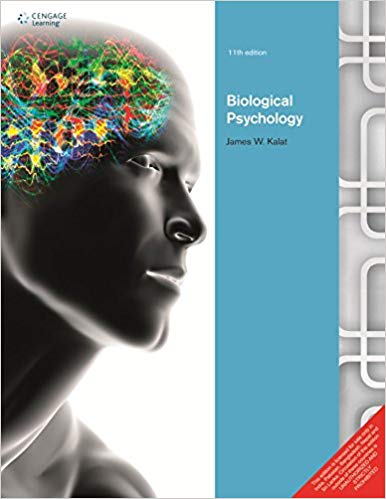
Biological Psychology 11th International Edition - Test Bank

Biological Psychology 11th International Edition - Test Bank   Instant Download - Complete Test Bank With Answers     Sample Questions Are Posted Below   Chapter 5: Brain Development and Plasticity TRUE/FALSE 1.The human central nervous system begins to form when the embryo is about 10 weeks old. ANS:FPTS:1DIF:factualREF:Maturation of the Vertebrate BrainOBJ: 1TOP:5.1 Development …

$19.99

Biological Psychology 11th International Edition – Test Bank


Instant Download – Complete Test Bank With Answers


Sample Questions Are Posted Below


Chapter 5: Brain Development and Plasticity
TRUE/FALSE
1.The human central nervous system begins to form when the embryo is about 10 weeks old.
ANS:FPTS:1DIF:factualREF:Maturation of the Vertebrate BrainOBJ: 1TOP:5.1 Development of the Brain
2.Once the brain is fully developed, the anatomy of the brain is unchanging.
ANS:FPTS:1DIF:factualREF:Maturation of the Vertebrate BrainOBJ: 1TOP:5.1 Development of the Brain
3.The fluid-filled cavity within the neural tube becomes the central canal of the spinal cord and the four ventricles of the brain.
ANS:TPTS:1DIF:factualREF:Maturation of the Vertebrate BrainOBJ: 1TOP:5.1 Development of the Brain
4.Proliferation is the production of new cells.
ANS:TPTS:1DIF:factualREF:Maturation of the Vertebrate BrainOBJ: 1TOP:5.1 Development of the Brain
MSC: www
5.Axons are usually formed before the dendrites.
ANS:TPTS:1DIF:factualREF:Maturation of the Vertebrate BrainOBJ: 1TOP:5.1 Development of the Brain
6.After cells have differentiated as neurons or glia, they migrate.
ANS:TPTS:1DIF:factualREF:Maturation of the Vertebrate BrainOBJ: 1TOP:5.1 Development of the Brain
7.An early and fast stage of neuronal development is myelination.
ANS:FPTS:1DIF:factualREF:Maturation of the Vertebrate BrainOBJ: 2TOP:5.1 Development of the Brain
8.Some neurons provide the myelination for other neurons.
ANS:FPTS:1DIF:factualREF:Maturation of the Vertebrate BrainOBJ: 2TOP:5.1 Development of the Brain
9.Myelination of the brain and spinal cord is complete by the time of birth.
ANS:FPTS:1DIF:factualREF:Maturation of the Vertebrate BrainOBJ: 2TOP:5.1 Development of the Brain
10. Synaptogenesis is a process that begins before birth and continues throughout life.
ANS:TPTS:1DIF:factualREF:Maturation of the Vertebrate BrainOBJ: 2TOP:5.1 Development of the Brain
MSC: www
11.Recent evidence suggests that adult vertebrate brains generate new neurons.
ANS:TPTS:1DIF:factualREF:Maturation of the Vertebrate BrainOBJ: 2TOP:5.1 Development of the Brain
MSC: www
12.The number of neurons in the brain is continually increasing throughout life.
ANS:FPTS:1DIF:factualREF:Maturation of the Vertebrate BrainOBJ: 2TOP:5.1 Development of the Brain
13.Mammals and amphibians are similar in that they can both easily generate new axons.
ANS:FPTS:1DIF:factualREF:Maturation of the Vertebrate BrainOBJ: 2TOP:5.1 Development of the Brain
14.The brain requires millions of chemicals to correctly guide the growth of axons to their target locations.
ANS:FPTS:1DIF:factualREF:Maturation of the Vertebrate BrainOBJ: 2TOP:5.1 Development of the Brain
MSC: www
15.Apoptosis is distinct from necrosis, which is death caused by an injury or a toxic substance.
ANS:TPTS:1DIF:factualREF:Determinants of Neuronal SurvivalOBJ: 2TOP:5.1 Development of the Brain
16.Nerve growth factor is a chemical that promotes the survival and activity of neurons.
ANS:TPTS:1DIF:factualREF:Determinants of Neuronal SurvivalOBJ: 2TOP:5.1 Development of the Brain
MSC: www
17.The developing infant brain is highly resistant to damage.
ANS:FPTS:1DIF:factualREF:The Vulnerable Developing BrainOBJ: 3TOP:5.1 Development of the Brain
18.Physical exercise is important for increased dendrite growth and branching.
ANS:TPTS:1DIF:factualREF:Fine-Tuning by ExperienceOBJ: 4TOP:5.1 Development of the Brain
19.Exercise may account for some of the neural benefits that come from rearing rats in an enriched environment.
ANS:TPTS:1DIF:factualREF:Fine-Tuning by ExperienceOBJ: 4TOP:5.1 Development of the Brain
MSC: www
20.A rat in a more stimulating environment develops a thicker cortex, more dendritic branching, and improved learning.
ANS:TPTS:1DIF:factualREF:Fine-Tuning by ExperienceOBJ: 4TOP:5.1 Development of the Brain
21.The most common cause of brain damage in children is closed head injury.
ANS: T PTS: 1 DIF: factual REF: Brain Damage and Short-Term Recovery OBJ: 2 TOP: 5.2 Plasticity After Brain Damage
22.In strokes caused by ischemia or hemorrhage, neurons die from overstimulation.
ANS: T PTS: 1 DIF: factual REF: Brain Damage and Short-Term Recovery OBJ: 1 TOP: 5.2 Plasticity After Brain Damage
23.The damaging effects of a stroke can be limited if treated within a short period of time.
ANS: T PTS: 1 DIF: factual REF: Brain Damage and Short-Term Recovery OBJ: 1 TOP: 5.2 Plasticity After Brain Damage
24.Diaschisis refers to the decreased activity of surviving neurons after damage to other neurons.
ANS: T PTS: 1 DIF: factual REF: Later Mechanisms of Recovery OBJ: 2 TOP: 5.2 Plasticity After Brain Damage MSC: www
25.One effective method to overcome diaschisis after brain damage is to administer stimulant drugs.
ANS: T PTS: 1 DIF: factual REF: Later Mechanisms of Recovery OBJ: 2 TOP: 5.2 Plasticity After Brain Damage
26.An axon in the peripheral nervous system is more likely to recover after being cut than if it is crushed.
ANS: F PTS: 1 DIF: factual REF: Later Mechanisms of Recovery OBJ: 2 TOP: 5.2 Plasticity After Brain Damage
27.Paralysis caused by spinal cord injury is usually only temporary in humans.
ANS: F PTS: 1 DIF: factual REF: Later Mechanisms of Recovery OBJ: 2 TOP: 5.2 Plasticity After Brain Damage
MSC: www
28.Denervation supersensitivity results from the disuse of incoming axons.
ANS: F PTS: 1 DIF: factual REF: Later Mechanisms of Recovery OBJ: 2 TOP: 5.2 Plasticity After Brain Damage
29.Recent evidence suggests that phantom limb pain is caused by sensations coming from the stump of the amputated limb.
ANS: F PTS: 1 DIF: factual REF: Later Mechanisms of Recovery OBJ: 2 TOP: 5.2 Plasticity After Brain Damage MSC: www
30.Deafferentation of the left arm results in the inability to move it.
ANS: F PTS: 1 DIF: factual REF: Later Mechanisms of Recovery OBJ: 2 TOP: 5.2 Plasticity After Brain Damage
MULTIPLE CHOICE
1.The ability of the brain to change its anatomy over time, within limits, is known as:
a. plasticity.
b. regression.
c. connectivity.
d. long term potentiation.
ANS: A PTS: 1 DIF: factual REF: Introduction OBJ: 1 TOP: 5.1 Development of the Brain
2.Early in development, the nervous system begins as a:
a. tube surrounding a fluid-filled cavity.
b. spherical structure in the center of the embryo.
c. diffuse system of cells scattered throughout the body.
d. single layer of cells covering the heart and other internal organs.
ANS: A PTS: 1 DIF: factual REF: Maturation of the Vertebrate Brain OBJ: 1 TOP: 5.1 Development of the Brain
3.The human central nervous system:
a. begins to form during the fetal stage.
b. is unlike all other vertebrate central nervous systems in its developmental process.
c. begins to form when the embryo is about two weeks old.
d. begins to form when the embryo is about two months old.
ANS: C PTS: 1 DIF: factual REF: Maturation of the Vertebrate Brain OBJ: 1 TOP: 5.1 Development of the Brain
4.As the neural tube sinks under the surface of the skin, the forward end enlarges and differentiates into the:
a. spine, midbrain, and forebrain.
b. hindbrain, midbrain, and forebrain.
c. hindbrain, midbrain.
d. midbrain, forebrain.
ANS: B PTS: 1 DIF: factual REF: Maturation of the Vertebrate Brain OBJ: 1 TOP: 5.1 Development of the Brain
5.When do the ventricles and the central canal of the spinal cord form?
a. shortly after birth in humans
b. just as the forebrain starts its rapid phase of growth
c. early in embryonic development
d. during the third trimester
ANS: C PTS: 1 DIF: factual REF: Maturation of the Vertebrate Brain OBJ: 1 TOP: 5.1 Development of the Brain
6.The fluid-filled cavity of the developing neural tube becomes the:
a. forebrain.
b. midbrain.
c. spinal cord.
d. ventricular system.
ANS: D PTS: 1 DIF: factual REF: Maturation of the Vertebrate Brain OBJ: 1 TOP: 5.1 Development of the Brain
7.What is the production of new neurons called?
a. differentiation
b. migration
c. myelination
d. proliferation
ANS: D PTS: 1 DIF: factual REF: Maturation of the Vertebrate Brain OBJ: 1 TOP: 5.1 Development of the Brain
8.Stem cells are important for which of the following developmental processes?
a. migration
b. proliferation
c. myelination
d. synaptogenesis
ANS: B PTS: 1 DIF: factual REF: Maturation of the Vertebrate Brain OBJ: 1 TOP: 5.1 Development of the Brain MSC: www
9.Proliferation is the:
a. production of new cells.
b. movement of primitive neurons and glia.
c. formation of dendrites and an axon.
d. insulation process that occurs on some axons.
ANS: A PTS: 1 DIF: factual REF: Maturation of the Vertebrate Brain OBJ: 1 TOP: 5.1 Development of the Brain MSC: www
10.Proliferation occurs:
a. at the top of the spinal column.
b. around the vesicles.
c. around the ventricles.
d. at the expanding edge of the brain.
ANS: C PTS: 1 DIF: factual REF: Maturation of the Vertebrate Brain OBJ: 1 TOP: 5.1 Development of the Brain
11.After cells have differentiated as neurons or glia, they:
a. differentiate.
b. proliferate.
c. myelinate.
d. migrate.
ANS: D PTS: 1 DIF: factual REF: Maturation of the Vertebrate Brain OBJ: 1 TOP: 5.1 Development of the Brain
12.Chemicals known as ____ and ____ guide neuron migration.
a. immunoglobulins; sodium
b. glia; neurothrophins
c. immunoglobulins; chemokines
d. chemokines; neurothrophins
ANS: C PTS: 1 DIF: conceptual REF: Maturation of the Vertebrate Brain OBJ: 1 TOP: 5.1 Development of the Brain
13.What term describes the movement of primitive neurons and glia within the developing nervous system?
a. Differentiation
b. Migration
c. Myelination
d. Proliferation
ANS: B PTS: 1 DIF: factual REF: Maturation of the Vertebrate Brain OBJ: 1 TOP: 5.1 Development of the Brain
14.Which of the following would most likely interfere with migration of neurons during development?
a. altering the chemical paths
b. damaging dendrites
c. loss of myelin
d. increased differentiation
ANS: A PTS: 1 DIF: conceptual REF: Maturation of the Vertebrate Brain OBJ: 1 TOP: 5.1 Development of the Brain
15.Migration is the:
a. production of new cells.
b. movement of primitive neurons and glia.
c. gradual formation of dendrites and an axon.
d. insulation process that occurs on some axons.
ANS: B PTS: 1 DIF: factual REF: Maturation of the Vertebrate Brain OBJ: 1 TOP: 5.1 Development of the Brain
16.Immunoglobulins and chemokines play an important role in neural:
a. migration.
b. proliferation.
c. synaptogenesis.
d. apoptosis.
ANS: A PTS: 1 DIF: factual REF: Maturation of the Vertebrate Brain OBJ: 1 TOP: 5.1 Development of the Brain
17.Which of the following best characterizes how axons arrive at the correct target cells?
a. They follow electrical gradients.
b. They follow chemical gradients from the target cell.
c. Axons send out chemicals to the target cells.
d. Target cells send out branches for the axons to follow.
ANS: B PTS: 1 DIF: factual REF: Pathfinding by Axons
OBJ: 2 TOP: 5.1 Development of the Brain
18.Migration requires:
a. a precise chemical environment.
b. cells which are myelinated.
c. mature neurons.
d. neurons with fully developed dendrites.
ANS: A PTS: 1 DIF: factual REF: Maturation of the Vertebrate Brain OBJ: 1 TOP: 5.1 Development of the Brain
19.Differentiation is the:
a. production of new cells.
b. movement of primitive neurons and glia.
c. formation of dendrites and an axon.
d. insulation process that occurs on some axons.
ANS: C PTS: 1 DIF: factual REF: Maturation of the Vertebrate Brain OBJ: 1 TOP: 5.1 Development of the Brain
20.What is the process called when a primitive neuron begins to develop dendrites and an axon?
a. Differentiation
b. Migration
c. Myelination
d. Proliferation
ANS: A PTS: 1 DIF: factual REF: Maturation of the Vertebrate Brain OBJ: 1 TOP: 5.1 Development of the Brain
21.The formation of a neuron’s distinctive shape occurs during the ____ stage of neurogenesis.
a. proliferation
b. migration
c. differentiation
d. myelination
ANS: C PTS: 1 DIF: factual REF: Maturation of the Vertebrate Brain OBJ: 1 TOP: 5.1 Development of the Brain
22.Whether or not a transplanted immature neuron adopts the properties of neurons in the new location or retains at least some properties of neurons from where it was taken from depends largely on how much the transplanted neuron has:
a. myelinated.
b. proliferated.
c. migrated.
d. differentiated.
ANS: D PTS: 1 DIF: factual REF: Maturation of the Vertebrate Brain OBJ: 1 TOP: 5.1 Development of the Brain
23.After the migrating neuron reaches its destination, ____ begin to form.
a. dendrites
b. axons
c. nuclei
d. ganglions
ANS: A PTS: 1 DIF: factual REF: Maturation of the Vertebrate Brain OBJ: 1 TOP: 5.1 Development of the Brain MSC: www
24.Myelination is a process common to:
a. all vertebrate axons.
b. all vertebrate dendrites.
c. some vertebrate axons.
d. some invertebrate axons.
ANS: C PTS: 1 DIF: factual REF: Maturation of the Vertebrate Brain OBJ: 1 TOP: 5.1 Development of the Brain
25.For some axons, glial cells produce an insulating sheath that makes rapid transmission possible. What is this process called?
a. Differentiation
b. Migration
c. Myelination
d. Proliferation
ANS: C PTS: 1 DIF: factual REF: Maturation of the Vertebrate Brain OBJ: 1 TOP: 5.1 Development of the Brain
26.In humans, myelination first occurs in the:
a. spinal cord.
b. hindbrain.
c. midbrain.
d. forebrain.
ANS: A PTS: 1 DIF: factual REF: Maturation of the Vertebrate Brain OBJ: 1 TOP: 5.1 Development of the Brain MSC: www
27.Myelination in the human brain:
a. is complete upon birth.
b. is complete around the second birthday.
c. is complete sometime shortly after adolescence.
d. continues well into the adult years.
ANS: D PTS: 1 DIF: factual REF: Maturation of the Vertebrate Brain OBJ: 1 TOP: 5.1 Development of the Brain
28.The stages of neurogenesis that occur for the longest duration are:
a. myelination and synaptogenesis.
b. proliferation and myelination.
c. migration and proliferation.
d. differentiation and migration.
ANS: A PTS: 1 DIF: factual REF: Maturation of the Vertebrate Brain OBJ: 1 TOP: 5.1 Development of the Brain
29.The final stage of neurodevelopment is called:
a. synaptogenesis.
b. differentiation.
c. migration.
d. fusion.
ANS: A PTS: 1 DIF: factual REF: Maturation of the Vertebrate Brain OBJ: 1 TOP: 5.1 Development of the Brain
30.The formation of new synapses is called:
a. synaptogenesis.
b. differentiation.
c. migration.
d. fusion.
ANS: A PTS: 1 DIF: factual REF: Maturation of the Vertebrate Brain OBJ: 1 TOP: 5.1 Development of the Brain
31.New neurons are known to develop in all of the following cases EXCEPT:
a. olfactory receptors.
b. the human corpus callosum.
c. the brain area responsible for birdsong.
d. hippocampus of mammals.
ANS:BPTS:1DIF:factualREF:Maturation of the Vertebrate BrainOBJ: 1TOP:5.1 Development of the Brain
KEY: NEW
32.As a rule, all vertebrate neurons develop during an embryological stage. Among the few types of neurons that can develop in adulthood are:
a. ganglion cells in the retina.
b. olfactory receptors.
c. motor nerves in the spinal cord.
d. long-axoned neurons of the primary motor cortex.
ANS: B PTS: 1 DIF: factual REF: Maturation of the Vertebrate Brain OBJ: 1 TOP: 5.1 Development of the Brain
33.Brain cells that are neither neurons nor glia, but which are capable of dividing and then differentiating into neurons or glia, are called:
a. parallel fibers.
b. intrinsic cells.
c. stem cells.
d. glomeruli.
ANS: C PTS: 1 DIF: factual REF: Maturation of the Vertebrate Brain OBJ: 1 TOP: 5.1 Development of the Brain
34.What happened when Weiss grafted an extra leg onto a salamander adjacent to one of the hindlegs?
a. The new leg gradually took over for the old.
b. The new leg withered and died.
c. Nerves from the old leg attached to the new in a random fashion.
d. Branches of axons from the old leg attached to corresponding muscles in the new.
ANS: D PTS: 1 DIF: factual REF: Pathfinding by Axons
OBJ: 2 TOP: 5.1 Development of the Brain
35.What process occurs when axons attempt to form connections to a grafted limb in a salamander?
a. Axons connect randomly, but only muscles “tuned” to the right message respond.
b. Axons connect randomly and muscles learn to coordinate through experience.
c. Axons find their way to corresponding muscles in the new leg.
d. A lack of nerve growth fiber leads to the degeneration of the new leg.
ANS: C PTS: 1 DIF: conceptual REF: Pathfinding by Axons
OBJ: 2 TOP: 5.1 Development of the Brain
36.If you cut the optic nerve of a newt, what happens?
a. The fibers grow back and attach to random targets, so they see a scrambled picture.
b. The fibers grow back and attach to their original targets, resulting in normal vision.
c. The newt remains blind, since neurons do not regenerate.
d. The fibers attach to multiple targets, resulting in blurry vision.
ANS: B PTS: 1 DIF: factual REF: Pathfinding by Axons
OBJ: 2 TOP: 5.1 Development of the Brain
37.Chemicals in the amphibian tectum guide the growth of axons from the retina to their correct location in the tectum by:
a. having dozens of different growth factors.
b. using an electrical gradient.
c. using a chemical gradient.
d. glial cell transportation.
ANS: C PTS: 1 DIF: factual REF: Pathfinding by Axons
OBJ: 2 TOP: 5.1 Development of the Brain
38.Roger Sperry cut a newt’s optic nerve and rotated the eye. Axons from what used to be the dorsal part of the retina (now located on the ventral side) grew back to the target areas:
a. that ordinarily get input from the dorsal retina.
b. that ordinarily get input from the ventral retina.
c. that ordinarily get input from the center of the retina.
d. equally and diffusely.
ANS: A PTS: 1 DIF: factual REF: Pathfinding by Axons
OBJ: 2 TOP: 5.1 Development of the Brain
39.When Sperry cut a newt’s optic nerve and rotated the eye by 180 degrees, each axon:
a. degenerated.
b. regenerated to a random location.
c. regenerated to the area where it had originally been.
d. regenerated, but to the area appropriate to its new location.
ANS: C PTS: 1 DIF: factual REF: Pathfinding by Axons
OBJ: 2 TOP: 5.1 Development of the Brain KEY: NEW MSC: www
40.What visual capabilities did Sperry’s newt have after Sperry cut the optic nerve and rotated the eye?
a. It regained normal vision.
b. It saw the world upside down and backwards.
c. It required experience to relearn how to see.
d. It remained blind.
ANS: B PTS: 1 DIF: factual REF: Pathfinding by Axons
OBJ: 2 TOP: 5.1 Development of the Brain
41.Which of the following best describes the process by which developing axons find their general target areas?
a. completely random growth
b. shape attraction
c. electrical attraction
d. chemical attraction
ANS: D PTS: 1 DIF: factual REF: Pathfinding by Axons
OBJ: 2 TOP: 5.1 Development of the Brain
42.Axons sort themselves over the surface of the target area:
a. by following a gradient of chemicals.
b. through apoptosis.
c. through necrosis.
d. based on their size.
ANS: A PTS: 1 DIF: factual REF: Pathfinding by Axons
OBJ: 2 TOP: 5.1 Development of the Brain MSC: www
43.Which of the following are selective as axons form synapses with target cells?
a. axons, but not target cells
b. target cells, but not axons
c. both axons and target cells
d. neither axons nor target cells
ANS: C PTS: 1 DIF: conceptual REF: Pathfinding by Axons
OBJ: 2 TOP: 5.1 Development of the Brain
44.Competition of neurons for postsynaptic sites results in survival of only the most successful axons. This general principle is called:
a. natural selection.
b. evolution.
c. apoptosis.
d. neural Darwinism.
ANS: D PTS: 1 DIF: factual REF: Pathfinding by Axons
OBJ: 2 TOP: 5.1 Development of the Brain MSC: www
45.The concept that neurons refine their many connections based on which ones are most successful is known as:
a. natural selection.
b. evolution.
c. survival of the fittest.
d. neural Darwinism.
ANS: D PTS: 1 DIF: factual REF: Pathfinding by Axons
OBJ: 2 TOP: 5.1 Development of the Brain
46.What is meant by neural Darwinism?
a. The brains of higher primates are the ones that are most similar to those of humans.
b. Most individual differences in the brain are due to genetic mutations.
c. Successful neurons develop while less successful neurons weaken or die.
d. Successful neurons reproduce while less successful neurons do not.
ANS: C PTS: 1 DIF: factual REF: Pathfinding by Axons
OBJ: 2 TOP: 5.1 Development of the Brain
47.____ steer new axonal branches and synapses in the right direction.
a. Chemokines
b. Immunoglobulin
c. Glia
d. Neurotrophins
ANS:DPTS:1DIF:factualREF:Determinants of Neuronal SurvivalOBJ: 2TOP:5.1 Development of the Brain
MSC: www
48.Why is it that all neurons in a healthy adult brain have made appropriate connections?
a. Chemical messages from our muscles tell our brain how many neurons to form and that number perfectly matches the connections required.
b. If an axon does not make the appropriate connections by a certain age, it dies.
c. We are born with all connections formed.
d. Connections form rapidly, but we learn to use whatever connections have formed.
ANS:BPTS:1DIF:factualREF:Determinants of Neuronal SurvivalOBJ: 2TOP:5.1 Development of the Brain
49.Why is it that every axon in an adult mammal has a target cell (muscle cell or other neuron) with which it makes synaptic contact?
a. Each target cell causes the growth of a neuron and its axon.
b. After formation, axons release a chemical that causes a target cell to form.
c. Axons that fail to find a target cell die.
d. An axon will make contact with any kind of cell and adjust its function as necessary.
ANS:CPTS:1DIF:factualREF:Determinants of Neuronal SurvivalOBJ: 2TOP:5.1 Development of the Brain
50.What is signaled by nerve growth factor (NGF)?
a. That a target cell has “accepted” an axon
b. Which target cell a growing axon should connect with
c. That axons should elongate as the body grows bigger
d. The need for new neurons to form in brain areas that are lacking in neurons
ANS:APTS:1DIF:factualREF:Determinants of Neuronal SurvivalOBJ: 2TOP:5.1 Development of the Brain
51.Nerve growth factor (NGF):
a. promotes the survival and growth of the axon.
b. is a fuel metabolized by neurons.
c. promotes programmed cell death.
d. is a hormone first released at puberty.
ANS:APTS:1DIF:factualREF:Determinants of Neuronal SurvivalOBJ: 2TOP:5.1 Development of the Brain
52.Necrosis:
a. is a programmed mechanism of cell death.
b. is cell death caused by an injury or a toxic substance.
c. promotes the survival and growth of dendrites.
d. promotes the activity of neurons.
ANS:BPTS:1DIF:factualREF:Determinants of Neuronal SurvivalOBJ: 2TOP:5.1 Development of the Brain
53.Apoptosis:
a. is a programmed mechanism of cell death.
b. promotes the survival and growth of the axon.
c. promotes the survival and growth of dendrites.
d. promotes the activity of neurons.
ANS:APTS:1DIF:factualREF:Determinants of Neuronal SurvivalOBJ: 2TOP:5.1 Development of the Brain
54.If a sympathetic nervous system axon does not receive enough nerve growth factor, the neuron will:
a. kill itself.
b. grow a shorter axon.
c. compensate by growing more dendrites.
d. decrease its velocity of action potentials.
ANS:APTS:1DIF:factualREF:Determinants of Neuronal SurvivalOBJ: 2TOP:5.1 Development of the Brain
55.What is apoptosis?
a. the growth of an axon in response to NGF
b. the leakage of transmitters from vesicles
c. a program of “suicide” by a neuron
d. dendritic branching in the sympathetic nervous system
ANS:CPTS:1DIF:factualREF:Determinants of Neuronal SurvivalOBJ: 2TOP:5.1 Development of the Brain
56.Some neurons die during development because:
a. they are surrounded by glia.
b. they do not receive enough GABA.
c. they receive too much NGF.
d. they fail to receive enough NGF.
ANS:DPTS:1DIF:factualREF:Determinants of Neuronal SurvivalOBJ: 2TOP:5.1 Development of the Brain
57.The function of neurotrophins is to:
a. inhibit proliferation.
b. promote survival of axons.
c. be used as fuel.
d. signal that an axon has been “rejected.”
ANS:BPTS:1DIF:factualREF:Determinants of Neuronal SurvivalOBJ: 2TOP:5.1 Development of the Brain
MSC: www
58.Which of the following is NOT a function of neurotrophins?
a. Direct axonal growth during development.
b. Increase axonal branching in mature neurons.
c. Increase regrowth of axons after brain damage.
d. Induce apoptosis of neurons.
ANS:DPTS:1DIF:factualREF:Determinants of Neuronal SurvivalOBJ: 2TOP:5.1 Development of the Brain
59.Developing neurons need ____ for survival.
a. neurotrophins only
b. neurotrophins and synaptic input
c. synaptic input only
d. apoptosis
ANS:BPTS:1DIF:factualREF:Determinants of Neuronal SurvivalOBJ: 2TOP:5.1 Development of the Brain
60.An axon that does not receive enough neurotrophins from a target cell will:
a. branch out and form other synapses on other cells.
b. manufacture its own neurotrophins.
c. degenerate and die.
d. fail to reabsorb transmitters that have already been released.
ANS:CPTS:1DIF:factualREF:Determinants of Neuronal SurvivalOBJ: 2TOP:5.1 Development of the Brain
61.In development, neurotrophins ____.  During adulthood, they ___.
a. preserve neurons; produce apoptosis
b. produce apoptosis; increase neuronal branching
c. facilitate differentiation; facilitate migration
d. preserve neurons; increase neuronal branching
ANS:DPTS:1DIF:factualREF:Determinants of Neuronal SurvivalOBJ: 2TOP:5.1 Development of the Brain
62.At later stages of the neuron’s development, neurotrophins:
a. increase the branching of axons.
b. cause the neuron’s death.
c. become converted into myelin.
d. connect the axon to axons of adjoining cells.
ANS:APTS:1DIF:factualREF:Determinants of Neuronal SurvivalOBJ: 2TOP:5.1 Development of the Brain
63.Which statement most accurately describes embryonic development of the nervous system in humans?
a. The majority of cells remain as primitive neurons until birth.
b. All synapses that are formed are permanent.
c. Neurons form before birth; synapses form after birth.
d. Far more neurons are produced than will ultimately survive.
ANS:DPTS:1DIF:conceptualREF:Determinants of Neuronal SurvivalOBJ: 2TOP:5.1 Development of the Brain
64.In response to nervous system injury, neurotrophins:
a. cause the neuron’s death.
b. reduce inflammation due to this injury.
c. increase regrowth of damaged axons.
d. promote apoptosis.
ANS:CPTS:1DIF:factualREF:Determinants of Neuronal SurvivalOBJ: 2TOP:5.1 Development of the Brain
65.Massive cell death in the brain during prenatal development is:
a. an indication of a genetic abnormality.
b. an indication of restricted blood flow to the fetus.
c. usually due to an autoimmune disorder.
d. normal.
ANS:DPTS:1DIF:factualREF:Determinants of Neuronal SurvivalOBJ: 2TOP:5.1 Development of the Brain
66.The most likely explanation for the excess proliferation of neurons in early development is that it:
a. compensates for connection errors.
b. uses up excess stored fuel.
c. increases learning capacity when it is most needed.
d. prevents apoptosis.
ANS:APTS:1DIF:factualREF:Determinants of Neuronal SurvivalOBJ: 2TOP:5.1 Development of the Brain
67.For survival, developing neurons need:
a. neurotrophins only.
b. neurotrophins and synaptic input.
c. synaptic input only.
d. apoptosis.
ANS:BPTS:1DIF:factualREF:Determinants of Neuronal SurvivalOBJ: 2TOP:5.1 Development of the Brain
68.Compared to an adult, a fetus has:
a. more neurons.
b. approximately the same number of neurons.
c. about half the number of neurons.
d. about one-tenth the number of neurons.
ANS:APTS:1DIF:factualREF:Determinants of Neuronal SurvivalOBJ: 2TOP:5.1 Development of the Brain
69.After maturity, the apoptotic mechanisms become:
a. hyperactive.
b. extinct.
c. dormant.
d. very complex.
ANS:CPTS:1DIF:factualREF:Determinants of Neuronal SurvivalOBJ: 2TOP:5.1 Development of the Brain
70.An iodine deficiency in the diet can lead to an inadequate production of thyroid hormones. What is the result if this occurs in an infant or developing fetus?
a. Down’s syndrome
b. mental retardation
c. Tourette’s syndrome
d. accelerated body growth
ANS: B PTS: 1 DIF: factual REF: The Vulnerable Developing Brain OBJ: 3 TOP: 5.1 Development of the Brain
71.What modern day practice helps prevent an inadequate production of thyroid hormones?
a. fluoride in drinking water
b. processed sugar
c. iodized salt
d. artificial sweeteners
ANS: C PTS: 1 DIF: factual REF: The Vulnerable Developing Brain OBJ: 3 TOP: 5.1 Development of the Brain
72.In infants, anesthetic drugs can increase:
a. proliferation.
b. migration.
c. myelination.
d. apoptosis.
ANS: D PTS: 1 DIF: factual REF: The Vulnerable Developing Brain OBJ: 3 TOP: 5.1 Development of the Brain
MSC: www
73.Children of mothers who drink heavily during pregnancy are born with:
a. fetal alcohol syndrome
b. Turner’s syndrome
c. Klinefelter’s syndrome
d. PKU
ANS: A PTS: 1 DIF: factual REF: The Vulnerable Developing Brain OBJ: 3 TOP: 5.1 Development of the Brain
74.The mechanism of fetal alcohol syndrome probably relates to:
a. overexcited neurons.
b. apoptosis.
c. decreases apoptosis.
d. necrosis.
ANS: B PTS: 1 DIF: factual REF: The Vulnerable Developing Brain OBJ: 3 TOP: 5.1 Development of the Brain
75.What condition would be suspected if a young child shows decreased alertness, hyperactivity, mental retardation, motor problems, a heart defect, and abnormal facial features?
a. fetal alcohol syndrome
b. Turner’s syndrome
c. Klinefelter’s syndrome
d. PKU
ANS: A PTS: 1 DIF: factual REF: The Vulnerable Developing Brain OBJ: 3 TOP: 5.1 Development of the Brain
76.The most likely reason that children with fetal alcohol syndrome have brain abnormalities is because alcohol:
a. overexcites neurons.
b. stimulates nerve growth factor.
c. decreases apoptosis.
d. decreases release of neurotrophins.
ANS: D PTS: 1 DIF: factual REF: The Vulnerable Developing Brain OBJ: 3 TOP: 5.1 Development of the Brain
77.What brain abnormalities are found in children with fetal alcohol syndrome?
a. short axons with few branches
b. short dendrites with few branches
c. lack of dopamine receptors
d. smaller than normal ventricles
ANS: B PTS: 1 DIF: factual REF: The Vulnerable Developing Brain OBJ: 3 TOP: 5.1 Development of the Brain
MSC: www
78.Alcohol suppresses the release of ____, the brain’s main excitatory transmitter.
a. 5-HT
b. DA
c. GABA
d. glutamate
ANS: D PTS: 1 DIF: factual REF: The Vulnerable Developing Brain OBJ: 3 TOP: 5.1 Development of the Brain
79.How much alcohol, if any, can a pregnant woman drink without worrying about the negative effects on her child?
a. The equivalent of two cocktails a day
b. The equivalent of one beer a day
c. Anything less than what causes her to act drunk
d. Unknown, and therefore abstention is recommended
ANS: D PTS: 1 DIF: factual REF: The Vulnerable Developing Brain OBJ: 3 TOP: 5.1 Development of the Brain
80.Alcohol can damage the developing brain by:
a. tearing the cell membrane.
b. increasing synaptic inhibition and therefore apoptosis.
c. overstimulating neurons.
d. interfering with protein production.
ANS: B PTS: 1 DIF: factual REF: The Vulnerable Developing Brain OBJ: 3 TOP: 5.1 Development of the Brain
81.Children of mothers who use cocaine during pregnancy:
a. have a slightly higher birth weight.
b. are likely to develop Turner’s syndrome.
c. have a slightly lower IQ score.
d. are born with severe abnormalities resembling cerebral palsy.
ANS: C PTS: 1 DIF: factual REF: 131
OBJ: 3 TOP: 5.1 Development of the Brain – The Vulnerable Developing Brain
MSC: www
82.Children of mothers who smoke cigarettes during pregnancy are at an increased risk of:
a. intellectual deficits.
b. Korsakoff’s syndrome.
c. Rett syndrome.
d. Parkinson’s disease.
ANS: A PTS: 1 DIF: factual REF: 131
OBJ: 3 TOP: 5.1 Development of the Brain – The Vulnerable Developing Brain
83.On average, exposure to nicotine during pregnancy increases risk of ____ deficits.
a. emotional
b. attention
c. learning
d. memory
ANS: B PTS: 1 DIF: factual REF: The Vulnerable Developing Brain OBJ: 3 TOP: 5.1 Development of the Brain
KEY: NEW
84.Which of the following, if any, would be more damaging to an adult brain than to the brain of an infant or fetus?
a. Exposure to alcohol
b. Infections like German measles
c. Iodine deficiency in the diet
d. All of these are more damaging to an infant brain.
ANS: D PTS: 1 DIF: factual REF: The Vulnerable Developing Brain OBJ: 3 TOP: 5.1 Development of the Brain
86.Keeping animals in a varied environment with stimulation increases the:
a. branching of dendrites.
b. speed of action potentials.
c. density of Nodes of Ranvier along the axon.
d. thickness of axons.
ANS: A PTS: 1 DIF: factual REF: Fine-Tuning by Experience OBJ: 4 TOP: 5.1 Development of the Brain
87.The areas of the cortex used by expert video game players are most likely to ____ than the same cortical areas of those who don’t play video games.
a. be thicker
b. have smaller, but a greater number of neurons
c. have faster action potentials
d. be more resistant to transcortical stimulation
ANS: A PTS: 1 DIF: conceptual REF: Fine-Tuning by Experience OBJ: 4 TOP: 5.1 Development of the Brain
88.Which of the following aspects of brain and neural functioning can be most clearly altered by experience?
a. velocity of action potentials
b. structure of dendrites and axons
c. chemical constituents of the ventricles
d. number of laminae in the cerebral cortex
ANS: B PTS: 1 DIF: factual REF: Fine-Tuning by Experience OBJ: 4 TOP: 5.1 Development of the Brain
89.What is different about rats raised in an enriched environment in comparison to rats raised in an impoverished environment?
a. a more pleasant personality
b. improved learning performance
c. better parenting skills
d. nothing
ANS: B PTS: 1 DIF: factual REF: Fine-Tuning by Experience OBJ: 4 TOP: 5.1 Development of the Brain
90.Research in people over age 60 who were randomly assigned to experience six months of aerobic exercise showed:
a. that they developed more axons.
b. that they developed less tumors.
c. that they developed greater thickness of the cortex.
d. that they developed less thickness of the cortex.
ANS: C PTS: 1 DIF: factual REF: Fine-Tuning by Experience OBJ: 4 TOP: 5.1 Development of the Brain
91.Which of the following factors seems to be particularly important for branching of neurons during brain development?
a. Physical activity
b. Playing logic games
c. Having good teachers
d. Having a sterile environment
ANS:APTS:1DIF:factualREF:Fine-Tuning by ExperienceOBJ:4TOP:5.1 Development of the Brain
MSC: www
92.Brain studies of blind people suggest that they have greater attention to touch and auditory stimulation because:
a. cortical areas for touch and audition are thicker.
b. their visual cortex is used for touch and verbal tasks.
c. they have greater neural branching.
d. they have greater neurotrophin release.
ANS: B PTS: 1 DIF: factual REF: Fine-Tuning by Experience OBJ: 4 TOP: 5.1 Development of the Brain
93.An MEG study of professional musicians listening to pure tones showed that:
a. professional musicians had brain responses that were twice as strong as non-musicians.
b. professional musicians had slightly less brain responses as non-musicians.
c. professional musicians had drastically less brain responses as non-musicians.
d. professional musicians had brain responses five times as strong as non-musicians.
ANS: A PTS: 1 DIF: factual REF: Fine-Tuning by Experience OBJ: 4 TOP: 5.1 Development of the Brain
94.Musicians who use the left hand to finger the violin strings have some alterations in one brain area, which is the:
a. left hemisphere prefrontal cortex.
b. right hemisphere prefrontal cortex.
c. left hemisphere postcentral gyrus.
d. right hemisphere postcentral gyrus.
ANS: D PTS: 1 DIF: factual REF: Fine-Tuning by Experience OBJ: 4 TOP: 5.1 Development of the Brain
95.Focal hand dystonia, sometimes called “musician’s cramp”, is caused by:
a. extreme overlap of cortical representation of the fingers.
b. deterioration of muscles in the hand.
c. demyelination of neurons in the fingers.
d. buildup of excess GABA in the temporal cortex.
ANS: A PTS: 1 DIF: factual REF: Fine-Tuning by Experience OBJ: 4 TOP: 5.1 Development of the Brain
96.Closed head injury is:
a. the most common cause of brain damage in young adults.
b. usually fatal.
c. the most common cause of Korsakoff’s syndrome.
d. related to Alzheimer’s disease.
ANS: A PTS: 1 DIF: factual REF: Brain Damage and Short-Term Recovery TOP: 5.2 Plasticity After Brain Damage
97.The most common cause of brain damage in young people is:
a. infection.
b. gunshot wounds.
c. stroke.
d. closed head injury.
ANS: D PTS: 1 DIF: factual REF: Brain Damage and Short-Term Recovery TOP: 5.2 Plasticity After Brain Damage
98.Closed head injury results in damage partially because of:
a. increased production of myelin.
b. excessive deficit of neurotrophins.
c. rotational forces that push the brain against the inside of the skull.
d. infection.
ANS: C PTS: 1 DIF: factual REF: Brain Damage and Short-Term Recovery TOP: 5.2 Plasticity After Brain Damage
99.A sharp blow to the head resulting from an assault or trauma that does not actually puncture the brain is called a:
a. stroke.
b. cerebrovascular accident.
c. hemorrhage.
d. closed head injury.
ANS: D PTS: 1 DIF: factual REF: Brain Damage and Short-Term Recovery TOP: 5.2 Plasticity After Brain Damage
100.Which of the following is the most common cause of a stroke?
a. Lack of glucose
b. Ischemia from an obstruction of an artery
c. Hemorrhage of an artery
d. Blow to the head
ANS: B PTS: 1 DIF: factual REF: Brain Damage and Short-Term Recovery OBJ: 2 TOP: 5.2 Plasticity After Brain Damage
MSC: www
101.A stroke caused by an artery rupturing is also known as:
a. ischemia.
b. hemorrhage.
c. closed head injury.
d. penumbra.
ANS: B PTS: 1 DIF: factual REF: Brain Damage and Short-Term Recovery OBJ: 2 TOP: 5.2 Plasticity After Brain Damage
102.Which of the following is not a cerebrovascular accident?
a. Ischemia
b. Hemorrhage
c. Stroke
d. Penumbra
ANS: D PTS: 1 DIF: factual REF: Brain Damage and Short-Term Recovery OBJ: 2 TOP: 5.2 Plasticity After Brain Damage
103.A stroke which is caused when an artery ruptures is also known as:
a. ischemia.
b. hemorrhage.
c. closed head injury.
d. penumbra.
ANS: B PTS: 1 DIF: factual REF: Brain Damage and Short-Term Recovery OBJ: 2 TOP: 5.2 Plasticity After Brain Damage
104.Ischemia is to ____ as hemorrhage is to ____.
a. older individuals; younger individuals
b. proximal; distal
c. obstruction; rupture
d. barely noticeable; lethal
ANS: C PTS: 1 DIF: factual REF: Brain Damage and Short-Term Recovery OBJ: 2 TOP: 5.2 Plasticity After Brain Damage
MSC: www
105.What does edema mean?
a. Lack of glucose
b. Ischemia from an obstruction of an artery
c. Hemorrhage of an artery
d. Swelling due to accumulation of fluid
ANS: B PTS: 1 DIF: factual REF: Brain Damage and Short-Term Recovery OBJ: 2 TOP: 5.2 Plasticity After Brain Damage
106.After a stroke, cells in the penumbra:
a. are the first to die.
b. help to remove dead or dying cells in the area of damage.
c. quickly become more active, compensating for the area of damage.
d. may die days or weeks after a stroke.
ANS: D PTS: 1 DIF: factual REF: Brain Damage and Short-Term Recovery OBJ: 2 TOP: 5.2 Plasticity After Brain Damage
107.After ischemia, neurons deprived of blood:
a. transform from neurons into glia.
b. lose much of their oxygen and glucose supplies.
c. break down the blood-brain barrier.
d. increase the velocity of their action potentials.
ANS:BPTS:1DIF:factualREF:Brain Damage and Short-Term RecoveryOBJ: 2TOP:5.2 Plasticity After Brain Damage
KEY: NEW
108.____ cells proliferate after a stroke.
a. Penumbra
b. Microglia
c. Ischemia
d. Cancer
ANS: B PTS: 1 DIF: factual REF: Brain Damage and Short-Term Recovery OBJ: 2 TOP: 5.2 Plasticity After Brain Damage
KEY: NEW
110.Ischemia and hemorrhage kill neurons by:
a. understimulating them.
b. overstimulating them.
c. overactivating the sodium-potassium pump.
d. depleting the glutamate supply available to neurons.
ANS: B PTS: 1 DIF: factual REF: Brain Damage and Short-Term Recovery OBJ: 2 TOP: 5.2 Plasticity After Brain Damage
111.A stroke kills neurons in two waves, first by ____ and second by ____.
a. overstimulation; understimulation
b. Understimulation; overstimulation
c. collateral sprouting; denervation supersensitivity
d. denervation supersensitivity; collateral sprouting
ANS: A PTS: 1 DIF: 140 REF: Brain Damage and Short-Term Recovery OBJ: 2 TOP: 5.2 Plasticity After Brain Damage
112.Damage due to stroke caused by ischemia can be minimized by administering a drug that:
a. breaks up blood clots.
b. overstimulates neurons in and around the damaged area.
c. increases the release of glutamate.
d. slows down the sodium-potassium pump.
ANS: A PTS: 1 DIF: factual REF: Brain Damage and Short-Term Recovery OBJ: 2 TOP: 5.2 Plasticity After Brain Damage
113.Although the following methods may or may not actually work, which one would theoretically be of potential benefit to stroke victims?
a. increasing activity at glutamate receptors
b. opening sodium channels
c. closing potassium channels
d. blocking glutamate receptors
ANS: D PTS: 1 DIF: conceptual REF: Brain Damage and Short-Term Recovery OBJ: 2 TOP: 5.2 Plasticity After Brain Damage
114.Tissue plasminogen activator (tPA):
a. is recommended for hemorrhage.
b. overstimulates glutamate receptors.
c. should be administered a few days after stroke.
d. is helpful in cases of ischemia.
ANS: D PTS: 1 DIF: factual REF: Brain Damage and Short-Term Recovery OBJ: 2 TOP: 5.2 Plasticity After Brain Damage
115.Which of the following would be the best treatment for helping someone who is suffering from a stroke caused by a blood clot?
a. decrease activity of the sodium-potassium pump
b. warm the brain
c. administer tPA
d. enhance glutamate release
ANS: C PTS: 1 DIF: factual REF: Brain Damage and Short-Term Recovery OBJ: 2 TOP: 5.2 Plasticity After Brain Damage
116.In research aimed at minimizing damage due to stroke, attempts to prevent overstimulation of cells have produced:
a. very promising results.
b. disappointing results.
c. a complex interaction between age of patient and season of the year.
d. positive results in humans, but not so for animals.
ANS: B PTS: 1 DIF: conceptual REF: Brain Damage and Short-Term Recovery OBJ: 2 TOP: 5.2 Plasticity After Brain Damage
117.Researchers have tried using drugs that block apoptosis. Results have been:
a. favorable in animals and human trials.
b. favorable in animal trials but too costly to try with humans.
c. favorable in animal trials but difficult or impractical to apply to humans.
d. unfavorable in all research trials.
ANS: C PTS: 1 DIF: factual REF: Brain Damage and Short-Term Recovery OBJ: 2 TOP: 5.2 Plasticity After Brain Damage
118.One approach in minimizing stroke damage in laboratory animals is the use of:
a. calcium
b. serotonin
c. cannabinoids
d. opioids
ANS: C PTS: 1 DIF: factual REF: Brain Damage and Short-Term Recovery OBJ: 2 TOP: 5.2 Plasticity After Brain Damage
119.To date, the most effective laboratory method minimizing the damage resulting from stroke in nonhuman animals has been to:
a. use drugs which trap free radicals.
b. use drugs which effect cannabinoids.
c. use neurotrophins which block apoptosis.
d. cool the brain.
ANS: D PTS: 1 DIF: factual REF: Brain Damage and Short-Term Recovery OBJ: 1 TOP: 5.2 Plasticity After Brain Damage
120.In hemorrhage, cells in the penumbra:
a. lose much of their oxygen.
b. lose much of their glucose.
c. are flooded with excess oxygen.
d. act quickly to strengthen the blood-brain barrier.
ANS: C PTS: 1 DIF: factual REF: Brain Damage and Short-Term Recovery OBJ: 1 TOP: 5.2 Plasticity After Brain Damage
121.Research on laboratory animals indicates that cannabinoids are most effective if taken:
a. as soon as the stroke occurs.
b. within 20 minutes of the stroke.
c. steadily for one month.
d. shortly before the stroke.
ANS: D PTS: 1 DIF: factual REF: Brain Damage and Short-Term Recovery OBJ: 1 TOP: 5.2 Plasticity After Brain Damage KEY: NEW
122.Diaschisis refers to the:
a. increase in activity of neurons surrounding a damaged area.
b. decreased activity of surviving neurons after other neurons are damaged.
c. increased activity in the cerebral cortex after damage to any part of the brain.
d. increased activity in the hypothalamus after damage to any part of the brain.
ANS: B PTS: 1 DIF: factual REF: Later Mechanisms of Recovery OBJ: 2 TOP: 5.2 Plasticity After Brain Damage
123.A lesion in the hypothalamus can lead to decreased activity in the cerebral cortex, even though the cerebral cortex is undamaged. The decreased activity in the cortex because of the loss of incoming neurons is called:
a. diaschisis.
b. deafferentation.
c. cytotoxicity.
d. hyperpolarization.
ANS: A PTS: 1 DIF: conceptual REF: Later Mechanisms of Recovery OBJ: 2 TOP: 5.2 Plasticity After Brain Damage
124.To promote recovery, stroke victims should be given:
a. stimulant drugs immediately after the stroke.
b. any drug that decreases dopamine.
c. stimulant drugs a few days after the stroke.
d. tranquilizers a few days after the stroke.
ANS: C PTS: 1 DIF: factual REF: Later Mechanisms of Recovery OBJ: 2 TOP: 5.2 Plasticity After Brain Damage
125.Following a stroke, amphetamine could help by:
a. inducing apoptosis.
b. blocking activity in overstimulated areas of the brain.
c. blocking glutamate release.
d. increasing activity in understimulated areas of the brain.
ANS: D PTS: 1 DIF: factual REF: Later Mechanisms of Recovery OBJ: 2 TOP: 5.2 Plasticity After Brain Damage
126.Which of the following treatments would be most likely to help a patient starting several days after a stroke?
a. Injecting a drug to block dopamine
b. Administering tranquilizers
c. Extensive bed rest
d. Giving stimulant drugs combined with physical therapy
ANS: D PTS: 1 DIF: conceptual REF: Later Mechanisms of Recovery OBJ: 2 TOP: 5.2 Plasticity After Brain Damage
MSC: www
127.Which axons will regenerate to a significant degree if cut or crushed?
a. Those in invertebrates but not in vertebrates
b. Only those which are unmyelinated
c. Those in the central nervous system but not in the peripheral nervous system
d. Those in the peripheral nervous system but not in the central nervous system
ANS: D PTS: 1 DIF: factual REF: Later Mechanisms of Recovery OBJ: 2 TOP: 5.2 Plasticity After Brain Damage
128.What is one impediment to regeneration of axons in the mammalian central nervous system?
a. Inhibitory chemicals secreted by the damaged portion of the axon
b. Bacterial infections caused by the decaying tissue
c. Large amounts of scar tissue
d. Inhibitory messages sent from the cell nucleus when an axon is damaged
ANS: C PTS: 1 DIF: factual REF: Later Mechanisms of Recovery OBJ: 2 TOP: 5.2 Plasticity After Brain Damage
129.A damaged axon:
a. will never grow back.
b. can grow back under certain circumstances.
c. will grow back if its dendrites do also.
d. will grow back only if it is myelinated.
ANS: B PTS: 1 DIF: factual REF: Later Mechanisms of Recovery OBJ: 2 TOP: 5.2 Plasticity After Brain Damage
130.After a cut through the spinal cord, axons grow back enough to restore functioning in certain ____ but not in ____.
a. adults; infants
b. infants; adults
c. fish; mammals
d. mammals; primates
ANS: C PTS: 1 DIF: factual REF: Later Mechanisms of Recovery OBJ: 2 TOP: 5.2 Plasticity After Brain Damage
131.One limiting factor in the ability of damaged axons to regenerate in the brain and spinal cord is that:
a. they don’t have any myelin to guide them.
b. they regenerate only one to two millimeters.
c. growing dendrites compete with growing axons.
d. there are no muscles in the brain and spinal cord to guide the growth.
ANS: B PTS: 1 DIF: factual REF: Later Mechanisms of Recovery OBJ: 2 TOP: 5.2 Plasticity After Brain Damage
132.Scar tissue and myelin are similar in that they both:
a. secrete chemicals to restore axons.
b. are produced after brain damage.
c. are formed in normal development of the nervous system.
d. secrete chemicals that inhibit axon growth.
ANS: D PTS: 1 DIF: conceptual REF: Later Mechanisms of Recovery OBJ: 2 TOP: 5.2 Plasticity After Brain Damage
133.What is one impediment to regeneration of axons in the mammalian central nervous system?
a. Inhibitory chemicals secreted by the damaged portion of the axon
b. Bacterial infections caused by the decaying tissue
c. Glia release chemicals that inhibit axon growth
d. Inhibitory messages sent from the cell nucleus when an axon is damaged
ANS: C PTS: 1 DIF: factual REF: Later Mechanisms of Recovery OBJ: 2 TOP: 5.2 Plasticity After Brain Damage
134.One reason why axons regenerate better in the peripheral nervous system of mammals than in the central nervous system is that the peripheral nervous system:
a. has fewer myelinated axons.
b. has glial cells that destroy scar tissue.
c. maintains a temperature closer to that at which embryonic cells form.
d. produces a chemical that promotes axon growth.
ANS: D PTS: 1 DIF: factual REF: Later Mechanisms of Recovery OBJ: 2 TOP: 5.2 Plasticity After Brain Damage
135.Central nervous system axons regenerate much better in fish than in mammals because fish:
a. nerves do not have to travel so far to reach their target.
b. myelin does not secrete proteins that inhibit axon growth.
c. nerves have so much more myelin than do mammal nerves.
d. myelin secretes a protein that accelerates regeneration.
ANS: B PTS: 1 DIF: factual REF: Later Mechanisms of Recovery OBJ: 2 TOP: 5.2 Plasticity After Brain Damage
136.Central nervous system axons regenerate much better in fish than in mammals because:
a. fish nerves do not have to travel so far to reach their target.
b. fewer fish nerves are covered with myelin.
c. fish do not produce as much scar tissue.
d. fish generally have a lower body temperature.
ANS: C PTS: 1 DIF: factual REF: Later Mechanisms of Recovery OBJ: 2 TOP: 5.2 Plasticity After Brain Damage
137.After central nervous system damage, myelin:
a. degenerates and dies.
b. secretes proteins that inhibit axon regrowth.
c. secretes proteins that enhance some regrowth of axons.
d. becomes thicker in surviving axons.
ANS: B PTS: 1 DIF: factual REF: Later Mechanisms of Recovery OBJ: 2 TOP: 5.2 Plasticity After Brain Damage
138.If some of the axons innervating a given cell are destroyed or if they become inactive, what compensatory process takes place in the remaining presynaptic cells?
a. activation of previously silent synapses
b. removal of toxins
c. denervation supersensitivity
d. collateral sprouting
ANS: D PTS: 1 DIF: factual REF: Later Mechanisms of Recovery OBJ: 2 TOP: 5.2 Plasticity After Brain Damage
139.What is the term for the new branches that may form in uninjured axons after damage to surrounding axons?
a. collateral sprouts
b. bifurcations
c. denervation supersensitivity
d. diaschisis
ANS:APTS:1DIF:factualREF:Later Mechanisms of RecoveryOBJ: 2TOP:5.2 Plasticity After Brain Damage
MSC: www
140.After damaging input to the hippocampus, collateral sprouting is associated with improvements in:
a. memory.
b. taste.
c. vision.
d. hearing.
ANS: A PTS: 1 DIF: factual REF: Later Mechanisms of Recovery OBJ: 2 TOP: 5.2 Plasticity After Brain Damage
141.After damage to a set of axons, neurotrophins induce nearby:
a. injured axons to form new branches.
b. injured dendrites to form new branches.
c. uninjured axons to form new branches.
d. uninjured dendrites to form new branches.
ANS:CPTS:1DIF:factualREF:Later Mechanisms of RecoveryOBJ: 2TOP:5.2 Plasticity After Brain Damage
142.If a tree branch is cut, the surrounding branches may grow enough to fill in the empty space left by the missing branch. When this same type of event occurs in the nervous system following brain damage, it is called:
a. hemiplegia.
b. denervation supersensitivity.
c. collateral sprouting.
d. tree branching.
ANS: C PTS: 1 DIF: conceptual REF: Later Mechanisms of Recovery OBJ: 2 TOP: 5.2 Plasticity After Brain Damage
143.After damage to the connections to the left hippocampus from the left entorhinal cortex, sprouts develop from the:
a. left occipital cortex.
b. right entorhinal cortex.
c. left hippocampus.
d. right hippocampus.
ANS: B PTS: 1 DIF: factual REF: Later Mechanisms of Recovery OBJ: 2 TOP: 5.2 Plasticity After Brain Damage
144.Heightened sensitivity to a neurotransmitter after the destruction of an incoming axon is known as:
a. axon supersensitivity
b. disuse supersensitivity
c. enervation supersensitivity
d. denervation supersensitivity
ANS: D PTS: 1 DIF: factual REF: Later Mechanisms of Recovery OBJ: 2 TOP: 5.2 Plasticity After Brain Damage
145.____ helps compensate for decreased axon input.
a. Axon supersensitivity
b. Disuse supersensitivity
c. Enervation supersensitivity
d. Denervation supersensitivity
ANS:DPTS:1DIF:factualREF:Later Mechanisms of RecoveryOBJ: 2TOP:5.2 Plasticity After Brain Damage
MSC: www KEY: NEW
146.Damage to some of the axons that innervate a given structure may give rise to:
a. collateral sprouting, but not denervation supersensitivity.
b. denervation supersensitivity, but not collateral sprouting.
c. both collateral sprouting and denervation supersensitivity.
d. neither collateral sprouting nor denervation supersensitivity.
ANS: C PTS: 1 DIF: factual REF: Later Mechanisms of Recovery OBJ: 2 TOP: 5.2 Plasticity After Brain Damage
147.If most of the axons that transmit dopamine to some brain area die or become inactive, the remaining dopamine synapses become:
a. less responsive.
b. less easily stimulated.
c. more resistant.
d. more responsive.
ANS: D PTS: 1 DIF: factual REF: Later Mechanisms of Recovery OBJ: 2 TOP: 5.2 Plasticity After Brain Damage KEY: NEW
148.After learning strengthens one set of synapses, other synapses:
a. weaken.
b. die.
c. get stronger.
d. become aroused.
ANS: A PTS: 1 DIF: conceptual REF: Later Mechanisms of Recovery OBJ: 2 TOP: 5.2 Plasticity After Brain Damage KEY: NEW
149.In some cases, ____ enables people to maintain nearly normal behavior even after losing most of the axons in some pathway.
a. receptor supersensitivity
b. disuse supersensitivity
c. extra supersensitivity
d. response supersensitivity
ANS: A PTS: 1 DIF: factual REF: Later Mechanisms of Recovery OBJ: 2 TOP: 5.2 Plasticity After Brain Damage KEY: NEW
150.If a brain area loses a set of incoming axons, we can expect some combination of ____ by the remaining axons and collateral sprouting by other axons that ordinarily attach to some other target.
a. disuse supersensitivity
b. decreased response
c. denervation supersensitivity
d. response supersensitivity
ANS: C PTS: 1 DIF: factual REF: Later Mechanisms of Recovery OBJ: 2 TOP: 5.2 Plasticity After Brain Damage KEY: NEW
151.Certain axons innervating a given neuron are damaged. What compensatory change is likely to take place in that postsynaptic cell?
a. collateral sprouting
b. removal of toxins
c. denervation supersensitivity
d. decrease in glucose utilization
ANS:CPTS:1DIF:factualREF:Later Mechanisms of RecoveryOBJ: 2TOP:5.2 Plasticity After Brain Damage
152.____ occurs as a surviving axon grows a new branch to replace the synapses left vacant by a damaged axon.
a. Collateral sprouting
b. Degeneration supersensitivity
c. Denervation supersensitivity
d. Axon sprouting
ANS: A PTS: 1 DIF: conceptual REF: Later Mechanisms of Recovery OBJ: 2 TOP: 5.2 Plasticity After Brain Damage KEY: NEW
153.If supersensitivity takes place, what can one expect to find regarding the number of receptors?
a. An increased number in the presynaptic cell
b. A decreased number in the presynaptic cell
c. An increased number in the postsynaptic cell
d. A decreased number in the postsynaptic cell
ANS:CPTS:1DIF:factualREF:Later Mechanisms of RecoveryOBJ: 2TOP:5.2 Plasticity After Brain Damage
154.Denervation supersensitivity refers to an increase in:
a. production and release of neurotransmitters.
b. growth of axon branches.
c. responses to neurotransmitters.
d. polarization of the membrane at rest.
ANS: C PTS: 1 DIF: factual REF: Later Mechanisms of Recovery OBJ: 2 TOP: 5.2 Plasticity After Brain Damage
155.What is one reason for gradual behavioral recovery from brain damage?
a. Uninjured areas of the brain develop new functions to take over the ones that were lost.
b. Glia cells are transformed into neurons.
c. Additional myelin forms on the axons that were not destroyed.
d. Postsynaptic cells deprived of input become supersensitive.
ANS: D PTS: 1 DIF: factual REF: Later Mechanisms of Recovery OBJ: 2 TOP: 5.2 Plasticity After Brain Damage
156.Suppose a finger is amputated. The part of the cerebral cortex that used to respond to that finger will:
a. degenerate and die.
b. remain alive but forever inactive.
c. be active at times when the individual would have used that finger.
d. become responsive to other fingers or part of the palm.
ANS: D PTS: 1 DIF: factual REF: Later Mechanisms of Recovery OBJ: 2 TOP: 5.2 Plasticity After Brain Damage
157.A section of the somatosensory cortex ordinarily responds to the third finger of the left hand. If that finger is amputated, to what will the cells in this part of the cortex respond?
a. Nothing
b. The second and fourth fingers and part of the palm
c. The third finger of the right hand
d. The entire left hand and the entire right hand
ANS: B PTS: 1 DIF: factual REF: Later Mechanisms of Recovery OBJ: 2 TOP: 5.2 Plasticity After Brain Damage
158.Investigators recorded activity from the cerebral cortex of monkeys that had an entire limb deafferented twelve years earlier. Much to their surprise, what did they find?
a. The organization of this area of the cortex had not been changed at all by the operation.
b. This whole cortical area had become responsive to the face.
c. This whole cortical area had become response to the opposite limb.
d. This whole cortical area had developed motor instead of sensory functions.
ANS: B PTS: 1 DIF: factual REF: Later Mechanisms of Recovery OBJ: 2 TOP: 5.2 Plasticity After Brain Damage
159.A cortical cell originally responded to stimulation of the middle finger. After amputation of that finger it begins responding to the second and fourth fingers. What most likely accounts for this?
a. Synaptic reorganization
b. Growth of completely new axons
c. Altered pattern of blood vessels in the brain
d. A psychotic reaction
ANS: A PTS: 1 DIF: factual REF: Later Mechanisms of Recovery OBJ: 2 TOP: 5.2 Plasticity After Brain Damage
160.A continuing sensation of an amputated body part is called:
a. phantom limb
b. ghost limb
c. Neuralgia
d. tingling limb
ANS:APTS:1DIF:factualREF:Later Mechanisms of RecoveryOBJ: 2TOP:5.2 Plasticity After Brain Damage
MSC: www
161.After loss of sensory input from a limb, the axons representing that limb degenerate and:
a. cause immediate cell death.
b. leave vacant synaptic sites at several levels of the CNS.
c. destroy any leftover synapses.
d. cause no change in the associated neurons.
ANS: B PTS: 1 DIF: factual REF: Later Mechanisms of Recovery OBJ: 2 TOP: 5.2 Plasticity After Brain Damage
162.The area of the cortex that receives input from the face is adjacent to the area of the cortex that receives input from the foot. After amputation of the foot, it is possible that a phantom limb sensation will be felt whenever the:
a. other foot is touched.
b. face is touched.
c. face is anesthetized.
d. axons from the foot regrow.
ANS: B PTS: 1 DIF: conceptual REF: Later Mechanisms of Recovery OBJ: 2 TOP: 5.2 Plasticity After Brain Damage
163.Modern methods have demonstrated that phantom limbs develop only if the relevant portion of the ____ reorganizes and becomes responsive to alternative inputs.
a. somatosensory cortex
b. torso
c. axon
d. glia
ANS:APTS:1DIF:factualREF:Later Mechanisms of RecoveryOBJ: 2TOP:5.2 Plasticity After Brain Damage
KEY: NEW
164.Because spinal injury damages many axons, ____ develop increased sensitivity to the remaining ones.
a. glia
b. collateral sprouts
c. postsynaptic neurons
d. phantom limbs
ANS: C PTS: 1 DIF: factual REF: Later Mechanisms of Recovery OBJ: 2 TOP: 5.2 Plasticity After Brain Damage KEY: NEW
165.Even _____ input produces enhanced responses.
a. mild
b. negative
c. strong
d. positive
ANS:APTS:1DIF:factualREF:Later Mechanisms of RecoveryOBJ: 2TOP:5.2 Plasticity After Brain Damage
KEY: NEW
166.Sensations from phantom limbs:
a. come from the stump of the amputated limb.
b. are a result of brain reorganization.
c. do not have a neural basis.
d. can be diminished if more of the limb is removed surgically.
ANS:BPTS:1DIF:factualREF:Later Mechanisms of RecoveryOBJ: 2TOP:5.2 Plasticity After Brain Damage
MSC: www
167.One way to relieve the pain associated with a phantom limb is to:
a. remove more of the amputated limb.
b. have the amputee learn to use an artificial limb.
c. stimulate that part of the cortex.
d. help them understand that there is no neural basis for these sensations.
ANS: B PTS: 1 DIF: factual REF: Later Mechanisms of Recovery OBJ: 2 TOP: 5.2 Plasticity After Brain Damage
168.If a person suffered injury to the right motor cortex that resulted in paralysis of the left arm and later showed some evidence of recovery of function, which of the following would be a likely explanation?
a. Using the right arm more strengthened the left arm.
b. The left motor cortex strengthened its control over the left arm.
c. New neurons grew in place of the damaged ones.
d. The left arm was deafferented.
ANS: B PTS: 1 DIF: conceptual REF: Later Mechanisms of Recovery OBJ: 2 TOP: 5.2 Plasticity After Brain Damage
169.A monkey with one deafferented limb:
a. cannot control the muscles of that limb.
b. moves that limb whenever it uses its contralateral limb.
c. uses it spontaneously, even though the animal has lost sensation to that body part.
d. does not use it, even though it can still control the muscles.
ANS: D PTS: 1 DIF: factual REF: Later Mechanisms of Recovery OBJ: 2 TOP: 5.2 Plasticity After Brain Damage
170.A deafferented limb:
a. has lost its sensory input.
b. has lost its motor control.
c. is an amputated limb.
d. is one which an organism uses spontaneously.
ANS: A PTS: 1 DIF: factual REF: Later Mechanisms of Recovery OBJ: 2 TOP: 5.2 Plasticity After Brain Damage
171.After deafferenting a monkey’s forelimb, it generally fails to use it because:
a. the muscles are too weak.
b. moving it is painful.
c. they have no motor control in the limb.
d. walking on three limbs is easier than moving the impaired limb.
ANS: D PTS: 1 DIF: factual REF: Later Mechanisms of Recovery OBJ: 2 TOP: 5.2 Plasticity After Brain Damage
172.After damage to the visual cortex, a rat no longer approaches the white card it has been trained to approach. What is the evidence that the rat has not completely forgotten the task?
a. It can relearn the task faster than it can learn to approach a black card.
b. After a delay, it spontaneously regains the memory and approaches a white card.
c. After several unreinforced sessions, it begins responding correctly.
d. Its heart rate increases when looking at a white card but not when looking at a black card.
ANS: A PTS: 1 DIF: factual REF: Later Mechanisms of Recovery OBJ: 2 TOP: 5.2 Plasticity After Brain Damage
173.If findings from rat studies generalize to humans, then which of the following best describes how brain damage affects memory for a learned skill?
a. It destroys the memory forever.
b. The memory is not affected.
c. The memory may be present, but difficult to locate.
d. The old memory is lost, but new ones are easier to acquire
ANS: C PTS: 1 DIF: conceptual REF: Later Mechanisms of Recovery OBJ: 2 TOP: 5.2 Plasticity After Brain Damage
174.In dealing with brain-damaged patients, the usual goal is to:
a. get the patients to rely on other people for the skills that they have lost.
b. get the patients to make as much use as possible of the impaired systems.
c. promote physical changes in the brain, such as collateral sprouting.
d. encourage complete inactivity to enable the brain to engage in restorative processes.
ANS: B PTS: 1 DIF: factual REF: Later Mechanisms of Recovery OBJ: 2 TOP: 5.2 Plasticity After Brain Damage
175.Who is most likely to assess the abilities of someone who has recently had brain damage?
a. Neurosurgeon
b. Physical therapist
c. Occupational therapist
d. Neuropsychologist
ANS: D PTS: 1 DIF: factual REF: Later Mechanisms of Recovery OBJ: 2 TOP: 5.2 Plasticity After Brain Damage
176.In general, what can we say about recovery for brain-damaged patients in the future?
a. There is very little hope of recovery.
b. Researchers are optimistic, but they need to evaluate many possible therapies.
c. Drug therapies have clear advantages over all other approaches.
d. Brain grafts are the only real answer.
ANS: B PTS: 1 DIF: factual REF: Later Mechanisms of Recovery OBJ: 2 TOP: 5.2 Plasticity After Brain Damage
SHORT ANSWER
1.Define proliferation during neural development.
ANS:
This is the production of new cells. Early in development, the cells lining the ventricles of the brain divide. Some cells remain where they are, continuing to divide. Others become primitive neurons and glia that begin migrating to other locations.
PTS:1DIF:factualREF:Maturation of the Vertebrate Brain
OBJ: 1 TOP: 5.1 Development of the Brain
2.Define differentiation during neural development.
ANS:
A primitive (simple) neuron forms its axon and dendrites, becoming a true neuron.
PTS:1DIF:factualREF:Maturation of the Vertebrate Brain
OBJ: 1 TOP: 5.1 Development of the Brain
3.Define myelination during neural development.
ANS:
During this process, glia produce the insulating fatty sheaths that accelerate transmission in many vertebrate axons.
PTS:1DIF:factualREF:Maturation of the Vertebrate Brain
OBJ: 1 TOP: 5.1 Development of the Brain
4.Describe how axons reach their targets during development.
ANS:
Axons follow the chemical gradient that is produced by the target cells.
PTS:1DIF:factualREF:Pathfinding by Axons
OBJ: 2 TOP: 5.1 Development of the Brain
5.Define denervation supersensitivity.
ANS:
This is heightened sensitivity to a neurotransmitter after the destruction of an incoming axon.
PTS:1DIF:factualREF:Later Mechanisms of Recovery
OBJ: 2 TOP: 5.2 Plasticity After Brain Damage
6.Describe how phantom limb sensations that seemingly come from a missing hand might occur when the face is touched.
ANS:
The area of the cortex that normally responds to the face could send collateral sprouts to the adjacent area of the cortex that was innervated by the hand.
PTS:1DIF:conceptualREF:Later Mechanisms of Recovery
OBJ: 2 TOP: 5.2 Plasticity After Brain Damage
ESSAY
1.Describe the five main stages of growth and development of neurons.
ANS:
Answers will vary.
PTS:1DIF:factualREF:Maturation of the Vertebrate Brain
OBJ: 1 TOP: 5.1 Development of the Brain
2.Describe how experience can alter brain development (give a specific example).
ANS:
Answers will vary.
PTS:1DIF:factualREF:Brain Damage and Short-term Recovery
OBJ: 1 TOP: 5.2 Plasticity After Brain Damage
MSC: www
3.Briefly describe how strokes affect the brain.
ANS:
Answers will vary.
PTS:1DIF:factualREF:Brain Damage and Short-term Recovery
OBJ: 1 TOP: 5.2 Plasticity After Brain Damage
4.Briefly describe sprouting.
ANS:
Answers will vary.
PTS:1DIF:factualREF:Later Mechanisms of Recovery
OBJ: 2 TOP: 5.2 Plasticity After Brain Damage
5.Describe the relationship of sensory representation and phantom limb sensation.
ANS:
Answers will vary.
PTS:1DIF:factualREF:Later Mechanisms of Recovery
OBJ: 2 TOP: 5.2 Plasticity After Brain Damage
MSC: www

Additional information

Add Review

Your email address will not be published. Required fields are marked *