Subtotal: $755.00

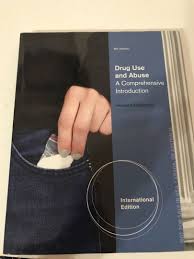
Drug Use and Abuse A Comprehensive Introduction International Edition, 8th Edition by Howard Abadinsky - Test Bank

Drug Use and Abuse A Comprehensive Introduction International Edition, 8th Edition by Howard Abadinsky - Test Bank   Instant Download - Complete Test Bank With Answers     Sample Questions Are Posted Below   TEST BANK       MULTIPLE CHOICE   The sensory illusions produced by hallucinogens are often accompanied by ________. euphoric mood …

$19.99

Drug Use and Abuse A Comprehensive Introduction International Edition, 8th Edition by Howard Abadinsky – Test Bank


Instant Download – Complete Test Bank With Answers


Sample Questions Are Posted Below


TEST BANK


MULTIPLE CHOICE


  1. The sensory illusions produced by hallucinogens are often accompanied by ________.
  2. euphoric mood alterations
  3. severely depressive mood alterations that mimic severe mental illness
  4. deep, almost unquenchable thirst
  5. both euphoric and depressive mood alterations


ANS: D           REF: 98                       LO: 1


  1. Perceiving sounds, odors, tactile sensations, or visual images that arise from within the person, not the environment is an autonomic hyperactivity-induced distortion of the perception of objective reality known as ______________.
  2. synesthesia
  3. depersonalization
  4. hallucination
  5. disjunctive euphoria


ANS: C           REF: 98                       LO: 1


  1. Which three classes of prescription drugs are most commonly abused?
  2. Depressants, Tranquilizers, and Stimulants
  3. Opioids, Depressants, and Stimulants
  4. Opioids, Barbiturates, and Stimulants
  5. Opioids, Stimulants, and Hallucinogens


ANS: B           REF: 117         LO: 8


  1. “Seeing” sound and “hearing” visual input is an autonomic hyperactivity-induced distortion of the perception of objective reality known as _________________.
  2. synesthesia
  3. depersonalization
  4. hallucination
  5. disjunctive euphoria


ANS: A           REF: 98                       LO: 1


  1. Lysergic acid diethylamide (LSD) was synthesized in __________________.
  2. 1938
  3. 1947
  4. 1953
  5. 1964


ANS: A           REF: 98                       LO: 1


  1. __________________ was initially developed as a general anesthetic for surgery.
  2. Hallucinogens
  3. Phencyclidine (PCP)
  4. Marijuana
  5. all of these


ANS: B           REF: 102                     LO: 2


  1. PCP is sold on the street by such names as __________________.
  2. China White
  3. Angel Dust
  4. Ice
  5. Rocks


ANS: B           REF: 103                     LO: 2


  1. _____________ is a dissociative anesthetic it induces a lack of responsive awareness not only of pain, but also of the general environment, without a corresponding depression of the autonomic nervous system.
  2. PCP
  3. MDMA.
  4. Salvia
  5. Kratem


ANS: A           REF: 102                     LO: 2


  1. ________________ use does not seem to result in any significant tolerance or withdrawal symptoms.
  2. MDMA
  3. LSD
  4. PCP
  5. Marijuana


ANS: C           REF: 104                     LO: 2


  1. LSD can have an effect with a dose as small as _____ milligrams.
  2. 25
  3. 0.1
  4. 0.05
  5. 0.01


ANS: D           REF: 99           LO: 1


  1. Fewer than _____ percent of LSD users report recurring low-intensity trips—so-called flashbacks—without having ingested the substance recently.
  2. 45
  3. 35
  4. 25
  5. 15


ANS: C           REF: 102         LO: 2


  1. Taken orally, as prescribed, _______ elicits a gradual and sustained increase in dopamine.
  2. Ritalin
  3. Percodan
  4. Darvon
  5. Valium


ANS: A           REF: 117                     LO: 7


  1. An LSD trip peaks between __________ hours after ingestion.
  2. two to six
  3. one to four
  4. three to five
  5. three to six


ANS: A           REF: 100                     LO: 1


  1. Indians in Northern Mexico have used ______________ as part of their religious rites since prehistoric times..
  2. LSD
  3. Mescaline
  4. PCP
  5. Angel Dust


ANS: B           REF: 105                     LO: 3


  1. The sacred or magic _____________ is typically eaten.
  2. cactus
  3. mushroom
  4. rock
  5. peyote


ANS: B           REF: 105                     LO: 3


  1. _______________ the common name for MDMA (3,4-methylenedioxy-N-methamphetamine), is a synthetic drug that has stimulant and hallucinogenic properties..
  2. Meskaline
  3. Cacutus
  4. Ecstasy
  5. LSD


ANS: C           REF: 105                     LO: 4


  1. _______________ increases the activity levels of at least three neurotransmitters: serotonin, dopamine, and norepinephrine.
  2. Marijuana
  3. PCP
  4. LSD
  5. MDMA


ANS: D           REF: 106                     LO: 4


  1. Ketamine is a dissociative anesthetic similar to PCP but produces less confusion, irrationality, and _________________.
  2. depression
  3. euphoria
  4. neuropathology
  5. violence


ANS: D           REF: 109                     LO: 5


  1. The death of __________ in 2009 cast a spotlight on propofol, a widely used, short-acting intravenous sedative-hypnotic used in the induction and maintenance of anesthesia or sedation.
  2. Kurt Cobain
  3. Michael Jackson
  4. Anna Nicole Smith
  5. Amy Winehouse


ANS: B           REF: 121                     LO: 8


  1. Commonly abused inhalants are usually ____________________ such as hydrocarbon solvents produced from petroleum and natural gas.
  2. volatile substances
  3. aerosol
  4. anesthetic
  5. involatile nitrate


ANS: A           REF: 114                     LO: 7


  1. The immediate effects of inhalants are similar to those of ________________.
  2. stimulants
  3. hallucinogens
  4. marijuana
  5. alcohol


ANS: A           REF: 123                     LO: 7


  1. _________, such as Darvon, Demoerol, methadone, morphine, OxyContin, Percocet,

Percodan, and Vicodin, which are prescribed to treat pain.

  1. Stimulants
  2. Depressants
  3. Opiods
  4. Barbituates


ANS: C           REF: 117                     LO: 8


  1. ____________ is the primary psychoactive ingredient naturally found in cannabis
  2. TBS
  3. TBC
  4. TGC
  5. THC


ANS: D           REF: 113                     LO: 6


  1. ________________ such as Amytal, Nembutal, Seconal, and Phenobarbital are prescribed to treat anxiety and sleep disorders.
  2. Synthetic drugs
  3. Central nervous system depressant
  4. Stimulants
  5. Opioids


ANS: D           REF: 117                     LO: 8


  1. Long-term inhaling of leaded gasoline can cause ____________.
  2. impotence and sterility
  3. myasthenia gravis
  4. liver damage
  5. all of these


ANS: C           REF: 115                     LO: 7


TRUE/FALSE


  1. Prescription drugs are typically abused by white people of at least middle class status for whom they are easier to acquire than their illegal street counterparts.


ANS: T            REF: 118                     LO: 8


  1. An LSD trip peaks about two to four hours after ingestion.


ANS: F            REF: 100                     LO: 1


  1. It is virtually impossible for death to result as a direct effect of LSD on the body.


ANS: T            REF: 101                     LO: 1


  1. LSD is usually taken when the drug of choice, heroin or OxyContin, is not readily available.


ANS: F            REF: 99                       LO: 8


  1. Opioid pain relievers are the most widely abused prescription medicines.


ANS: T            REF: 116                     LO: 8


  1. Salvia is promoted on and sold via the Internet and the substance and is regulated by the federal Controlled Substances Act.


ANS: T            REF: 110                     LO: 5


  1. Ecstasy was developed in Germany in 1914 as an appetite suppressant and for some psychiatric research.


ANS: T            REF: 106                     LO: 4


  1. LSD is not addicting.


ANS: T            REF: 101                     LO: 1

  1. The Ryan Haight Online Pharmacy Consumer Protection Act of 2008 amends the Controlled Substances Act (CSA) by adding several new provisions to prevent the illegal distribution of controlled substances by means of the Internet.


ANS: T            REF: 120                     LO: 8


  1. The total effects of MDMA last from one to three hours.


ANS: F            REF: 106                     LO: 4


COMPLETION


  1. PCP is classified as a __________ anesthetic.


ANS: dissociative                               REF: 103                     LO: 2


  1. The death of Michael Jackson in 2009 cast a spotlight on __________ , a widely used, short-acting intravenous sedative-hypnotic used in the induction and maintenance of anesthesia or sedation.


ANS: propofol                                    REF: 121                     LO: 8


  1. Because of the negative connotations of the term hallucinogens, supporters of the use of such chemicals prefer the term __________.


ANS: psychedelics                              REF: 98                       LO: 1


  1. __________ got its nickname from the appearance of its chemical structure and is slightly less potent than LSD.


ANS: Bromo-Dragonfly                     REF: 155 (p. 10)         LO: 1


  1. PCP is unique among popular drugs of abuse in its power to produce psychoses indistinguishable from __________.


ANS: schizophrenia                            REF: 102                     LO: 2


  1. __________ is the primary hallucinogenic ingredient of the fleshy part of the small spineless peyote cactus.


ANS: Mescaline                                  REF: 104                     LO: 3


  1. __________ mushrooms have also been used for centuries in Native American religious ceremonies.


ANS: Psilocybin                                  REF: 105                     LO: 3


  1. __________ is a dissociative anesthetic that is similar to PCP but produces less confusion, irrationality, and violence.


ANS: Ketamine                                   REF: 109                     LO: 4


  1. Marijuana’s scientific name, _______________, Latin for “cultivated hemp,”


ANS: Cannabis sativa                                   REF: 110                     LO: 6


  1. According to the National Institute of Drug Abuse, the elderly are among those most vulnerable to __________________ misuse and abuse.


ANS: prescription                               REF: 116                     LO: 8


ESSAY


  1. Discuss the dangers of MDMA.


ANS: N/A                   REF: 107-108             LO: 4


  1. Discuss the current legal status of the use of peyote in Native American religious rites.


ANS: N/A                   REF: 104-105             LO: 3


  1. Explain the effects of PCP.


ANS: N/A                   REF: 103                     Lo: 2


  1. Explain the effects and dangers of marijuana.


ANS: N/A                   REF: 111-112             LO: 4


  1. Discuss “good” and “bad” LSD trips.


ANS: N/A                   REF: 99-101               LO: 1


  1. Discuss the effects and dangers of Ketamine and Salvia.


ANS: N/A                   REF: 109-110             LO: 5

  1. Discuss volatile solvents, aerosols, anesthetics, and volatile nitrates.


ANS: N/A                   REF: 114-115             LO: 7


  1. Discuss the prevalence and dangers of non-medical use of prescription pain medications.


ANS: N/A                   REF: 118-119             LO: 8


Additional information

Add Review

Your email address will not be published. Required fields are marked *