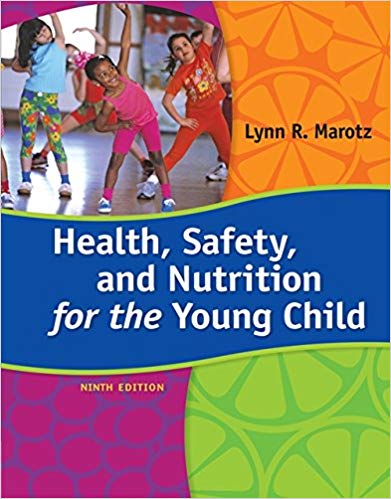
Health Safety And Nutrition for the Young Child 9th Edition By Lynn R. Marotz - Test Bank

Health Safety And Nutrition for the Young Child 9th Edition By Lynn R. Marotz - Test Bank   Instant Download - Complete Test Bank With Answers     Sample Questions Are Posted Below       In an infant-toddler unit, toys should be removed and washed before they are given to another True False   …

$19.99

Health Safety And Nutrition for the Young Child 9th Edition By Lynn R. Marotz – Test Bank


Instant Download – Complete Test Bank With Answers


Sample Questions Are Posted Below


  1. In an infant-toddler unit, toys should be removed and washed before they are given to another
    1. True
    2. False


ANSWER:                            True

DIFFICULTY:                     Easy

REFERENCES:                   Control Measures

LEARNING OBJECTIVES:  hsn.maro.09.05.04 – Name and discuss four control measures that teachers can use to reduce the transmission of communicable illnesses in the classroom.

NATIONAL STANDARDS:   United States – NAEYC.01c – Using developmental knowledge to create healthy, respectful, supportive, and challenging learning environments for young children. United States – NHES.07 – Students will demonstrate the ability to practice health- enhancing behaviors and aviod or reduce health risks.

KEYWORDS:                       Bloom’s:Remembeing


  1. The label on a prescription medication is an acceptable form of physician
    1. True
    2. False


ANSWER:                            True

DIFFICULTY:                     Moderate

REFERENCES:                   Control Measures

LEARNING OBJECTIVES:  hsn.maro.09.05.04 – Name and discuss four control measures that teachers can use to reduce the transmission of communicable illnesses in the classroom.

NATIONAL STANDARDS:   United States – NAEYC.02c – Involving families and communities in young children’s development and learning.

United States – NHES.07 – Students will demonstrate the ability to practice health- enhancing behaviors and aviod or reduce health risks.

KEYWORDS:                       Bloom’s: Remembering


  1. It is not necessary for teachers to wash their hands between care routines (e.g., clothing changes, feeding, diapering) as long as they change their disposable
    1. True
    2. False


ANSWER:                            False

DIFFICULTY:                     Moderate

REFERENCES:                   Control Measures

LEARNING OBJECTIVES:  hsn.maro.09.05.04 – Name and discuss four control measures that teachers can use to reduce the transmission of communicable illnesses in the classroom.

NATIONAL STANDARDS:   United States – NAEYC.01a – Knowing and understanding young children’s characteristics and needs, from birth through age 8.

United States – NHES.07 – Students will demonstrate the ability to practice health- enhancing behaviors and aviod or reduce health risks.

KEYWORDS:                       Bloom’s: Applying


  1. Immunizations provide lifetime immunity against all preventable childhood
    1. True
    2. False


ANSWER:                            False

DIFFICULTY:                     Difficult

REFERENCES:                   Control Measures

LEARNING OBJECTIVES:  hsn.maro.09.05.04 – Name and discuss four control measures that teachers can use to reduce the transmission of communicable illnesses in the classroom.

NATIONAL STANDARDS:   United States – NAEYC.01c – Using developmental knowledge to create healthy, respectful, supportive, and challenging learning environments for young children. United States – NHES.01 – Students will comprehend concepts related to health promotion and disease prevention to enhance health.

KEYWORDS:                       Bloom’s: Remembering


  1. Any child who is exposed to a pathogen will develop that particular communicable
    1. True
    2. False


ANSWER:                            False

DIFFICULTY:                     Moderate

REFERENCES:                   Communicable Illness

LEARNING OBJECTIVES:  hsn.maro.09.05.02 – Describe the components required for an illness to be communicable.

NATIONAL STANDARDS:   United States – NAEYC.01c – Using developmental knowledge to create healthy, respectful, supportive, and challenging learning environments for young children. United States – NHES.07 – Students will demonstrate the ability to practice health- enhancing behaviors and aviod or reduce health risks.

KEYWORDS:                       Bloom’s: Remembering


  1. Medications can be safely stored on a high shelf or in a cabinet that is inaccessible to
    1. True
    2. False


ANSWER:                            False

DIFFICULTY:                     Easy

REFERENCES:                   Control Measures

LEARNING OBJECTIVES:  hsn.maro.09.05.04 – Name and discuss four control measures that teachers can use to reduce the transmission of communicable illnesses in the classroom.

NATIONAL STANDARDS:   United States – NAEYC.01c – Using developmental knowledge to create healthy, respectful, supportive, and challenging learning environments for young children. United States – NHES.07 – Students will demonstrate the ability to practice health- enhancing behaviors and aviod or reduce health risks.

KEYWORDS:                       Bloom’s: Applying


  1. Schools should not accept responsibility for administering any medication to young
    1. True
    2. False


ANSWER:                            False

DIFFICULTY:                     Easy

REFERENCES:                   Control Measures

LEARNING OBJECTIVES:  hsn.maro.09.05.04 – Name and discuss four control measures that teachers can use to reduce the transmission of communicable illnesses in the classroom.

NATIONAL STANDARDS:   United States – NAEYC.01c – Using developmental knowledge to create healthy, respectful, supportive, and challenging learning environments for young children. United States – NHES.07 – Students will demonstrate the ability to practice health- enhancing behaviors and aviod or reduce health risks.

KEYWORDS:                       Bloom’s: Applying


  1. Surfaces that have been contaminated with blood or feces can be adequately cleaned with soap and
    1. True
    2. False


ANSWER:                            False

DIFFICULTY:                     Easy

REFERENCES:                   Control Measures

LEARNING OBJECTIVES:  hsn.maro.09.05.04 – Name and discuss four control measures that teachers can use to reduce the transmission of communicable illnesses in the classroom.

NATIONAL STANDARDS:   United States – NAEYC.01c – Using developmental knowledge to create healthy, respectful, supportive, and challenging learning environments for young children. United States – NHES.07 – Students will demonstrate the ability to practice health- enhancing behaviors and aviod or reduce health risks.

KEYWORDS:                       Bloom’s:Remembering


  1. Separating toddlers in diapers from children who are toilet-trained can help to reduce the spread of intestinal illnesses in group
    1. True
    2. False


ANSWER:                            True

DIFFICULTY:                     Moderate

REFERENCES:                   Control Measures

LEARNING OBJECTIVES:  hsn.maro.09.05.04 – Name and discuss four control measures that teachers can use to reduce the transmission of communicable illnesses in the classroom.

NATIONAL STANDARDS:   United States – NAEYC.01c – Using developmental knowledge to create healthy, respectful, supportive, and challenging learning environments for young children. United States – NHES.07 – Students will demonstrate the ability to practice health- enhancing behaviors and aviod or reduce health risks.

KEYWORDS:                       Bloom’s: Remembering


  1. A child is capable of infecting others during the acute stage of a communicable
    1. True
    2. False


ANSWER:                            True

DIFFICULTY:                     Difficult

REFERENCES:                   Stages of Illness

LEARNING OBJECTIVES:  hsn.maro.09.05.03 – Identify the four stages of a communicable illness.

NATIONAL STANDARDS:   United States – NAEYC.01c – Using developmental knowledge to create healthy, respectful, supportive, and challenging learning environments for young children. United States – NHES.01 – Students will comprehend concepts related to health promotion and disease prevention to enhance health.

KEYWORDS:                       Bloom’s: Remembering


  1. Disposable gloves should only be worn when caring for a child’s injuries that involve
    1. True
    2. False


ANSWER:                            False

DIFFICULTY:                     moderate

REFERENCES:                   Control Measures

LEARNING OBJECTIVES:  hsn.maro.09.05.04 – Name and discuss four control measures that teachers can use to reduce the transmission of communicable illnesses in the classroom.

NATIONAL STANDARDS:   United States – NAEYC.01c – Using developmental knowledge to create healthy, respectful, supportive, and challenging learning environments for young children. United States – NHES.07 – Students will demonstrate the ability to practice health- enhancing behaviors and aviod or reduce health risks.

KEYWORDS:                       Bloom’s: Remembering


  1. Children’s age and immature development place them at high risk for communicable
    1. True
    2. False


ANSWER:                            True

DIFFICULTY:                     easy

REFERENCES:                   Risk Factors

LEARNING OBJECTIVES:  hsn.maro.09.05.01 – Discuss why young children experience frequent communicable illness.

NATIONAL STANDARDS:   United States – NAEYC.01a – Knowing and understanding young children’s characteristics and needs, from birth through age 8.

United States – NHES.01 – Students will comprehend concepts related to health promotion and disease prevention to enhance health.

KEYWORDS:                       Bloom’s: Remembering


  1. Families can obtain immunizations for children from:
    1. local health departments pediatricians
    2. community health care clinics d. all answers are correct


ANSWER:                            d

DIFFICULTY:                     Easy

REFERENCES:                   Control Measures

LEARNING OBJECTIVES:  hsn.maro.09.05.04 – Name and discuss four control measures that teachers can use to reduce the transmission of communicable illnesses in the classroom.

NATIONAL STANDARDS:   United States – NAEYC.01c – Using developmental knowledge to create healthy, respectful, supportive, and challenging learning environments for young children. United States – NHES.01 – Students will comprehend concepts related to health promotion and disease prevention to enhance health.

KEYWORDS:                       Bloom’s: Remembering


  1. The length of an incubation stage:
    1. is the same for all communicable illnesses
    2. varies for each communicable illness
    3. is shorter in young children
    4. is not an important infection control measure


ANSWER:                            b

DIFFICULTY:                     Moderate

REFERENCES:                   Stages of Illness

LEARNING OBJECTIVES:  hsn.maro.09.05.03 – Identify the four stages of a communicable illness.

NATIONAL STANDARDS:   United States – NAEYC.01c – Using developmental knowledge to create healthy, respectful, supportive, and challenging learning environments for young children. United States – NHES.01 – Students will comprehend concepts related to health promotion and disease prevention to enhance health.

KEYWORDS:                       Bloom’s: Applying


  1. Teachers who are ill should:
    1. stay home whenever they are feeling “under the weather”
    2. follow the same exclusion guidelines set for children
    3. ignore minor illnesses and come to work
    4. not come to work if they have been exposed to communicable illness; they should wait to see if symptoms develop


ANSWER:                            b

DIFFICULTY:                     Moderate

REFERENCES:                   Control Measures

LEARNING OBJECTIVES:  hsn.maro.09.05.04 – Name and discuss four control measures that teachers can use to reduce the transmission of communicable illnesses in the classroom.

NATIONAL STANDARDS:   United States – NAEYC.01c – Using developmental knowledge to create healthy, respectful, supportive, and challenging learning environments for young children. United States – NHES.07 – Students will demonstrate the ability to practice health- enhancing behaviors and aviod or reduce health risks.

KEYWORDS:                       Bloom’s: Applying


  1. Exclusion policies:
    1. prevent illness and infection from occurring
    2. need only to be enforced when there is threat of serious disease
    3. protect teachers against potential charges of negligence
    4. serve as guidelines for deciding when a child is too ill to attend group care


ANSWER:                            d

DIFFICULTY:                     Easy

REFERENCES:                   Control Measures

LEARNING OBJECTIVES:  hsn.maro.09.05.04 – Name and discuss four control measures that teachers can use to reduce the transmission of communicable illnesses in the classroom.

NATIONAL STANDARDS:   United States – NAEYC.01c – Using developmental knowledge to create healthy, respectful, supportive, and challenging learning environments for young children. United States – NHES.03 – Students will demonstrate the ability to access valid information, products, and service to enhance health.

KEYWORDS:                       Bloom’s:Understanding


  1. A pathogen is the:
    1. method by which an illness is transmitted
    2. organism responsible for infecting an individual
    3. first stage of a communicable illness
    4. name given to the susceptible or new host


ANSWER:                            b

DIFFICULTY:                     Moderate

REFERENCES:                   Communicable Illness

LEARNING OBJECTIVES:  hsn.maro.09.05.02 – Describe the components required for an illness to be communicable.

NATIONAL STANDARDS:   United States – NAEYC.01c – Using developmental knowledge to create healthy, respectful, supportive, and challenging learning environments for young children. United States – NHES.03 – Students will demonstrate the ability to access valid information, products, and service to enhance health.

KEYWORDS:                       Bloom’s: Understanding


  1. Most children’s communicable illnesses are the result of:
    1. fungus infections
    2. hereditary weakness
    3. climate and location
    4. respiratory infections


ANSWER:                            d

DIFFICULTY:                     Moderate

REFERENCES:                   Communicable Illness

LEARNING OBJECTIVES:  hsn.maro.09.05.02 – Describe the components required for an illness to be communicable.

NATIONAL STANDARDS:   United States – NAEYC.01b – Knowing and understanding the multiple influences on early development and learning.

United States – NHES.05 – Students will demonstrate the ability to use decision-making skils to enhance health.

KEYWORDS:                       Bloom’s: Understanding


  1. The single most effective control measure against the spread of communicable illness is:
    1. keeping children indoors during cold or inclement weather
    2. thorough hand washing
    3. disinfecting all surfaces (e.g. tables, toys, sink handles)
    4. excluding children when they are sick


ANSWER:                            b

DIFFICULTY:                     Easy

REFERENCES:                   Control Measures

LEARNING OBJECTIVES:  hsn.maro.09.05.04 – Name and discuss four control measures that teachers can use to reduce the transmission of communicable illnesses in the classroom.

NATIONAL STANDARDS:   United States – NAEYC.01b – Knowing and understanding the multiple influences on early development and learning.

United States – NHES.05 – Students will demonstrate the ability to use decision-making skils to enhance health.

KEYWORDS:                       Bloom’s: Understanding


  1. A child is most contagious during the:
    1. incubation stage incubation and prodromal stages
    2. acute and convalescent stages d. acute stage


ANSWER:                            d

DIFFICULTY:                     Moderate

REFERENCES:                   Stages of Illness

LEARNING OBJECTIVES:  hsn.maro.09.05.03 – Identify the four stages of a communicable illness.

NATIONAL STANDARDS:   United States – NAEYC.01b – Knowing and understanding the multiple influences on early development and learning.

United States – NHES.05 – Students will demonstrate the ability to use decision-making skils to enhance health.

KEYWORDS:                       Bloom’s: Understanding


  1. Giardiasis is a communicable illness that is transmitted:
    1. through direct and indirect contact with infected fecal material
    2. during coughs and sneezes
    3. by drinking out of someone else’s glass
    4. through contact with the fur of infected dogs and cats


ANSWER:                            a

DIFFICULTY:                     Difficult

REFERENCES:                   Communicable Illness

LEARNING OBJECTIVES:  hsn.maro.09.05.02 – Describe the components required for an illness to be communicable.

NATIONAL STANDARDS:   United States – NAEYC.01b – Knowing and understanding the multiple influences on early development and learning.

United States – NHES.05 – Students will demonstrate the ability to use decision-making skils to enhance health.

KEYWORDS:                       Bloom’s: Understanding


  1. Written permission should be obtained for the administration of which of the following medications?
    1. prescription drugs
    2. over-the-counter cough medicines
    3. children’s ibuprofen or motrin
    4. all answers are correct


ANSWER:                            d

DIFFICULTY:                     Easy

REFERENCES:                   Control Measures

LEARNING OBJECTIVES:  hsn.maro.09.05.04 – Name and discuss four control measures that teachers can use to reduce the transmission of communicable illnesses in the classroom.

NATIONAL STANDARDS:   United States – NAEYC.02c – Involving families and communities in young children’s development and learning.

United States – NHES.05 – Students will demonstrate the ability to use decision-making skils to enhance health.

KEYWORDS:                       Bloom’s: Applying


  1. Universal infection control precautions require the teacher to:
    1. wear disposable gloves when handling items contaminated with body fluids
    2. administer first aid (without gloves) and then wash hands carefully
    3. disinfect hands with sanitizing gels
    4. call for professional assistance with cleanup


ANSWER:                            a

DIFFICULTY:                     Easy

REFERENCES:                   Control Measures

LEARNING OBJECTIVES:  hsn.maro.09.05.04 – Name and discuss four control measures that teachers can use to reduce the transmission of communicable illnesses in the classroom.

NATIONAL STANDARDS:   United States – NAEYC.04b – Knowing and understanding effective strategies and tools for ealry education including appropriate use of technology.

United States – NHES.05 – Students will demonstrate the ability to use decision-making skils to enhance health.

KEYWORDS:                       Bloom’s: Applying


  1. At what age should infants begin to receive their first series of immunizations?
    1. 2 months
    2. 4 months
    3. 8 months
    4. 12 months


ANSWER:                            a

DIFFICULTY:                     Easy

REFERENCES:                   Control Measures

LEARNING OBJECTIVES:  hsn.maro.09.05.04 – Name and discuss four control measures that teachers can use to reduce the transmission of communicable illnesses in the classroom.

NATIONAL STANDARDS:   United States – NAEYC.01a – Knowing and understanding young children’s characteristics and needs, from birth through age 8.

United States – NHES.01 – Students will comprehend concepts related to health promotion and disease prevention to enhance health.

KEYWORDS:                       Bloom’s: Understanding


  1. Early signs of a developing communicable illness might include all the following EXCEPT:
    1. red or sore throat a rash that is fading
    2. fatigue and loss of appetite d. headache


ANSWER:                            b

DIFFICULTY:                     Moderate

REFERENCES:                   Stages of Illness

LEARNING OBJECTIVES:  hsn.maro.09.05.03 – Identify the four stages of a communicable illness.

NATIONAL STANDARDS:   United States – NAEYC.01a – Knowing and understanding young children’s characteristics and needs, from birth through age 8.

United States – NHES.01 – Students will comprehend concepts related to health promotion and disease prevention to enhance health.

KEYWORDS:                       Bloom’s:Understanding


  1. An adult who does not practice good hand washing after changing an infant’s diaper could potentially spread which of the following illnesses:
    1. giardia and pinworms
    2. chickenpox and strep infections
    3. hepatitis B and rubella
    4. eczema


ANSWER:                            a

DIFFICULTY:                     difficult

REFERENCES:                   Control Measures

LEARNING OBJECTIVES:  hsn.maro.09.05.04 – Name and discuss four control measures that teachers can use to reduce the transmission of communicable illnesses in the classroom.

NATIONAL STANDARDS:   United States – NAEYC.04b – Knowing and understanding effective strategies and tools for ealry education including appropriate use of technology.

United States – NHES.01 – Students will comprehend concepts related to health promotion and disease prevention to enhance health.

KEYWORDS:                       Bloom’s: Applying


  1. Outdoor should be covered when not in use to protect them from contamination with animal

ANSWER:                            sandboxes

DIFFICULTY:                     Easy

REFERENCES:                   Control Measures

LEARNING OBJECTIVES:  hsn.maro.09.05.04 – Name and discuss four control measures that teachers can use to reduce the transmission of communicable illnesses in the classroom.

NATIONAL STANDARDS:   United States – NAEYC.01c – Using developmental knowledge to create healthy, respectful, supportive, and challenging learning environments for young children. United States – NHES.06 – Students will demonstrate the ability to use goal-setting skills to enhance health.

KEYWORDS:                       Bloom’s: Remembering


  1. Bleach solutions must be mixed to maintain their disinfecting

ANSWER:                            daily

DIFFICULTY:                     Easy

REFERENCES:                   Control Measures

LEARNING OBJECTIVES:  hsn.maro.09.05.04 – Name and discuss four control measures that teachers can use to reduce the transmission of communicable illnesses in the classroom.

NATIONAL STANDARDS:   United States – NAEYC.01c – Using developmental knowledge to create healthy, respectful, supportive, and challenging learning environments for young children. United States – NHES.06 – Students will demonstrate the ability to use goal-setting skills to enhance health.

KEYWORDS:                       Bloom’s: Applying


  1. Bacteria, parasites, and viruses are examples of that are capable of causing an infectious

ANSWER:                            pathogens

DIFFICULTY:                     Moderate

REFERENCES:                   Communicable Illness

LEARNING OBJECTIVES:  hsn.maro.09.05.02 – Describe the components required for an illness to be communicable.

NATIONAL STANDARDS:   United States – NAEYC.01c – Using developmental knowledge to create healthy, respectful, supportive, and challenging learning environments for young children.  United States – NHES.05 – Students will demonstrate the ability to use decision-making skils to enhance health.

KEYWORDS:                       Bloom’s: Applying


  1. Teachers’ failure to practice good ____________________ ____________________ can transmit fecal-oral

ANSWER:                            hand washing

DIFFICULTY:                     Easy

REFERENCES:                   Control Measures

LEARNING OBJECTIVES:  hsn.maro.09.05.04 – Name and discuss four control measures that teachers can use to reduce the transmission of communicable illnesses in the classroom.

NATIONAL STANDARDS:   United States – NAEYC.01c – Using developmental knowledge to create healthy, respectful, supportive, and challenging learning environments for young children.  United States – NHES.05 – Students will demonstrate the ability to use decision-making skils to enhance health.

KEYWORDS:                       Bloom’s: Applying


  1. Chicken pox is an example of a communicable illness that is spread through                                     

____________________.

ANSWER:                            airborne transmission coughs

sneezes

DIFFICULTY:                     Moderate

REFERENCES:                   Communicable Illness

LEARNING OBJECTIVES:  hsn.maro.09.05.02 – Describe the components required for an illness to be communicable.

NATIONAL STANDARDS:   United States – NAEYC.01c – Using developmental knowledge to create healthy, respectful, supportive, and challenging learning environments for young children. United States – NHES.01 – Students will comprehend concepts related to health promotion and disease prevention to enhance health.

KEYWORDS:                       Bloom’s: Remembering


  1. Removing any one of the three critical factors— ,                                       , and

____________________ __________ ____________________—that are essential to the infectious process will disrupt a disease’s communicability.

ANSWER:                            host, pathogen, method of transmission host, method of transmission, pathogen pathogen, host, method of transmission pathogen, method of transmission, host method of transmission, host, pathogen method of transmission, pathogen, host

DIFFICULTY:                     Difficult

REFERENCES:                   Communicable Illness

LEARNING OBJECTIVES:  hsn.maro.09.05.02 – Describe the components required for an illness to be communicable.

NATIONAL STANDARDS:   United States – NAEYC.01c – Using developmental knowledge to create healthy, respectful, supportive, and challenging learning environments for young children.  United States – NHES.05 – Students will demonstrate the ability to use decision-making skils to enhance health.

KEYWORDS:                       Bloom’s: Understanding


  1. Most communicable illnesses develop in a series of stages, beginning with the stage, then passing through the prodromal and                               stages, and ending with the

____________________  period.

ANSWER:                            incubation, acute, convalescent

DIFFICULTY:                     Difficult

REFERENCES:                   Stages of Illness

LEARNING OBJECTIVES:  hsn.maro.09.05.03 – Identify the four stages of a communicable illness.

NATIONAL STANDARDS:   United States – NAEYC.01c – Using developmental knowledge to create healthy, respectful, supportive, and challenging learning environments for young children.  United States – NHES.05 – Students will demonstrate the ability to use decision-making skils to enhance health.

KEYWORDS:                       Bloom’s: Applying


  1. Symptoms such as general achiness, sore throat, fatigue, listlessness, low-grade fever, and chills are typical observed during the ____________________

ANSWER:                            prodromal

DIFFICULTY:                     Moderate

REFERENCES:                   Stages of Illness

LEARNING OBJECTIVES:  hsn.maro.09.05.03 – Identify the four stages of a communicable illness.

NATIONAL STANDARDS:   United States – NAEYC.01c – Using developmental knowledge to create healthy, respectful, supportive, and challenging learning environments for young children.  United States – NHES.05 – Students will demonstrate the ability to use decision-making skils to enhance health.

KEYWORDS:                       Bloom’s: Applying


  1. Removing sick children from a group can be an effective method for limiting the source of

____________________.

ANSWER:                            infection

DIFFICULTY:                     Easy

REFERENCES:                   Control Measures

LEARNING OBJECTIVES:  hsn.maro.09.05.04 – Name and discuss four control measures that teachers can use to reduce the transmission of communicable illnesses in the classroom.

NATIONAL STANDARDS:   United States – NAEYC.01c – Using developmental knowledge to create healthy, respectful, supportive, and challenging learning environments for young children. United States – NHES.07 – Students will demonstrate the ability to practice health- enhancing behaviors and aviod or reduce health risks.

KEYWORDS:                       Bloom’s: Applying


  1. When teachers are ill, they not only increase the chances of infecting others, but also run a greater risk of

____________________  themselves.

ANSWER:                            injuring

hurting

DIFFICULTY:                     Moderate

REFERENCES:                   Control Measures

LEARNING OBJECTIVES:  hsn.maro.09.05.04 – Name and discuss four control measures that teachers can use to reduce the transmission of communicable illnesses in the classroom.

NATIONAL STANDARDS:   United States – NAEYC.01c – Using developmental knowledge to create healthy, respectful, supportive, and challenging learning environments for young children. United States – NHES.07 – Students will demonstrate the ability to practice health- enhancing behaviors and aviod or reduce health risks.

KEYWORDS:                       Bloom’s: Applying


  1. What steps should be followed when administering medications to young children?

ANSWER:                            Permission must first be obtained from a doctor (this could be in the form of a prescription label, telephone directive, or written order); read the medication label carefully and verify that the child’s name, medication, dosage, and directions for administering match those provided by the doctor. Read the label again when removing the medication from the cabinet, before pouring, after pouring it from the container, and before administering it to the child. Record the time medication was administered, the dose, and any reaction the child may have experienced.

DIFFICULTY:                     Difficult

REFERENCES:                   Control Measures

LEARNING OBJECTIVES:  hsn.maro.09.05.04 – Name and discuss four control measures that teachers can use to reduce the transmission of communicable illnesses in the classroom.

NATIONAL STANDARDS:   United States – NAEYC.01c – Using developmental knowledge to create healthy, respectful, supportive, and challenging learning environments for young children. United States – NHES.07 – Students will demonstrate the ability to practice health- enhancing behaviors and aviod or reduce health risks.

KEYWORDS:                       Bloom’s: Creating


  1. Why don’t all children who are exposed to a particular infectious illness become sick?

ANSWER:                            A child must be susceptible to the pathogen. Conditions must be favorable to allow the

organism to enter the body, overcome the body’s immune system, and establish itself.

DIFFICULTY:                     Moderate

REFERENCES:                   Communicable Illness

LEARNING OBJECTIVES:  hsn.maro.09.05.02 – Describe the components required for an illness to be communicable.

NATIONAL STANDARDS:   United States – NAEYC.01c – Using developmental knowledge to create healthy, respectful, supportive, and challenging learning environments for young children. United States – NHES.07 – Students will demonstrate the ability to practice health- enhancing behaviors and aviod or reduce health risks.

KEYWORDS:                       Bloom’s: Analyzing


  1. Why must bleach solutions used for disinfecting be mixed fresh daily?

ANSWER:                            Bleach loses its disinfecting properties after 24 hours.

DIFFICULTY:                     Easy

REFERENCES:                   Control Measures

LEARNING OBJECTIVES:  hsn.maro.09.05.04 – Name and discuss four control measures that teachers can use to reduce the transmission of communicable illnesses in the classroom.

NATIONAL STANDARDS:   United States – NAEYC.01c – Using developmental knowledge to create healthy, respectful, supportive, and challenging learning environments for young children. United States – NHES.07 – Students will demonstrate the ability to practice health- enhancing behaviors and aviod or reduce health risks.

KEYWORDS:                       Bloom’s: Analyzing


  1. Describe the proper procedure for washing

ANSWER:                            Pull down or roll out paper towel. Turn on running water. Rinse hands under warm running water. Lather with soap and rub hands together vigorously, paying attention to the backs of the hands, between fingers, around nails, and up wrists. Rinse under warm running water. Dry well with paper towel. Turn off running water using paper towel to avoid recontamination. Dispose of the soiled paper towel in a covered trash container.

DIFFICULTY:                     Moderate

REFERENCES:                   Control Measures

LEARNING OBJECTIVES:  hsn.maro.09.05.04 – Name and discuss four control measures that teachers can use to reduce the transmission of communicable illnesses in the classroom.

NATIONAL STANDARDS:   United States – NAEYC.01c – Using developmental knowledge to create healthy, respectful, supportive, and challenging learning environments for young children. United States – NHES.07 – Students will demonstrate the ability to practice health- enhancing behaviors and aviod or reduce health risks.

KEYWORDS:                       Bloom’s: Understanding


  1. What should a teacher do if a parent asks to have medication that is not in its original container given to a child?

ANSWER:                            Refuse to administer medications that are not in their original containers.

DIFFICULTY:                     Easy

REFERENCES:                   Control Measures

LEARNING OBJECTIVES:  hsn.maro.09.05.04 – Name and discuss four control measures that teachers can use to reduce the transmission of communicable illnesses in the classroom.

NATIONAL STANDARDS:   United States – NAEYC.02c – Involving families and communities in young children’s development and learning.

United States – NHES.02 – Students will analyze the influence of family , peers, culture, media, tchnology, and other factors on health behavior.

KEYWORDS:                       Bloom’s: Applying


  1. Describe several modifications that teachers can make to the physical environment of a classroom to decrease the potential spread of infectious

ANSWER:                            Many examples are provided in the Control Measures section of this chapter, including providing easy access to hand washing facilities (e.g., sinks, disposable towels, soap); making sure all items (e.g., toys, dress-up clothing, rugs, pillows) that        children use are washable; maintaining a regular schedule for disinfecting classroom equipment; washing and disinfecting toys between use; following strict sanitary routines in the diapering and bathroom areas; providing additional space between children’s sleeping cots and places at tables to prevent crowding; opening windows and doors periodically to let in fresh air; checking humidity levels; cleaning surfaces (e.g., walls, floors, countertops) regularly; separating areas used for laundry, toileting and food preparation.

DIFFICULTY:                     Moderate

REFERENCES:                   Control Measures

LEARNING OBJECTIVES:  hsn.maro.09.05.04 – Name and discuss four control measures that teachers can use to reduce the transmission of communicable illnesses in the classroom.

NATIONAL STANDARDS:   United States – NAEYC.01c – Using developmental knowledge to create healthy, respectful, supportive, and challenging learning environments for young children. United States – NHES.01 – Students will comprehend concepts related to health promotion and disease prevention to enhance health.

KEYWORDS:                       Bloom’s: Applying

Additional information

Add Review

Your email address will not be published. Required fields are marked *