Subtotal: $658.99

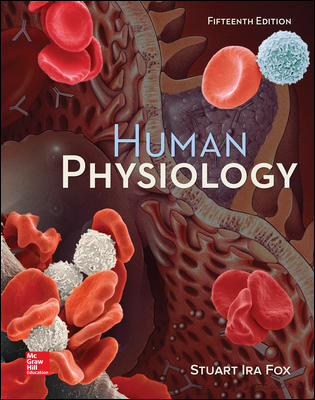
Human Physiology 15Th Edition By Fox - Test Bank

Human Physiology 15Th Edition By Fox - Test Bank   Instant Download - Complete Test Bank With Answers     Sample Questions Are Posted Below   Human Physiology, 15e (Fox) Chapter 5   Cell Respiration and Metabolism   1) Metabolism is a term that refers to all of the reactions in the body that involve energy …

$19.99

Human Physiology 15Th Edition By Fox – Test Bank


Instant Download – Complete Test Bank With Answers


Sample Questions Are Posted Below


Human Physiology, 15e (Fox)

Chapter 5   Cell Respiration and Metabolism


1) Metabolism is a term that refers to all of the reactions in the body that involve energy transformations.


Answer:  TRUE

Section:  05.01

Topic:  Energy transfer using ATP; Introduction to metabolism

Bloom’s:  1. Remember

Accessibility:  Keyboard Navigation

HAPS Outcome:  O02.01 Define metabolism, anabolism, and catabolism.


2) An increase in stored triglyceride molecules ________, and would be considered a/an ________ reaction.

  1. A) creates ATP; anabolic
  2. B) utilizes ATP; anabolic
  3. C) uses energy; catabolic
  4. D) uses energy; decomposition


Answer:  B

Section:  05.01

Topic:  Energy transfer using ATP; Introduction to metabolism

Bloom’s:  3. Apply

Accessibility:  Keyboard Navigation

HAPS Outcome:  O02.01 Define metabolism, anabolism, and catabolism.


3) Which of the following is NOT a primary catabolic source of energy to produce ATP?

  1. A) fatty acids
  2. B) cholesterol
  3. C) amino acids
  4. D) glucose


Answer:  B

Section:  05.01

Topic:  Cellular respiration; Introduction to metabolism

Bloom’s:  2. Understand

Accessibility:  Keyboard Navigation

HAPS Outcome:  O02.02 Provide examples of anabolic and catabolic reactions.


4) The final electron acceptor in aerobic cell respiration is ________.

  1. A) water
  2. B) oxygen
  3. C) carbon dioxide
  4. D) ATP


Answer:  B

Section:  05.01

Topic:  Cellular respiration

Bloom’s:  1. Remember

Accessibility:  Keyboard Navigation

HAPS Outcome:  C11.01 Define the term cellular respiration.; C11.02 With respect to glycolysis, the Krebs (citric acid or TCA) cycle, and the electron transport chain: compare and contrast energy input, efficiency of energy production, oxygen use, by-products and cellular location.


5) Anabolic reactions do not ________.

  1. A) utilize energy
  2. B) synthesize molecules within cells
  3. C) store energy
  4. D) release energy


Answer:  D

Section:  05.01

Topic:  Introduction to metabolism

Bloom’s:  2. Understand

Accessibility:  Keyboard Navigation

HAPS Outcome:  O02.01 Define metabolism, anabolism, and catabolism.


6) Phosphorylation of glucose “traps” the glucose within a cell.


Answer:  TRUE

Section:  05.01

Topic:  Cellular respiration; Metabolism of carbohydrates

Bloom’s:  2. Understand

Accessibility:  Keyboard Navigation

HAPS Outcome:  C11.02 With respect to glycolysis, the Krebs (citric acid or TCA) cycle, and the electron transport chain: compare and contrast energy input, efficiency of energy production, oxygen use, by-products and cellular location.; O02.05 Describe the processes of oxidation, reduction, decarboxylation, and phosphorylation.


7) Glycolysis is an endergonic reaction.


Answer:  FALSE

Section:  05.01

Topic:  Cellular respiration; Metabolism of carbohydrates

Bloom’s:  2. Understand

Accessibility:  Keyboard Navigation

HAPS Outcome:  C11.02 With respect to glycolysis, the Krebs (citric acid or TCA) cycle, and the electron transport chain: compare and contrast energy input, efficiency of energy production, oxygen use, by-products and cellular location.


8) Glycolysis converts glucose into two ________ molecules.

  1. A) glycogen
  2. B) lactic acid
  3. C) acetyl CoA
  4. D) pyruvic acid


Answer:  D

Section:  05.01

Topic:  Cellular respiration; Metabolism of carbohydrates

Bloom’s:  1. Remember

Accessibility:  Keyboard Navigation

HAPS Outcome:  C11.02 With respect to glycolysis, the Krebs (citric acid or TCA) cycle, and the electron transport chain: compare and contrast energy input, efficiency of energy production, oxygen use, by-products and cellular location.; O03.01a State the overall reaction for glucose catabolism.


9) To go through glycolysis, ________ ATP per glucose molecule must be “invested” in order to activate the glucose molecule.

  1. A) one
  2. B) two
  3. C) three
  4. D) four


Answer:  B

Section:  05.01

Topic:  Cellular respiration; Energy transfer using ATP; Metabolism of carbohydrates

Bloom’s:  2. Understand

Accessibility:  Keyboard Navigation

HAPS Outcome:  C05.01 Describe the generalized reversible reaction for release of energy from ATP and explain the role of ATP in the cell.; C11.02 With respect to glycolysis, the Krebs (citric acid or TCA) cycle, and the electron transport chain: compare and contrast energy input, efficiency of energy production, oxygen use, by-products and cellular location.; O03.01a State the overall reaction for glucose catabolism.


10) How many hydrogen molecules are released in glycolysis?

  1. A) One
  2. B) Two
  3. C) Three
  4. D) Four


Answer:  D

Section:  05.01

Topic:  Cellular respiration; Metabolism of carbohydrates

Bloom’s:  1. Remember

Accessibility:  Keyboard Navigation

HAPS Outcome:  C11.02 With respect to glycolysis, the Krebs (citric acid or TCA) cycle, and the electron transport chain: compare and contrast energy input, efficiency of energy production, oxygen use, by-products and cellular location.


11) Each pair of hydrogens generated in glycolysis are used to ________.

  1. A) reduce 2 molecules of NAD
  2. B) oxidize 2 molecules of NAD
  3. C) reduce 2 molecules of FAD
  4. D) oxidize 2 molecules of FAD


Answer:  A

Section:  05.01

Topic:  Cellular respiration

Bloom’s:  2. Understand

Accessibility:  Keyboard Navigation

HAPS Outcome:  C11.02 With respect to glycolysis, the Krebs (citric acid or TCA) cycle, and the electron transport chain: compare and contrast energy input, efficiency of energy production, oxygen use, by-products and cellular location.; O02.05 Describe the processes of oxidation, reduction, decarboxylation, and phosphorylation.; O02.04 Explain the roles of coenzyme A, NAD, and FAD in metabolism.


12) Glycolysis results in a net gain of two ATP formed by direct ________ of ADP molecules using phosphates taken from glycolytic intermediates.

  1. A) phosphorylation
  2. B) hydrolysis
  3. C) reduction
  4. D) oxidation


Answer:  A

Section:  05.01

Topic:  Cellular respiration; Metabolism of carbohydrates

Bloom’s:  2. Understand

Accessibility:  Keyboard Navigation

HAPS Outcome:  C11.02 With respect to glycolysis, the Krebs (citric acid or TCA) cycle, and the electron transport chain: compare and contrast energy input, efficiency of energy production, oxygen use, by-products and cellular location.; O02.05 Describe the processes of oxidation, reduction, decarboxylation, and phosphorylation.


13) In the breakdown of a molecule of glucose in the cytoplasm, ________ molecules of ATP are produced.

  1. A) 1
  2. B) 2
  3. C) 3
  4. D) 4


Answer:  B

Section:  05.01

Topic:  Cellular respiration; Metabolism of carbohydrates

Bloom’s:  3. Apply

Accessibility:  Keyboard Navigation

HAPS Outcome:  C11.02 With respect to glycolysis, the Krebs (citric acid or TCA) cycle, and the electron transport chain: compare and contrast energy input, efficiency of energy production, oxygen use, by-products and cellular location.


14) Lactic acid fermentation only occurs when oxygen is absent.


Answer:  FALSE

Section:  05.01

Topic:  Cellular respiration

Bloom’s:  2. Understand

Accessibility:  Keyboard Navigation

HAPS Outcome:  O03.01d Describe the anaerobic process for generating ATP, including conditions under which it occurs and its products and their functions.


15) Skeletal muscle would have a much greater capability to utilize ________ and ________ than cardiac muscle to produce ATP.

  1. A) glucose; fatty acids
  2. B) glucose; lactic acid
  3. C) fatty acids; lactic acid
  4. D) amino acids; fatty acids


Answer:  B

Section:  05.01

Topic:  Cellular respiration

Bloom’s:  3. Apply

Accessibility:  Keyboard Navigation

HAPS Outcome:  O03.01d Describe the anaerobic process for generating ATP, including conditions under which it occurs and its products and their functions.


16) Lactic acid is the result of LDH (lactic acid dehydrogenase) mediated ________ of pyruvic acid with electrons taken from NADH + H+.

  1. A) oxidation
  2. B) reduction
  3. C) phosphorylation
  4. D) hydrolysis


Answer:  B

Section:  05.01

Topic:  Cellular respiration

Bloom’s:  2. Understand

Accessibility:  Keyboard Navigation

HAPS Outcome:  O02.05 Describe the processes of oxidation, reduction, decarboxylation, and phosphorylation.; O03.01d Describe the anaerobic process for generating ATP, including conditions under which it occurs and its products and their functions.


17) Anaerobic metabolism regenerates the ________ required for glycolysis.

  1. A) NAD
  2. B) FAD
  3. C) ATP
  4. D) GTP


Answer:  A

Section:  05.01

Topic:  Cellular respiration

Bloom’s:  2. Understand

Accessibility:  Keyboard Navigation

HAPS Outcome:  O02.04 Explain the roles of coenzyme A, NAD, and FAD in metabolism.; O03.01d Describe the anaerobic process for generating ATP, including conditions under which it occurs and its products and their functions.


18) Anaerobic metabolism is the primary source of ATP production in ________.

  1. A) red blood cells
  2. B) white blood cells
  3. C) neurons
  4. D) skeletal muscle cells


Answer:  A

Section:  05.01

Topic:  Cellular respiration; Skeletal muscle metabolism

Bloom’s:  3. Apply

Accessibility:  Keyboard Navigation

HAPS Outcome:  O03.01d Describe the anaerobic process for generating ATP, including conditions under which it occurs and its products and their functions.


19) ATP can only be produced through aerobic respiration by ________.

  1. A) red blood cells
  2. B) cardiac muscle fibers
  3. C) skeletal muscle fibers
  4. D) skin cells


Answer:  B

Section:  05.01

Topic:  Cellular respiration; Skeletal muscle metabolism

Bloom’s:  3. Apply

Accessibility:  Keyboard Navigation

HAPS Outcome:  C11.02 With respect to glycolysis, the Krebs (citric acid or TCA) cycle, and the electron transport chain: compare and contrast energy input, efficiency of energy production, oxygen use, by-products and cellular location.


20) Anaerobic respiration metabolism is triggered when the ratio of ________ falls below a critical level.

  1. A) carbon dioxide supply to oxygen need
  2. B) oxygen supply to glucose need
  3. C) glucose supply to glucose need
  4. D) oxygen supply to oxygen need


Answer:  D

Section:  05.01

Topic:  Cellular respiration

Bloom’s:  2. Understand

Accessibility:  Keyboard Navigation

HAPS Outcome:  O03.01d Describe the anaerobic process for generating ATP, including conditions under which it occurs and its products and their functions.


21) To form lactic acid from pyruvic acid it is necessary to have ________ present.

  1. A) NAD
  2. B) FAD
  3. C) NADH
  4. D) FADH


Answer:  C

Section:  05.01

Topic:  Cellular respiration

Bloom’s:  2. Understand

Accessibility:  Keyboard Navigation

HAPS Outcome:  O02.04 Explain the roles of coenzyme A, NAD, and FAD in metabolism.; O03.01d Describe the anaerobic process for generating ATP, including conditions under which it occurs and its products and their functions.


22) What percentage of energy released by aerobic respiration of glucose is captured by ATP?

  1. A) 25–30%
  2. B) 30–34%
  3. C) 38–40%
  4. D) 42–46%


Answer:  C

Section:  05.02

Topic:  Energy transfer using ATP; Metabolism of carbohydrates

Bloom’s:  1. Remember

Accessibility:  Keyboard Navigation

HAPS Outcome:  C05.01 Describe the generalized reversible reaction for release of energy from ATP and explain the role of ATP in the cell.; C11.02 With respect to glycolysis, the Krebs (citric acid or TCA) cycle, and the electron transport chain: compare and contrast energy input, efficiency of energy production, oxygen use, by-products and cellular location.


23) Acetyl coenzyme A enables the products of glycolysis to enter the citric acid cycle.


Answer:  TRUE

Section:  05.02

Topic:  Cellular respiration; Metabolism of carbohydrates

Bloom’s:  2. Understand

Accessibility:  Keyboard Navigation

HAPS Outcome:  C11.02 With respect to glycolysis, the Krebs (citric acid or TCA) cycle, and the electron transport chain: compare and contrast energy input, efficiency of energy production, oxygen use, by-products and cellular location.; O02.04 Explain the roles of coenzyme A, NAD, and FAD in metabolism.


24) During the conversion of one pyruvic acid to acetyl coenzyme A, ________ molecule(s) of carbon dioxide is/are produced.

  1. A) no
  2. B) one
  3. C) two
  4. D) four


Answer:  B

Section:  05.02

Topic:  Cellular respiration

Bloom’s:  1. Remember

Accessibility:  Keyboard Navigation

HAPS Outcome:  C11.02 With respect to glycolysis, the Krebs (citric acid or TCA) cycle, and the electron transport chain: compare and contrast energy input, efficiency of energy production, oxygen use, by-products and cellular location.


25) A deficiency of ________ would limit production of coenzyme A.

  1. A) pantothenic acid
  2. B) linoleic acid
  3. C) folic acid
  4. D) thiamine


Answer:  A

Section:  05.02

Topic:  Cellular respiration

Bloom’s:  2. Understand

Accessibility:  Keyboard Navigation

HAPS Outcome:  C11.02 With respect to glycolysis, the Krebs (citric acid or TCA) cycle, and the electron transport chain: compare and contrast energy input, efficiency of energy production, oxygen use, by-products and cellular location.; O02.04 Explain the roles of coenzyme A, NAD, and FAD in metabolism.


26) Formation of the maximum number of acetyl CoA molecules from one glucose, produces ________ molecules of carbon dioxide.

  1. A) zero
  2. B) one
  3. C) two
  4. D) four


Answer:  C

Section:  05.02

Topic:  Cellular respiration; Metabolism of carbohydrates

Bloom’s:  2. Understand

Accessibility:  Keyboard Navigation

HAPS Outcome:  C11.02 With respect to glycolysis, the Krebs (citric acid or TCA) cycle, and the electron transport chain: compare and contrast energy input, efficiency of energy production, oxygen use, by-products and cellular location.


27) Aerobic cellular respiration ________.

  1. A) uses glucose
  2. B) generates water
  3. C) generates oxygen
  4. D) Both ‘uses glucose’ and ‘generates water’ are correct.


Answer:  D

Section:  05.02

Topic:  Cellular respiration; Metabolism of carbohydrates

Bloom’s:  1. Remember

Accessibility:  Keyboard Navigation

HAPS Outcome:  C11.01 Define the term cellular respiration.; C11.02 With respect to glycolysis, the Krebs (citric acid or TCA) cycle, and the electron transport chain: compare and contrast energy input, efficiency of energy production, oxygen use, by-products and cellular location.


28) Acetyl CoA is generated from ________.

  1. A) oxaloacetate
  2. B) pyruvic acid
  3. C) citric acid
  4. D) water


Answer:  B

Section:  05.02

Topic:  Cellular respiration

Bloom’s:  1. Remember

Accessibility:  Keyboard Navigation

HAPS Outcome:  C11.02 With respect to glycolysis, the Krebs (citric acid or TCA) cycle, and the electron transport chain: compare and contrast energy input, efficiency of energy production, oxygen use, by-products and cellular location.


29) In the complete process of aerobic respiration, the major source of reduced NAD and FAD is glycolysis.


Answer:  FALSE

Section:  05.02

Topic:  Cellular respiration

Bloom’s:  2. Understand

Accessibility:  Keyboard Navigation

HAPS Outcome:  C11.02 With respect to glycolysis, the Krebs (citric acid or TCA) cycle, and the electron transport chain: compare and contrast energy input, efficiency of energy production, oxygen use, by-products and cellular location.; O02.04 Explain the roles of coenzyme A, NAD, and FAD in metabolism.


30) Choose the statement that does NOT characterize the citric acid cycle.

  1. A) Acetyl CoA and NAD are the end-products.
  2. B) The citric acid cycle could not occur in cells lacking mitochondria.
  3. C) Amino acids can bypass the citric acid cycle when being used to produce ATP.
  4. D) Carbon dioxide is a byproduct of the citric acid cycle.


Answer:  C

Section:  05.02

Topic:  Cellular respiration

Bloom’s:  2. Understand

Accessibility:  Keyboard Navigation

HAPS Outcome:  C11.02 With respect to glycolysis, the Krebs (citric acid or TCA) cycle, and the electron transport chain: compare and contrast energy input, efficiency of energy production, oxygen use, by-products and cellular location.


31) The primary role of the citric acid cycle is to complete the oxidation of glucose started by glycolysis.


Answer:  TRUE

Section:  05.02

Topic:  Cellular respiration; Metabolism of carbohydrates

Bloom’s:  2. Understand

Accessibility:  Keyboard Navigation

HAPS Outcome:  C11.02 With respect to glycolysis, the Krebs (citric acid or TCA) cycle, and the electron transport chain: compare and contrast energy input, efficiency of energy production, oxygen use, by-products and cellular location.


32) One glucose would generate ________ NADH molecules via the citric acid cycle.

  1. A) two
  2. B) three
  3. C) six
  4. D) eight


Answer:  C

Section:  05.02

Topic:  Cellular respiration; Metabolism of carbohydrates

Bloom’s:  3. Apply

Accessibility:  Keyboard Navigation

HAPS Outcome:  C11.02 With respect to glycolysis, the Krebs (citric acid or TCA) cycle, and the electron transport chain: compare and contrast energy input, efficiency of energy production, oxygen use, by-products and cellular location.


33) Each turn of the citric acid cycle directly produces ________ molecule(s) of ATP.

  1. A) one
  2. B) two
  3. C) four
  4. D) no


Answer:  A

Section:  05.02

Topic:  Cellular respiration

Bloom’s:  1. Remember

Accessibility:  Keyboard Navigation

HAPS Outcome:  C11.02 With respect to glycolysis, the Krebs (citric acid or TCA) cycle, and the electron transport chain: compare and contrast energy input, efficiency of energy production, oxygen use, by-products and cellular location.


34) Each turn of the citric acid cycle produces ________.

  1. A) 2 FADH2, 1 ATP, and 3 NADH
  2. B) 1 FADH2, 1 ATP, and 3 NADH
  3. C) 3 FADH2, 2 ATP, and 1 NADH
  4. D) 1 FADH2, 3 ATP, and 2 NADH


Answer:  B

Section:  05.02

Topic:  Cellular respiration

Bloom’s:  1. Remember

Accessibility:  Keyboard Navigation

HAPS Outcome:  C11.02 With respect to glycolysis, the Krebs (citric acid or TCA) cycle, and the electron transport chain: compare and contrast energy input, efficiency of energy production, oxygen use, by-products and cellular location.


35) The total amount of FADH2 produced by one turn of the citric acid cycle is ________.

  1. A) one molecule
  2. B) two molecules
  3. C) 15 molecules
  4. D) 30 molecules


Answer:  A

Section:  05.02

Topic:  Cellular respiration

Bloom’s:  1. Remember

Accessibility:  Keyboard Navigation

HAPS Outcome:  C11.02 With respect to glycolysis, the Krebs (citric acid or TCA) cycle, and the electron transport chain: compare and contrast energy input, efficiency of energy production, oxygen use, by-products and cellular location.


36) The importance of the citric acid cycle in energy production is the formation of significant amounts of ________.

  1. A) ATP
  2. B) lactic acid
  3. C) NADH
  4. D) carbon dioxide


Answer:  C

Section:  05.02

Topic:  Cellular respiration

Bloom’s:  2. Understand

Accessibility:  Keyboard Navigation

HAPS Outcome:  C11.02 With respect to glycolysis, the Krebs (citric acid or TCA) cycle, and the electron transport chain: compare and contrast energy input, efficiency of energy production, oxygen use, by-products and cellular location.; O02.04 Explain the roles of coenzyme A, NAD, and FAD in metabolism.


37) The ATP generated in the citric acid cycle ________.

  1. A) is produced directly from the 5th reaction
  2. B) is produced from the reduction of NAD
  3. C) comes from GTP
  4. D) comes from oxidative phosphorylation


Answer:  C

Section:  05.02

Topic:  Cellular respiration

Bloom’s:  2. Understand

Accessibility:  Keyboard Navigation

HAPS Outcome:  C11.02 With respect to glycolysis, the Krebs (citric acid or TCA) cycle, and the electron transport chain: compare and contrast energy input, efficiency of energy production, oxygen use, by-products and cellular location.


38) The electron transport chain system is responsible for the production of the majority of cellular ATP.


Answer:  TRUE

Section:  05.02

Topic:  Cellular respiration

Bloom’s:  1. Remember

Accessibility:  Keyboard Navigation

HAPS Outcome:  C11.02 With respect to glycolysis, the Krebs (citric acid or TCA) cycle, and the electron transport chain: compare and contrast energy input, efficiency of energy production, oxygen use, by-products and cellular location.


39) Energy lost during the process of aerobic cell respiration is given off as ________.

  1. A) carbon dioxide
  2. B) water
  3. C) oxygen
  4. D) metabolic heat


Answer:  D

Section:  05.02

Topic:  Cellular respiration

Bloom’s:  1. Remember

Accessibility:  Keyboard Navigation

HAPS Outcome:  C11.02 With respect to glycolysis, the Krebs (citric acid or TCA) cycle, and the electron transport chain: compare and contrast energy input, efficiency of energy production, oxygen use, by-products and cellular location.


40) The final electron acceptor in the electron transport chain system is ________.

  1. A) NAD
  2. B) hydrogen
  3. C) oxygen
  4. D) ATP


Answer:  C

Section:  05.02

Topic:  Cellular respiration

Bloom’s:  1. Remember

Accessibility:  Keyboard Navigation

HAPS Outcome:  C11.02 With respect to glycolysis, the Krebs (citric acid or TCA) cycle, and the electron transport chain: compare and contrast energy input, efficiency of energy production, oxygen use, by-products and cellular location.; O03.01c Describe the process of chemiosmosis and its role in ATP production.


41) The electron transport chain functions to ________.

  1. A) create a proton gradient across the outer mitochondrial membrane
  2. B) reduce oxygen molecules in order to create the energy to break down ATP
  3. C) create a proton gradient across the cytoplasm that reduces oxygen molecules
  4. D) reduce oxygen molecules in order to create the energy to bind phosphate molecules together


Answer:  D

Section:  05.02

Topic:  Cellular respiration

Bloom’s:  2. Understand

Accessibility:  Keyboard Navigation

HAPS Outcome:  O02.05 Describe the processes of oxidation, reduction, decarboxylation, and phosphorylation.; O03.01c Describe the process of chemiosmosis and its role in ATP production.


42) An absence of ________ would have no impact on the electron transport system.

  1. A) coenzyme Q
  2. B) coenzyme A
  3. C) flavin mononucleotide (FMN)
  4. D) cytochrome b


Answer:  B

Section:  05.02

Topic:  Cellular respiration

Bloom’s:  4. Analyze

Accessibility:  Keyboard Navigation

HAPS Outcome:  O03.01c Describe the process of chemiosmosis and its role in ATP production.


43) The transport of protons from the intermembrane space to the mitochondrial matrix occurs via ________.

  1. A) ATP synthase
  2. B) transaminase
  3. C) lactate dehydrogenase
  4. D) FADH-coenzyme Q reductase complex


Answer:  A

Section:  05.02

Topic:  Cellular respiration

Bloom’s:  1. Remember

Accessibility:  Keyboard Navigation

HAPS Outcome:  C11.02 With respect to glycolysis, the Krebs (citric acid or TCA) cycle, and the electron transport chain: compare and contrast energy input, efficiency of energy production, oxygen use, by-products and cellular location.; O03.01c Describe the process of chemiosmosis and its role in ATP production.


44) What theory explains the ability of the electron transport system to pump protons between the inner and outer mitochondrial membranes?

  1. A) Tricarboxylic acid theory
  2. B) Chemiosmotic theory
  3. C) Phosphorylation theory
  4. D) Proton pump theory


Answer:  B

Section:  05.02

Topic:  Cellular respiration

Bloom’s:  1. Remember

Accessibility:  Keyboard Navigation

HAPS Outcome:  C11.02 With respect to glycolysis, the Krebs (citric acid or TCA) cycle, and the electron transport chain: compare and contrast energy input, efficiency of energy production, oxygen use, by-products and cellular location.; O03.01c Describe the process of chemiosmosis and its role in ATP production.


45) How many H+ do the first two proton pumps of the electron transport system transport?

  1. A) Two each
  2. B) Three each
  3. C) Four each
  4. D) Eight each


Answer:  C

Section:  05.02

Topic:  Cellular respiration

Bloom’s:  1. Remember

Accessibility:  Keyboard Navigation

HAPS Outcome:  C11.02 With respect to glycolysis, the Krebs (citric acid or TCA) cycle, and the electron transport chain: compare and contrast energy input, efficiency of energy production, oxygen use, by-products and cellular location.; O03.01c Describe the process of chemiosmosis and its role in ATP production.


46) On average, each FADH2 generates 1.5 ATP in oxidative phosphorylation.


Answer:  TRUE

Section:  05.02

Topic:  Cellular respiration

Bloom’s:  2. Understand

Accessibility:  Keyboard Navigation

HAPS Outcome:  C11.02 With respect to glycolysis, the Krebs (citric acid or TCA) cycle, and the electron transport chain: compare and contrast energy input, efficiency of energy production, oxygen use, by-products and cellular location.; O02.05 Describe the processes of oxidation, reduction, decarboxylation, and phosphorylation.; O03.01c Describe the process of chemiosmosis and its role in ATP production.


47) It takes four protons to produce 1 ATP that will enter the cytoplasm of a cell.


Answer:  TRUE

Section:  05.02

Topic:  Cellular respiration

Bloom’s:  2. Understand

Accessibility:  Keyboard Navigation

HAPS Outcome:  C11.02 With respect to glycolysis, the Krebs (citric acid or TCA) cycle, and the electron transport chain: compare and contrast energy input, efficiency of energy production, oxygen use, by-products and cellular location.


48) The electron transport system is a series of ________ reactions.

  1. A) composition-decomposition
  2. B) dehydration synthesis-hydrolysis
  3. C) oxidation-reduction
  4. D) reversible


Answer:  C

Section:  05.02

Topic:  Cellular respiration

Bloom’s:  1. Remember

Accessibility:  Keyboard Navigation

HAPS Outcome:  C11.02 With respect to glycolysis, the Krebs (citric acid or TCA) cycle, and the electron transport chain: compare and contrast energy input, efficiency of energy production, oxygen use, by-products and cellular location.; O02.05 Describe the processes of oxidation, reduction, decarboxylation, and phosphorylation.


49) The actual yield of ATP from 1 molecule of glucose is ________.

  1. A) 18–20 ATP
  2. B) 36–38 ATP
  3. C) 30–32 ATP
  4. D) 26–28 ATP


Answer:  C

Section:  05.02

Topic:  Cellular respiration; Metabolism of carbohydrates

Bloom’s:  3. Apply

Accessibility:  Keyboard Navigation

HAPS Outcome:  C11.02 With respect to glycolysis, the Krebs (citric acid or TCA) cycle, and the electron transport chain: compare and contrast energy input, efficiency of energy production, oxygen use, by-products and cellular location.; O03.01a State the overall reaction for glucose catabolism.


50) ATP formation in glycolysis and the citric acid cycle is called ________.

  1. A) substrate level phosphorylation
  2. B) oxidative phosphorylation
  3. C) direct phosphorylation
  4. D) Both substrate level phosphorylation and direct phosphorylation are correct.


Answer:  D

Section:  05.02

Topic:  Cellular respiration

Bloom’s:  2. Understand

Accessibility:  Keyboard Navigation

HAPS Outcome:  C11.02 With respect to glycolysis, the Krebs (citric acid or TCA) cycle, and the electron transport chain: compare and contrast energy input, efficiency of energy production, oxygen use, by-products and cellular location.; O02.05 Describe the processes of oxidation, reduction, decarboxylation, and phosphorylation.


51) ATP formation in the electron transport system is called ________.

  1. A) substrate level phosphorylation
  2. B) oxidative phosphorylation
  3. C) direct phosphorylation
  4. D) Both substrate level phosphorylation and direct phosphorylation are correct.


Answer:  B

Section:  05.02

Topic:  Cellular respiration

Bloom’s:  1. Remember

Accessibility:  Keyboard Navigation

HAPS Outcome:  C11.02 With respect to glycolysis, the Krebs (citric acid or TCA) cycle, and the electron transport chain: compare and contrast energy input, efficiency of energy production, oxygen use, by-products and cellular location.; O02.05 Describe the processes of oxidation, reduction, decarboxylation, and phosphorylation.


52) The presence of elevated ATP in the cell stimulates synthesis of ________.

  1. A) proteins and glycogen
  2. B) triglycerides and proteins
  3. C) triglycerides and glycogen
  4. D) proteins and cholesterol


Answer:  C

Section:  05.03

Topic:  Cellular respiration

Bloom’s:  2. Understand

Accessibility:  Keyboard Navigation

HAPS Outcome:  O03.01g With respect to carbohydrate metabolism, predict the metabolic conditions that would favor each of the following processes: glycogenesis, glycogenolysis and gluconeogenesis.


53) The opposite process of glycogenesis is ________.

  1. A) glycolysis
  2. B) glyconeogenesis
  3. C) glycogenolysis
  4. D) gluconeogenesis


Answer:  C

Section:  05.03

Topic:  Cellular respiration; Metabolism of carbohydrates

Bloom’s:  2. Understand

Accessibility:  Keyboard Navigation

HAPS Outcome:  O03.01e Describe the processes of glycogenesis, glycogenolysis, and gluconeogenesis, including the substrates and products of each.


54) Blood glucose concentrations can be maintained by hydrolysis of glycogen in the ________.

  1. A) liver
  2. B) skeletal muscle
  3. C) smooth muscle
  4. D) kidneys


Answer:  A

Section:  05.03

Topic:  Cellular respiration; Metabolism of carbohydrates

Bloom’s:  2. Understand

Accessibility:  Keyboard Navigation

HAPS Outcome:  O03.01e Describe the processes of glycogenesis, glycogenolysis, and gluconeogenesis, including the substrates and products of each.


55) Cori cycle activity would be greater when skeletal muscle is relying on beta oxidation to produce ATP rather than glycolysis.


Answer:  FALSE

Section:  05.03

Topic:  Cellular respiration

Bloom’s:  4. Analyze

Accessibility:  Keyboard Navigation

HAPS Outcome:  O03.01e Describe the processes of glycogenesis, glycogenolysis, and gluconeogenesis, including the substrates and products of each.


56) The Cori cycle converts ________ to pyruvic acid.

  1. A) glucose
  2. B) acetyl CoA
  3. C) lactic acid
  4. D) alcohol


Answer:  C

Section:  05.03

Topic:  Cellular respiration

Bloom’s:  1. Remember

Accessibility:  Keyboard Navigation

HAPS Outcome:  O03.01e Describe the processes of glycogenesis, glycogenolysis, and gluconeogenesis, including the substrates and products of each.


57) Glycolysis would be inhibited by ________.

  1. A) a lack of oxygen
  2. B) an excess of ATP
  3. C) an excess of ADP
  4. D) None of the choices are correct.


Answer:  D

Section:  05.03

Topic:  Cellular respiration

Bloom’s:  2. Understand

Accessibility:  Keyboard Navigation

HAPS Outcome:  O03.01g With respect to carbohydrate metabolism, predict the metabolic conditions that would favor each of the following processes: glycogenesis, glycogenolysis and gluconeogenesis.


58) Which of the following can undergo metabolic conversion to acetyl CoA and enter the citric acid cycle?

  1. A) Glucose
  2. B) Fatty acids
  3. C) Protein
  4. D) All of the choices are correct.


Answer:  D

Section:  05.04

Topic:  Cellular respiration

Bloom’s:  2. Understand

Accessibility:  Keyboard Navigation

HAPS Outcome:  C11.02 With respect to glycolysis, the Krebs (citric acid or TCA) cycle, and the electron transport chain: compare and contrast energy input, efficiency of energy production, oxygen use, by-products and cellular location.


59) Because it is most rapidly broken down, the majority of energy within the body is stored as triglycerides.


Answer:  FALSE

Section:  05.04

Topic:  Cell; Nutrition and Metabolism

Bloom’s:  2. Understand

Accessibility:  Keyboard Navigation

HAPS Outcome:  O04.02 Explain the role of adipose tissue in metabolism.


60) The amount of energy contained in fat is ________.

  1. A) 359
  2. B) 200
  3. C) 190
  4. D) 140


Answer:  C

Section:  05.04

Topic:  Cellular respiration; Metabolism of lipids

Bloom’s:  3. Apply

Accessibility:  Keyboard Navigation

HAPS Outcome:  O01.01c For carbohydrates, fats, and proteins – list their dietary sources, state their energy yields per gram, and discuss their common uses in the body.


61) The process of fat formation from acetyl CoA is called ________.

  1. A) lipogenesis
  2. B) lipolysis
  3. C) beta-oxidation
  4. D) deamination


Answer:  A

Section:  05.04

Topic:  Cellular respiration; Metabolism of lipids

Bloom’s:  1. Remember

Accessibility:  Keyboard Navigation

HAPS Outcome:  O03.03b Describe the basic process of lipogenesis and lipolysis.


62) The hydrolysis of triglycerides to fatty acids and glycerol is called ________.

  1. A) lipogenesis
  2. B) lipolysis
  3. C) beta-oxidation
  4. D) deamination


Answer:  B

Section:  05.04

Topic:  Cellular respiration; Metabolism of lipids

Bloom’s:  1. Remember

Accessibility:  Keyboard Navigation

HAPS Outcome:  O03.03b Describe the basic process of lipogenesis and lipolysis.


63) Beta-oxidation of an 18-carbon fatty acid will yield ________ acetyl CoA molecules.

  1. A) 9
  2. B) 6
  3. C) 18
  4. D) 36


Answer:  A

Section:  05.04

Topic:  Cellular respiration; Metabolism of lipids

Bloom’s:  3. Apply

Accessibility:  Keyboard Navigation

HAPS Outcome:  O03.03d Summarize the overall process of the beta oxidation of fatty acids and explain how it relates to ketogenesis and ketoacidosis.


64) How many ATP would be formed from an 18-carbon fatty acid?

  1. A) 32
  2. B) 60
  3. C) 90
  4. D) 122


Answer:  D

Section:  05.04

Topic:  Cellular respiration; Metabolism of lipids

Bloom’s:  3. Apply

Accessibility:  Keyboard Navigation

HAPS Outcome:  O03.03d Summarize the overall process of the beta oxidation of fatty acids and explain how it relates to ketogenesis and ketoacidosis.


65) Fatty acid metabolism ________.

  1. A) occurs via glycolysis
  2. B) occurs via oxidative deamination
  3. C) occurs via the Cori cycle
  4. D) occurs via beta-oxidation


Answer:  D

Section:  05.04

Topic:  Cellular respiration; Metabolism of lipids

Bloom’s:  2. Understand

Accessibility:  Keyboard Navigation

HAPS Outcome:  O03.03d Summarize the overall process of the beta oxidation of fatty acids and explain how it relates to ketogenesis and ketoacidosis.


66) In newborns, ________ occurs in brown fat.

  1. A) lipogenesis
  2. B) thermogenesis
  3. C) gluconeogenesis
  4. D) biogenesis


Answer:  B

Section:  05.04

Topic:  Cellular respiration; Body temperate regulation

Bloom’s:  1. Remember

Accessibility:  Keyboard Navigation

HAPS Outcome:  O04.02 Explain the role of adipose tissue in metabolism.; O05.08 Explain the importance of thermoregulation in the body.


67) What is the purpose of white adipose tissue?

  1. A) Thermogenesis
  2. B) To provide a major source of energy for resting skeletal muscle and many other body tissues
  3. C) To provide an ATP source for newborns
  4. D) To ensure a reliable source of energy for anaerobic metabolism


Answer:  B

Section:  05.04

Topic:  Cellular respiration; Body temperate regulation

Bloom’s:  3. Apply

Accessibility:  Keyboard Navigation

HAPS Outcome:  O04.02 Explain the role of adipose tissue in metabolism.


68) Sweet smelling breath may be the result of elevated ________ in the blood.

  1. A) glucose
  2. B) fructose
  3. C) acetone
  4. D) cholesterol


Answer:  C

Section:  05.04

Topic:  Clinical applications of homeostatic mechanisms of the cell; Metabolism of lipids

Bloom’s:  2. Understand

Accessibility:  Keyboard Navigation

HAPS Outcome:  O03.03d Summarize the overall process of the beta oxidation of fatty acids and explain how it relates to ketogenesis and ketoacidosis.


69) The primary site of ketone body synthesis is ________.

  1. A) the lung
  2. B) the kidney
  3. C) the liver
  4. D) adipose tissue


Answer:  C

Section:  05.04

Topic:  Cellular respiration; Metabolism of lipids

Bloom’s:  1. Remember

Accessibility:  Keyboard Navigation

HAPS Outcome:  O03.03d Summarize the overall process of the beta oxidation of fatty acids and explain how it relates to ketogenesis and ketoacidosis.; O03.03e Describe the nutrient interconversion pathways that involve fats.


70) Acetyl CoA has the ability to ________.

  1. A) directly enter the citric acid cycle
  2. B) be transformed back into glucose if unused
  3. C) directly form pyruvic acid
  4. D) All of the choices are correct.


Answer:  A

Section:  05.04

Topic:  Cellular respiration; Metabolism of lipids

Bloom’s:  2. Understand

Accessibility:  Keyboard Navigation

HAPS Outcome:  C11.02 With respect to glycolysis, the Krebs (citric acid or TCA) cycle, and the electron transport chain: compare and contrast energy input, efficiency of energy production, oxygen use, by-products and cellular location.


71) Ketone bodies are produced due to ________.

  1. A) excessive protein breakdown
  2. B) excessive carbohydrate breakdown
  3. C) excessive fat breakdown
  4. D) All of the choices are correct.


Answer:  C

Section:  05.04

Topic:  Cellular respiration; Metabolism of lipids

Bloom’s:  1. Remember

Accessibility:  Keyboard Navigation

HAPS Outcome:  O03.03d Summarize the overall process of the beta oxidation of fatty acids and explain how it relates to ketogenesis and ketoacidosis.; O03.03e Describe the nutrient interconversion pathways that involve fats.


72) Unlike children, if a positive nitrogen balance is found in an adult, it is an indication that body tissues are being metabolized for energy.


Answer:  FALSE

Section:  05.04

Topic:  Cellular respiration; Metabolism of proteins

Bloom’s:  4. Analyze

Accessibility:  Keyboard Navigation

HAPS Outcome:  O01.04 Explain the significance of nitrogen balance in a healthy diet.


73) The process in which an amine group is transferred from one amino acid to another is called ________.

  1. A) deamination
  2. B) beta-oxidation
  3. C) phosphorylation
  4. D) transamination


Answer:  D

Section:  05.04

Topic:  Cellular respiration; Metabolism of proteins

Bloom’s:  1. Remember

Accessibility:  Keyboard Navigation

HAPS Outcome:  O03.02c Describe the process of transamination in the interconversion of nutrients.


74) How many amino acids are essential for an adult?

  1. A) Eight
  2. B) Nine
  3. C) Ten
  4. D) Twelve


Answer:  A

Section:  05.04

Topic:  Cellular respiration; Metabolism of proteins

Bloom’s:  1. Remember

Accessibility:  Keyboard Navigation

HAPS Outcome:  O01.01c For carbohydrates, fats, and proteins – list their dietary sources, state their energy yields per gram, and discuss their common uses in the body.


75) Keto-acids are produced from amino acids through ________.

  1. A) transamination
  2. B) oxidative deamination
  3. C) beta-oxidation
  4. D) phosphorylation


Answer:  B

Section:  05.04

Topic:  Cellular respiration; Metabolism of proteins

Bloom’s:  1. Remember

Accessibility:  Keyboard Navigation

HAPS Outcome:  O03.02b Describe the process of deamination and its importance in gluconeogenesis and the interconversion of nutrients.


76) A dietary deficiency of ________ would not cause any disruptions in homeostasis.

  1. A) arginine
  2. B) lysine
  3. C) methionine
  4. D) tryptophan


Answer:  A

Section:  05.04

Topic:  Cellular respiration; Metabolism of proteins

Bloom’s:  4. Analyze

Accessibility:  Keyboard Navigation

HAPS Outcome:  O01.01c For carbohydrates, fats, and proteins – list their dietary sources, state their energy yields per gram, and discuss their common uses in the body.


77) Prior to entering the citric acid cycle, amino acids must be reductively deaminated.


Answer:  FALSE

Section:  05.04

Topic:  Cellular respiration; Metabolism of proteins

Bloom’s:  2. Understand

Accessibility:  Keyboard Navigation

HAPS Outcome:  O03.02b Describe the process of deamination and its importance in gluconeogenesis and the interconversion of nutrients.


78) During times of inadequate energy intake, or in cases of a high protein diet, amino acids may enter the aerobic respiration metabolic pathway at the same level as ________.

  1. A) pyruvic acid
  2. B) acetyl CoA
  3. C) citric acid cycle
  4. D) All of the choices are correct.


Answer:  D

Section:  05.04

Topic:  Cellular respiration; Metabolism of proteins

Bloom’s:  4. Analyze

Accessibility:  Keyboard Navigation

HAPS Outcome:  O03.02c Describe the process of transamination in the interconversion of nutrients.; O03.02b Describe the process of deamination and its importance in gluconeogenesis and the interconversion of nutrients.


79) Ammonia is produced through the process of ________.

  1. A) transamination
  2. B) oxidative deamination
  3. C) glycogenolysis
  4. D) the Cori cycle


Answer:  B

Section:  05.04

Topic:  Chemical bonding; Metabolism of proteins

Bloom’s:  1. Remember

Accessibility:  Keyboard Navigation

HAPS Outcome:  O03.02e With respect to protein and amino acid metabolism, describe the effect of protein metabolism on ammonia and urea production.; O03.02 With respect to protein and amino acid metabolism.


80) Which vitamin is a required as a coenzyme for transamination?

  1. A) B3
  2. B) B6
  3. C) B9
  4. D) B12


Answer:  B

Section:  05.04

Topic:  Cellular respiration

Bloom’s:  1. Remember

Accessibility:  Keyboard Navigation

HAPS Outcome:  O03.02c Describe the process of transamination in the interconversion of nutrients.


81) A person fasting for several days would meet the majority of their blood glucose needs through ________.

  1. A) glycogenolysis
  2. B) gluconeogenesis
  3. C) lipolysis
  4. D) ketogenesis


Answer:  B

Section:  05.04

Topic:  Cellular respiration; Metabolism of carbohydrates

Bloom’s:  3. Apply

Accessibility:  Keyboard Navigation

HAPS Outcome:  O03.01g With respect to carbohydrate metabolism, predict the metabolic conditions that would favor each of the following processes: glycogenesis, glycogenolysis and gluconeogenesis.; O03.01e Describe the processes of glycogenesis, glycogenolysis, and gluconeogenesis, including the substrates and products of each.


82) Oxidative deamination is required for ________ to occur.

  1. A) carbohydrate synthesis
  2. B) carbohydrate breakdown
  3. C) protein synthesis
  4. D) protein breakdown


Answer:  D

Section:  05.04

Topic:  Cellular respiration; Metabolism of proteins

Bloom’s:  2. Understand

Accessibility:  Keyboard Navigation

HAPS Outcome:  O03.02b Describe the process of deamination and its importance in gluconeogenesis and the interconversion of nutrients.


83) Fatty acids are NOT an important energy source for ________.

  1. A) the brain
  2. B) resting skeletal muscle
  3. C) the liver
  4. D) the heart


Answer:  A

Section:  05.04

Topic:  Cellular respiration

Bloom’s:  2. Understand

Accessibility:  Keyboard Navigation

HAPS Outcome:  O01.01c For carbohydrates, fats, and proteins – list their dietary sources, state their energy yields per gram, and discuss their common uses in the body.


84) What type of tissue is especially dependent on adequate plasma glucose levels?

  1. A) Skeletal muscle
  2. B) Cardiac muscle
  3. C) Nervous
  4. D) Liver


Answer:  C

Section:  05.04

Topic:  Cellular respiration; Metabolism of carbohydrates

Bloom’s:  2. Understand

Accessibility:  Keyboard Navigation

HAPS Outcome:  O01.01c For carbohydrates, fats, and proteins – list their dietary sources, state their energy yields per gram, and discuss their common uses in the body.


85) Accumulation of lactic acid contributes to ________.

  1. A) decreased brain function
  2. B) oxygen debt
  3. C) glycogen synthesis
  4. D) decreased liver gluconeogenesis


Answer:  B

Section:  05.04

Topic:  Cellular respiration

Bloom’s:  2. Understand

Accessibility:  Keyboard Navigation

HAPS Outcome:  O03.01g With respect to carbohydrate metabolism, predict the metabolic conditions that would favor each of the following processes: glycogenesis, glycogenolysis and gluconeogenesis.


86) Which amino acid serves as a channel through which other amino acids can form keto-acids?

  1. A) Glutamic acid
  2. B) Glycine
  3. C) Aspartic acid
  4. D) Alanine


Answer:  A

Section:  05.04

Topic:  Cellular respiration; Protein metabolism

Bloom’s:  1. Remember

Accessibility:  Keyboard Navigation

HAPS Outcome:  O03.02c Describe the process of transamination in the interconversion of nutrients.


87) Which of the following is NOT a main substrate for gluconeogenesis?

  1. A) Lactic acid
  2. B) Glycerol
  3. C) Pyruvic acid
  4. D) Alanine


Answer:  C

Section:  05.04

Topic:  Cellular respiration; Metabolism of carbohydrates

Bloom’s:  2. Understand

Accessibility:  Keyboard Navigation

HAPS Outcome:  O03.01e Describe the processes of glycogenesis, glycogenolysis, and gluconeogenesis, including the substrates and products of each.

Additional information

Add Review

Your email address will not be published. Required fields are marked *