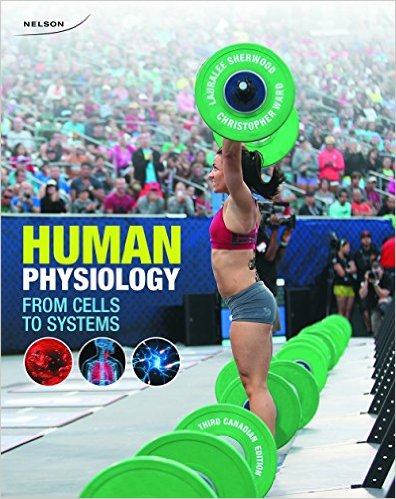
Human Physiology From Cells To Systems 3rd Edition by Lauralee Sherwood - Test Bank

Human Physiology From Cells To Systems 3rd Edition by Lauralee Sherwood - Test Bank   Instant Download - Complete Test Bank With Answers     Sample Questions Are Posted Below   Indicate whether the statement is true or false.   1. Peptide hormones are often produced as prohormones.   a. True   b. False   2. Growth …

$19.99

Human Physiology From Cells To Systems 3rd Edition by Lauralee Sherwood – Test Bank


Instant Download – Complete Test Bank With Answers


Sample Questions Are Posted Below


Indicate whether the statement is true or false.


1. Peptide hormones are often produced as prohormones.

  a. True
  b. False


2. Growth hormone is controlled by both releasing and inhibiting hormones from the hypothalamus.

  a. True
  b. False


3. The somatomedins are insulin-like growth factors.

  a. True
  b. False


4. The thyroid hormone produces growth-promoting effects directly.

  a. True
  b. False


5. Vasopressin is a vasoconstrictor substance.

  a. True
  b. False


6. A tropic hormone acts primarily on nonendocrine tissues.

  a. True
  b. False


7. Secretion of epinephrine from the adrenal medulla is under the effect of the sympathetic nervous system.

  a. True
  b. False


8. Chondrocytes are bone cells that are affected by the growth hormone.

  a. True
  b. False


9. The main control normally determining the plasma concentration of a particular hormone is its rate of inactivation and excretion.

  a. True
  b. False


10. Transmission of nerve impulses from the hypothalamus to the anterior pituitary causes the stored hormones to be released.

  a. True
  b. False


11. All hormones are first formed as preprohormones then are pruned into active hormones.

  a. True
  b. False


12. Tropic hormones target only other glands.

  a. True
  b. False


13. FSH has different functions in men and women.

  a. True
  b. False


14. Growth hormone promotes closure of the epiphyseal plate at adolescence.

  a. True
  b. False


15. Hormone activity is rapid compared to the effects of the nervous system.

  a. True
  b. False


16. Permissiveness refers to the conversion of inactive enzymes into active enzymes by hormones, thus permitting the enzymes to perform their function.

  a. True
  b. False


17. Peptide hormones cause changes in solute permeability or alter intracellular protein activity at their targets.

  a. True
  b. False


18. Cholesterol is a common precursor for polypeptide hormones.

  a. True
  b. False


19. FSH and LH are collectively known as gonadotropins.

  a. True
  b. False


20. Minor differences in structure between hormones within each chemical category often result in profound differences in biological response.

  a. True
  b. False


21. Plasma concentrations of a hormone are normally regulated by changes in secretion rate.

  a. True
  b. False


22. Lipophilic (hydrophobic) hormones circulate in the blood largely bound to plasma proteins.

  a. True
  b. False


23. Growth hormone directly stimulates bone growth.

  a. True
  b. False


24. Neurohormones are hormones that specifically modify neural activity.

  a. True
  b. False


25. Metabolism of hormones always results in their inactivation.

  a. True
  b. False


26. Dwarfism may be due to growth hormone deficiency in adults.

  a. True
  b. False


27. Steroid hormones are first produced in an inactive form.

  a. True
  b. False


28. Insulin-like growth factors are produced in most tissues, but primarily in the liver.

  a. True
  b. False


29. All amine hormones are hydrophilic.

  a. True
  b. False


30. The pituitary gland produces melatonin.

  a. True
  b. False


31. Growth hormone secretion increases markedly about an hour after the onset of deep sleep.

  a. True
  b. False


32. Insulin is produced as a prohormone.

  a. True
  b. False


33. Once synthesized, all hormones are stored within the endocrine cell until an appropriate signal arrives for their release.

  a. True
  b. False


34. The role of MSH in humans is well understood.

  a. True
  b. False


35. Specialization of target-cell receptors explains the specificity of hormonal action.

  a. True
  b. False


36. Prolactin is the only anterior pituitary hormone that does not exert a tropic action.

  a. True
  b. False


37. Hypophysiotropic-hormone secretion by the hypothalamus is regulated only by hormonal negative feedback.

  a. True
  b. False


38. Clock proteins are essential for controlling circadian rhythms.

  a. True
  b. False


39. Once a steroid hormone binds with its intracellular receptor, the hormone-receptor complex binds with a specific hormone response element on DNA, thereby activating a particular gene.

  a. True
  b. False


40. Steroid hormones act through the second-messenger system.

  a. True
  b. False


41. The hypothalamus is the highest integrative centre in the hierarchical chain of command in endocrine control.

  a. True
  b. False


42. Oxytocin and vasopressin are carried in the hypothalamic-hypophyseal portal system.

  a. True
  b. False


43. Hyposecretion of an endocrine gland may have a genetic basis.

  a. True
  b. False


44. The cells of Leydig secrete ICSH.

  a. True
  b. False


45. Hypothalamic hypophysiotropic hormones cause the release of oxytocin and vasopressin from the posterior pituitary.

  a. True
  b. False


46. An anterior pituitary gland produces inhibiting and stimulating signals that affect the hypothalamus.

  a. True
  b. False


47. Peptide hormone receptors are located inside the target cell.

  a. True
  b. False


48. Each steroidogenic organ is capable of producing all of the steroid hormones.

  a. True
  b. False


49. Hormones may be steroids, peptides, or amines.

  a. True
  b. False


50. The hypothalamus synthesizes and regulates the release of hormones from the posterior pituitary.

  a. True
  b. False


51. A “primary” defect in an endocrine system means that the defect is at the hypothalamus.

  a. True
  b. False


52. All hormones are synthesized by the endoplasmic reticulum-Golgi complex system.

  a. True
  b. False


53. One target cell receptor may bind with more than one type of hormone.

  a. True
  b. False


54. One of the effects of the growth hormone is the control of fat metabolism.

  a. True
  b. False


55. The same chemical messenger may be either a hormone or a neurotransmitter, depending on its source and mode of delivery to the target tissue.

  a. True
  b. False


56. Growth hormone is the only hormone that influences growth.

  a. True
  b. False


57. The nervous system exerts considerable control over the endocrine system, but hormones have no influence over the nervous system.

  a. True
  b. False


58. A single endocrine gland may produce many hormones.

  a. True
  b. False


59. Negative-feedback control tends to maintain hormone levels at a relatively constant set point, whereas neuroendocrine reflexes usually produce a sudden increase in hormone secretion in response to a specific stimulus.

  a. True
  b. False


60. Light is a crucial factor in regulating circadian rhythms.

  a. True
  b. False


61. The posterior pituitary secretes LH.

  a. True
  b. False


62. Hypophysiotropic hormones are secreted into the systemic circulatory system.

  a. True
  b. False


63. Growth hormone exerts metabolic effects unrelated to growth.

  a. True
  b. False


64. Acromegaly develops from a deficiency of the growth hormone.

  a. True
  b. False


65. Each anterior pituitary hormone is controlled by a single hypophysiotropic hormone from the hypothalamus.

  a. True
  b. False


66. With down regulation, one hormone induces the loss of another hormone’s receptors.

  a. True
  b. False


67. The anterior pituitary is involved in the regulation of reproduction.

  a. True
  b. False


68. Growth hormone does not directly affect bone growth, but instead stimulates the release of somatomedins from the liver, which in turn promote bone growth.

  a. True
  b. False


69. TSH controls the amount of testosterone secreted by the testes.

  a. True
  b. False


70. All hormones secreted by the hypothalamus and anterior pituitary gland are peptides.

  a. True
  b. False


71. Epinephrine produces diverse effects on the activity of smooth muscle.

  a. True
  b. False


72. Osteoclasts are cells that make new bone cells.

  a. True
  b. False


73. Cellular hypertrophy is accomplished by increased cell division.

  a. True
  b. False


74. Melanocyte-stimulating hormones play a role in determining the different amount of melanin in the skin of various human races.

  a. True
  b. False


75. Only hormones that are not bound to plasma proteins are biologically active.

  a. True
  b. False


76. Hydrophilic hormones exert their effects primarily by activating second-messenger systems within their target cells.

  a. True
  b. False


77. The hormones influence adjustments that require duration rather than speed, whereas the rapid coordinations of the body are controlled by the nervous system.

  a. True
  b. False


78. Endocrine responses occur more slowly and last longer than neural responses.

  a. True
  b. False


79. There are no known growth-related signals that influence growth hormone secretion.

  a. True
  b. False


Indicate the answer choice that best completes the statement or answers the question.


80. Which of the following statements correctly describes growth hormone?

  a. Growth hormone levels in the blood are directly correlated with the rate of growth throughout life.
  b. Growth hormone stimulates the secretion of somatomedins.
  c. Growth hormone stimulates osteoclast activity.
  d. Excessive growth hormone in adults will cause the disease called gigantism.


81. Which of the following disorders and hormonal imbalances are correctly matched?

  a. diabetes insipidus: decreased insulin response
  b. acromegaly: excessive growth hormone secretion after epiphyseal plates are closed
  c. diabetes mellitus: decreased ADH secretion
  d. dwarfism: excessive cortisol production


82. Which of the following statements correctly describes melanocyte-stimulating hormones?

  a. They are secreted by the hypothalamus.
  b. They are known to cause skin darkening in certain lower vertebrates.
  c. They are believed to be responsible for the tanning phenomenon in humans.
  d. They are responsible for circadian rhythm.


83. Which of these hormones is a neurohormone?

  a. vasopressin
  b. thyroid hormone
  c. growth hormone
  d. cortisol


84. Which of the following statements refers to permissiveness of hormones?

  a. Hormones permit cellular processes to occur.
  b. Hormones permit their target organs to function at the optimal rate.
  c. In some instances, an adequate amount of one hormone must be present for the full exertion of another hormone’s effect.
  d. Through numerous neuroendocrine relationships, the nervous system allows the endocrine system to function.


85. Which of the following circumstances results in somatomedins being released from the liver?

  a. increased plasma growth hormone levels
  b. increased plasma somatostatin levels
  c. decreased plasma growth hormone levels
  d. decreased plasma somatostatin levels


86. Why do hormones have specificity?

  a. due to specialized hormone secretion
  b. due to molecular rearrangement at the site of action
  c. due to specific binding of hormones to plasma proteins
  d. due to specialization of target-cell receptors


87. In addition to GH, which other hormone is essential for normal growth?

  a. insulin
  b. parathyroid hormone
  c. calcitonin
  d. glucagon


88. Which of the following events is stimulated by LH?

  a. destruction of the cells of Leydig
  b. enlargement of the follicles
  c. development of the hypothalamus
  d. formation of the corpus luteum


89. Which of the following statements correctly describes control of hormone secretion?

  a. Normally the effective plasma concentration of a hormone is regulated by the rate of its synthesis.
  b. In order to maintain homeostasis, the rate of hormone secretion remains constant.
  c. All hormones are regulated with negative feedback controls.
  d. Neuroendocrine reflexes produce a sudden increase in hormone secretion in response to a specific, usually external, stimulus.


90. Which of the following can influence the effective plasma concentration of a hormone?

  a. the hormone’s rate of binding to receptors on target tissues
  b. the hormone’s extent of binding to plasma proteins
  c. the hormone’s rate of metabolic activity
  d. the hormone’s rate of secretion


91. Which of the following statements correctly describes diurnal rhythms?

  a. They are inherent cyclical peaks and ebbs of hormone secretion that are a function of time and are entrained to the 24-hour light–dark cycle.
  b. They are important in maintaining hormone levels at a relatively constant set point, no matter the time of day.
  c. They occur only with cortisol secretion.
  d. They occur only with growth hormone secretion.


92. Which of the following statements correctly describes hormones?

  a. They are released from exocrine glands.
  b. They interact with receptors at target-cell sites.
  c. They are synthesized in the lymph nodes.
  d. They interact with receptors in the blood.


93. Which of these statements applies to the hypothalamic-hypophyseal portal system?

  a. It carries vasopressin and oxytocin from the hypothalamus to the posterior pituitary for storage.
  b. It carries hypophysiotropic hormones from the hypothalamus to the posterior pituitary to control the release of posterior pituitary hormones.
  c. It carries hypophysiotropic hormones from the hypothalamus to the anterior pituitary to control the release of anterior pituitary hormones.
  d. It carries vasopressin and oxytocin from the hypothalamus to the anterior pituitary to control the release of anterior pituitary hormones.


94. Which of the following statements correctly describes tropic hormones?

  a. They are produced by the posterior pituitary.
  b. They are secreted only by the hypothalamus.
  c. They primarily regulate hormone secretion by certain other endocrine glands.
  d. They all have non-tropic functions too.


95. Which class of hormones acts by means of a second-messenger system?

  a. proteins
  b. catecholamines
  c. steroids
  d. thyroid hormones


96. Estrogens, testosterone, cortisol, and aldosterone are derivatives of which molecular precursor?

  a. DHEA
  b. cholesterol
  c. UDP-glucose
  d. epinephrine


97. Which of the following statements correctly describes growth hormone?

  a. It closes the epiphyseal plate of long bones.
  b. It promotes hypertrophy and hyperplasia.
  c. Its secretion is stimulated by an increased blood glucose level.
  d. It is the only factor responsible for governing the growth of an individual.


98. Which of the following statements applies to TSH?

  a. A build-up of the thyroid hormone stimulates its production by negative feedback.
  b. It is secreted by the thyroid gland.
  c. It is stored in the posterior pituitary.
  d. It stimulates the thyroid gland.


99. Which statement does NOT describe vasopressin?

  a. It is produced in the hypothalamus.
  b. It stimulates uterine smooth muscle contraction.
  c. It increases kidney reabsorption of water.
  d. It is a potent arteriolar vasoconstrictor.


100. Which of the following statements correctly describes neurosecretory neurons?

  a. They release neurotransmitters.
  b. They release hormones.
  c. They release chemicals.
  d. They are able to conduct action potentials.


101. Under which of these circumstances is synergism occurring?

  a. when one hormone induces the loss of another hormone’s receptors
  b. when the actions of several hormones are complementary, and their combined effect is greater than the sum of their separate effects
  c. when one hormone must be present in adequate amounts for the full exertion of another hormone’s effect
  d. when one hormone increases the number of target-tissue receptors for another hormone


102. Which of these hormones is NOT a tropic hormone?

  a. ACTH
  b. ADH
  c. ICSH
  d. LH


103. Which of the following happens in the second-messenger step?

  a. A small amount of one hormone (the second messenger) is required to release another.
  b. A tropic hormone (the first messenger) stimulates secretion of another hormone (the second messenger).
  c. The hormone first binds to a specific surface receptor, whereupon the hormone–receptor complex moves into the cell to combine with a specific intracellular receptor.
  d. A hormone (the first messenger) binds to surface receptors, activating adenylyl cyclase, which catalyzes cAMP formation.


104. Which of these pituitary hormones is NOT involved in reproductive physiology?

  a. follicle-stimulating hormone
  b. luteinizing hormone
  c. oxytocin
  d. vasopressin


105. Which of the following correctly describes hormones produced in the anterior pituitary?

  a. They are synthesized by the hypothalamus.
  b. They may be only non-tropic.
  c. They are secreted into the blood.
  d. They are secreted into ducts.


106. A portal system exists between which of the following glands?

  a. adrenal cortex and adrenal medulla
  b. hypothalamus and anterior pituitary
  c. hypothalamus and posterior pituitary
  d. thyroid gland and parathyroid gland


107. Which of the following is NOT an effect of GH?

  a. increased fat breakdown
  b. increased bone growth
  c. decreased glucose entry into muscle cells
  d. decreased protein synthesis


108. The transport of lipid-soluble hormones in the blood is accomplished by which of the following mechanisms?

  a. loose binding with iodine
  b. specific binding to some plasma proteins
  c. binding to HDLs
  d. binding to glycolipids


109. Which of the following statements correctly describes hormones?

  a. All are regulated by the hypothalamus.
  b. They are secreted by endocrine glands through ducts into the blood.
  c. They must combine with specific receptors on their target cells in order to exert their effects.
  d. They are produced in a gland and act on the target cells in different tissues.


110. Which of the following is NOT a characteristic of the hormone oxytocin?

  a. It stimulates uterine contractions.
  b. It promotes milk ejection from mammary gland ducts.
  c. It influences bonding behaviour between mother and baby.
  d. It is secreted by the anterior pituitary gland.


111. How does growth hormone exert its effects on growth?

  a. by stimulating production of somatomedins
  b. by directly invoking gene activity
  c. by elevating blood glucose levels
  d. by increasing fat metabolism


112. Which of the following statements concerning bone cells is correct?

  a. Osteoclasts are cells that make new bone cells.
  b. Chondrocytes are bone cells that are affected by prolactin-inhibiting hormone.
  c. Osteoclasts are the bone cell types that dissolve bone.
  d. Osteoblasts are mature, nongrowing bone.


113. A hormone can influence the activity of another hormone at a given target cell in one of three ways: permissiveness, synergism, or antagonism. Which of the following statements concerning the above concept is correct?

  a. With permissiveness, one hormone must be present in adequate amounts for the full exertion of another hormone’s effect.
  b. Synergism occurs when the action of one hormone is more dominant than another hormone.
  c. Antagonism occurs when hormones compete for the hormone’s receptors.
  d. ADH and oxytocin are a good example of antagonistic hormones.


114. Which of the following structures is neuroendocrine in nature?

  a. anterior pituitary gland
  b. thyroid gland
  c. hypothalamus
  d. adrenal cortex


115. Which of the following is NOT a correct association?

  a. adrenal medulla and vasopressin
  b. anterior pituitary and adenohypophysis
  c. epinephrine and catecholamine
  d. insulin and polypeptide


116. Which of the following is NOT a function of growth hormone?

  a. to increase the uptake of amino acids by cells
  b. to stimulate the synthesis of somatomedins
  c. to enhance glucose uptake by muscle cells
  d. to stimulate cell division


117. Which of the following statements is correct with respect to steroids?

  a. They are hydrophilic.
  b. They are derived from cholesterol.
  c. They initiate synthesis of the second messenger system within their target cells.
  d. Epinephrine is an example of a steroid.


118. Which statement does NOT refer to post-receptor events of hydrophilic hormones?

  a. Adenylyl cyclase forms cyclic AMP.
  b. Cyclic AMP is a secondary messenger.
  c. Some hydrophilic hormones use Ca ions as a secondary messenger.
  d. Specific genes are activated.


119. Which of the following substances is the most common second messenger used by hydrophilic hormones?

  a. calcium
  b. cyclic AMP
  c. chromatin
  d. messenger RNA


120. Which class of hormones is synthesized by the endoplasmic reticulum–Golgi complex mechanism?

  a. peptides
  b. catecholamines
  c. steroids
  d. thyroid hormones


121. Which of these statements correctly describes osteoblasts?

  a. They secrete the organic matrix components of bone.
  b. They promote osteoclast activity.
  c. They dissolve bone tissue.
  d. They are cartilage cells.


122. Which of the following is the action of melatonin?

  a. regulation of circadian rhythms
  b. permissive action with glucocorticoids
  c. induction of calcium reabsorption
  d. stimulation of melanin pigment production


123. Which of the following statements applies correctly to circadian rhythms?

  a. The hypothalamus’s supraoptic nucleus maintains them.
  b. Melanin is responsible for generating them.
  c. They are brought about by fluctuating levels of clock proteins.
  d. The pituitary gland maintains them.


124. Which of the following statements correctly describes hypophysiotropic hormones?

  a. Each hypophysiotropic hormone influences only one anterior pituitary hormone.
  b. All hypophysiotropic hormones stimulate the release of anterior pituitary hormones.
  c. Hypophysiotropic hormones are also produced outside the hypothalamus, where they serve different functions.
  d. Hypophysiotropic hormones are secreted into the general circulation.


125. Which of these circumstances is the cause of too little activity of a particular hormone?

  a. an abnormality within the endocrine gland that produces this hormone
  b. overactivity of this hormone’s tropic hormone
  c. overstimulation by the hypothalamus
  d. overstimulation of the pituitary gland


126. Which of the following substances is NOT associated with the post-receptor events of hydrophilic hormones?

  a. cyclic AMP
  b. protein kinase
  c. adenylate cyclase
  d. chromatin


127. Lipophilic hormones interact with which of the following prior to gene activation?

  a. membrane receptors
  b. cAMP
  c. hormone response elements
  d. G proteins


128. Which one of these hormones signals the kidneys to control water balance?

  a. vasopressin
  b. ACTH
  c. TRH
  d. somatostatin


129. Which of the following statements correctly describes tropic hormones?

  a. They may stimulate the secretion of other hormones.
  b. They are secreted only by the hypothalamus.
  c. They are all produced in the posterior pituitary gland.
  d. Primary hyposecretion occurs when an endocrine gland isn’t receiving enough of its tropic hormone.


130. Which of the following statements applies to the posterior pituitary?

  a. It secretes ADH.
  b. It stores anterior pituitary hormones.
  c. It stores ACTH and LH.
  d. It secretes vasopressin and oxytocin into the hypothalamic–hypophyseal portal system.


131. Which characteristic is NOT shared by both lipophilic and hydrophilic hormones?

  a. amplification of hormone actions in the target cell
  b. passing through the lipid membrane barriers of their target cells
  c. synergistic actions
  d. antagonistic actions


132. Growth hormone signals which of the following parts in a long bone to influence its length?

  a. articular cartilage
  b. endosteum
  c. epiphyseal plate
  d. medullary cavity


133. Which of the following statements correctly describes hormones?

  a. They are all of similar chemical composition.
  b. They combine with specific receptors on the target cell’s surface or inside the target cell.
  c. They are secreted at a constant rate.
  d. They all act by activating adenylate cyclase, which transforms ATP into cyclic AMP.


134. Which of the following occurs in the process of negative feedback?

  a. TSH inhibits thyroid hormone secretion by the thyroid gland.
  b. Thyroid hormone inhibits TSH secretion by the anterior pituitary.
  c. Thyroid hormone directly inhibits further thyroid hormone secretion by the thyroid gland.
  d. TRH inhibits TSH secretion by the anterior pituitary.


135. Which of the following statements correctly describes the anterior pituitary?

  a. It is also known as the neurohypophysis.
  b. It is composed primarily of nervous tissue.
  c. It primarily secretes tropic hormones.
  d. It secretes vasopressin


136. Which of the following statements correctly describes melanocyte-stimulating hormones?

  a. They are responsible for the deposition of melanin in the skin during the process of tanning.
  b. They are not present in significant amounts in adult humans.
  c. They are present in varying amounts in races of different skin colour.
  d. They are important for colour adaptations associated with camouflage in certain lower vertebrates.


137. Which of the following statements correctly describes the hypothalamic-hypophyseal portal system?

  a. It carries anterior pituitary hormones from the anterior pituitary gland to the hypothalamus to regulate the release of hypophysiotropic hormones.
  b. It diverts blood directly to the pituitary, completely bypassing the hypothalamus.
  c. It carries hypophysiotropic hormones from the hypothalamus to the anterior pituitary to regulate anterior pituitary hormone secretion.
  d. It carries the anterior pituitary hormones into the general systemic circulation.


138. Which of the following situations represents negative feedback?

  a. Hormone A stimulates hormone B; hormone B inhibits hormone C.
  b. Hormone A inhibits hormone B; hormone B inhibits hormone A.
  c. Hormone A stimulates hormone B; hormone B inhibits hormone A.
  d. Hormone A inhibits hormone B; hormone B inhibits hormone C.


139. How is hormone secretion from the anterior pituitary gland controlled?

  a. by neuronal cell bodies from the hypothalamus
  b. directly, by neural innervation of anterior pituitary cells
  c. by negative-feedback action of target-tissue hormones
  d. only by inhibiting hormones from the hypothalamus


140. Which of these statements does NOT apply to peptide hormones?

  a. They include adrenal cortex hormones.
  b. Insulin is an example of this type of hormone.
  c. They are stored within secretory granules.
  d. They are secreted from endocrine glands.


141. Which statement correctly describes growth hormone?

  a. It directly stimulates bone growth.
  b. It affects bones via somatomedin release.
  c. It promotes closure of the epiphyseal plate.
  d. It promotes low blood glucose level.


142. Which of these statements correctly describes the posterior pituitary?

  a. It is composed of vascular tissue.
  b. It stores anterior pituitary hormones, which are released into the blood upon hypothalamic stimulation.
  c. It synthesizes and secretes vasopressin and oxytocin.
  d. It stimulates the adrenal gland.


143. A deficiency in which of these hormones may result in dwarfism?

  a. growth-hormone inhibiting hormone
  b. GH
  c. thyroid hormone
  d. thyroid stimulating hormone


144. Which statement does NOT correctly describe IGF?

  a. The concentration of IGF-1 in the blood plasma normally mimics the rate of secretion of GH.
  b. Fasting decreases IGF-1 levels even though it increases GH secretion.
  c. IGF-II, which is important during fetal development, is also influenced by GH.
  d. Glycogen synthesis is decreased by GH through IGF.


145. Which one of the following hormones secreted by the anterior pituitary is non-tropic?

  a. TSH
  b. prolactin
  c. LH
  d. ACTH


146. What does excessive growth hormone secretion in an adult lead to?

  a. gigantism
  b. disproportionate growth, resulting in thickened bones and coarse features
  c. Cushing’s syndrome
  d. central obesity


147. Which of these factors does NOT increase growth hormone secretion?

  a. deep sleep
  b. exercise
  c. low blood amino acid level
  d. stress


148. Hormones are classified into which of the following three types?

  a. amines, peptides, and steroids
  b. amides, steroids, and phospholipids
  c. amines, phospholipids, and steroids
  d. amides, amines, and peptides


149. Which of these activities happens in a short-loop, negative-feedback, control system?

  a. The anterior pituitary hormone feeds back to the hypothalamus, suppressing releasing hormone.
  b. The target gland’s hormone feeds back to the anterior pituitary, suppressing the tropic hormone.
  c. The target gland’s hormone does not feed back to any other gland.
  d. The anterior pituitary hormone feeds back to the posterior pituitary gland, stimulating the inhibiting hormone.


150. Which of these statements represents long-loop, negative feedback in the CRH–ACTH–cortisol system?

  a. Cortisol inhibits CRH secretion.
  b. CRH inhibits ACTH secretion.
  c. ACTH inhibits CRH secretion.
  d. ACTH inhibits cortisol secretion.


151. Which of these hormones is regulated by the anterior pituitary?

  a. parathyroid hormone
  b. cortisol
  c. aldosterone
  d. insulin


152. Which of these statements does NOT apply to peptide hormones?

  a. They are synthesized by the endoplasmic reticulum–Golgi complex system.
  b. They circulate bound largely to plasma proteins.
  c. They bind to surface receptors of their target cells.
  d. They exert their effect largely by means of second-messenger systems.


153. Which of the following glands produces melatonin?

  a. anterior pituitary
  b. posterior pituitary
  c. pineal
  d. hypothalamus


154. Which of the following statements correctly describes amines?

  a. They consist of a chain of specific amino acids of varying length.
  b. They are derived from alanine.
  c. They include the hormones secreted by the thyroid gland and the adrenal medulla.
  d. They are derived from tyrosine.


155. Which class of hormones triggers the synthesis of new intracellular proteins within the target cell?

  a. peptides
  b. steroids
  c. thyroid hormones
  d. lipophilic hormones


156. Which of the following statements applies to melatonin?

  a. It accelerates metabolism.
  b. It defends against free radicals.
  c. It lowers the concentration of blood sugar.
  d. It serves as a secondary messenger.


157. Which of the following statements correctly describes endocrine glands?

  a. They produce hormones into the ducts.
  b. They act locally on nearby tissues.
  c. They all can pass through the plasma membrane.
  d. They are all controlled by the nervous system.


158. Which of these statements does NOT correctly describe hormones?

  a. Multiple hormones may be produced by a single endocrine gland.
  b. More than one hormone may influence a single target cell.
  c. A single hormone can influence only one type of target cell.
  d. Hormones may be secreted by an endocrine organ that may also exert nonendocrine functions.


159. Which of the following are masculinizing hormones produced from the adrenal gland?

  a. growth hormones
  b. androgens
  c. thyroid hormones
  d. cortisols


160. Which of the following statements correctly describes hypophysiotropic hormones from the hypothalamus?

  a. They control the release of oxytocin and vasopressin from the posterior pituitary.
  b. They travel via neuron axons from the hypothalamus to the anterior pituitary.
  c. They are carried in the hypothalamic-hypophyseal portal system.
  d. They are released upon positive-feedback stimulation via the anterior pituitary tropic hormones.


161. Which of these statements correctly describes growth hormone?

  a. It increases the uptake of amino acids by cells.
  b. It promotes lipid synthesis.
  c. It works with insulin to lower blood sugar.
  d. It is secreted by the hypothalamus.


162. Which of the following structures has a direct anatomical connection to the hypothalamus?

  a. adrenal gland
  b. posterior lobe of the pituitary
  c. thyroid gland
  d. parathyroid gland


163. Which of the following statements applies to lipophilic hormones?

  a. They include catecholamines.
  b. They bind with receptors located inside their target cells.
  c. They activate second-messenger systems within their target cells.
  d. They circulate as free hormones.


164. Which of the following hormone types does NOT require membrane receptors to invoke cell responses?

  a. catecholamines
  b. steroids
  c. peptides
  d. parathyroid hormones


165. Which one of the following hormones is released from the hypothalamus?

  a. CRH
  b. TSH
  c. FS
  d. LH


166. Which class of hormones is released by exocytosis upon appropriate stimulation?

  a. peptides
  b. thyroxins
  c. steroids
  d. insulins


Enter the appropriate word(s) to complete the statement.


167. All the blood supply to the anterior pituitary gland must first pass through the ____________________ of the brain.


168. Antidiuretic hormone is also called ____________________.


169. The ____________________ carries hypophysiotropic hormones from the hypothalamus to the anterior pituitary.


170. Most endocrine control systems involve ____________________ and hormonal components.


171. FSH and LH are collectively called ____________________ because they control secretion of sex hormones.


172. ____________________ is the process of forming bone in a long bone.


173. The SCN is located in the ____________________ of the brain.


174. ____________________ are hormones derived from the amino acid tyrosine.


175. The primary means of eliminating hormones and their metabolites from the blood is ____________________.


176. A(n) ____________________ hormone stimulates the effect of another endocrine gland.


177. Vasopressin and ____________________ are produced in the hypothalamus and stored in the posterior pituitary gland.


178. In males, luteinizing hormone can be called ____________________, reflecting its function in stimulating the cells of Leydig.


179. ____________________ are the bone cell types that form bones.


180. ____________________ are hormones derived from cholesterol.


181. Unlike ____________________ hormones, steroid hormones are not stored after their formation.


182. Dwarfism develops from a ____________________ of growth hormone.


183. Steroid hormones are derived from ____________________.


184. ____________________ from the anterior pituitary stimulates cortisol secretion.


185. ____________________ are long-range chemical mediators secreted by endocrine glands into the blood, which carries them to distant target organs.


186. The specific site upon which a hormone exerts its effect is referred to as a ____________________ cell.


187. The ____________________ and ____________________ nuclei in the hypothalamus produce vasopressin and oxytocin.


188. The most common site for metabolism of hormones is the ____________________.


189. ____________________ are released into the blood by neurosecretory neurons.


190. This releasing hormone, called ____________________, ultimately causes secretion of adrenocorticosteroids.


191. ____________________ consist of a chain of specific amino acids of varying length.


192. TRH controls the release of ____________________.


193. ____________________ are the bone cell types that dissolve bone.


194. The ____________________ is the cylindrical shaft of a long bone.


195. Melatonin is secreted by the ____________________.


196. ____________________ is the hormone that inhibits the effect of the growth hormone.


197. The ____________________ is the main link between the nervous system and the endocrine system, due to its control over secretory activities of the ____________________ glands.


198. The two growth spurts of children are ____________________ and ____________________.


199. With ____________________, one hormone must be present in adequate amounts for the full exertion of another hormone’s effect.


200. The majority of hormones fall into the class of ______________________.


201. Most hormone secretion is regulated by some form of ____________________ feedback.


202. Hyperplasia is an increase in the number of ____________________ in a structure.


203. The ____________________hormones are derived from tyrosine.


204. The posterior pituitary secretes ____________________ and ____________________.


Match the types of bone cells, labelled a. through c., with their descriptions.

a. osteocytes
b. osteoblasts
c. osteoclasts


205. form bone


206. entombed in bone


207. dissolve bone


208. stimulated by growth hormone


Match the hormones, labelled a. through d., with the characteristics.

a. steroids
b. catecholamines
c. peptides
d. thyroid hormone


209. synthesized by the endoplasmic reticulum–Golgi complex system


210. synthesized by enzymatic modification of cholesterol


211. synthesized within colloid


212. once synthesized, actively transported into preformed vesicles for storage


Match the solubility characteristics, labelled a. and b., with the classes of hormones. (Options may be used more than once or not at all.)

a. lipophilic (hydrophobic)
b. hydrophilic (lipophobic)


213. steroids


214. thyroid hormone


215. peptides


216. catecholamines


Match posterior and anterior pituitary, labelled a. through c., with their features. (Options may be used more than once or not at all.)

a. applies to the posterior pituitary
b. applies to the anterior pituitary
c. applies to both the posterior and the anterior pituitary


217. composed of glandular tissue


218. composed of nervous tissue


219. also known as adenohypophysis


220. also known as neurohypophysis


221. secretes MSHs in humans


222. contains pituicytes


223. stores hormones synthesized by the hypothalamus


224. releases hormones into the general circulation


225. Its release of hormones is directly controlled by action potentials.


226. Its release of hormones is directly controlled by hypothalamic hypophysiotropic hormones.


227. neurally connected to the hypothalamus


228. connected to the hypothalamus by a vascular link


229. synthesizes the hormones it secretes


230. releases vasopressin and oxytocin into the blood


231. releases primarily tropic hormones into the blood


232. may be directly inhibited by negative feedback from its target organ


Match the hormones, labelled a. through f., with their activities. (Options may be used more than once or not at all.)

a. vasopressin
b. oxytocin
c. TSH
d. ACTH
e. growth hormone
f. GnRH


233. stimulates somatomedin secretion by the liver


234. enhances H2O retention by the kidneys


235. responsible for ovulation


236. stimulates cortisol secretion by the adrenal cortex


237. stimulates testosterone secretion


238. exerts a pressor effect on arterioles


239. stimulates growth of ovarian follicles and development of eggs


240. stimulates uterine contractions


241. regulates overall body growth


242. stimulates both estrogen and progesterone secretion


243. stimulates secretion of thyroid hormone


Match the systems, labelled a. through c. with their characteristics. (Options may be used more than once or not at all.)

a. the endocrine system
b. the nervous system
c. both the endocrine and nervous systems


244. structural continuity in the system


245. stores hormones for secretion


246. has an influence on other major control system


247. secretes chemical messengers that affect target cells


248. Chemical messengers act at a long distance from their site of secretion.


249. Specificity is dependent on specificity of target-cell receptors.


250. controls activities that require longer duration rather than speed


251. Duration of action is brief (milliseconds).


252. Speed of response is long (minutes to days or longer).


253. Cerebral cortex can influence activities.


254. releases factors such as CRH


255. Pancreas has ductless cells that secrete.


256. Describe how the hypothalamus and pituitary interact to control many endocrine glands.


257. Compare and contrast the receptor and postreceptor events for lipophilic and hydrophilic hormones.


258. Describe circadian rhythms and the mechanisms thought to control them.


259. What are the various ways in which endocrine disorders can manifest themselves?


260. Describe the primary factors involved in growth.


Answer Key

1. True


2. True


3. True


4. False


5. True


6. False


7. True


8. False


9. False


10. False


11. False


12. True


13. True


14. False


15. False


16. False


17. True


18. False


19. True


20. True


21. True


22. True


23. False


24. False


25. False


26. False


27. False


28. True


29. False


30. False


31. True


32. False


33. False


34. False


35. True


36. True


37. False


38. True


39. True


40. False


41. True


42. False


43. True


44. False


45. False


46. False


47. False


48. False


49. True


50. True


51. False


52. False


53. True


54. True


55. True


56. False


57. False


58. True


59. True


60. True


61. False


62. False


63. True


64. False


65. False


66. False


67. True


68. True


69. False


70. True


71. True


72. False


73. False


74. False


75. True


76. True


77. True


78. True


79. True


80. b


81. b


82. b


83. a


84. c


85. a


86. d


87. a


88. d


89. d


90. d


91. a


92. b


93. c


94. c


95. b


96. b


97. b


98. d


99. b


100. b


101. b


102. b


103. d


104. d


105. c


106. b


107. d


108. b


109. d


110. d


111. a


112. c


113. a


114. c


115. a


116. c


117. b


118. d


119. b


120. a


121. a


122. a


123. a


124. c


125. a


126. d


127. c


128. a


129. a


130. a


131. b


132. c


133. b


134. b


135. c


136. d


137. c


138. c


139. c


140. a


141. b


142. c


143. b


144. c


145. b


146. b


147. c


148. a


149. a


150. a


151. b


152. b


153. c


154. d


155. d


156. b


157. b


158. c


159. b


160. c


161. a


162. b


163. b


164. b


165. a


166. a


167. hypothalamus


168. vasopressin


169. hypothalamic-hypophyseal portal system


170. neural


171. gonadotropins


172. Ossification


173. hypothalamus


174. Amines


175. excretion in the urine


176. tropic


177. oxytocin


178. interstitial cell-stimulating hormone


179. Osteoblasts


180. Steroids


181. peptide


182. deficiency


183. cholesterol


184. ACTH


185. Hormones


186. target


187. supraoptic; paraventricular

paraventricular; supraoptic


188. liver


189. Neurohormones


190. corticotropin-releasing hormone.


191. Peptide hormones


192. TSH


193. Osteoclasts


194. diaphysis


195. pineal gland


196. Somatostatin


197. hypothalamus; pituitary


198. postnatal; pubertal
pubertal; postnatal


199. permissiveness


200. peptide hormones


201. negative


202. cells


203. catecholamine


204. oxytocin; vasopressin
vasopressin; oxytocin


205. b


206. a


207. c


208. b


209. c


210. a


211. d


212. b


213. a


214. a


215. b


216. b


217. b


218. a


219. b


220. a


221. b


222. c


223. a


224. c


225. a


226. b


227. a


228. b


229. b


230. a


231. b


232. b


233. e


234. a


235. f


236. d


237. f


238. a


239. f


240. b


241. e


242. f


243. c


244. b


245. a


246. c


247. c


248. a


249. a


250. a


251. b


252. a


253. b


254. b


255. a


256. Answers will vary.


257. Answers will vary.


258. Answers will vary.


259. Answers will vary.


260. Answers will vary.


Additional information

Add Review

Your email address will not be published. Required fields are marked *