Subtotal: $1,060.00

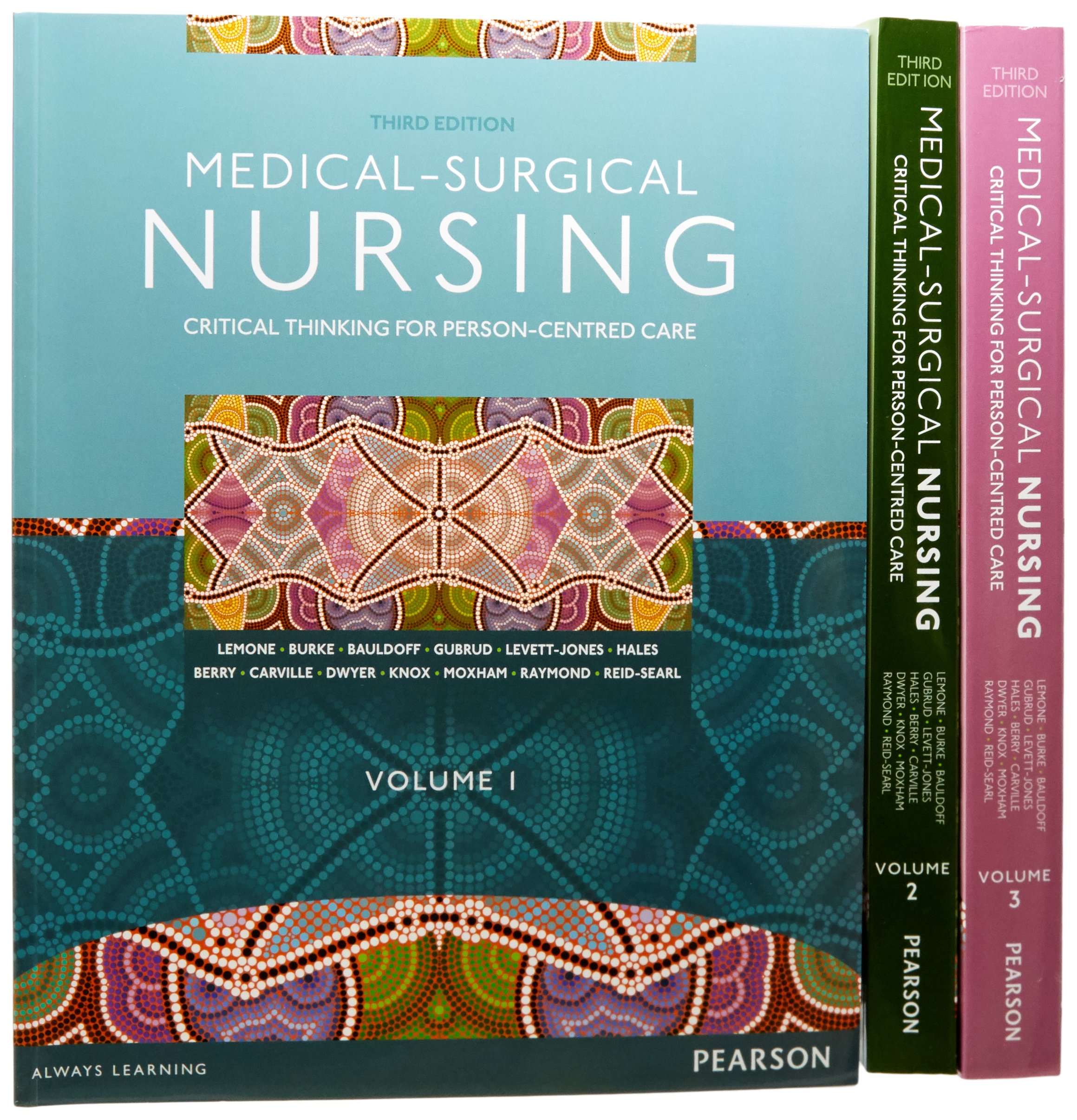
Medical Surgical Nursing 3rd Australian Edition by LeMone - Test Bank

Medical Surgical Nursing 3rd Australian Edition by LeMone - Test Bank   Instant Download - Complete Test Bank With Answers     Sample Questions Are Posted Below   Chapter 5: Chronic Illness and Older Adults Test Bank   MULTIPLE CHOICE   When caring for a patient with type 2 diabetes who has been hospitalized with …

$19.99

Medical Surgical Nursing 3rd Australian Edition by LeMone – Test Bank


Instant Download – Complete Test Bank With Answers


Sample Questions Are Posted Below


Chapter 5: Chronic Illness and Older Adults

Test Bank


MULTIPLE CHOICE


  1. When caring for a patient with type 2 diabetes who has been hospitalized with severe hyperglycemia, which topic will be most important to include in discharge teaching?
a. Effect of endogenous insulin on transportation of glucose into cells
b. Function of the liver in formation of glycogen and gluconeogenesis
c. Impact of the patient’s family history on likelihood of developing diabetes
d. Symptoms indicating that the patient should contact the health care provider


ANS:  D

One of the tasks for patients with chronic illnesses is to prevent and manage a crisis. The patient needs instruction on recognition of symptoms of hyperglycemia and appropriate actions to take if these symptoms occur. The other information also may be included in patient teaching, but is not as essential in the patient’s self-management of the illness.


DIF:    Cognitive Level: Application           TOP:   Nursing Process: Implementation

MSC:  NCLEX: Physiological Integrity


  1. Which question will provide the most useful information when the nurse is performing a comprehensive geriatric assessment of an older adult who is being assessed for admission to an assisted-living facility?
a. “Have you had any recent infections?”
b. “How frequently do you see a doctor?”
c. “Do you have a history of heart disease?”
d. “Are you able to prepare your own meals?”


ANS:  D

The patient’s functional abilities, rather than the presence of acute or chronic illness, are more useful in determining how well the patient might adapt to an assisted-living situation. The other questions also will provide helpful information but are not as useful in providing a basis for determining patient needs or for developing interventions for the older patient.


DIF:    Cognitive Level: Application           TOP:   Nursing Process: Assessment

MSC:  NCLEX: Health Promotion and Maintenance


  1. The nurse is planning care for an alert and active 85-year-old patient who takes multiple medications for chronic cardiac and respiratory disease and lives with a daughter who works during the day. Which nursing diagnosis is most appropriate?
a. Risk for injury related to drug-drug interactions
b. Social isolation related to weakness and fatigue
c. Compromised family coping related to the patient’s many care needs
d. Caregiver role strain related to need to adjust family employment schedule


ANS:  A

The patient’s age and multiple medications indicate a risk for injury caused by interactions between the multiple drugs being taken and a decreased drug metabolism rate. The patient data do not indicate problems with social isolation, caregiver role strain, or compromised family coping.


DIF:    Cognitive Level: Application           TOP:   Nursing Process: Diagnosis

MSC:  NCLEX: Health Promotion and Maintenance


  1. To obtain the most complete information when doing an assessment for an 81-year-old patient, the nurse will
a. interview both the patient and the primary patient caregiver.
b. use a geriatric assessment instrument to evaluate the patient.
c. review the patient’s chart for the history of medical problems.
d. ask the patient to write down medical problems and medications.


ANS:  B

The most complete information about the patient will be obtained through the use of an assessment instrument specific to the geriatric population, which includes information about both medical diagnoses and treatments and about functional health patterns and abilities. A review of the chart, interviews of the patient and caregiver, and written information by the patient will all be included in a comprehensive geriatric assessment.


DIF:    Cognitive Level: Application           TOP:   Nursing Process: Assessment

MSC:  NCLEX: Health Promotion and Maintenance


  1. When developing the plan of care for an older adult who is hospitalized for an acute illness, the nurse should
a. use a standardized geriatric nursing care plan.
b. minimize activity level during hospitalization.
c. plan for transfer to a long-term care facility after the hospitalization.
d. consider the preadmission functional abilities when setting patient goals.


ANS:  D

The plan of care for older adults should be individualized and based on the patient’s current functional abilities. A standardized geriatric nursing care plan will not address individual patient needs and strengths. A patient’s need for discharge to a long-term care facility is variable. Activity level should be designed to allow the patient to retain functional abilities while hospitalized and also to allow any additional rest needed for recovery from the acute process.


DIF:    Cognitive Level: Application           TOP:   Nursing Process: Planning

MSC:  NCLEX: Physiological Integrity


  1. When caring for an older adult who lives in a rural area, the nurse will plan to
a. assess the patient for chronic diseases that are unique to rural areas.
b. ensure transportation to appointments with the health care provider.
c. suggest that the patient move to an urban area for better health care.
d. obtain adequate medications for the patient to last for 4 to 6 months.


ANS:  B

Transportation can be a barrier to accessing health services in rural areas. There are no chronic diseases unique to rural areas. Because medications may change, the nurse should help the patient plan for obtaining medications through alternate means such as the mail or delivery services, not by purchasing large quantities of the medications. The patient living in a rural area may lose the benefits of a familiar situation and social support by moving to an urban area.


DIF:    Cognitive Level: Application           TOP:   Nursing Process: Planning

MSC:  NCLEX: Health Promotion and Maintenance


  1. When the nurse is working in the outpatient clinic, which nursing action will be most helpful in decreasing the risk for drug-drug interactions in an older adult patient?
a. Teach the patient to have all prescriptions filled at the same pharmacy
b. Instruct the patient to avoid taking over-the-counter (OTC) medications.
c. Make a medication schedule for the patient as a reminder about when to take each medication.
d. Have the patient bring all the medications, supplements, and herbs to every health care appointment.


ANS:  D

The most information about drug use and possible interactions is obtained when the patient brings all prescribed medications, OTC medications, and supplements to every health care appointment. The patient should discuss the use of any OTC medications with the health care provider and obtain all prescribed medications from the same pharmacy, but use of supplements and herbal medications also need to be considered in order to prevent drug-drug interactions. Use of a medication schedule will help the patient take medications as scheduled but will not prevent drug-drug interactions.


DIF:    Cognitive Level: Application           TOP:   Nursing Process: Implementation

MSC:  NCLEX: Physiological Integrity


  1. Which action will the nurse take when planning for discharge of a 68-year-old patient who will need daily assistance with activities such as shopping and transportation?
a. Write to the state Medicaid office.
b. Contact the Area Agency on Aging.
c. Provide documentation to Medicare.
d. Communicate with the patient’s insurer.


ANS:  B

Funding from the federal Administration on Aging is funneled through local Area Agencies on Aging to provide community services to older adults. Medicare, Medicaid, and insurers provide funding for specific medical services, but not for need such as shopping or transportation.


DIF:    Cognitive Level: Application           TOP:   Nursing Process: Planning

MSC:  NCLEX: Safe and Effective Care Environment


  1. A 78-year-old patient with multiple health problems complains of having “no energy” and feeling increasingly weak. The patient has had an 11-pound weight loss over the last year. The nurse should initially
a. ask the patient about daily dietary intake.
b. schedule regular range-of-motion exercise.
c. discuss long-term care placement with the patient.
d. describe normal changes with aging to the patient.


ANS:  A

In the frail elderly patient, nutrition is frequently compromised, and the nurse’s initial action should be to assess the patient’s nutritional status. Active range-of-motion may be helpful in improving the patient’s strength and endurance, but nutritional assessment is the priority because the patient has had a significant weight loss. The patient may be a candidate for long-term care placement, but more assessment is needed before this can be determined. The patient’s assessment data are not consistent with normal changes associated with aging.


DIF:    Cognitive Level: Application           TOP:   Nursing Process: Assessment

MSC:  NCLEX: Health Promotion and Maintenance


  1. When admitting an 88-year-old patient to the hospital, the nurse should plan to
a. speak slowly and loudly while facing the patient.
b. obtain a detailed medical history from the patient.
c. interview the patient before the physical assessment.
d. determine whether the patient uses glasses or hearing aids.


ANS:  D

Assistive devices should be in place before assessing the patient to minimize anxiety and confusion. When a patient is acutely ill, the physical assessment should be accomplished first to detect any physiologic changes that require immediate action. Not all older patients have hearing deficits, and it is insensitive of the nurse to speak loudly and slowly to all older patients. To avoid tiring the patient, much of the medical history can be obtained from medical records.


DIF:    Cognitive Level: Application           TOP:   Nursing Process: Planning

MSC:  NCLEX: Health Promotion and Maintenance


  1. The nurse is planning discharge for an alert, homeless 70-year-old with a chronic foot infection. The most appropriate intervention by the nurse is to
a. teach the patient how to assess and care for the foot infection.
b. refer to social services for further assessment of patient needs.
c. schedule the patient to return to outpatient services for foot care.
d. give the patient written information about shelters and meal sites.


ANS:  B

A multidisciplinary approach, including social services, is needed when caring for homeless adults. Even with appropriate education, a homeless individual may not be able to maintain adequate foot care because of a lack of supplies or a suitable place to accomplish care. Older homeless individuals are less likely to use shelters or meal sites. A homeless person may fail to keep appointments for outpatient services because of factors such as fear of institutionalization or lack of transportation.


DIF:    Cognitive Level: Application           TOP:   Nursing Process: Implementation

MSC:  NCLEX: Safe and Effective Care Environment


  1. The home health nurse is caring for a 71-year-old patient who lives alone and is taking seven different prescribed medications for chronic health problems. To ensure medication compliance, which nursing intervention is best?
a. Use a marked pillbox to set up the patient’s medications.
b. Discuss the option of moving to an assisted-living facility.
c. Remind the patient about the importance of taking medications.
d. Visit the patient daily to administer the prescribed medications.


ANS:  A

Since forgetting to take medications is a common cause of medication errors in older adults, the use of medication reminder devices is helpful when older adults have multiple medications to take. There is no indication that the patient needs to move to assisted living or that the patient does not understand the importance of medication compliance. Home health care is not designed for the patient who needs ongoing assistance with activities of daily living (ADLs) or instrumental ADLs (IADLs).


DIF:    Cognitive Level: Application           TOP:   Nursing Process: Implementation

MSC:  NCLEX: Physiological Integrity


  1. Which information obtained by the home health nurse when making a visit to an 88-year-old with mild forgetfulness is of concern?
a. The patient tells the nurse that a close friend recently died.
b. The patient has lost 10 pounds (4.5 kg) during the last month.
c. The patient is cared for by a daughter during the day and stays with a son at night.
d. The patient’s son uses a marked pillbox to set up the patient’s medications weekly.


ANS:  B

A 10-pound weight loss may be an indication of elder neglect or depression and requires further assessment by the nurse. The use of a marked pillbox and planning by the family for 24-hour care are appropriate for this patient. It is not unusual that an 88-year-old would have friends who have died.


DIF:    Cognitive Level: Application           TOP:   Nursing Process: Assessment

MSC:  NCLEX: Physiological Integrity


  1. Which information about a 77-year-old patient who is being assessed by the home health nurse is of most concern?
a. The patient organizes medications in a marked pillbox “so I don’t forget them.”
b. The patient uses three different medications for chronic heart and joint problems.
c. The patient says, “I don’t go on my daily walks since I had pneumonia 3 months ago.”
d. The patient tells the nurse, “I prefer to manage my life without much help from others.”


ANS:  C

Inactivity and immobility lead rapidly to loss of function in older adults. The nurse should develop a plan to prevent further deconditioning and restore function for the patient. Self-management is appropriate for independently living older adults. On average, a 70-year-old takes seven different medications; the use of three medications is not unusual for a 78-year-old. The use of memory devices to assist with safe medication administration is recommended for older adults.


DIF:    Cognitive Level: Application           TOP:   Nursing Process: Assessment

MSC:  NCLEX: Health Promotion and Maintenance


  1. When admitting a 79-year-old patient who has urinary urgency and a possible urinary tract infection (UTI), the nurse should first
a. assess the patient’s orientation.
b. inspect for abdominal distention.
c. question the patient about hematuria.
d. invite the patient to use the bathroom.


ANS:  D

Before beginning the assessment of an older patient with a UTI and urgency, the nurse should have the patient empty the bladder because bladder fullness or discomfort will distract from the patient’s ability to provide accurate information. The patient may seem disoriented if distracted by pain or urgency. The physical assessment data are obtained after the patient is as comfortable as possible.


DIF:    Cognitive Level: Application           OBJ:   Special Questions: Prioritization

TOP:   Nursing Process: Assessment           MSC:  NCLEX: Physiological Integrity


  1. Which of these patients assigned to the nurse is most likely to need planning for long-term nursing management?
a. 22-year-old with appendicitis who has had an emergency appendectomy
b. 56-year-old with bilateral knee osteoarthritis who weighs 350 lbs (159 kg)
c. 34-year-old with cholecystitis who has had a laparoscopic cholecystectomy
d. 62-year-old with acute sinusitis who will require antibiotic therapy for 5 days


ANS:  B

The patient’s osteoarthritis is a chronic problem that will require planning for long-term interventions such as physical therapy and nutrition counseling. The other patients have acute problems that are not likely to require long-term management.


DIF:    Cognitive Level: Application           OBJ:   Special Questions: Multiple Patients

TOP:   Nursing Process: Planning               MSC:  NCLEX: Physiological Integrity


  1. When a hospitalized older patient is at risk of falling because of acute confusion and weakness, which action should the nurse take first?
a. Utilize a bed alarm system on the patient’s bed.
b. Administer the prescribed PRN sedative medication.
c. Ask the health care provider to order a vest restraint.
d. Place the patient in a “geri-chair” near the nurse’s station.


ANS:  A

The use of the least restrictive restraint alternative is required. Physical or chemical restraints may be necessary, but the nurse’s first action should be an alternative such as a bed alarm.


DIF:    Cognitive Level: Application           OBJ:   Special Questions: Prioritization

TOP:   Nursing Process: Implementation     MSC:  NCLEX: Safe and Effective Care Environment


  1. The nurse suspects that elder abuse may be occurring when a confused and agitated 76-year-old patient with a broken arm is brought to the emergency department by a family member. Which of these actions should the nurse take first?
a. Notify an elder protective services agency about the possible abuse.
b. Make a referral for a home assessment visit by the home health nurse.
c. Have the family member stay in the waiting area while the patient is assessed.
d. Ask the patient how the injury occurred and observe the family member’s reaction.


ANS:  C

The initial action should be assessment and interviewing of the patient. The patient should be interviewed alone because the patient will be unlikely to give accurate information if the abuser is present. If abuse is occurring, the patient should not be discharged home for a later assessment by a home health nurse. The nurse needs to collect and document physiologic data before notifying the elder protective services agency.


DIF:    Cognitive Level: Application           OBJ:   Special Questions: Prioritization

TOP:   Nursing Process: Assessment           MSC:  NCLEX: Physiological Integrity


MULTIPLE RESPONSE


  1. Which nursing actions will the nurse take to assess for possible malnutrition in a 69-year-old patient (select all that apply)?
a. Observe for depression.
b. Review laboratory results.
c. Assess teeth and oral mucosa.
d. Ask about transportation needs.
e. Determine food likes and dislikes.


ANS:  A, B, C, D

The laboratory results, especially albumin and cholesterol levels, may indicate chronic poor protein intake or high-fat/cholesterol intake. Transportation impacts patients’ ability to shop for groceries. Depression may lead to decreased appetite. Oral sores or teeth in poor condition may decrease the ability to chew and swallow. Food likes and dislikes are not necessarily associated with malnutrition.


DIF:    Cognitive Level: Application           OBJ:   Special Questions: Alternate Item Format

TOP:   Nursing Process: Assessment           MSC:  NCLEX: Health Promotion and Maintenance


Chapter 05: Chronic Illness

Lewis et al.: Medical-Surgical Nursing in Canada, 3rd Edition


MULTIPLE CHOICE


  1. Chronic illness accounts for well over half (63%) of all deaths globally. Which chronic illness accounts for the highest proportion of those deaths in Canada?
a. Cancer
b. Diabetes
c. Cardiovascular disease
d. Chronic respiratory disease


ANS:   C

According to Statistics Canada, cardiovascular diseases continue to be the underlying cause of death for one in three Canadians and are responsible for the largest economic impact of all illnesses in Canada.


PTS:    1                      DIF:    Cognitive Level: Comprehension      REF:    pages 69-70

OBJ:    1                      TOP:    Nursing Process: Assessment            MSC:   CRNE: CH-8


  1. Which patient history indicates multimorbidity?
a. Chronic obstructive pulmonary disease and a urinary tract infection
b. Chronic kidney disease requiring an appendectomy
c. Lung cancer and pneumonia
d. Diabetes with exacerbation of rheumatoid arthritis


ANS:   D

Multimorbidity is the simultaneous occurrence of several chronic medical conditions in the same person; therefore, the correct choice is one that has two chronic illnesses, namely, diabetes and rheumatoid arthritis.


PTS:    1                      DIF:    Cognitive Level: Application             REF:    pages 71-72

OBJ:    2                      TOP:    Nursing Process: Assessment            MSC:   CRNE: CH-8


  1. Which factor has a major impact on the development of chronic illness?
a. Poverty
b. Social stability
c. Urban dwelling
d. High school diploma


ANS:   A

Poverty and socioeconomic disadvantage are recognized to have a major impact on the development of chronic illness, whereas social stability, education, and access to tertiary care facilities do not impact on the development of chronic illness.


PTS:    1                      DIF:    Cognitive Level: Comprehension      REF:    page 72

OBJ:    1                      TOP:    Nursing Process: Assessment            MSC:   CRNE: HW-19


  1. Which characteristic reflects a nonmodifiable risk factor for chronic illness?
a. The risk factor cannot be changed.
b. The risk factor requires intervention in order to change.
c. The risk factor can be altered to benefit health outcomes.
d. The risk factor can be changed with patient perseverance.


ANS:   A

Behavioural risk factors are considered modifiable, whereas nonmodifiable risk factors (e.g., age, gender, genetic makeup) cannot be changed.


PTS:    1                      DIF:    Cognitive Level: Comprehension      REF:    page 72

OBJ:    3                      TOP:    Nursing Process: Assessment            MSC:   CRNE: HW-2


  1. Life expectancy in Canada is estimated to be approximately how many years?
a. 60
b. 70
c. 80
d. 90


ANS:   C

The life expectancy for Canadians in 2005 was 78.0 years for males and 82.7 years for females, thus averaging approximately 80 years of age for the population.


PTS:    1                      DIF:    Cognitive Level: Knowledge             REF:    page 73

OBJ:    3                      TOP:    Nursing Process: Assessment            MSC:   CRNE: CH-8


  1. For which type of cancer does evidence exist to support a genetic predisposition to occurrence?
a. Lung
b. Breast
c. Cervical
d. Testicular


ANS:   B

Genetic testing has shown an inherited predisposition to several types of cancer, including breast and ovarian cancer, melanoma, and colon cancer.


PTS:    1                      DIF:    Cognitive Level: Knowledge             REF:    page 73

OBJ:    3                      TOP:    Nursing Process: Assessment            MSC:   CRNE: CH-8


  1. Viewing disability as directly caused by disease or trauma reflects which model perspective?
a. Social
b. Nursing
c. Medical
d. Collaborative


ANS:   C

According to the World Health Organization, two main models have shaped the manner in which we think about disability, namely, the medical model and the social model. The medical model views disability as directly caused by trauma, disease, or another health condition, whereas the social model views disability as a socially created problem and not an inherent attribute of an individual.


PTS:    1                      DIF:    Cognitive Level: Comprehension      REF:    page 73

OBJ:    9                      TOP:    Nursing Process: Assessment            MSC:   CRNE: CH-8


  1. Which statement by the patient reflects an outcome expectancy?
a. I am not able to exercise.
b. Exercise helps people lose weight.
c. Exercise is too hard on my arthritis.
d. Dietary restrictions work better than exercise to lose weight.


ANS:   B

An outcome expectancy is the individual’s belief that a specific behaviour will lead to certain outcomes. For example, the patient who tells the nurse that exercising helps people lose weight is voicing an outcome expectancy, whereas the patient who tells the nurse that she is not able to exercise is voicing an efficacy expectancy.


PTS:    1                      DIF:    Cognitive Level: Comprehension      REF:    pages 75-76

OBJ:    7                      TOP:    Nursing Process: Assessment            MSC:   CRNE: NCP-14


  1. Which is the most influential source of self-efficacy?
a. Mastery
b. Affective states
c. Verbal persuasion
d. Vicarious experience


ANS:   A

Although all of the choices are sources of self-efficacy, mastery relates to a belief about whether we have what it takes to succeed and is considered the most influential source of self-efficacy.


PTS:    1                      DIF:    Cognitive Level: Knowledge             REF:    page 76

OBJ:    8                      TOP:    Nursing Process: Assessment            MSC:   CRNE: CH-8


  1. Which of the following reflects a characteristic of health-related hardiness known as “challenge”?
a. Confidence to appraise a health stressor
b. Ability to modify responses to health stressors
c. Viewing a health stressor as an opportunity for growth
d. Optimal psychosocial adaptation to a health stressor


ANS:   C

The three general characteristics of hardy people are control, commitment, and challenge. Challenge is described as the anticipation of change as an exciting challenge to further development. Individuals who cognitively reappraise the health stressor so it is viewed as a stimulating and beneficial opportunity for growth possess the characteristic of challenge.


PTS:    1                      DIF:    Cognitive Level: Comprehension      REF:    page 76

OBJ:    5                      TOP:    Nursing Process: Assessment            MSC:   CRNE: CH-7


  1. Which of the following is a characteristic of chronic illness?
a. Abrupt onset
b. Usually single cause
c. Cure usually likely
d. Uncertainty pervasive


ANS:   D

A characteristic of chronic illness is that the uncertainty is pervasive, as opposed to acute illness, in which the characteristic is minimal uncertainty.


PTS:    1                      DIF:    Cognitive Level: Knowledge

REF:    page 72, Table 5-3                             OBJ:    2

TOP:    Nursing Process: Assessment            MSC:   CRNE: CH-17


  1. Which of the following is an example of an environment contextual factor according to the World Health Organizations’ ICF Bio-Psycho-Social Model?
a. Social background
b. Behaviour pattern
c. Social attitudes
d. Coping style


ANS:   C

Social attitudes are an example of an environment contextual factor according to the World Health Organizations’ ICF Bio-Psycho-Social Model. All of the other options are examples of internal personal factors.


PTS:    1                      DIF:    Cognitive Level: Comprehension      REF:    page 74

OBJ:    7                      TOP:    Nursing Process: Assessment            MSC:   CRNE: CH-8


  1. Which of the following is an example of effective communication in the domain of respect?
a. Politeness
b. Sincerity
c. Listening
d. Coaching


ANS:   C

Listening is an example of an effective communication strategy in the domain of respect. Politeness and sincerity are effective communication strategies in the domain of courtesy. Coaching is an example in the engagement domain.


PTS:    1                      DIF:    Cognitive Level: Application

REF:    page 75, Table 5-6                             OBJ:    9

TOP:    Nursing Process: Assessment            MSC:   CRNE:


  1. Which illness trajectory phase has, as its goal of management, “Set in motion and continue the trajectory projection and scheme”?
a. Pretrajectory
b. Trajectory onset
c. Comeback
d. Downward


ANS:   C

The illness trajectory phase of comeback has as its goal of management to “Set in motion and continue the trajectory projection and scheme”.


PTS:    1                      DIF:    Cognitive Level: Analysis

REF:    pages 78-79, Table 5-7                       OBJ:    7

TOP:    Nursing Process: Assessment            MSC:   CRNE: CH-17


  1. Which of the following has been identified by patients with chronic illness as something they want from the health care system?
a. Less information
b. Less travel and wait times
c. Ways to adjust to disease consequences
d. Limited information on ways to cope with symptoms


ANS:   C

Patients with chronic illness identified ways to adjust to disease consequences as one of the things that they want from the health care system.


PTS:    1                      DIF:    Cognitive Level: Knowledge

REF:    page 81, Table 5-8                             OBJ:    8

TOP:    Nursing Process: Assessment            MSC:   CRNE: HW-26

Additional information

Add Review

Your email address will not be published. Required fields are marked *