Subtotal: $560.00

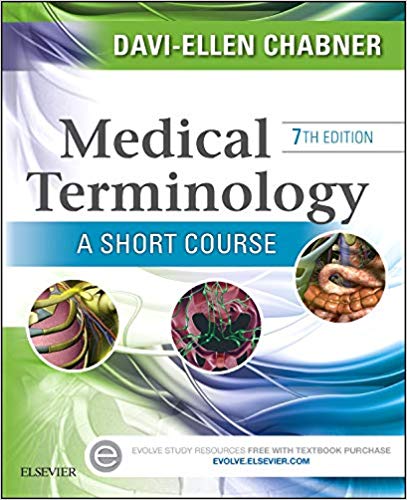
Medical Terminology A Short Course 7th Edition By Chabner BA MAT - Test Bank

Medical Terminology A Short Course 7th Edition By Chabner BA MAT - Test Bank   Instant Download - Complete Test Bank With Answers     Sample Questions Are Posted Below   Chapter 05: Medical Specialists and Case Reports Test Bank   MULTIPLE CHOICE   A specialist in treating glandular disorders is a(n): a. gastroenterologist b. …

$19.99

Medical Terminology A Short Course 7th Edition By Chabner BA MAT – Test Bank


Instant Download – Complete Test Bank With Answers


Sample Questions Are Posted Below


Chapter 05: Medical Specialists and Case Reports

Test Bank


MULTIPLE CHOICE


  1. A specialist in treating glandular disorders is a(n):
a. gastroenterologist
b. rheumatologist
c. endocrinologist
d. hematologist
e. otolaryngologist


ANS:  C                    REF:   177                OBJ:   Medical Specialists and Specialties


  1. A medical doctor trained to treat eye disorders is an:
a. oncologist
b. optician
c. optometrist
d. orthopedist
e. ophthalmologist


ANS:  E                    REF:   177                OBJ:   Medical Specialists and Specialties


  1. A surgeon specializing in disorders of the male reproductive system and the urinary tract in male and female patients is a(n):
a. nephrologist
b. urologist
c. gynecologist
d. neurosurgeon
e. colorectal surgeon


ANS:  B                    REF:   177                OBJ:   Medical Specialists and Specialties


  1. A physician who specializes in treating lung disorders is a(n):
a. cardiologist
b. pathologist
c. internist
d. pulmonologist
e. infectious disease specialist


ANS:  D                    REF:   177                OBJ:   Medical Specialists and Specialties


  1. A doctor who administers agents that cause loss of sensation and consciousness during surgery is a(n):
a. allergist
b. cardiovascular surgeon
c. oncologist
d. neurologist
e. anesthesiologist


ANS:  E                    REF:   177                OBJ:   Medical Specialists and Specialties


  1. A doctor specializing in treatment of disease using high-energy radiation is a:
a. geriatrician
b. pathologist
c. radiologist
d. radiation oncologist
e. dermatologist


ANS:  D                    REF:   177                OBJ:   Medical Specialists and Specialties


  1. Internal medicine is a specialty concerned with:
a. diagnosis of disease using x-rays
b. care of patients who require sudden and immediate action
c. diagnosis and treatment of children’s disorders
d. diagnosis and treatment of disorders of the mind
e. diagnosis and treatment of usually complex, nonsurgical disorders in adults


ANS:  E                    REF:   176                OBJ:   Medical Specialists and Specialties


  1. “Clinical” means:
a. pertaining to time
b. pertaining to the lung
c. pertaining to patient care
d. pertaining to skin disorders
e. pertaining to laboratory research


ANS:  C                    REF:   176                OBJ:   Physician Training


  1. A doctor who specializes in operating on the chest is a(n):
a. thoracic surgeon
b. colorectal surgeon
c. otolaryngologist
d. orthopedist
e. oncologist


ANS:  A                    REF:   177                OBJ:   Medical Specialists and Specialties


  1. Which doctor specializes in treating older patients?
a. family medicine specialist
b. geriatrician
c. rheumatologist
d. pediatrician
e. obstetrician


ANS:  B                    REF:   177                OBJ:   Medical Specialists and Specialties


  1. A disorder that is unexpectedly caused by treatment prescribed by a doctor is:
a. neuralgic
b. neurogenic
c. oncogenic
d. carcinogenic
e. iatrogenic


ANS:  E                    REF:   180                OBJ:   Medical Terms


  1. An opening from the kidney to the outside of the body is a:
a. thoracotomy
b. tracheostomy
c. laparotomy
d. colostomy
e. nephrostomy


ANS:  E                    REF:   180                OBJ:   Medical Terms


  1. Enlargement of the heart is called:
a. hepatomegaly
b. nephromegaly
c. gastromegaly
d. myocardial infarction
e. cardiomegaly


ANS:  E                    REF:   179 | 212        OBJ:   Medical Terms


  1. An instrument to view the eye is a(n):
a. otoscopy
b. otoscope
c. ophthalmoscope
d. laparoscope
e. ophthalmoscopy


ANS:  C                    REF:   181 |               OBJ:   Medical Terms


  1. Discharge of fluid from the nose is called:
a. rhinotomy
b. rhinorrhea
c. menorrhea
d. dysmenorrhea
e. rhinitis


ANS:  B                    REF:   184 |               OBJ:   Medical Terms


  1. A medical doctor who specializes in treating bone disorders is a(n):
a. pathologist
b. oncologist
c. physical medicine and rehabilitation specialist
d. orthopedist
e. rheumatologist


ANS:  D                    REF:   177                OBJ:   Medical Specialists and Specialties


  1. Inflammation of the kidney is called:
a. enteritis
b. colitis
c. nephritis
d. otitis
e. hepatitis


ANS:  C                    REF:   180 |               OBJ:   Medical Terms


  1. A doctor who specializes in treatment of blood disorders is a:
a. hematologist
b. psychiatrist
c. thoracic surgeon
d. dermatologist
e. cardiologist


ANS:  A                    REF:   177                OBJ:   Medical Specialists and Specialties


  1. Which term is not spelled correctly?
a. laryngeal
b. pulmonery
c. vasculitis
d. neuralgia
e. gastroenterology


ANS:  B                    REF:   182                OBJ:   Medical Terms


  1. In which term is the pronunciation accent incorrectly placed?
a. en-do-krih-NOL-o-je
b. ra-de-o-THER-ah-pe
c. ko-LOS-to-me
d. GAS-tros-ko-pe
e. he-mah-TO-mah


ANS:  D                    REF:   204                OBJ:   Medical Terms


  1. The combining form iatr/o means:
a. sensation
b. disease
c. treatment
d. tumor
e. mind


ANS:  C                    REF:   180                OBJ:   Word Parts


  1. The combining form onc/o means:
a. treatment
b. intestines
c. ear
d. old age
e. tumor


ANS:  E                    REF:   181                OBJ:   Word Parts


  1. The combining form orth/o means:
a. ear
b. straight
c. eye
d. child
e. tumor


ANS:  B                    REF:   181                OBJ:   Word Parts


  1. The combining form rect/o means:
a. rectum
b. nose
c. chest
d. flow, fluid
e. treatment


ANS:  A                    REF:   182                OBJ:   Word Parts


  1. The combining form pulmon/o means:
a. mind
b. kidney
c. blood
d. lung
e. ear


ANS:  D                    REF:   182                OBJ:   Word Parts


  1. The combining form ur/o means:
a. blood vessels
b. ear
c. urinary tract
d. straight
e. kidney


ANS:  C                    REF:   184                OBJ:   Word Parts


  1. The combining form col/o means:
a. x-rays
b. sensation
c. intestines
d. rectum
e. colon


ANS:  E                    REF:   179                OBJ:   Word Parts


  1. The combining form ger/o means:
a. child
b. old age
c. disease
d. treatment
e. sensation


ANS:  B                    REF:   180                OBJ:   Word Parts


  1. The combining form ped/o means:
a. child
b. old age
c. disease
d. treatment
e. sensation


ANS:  A                    REF:   182                OBJ:   Word Parts


  1. A combining form meaning “heart” is:
a. hemat/o
b. vascul/o
c. hepat/o
d. cardi/o
e. pulmon/o


ANS:  D                    REF:   179                OBJ:   Word Parts


  1. A combining form meaning “voice box” is:
a. thorac/o
b. laryng/o
c. rhin/o
d. ot/o
e. lymph/o


ANS:  B                    REF:   180                OBJ:   Word Parts


  1. A combining form meaning “mind” is:
a. crani/o
b. optic/o
c. path/o
d. enter/o
e. psych/o


ANS:  E                    REF:   182                OBJ:   Word Parts


  1. A combining form meaning “nose” is:
a. nos/o
b. ot/o
c. pulmon/o
d. rhin/o
e. gastr/o


ANS:  D                    REF:   184                OBJ:   Word Parts


MATCHING


Select the correct condition or procedure for each of the listed physician specialists.

a. hyperthyroidism
b. cystitis
c. vocal cord polyps, cancer
d. cervical dysplasia
e. pneumonectomy
f. arthroscopy
g. arrhythmia
h. drug treatment of breast cancer
i. sickle cell anemia
j. resection of a brain tumor


  1. thoracic surgeon


  1. otolaryngologist


  1. cardiologist


  1. neurosurgeon


  1. orthopedist


  1. hematologist


  1. endocrinologist


  1. urologist


  1. oncologist


  1. gynecologist


  1. ANS:  E                    REF:   366 | 177        OBJ:   Medical Specialists and Specialties


  1. ANS:  C                    REF:   177                OBJ:   Medical Specialists and Specialties


  1. ANS:  G                    REF:   184                OBJ:   Medical Specialists and Specialties


  1. ANS:  J                     REF:   177                OBJ:   Medical Specialists and Specialties


  1. ANS:  F                    REF:   177 |               OBJ:   Medical Specialists and Specialties


  1. ANS:  I                     REF:   105                OBJ:   Medical Specialists and Specialties


  1. ANS:  A                    REF:   49 | 177 | 357

OBJ:   Medical Specialists and Specialties


  1. ANS:  B                    REF:   350 | 177        OBJ:   Medical Specialists and Specialties


  1. ANS:  H                    REF:   177 | 199 | 203

OBJ:   Medical Specialists and Specialties


  1. ANS:  D                    REF:   177                OBJ:   Medical Specialists and Specialties

Additional information

Add Review

Your email address will not be published. Required fields are marked *