Subtotal: $800.00

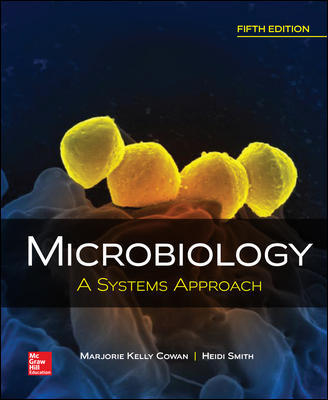
Microbiology A Systems Approach 5Th Edition By Marjorie Kelly Cowan - Test Bank

Microbiology A Systems Approach 5Th Edition By Marjorie Kelly Cowan - Test Bank   Instant Download - Complete Test Bank With Answers     Sample Questions Are Posted Below   CH-05: Test Bank       Multiple Choice Questions   In the condition called athlete's foot, the fungus Trichophyton consumes the keratin protein found in …

$19.99

Microbiology A Systems Approach 5Th Edition By Marjorie Kelly Cowan – Test Bank


Instant Download – Complete Test Bank With Answers


Sample Questions Are Posted Below


CH-05: Test Bank


Multiple Choice Questions


  1. In the condition called athlete’s foot, the fungus Trichophyton consumes the keratin protein found in hair, nails, and dead skin. Which of the following descriptors does not apply to Trichophyton?


  1. Eukaryote


  1. Parasite


  1. Saprobe


  1. Heterotroph


  1. Which of the following statements is correct?


  1. All saprobes are heterotrophic, but only some are parasitic.


  1. All heterotrophs are fungi, and include both parasites and saprobes.


  1. All heterotrophs are parasites, but only some are saprobes.


  1. All fungi, whether parasite or saprobe, are heterotrophs.


  1. A saprobe differs from a parasite in that


  1. a saprobe has the ability to undergo meiosis to produce sexual spores, but a parasite can only perform mitosis to produce asexual spores.


  1. a saprobe derives nutrients from dead plants and animals, but a parasite derives nutrients from living plants and animals.


  1. a saprobe has a pseudohyphae morphology, but a parasite has true hyphae.


  1. a saprobe is a fungus, but a parasite is a protozoan.


  1. Most fungi obtain nutrients from dead plants and animals. These fungi are called ______.


  1. mutualistic


  1. saprobes


  1. free-living


  1. parasites


  1. antagonists


  1. Endosymbiosis of cyanobacteria is widely accepted as an explanation for the development of chloroplasts. The presence of endosymbiotic cyanobacteria provided a cell with the advantage of ______.


  1. tolerance to oxygen


  1. photosynthesis


  1. an electron transport chain


  1. simple, rapid gene transfer


  1. a membrane-bound nucleus


  1. The endosymbiotic theory says that precursor eukaryotic cells acquired cilia by endosymbiosis with a(n) _____ ancestor and others gained photosynthetic ability from endosymbiosis with a(n) _____ ancestor.


  1. archaeal, cyanobacterial


  1. protozoan, algal


  1. spiral, cyanobacterial


  1. helminth, algal


  1. The endosymbiotic theory has been developed to explain the emergence of ______.


  1. eukaryotes


  1. prokaryotes


  1. viruses
  1. bacteria


  1. archaea


  1. Biologists have found evidence that eukaryotic cells evolved from prokaryotic organisms by a process of intracellular ______.


  1. commensalism
  2. parasitism


  1. symbiosis


  1. mutualism


  1. Select that statement that reflects evidence that directly supports the endosymbiotic theory.


  1. The electron transport system is located in the cell membrane in bacteria, while in eukaryotes it is located in the mitochondrial cristae.
  2. Enzymes for photosynthesis are found embedded in membranes of the Golgi apparatus.
  3. Lysosomes contain their own DNA in the form of plasmids.
  4. Glycolysis occurs in the cytoplasm of bacterial cells.


  1. Which of the following pairs is mismatched?


  1. Protozoa; unicellular


  1. Algae; multicellular


  1. Fungi; multicellular


  1. Protozoa; multicellular


  1. Helminths; multicellular


  1. Fungi; unicellular


  1. Protists include ______.


  1. yeasts and molds


  1. algae and protozoa


  1. helminths


  1. viruses
  2. bacteria


  1. Which of the following is found in eukaryotic cells but not in bacterial cells?


  1. Nucleus


  1. Mitochondria


  1. Endoplasmic reticulum


  1. Lysosomes


  1. All of the choices are correct.


  1. You are observing an organism under the microscope and you note that it has a cell wall, no chloroplasts, and a nucleus. Your prediction would be that this organism is a(n) ______.


  1. alga
  2. protozoan
  3. bacterium
  4. fungus
  5. virus


  1. You are observing an organism under the microscope, and it is clearly multicellular with no cell walls. Your prediction is that this organism is a(n) ______.


  1. alga
  2. fungus
  3. helminth
  4. protozoan
  5. bacterium


  1. Eukaryotic flagella differ from bacterial flagella because only eukaryotic flagella


  1. facilitate chemotaxis.


  1. are used for cell motility.


  1. are long, whip-like structures.


  1. contain microtubules.


  1. facilitate phototaxis.


  1. Cilia are exhibited by certain ______.


  1. fungi


  1. protozoa


  1. algae
  2. viruses
  3. bacteria


  1. There are nine peripheral pairs and one central pair of _____ found inside eukaryotic flagella and cilia.


  1. microtubules


  1. active proteins


  1. cilia


  1. endoflagella
  2. filaments


  1. As part of their reproductive cycle, helminths produce egg and sperm cells. Both of these eukaryotic cell types have an outer surface composed of polysaccharides known as the ______.


  1. cell wall


  1. microtubule


  1. cell membrane


  1. cyst


  1. glycocalyx


  1. The glycocalyx of a eukaryotic cell is


  1. mostly polysaccharides.


  1. also called the cell wall.


  1. composed of many diverse proteins.


  1. a protective mechanism against osmotic lysis.
  2. the site where many metabolic reactions occur.


  1. Which of the following is not a function of the eukaryotic glycocalyx?


  1. Protection


  1. Reception of chemical signals


  1. Adherence


  1. Movement


  1. Which of the following organisms has a cell wall?


  1. Candida albicans


  1. Entamoeba histolytica


  1. Enterobius vermicularis


  1. Trypanosoma cruzi


  1. Cell walls are not typically possessed by ______.


  1. algae


  1. protozoa


  1. fungi


  1. bacteria


  1. Chitin is a chemical component of the cell walls of ______.


  1. helminths


  1. protozoa


  1. algae


  1. fungi


  1. bacteria


  1. The cell membranes of bacteria and eukaryotes are quite similar, differing only in


  1. the presence of phospholipids.


  1. being selectively permeable.


  1. the ability to transport wastes out of the cell.


  1. the presence of sterols.


  1. the presence of proteins in the bilayer.


  1. The eukaryotic cell membrane is composed of ______.


  1. sterols


  1. proteins


  1. phospholipids


  1. sterols, proteins, and phospholipids


  1. sterols and phospholipids only


True / False Questions


  1. The eukaryotic cell membrane is a bilayer of sterols.


True False


  1. The cell walls of fungi and algae are chemically identical to the bacterial cell wall.


True False


Multiple Choice Questions


  1. The site for ribosomal RNA synthesis is the ______.


  1. Golgi apparatus


  1. nucleus


  1. ribosome


  1. lysosome


  1. nucleolus


  1. When a eukaryotic cell is not undergoing mitosis, the DNA and its associated proteins appear as a visible, thread-like mass called ______.


  1. nucleoplasm


  1. the nuclear envelope


  1. chromatin


  1. the nucleolus


  1. the nucleosome


  1. Histones are


  1. on the surface of rough endoplasmic reticulum.


  1. found in polyribosomes.


  1. enzymes found in lysosomes.


  1. proteins of the cytoskeleton.


  1. proteins associated with DNA in the nucleus.


  1. The passageways in the nuclear envelope for movement of substances between the nucleus and cytoplasm are called nuclear ______.


  1. histones


  1. pores


  1. chromatin


  1. endoplasmic reticulum


  1. inclusions


  1. In eukaryotic cells, which of the following organelles contain DNA?


  1. Nucleus, nucleolus, and Golgi apparatus


  1. Nucleus, chloroplast, and peroxisome


  1. Nucleus, mitochondria, and Golgi apparatus


  1. Nucleus, endoplasmic reticulum, and Golgi apparatus


  1. Nucleus, chloroplast, and mitochondrion


True / False Questions


  1. Chromosomes are generally not visible by light microscopy unless the cell is undergoing nuclear division.


True False


  1. The nuclear envelope is a single lipid layer.


True False


Multiple Choice Questions


  1. Which organelle is found in algae but not in protozoa or fungi?


  1. Endoplasmic reticulum


  1. Chloroplasts


  1. Mitochondria


  1. Golgi apparatus


  1. Lysosomes


  1. Chloroplasts are composed of membranous sacs called ______ that carry chlorophyll. Surrounding these sacs is a ground substance called ______.


  1. thylakoids; stroma


  1. grana; stroma


  1. cristae; matrix


  1. cristae; stroma


  1. thylakoid; matrix


  1. Pfiesteria is a(n) ______ that produces a toxin harmful to humans.


  1. endospore


  1. protozoan


  1. helminth
  1. fungus


  1. alga


True / False Questions


  1. All algae have chloroplasts.


True False


Multiple Choice Questions


  1. The plasma cells of the immune system are responsible for secreting protein antibodies into the bloodstream. Within the plasma cell, the antibody moves through several organelles in what order?


  1. Ribosomes, Golgi apparatus, endoplasmic reticulum, lysosome


  1. Ribosomes, Golgi apparatus, endoplasmic reticulum, vesicles


  1. Ribosomes, endoplasmic reticulum, nucleolus, Golgi apparatus, vesicles


  1. Ribosomes, endoplasmic reticulum, Golgi apparatus, vesicles


  1. Ribosomes, vesicles, endoplasmic reticulum, Golgi apparatus


True / False Questions


  1. Rough endoplamic reticulum is studded with ribosomes.


True False


Multiple Choice Questions


  1. The series of tunnel-like membranes functioning in transport and storage are the ______.


  1. chloroplasts


  1. Golgi apparatus


  1. endoplasmic reticulum


  1. mitochondria


  1. lysosomes


  1. An organelle that is a stack of flattened, membranous sacs and functions to receive, modify, and package proteins for secretion is the ______.


  1. mitochondrion


  1. endoplasmic reticulum


  1. chloroplast


  1. Golgi apparatus


  1. lysosome


  1. The vesicle that originates from the Golgi apparatus and contains a variety of digestive enzymes is the ______.


  1. ribosome


  1. magnetosome


  1. centrosome
  2. lysosome


  1. inclusion


  1. The eukaryotic cell organelle that most resembles a bacterial cell is the ______.


  1. lysosome


  1. Golgi apparatus


  1. ribosome


  1. nucleus


  1. mitochondrion


  1. Which organelle contains cristae where enzymes and electron carriers for aerobic respiration are found?


  1. Endoplasmic reticulum


  1. Golgi apparatus


  1. Mitochondrion


  1. Chloroplast


  1. Lysosome


  1. Mitochondria possess all of the following except ______.


  1. cristae


  1. 70S ribosomes


  1. enzymes for photosynthesis


  1. electron carriers


  1. metabolic enzymes


True / False Questions


  1. Eukaryotic mitochondria have their own 70S ribosomes and circular DNA.


True False


Multiple Choice Questions


  1. The size of a eukaryotic ribosome is ______.


  1. 40S


  1. 70S


  1. 50S


  1. 80S


  1. 30S


  1. In eukaryotic cells, ribosomes have two locations. They are scattered in the ______ and on the surface of ______.


  1. nucleus; endoplasmic reticulum


  1. nucleus; Golgi apparatus


  1. cytoplasm; Golgi apparatus


  1. cytoplasm; endoplasmic reticulum


  1. The drug cytochalasin targets actin filaments in the cytoskeleton, preventing them from forming. Treatment of a cell with cytochalasin would result in its inability to ______.


  1. form cellular extensions


  1. transport substances within the cell


  1. form the nuclear envelope structure


  1. prevent mutations in its chromosome


  1. Choose the correct order of the three main types of cytoskeletal elements in increasing order of size.


  1. Actin filaments, intermediate filaments, flagella


  1. Actin filaments, intermediate filaments, microtubules


  1. Microtubules, flagella, cilia


  1. Microtubules, intermediate filaments, actin filaments


  1. Microtubules, cilia, flagella


  1. The cytoskeleton


  1. anchors organelles.


  1. provides architectural support.


  1. functions in movements of the cytoplasm.


  1. helps maintain cell shape.


  1. All of the choices are correct.


  1. When fungal buds remain attached in a row following cell division, the resulting chains of yeast cells are called ______.


  1. mycelia


  1. pseudohyphae


  1. molds


  1. dimorphic


  1. septa


  1. The long, thread-like branching cells of molds are called ______.


  1. pseudohyphae


  1. asci


  1. conidiophores


  1. septa


  1. hyphae


True / False Questions


  1. All fungi can form hyphae.


True     False


Multiple Choice Questions


  1. Fungi that grow as yeasts at one temperature but as molds at another temperature are called ______.


  1. pseudohyphae


  1. spores


  1. dimorphic


  1. parasites


  1. saprobes


  1. Which is not a characteristic of fungi?


  1. Heterotrophic nutrition


  1. Photosynthetic


  1. Include single-cell and filamentous forms


  1. Presence of cell walls


  1. The intertwined mass of hyphae that constitutes the body of a mold is a ______.


  1. rhizoid


  1. bud


  1. stock


  1. mycelium


  1. stem


  1. Fungal asexual spores


  1. produce offspring with different combinations of genes from the parent.


  1. cannot be seen using a light microscope.
  1. are produced when nutrients are limiting.


  1. are the products of meiotic division by a single parent cell.


  1. are used to identify fungi.


True / False Questions


  1. Fungi can reproduce both sexually and asexually.


True False


Multiple Choice Questions


  1. Fungi reproduce sexually less frequently than asexually. What might be the reason behind this infrequency of sexual reproduction?


  1. Sexual reproduction requires two genetically different strains of the fungus to come together.
  2. Sexual reproduction is more energy-intensive than asexual reproduction.
  3. In asexual reproduction, one parent divides.
  4. All statements are true.


  1. In producing beer and wine, humans have exploited the microbial ability to ferment sugar to alcohol. The microbes responsible for this process are ______.


  1. algae


  1. bacteria


  1. protozoans


  1. fungi


True / False Questions


  1. Infections caused by fungi are called mycoses.


True False


  1. In humans, fungi can only infect the skin.


True False


  1. All fungi cause some kind of disease in plants or animals.


True False


Multiple Choice Questions


  1. Protozoan cells do not exhibit ______.


  1. motility


  1. a cell wall


  1. heterotrophic nutrition


  1. cyst formation


  1. ectoplasm and endoplasm


True / False Questions


  1. There are no algae that can cause human disease.


True False


Multiple Choice Questions


  1. The motile, feeding stage of protozoa is called the ______.


  1. oocyst


  1. cyst


  1. sporozoite


  1. food vacuole


  1. trophozoite


  1. Protozoan endoplasm contains ______.


  1. cilia


  1. oral grooves


  1. ectoplasm


  1. flagella


  1. mitochondria


True / False Questions


  1. Plankton are floating communities of helminths.


True False


Multiple Choice Questions


  1. Protozoa are classified into four groups based on ______.


  1. their pathogenicity


  1. how they move


  1. their required nutrients


  1. the resistance properties of their cysts


  1. A protozoan having a flagellum would be classified in the genus ______.


  1. Entamoeba


  1. Toxoplasma


  1. Trypanosoma


  1. Enterobius


  1. Plasmodium


  1. A group of protozoa that are not motile are the ______.


  1. Plasmodium sp.
  2. ciliates
  3. amoebas
  4. dimorphics
  5. trophozoites


True / False Questions


  1. Algae are classified into divisions based principally on their type of motility.


True False


Multiple Choice Questions


  1. A protozoan cyst differs from a helminth egg in that


  1. a cyst is metabolically active, but an egg is not.


  1. cysts have a uniform structure, but eggs have a wide variety of morphologies.


  1. the cyst can germinate to form the organism but the egg must be fertilized.


  1. the chromosome is free in the cytoplasm of a cyst, but enclosed in a nucleus in an egg.


  1. During unfavorable growth conditions, many protozoa can convert to a resistant, dormant stage called a(n)


  1. seed


  1. trophozoite


  1. endospore


  1. cyst


  1. sporozoa


  1. Protozoan cysts are


  1. analogous to bacterial endospores.


  1. part of all protozoan life cycles.


  1. the primary form of replication.


  1. necessary for transmission to a new host.


  1. are produced by binary fission.


  1. A specimen from a patient suffering diarrhea shows a one-celled organism in the microscope. The organism moves very slowly by protruding its cytoplasm. You would predict that the patient has an infection caused by ______.


  1. Entamoeba


  1. Toxoplasma


  1. Plasmodium


  1. Trichomonas


  1. Giardia


  1. Which pair is mismatched?


  1. Histoplasma – causes Ohio Valley fever


  1. Giardia – transmitted by feces in drinking water


  1. Trichomonas – sexually transmitted


  1. Trypanosoma – causes African sleeping sickness


  1. Plasmodium – causes Chagas disease


  1. Amoebic dysentery is most commonly contracted through


  1. contaminated blood products.
  2. insect bites.


  1. puncture wounds.


  1. the fecal-oral route from contaminated food or water.


  1. direct transmission from one host to another.


  1. After returning from a trip to Africa, Tom feels tired and weak and has severe anemia. A blood smear reveals a protozoan in his blood and the health care provider diagnoses malaria. Which of the following could be the causative agent of this disease?


  1. Plasmodium vivax


  1. Giardia lamblia


  1. Trichophyton rubrum


  1. Taenia solium


  1. HIV


  1. You are attempting to identify the type of helminth that has been isolated from a patient stool sample. The most important consideration to make this distinction is to


  1. examine the sample to see if microscopic eggs are present.


  1. ask the patient about recent food and water consumption.


  1. look at the gross anatomy to determine if the body is segmented or not.


  1. determine if the cells are eukaryotic or bacterial by looking for nuclei.


  1. The two major groups of helminths are the ______ and the ______.


  1. roundworms; pinworms


  1. roundworms; flatworms


  1. tapeworms; flukes


  1. cestodes; trematodes


  1. In humans, helminths generally infect the ______.


  1. nervous system


  1. gastrointestinal tract


  1. skin


  1. urinary tract


  1. muscular system


  1. All of the following are helminths except ______.


  1. tapeworms


  1. flukes


  1. trypanosomes


  1. roundworms


  1. pinworms


  1. Which of the following does not pertain to helminths?


  1. Eggs and sperm used for reproduction


  1. Often alternate hosts in complex life cycles


  1. Parasitic worms


  1. Members of Kingdom Protista


  1. Have organ systems


  1. Larvae and eggs are developmental forms of ______.


  1. helminths


  1. protozoa


  1. fungi


  1. yeasts
  2. algae


  1. Adulthood and mating of helminths occur in which host?


  1. Primary host


  1. Secondary host


  1. Definitive host


  1. Transport host


  1. Mating occurs in all hosts.


  1. Larval development of helminths occurs in which host?


  1. Primary host


  1. Intermediate host
  1. Definitive host


  1. Transport host


  1. Larval development takes place in all hosts.


  1. Parasitic helminths have a highly developed ______ system to enhance host transmission.


  1. muscular


  1. nervous


  1. digestive


  1. respiratory


  1. reproductive


  1. Eating undercooked meat can lead to food-borne disease via helminthic infection. What is the common host for Taenia solium?


  1. Ducks


  1. Geese


  1. Cows


  1. Pigs


  1. Chickens


  1. In the life cycle of the pinworm Enterobius, a common pediatric infection, the child carries the adult worm in his/her intestine. The adult worm releases eggs, which are transmitted out of the body in the feces. The child will scratch the itching anal region, picking up the worm eggs and re-inserting them into his/her mouth. For this helminth life cycle, the human is the ______ host.


  1. intermediate
  2. definitive
  3. primary
  4. intermediate and definitive


CH-05: Test Bank Key


Multiple Choice Questions


  1. In the condition called athlete’s foot, the fungus Trichophyton consumes the keratin protein found in hair, nails, and dead skin. Which of the following descriptors does not apply to Trichophyton?


  1. Eukaryote


  1. Parasite


  1. Saprobe


  1. Heterotroph


ASM Objective: 05.01 Microorganisms are ubiquitous and live in diverse and dynamic ecosystems.


ASM Topic: Module 05 Systems


Blooms Level: 3. Apply


Learning Outcome: 05.14 Differentiate among the terms heterotroph, saprobe, and parasite.


Learning Outcome: 05.17: List two detrimental and two beneficial activities of fungi (from the viewpoint of humans).


Section: 05.04


Topic: Fungi

  1. Which of the following statements is correct?


  1. All saprobes are heterotrophic, but only some are parasitic.


  1. All heterotrophs are fungi, and include both parasites and saprobes.


  1. All heterotrophs are parasites, but only some are saprobes.


  1. All fungi, whether parasite or saprobe, are heterotrophs.


ASM Objective: 02.04 While microscopic eukaryotes (for example, fungi, protozoa, and algae) carry out some of the same processes as bacteria,


many of the cellular properties are fundamentally different.


ASM Topic: Module 02 Structure and Function


Blooms Level: 3. Apply


Learning Outcome: 05.14 Differentiate among the terms heterotroph, saprobe, and parasite.


Section: 05.04


Topic: Fungi

  1. A saprobe differs from a parasite in that


  1. a saprobe has the ability to undergo meiosis to produce sexual spores, but a parasite can only perform mitosis to produce asexual spores.


  1. a saprobe derives nutrients from dead plants and animals, but a parasite derives nutrients from living plants and animals.


  1. a saprobe has a pseudohyphae morphology, but a parasite has true hyphae.


  1. a saprobe is a fungus, but a parasite is a protozoan.


ASM Objective: 05.04 Microorganisms, cellular and viral, can interact with both human and nonhuman hosts in beneficial, neutral or detrimental ways.


ASM Topic: Module 05 Systems


Blooms Level: 2. Understand


Learning Outcome: 05.14 Differentiate among the terms heterotroph, saprobe, and parasite.


Section: 05.04


Topic: Fungi

  1. Most fungi obtain nutrients from dead plants and animals. These fungi are called ______.


  1. mutualistic


  1. saprobes


  1. free-living


  1. parasites


  1. antagonists


ASM Objective: 02.04 While microscopic eukaryotes (for example, fungi, protozoa, and algae) carry out some of the same processes as bacteria,


many of the cellular properties are fundamentally different.


ASM Topic: Module 02 Structure and Function


Blooms Level: 1. Remember


Learning Outcome: 05.14 Differentiate among the terms heterotroph, saprobe, and parasite.


Section: 05.04


Topic: Fungi


  1. Endosymbiosis of cyanobacteria is widely accepted as an explanation for the development of chloroplasts. The presence of endosymbiotic cyanobacteria provided a cell with the advantage of ______.


  1. tolerance to oxygen


  1. photosynthesis


  1. an electron transport chain


  1. simple, rapid gene transfer


  1. a membrane-bound nucleus


ASM Objective: 02.03 Bacteria and Archaea have specialized structures (e.g., flagella, endospores, and pili) that often confer critical capabilities.


ASM Topic: Module 02 Structure and Function


Blooms Level: 2. Understand


Learning Outcome: 05.10 Discuss the function of chloroplasts, explaining which cells contain them and how they arose.


Learning Outcome: 05.01 Relate bacterial, archaeal, and eukaryotic cells to the Last Common Ancestor.


Section: 05.01


Section: 05.03


Topic: Algae


Topic: Cellular Organization


Topic: Eukaryotic Structure/Function


  1. The endosymbiotic theory says that precursor eukaryotic cells acquired cilia by endosymbiosis with a(n) _____ ancestor and others gained photosynthetic ability from endosymbiosis with a(n) _____ ancestor.


  1. archaeal, cyanobacterial


  1. protozoan, algal


  1. spiral, cyanobacterial


  1. helminth, algal


ASM Objective: 01.01 Cells, organelles (e.g., mitochondria and chloroplasts) and all major metabolic pathways evolved from early prokaryotic cells.


ASM Topic: Module 01 Evolution


ASM Topic: Module 02 Structure and Function

Blooms Level: 2. Understand


Learning Outcome: 05.01 Relate bacterial, archaeal, and eukaryotic cells to the Last Common Ancestor.


Section: 05.01


Topic: Cellular Organization


  1. The endosymbiotic theory has been developed to explain the emergence of ______.


  1. eukaryotes


  1. prokaryotes


  1. viruses
  1. bacteria


  1. archaea


ASM Objective: 01.01 Cells, organelles (e.g., mitochondria and chloroplasts) and all major metabolic pathways evolved from early prokaryotic cells.


ASM Topic: Module 01 Evolution

ASM Topic: Module 02 Structure and Function


Blooms Level: 2. Understand


Learning Outcome: 05.01 Relate bacterial, archaeal, and eukaryotic cells to the Last Common Ancestor.


Section: 05.01


Topic: Cellular Organization


Topic: Taxonomy of Microorganisms


  1. Biologists have found evidence that eukaryotic cells evolved from prokaryotic organisms by a process of intracellular ______.


  1. commensalism


  1. parasitism


  1. symbiosis


  1. mutualism


ASM Objective: 01.01 Cells, organelles (e.g., mitochondria and chloroplasts) and all major metabolic pathways evolved from early prokaryotic cells.


ASM Topic: Module 01 Evolution


Blooms Level: 2. Understand


Learning Outcome: 05.01 Relate bacterial, archaeal, and eukaryotic cells to the Last Common Ancestor.


Section: 05.01


Topic: Cellular Organization


Topic: Taxonomy of Microorganisms


  1. Select that statement that reflects evidence that directly supports the endosymbiotic theory.


  1. The electron transport system is located in the cell membrane in bacteria, while in eukaryotes it is located in the mitochondrial cristae.
  2. Enzymes for photosynthesis are found embedded in membranes of the Golgi apparatus.
  3. Lysosomes contain their own DNA in the form of plasmids.
  4. Glycolysis occurs in the cytoplasm of bacterial cells.


ASM Objective: 01.01 Cells, organelles (e.g., mitochondria and chloroplasts) and all major metabolic pathways evolved from early prokaryotic cells.


ASM Objective: 02.01 The structure and function of microorganisms have been revealed by the use of microscopy (including bright field, phase


contrast, fluorescent, and electron).


ASM Topic: Module 01 Evolution


ASM Topic: Module 02 Structure and Function


Blooms Level: 3. Apply


Learning Outcome: 05.01 Relate bacterial, archaeal, and eukaryotic cells to the Last Common Ancestor.


Section: 05.01


Topic: Cellular Organization

  1. Which of the following pairs is mismatched?


  1. Protozoa; unicellular


  1. Algae; multicellular


  1. Fungi; multicellular


  1. Protozoa; multicellular


  1. Helminths; multicellular


  1. Fungi; unicellular


ASM Objective: 02.01 The structure and function of microorganisms have been revealed by the use of microscopy (including bright field, phase contrast, fluorescent, and electron).

ASM Topic: Module 02 Structure and Function

Blooms Level: 2. Understand


Learning Outcome: 05.02 List the types of eukaryotic microorganisms and denote which are unicellular and which are multicellular.


Section: 05.01


Topic: Cellular Organization

  1. Protists include ______.


  1. yeasts and molds


  1. algae and protozoa


  1. helminths


  1. viruses
  1. bacteria


ASM Objective: 02.04 While microscopic eukaryotes (for example, fungi, protozoa, and algae) carry out some of the same processes as bacteria,


many of the cellular properties are fundamentally different.


ASM Topic: Module 02 Structure and Function


Blooms Level: 1. Remember


Learning Outcome: 05.02 List the types of eukaryotic microorganisms and denote which are unicellular and which are multicellular.


Section: 05.05


Topic: Algae


Topic: Protozoans


  1. Which of the following is found in eukaryotic cells but not in bacterial cells?


  1. Nucleus


  1. Mitochondria


  1. Endoplasmic reticulum


  1. Lysosomes


  1. All of the choices are correct.


ASM Objective: 02.04 While microscopic eukaryotes (for example, fungi, protozoa, and algae) carry out some of the same processes as bacteria,


many of the cellular properties are fundamentally different.


ASM Topic: Module 02 Structure and Function


Blooms Level: 1. Remember


Learning Outcome: 05.02 List the types of eukaryotic microorganisms and denote which are unicellular and which are multicellular.


Section: 05.03


Topic: Eukaryotic Structure/Function


  1. You are observing an organism under the microscope and you note that it has a cell wall, no chloroplasts, and a nucleus. Your prediction would be that this organism is a(n) ______.


  1. alga
  2. protozoan
  3. bacterium
  4. fungus
  5. virus


ASM Objective: 02.04 While microscopic eukaryotes (for example, fungi, protozoa, and algae) carry out some of the same processes as bacteria,


many of the cellular properties are fundamentally different.


ASM Topic: Module 02 Structure and Function


Blooms Level: 3. Apply


Learning Outcome: 05.02 List the types of eukaryotic microorganisms and denote which are unicellular and which are multicellular.

Section: 05.02


Topic: Cellular Organization


Topic: Eukaryotic Structure/Function


Topic: Taxonomy of Microorganisms


  1. You are observing an organism under the microscope, and it is clearly multicellular with no cell walls. Your prediction is that this organism is a(n) ______.


  1. alga
  2. fungus
  3. helminth
  4. protozoan
  5. bacterium


ASM Objective: 02.04 While microscopic eukaryotes (for example, fungi, protozoa, and algae) carry out some of the same processes as bacteria,


many of the cellular properties are fundamentally different.


ASM Topic: Module 02 Structure and Function


Blooms Level: 3. Apply


Learning Outcome: 05.02 List the types of eukaryotic microorganisms and denote which are unicellular and which are multicellular.


Section: 05.02


Topic: Cellular Organization


Topic: Eukaryotic Structure/Function


Topic: Taxonomy of Microorganisms


  1. Eukaryotic flagella differ from bacterial flagella because only eukaryotic flagella


  1. facilitate chemotaxis.


  1. are used for cell motility.


  1. are long, whip-like structures.


  1. contain microtubules.


  1. facilitate phototaxis.


ASM Objective: 02.04 While microscopic eukaryotes (for example, fungi, protozoa, and algae) carry out some of the same processes as bacteria,


many of the cellular properties are fundamentally different.


ASM Topic: Module 02 Structure and Function

Blooms Level: 2. Understand


Learning Outcome: 05.03 Differentiate between cilia and flagella in eukaryotes, and differentiate flagellar structure between bacteria and eukaryotes.


Section: 05.02


Topic: Cellular Organization


Topic: Eukaryotic Structure/Function

  1. Cilia are exhibited by certain ______.


  1. fungi
  2. protozoa
  3. algae
  4. viruses
  5. bacteria


ASM Objective: 02.04 While microscopic eukaryotes (for example, fungi, protozoa, and algae) carry out some of the same processes as bacteria,


many of the cellular properties are fundamentally different.


ASM Topic: Module 02 Structure and Function


Blooms Level: 1. Remember


Learning Outcome: 05.03 Differentiate between cilia and flagella in eukaryotes, and differentiate flagellar structure between bacteria and eukaryotes.


Section: 05.02


Topic: Cellular Organization

Topic: Eukaryotic Structure/Function


Topic: Protozoans


  1. There are nine peripheral pairs and one central pair of _____ found inside eukaryotic flagella and cilia.


  1. microtubules


  1. active proteins


  1. cilia


  1. endoflagella


  1. filaments


ASM Objective: 02.04 While microscopic eukaryotes (for example, fungi, protozoa, and algae) carry out some of the same processes as bacteria,


many of the cellular properties are fundamentally different.


ASM Topic: Module 02 Structure and Function


Blooms Level: 1. Remember


Learning Outcome: 05.03 Differentiate between cilia and flagella in eukaryotes, and differentiate flagellar structure between bacteria and eukaryotes.


Section: 05.02


Topic: Cellular Organization


Topic: Eukaryotic Structure/Function


  1. As part of their reproductive cycle, helminths produce egg and sperm cells. Both of these eukaryotic cell types have an outer surface composed of polysaccharides known as the ______.


  1. cell wall


  1. microtubule


  1. cell membrane


  1. cyst


  1. glycocalyx


ASM Objective: 02.04 While microscopic eukaryotes (for example, fungi, protozoa, and algae) carry out some of the same processes as bacteria,


many of the cellular properties are fundamentally different.


ASM Topic: Module 02 Structure and Function


Blooms Level: 3. Apply

Learning Outcome: 05.04 Describe the important characteristics of a glycocalyx in eukaryotes.


Learning Outcome: 05.23 Summarize the stages of a typical helminth life cycle.


Section: 05.03


Topic: Cellular Organization


Topic: Eukaryotic Structure/Function


Topic: Helminths

  1. The glycocalyx of a eukaryotic cell is


  1. mostly polysaccharides.


  1. also called the cell wall.


  1. composed of many diverse proteins.


  1. a protective mechanism against osmotic lysis.


  1. the site where many metabolic reactions occur.


ASM Objective: 02.04 While microscopic eukaryotes (for example, fungi, protozoa, and algae) carry out some of the same processes as bacteria,

many of the cellular properties are fundamentally different.


ASM Topic: Module 02 Structure and Function


Blooms Level: 2. Understand


Learning Outcome: 05.04 Describe the important characteristics of a glycocalyx in eukaryotes.


Section: 05.02


Topic: Cellular Organization


Topic: Eukaryotic Structure/Function


  1. Which of the following is not a function of the eukaryotic glycocalyx?


  1. Protection


  1. Reception of chemical signals


  1. Adherence


  1. Movement


ASM Objective: 02.04 While microscopic eukaryotes (for example, fungi, protozoa, and algae) carry out some of the same processes as bacteria,


many of the cellular properties are fundamentally different.


ASM Topic: Module 02 Structure and Function

Blooms Level: 1. Remember


Learning Outcome: 05.04 Describe the important characteristics of a glycocalyx in eukaryotes.


Section: 05.02


Topic: Cellular Organization


Topic: Eukaryotic Structure/Function


  1. Which of the following organisms has a cell wall?


  1. Candida albicans
  2. Entamoeba histolytica


  1. Enterobius vermicularis


  1. Trypanosoma cruzi


ASM Objective: 02.04 While microscopic eukaryotes (for example, fungi, protozoa, and algae) carry out some of the same processes as bacteria,


many of the cellular properties are fundamentally different.


ASM Topic: Module 02 Structure and Function


Blooms Level: 2. Understand


Learning Outcome: 05.05 List which eukaryotic microorganisms have a cell wall.

Section: 05.03


Topic: Cellular Organization


Topic: Eukaryotic Structure/Function

  1. Cell walls are not typically possessed by ______.


  1. algae


  1. protozoa


  1. fungi


  1. bacteria


ASM Objective: 02.04 While microscopic eukaryotes (for example, fungi, protozoa, and algae) carry out some of the same processes as bacteria, many of the cellular properties are fundamentally different.

ASM Topic: Module 02 Structure and Function

Blooms Level: 2. Understand


Learning Outcome: 05.05 List which eukaryotic microorganisms have a cell wall.


Section: 05.02


Topic: Cellular Organization


Topic: Eukaryotic Structure/Function


Topic: Protozoans

  1. Chitin is a chemical component of the cell walls of ______.


  1. helminths


  1. protozoa


  1. algae


  1. fungi


  1. bacteria


ASM Objective: 02.04 While microscopic eukaryotes (for example, fungi, protozoa, and algae) carry out some of the same processes as bacteria,


many of the cellular properties are fundamentally different.


ASM Topic: Module 02 Structure and Function


Blooms Level: 1. Remember


Learning Outcome: 05.05 List which eukaryotic microorganisms have a cell wall.


Section: 05.02


Topic: Cellular Organization


Topic: Eukaryotic Structure/Function


Topic: Fungi

  1. The cell membranes of bacteria and eukaryotes are quite similar, differing only in


  1. the presence of phospholipids.


  1. being selectively permeable.


  1. the ability to transport wastes out of the cell.


  1. the presence of sterols.


  1. the presence of proteins in the bilayer.


ASM Objective: 02.03 Bacteria and Archaea have specialized structures (e.g., flagella, endospores, and pili) that often confer critical capabilities.


ASM Topic: Module 02 Structure and Function


Blooms Level: 2. Understand


Learning Outcome: 05.06 List similarities and differences between eukaryotic and bacterial cytoplasmic membranes.


Section: 05.02


Topic: Cellular Organization


Topic: Eukaryotic Structure/Function


  1. The eukaryotic cell membrane is composed of ______.


  1. sterols


  1. proteins


  1. phospholipids
  2. sterols, proteins, and phospholipids
  3. sterols and phospholipids only


ASM Objective: 02.04 While microscopic eukaryotes (for example, fungi, protozoa, and algae) carry out some of the same processes as bacteria,


many of the cellular properties are fundamentally different.


ASM Topic: Module 02 Structure and Function


Blooms Level: 1. Remember


Learning Outcome: 05.06 List similarities and differences between eukaryotic and bacterial cytoplasmic membranes.


Section: 05.02


Topic: Cellular Organization


Topic: Eukaryotic Structure/Function


True / False Questions


  1. The eukaryotic cell membrane is a bilayer of sterols.


FALSE


ASM Objective: 02.04 While microscopic eukaryotes (for example, fungi, protozoa, and algae) carry out some of the same processes as bacteria,


many of the cellular properties are fundamentally different.


Blooms Level: 2. Understand


Learning Outcome: 05.06 List similarities and differences between eukaryotic and bacterial cytoplasmic membranes.


Section: 05.02


Topic: Cellular Organization


Topic: Eukaryotic Structure/Function


  1. The cell walls of fungi and algae are chemically identical to the bacterial cell wall.


FALSE


ASM Objective: 02.04 While microscopic eukaryotes (for example, fungi, protozoa, and algae) carry out some of the same processes as bacteria, many of the cellular properties are fundamentally different.


ASM Topic: Module 02 Structure and Function


Blooms Level: 1. Remember


Learning Outcome: 05.06 List similarities and differences between eukaryotic and bacterial cytoplasmic membranes.


Section: 05.04


Topic: Algae

Topic: Cellular Organization


Topic: Fungi


Multiple Choice Questions


  1. The site for ribosomal RNA synthesis is the ______.


  1. Golgi apparatus


  1. nucleus


  1. ribosome


  1. lysosome


  1. nucleolus


ASM Objective: 02.04 While microscopic eukaryotes (for example, fungi, protozoa, and algae) carry out some of the same processes as bacteria,


many of the cellular properties are fundamentally different.


ASM Topic: Module 02 Structure and Function


Blooms Level: 1. Remember


Learning Outcome: 05.07 Describe the main structural components of a nucleus.


Section: 05.03


Topic: Cellular Organization


Topic: Eukaryotic Structure/Function


  1. When a eukaryotic cell is not undergoing mitosis, the DNA and its associated proteins appear as a visible, thread-like mass called ______.


  1. nucleoplasm


  1. the nuclear envelope


  1. chromatin


  1. the nucleolus


  1. the nucleosome


ASM Objective: 02.04 While microscopic eukaryotes (for example, fungi, protozoa, and algae) carry out some of the same processes as bacteria,


many of the cellular properties are fundamentally different.


ASM Topic: Module 02 Structure and Function


Blooms Level: 1. Remember


Learning Outcome: 05.07 Describe the main structural components of a nucleus.


Section: 05.03


Topic: Cellular Organization


Topic: Eukaryotic Structure/Function

  1. Histones are


  1. on the surface of rough endoplasmic reticulum.


  1. found in polyribosomes.


  1. enzymes found in lysosomes.


  1. proteins of the cytoskeleton.


  1. proteins associated with DNA in the nucleus.


ASM Objective: 02.04 While microscopic eukaryotes (for example, fungi, protozoa, and algae) carry out some of the same processes as bacteria,


many of the cellular properties are fundamentally different.


ASM Topic: Module 02 Structure and Function


Blooms Level: 1. Remember

Learning Outcome: 05.07 Describe the main structural components of a nucleus.


Section: 05.03


Topic: Cellular Organization


Topic: Eukaryotic Structure/Function


  1. The passageways in the nuclear envelope for movement of substances between the nucleus and cytoplasm are called nuclear ______.


  1. histones


  1. pores


  1. chromatin


  1. endoplasmic reticulum


  1. inclusions


ASM Objective: 02.04 While microscopic eukaryotes (for example, fungi, protozoa, and algae) carry out some of the same processes as bacteria,


many of the cellular properties are fundamentally different.


ASM Topic: Module 02 Structure and Function


Blooms Level: 1. Remember


Learning Outcome: 05.07 Describe the main structural components of a nucleus.


Section: 05.03


Topic: Cellular Organization


Topic: Eukaryotic Structure/Function


  1. In eukaryotic cells, which of the following organelles contain DNA?


  1. Nucleus, nucleolus, and Golgi apparatus


  1. Nucleus, chloroplast, and peroxisome


  1. Nucleus, mitochondria, and Golgi apparatus


  1. Nucleus, endoplasmic reticulum, and Golgi apparatus
  2. Nucleus, chloroplast, and mitochondrion


ASM Objective: 02.04 While microscopic eukaryotes (for example, fungi, protozoa, and algae) carry out some of the same processes as bacteria,


many of the cellular properties are fundamentally different.


ASM Topic: Module 02 Structure and Function


Blooms Level: 1. Remember


Learning Outcome: 05.07 Describe the main structural components of a nucleus.

Section: 05.03


Topic: Cellular Organization


Topic: Eukaryotic Structure/Function


True / False Questions


  1. Chromosomes are generally not visible by light microscopy unless the cell is undergoing nuclear division.


TRUE


ASM Objective: 02.04 While microscopic eukaryotes (for example, fungi, protozoa, and algae) carry out some of the same processes as bacteria,


many of the cellular properties are fundamentally different.


ASM Topic: Module 02 Structure and Function


Blooms Level: 2. Understand


Learning Outcome: 05.07 Describe the main structural components of a nucleus.

Section: 05.03


Topic: Cellular Organization


Topic: Eukaryotic Structure/Function

  1. The nuclear envelope is a single lipid layer.


FALSE


ASM Objective: 02.04 While microscopic eukaryotes (for example, fungi, protozoa, and algae) carry out some of the same processes as bacteria,


many of the cellular properties are fundamentally different.


ASM Topic: Module 02 Structure and Function


Blooms Level: 1. Remember


Learning Outcome: 05.07 Describe the main structural components of a nucleus.


Section: 05.03


Topic: Cellular Organization


Topic: Eukaryotic Structure/Function


Multiple Choice Questions


  1. Which organelle is found in algae but not in protozoa or fungi?


  1. Endoplasmic reticulum


  1. Chloroplasts


  1. Mitochondria


  1. Golgi apparatus


  1. Lysosomes


ASM Objective: 02.04 While microscopic eukaryotes (for example, fungi, protozoa, and algae) carry out some of the same processes as bacteria,


many of the cellular properties are fundamentally different.


ASM Topic: Module 02 Structure and Function


Blooms Level: 2. Understand


Learning Outcome: 05.10 Discuss the function of chloroplasts, explaining which cells contain them and how they arose.


Section: 05.03


Topic: Cellular Organization


Topic: Eukaryotic Structure/Function


  1. Chloroplasts are composed of membranous sacs called ______ that carry chlorophyll. Surrounding these sacs is a ground substance called ______.


  1. thylakoids; stroma


  1. grana; stroma


  1. cristae; matrix


  1. cristae; stroma


  1. thylakoid; matrix


ASM Objective: 02.04 While microscopic eukaryotes (for example, fungi, protozoa, and algae) carry out some of the same processes as bacteria,


many of the cellular properties are fundamentally different.


ASM Topic: Module 02 Structure and Function


Blooms Level: 1. Remember


Learning Outcome: 05.10 Discuss the function of chloroplasts, explaining which cells contain them and how they arose.


Section: 05.03


Topic: Cellular Organization


Topic: Eukaryotic Structure/Function


  1. Pfiesteria is a(n) ______ that produces a toxin harmful to humans.


  1. endospore


  1. protozoan


  1. helminth


  1. fungus


  1. alga


ASM Objective: 05.01 Microorganisms are ubiquitous and live in diverse and dynamic ecosystems.


ASM Objective: 05.04 Microorganisms, cellular and viral, can interact with both human and nonhuman hosts in beneficial, neutral or detrimental ways.


ASM Topic: Module 05 Systems


Blooms Level: 1. Remember


Learning Outcome: 05.10 Discuss the function of chloroplasts, explaining which cells contain them and how they arose.


Section: 05.05


Topic: Algae


True / False Questions


  1. All algae have chloroplasts.


TRUE


ASM Objective: 02.04 While microscopic eukaryotes (for example, fungi, protozoa, and algae) carry out some of the same processes as bacteria,

many of the cellular properties are fundamentally different.


ASM Topic: Module 02 Structure and Function


Blooms Level: 1. Remember


Learning Outcome: 05.10 Discuss the function of chloroplasts, explaining which cells contain them and how they arose.


Section: 05.05


Topic: Algae


Multiple Choice Questions


  1. The plasma cells of the immune system are responsible for secreting protein antibodies into the bloodstream. Within the plasma cell, the antibody moves through several organelles in what order?


  1. Ribosomes, Golgi apparatus, endoplasmic reticulum, lysosome


  1. Ribosomes, Golgi apparatus, endoplasmic reticulum, vesicles


  1. Ribosomes, endoplasmic reticulum, nucleolus, Golgi apparatus, vesicles


  1. Ribosomes, endoplasmic reticulum, Golgi apparatus, vesicles


  1. Ribosomes, vesicles, endoplasmic reticulum, Golgi apparatus


ASM Objective: 02.04 While microscopic eukaryotes (for example, fungi, protozoa, and algae) carry out some of the same processes as bacteria,


many of the cellular properties are fundamentally different.


ASM Topic: Module 02 Structure and Function


Blooms Level: 3. Apply


Learning Outcome: 05.08 Diagram how the nucleus, endoplasmic reticulum, and Golgi apparatus act together with vesicles during the transport


process.


Section: 05.03


Topic: Cellular Organization


Topic: Eukaryotic Structure/Function


True / False Questions


  1. Rough endoplasmic reticulum is studded with ribosomes.


TRUE


ASM Objective: 02.04 While microscopic eukaryotes (for example, fungi, protozoa, and algae) carry out some of the same processes as bacteria,


many of the cellular properties are fundamentally different.


ASM Topic: Module 02 Structure and Function


Blooms Level: 1. Remember


Learning Outcome: 05.08 Diagram how the nucleus, endoplasmic reticulum, and Golgi apparatus act together with vesicles during the transport process.


Learning Outcome: 05.11 Explain the importance of ribosomes and differentiate between eukaryotic and bacterial types.


Section: 05.03


Topic: Cellular Organization


Topic: Eukaryotic Structure/Function


Multiple Choice Questions


  1. The series of tunnel-like membranes functioning in transport and storage are the ______.


  1. chloroplasts


  1. Golgi apparatus


  1. endoplasmic reticulum


  1. mitochondria


  1. lysosomes


ASM Objective: 02.04 While microscopic eukaryotes (for example, fungi, protozoa, and algae) carry out some of the same processes as bacteria,


many of the cellular properties are fundamentally different.


ASM Topic: Module 02 Structure and Function


Blooms Level: 1. Remember


Learning Outcome: 05.08 Diagram how the nucleus, endoplasmic reticulum, and Golgi apparatus act together with vesicles during the transport


process.


Section: 05.03


Topic: Cellular Organization


Topic: Eukaryotic Structure/Function


  1. An organelle that is a stack of flattened, membranous sacs and functions to receive, modify, and package proteins for secretion is the ______.


  1. mitochondrion


  1. endoplasmic reticulum


  1. chloroplast


  1. Golgi apparatus


  1. lysosome


ASM Objective: 02.04 While microscopic eukaryotes (for example, fungi, protozoa, and algae) carry out some of the same processes as bacteria,


many of the cellular properties are fundamentally different.


ASM Topic: Module 02 Structure and Function


Blooms Level: 1. Remember

Learning Outcome: 05.08 Diagram how the nucleus, endoplasmic reticulum, and Golgi apparatus act together with vesicles during the transport


process.


Section: 05.03


Topic: Cellular Organization


Topic: Eukaryotic Structure/Function


  1. The vesicle that originates from the Golgi apparatus and contains a variety of digestive enzymes is the


______.


  1. ribosome


  1. magnetosome


  1. centrosome


  1. lysosome


  1. inclusion


ASM Objective: 02.04 While microscopic eukaryotes (for example, fungi, protozoa, and algae) carry out some of the same processes as bacteria,

many of the cellular properties are fundamentally different.


ASM Topic: Module 02 Structure and Function


Blooms Level: 2. Understand


Learning Outcome: 05.08 Diagram how the nucleus, endoplasmic reticulum, and Golgi apparatus act together with vesicles during the transport process.


Section: 05.03


Topic: Cellular Organization


Topic: Eukaryotic Structure/Function


  1. The eukaryotic cell organelle that most resembles a bacterial cell is the ______.


  1. lysosome


  1. Golgi apparatus


  1. ribosome


  1. nucleus
  2. mitochondrion


ASM Objective: 01.01 Cells, organelles (e.g., mitochondria and chloroplasts) and all major metabolic pathways evolved from early prokaryotic cells.


ASM Topic: Module 01 Evolution


ASM Topic: Module 02 Structure and Function


Blooms Level: 2. Understand

Learning Outcome: 05.09 Explain the function of the mitochondrion.


Section: 05.01


Topic: Cellular Organization


Topic: Taxonomy of Microorganisms


  1. Which organelle contains cristae where enzymes and electron carriers for aerobic respiration are found?


  1. Endoplasmic reticulum


  1. Golgi apparatus


  1. Mitochondrion


  1. Chloroplast


  1. Lysosome


ASM Objective: 02.04 While microscopic eukaryotes (for example, fungi, protozoa, and algae) carry out some of the same processes as bacteria,


many of the cellular properties are fundamentally different.


ASM Topic: Module 02 Structure and Function


Blooms Level: 2. Understand


Learning Outcome: 05.09 Explain the function of the mitochondrion.


Section: 05.03


Topic: Cellular Organization


Topic: Eukaryotic Structure/Function

  1. Mitochondria possess all of the following except ______.


  1. cristae


  1. 70S ribosomes


  1. enzymes for photosynthesis


  1. electron carriers


  1. metabolic enzymes


ASM Objective: 02.04 While microscopic eukaryotes (for example, fungi, protozoa, and algae) carry out some of the same processes as bacteria,


many of the cellular properties are fundamentally different.


ASM Topic: Module 02 Structure and Function


Blooms Level: 1. Remember


Learning Outcome: 05.09 Explain the function of the mitochondrion.


Section: 05.03


Topic: Cellular Organization

Topic: Eukaryotic Structure/Function

True / False Questions


  1. Eukaryotic mitochondria have their own 70S ribosomes and circular DNA.


TRUE


ASM Objective: 02.04 While microscopic eukaryotes (for example, fungi, protozoa, and algae) carry out some of the same processes as bacteria,


many of the cellular properties are fundamentally different.


ASM Topic: Module 02 Structure and Function


Blooms Level: 1. Remember


Learning Outcome: 05.09 Explain the function of the mitochondrion.


Section: 05.03

Topic: Eukaryotic Structure/Function


Topic: Fungi


Multiple Choice Questions


  1. The size of a eukaryotic ribosome is ______.


  1. 40S


  1. 70S


  1. 50S


  1. 80S


  1. 30S


ASM Objective: 02.04 While microscopic eukaryotes (for example, fungi, protozoa, and algae) carry out some of the same processes as bacteria,


many of the cellular properties are fundamentally different.


ASM Topic: Module 02 Structure and Function

Blooms Level: 1. Remember


Learning Outcome: 05.11 Explain the importance of ribosomes and differentiate between eukaryotic and bacterial types.


Section: 05.03


Topic: Cellular Organization


Topic: Eukaryotic Structure/Function


  1. In eukaryotic cells, ribosomes have two locations. They are scattered in the ______ and on the surface of


______.


  1. nucleus; endoplasmic reticulum


  1. nucleus; Golgi apparatus


  1. cytoplasm; Golgi apparatus


  1. cytoplasm; endoplasmic reticulum


ASM Objective: 02.04 While microscopic eukaryotes (for example, fungi, protozoa, and algae) carry out some of the same processes as bacteria,


many of the cellular properties are fundamentally different.


ASM Topic: Module 02 Structure and Function


Blooms Level: 1. Remember


Learning Outcome: 05.11 Explain the importance of ribosomes and differentiate between eukaryotic and bacterial types.


Section: 05.03


Topic: Cellular Organization


  1. The drug cytochalasin targets actin filaments in the cytoskeleton, preventing them from forming. Treatment of a cell with cytochalasin would result in its inability to ______.


  1. form cellular extensions


  1. transport substances within the cell


  1. form the nuclear envelope structure


  1. prevent mutations in its chromosome


ASM Objective: 02.04 While microscopic eukaryotes (for example, fungi, protozoa, and algae) carry out some of the same processes as bacteria,


many of the cellular properties are fundamentally different.


ASM Topic: Module 02 Structure and Function


Blooms Level: 3. Apply


Learning Outcome: 05.12 List and describe the three main fibers of the cytoskeleton.


Section: 05.03


Topic: Cellular Organization


Topic: Eukaryotic Structure/Function


  1. Choose the correct order of the three main types of cytoskeletal elements in increasing order of size.


  1. Actin filaments, intermediate filaments, flagella


  1. Actin filaments, intermediate filaments, microtubules


  1. Microtubules, flagella, cilia


  1. Microtubules, intermediate filaments, actin filaments


  1. Microtubules, cilia, flagella


ASM Objective: 02.04 While microscopic eukaryotes (for example, fungi, protozoa, and algae) carry out some of the same processes as bacteria,


many of the cellular properties are fundamentally different.


ASM Topic: Module 02 Structure and Function


Blooms Level: 3. Apply


Learning Outcome: 05.12 List and describe the three main fibers of the cytoskeleton.


Section: 05.03


Topic: Cellular Organization


Topic: Eukaryotic Structure/Function

  1. The cytoskeleton


  1. anchors organelles.


  1. provides architectural support.


  1. functions in movements of the cytoplasm.


  1. helps maintain cell shape.


  1. All of the choices are correct.


ASM Objective: 02.04 While microscopic eukaryotes (for example, fungi, protozoa, and algae) carry out some of the same processes as bacteria, many of the cellular properties are fundamentally different.


ASM Topic: Module 02 Structure and Function


Blooms Level: 1. Remember


Learning Outcome: 05.12 List and describe the three main fibers of the cytoskeleton.


Section: 05.03


Topic: Cellular Organization


Topic: Eukaryotic Structure/Function


  1. When fungal buds remain attached in a row following cell division, the resulting chains of yeast cells are called


______.


  1. mycelia


  1. pseudohyphae


  1. molds


  1. dimorphic


  1. septa


ASM Objective: 02.04 While microscopic eukaryotes (for example, fungi, protozoa, and algae) carry out some of the same processes as bacteria, many of the cellular properties are fundamentally different.

ASM Topic: Module 02 Structure and Function

Blooms Level: 1. Remember


Learning Outcome: 05.13 List three general features of fungal anatomy.


Learning Outcome: 05.15 Explain the relationship between fungal hyphae and the production of a mycelium.


Section: 05.04


Topic: Fungi


  1. The long, thread-like branching cells of molds are called ______.


  1. pseudohyphae


  1. asci


  1. conidiophores


  1. septa


  1. hyphae


ASM Objective: 02.04 While microscopic eukaryotes (for example, fungi, protozoa, and algae) carry out some of the same processes as bacteria,


many of the cellular properties are fundamentally different.


ASM Topic: Module 02 Structure and Function


Blooms Level: 1. Remember


Learning Outcome: 05.13 List three general features of fungal anatomy.


Learning Outcome: 05.15 Explain the relationship between fungal hyphae and the production of a mycelium.


Section: 05.04


Topic: Fungi


True / False Questions


  1. All fungi can form hyphae.


FALSE


ASM Objective: 02.04 While microscopic eukaryotes (for example, fungi, protozoa, and algae) carry out some of the same processes as bacteria,

many of the cellular properties are fundamentally different.


ASM Topic: Module 02 Structure and Function


Blooms Level: 1. Remember


Learning Outcome: 05.13 List three general features of fungal anatomy.


Learning Outcome: 05.15 Explain the relationship between fungal hyphae and the production of a mycelium.


Section: 05.04


Topic: Fungi


Multiple Choice Questions


  1. Fungi that grow as yeasts at one temperature but as molds at another temperature are called ______.


  1. pseudohyphae


  1. spores


  1. dimorphic


  1. parasites


  1. saprobes


ASM Objective: 02.04 While microscopic eukaryotes (for example, fungi, protozoa, and algae) carry out some of the same processes as bacteria,


many of the cellular properties are fundamentally different.


ASM Topic: Module 02 Structure and Function


Blooms Level: 1. Remember


Learning Outcome: 05.13 List three general features of fungal anatomy.


Section: 05.04


Topic: Fungi

  1. Which is not a characteristic of fungi?


  1. Heterotrophic nutrition


  1. Photosynthetic


  1. Include single-cell and filamentous forms


  1. Presence of cell walls


ASM Objective: 02.04 While microscopic eukaryotes (for example, fungi, protozoa, and algae) carry out some of the same processes as bacteria,


many of the cellular properties are fundamentally different.


ASM Topic: Module 02 Structure and Function


Blooms Level: 1. Remember


Learning Outcome: 05.13 List three general features of fungal anatomy.


Section: 05.04


Topic: Fungi


  1. The intertwined mass of hyphae that constitutes the body of a mold is a ______.


  1. rhizoid


  1. bud


  1. stock


  1. mycelium


  1. stem


ASM Objective: 02.04 While microscopic eukaryotes (for example, fungi, protozoa, and algae) carry out some of the same processes as bacteria,


many of the cellular properties are fundamentally different.


ASM Topic: Module 02 Structure and Function


Blooms Level: 1. Remember


Learning Outcome: 05.15 Explain the relationship between fungal hyphae and the production of a mycelium.


Section: 05.04


Topic: Fungi

  1. Fungal asexual spores


  1. produce offspring with different combinations of genes from the parent.
  2. cannot be seen using a light microscope.


  1. are produced when nutrients are limiting.


  1. are the products of meiotic division by a single parent cell.


  1. are used to identify fungi.


ASM Objective: 02.04 While microscopic eukaryotes (for example, fungi, protozoa, and algae) carry out some of the same processes as bacteria,


many of the cellular properties are fundamentally different.


ASM Topic: Module 02 Structure and Function


Blooms Level: 2. Understand


Learning Outcome: 05.16 Describe two ways in which fungal spores arise.


Section: 05.04


Topic: Fungi


True / False Questions


  1. Fungi can reproduce both sexually and asexually.


TRUE


ASM Objective: 02.04 While microscopic eukaryotes (for example, fungi, protozoa, and algae) carry out some of the same processes as bacteria,


many of the cellular properties are fundamentally different.


ASM Topic: Module 02 Structure and Function


Blooms Level: 1. Remember


Learning Outcome: 05.16 Describe two ways in which fungal spores arise.


Section: 05.04


Topic: Fungi


Multiple Choice Questions


  1. Fungi reproduce sexually less frequently than asexually. What might be the reason behind this infrequency of sexual reproduction?


  1. Sexual reproduction requires two genetically different strains of the fungus to come together.


  1. Sexual reproduction is more energy-intensive than asexual reproduction.


  1. In asexual reproduction, one parent divides.


  1. All statements are true.


ASM Objective: 02.04 While microscopic eukaryotes (for example, fungi, protozoa, and algae) carry out some of the same processes as bacteria,


many of the cellular properties are fundamentally different.


ASM Topic: Module 02 Structure and Function


Blooms Level: 3. Apply


Learning Outcome: 05.16 Describe two ways in which fungal spores arise.


Section: 05.04


Topic: Fungi

  1. In producing beer and wine, humans have exploited the microbial ability to ferment sugar to alcohol. The microbes responsible for this process are ______.


  1. algae


  1. bacteria


  1. protozoans


  1. fungi


ASM Objective: 06.03 Humans utilize and harness microorganisms and their products.


ASM Topic: Module 06 Impact of Microorganisms


Blooms Level: 1. Remember


Learning Outcome: 05.17: List two detrimental and two beneficial activities of fungi (from the viewpoint of humans).


Section: 05.04


Topic: Fungi


True / False Questions


  1. Infections caused by fungi are called mycoses.


TRUE


ASM Objective: 05.04 Microorganisms, cellular and viral, can interact with both human and nonhuman hosts in beneficial, neutral or detrimental ways.


ASM Topic: Module 05 Systems


Blooms Level: 1. Remember


Learning Outcome: 05.17: List two detrimental and two beneficial activities of fungi (from the viewpoint of humans).


Section: 05.04


Topic: Fungi

  1. In humans, fungi can only infect the skin.


FALSE


ASM Objective: 05.04 Microorganisms, cellular and viral, can interact with both human and nonhuman hosts in beneficial, neutral or detrimental ways.


ASM Topic: Module 05 Systems


Blooms Level: 2. Understand


Learning Outcome: 05.17: List two detrimental and two beneficial activities of fungi (from the viewpoint of humans).


Section: 05.04


Topic: Fungi

  1. All fungi cause some kind of disease in plants or animals.


FALSE


ASM Objective: 05.04 Microorganisms, cellular and viral, can interact with both human and nonhuman hosts in beneficial, neutral or detrimental ways.

ASM Topic: Module 05 Systems


Blooms Level: 1. Remember


Learning Outcome: 05.17: List two detrimental and two beneficial activities of fungi (from the viewpoint of humans).


Section: 05.04


Topic: Fungi


Multiple Choice Questions


  1. Protozoan cells do not exhibit ______.


  1. motility
  2. a cell wall


  1. heterotrophic nutrition


  1. cyst formation


  1. ectoplasm and endoplasm


ASM Objective: 02.04 While microscopic eukaryotes (for example, fungi, protozoa, and algae) carry out some of the same processes as bacteria,


many of the cellular properties are fundamentally different.


ASM Topic: Module 02 Structure and Function


Blooms Level: 1. Remember


Learning Outcome: 05.18 Note the protozoan characteristics that illustrate why they are informally placed into a single group.


Section: 05.05


Topic: Eukaryotic Structure/Function


Topic: Protozoans


True / False Questions


  1. There are no algae that can cause human disease.


FALSE


ASM Objective: 05.04 Microorganisms, cellular and viral, can interact with both human and nonhuman hosts in beneficial, neutral or detrimental ways.


ASM Topic: Module 05 Systems


Blooms Level: 1. Remember


Learning Outcome: 05.18 Note the protozoan characteristics that illustrate why they are informally placed into a single group.


Section: 05.05


Topic: Algae


Multiple Choice Questions


  1. The motile, feeding stage of protozoa is called the ______.


  1. oocyst


  1. cyst


  1. sporozoite


  1. food vacuole


  1. trophozoite


ASM Objective: 02.04 While microscopic eukaryotes (for example, fungi, protozoa, and algae) carry out some of the same processes as bacteria,


many of the cellular properties are fundamentally different.


ASM Topic: Module 02 Structure and Function


Blooms Level: 1. Remember


Learning Outcome: 05.18 Note the protozoan characteristics that illustrate why they are informally placed into a single group.


Section: 05.05


Topic: Protozoans


  1. Protozoan endoplasm contains ______.


  1. cilia
  2. oral grooves


  1. ectoplasm


  1. flagella


  1. mitochondria


ASM Objective: 02.04 While microscopic eukaryotes (for example, fungi, protozoa, and algae) carry out some of the same processes as bacteria,


many of the cellular properties are fundamentally different.


ASM Topic: Module 02 Structure and Function


Blooms Level: 1. Remember


Learning Outcome: 05.18 Note the protozoan characteristics that illustrate why they are informally placed into a single group.


Section: 05.05


Topic: Protozoans


True / False Questions


  1. Plankton are floating communities of helminths.


FALSE


ASM Objective: 05.01 Microorganisms are ubiquitous and live in diverse and dynamic ecosystems.


ASM Objective: 05.03 Microorganisms and their environment interact with and modify each other.


ASM Topic: Module 05 Systems


Blooms Level: 1. Remember


Learning Outcome: 05.18 Note the protozoan characteristics that illustrate why they are informally placed into a single group.


Section: 05.05


Topic: Algae


Multiple Choice Questions


  1. Protozoa are classified into four groups based on ______.


  1. their pathogenicity


  1. how they move


  1. their required nutrients


  1. the resistance properties of their cysts


ASM Objective: 02.04 While microscopic eukaryotes (for example, fungi, protozoa, and algae) carry out some of the same processes as bacteria,

many of the cellular properties are fundamentally different.


ASM Topic: Module 02 Structure and Function


Blooms Level: 1. Remember


Learning Outcome: 05.18 Note the protozoan characteristics that illustrate why they are informally placed into a single group.


Section: 05.05


Topic: Protozoans


  1. A protozoan having a flagellum would be classified in the genus ______.


  1. Entamoeba


  1. Toxoplasma


  1. Trypanosoma


  1. Enterobius


  1. Plasmodium


ASM Objective: 02.04 While microscopic eukaryotes (for example, fungi, protozoa, and algae) carry out some of the same processes as bacteria,


many of the cellular properties are fundamentally different.


ASM Topic: Module 02 Structure and Function


Blooms Level: 1. Remember


Learning Outcome: 05.19 List three means of locomotion exhibited by protozoa.


Section: 05.05


Topic: Cellular Organization


Topic: Protozoans

  1. A group of protozoa that are not motile are the ______.


  1. Plasmodium sp.


  1. ciliates


  1. amoebas


  1. dimorphics


  1. trophozoites


ASM Objective: 02.04 While microscopic eukaryotes (for example, fungi, protozoa, and algae) carry out some of the same processes as bacteria,


many of the cellular properties are fundamentally different.


ASM Topic: Module 02 Structure and Function


Blooms Level: 1. Remember


Learning Outcome: 05.19 List three means of locomotion exhibited by protozoa.


Section: 05.05


Topic: Protozoans


True / False Questions


  1. Algae are classified into divisions based principally on their type of motility.


FALSE


ASM Objective: 02.04 While microscopic eukaryotes (for example, fungi, protozoa, and algae) carry out some of the same processes as bacteria,


many of the cellular properties are fundamentally different.


ASM Topic: Module 02 Structure and Function


Blooms Level: 1. Remember


Learning Outcome: 05.19 List three means of locomotion exhibited by protozoa.

Section: 05.05


Topic: Algae


Multiple Choice Questions


  1. A protozoan cyst differs from a helminth egg in that


  1. a cyst is metabolically active, but an egg is not.


  1. cysts have a uniform structure, but eggs have a wide variety of morphologies.


  1. the cyst can germinate to form the organism but the egg must be fertilized.


  1. the chromosome is free in the cytoplasm of a cyst, but enclosed in a nucleus in an egg.


ASM Objective: 02.04 While microscopic eukaryotes (for example, fungi, protozoa, and algae) carry out some of the same processes as bacteria,


many of the cellular properties are fundamentally different.


ASM Topic: Module 02 Structure and Function


Learning Outcome: 05.20 Explain why a cyst stage may be useful in a protozoan.


Learning Outcome: 05.23 Summarize the stages of a typical helminth life cycle.


Section: 05.05


Section: 05.06


Topic: Helminths


Topic: Protozoans


  1. During unfavorable growth conditions, many protozoa can convert to a resistant, dormant stage called a(n) ______.


  1. seed


  1. trophozoite


  1. endospore


  1. cyst


  1. sporozoa


ASM Objective: 02.04 While microscopic eukaryotes (for example, fungi, protozoa, and algae) carry out some of the same processes as bacteria,

many of the cellular properties are fundamentally different.

ASM Topic: Module 02 Structure and Function

Blooms Level: 1. Remember

Learning Outcome: 05.20 Explain why a cyst stage may be useful in a protozoan.

Section: 05.05

Topic: Protozoans

  1. Protozoan cysts are


  1. analogous to bacterial endospores.


  1. part of all protozoan life cycles.


  1. the primary form of replication.


  1. necessary for transmission to a new host.


  1. are produced by binary fission.


ASM Objective: 02.04 While microscopic eukaryotes (for example, fungi, protozoa, and algae) carry out some of the same processes as bacteria,

many of the cellular properties are fundamentally different.

ASM Topic: Module 02 Structure and Function

Blooms Level: 2. Understand

Learning Outcome: 05.20 Explain why a cyst stage may be useful in a protozoan.

Section: 05.05

Topic: Protozoans


  1. A specimen from a patient suffering diarrhea shows a one-celled organism in the microscope. The organism moves very slowly by protruding its cytoplasm. You would predict that the patient has an infection caused by ______.


  1. Entamoeba


  1. Toxoplasma


  1. Plasmodium


  1. Trichomonas


  1. Giardia


ASM Objective: 02.04 While microscopic eukaryotes (for example, fungi, protozoa, and algae) carry out some of the same processes as bacteria, many of the cellular properties are fundamentally different.


ASM Topic: Module 02 Structure and Function


Blooms Level: 3. Apply


Learning Outcome: 05.21 Give an example of a human disease caused by each of the four types of protozoa.

Section: 05.05


Topic: Protozoans

  1. Which pair is mismatched?


  1. Histoplasma – causes Ohio Valley fever


  1. Giardia – transmitted by feces in drinking water


  1. Trichomonas – sexually transmitted


  1. Trypanosoma – causes African sleeping sickness


  1. Plasmodium – causes Chagas disease


ASM Objective: 05.04 Microorganisms, cellular and viral, can interact with both human and nonhuman hosts in beneficial, neutral or detrimental ways.


ASM Topic: Module 05 Systems


Blooms Level: 1. Remember


Learning Outcome: 05.21 Give an example of a human disease caused by each of the four types of protozoa.


Section: 05.05


Topic: Protozoans

  1. Amoebic dysentery is most commonly contracted through


  1. contaminated blood products.


  1. insect bites.


  1. puncture wounds.


  1. the fecal-oral route from contaminated food or water.


  1. direct transmission from one host to another.


ASM Objective: 05.04 Microorganisms, cellular and viral, can interact with both human and nonhuman hosts in beneficial, neutral or detrimental ways.

ASM Topic: Module 05 Systems

Blooms Level: 1. Remember

Learning Outcome: 05.21 Give an example of a human disease caused by each of the four types of protozoa.

Section: 05.05


Topic: Protozoans


  1. After returning from a trip to Africa, Tom feels tired and weak and has severe anemia. A blood smear reveals a protozoan in his blood and the health care provider diagnoses malaria. Which of the following could be the causative agent of this disease?


  1. Plasmodium vivax


  1. Giardia lamblia


  1. Trichophyton rubrum


  1. Taenia solium


  1. HIV


ASM Objective: 05.04 Microorganisms, cellular and viral, can interact with both human and nonhuman hosts in beneficial, neutral or detrimental ways.


ASM Topic: Module 05 Systems


Blooms Level: 1. Remember


Learning Outcome: 05.21 Give an example of a human disease caused by each of the four types of protozoa.


Section: 05.05


Topic: Protozoans


  1. You are attempting to identify the type of helminth that has been isolated from a patient stool sample. The most important consideration to make this distinction is to


  1. examine the sample to see if microscopic eggs are present.


  1. ask the patient about recent food and water consumption.


  1. look at the gross anatomy to determine if the body is segmented or not.


  1. determine if the cells are eukaryotic or bacterial by looking for nuclei.


ASM Objective: 02.04 While microscopic eukaryotes (for example, fungi, protozoa, and algae) carry out some of the same processes as bacteria,

many of the cellular properties are fundamentally different.

ASM Topic: Module 02 Structure and Function

Blooms Level: 3. Apply

Learning Outcome: 05.22 List the two major groups of helminths and provide examples representing each body type.

Section: 05.06

Topic: Helminths

Topic: Taxonomy of Microorganisms


  1. The two major groups of helminths are the ______ and the ______.


  1. roundworms; pinworms


  1. roundworms; flatworms


  1. tapeworms; flukes


  1. cestodes; trematodes


ASM Objective: 02.04 While microscopic eukaryotes (for example, fungi, protozoa, and algae) carry out some of the same processes as bacteria,

many of the cellular properties are fundamentally different.

ASM Topic: Module 02 Structure and Function

Learning Outcome: 05.22 List the two major groups of helminths and provide examples representing each body type.

Section: 05.06

Topic: Helminths

Topic: Taxonomy of Microorganisms

  1. In humans, helminths generally infect the ______.


  1. nervous system


  1. gastrointestinal tract


  1. skin


  1. urinary tract


  1. muscular system


ASM Objective: 02.04 While microscopic eukaryotes (for example, fungi, protozoa, and algae) carry out some of the same processes as bacteria,

many of the cellular properties are fundamentally different.

ASM Topic: Module 02 Structure and Function

Blooms Level: 1. Remember

Learning Outcome: 05.22 List the two major groups of helminths and provide examples representing each body type.

Learning Outcome: 05.23 Summarize the stages of a typical helminth life cycle.

Section: 05.06

Topic: Helminths


  1. All of the following are helminths except ______.


  1. tapeworms


  1. flukes


  1. trypanosomes


  1. roundworms


  1. pinworms


ASM Objective: 02.04 While microscopic eukaryotes (for example, fungi, protozoa, and algae) carry out some of the same processes as bacteria,

many of the cellular properties are fundamentally different.

ASM Topic: Module 02 Structure and Function

Blooms Level: 1. Remember

Learning Outcome: 05.22 List the two major groups of helminths and provide examples representing each body type.

Section: 05.06

Topic: Helminths

  1. Which of the following does not pertain to helminths?


  1. Eggs and sperm used for reproduction


  1. Often alternate hosts in complex life cycles


  1. Parasitic worms


  1. Members of Kingdom Protista


  1. Have organ systems


ASM Objective: 02.04 While microscopic eukaryotes (for example, fungi, protozoa, and algae) carry out some of the same processes as bacteria,

many of the cellular properties are fundamentally different.

ASM Topic: Module 02 Structure and Function

Blooms Level: 2. Understand

Learning Outcome: 05.23 Summarize the stages of a typical helminth life cycle.

Section: 05.06

Topic: Helminths

  1. Larvae and eggs are developmental forms of ______.


  1. helminths


  1. protozoa


  1. fungi


  1. yeasts


  1. algae


ASM Objective: 02.04 While microscopic eukaryotes (for example, fungi, protozoa, and algae) carry out some of the same processes as bacteria,

many of the cellular properties are fundamentally different.

ASM Topic: Module 02 Structure and Function

Blooms Level: 1. Remember

Learning Outcome: 05.23 Summarize the stages of a typical helminth life cycle.

Section: 05.06

Topic: Helminths

  1. Adulthood and mating of helminths occur in which host?


  1. Primary host


  1. Secondary host


  1. Definitive host


  1. Transport host


  1. Mating occurs in all hosts.


ASM Objective: 02.04 While microscopic eukaryotes (for example, fungi, protozoa, and algae) carry out some of the same processes as bacteria,

many of the cellular properties are fundamentally different.

ASM Topic: Module 02 Structure and Function

Blooms Level: 2. Understand

Learning Outcome: 05.23 Summarize the stages of a typical helminth life cycle.

Section: 05.06

Topic: Helminths


  1. Larval development of helminths occurs in which host?


  1. Primary host


  1. Intermediate host


  1. Definitive host


  1. Transport host


  1. Larval development takes place in all hosts.


ASM Objective: 02.04 While microscopic eukaryotes (for example, fungi, protozoa, and algae) carry out some of the same processes as bacteria,

many of the cellular properties are fundamentally different.

ASM Topic: Module 02 Structure and Function

Blooms Level: 2. Understand

Learning Outcome: 05.23 Summarize the stages of a typical helminth life cycle.

Section: 05.06

Topic: Helminths


  1. Parasitic helminths have a highly developed ______ system to enhance host transmission.


  1. muscular


  1. nervous


  1. digestive


  1. respiratory


  1. reproductive


ASM Objective: 02.04 While microscopic eukaryotes (for example, fungi, protozoa, and algae) carry out some of the same processes as bacteria,

many of the cellular properties are fundamentally different.

ASM Topic: Module 02 Structure and Function

Blooms Level: 1. Remember

Learning Outcome: 05.23 Summarize the stages of a typical helminth life cycle.

Section: 05.06

Topic: Helminths


  1. Eating undercooked meat can lead to food-borne disease via helminthic infection. What is the common host for Taenia solium?


  1. Ducks


  1. Geese


  1. Cows


  1. Pigs


  1. Chickens


ASM Objective: 05.04 Microorganisms, cellular and viral, can interact with both human and nonhuman hosts in beneficial, neutral or detrimental ways.

ASM Topic: Module 05 Systems

Blooms Level: 1. Remember

Learning Outcome: 05.23 Summarize the stages of a typical helminth life cycle.

Section: 05.06

Topic: Helminths


  1. In the life cycle of the pinworm Enterobius, a common pediatric infection, the child carries the adult worm in his/ her intestine. The adult worm releases eggs, which are transmitted out of the body in the feces. The child will scratch the itching anal region, picking up the worm eggs and re-inserting them into his/her mouth. For this helminth life cycle, the human is the ______ host.


  1. intermediate


  1. definitive


  1. primary


  1. intermediate and definitive


ASM Objective: 05.04 Microorganisms, cellular and viral, can interact with both human and nonhuman hosts in beneficial, neutral or detrimental ways.

ASM Topic: Module 05 Systems

Blooms Level: 3. Apply

Learning Outcome: 05.23 Summarize the stages of a typical helminth life cycle.

Section: 05.06

Topic: Helminths


CH-05: Test Bank Summary


  Category   # of Questions
ASM Objective: 01.01 Cells, organelles (e.g., mitochondria and chloroplasts) and all major metabolic pathways evolv 5
ed from early prokaryotic cells.  
ASM Objective: 02.01 The structure and function of microorganisms have been revealed by the use of microscopy (in 2
cluding bright field, phase contrast, fluorescent, and electron).  
ASM Objective: 02.03 Bacteria and Archaea have specialized structures (e.g., flagella, endospores, and pili) that ofte 2
n confer critical capabilities.  
ASM Objective: 02.04 While microscopic eukaryotes (for example, fungi, protozoa, and algae) carry out some of the 70
same processes as bacteria, many of the cellular properties are fundamentally different.  
ASM Objective: 05.01 Microorganisms are ubiquitous and live in diverse and dynamic ecosystems. 3
ASM Objective: 05.03 Microorganisms and their environment interact with and modify each other. 1
ASM Objective: 05.04 Microorganisms, cellular and viral, can interact with both human and nonhuman hosts in benefi 11
cial, neutral or detrimental ways.  
ASM Objective: 06.03 Humans utilize and harness microorganisms and their products. 1
ASM Topic: Module 01 Evolution 5
ASM Topic: Module 02 Structure and Function 76
ASM Topic: Module 05 Systems 13
ASM Topic: Module 06 Impact of Microorganisms 1
Blooms Level: 1. Remember 54
Blooms Level: 2. Understand 23
Blooms Level: 3. Apply 13
Learning Outcome: 05.10 Discuss the function of chloroplasts, explaining which cells contain them and how they aro 5
se.  
Learning Outcome: 05.01 Relate bacterial, archaeal, and eukaryotic cells to the Last Common Ancestor. 5
Learning Outcome: 05.02 List the types of eukaryotic microorganisms and denote which are unicellular and which are 5
multicellular.  
Learning Outcome: 05.03 Differentiate between cilia and flagella in eukaryotes, and differentiate flagellar structure be 3
tween bacteria and eukaryotes.  
Learning Outcome: 05.04 Describe the important characteristics of a glycocalyx in eukaryotes. 3
Learning Outcome: 05.05 List which eukaryotic microorganisms have a cell wall. 3
Learning Outcome: 05.06 List similarities and differences between eukaryotic and bacterial cytoplasmic membranes. 4
Learning Outcome: 05.07 Describe the main structural components of a nucleus. 7
Learning Outcome: 05.08 Diagram how the nucleus, endoplasmic reticulum, and Golgi apparatus act together with ve 5
sicles during the transport process.  
Learning Outcome: 05.09 Explain the function of the mitochondrion. 4
Learning Outcome: 05.11 Explain the importance of ribosomes and differentiate between eukaryotic and bacterial typ 3
es.  
Learning Outcome: 05.12 List and describe the three main fibers of the cytoskeleton. 3
Learning Outcome: 05.13 List three general features of fungal anatomy. 5
Learning Outcome: 05.14 Differentiate among the terms heterotroph, saprobe, and parasite. 4
Learning Outcome: 05.15 Explain the relationship between fungal hyphae and the production of a mycelium. 4
Learning Outcome: 05.16 Describe two ways in which fungal spores arise. 3
Learning Outcome: 05.17: List two detrimental and two beneficial activities of fungi (from the viewpoint of humans). 5
Learning Outcome: 05.18 Note the protozoan characteristics that illustrate why they are informally placed into a singl 6
e group.  
Learning Outcome: 05.19 List three means of locomotion exhibited by protozoa. 3
Learning Outcome: 05.20 Explain why a cyst stage may be useful in a protozoan. 3
Learning Outcome: 05.21 Give an example of a human disease caused by each of the four types of protozoa. 4
Learning Outcome: 05.22 List the two major groups of helminths and provide examples representing each body type. 4
Learning Outcome: 05.23 Summarize the stages of a typical helminth life cycle. 10
Section: 05.01 7
Section: 05.02 12
Section: 05.03 26
Section: 05.04 18
Section: 05.05 19
Section: 05.06 12
Topic: Algae 8
Topic: Cellular Organization 44
Topic: Eukaryotic Structure/Function 38
Topic: Fungi 20
Topic: Helminths 13
Topic: Protozoans 16
Topic: Taxonomy of Microorganisms 7


Additional information

Add Review

Your email address will not be published. Required fields are marked *