Subtotal: $580.00

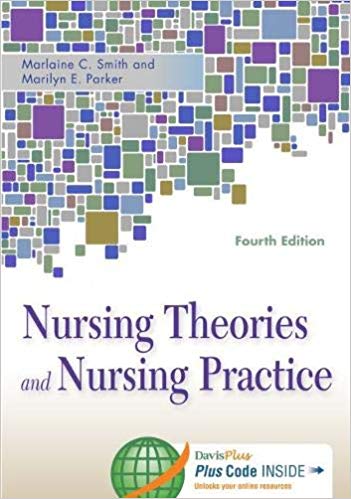
Nursing Theories And Nursing Practice 4th Edition By Smith - Test Bank

Nursing Theories And Nursing Practice 4th Edition By Smith - Test Bank   Instant Download - Complete Test Bank With Answers     Sample Questions Are Posted Below   Chapter 3 Statement of Intent The intent of this chapter is to describe the processes leading to implementation of nursing theory-guided practice models. Processes include choosing …

$19.99

Nursing Theories And Nursing Practice 4th Edition By Smith – Test Bank


Instant Download – Complete Test Bank With Answers


Sample Questions Are Posted Below


Chapter 3
Statement of Intent
The intent of this chapter is to describe the processes leading to implementation of nursing
theory-guided practice models. Processes include choosing possible theories of use in practice,
analyzing and evaluating these theories, and implementing theory in practice.

Chapter 3
Key Terms
Scope of nursing practice

Choosing

Values and beliefs

Nursing situations

Theory-guided practice

Connecting values

Creative nursing practice

Ways of knowing

Theoretical frames of reference

Theory evaluation guides

Empirical knowing

Personal knowing

Ethical knowing

Esthetic knowing

Chapter 3
Objectives
On completion of this chapter, students will be able to:
1. Describe the significance of nursing theory for nursing practice.
2. Identify questions from practicing nurses about using nursing theory.
3. Compare and contrast five approaches to evaluating nursing theory.
4. Demonstrate the use of study guides to direct the analysis and evaluation of selected nursing
theorists.
5. Articulate a process for implementing theory-guided practice.

Chapter 3
Outline
Significance of Nursing Theory for Nursing Practice
Nursing Practice as Essential for Developing, Testing, and Refining Nursing Theory
Creative Nursing Practice
Theoretical Frames of Reference
Depth and Scope of Nursing Practice
Responses to Questions from Practicing Nurses About Using Nursing Theory
My Nursing Practice
My Personal Interests, Abilities, and Experiences
Resources and Support
The Theorist, Evidence, and Opinion
Choosing a Nursing Theory to Study
Importance and Significance of Choosing
Hope and Anxiety
A Reflective Exercise for Choosing a Nursing Theory for Practice
Enduring Values
Nursing Situations
Connecting Values and the Nursing Situation
Verifying Awareness and Appreciation
Multiple Ways of Knowing and Reflecting on Nursing Theory
Empirical Knowing
Personal Knowing

Ethical Knowing
Esthetic Knowing
Using Insights to Choose Theory
Evaluation of Nursing Theory
Process of Making a Determination About the Value, Worth, and Significance of a
Theory
Addressing the Whole Theory
Level and Scope
Theory Evaluation Guides
Johnson (1974)
Chinn and Kramer (2004)
Fawcett (2000)
Melesis (1997)
Smith (2008)
Implementing Theory-Guided Practice
Gaining Administrative Support
Selecting a Model or Theory to Be Used in Practice
Launching the Imitative
Creating a Plan for Evaluation
Consistent and Constant Support and Education
Periodic Feedback
Re-visioning of the Theory-Guided Practice Model
Summary

References

Chapter 3
Questions for Classroom Discussion
1. Form small classroom groups (two or three students). After you have completed the
Reflective Exercise described in your text, identify a value that you believe strongly influences
your understanding of nursing. Draw a picture or take a photograph that you believe
demonstrates that value as it is lived in nursing. Share the artwork/photograph with your
groupmates and ask them: What do you think/see when you look at this? After they have shared
their thoughts, discuss the value you were trying to portray. Discuss any shared values that were
depicted within the group.
2. In small groups, share a brief description of a nursing situation. As a group, list as many
values guiding nursing that you can. Write down whatever comes to mind (the goal is to generate
as many listings as you can—do not edit responses at this point). Discuss the responses and edit
the list to consolidate those listings that seem to convey a similar value. Have each group
member individually rate the values in order of their importance with a numerical score. Share
your priorities with the group. Discuss the commonalities and differences. How might practice
be influenced from a set of hierarchical values?

Chapter 3
Multiple-Choice Questions
(Answers appear in bold)
1. The primary purpose of nursing theory is to:
A. Improve nursing practice.
B. Control health care costs.
C. Justify nursing costs.
D. Establish nursing as a discipline.

2. One of the most urgent issues facing the discipline of nursing is the artificial separation of
theory and practice.
A. True
B. False

3. Theories of any professional discipline are useless if they do not have an impact on practice.
A. True
B. False

4. Nursing practice is essential for all of the following except:
A. Developing nursing theory
B. Testing nursing theory
C. Refining nursing theory
D. Discovering nursing theory

5. Historically, nursing has always been distinctly separate from the medical model.
A. True
B. False

6. Nurses working together as colleagues often realize that:
A. Their views of nursing are not compatible.
B. They share the same values and beliefs.
C. The study of nursing theory does not enhance their work.
D. None of the above

7. Responses to guiding questions about theory in practice can be found in the following
resources:
A. Nursing literature
B. Audiovisual sources
C. Electronic sources
D. All of the above

8. How we come to know the science of nursing and other disciplines that are used in nursing
practice was described by Carper as:
A. Empirical knowing
B. Personal knowing
C. Ethical knowing
D. Esthetic knowing

9. How we come to know the moral component guiding choices within the complexity of health
care that guide day-to-day actions in nursing practice was described by Carper as:
A. Empirical knowing
B. Personal knowing
C. Ethical knowing
D. Esthetic knowing

10. Striving to know the self and to actualize authentic relationships between the nurse and the
one nursed was described by Carper as:
A. Empirical knowing
B. Personal knowing
C. Ethical knowing
D. Esthetic knowing

Additional information

Add Review

Your email address will not be published. Required fields are marked *