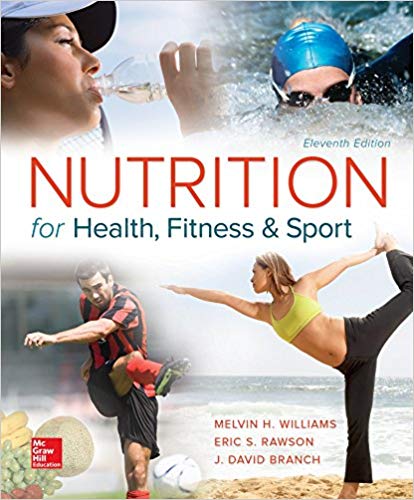
Nutrition for Health, Fitness and Sport 11th Edition by Melvin Williams - Test Bank

Nutrition for Health, Fitness and Sport 11th Edition by Melvin Williams - Test Bank   Instant Download - Complete Test Bank With Answers     Sample Questions Are Posted Below   Chapter 05 Test Bank   Student:                                                                                                                                                        1. How many Calories does one gram of fat yield? A. 9 7 C. 5 4 …

$19.99

Nutrition for Health, Fitness and Sport 11th Edition by Melvin Williams – Test Bank


Instant Download – Complete Test Bank With Answers


Sample Questions Are Posted Below


Chapter 05 Test Bank


Student:                                                                                                                                                     


  1. 1. How many Calories does one gram of fat yield?
  2. A. 9
  3. 7
  4. C. 5
  5. 4


  1. 2. Which of the following foods has the highest cholesterol content?
  2. A. Ice cream
  3. French toast
  4. C. Eggs
  5. Lobster


  1. 3. The major dietary source of lipids are
  2. A. phospholipids. B. cholesterol.
  3. C. sterols.
  4. triglycerides.


  1. 4. Which of the following is true of lipids?
  2. A. Lipids are a class of inorganic substances that are insoluble in water
  3. Glycerol is obtained only from one’s diet, with cholesterol as the major source

C Fatty acids are classified according to the number of carbon atoms each contains and the number of

. complete chemical bonds that each molecule has

  1. Omega-3 fatty acids are a special class of monounsaturated fatty acids found mainly in fish oils


  1. 5. The level of total cholesterol that represents the borderline/high risk category is                 milligrams per deciliter of blood.
  2. A. less than 180
  3. 180-200
  4. C. 200-239
  5. 240-260


  1. 6. Linoleic acid
  2. A. is an essential fatty acid that must be supplied in the die B. daily requirements range from 6-7 grams per day.
  3. C. is hard to obtain in adequate amounts on a vegetarian die D. is a saturated fatty acid that must be supplied in the diet.


  1. 7. According to the American Dietetic Association, Dietitians of Canada, and the American College of

Sports Medicine, there are no health or performance benefits to consuming a diet containing less than

                percent energy from fat. A. 5

  1. 10
  2. C. 15
  3. 20
  4. E. 25


  1. 8. Dietary fats are absorbed into the body in which of the following ways?
  2. A. Medium-chain triglycerides are converted to chylomicron and then transported directly to the liver

B Lipids are hydrolyzed into fatty acids, glycerol, cholesterol, and phospholipids with the aid of the

.  emulsifying action of the bile salts

  1. C. Long-chain fatty acids are absorbed directly into the blood
  2. A chylomicron is formed in the liver and then transported to the cells via the blood


  1. 9. The most popularly known method of classification of the major lipoproteins is based on the density of the lipoprotein particle. Which of the following statements is correct based on this method?
  2. A. Very low-density lipoproteins (VLDL) consist primarily of triglycerides from exogenous sources
  3. VLDL and IDL are both associated with apoprotein A
  4. C. LDL or low-density lipoproteins contain a high proportion of triglycerides
  5. High-density lipoproteins (HDL) contain 45-50 percent protein and are associated with apoprotein A


  1. 10. Body lipids serve which of the following functions?
  2. A. They form body structures, help regulate metabolism, and provide a source of energ

B.Cholesterol is a component of thyroxine and oxytocin, which have diverse effects in the regulation of human metabolism.

  1. C. The majority of the phospholipids in the body are used by the liver to produce bile salts.
  2. All of the answers are correct.


  1. 11. Which of the following is true concerning the functions of lipids in the body?
  2. A. The majority of the triglycerides are stored within and between the muscle cells
  3. The FFA are reduced to acetyl CoA and produce energy via the lactic acid system

C.Ketones are metabolic byproducts of excess fatty acid metabolism and are an important energy source during fasting and starvation

  1. The FFAs are used by the liver to form other lipids or glucose


  1. 12. Fat is a very efficient, compact means to store energy
  2. A. because fat has more than three times the Calories per gram than do carbohydrates and protein.
  3. as there is very little water in a gram of protein, compared to the 3-4 grams of water stored with each gram of fat.
  4. C. with approximately 80,000-100,000 Calories stored in the adipose tissue of the average adult male. D. None of the answers are correc


  1. 13. Which of the following is true for exercise when fat is the energy source?
  2. A. During rest, most of the energy needs of the body are met by the supply of plasma FFA to the cells. B.Hormones, such as epinephrine, are secreted during exercise, activate HSL, and these stimulate the

release of FFA into the blood.

C During high-intensity exercise, 75 percent of the total energy cost is derived from carbohydrates, while

. the other 25 percent or less is derived from fat.

  1. All of the answers are correct.


  1. 14. Studies have shown that endurance trained athletes
  2. A. derive more energy from carbohydrate at the same level of exercise than they did prior to training. B. rely less on ketones as an energy source.
  3. C. have an increased muscle triglyceride conten
  4. exhibit a decreased sensitivity of the adipose cells to epinephrine.


  1. 15. Which of the following statements best reflects the research on fat loading?
  2. A. Consumption of a high-fat meal several hours prior to performance will enhance performance
  3. The 40-30-30 diet will enhance athletic performance
  4. C. Fasting for 24 hours will improve endurance exercise performance
  5. Current scientific literature does not support the notion that fat loading will enhance performance


  1. 16. Which of the following statements regarding Omega-3 fatty acids is correct?
  2. A. They may be metabolized to produce prostaglandin E, which may stimulate the release of human growth hormone
  3. They may be incorporated in the membrane of the red blood cell, making the RBC more resistant to flow
  4. C. They have been theorized to be ergogenic for endurance athletes only
  5. There is sufficient scientific support for them to be classified as an ergogenic agent


  1. 17. Which of the following statements concerning carnitine is NOT supported by current research?
  2. A. Carnitine is not an essential dietary nutrient
  3. L-propionylcarnitine has been used to improve exercise capability in patients with serious diseases
  4. C. Most reviewers believe chronic supplementation will enhance prolonged aerobic endurance performance
  5. Acute supplementation does not appear to enhance performance


  1. 18. The form by which cholesterol is transported in your blood may be related to the development of atherosclerosis. In general,

A high levels of high-density lipoproteins, which act in a process known as reverse cholesterol transport,

. appear to lower the chances of developing atherosclerosis.

B.a high ratio of low-density lipoproteins to total cholesterol indicates a very low risk for developing coronary heart disease.

C high levels of high-density lipoproteins are associated with the formation of plaque because they are

.  prone to oxidation by macrophages.

  1. None of the answers are correct.


  1. 19. In order to improve your serum lipid profile you should limit your total intake of saturated and trans fat to less than percent of dietary Calories.
  2. A. 10
  3. 12
  4. C. 15
  5. 30


  1. 20. To improve your serum lipid profile, it is recommended that you reduce your cholesterol intake to

                  milligrams per day or less. A. 150

  1. 200
  2. C. 250
  3. 300


  1. 21. The level of serum triglyceride that is considered desirable is milligrams per deciliter of blood.
  2. A. less than 150
  3. 200-300
  4. C. 300-400
  5. more than 400


  1. 22. The apoproteins A (apo A) are associated with which type lipoprotein?
  2. A. chylomicron
  3. very low density
  4. C. intermediate density
  5. low density
  6. E. high density


  1. 23. In which of the following athletic events would fat assume a more important role as an energy source for the muscles?
  2. A. 800 meter run (2 minutes)
  3. 25 mile bicycle race (1 hour) C. 10 kilometer run (30 minutes) D. 10 mile swim (4.5 hours)
  4. E. soccer game (90 minutes)


  1. 24. Which of the following statements relative to cholesterol is false?
  2. A. all healthy diets should contain no cholesterol at all
  3. your body will manufacture most of the cholesterol that it needs
  4. C. cholesterol is a vital part of the structure of most body cells
  5. cholesterol is involved in the formation of certain compounds in the body, such as several hormones and bile salts
  6. E. excessive accumulation of cholesterol in the blood may pose a high risk for the development of coronary heart disease


  1. 25. Which of the following is most conducive to the development of atherosclerosis?
  2. A. a total cholesterol of 190 milligrams
  3. a low level of very low density lipoprotein cholesterol C. a high density lipoprotein cholesterol of 70 milligrams D. a low density lipoprotein cholesterol of 170 milligrams
  4. E. a total cholesterol/high density lipoprotein cholesterol ratio of less than 3.5


  1. 26. Which lipid dietary component appears to be most likely to cause an increase in serum cholesterol and the development of atherosclerosis?
  2. A. Saturated and trans fats
  3. polyunsaturated and linolenic fatty acids
  4. C. monounsaturated and oleic fats
  5. omega-3 and eicosapentanoeic fatty acids
  6. E. phospholipids and triglycerides


  1. 27. Which food exchange has the greatest percentage of its calories derived from fat?
  2. A. skim milk
  3. lean meat
  4. C. starch/bread
  5. vegetable
  6. E. fruit


  1. 28. Which of the following foods is likely to contain the least amount of saturated fats?
  2. A. hard stick margarine with hydrogenated corn oil
  3. cooking oil made of 100% olive oil
  4. C. butter
  5. sirloin steak
  6. E. artificial coffee whitener made with palm oil


  1. 29. Which of the following foods are rich in omega-3 fatty acids, particularly EPA and DHA?
  2. A. beans B. oats C. meat D. fish
  3. E. milk


  1. 30. What compound in the diet cannot be used to form fat if it is consumed in excess?
  2. A. fat
  3. complex carbohydrate C. simple carbohydrate D. protein
  4. E. alcohol
  5. F. all are capable of forming fat


  1. 31. Which compound is not found in plant foods?
  2. A. saturated fats
  3. polyunsaturated fats
  4. C. cholesterol
  5. iron
  6. E. complex carbohydrates


  1. 32. Which essential fatty acids are needed in the diet? (Hint: An AI has been set for both.) A. linoleic and alpha-linolenic
  2. oleic and canoleic C. stearic and linoleic D. palmitic and stearic
  3. E. palmitic and palmitoleic


  1. 33. Dietary fat helps the body absorb the fat-soluble vitamins, which include all of the following

EXCEPT: A. A

  1. K C. C D. D E. E


  1. 34. Which of the following statements relative to fats is FALSE?
  2. A. hydrogenation of fats makes them more saturated B. saturated fats are found primarily in animal foods C. vegetable fats are primarily unsaturated fats
  3. polyunsaturated fats are theorized to be more healthful than saturated fats
  4. E. saturated fats appear to help lower blood cholesterol levels


  1. 35. Which lipoprotein is theorized to transport cholesterol from the periphery to the liver for excretion

(reverse cholesterol transport)? A. beta lipoprotein

  1. LDL
  2. C. IDL D. HDL
  3. E. Chylomicron


  1. 36. Which of the following is NOT good advice in attempts to reduce SERUM cholesterol?
  2. A. limit whole egg consumption to about 2-4 per week
  3. eat fish and white poultry meat in place of saturated fat meat
  4. C. drink skim milk instead of whole milk
  5. use butter instead of soft tub, non-trans fatty acid margarine
  6. E. eat more fruits, vegetables and whole grain products


  1. 37. Fats may be a significant source of energy during exercise of low intensity and long duration. What is the main form of fats that are used for energy production during low-intensity exercise?
  2. A. phospholipids derived from the cell membrane
  3. chylomicrons from the liver
  4. C. free fatty acids from the adipose cells and muscle cells
  5. VLDL from the liver
  6. E. cholesterol from the kidney


  1. 38. Which of the following substances has been advertised for endurance athletes because, theoretically, it would enhance the oxidation of free fatty acids by facilitating their transfer into the mitochondria?
  2. A. creatine
  3. inosine
  4. C. coenzyme Q10
  5. alanine
  6. E. carnitine


  1. 39. An increase in which lipoprotein is theorized to be a major contributing factor to the development of atherosclerosis?
  2. A. VLDL B. LDL
  3. C. IDL D. HDL
  4. E. Chylomicron


  1. 40. Triglycerides are released from the adipose cells as: A. glucose and free fatty acids
  2. glycerol and free fatty acids
  3. C. glycogen and free fatty acids D. gluconate and free fatty acids E. glycocol and free fatty acids


  1. 41. The recommended dietary goals for healthy Americans suggest that cholesterol intake be reduced to less than mg per day?
  2. A. 50
  3. 100
  4. C. 300
  5. 600
  6. E. 1,000


  1. 42. Which of the following does not contain cholesterol?
  2. A. milk
  3. beef
  4. C. white fish
  5. beans
  6. E. chicken


  1. 43. Which of the following is not classified as a lipid?
  2. A. lipoprotein
  3. cholesterol
  4. C. phospholipid D. glycoprotein E. triglyceride
  5. F. all are classified as lipids


  1. 44. What is the AMDR for daily total fat intake, as a percentage of daily calories?
  2. A. 10-20
  3. 20-35
  4. C. 30-45
  5. 45-65
  6. E. 55-75


  1. 45. A total cholesterol level of 185 milligrams/deciliter is classified as what category by the National

Cholesterol Education Program? A. too low

  1. desirable
  2. C. borderline high
  3. high
  4. E. very high


  1. 46. The three principal risk factors associated with coronary artery disease are: A. age, obesity, and high blood pressure
  2. diabetes, high blood pressure, and gender
  3. C. cigarette smoking, heredity, and high blood pressure
  4. physical inactivity, diabetes, and high blood cholesterol
  5. E. high blood pressure, cigarette smoking, and high blood cholesterol


  1. 47. Which monounsaturated fatty acid is believed to reduce total cholesterol without reducing HDL- cholesterol.
  2. A. palmitic B. lardeolic C. stearic
  3. oleic
  4. E. monopolic


  1. 48. Which of the following is a fat substitute, not a carbohydrate substitute?
  2. A. Simplesse B. Aspartame C. Splenda
  3. Saccharine
  4. E. Sucralose


  1. 49. Which of the following statements regarding fat loading strategies is FALSE?

A Acute fat loading, such as consuming a meal high in fat before exercise, has not been shown to enhance

.  prolonged endurance performance

BAlthough some studies suggest chronic fat loading may spare use of muscle glycogen during endurance

. exercise, in general exercise scientists conclude that the technique is not an effective ergogenic aid for endurance athletes

CCarnitine supplementation has been shown to be a very effective dietary strategy to enhance endurance

. performance, particularly in events such as marathon running

D As compared to carbohydrate intake, research indicates that medium chain triglyceride (MCT)

. supplementation does not enhance endurance performance

E Omega-3 fatty acids have been hypothesized to enhance endurance performance, but research studies

. are not supportive of an ergogenic effect


  1. 50. Which of the following are considered to be the bad fats?
  2. A. Polyunsaturated fatty acids
  3. Olive oil and canola oil
  4. C. Saturated and trans fatty acids D. Monounsaturated fatty acids E. Omega-3 fatty acids


  1. 51. Which of the following is not a sound dietary strategy to help reduce serum cholesterol levels?
  2. A. Reduce the total amount of fats in the diet by eating more plant foods
  3. Substitute monounsaturated fats for saturated fats
  4. C. Eat more fish, particularly fish rich in omega-3 fatty acids
  5. Consume less refined sugars and more complex carbohydrates with fiber
  6. E. Consume more trans fats, which help increase HDL cholesterol


  1. 52. L-carnitine supplementation has bee used effectively to improve exercise capability in patients with all of the following EXCEPT:
  2. A. congestive heart failure
  3. peripheral vascular disease
  4. C. diabetes
  5. chronic obstructive pulmonary disease


  1. 53. Due to potential health hazards, dietary fat holds no real value in human nutrition.

True   False


  1. 54. Some plant foods, such as nuts, seeds, and avocados are very high in fat conten

True   False


  1. 55. The fat in most plant foods is mostly unsaturated.

True   False


  1. 56. Products that advertise they are 95 percent fat free will have 5 percent of their Calories as fa

True   False


  1. 57. Cholesterol is one of the lipids known as sterols and it is a fat found in animal tissues.

True   False


  1. 58. Plant foods contain small amounts of cholesterol.

True   False


  1. 59. Your body can make all of the phospholipids it needs.

True   False


  1. 60. One goal of the Healthy North American Diet is to reduce the average American’s intake of cholesterol to approximately 100 milligrams of cholesterol for every 1,000 Calories consumed.

True   False


  1. 61. A chylomicron contains large amounts of phospholipids and smaller amounts of triglycerides.

True   False


  1. 62. Adverse reactions to CLA supplementation are mild, with gastrointestinal distress being most commonly reported.

True   False


  1. 63. Both amino acids and carbohydrates may be converted to fat via acetyl CoA when caloric expenditure is less than caloric intake.

True   False


  1. 64. All fatty acids needed by the body may be synthesized in the bod

True   False


  1. 65. Eicosanoids possess hormone-like properties that influence a number of physiological functions.

True   False


  1. 66. An enzyme known as hormone-sensitive lipase is necessary to transport the fatty acids into the mitochondria.

True   False


  1. 67. Trained athletes use more fat than untrained athletes during a standardized exercise tas

True   False


  1. 68. On a per-calorie basis, trans fats appear to increase the risk of coronary heart disease no more than any other macronutrien

True   False


  1. 69. There appears to be a performance benefit associated with the consumption of a high-fat meal several hours prior to performance.

True   False


  1. 70. There is considerable scientific data to support that the 40-30-30 diet plan enhances athletic performance.

True   False


  1. 71. Glycerol has shown ergogenic effects because it prevents hypoglycemia and increases body water stores.

True   False


  1. 72. Lecithin supplements do not appear to improve exercise performance, but several of its constituents have been theorized to enhance exercise performance.

True   False


  1. 73. HCA supplementation is effective in increasing total fat oxidation in endurance-trained individuals.

True   False


  1. 74. The total percentage of deaths due to coronary heart disease has been declining in recent years and thus is no longer the number one cause of death among Americans.

True   False


  1. 75. Coronary heart disease should not be confused with coronary artery disease because the first is primarily genetic, while the latter tends to be initiated by poor dietary choices.

True   False


  1. 76. Arteriosclerosis, one form of atherosclerosis, is characterized by deposits of various fatty substances, cells, and debris on the arterial walls.

True   False


  1. 77. The major villain that may predispose an individual to coronary heart disease is high HDL cholesterol levels.

True   False


  1. 78. To prevent the development of atherosclerosis or reverse its progress, an appropriate diet and exercise program are the two key elements recommended by health professionals.

True   False


  1. 79. Many authorities believe that the benefits gained from exercise are actually due to possible associated effects such as reductions in body fat and blood pressure.

True   False


  1. 80.


Check any accurate statement from the following: Lipids are organic molecules


Fatty acids varie based on the number of carbons they contain.


Polyunsaturated fatty acids have a single double bond and can incorporate two hydrogen ions.


The hydrogenation process leads to the saturation of lipids.


81.

True   False


Lard fat is rich in polyunsaturated fatty acids.


82.

True   False


There is a positive correlation between the foods water content and their quantity of fat calories.


83.

True   False


1 oz of pork contains the same cholesterol content as 1 oz of lobster.


84.

True   False


The cholesterol content in our body comes from an exogenous source (food intake) and an endogenous source (within the body).


The AMDR recommended for dietary fat is


A.

20-35% of the daily caloric intake.


B.

35-55% of the daily caloric intake.


C.

20-45% of the daily caloric intake.


D.

45-55% of the daily caloric intake.


  1. 86.


Check any accurate statement from the following: VLDL consist of triglycerides formed in the liver.


Apoprotein B is associated with VLDL.


LDL are rich in cholesterol and phospholipids.


LDL are responsible for the reverse cholesterol transport.


87.

True   False


An increase serum level of LDL is positively correlated with a risk of coronary heart diseases.


True     Fals:!


Fatty adds utilization during high-intensity exerds:! is Iimited by the FFA delivery to the mus::lesand the fatty acid oxidation.


Chapter 05 Test Bank Key

  1. 1. How many Calories does one gram of fat yield?
  2. 9
  3. 7
  4. C. 5
  5. 4


  1. 2. Which of the following foods has the highest cholesterol content?
  2. A. Ice cream
  3. French toast
  4. Eggs
  5. Lobster

Blooms Level: 1. Remember Gradable: automatic Learning Objective: 05-02

Question Type: Multiple Choice

Topic: Lipids


  1. 3. The major dietary source of lipids are
  2. A. phospholipids. cholesterol.
  3. C. sterols.
  4. triglycerides.

Blooms Level: 1. Remember Gradable: automatic Learning Objective: 05-01

Question Type: Multiple Choice

Topic: Lipids


  1. 4. Which of the following is true of lipids?
  2. A. Lipids are a class of inorganic substances that are insoluble in water

Blooms Level: 1. Remember Gradable: automatic Learning Objective: 05-01

Question Type: Multiple Choice

Topic: Lipids


  1. Glycerol is obtained only from one’s diet, with cholesterol as the major source

C Fatty acids are classified according to the number of carbon atoms each contains and the number of

.  complete chemical bonds that each molecule has

  1. Omega-3 fatty acids are a special class of monounsaturated fatty acids found mainly in fish oils


Blooms Level: 2. Understand Gradable: automatic Learning Objective: 05-03

Question Type: Multiple Choice

Topic: Lipids

  1. 5. The level of total cholesterol that represents the borderline/high risk category is             milligrams

per deciliter of blood. A. less than 180

  1. 180-200
  2. 200-239
  3. 240-260


Blooms Level: 1. Remember Gradable: automatic Learning Objective: 05-07

Question Type: Multiple Choice

Topic: Lipids


  1. 6. Linoleic acid
  2. is an essential fatty acid that must be supplied in the diet. B. daily requirements range from 6-7 grams per day.
  3. C. is hard to obtain in adequate amounts on a vegetarian die
  4. is a saturated fatty acid that must be supplied in the diet.


Blooms Level: 1. Remember Gradable: automatic Learning Objective: 05-01

Question Type: Multiple Choice

Topic: Lipids

  1. 7. According to the American Dietetic Association, Dietitians of Canada, and the American College of

Sports Medicine, there are no health or performance benefits to consuming a diet containing less than

                percent energy from fat. A. 5

  1. 10
  2. C. 15
  3. 20
  4. E. 25


  1. 8. Dietary fats are absorbed into the body in which of the following ways?

Blooms Level: 2. Understand Gradable: automatic Learning Objective: 05-04

Question Type: Multiple Choice

Topic: Lipids


  1. A. Medium-chain triglycerides are converted to chylomicron and then transported directly to the liver

B.Lipids are hydrolyzed into fatty acids, glycerol, cholesterol, and phospholipids with the aid of the emulsifying action of the bile salts

  1. C. Long-chain fatty acids are absorbed directly into the blood
  2. A chylomicron is formed in the liver and then transported to the cells via the blood


Blooms Level: 2. Understand Gradable: automatic Learning Objective: 05-03

Question Type: Multiple Choice

Topic: Lipids

  1. 9. The most popularly known method of classification of the major lipoproteins is based on the density

of the lipoprotein particle. Which of the following statements is correct based on this method?

  1. A. Very low-density lipoproteins (VLDL) consist primarily of triglycerides from exogenous sources
  2. VLDL and IDL are both associated with apoprotein A
  3. C. LDL or low-density lipoproteins contain a high proportion of triglycerides
  4. High-density lipoproteins (HDL) contain 45-50 percent protein and are associated with apoprotein

A


  1. 10. Body lipids serve which of the following functions?

Blooms Level: 1. Remember Gradable: automatic Learning Objective: 05-03

Question Type: Multiple Choice

Topic: Lipids


  1. A. They form body structures, help regulate metabolism, and provide a source of energ
  2. Cholesterol is a component of thyroxine and oxytocin, which have diverse effects in the regulation of human metabolism.
  3. C. The majority of the phospholipids in the body are used by the liver to produce bile salts.
  4. All of the answers are correct.


Blooms Level: 2. Understand Gradable: automatic Learning Objective: 05-03

Question Type: Multiple Choice

Topic: Lipids


  1. 11. Which of the following is true concerning the functions of lipids in the body?
  2. A. The majority of the triglycerides are stored within and between the muscle cells
  3. The FFA are reduced to acetyl CoA and produce energy via the lactic acid system

C.Ketones are metabolic byproducts of excess fatty acid metabolism and are an important energy source during fasting and starvation

  1. The FFAs are used by the liver to form other lipids or glucose


  1. 12. Fat is a very efficient, compact means to store energy

Blooms Level: 2. Understand Gradable: automatic Learning Objective: 05-03

Question Type: Multiple Choice

Topic: Lipids


  1. A. because fat has more than three times the Calories per gram than do carbohydrates and protein. as there is very little water in a gram of protein, compared to the 3-4 grams of water stored with

each gram of fat.

  1. with approximately 80,000-100,000 Calories stored in the adipose tissue of the average adult male. D. None of the answers are correct.


  1. 13. Which of the following is true for exercise when fat is the energy source?

Blooms Level: 1. Remember Gradable: automatic Learning Objective: 05-03

Question Type: Multiple Choice

Topic: Lipids


  1. A. During rest, most of the energy needs of the body are met by the supply of plasma FFA to the cells. B.Hormones, such as epinephrine, are secreted during exercise, activate HSL, and these stimulate the

release of FFA into the blood.

C During high-intensity exercise, 75 percent of the total energy cost is derived from carbohydrates,

.  while the other 25 percent or less is derived from fat.

  1. All of the answers are correct.


  1. 14. Studies have shown that endurance trained athletes

Blooms Level: 2. Understand Gradable: automatic Learning Objective: 05-04

Question Type: Multiple Choice

Topic: Lipids


  1. A. derive more energy from carbohydrate at the same level of exercise than they did prior to training. rely less on ketones as an energy source.
  2. have an increased muscle triglyceride content.
  3. exhibit a decreased sensitivity of the adipose cells to epinephrine.


  1. 15. Which of the following statements best reflects the research on fat loading?

Blooms Level: 2. Understand Gradable: automatic Learning Objective: 05-04

Question Type: Multiple Choice

Topic: Lipids


  1. A. Consumption of a high-fat meal several hours prior to performance will enhance performance
  2. The 40-30-30 diet will enhance athletic performance
  3. C. Fasting for 24 hours will improve endurance exercise performance
  4. Current scientific literature does not support the notion that fat loading will enhance performance


Blooms Level: 2. Understand Gradable: automatic Learning Objective: 05-06

Question Type: Multiple Choice

Topic: Lipids


  1. 16. Which of the following statements regarding Omega-3 fatty acids is correct?
  2. They may be metabolized to produce prostaglandin E, which may stimulate the release of human growth hormone
  3. They may be incorporated in the membrane of the red blood cell, making the RBC more resistant to flow
  4. C. They have been theorized to be ergogenic for endurance athletes only
  5. There is sufficient scientific support for them to be classified as an ergogenic agent


Blooms Level: 2. Understand Gradable: automatic Learning Objective: 05-06

Question Type: Multiple Choice

Topic: Lipids

  1. 17. Which of the following statements concerning carnitine is NOT supported by current research?
  2. A. Carnitine is not an essential dietary nutrient
  3. L-propionylcarnitine has been used to improve exercise capability in patients with serious diseases
  4. Most reviewers believe chronic supplementation will enhance prolonged aerobic endurance performance
  5. Acute supplementation does not appear to enhance performance


Blooms Level: 4. Analyze Gradable: automatic Learning Objective: 05-06

Question Type: Multiple Choice

Topic: Lipids

  1. 18. The form by which cholesterol is transported in your blood may be related to the development of

atherosclerosis. In general,

A high levels of high-density lipoproteins, which act in a process known as reverse cholesterol

. transport, appear to lower the chances of developing atherosclerosis.

  1. a high ratio of low-density lipoproteins to total cholesterol indicates a very low risk for developing coronary heart disease.

C.high levels of high-density lipoproteins are associated with the formation of plaque because they are prone to oxidation by macrophages.

  1. None of the answers are correct.


Blooms Level: 4. Analyze Gradable: automatic Learning Objective: 05-07

Question Type: Multiple Choice

Topic: Lipids

  1. 19. In order to improve your serum lipid profile you should limit your total intake of saturated and trans

fat to less than                 percent of dietary Calories.

  1. 10
  2. 12
  3. C. 15
  4. 30


Blooms Level: 1. Remember Gradable: automatic Learning Objective: 05-08

Question Type: Multiple Choice

Topic: Healthy Diet Guidelines

  1. 20. To improve your serum lipid profile, it is recommended that you reduce your cholesterol intake to

                  milligrams per day or less. A. 150

  1. 200
  2. C. 250
  3. 300


Blooms Level: 1. Remember Gradable: automatic Learning Objective: 05-08

Question Type: Multiple Choice

Topic: Healthy Diet Guidelines


  1. 21. The level of serum triglyceride that is considered desirable is           milligrams per deciliter of blood.
  2. less than 150
  3. 200-300
  4. C. 300-400
  5. more than 400


  1. 22. The apoproteins A (apo A) are associated with which type lipoprotein?
  2. A. chylomicron
  3. very low density
  4. C. intermediate density
  5. low density
  6. high density

Blooms Level: 1. Remember Gradable: automatic Learning Objective: 05-08

Question Type: Multiple Choice

Topic: Lipids


Blooms Level: 1. Remember Gradable: automatic Learning Objective: 05-03

Question Type: Multiple Choice

Topic: Lipids

  1. 23. In which of the following athletic events would fat assume a more important role as an energy source

for the muscles?

  1. A. 800 meter run (2 minutes)
  2. 25 mile bicycle race (1 hour) C. 10 kilometer run (30 minutes) D. 10 mile swim (4.5 hours)
  3. E. soccer game (90 minutes)


  1. 24. Which of the following statements relative to cholesterol is false?
  2. all healthy diets should contain no cholesterol at all
  3. your body will manufacture most of the cholesterol that it needs
  4. C. cholesterol is a vital part of the structure of most body cells

Blooms Level: 2. Understand Gradable: automatic Learning Objective: 05-04

Question Type: Multiple Choice

Topic: Lipids


  1. cholesterol is involved in the formation of certain compounds in the body, such as several hormones and bile salts
  2. E. excessive accumulation of cholesterol in the blood may pose a high risk for the development of coronary heart disease


Blooms Level: 4. Analyze Gradable: automatic Learning Objective: 05-03

Question Type: Multiple Choice

Topic: Lipids

  1. 25. Which of the following is most conducive to the development of atherosclerosis?
  2. A. a total cholesterol of 190 milligrams
  3. a low level of very low density lipoprotein cholesterol
  4. C. a high density lipoprotein cholesterol of 70 milligrams
  5. a low density lipoprotein cholesterol of 170 milligrams
  6. E. a total cholesterol/high density lipoprotein cholesterol ratio of less than 3.5


Blooms Level: 2. Understand Gradable: automatic Learning Objective: 05-07

Question Type: Multiple Choice

Topic: Lipids


  1. 26. Which lipid dietary component appears to be most likely to cause an increase in serum cholesterol and the development of atherosclerosis?
  2. Saturated and trans fats
  3. polyunsaturated and linolenic fatty acids
  4. C. monounsaturated and oleic fats
  5. omega-3 and eicosapentanoeic fatty acids
  6. E. phospholipids and triglycerides


Blooms Level: 2. Understand Gradable: automatic Learning Objective: 05-07

Question Type: Multiple Choice

Topic: Lipids

  1. 27. Which food exchange has the greatest percentage of its calories derived from fat?
  2. A. skim milk
  3. B. lean meat
  4. C. starch/bread
  5. vegetable
  6. E. fruit


Blooms Level: 1. Remember Gradable: automatic Learning Objective: 05-01

Question Type: Multiple Choice

Topic: Lipids

  1. 28. Which of the following foods is likely to contain the least amount of saturated fats?
  2. A. hard stick margarine with hydrogenated corn oil
  3. B. cooking oil made of 100% olive oil
  4. C. butter
  5. sirloin steak
  6. E. artificial coffee whitener made with palm oil


Blooms Level: 1. Remember Gradable: automatic Learning Objective: 05-01

Question Type: Multiple Choice

Topic: Lipids

  1. 29. Which of the following foods are rich in omega-3 fatty acids, particularly EPA and DHA?
  2. A. beans oats C. meat
  3. fish
  4. E. milk


Blooms Level: 1. Remember Gradable: automatic Learning Objective: 05-01

Question Type: Multiple Choice

Topic: Lipids

  1. 30. What compound in the diet cannot be used to form fat if it is consumed in excess?
  2. A. fat
  3. complex carbohydrate C. simple carbohydrate D. protein
  4. E. alcohol
  5. all are capable of forming fat


  1. 31. Which compound is not found in plant foods?
  2. A. saturated fats
  3. polyunsaturated fats
  4. cholesterol
  5. iron
  6. E. complex carbohydrates


Blooms Level: 2. Understand Gradable: automatic Learning Objective: 05-01

Question Type: Multiple Choice

Topic: Lipids

  1. 32. Which essential fatty acids are needed in the diet? (Hint: An AI has been set for both.)
  2. linoleic and alpha-linolenic
  3. oleic and canoleic C. stearic and linoleic D. palmitic and stearic
  4. E. palmitic and palmitoleic


Blooms Level: 1. Remember Gradable: automatic Learning Objective: 05-01

Question Type: Multiple Choice

Topic: Healthy Diet Guidelines

  1. 33. Dietary fat helps the body absorb the fat-soluble vitamins, which include all of the following

EXCEPT: A. A

  1. K
  2. C D. D E. E


  1. 34. Which of the following statements relative to fats is FALSE?
  2. A. hydrogenation of fats makes them more saturated saturated fats are found primarily in animal foods C. vegetable fats are primarily unsaturated fats
  3. polyunsaturated fats are theorized to be more healthful than saturated fats
  4. saturated fats appear to help lower blood cholesterol levels

Blooms Level: 2. Understand Gradable: automatic Learning Objective: 05-03

Question Type: Multiple Choice

Topic: Lipids


Blooms Level: 4. Analyze Gradable: automatic Learning Objective: 05-07

Question Type: Multiple Choice

Topic: Lipids

  1. 35. Which lipoprotein is theorized to transport cholesterol from the periphery to the liver for excretion

(reverse cholesterol transport)? A. beta lipoprotein

  1. LDL C. IDL
  2. HDL
  3. E. Chylomicron


  1. 36. Which of the following is NOT good advice in attempts to reduce SERUM cholesterol?
  2. A. limit whole egg consumption to about 2-4 per week
  3. eat fish and white poultry meat in place of saturated fat meat
  4. C. drink skim milk instead of whole milk
  5. use butter instead of soft tub, non-trans fatty acid margarine
  6. E. eat more fruits, vegetables and whole grain products


Blooms Level: 2. Understand Gradable: automatic Learning Objective: 05-08

Question Type: Multiple Choice

Topic: Healthy Diet Guidelines

  1. 37. Fats may be a significant source of energy during exercise of low intensity and long duration. What is

the main form of fats that are used for energy production during low-intensity exercise? A. phospholipids derived from the cell membrane

  1. chylomicrons from the liver
  2. free fatty acids from the adipose cells and muscle cells
  3. VLDL from the liver
  4. E. cholesterol from the kidney


Blooms Level: 2. Understand Gradable: automatic Learning Objective: 05-04

Question Type: Multiple Choice

Topic: Lipids

  1. 38. Which of the following substances has been advertised for endurance athletes because, theoretically, it

would enhance the oxidation of free fatty acids by facilitating their transfer into the mitochondria? A. creatine

  1. inosine
  2. C. coenzyme Q10
  3. alanine
  4. carnitine


Blooms Level: 1. Remember Gradable: automatic Learning Objective: 05-05

Question Type: Multiple Choice

Topic: Lipids

  1. 39. An increase in which lipoprotein is theorized to be a major contributing factor to the development of

atherosclerosis? A. VLDL

  1. B. LDL C. IDL
  2. HDL
  3. E. Chylomicron


  1. 40. Triglycerides are released from the adipose cells as: A. glucose and free fatty acids
  2. B. glycerol and free fatty acids
  3. C. glycogen and free fatty acids gluconate and free fatty acids E. glycocol and free fatty acids

Blooms Level: 2. Understand Gradable: automatic Learning Objective: 05-07

Question Type: Multiple Choice

Topic: Lipids


Blooms Level: 1. Remember Gradable: automatic Learning Objective: 05-03

Question Type: Multiple Choice

Topic: Lipids


  1. 41. The recommended dietary goals for healthy Americans suggest that cholesterol intake be reduced to less than     mg per day?
  2. A. 50
  3. 100
  4. 300
  5. 600
  6. E. 1,000


  1. 42. Which of the following does not contain cholesterol?
  2. A. milk
  3. beef
  4. C. white fish
  5. beans
  6. E. chicken

Blooms Level: 1. Remember Gradable: automatic Learning Objective: 05-08

Question Type: Multiple Choice

Topic: Healthy Diet Guidelines


  1. 43. Which of the following is not classified as a lipid?
  2. A. lipoprotein
  3. cholesterol
  4. C. phospholipid
  5. glycoprotein
  6. E. triglyceride
  7. F. all are classified as lipids

Blooms Level: 1. Remember Gradable: automatic Learning Objective: 05-01

Question Type: Multiple Choice

Topic: Lipids


  1. 44. What is the AMDR for daily total fat intake, as a percentage of daily calories?
  2. A. 10-20
  3. B. 20-35
  4. C. 30-45
  5. 45-65
  6. E. 55-75

Blooms Level: 1. Remember Gradable: automatic Learning Objective: 05-01

Question Type: Multiple Choice

Topic: Lipids


Blooms Level: 1. Remember Gradable: automatic Learning Objective: 05-02

Question Type: Multiple Choice

Topic: Lipids

  1. 45. A total cholesterol level of 185 milligrams/deciliter is classified as what category by the National

Cholesterol Education Program? A. too low

  1. B. desirable
  2. C. borderline high
  3. high
  4. E. very high


Blooms Level: 1. Remember Gradable: automatic Learning Objective: 05-08

Question Type: Multiple Choice

Topic: Healthy Diet Guidelines


  1. 46. The three principal risk factors associated with coronary artery disease are: A. age, obesity, and high blood pressure
  2. diabetes, high blood pressure, and gender
  3. C. cigarette smoking, heredity, and high blood pressure
  4. physical inactivity, diabetes, and high blood cholesterol
  5. high blood pressure, cigarette smoking, and high blood cholesterol


Blooms Level: 2. Understand Gradable: automatic Learning Objective: 05-08

Question Type: Multiple Choice

Topic: Lipids

  1. 47. Which monounsaturated fatty acid is believed to reduce total cholesterol without reducing HDL-

cholesterol. A. palmitic B. lardeolic C. stearic

  1. oleic
  2. E. monopolic


  1. 48. Which of the following is a fat substitute, not a carbohydrate substitute?
  2. Simplesse B. Aspartame C. Splenda
  3. Saccharine
  4. E. Sucralose

Blooms Level: 2. Understand Gradable: automatic Learning Objective: 05-07

Question Type: Multiple Choice

Topic: Lipids


  1. 49. Which of the following statements regarding fat loading strategies is FALSE?

Blooms Level: 1. Remember Gradable: automatic Learning Objective: 05-07

Question Type: Multiple Choice

Topic: Lipids


A Acute fat loading, such as consuming a meal high in fat before exercise, has not been shown to

.  enhance prolonged endurance performance

BAlthough some studies suggest chronic fat loading may spare use of muscle glycogen during

. endurance exercise, in general exercise scientists conclude that the technique is not an effective ergogenic aid for endurance athletes

CCarnitine supplementation has been shown to be a very effective dietary strategy to enhance

. endurance performance, particularly in events such as marathon running

D As compared to carbohydrate intake, research indicates that medium chain triglyceride (MCT)

.  supplementation does not enhance endurance performance

E.Omega-3 fatty acids have been hypothesized to enhance endurance performance, but research studies are not supportive of an ergogenic effect


  1. 50. Which of the following are considered to be the bad fats?
  2. A. Polyunsaturated fatty acids
  3. Olive oil and canola oil
  4. Saturated and trans fatty acids D. Monounsaturated fatty acids E. Omega-3 fatty acids

Blooms Level: 2. Understand Gradable: automatic Learning Objective: 05-06

Question Type: Multiple Choice

Topic: Lipids


Blooms Level: 2. Understand Gradable: automatic Learning Objective: 05-07

Question Type: Multiple Choice

Topic: Lipids


  1. 51. Which of the following is not a sound dietary strategy to help reduce serum cholesterol levels?
  2. A. Reduce the total amount of fats in the diet by eating more plant foods
  3. Substitute monounsaturated fats for saturated fats
  4. C. Eat more fish, particularly fish rich in omega-3 fatty acids
  5. Consume less refined sugars and more complex carbohydrates with fiber
  6. Consume more trans fats, which help increase HDL cholesterol


Blooms Level: 2. Understand Gradable: automatic Learning Objective: 05-08

Question Type: Multiple Choice

Topic: Healthy Diet Guidelines

  1. 52. L-carnitine supplementation has bee used effectively to improve exercise capability in patients with all

of the following EXCEPT: A. congestive heart failure

  1. peripheral vascular disease
  2. diabetes
  3. chronic obstructive pulmonary disease


Blooms Level: 2. Understand Gradable: automatic Learning Objective: 05-06

Question Type: Multiple Choice

Topic: Lipids

  1. 53. Due to potential health hazards, dietary fat holds no real value in human nutrition.

FAL SE


  1. 54. Some plant foods, such as nuts, seeds, and avocados are very high in fat conten

T RUE

Blooms Level: 2. Understand Gradable: automatic Learning Objective: 05-03

Question Type: True/False

Topic: Lipids


  1. 55. The fat in most plant foods is mostly unsaturated.

T RUE

Blooms Level: 1. Remember Gradable: automatic Learning Objective: 05-01

Question Type: True/False

Topic: Lipids


Blooms Level: 1. Remember Gradable: automatic Learning Objective: 05-01

Question Type: True/False

Topic: Lipids

  1. 56. Products that advertise they are 95 percent fat free will have 5 percent of their Calories as fa

FAL SE


Blooms Level: 2. Understand Gradable: automatic Learning Objective: 05-01

Question Type: True/False

Topic: Lipids

  1. 57. Cholesterol is one of the lipids known as sterols and it is a fat found in animal tissues.

FAL SE


  1. 58. Plant foods contain small amounts of cholesterol.

FAL SE

Blooms Level: 1. Remember Gradable: automatic Learning Objective: 05-01

Question Type: True/False

Topic: Lipids


Blooms Level: 1. Remember Gradable: automatic Learning Objective: 05-01

Question Type: True/False

Topic: Lipids


  1. 59. Your body can make all of the phospholipids it needs.

T RUE


Blooms Level: 1. Remember Gradable: automatic Learning Objective: 05-01

Question Type: True/False

Topic: Lipids

  1. 60. One goal of the Healthy North American Diet is to reduce the average American’s intake of

cholesterol to approximately 100 milligrams of cholesterol for every 1,000 Calories consumed.

T RUE


Blooms Level: 1. Remember Gradable: automatic Learning Objective: 05-07

Question Type: True/False

Topic: Healthy Diet Guidelines

  1. 61. A chylomicron contains large amounts of phospholipids and smaller amounts of triglycerides.

FAL SE


Blooms Level: 2. Understand Gradable: automatic Learning Objective: 05-03

Question Type: True/False

Topic: Lipids

  1. 62. Adverse reactions to CLA supplementation are mild, with gastrointestinal distress being most

commonly reported.

T RUE


Blooms Level: 2. Understand Gradable: automatic Learning Objective: 05-06

Question Type: True/False

Topic: Lipids

  1. 63. Both amino acids and carbohydrates may be converted to fat via acetyl CoA when caloric expenditure

is less than caloric intake.

T RUE


  1. 64. All fatty acids needed by the body may be synthesized in the bod

FAL SE

Blooms Level: 2. Understand Gradable: automatic Learning Objective: 05-04

Question Type: True/False

Topic: Lipids


Blooms Level: 1. Remember Gradable: automatic Learning Objective: 05-03

Question Type: True/False

Topic: Lipids

  1. 65. Eicosanoids possess hormone-like properties that influence a number of physiological functions.

T RUE


Blooms Level: 2. Understand Gradable: automatic Learning Objective: 05-06

Question Type: True/False

Topic: Lipids

  1. 66. An enzyme known as hormone-sensitive lipase is necessary to transport the fatty acids into the

mitochondria.

FAL SE


Blooms Level: 1. Remember Gradable: automatic Learning Objective: 05-03

Question Type: True/False

Topic: Lipids


  1. 67. Trained athletes use more fat than untrained athletes during a standardized exercise tas

T RUE


Blooms Level: 2. Understand Gradable: automatic Learning Objective: 05-04

Question Type: True/False

Topic: Lipids

  1. 68. On a per-calorie basis, trans fats appear to increase the risk of coronary heart disease no more than

any other macronutrient.

FAL SE


Blooms Level: 2. Understand Gradable: automatic Learning Objective: 05-08

Question Type: True/False

Topic: Lipids

  1. 69. There appears to be a performance benefit associated with the consumption of a high-fat meal several

hours prior to performance.

FAL SE


Blooms Level: 2. Understand Gradable: automatic Learning Objective: 05-05

Question Type: True/False

Topic: Lipids

  1. 70. There is considerable scientific data to support that the 40-30-30 diet plan enhances athletic

performance.

FAL SE


Blooms Level: 2. Understand Gradable: automatic Learning Objective: 05-05

Question Type: True/False

Topic: Lipids

  1. 71. Glycerol has shown ergogenic effects because it prevents hypoglycemia and increases body water

stores.

FAL SE


Blooms Level: 2. Understand Gradable: automatic Learning Objective: 05-06

Question Type: True/False

Topic: Lipids

  1. 72. Lecithin supplements do not appear to improve exercise performance, but several of its constituents

have been theorized to enhance exercise performance.

T RUE


Blooms Level: 2. Understand Gradable: automatic Learning Objective: 05-06

Question Type: True/False

Topic: Lipids

  1. 73. HCA supplementation is effective in increasing total fat oxidation in endurance-trained

individuals.

FAL SE


Blooms Level: 2. Understand Gradable: automatic Learning Objective: 05-06

Question Type: True/False

Topic: Lipids

  1. 74. The total percentage of deaths due to coronary heart disease has been declining in recent years and

thus is no longer the number one cause of death among Americans.

FAL SE


Blooms Level: 1. Remember Gradable: automatic Learning Objective: 05-07

Question Type: True/False

Topic: Lipids


  1. 75. Coronary heart disease should not be confused with coronary artery disease because the first is primarily genetic, while the latter tends to be initiated by poor dietary choices.

FAL SE


Blooms Level: 2. Understand Gradable: automatic Learning Objective: 05-07

Question Type: True/False

Topic: Lipids

  1. 76. Arteriosclerosis, one form of atherosclerosis, is characterized by deposits of various fatty substances,

cells, and debris on the arterial walls.

FAL SE


Blooms Level: 2. Understand Gradable: automatic Learning Objective: 05-07

Question Type: True/False

Topic: Lipids

  1. 77. The major villain that may predispose an individual to coronary heart disease is high HDL cholesterol

levels.

FAL SE


Blooms Level: 1. Remember Gradable: automatic Learning Objective: 05-08

Question Type: True/False

Topic: Lipids

  1. 78. To prevent the development of atherosclerosis or reverse its progress, an appropriate diet and exercise

program are the two key elements recommended by health professionals.

T RUE


Blooms Level: 2. Understand Gradable: automatic Learning Objective: 05-09

Question Type: True/False

Topic: Lipids

  1. 79. Many authorities believe that the benefits gained from exercise are actually due to possible associated

effects such as reductions in body fat and blood pressure.

FAL SE


80.

Blooms Level: 1. Remember Gradable: automatic Learning Objective: 05-09

Question Type: True/False

Topic: Lipids


Check any accurate statement from the following:


X

Lipids are organic molecules


X

Fatty acids varie based on the number of carbons they contain.


Polyunsaturated fatty acids have a single double bond and can incorporate two hydrogen ions.


X

The hydrogenation process leads to the saturation of lipids.


Blooms Level: 2. Understand Gradable: automatic Learning Objective: 05-01

Question Type: Multiple Choice

Topic: Lipids


FAL SE


Lard fat is rich in polyunsaturated fatty acids.


82.


T RUE

Blooms Level: 3. Apply Gradable: automatic Question Type: True/False

Topic: Lipids


There is a positive correlation between the foods water content and their quantity of fat calories.


83.


T RUE


1 oz of pork contains the same cholesterol content as 1 oz of lobster.

Blooms Level: 2. Understand Gradable: automatic Learning Objective: 05-02

Question Type: True/False

Topic: Lipids


84.


T RUE

Blooms Level: 3. Apply Gradable: automatic Learning Objective: 05-02

Question Type: True/False

Topic: Lipids


The cholesterol content in our body comes from an exogenous source (food intake) and an endogenous source (within the body).


Blooms Level: 2. Understand Gradable: automatic Learning Objective: 05-02

Question Type: True/False

Topic: Lipids


The AMDR recommended for dietary fat is


A.

20-35% of the daily caloric intake.


B.

35-55% of the daily caloric intake.


C.

20-45% of the daily caloric intake.


D.

45-55% of the daily caloric intake.


86.

Blooms Level: 1. Remember Gradable: automatic Learning Objective: 05-02

Question Type: Multiple Choice

Topic: Lipids


Check any accurate statement from the following:


X

VLDL consist of triglycerides formed in the liver.


X

Apoprotein B is associated with VLDL.


X

LDL are rich in cholesterol and phospholipids.


LDL are responsible for the reverse cholesterol transport.


87.


T RUE

Blooms Level: 1. Remember Gradable: automatic Learning Objective: 05-03

Question Type: Multiple Choice

Topic: Lipids


An increase serum level of LDL is positively correlated with a risk of coronary heart diseases.


Blooms Level: 2. Understand Gradable: automatic Learning Objective: 05-03

Question Type: True/False

Topic: Lipids


TRUE


Fatty acids utilization during high-intensity exercis:! is limited by the FFA delivery to the mus::les and the fatty add oxidation.


Blooms Level: 1. Rerrarber Gradable:  auto!1Etic Learning Objective: 05-04

Topic: Lipids


Chapter 05 Test Bank Summary

Categor y # of Questi ons
Bloom’s Level: 1. Remember 37
Bloom’s Level: 2. Understand 45
Bloom’s Level: 3. Apply 2
Bloom’s Level: 4. Analyze 4
Gradable: automatic 88
Learning Objective: 05-01 17
Learning Objective: 05-02 6
Learning Objective: 05-03 18
Learning Objective: 05-04 8
Learning Objective: 05-05 3
Learning Objective: 05-06 10
Learning Objective: 05-07 13
Learning Objective: 05-08 10
Learning Objective: 05-09 2
Question Type: Multiple Choice 55
Question Type: True/False 32
Topic: Healthy Diet Guidelines 8
Topic: Lipids 80


Additional information

Add Review

Your email address will not be published. Required fields are marked *