Subtotal: $820.00

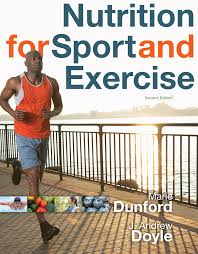
Nutrition for Sport And Exercise 2nd Edition by Marie Dunford - Test Bank

Nutrition for Sport And Exercise 2nd Edition by Marie Dunford - Test Bank   Instant Download - Complete Test Bank With Answers     Sample Questions Are Posted Below   Test Bank[1] for Nutrition for Sport & Exercise 2e Chapter 5 – Proteins   Learning Objectives   Describe amino acids and how the structure of …

$19.99

Nutrition for Sport And Exercise 2nd Edition by Marie Dunford – Test Bank


Instant Download – Complete Test Bank With Answers


Sample Questions Are Posted Below


Test Bank[1] for Nutrition for Sport & Exercise 2e

Chapter 5 – Proteins


Learning Objectives


  1. Describe amino acids and how the structure of a protein affects its function.
  2. Describe the digestion, absorption, transportation, and metabolism of amino acids.
  3. Describe when and how the body uses protein to fuel exercise.
  4. Explain the role of protein in the immune system and how endurance exercise can affect its function.
  5. State protein recommendations for athletes and the effects of high and low protein and/or energy intakes on training, performance, and health.
  6. Explain the physiological basis for recommendations related to amount and timing of protein intake before, during, and after exercise.
  7. Identify sources of dietary protein.
  8. Assess an athlete’s dietary protein intake.
  9. Evaluate dietary supplements containing amino acids and proteins for safety, effectiveness, and purity.


Question Information Key


ANS = correct answer                                           REF = page reference

DIF = question classification                                OBJ = learning objective


Multiple Choice


  1. The basic component of all proteins is:
  2. creatine.
  3. amino acids.
  4. purines.
  5. glucose.


ANS: b       DIF: Recall                                                REF: 152               OBJ: 5.1


  1. The chemical composition of proteins differs from carbohydrate or fat because of the presence of:
  2. sodium.
  3. carbon.
  4. nitrogen.
  5. hydrogen.


ANS: c       DIF: Recall                                                REF: 153               OBJ: 5.1


  1. Amino acids that can be manufactured by the body are best described as:
  2. essential.
  3. dispensable.
  4. indispensable.
  5. complete.


ANS: b       DIF: Recall                                                REF: 153               OBJ: 5.1


  1. How does an indispensable amino acid differ from an essential amino acid?
  2. Caloric content
  3. Nitrogen content
  4. Rate of absorption
  5. No difference other than terminology


ANS: d       DIF: Comprehension                                 REF: 153               OBJ: 5.1


  1. Which athlete is most likely to be at risk for low protein intake?
  2. Male recreational athlete
  3. Female body builder
  4. Athlete in a “stop and go” sport
  5. Athlete with disordered eating


ANS: d       DIF: Comprehension                                 REF: 153               OBJ: 5.5


  1. The factors that determine protein quality include:
  2. amount and rate of absorption.
  3. rate and degree of metabolism/oxidation.
  4. amount and type of amino acids.
  5. digestibility and rate of turnover.


ANS: c       DIF: Comprehension                                 REF: 153-154        OBJ: 5.1


  1. A food protein that contains all of the indispensable amino acids in the proper amounts and proportions to support growth is termed a(n):
  2. complete protein.
  3. complementary protein.
  4. incomplete protein.
  5. indispensable protein.


ANS: a       DIF: Recall                                                REF: 154-155        OBJ: 5.1


  1. Which of the following is an example of a complete protein?
  2. Egg whites
  3. Legumes
  4. Whole grains
  5. Vegetables


ANS: a       DIF: Recall                                                REF: 156               OBJ: 5.1


  1. The primary (1st level) structure of the protein determines its:
  2. function.
  3. shape.
  4. rigidity or stability.
  5. ability to bind with other compounds.


ANS: a       DIF: Recall                                                REF: 157               OBJ: 5.1


  1. Absorption of food proteins takes place primarily in the:
  2. stomach and jejunum.
  3. jejunum and ileum.
  4. ileum and colon.
  5. colon and rectum.


ANS: b       DIF: Recall                                                REF: 159               OBJ: 5.2


  1. The amino acids that are most rapidly absorbed from the intestine are:
  2. dispensable amino acids.
  3. indispensable amino acids.
  4. dietary supplements containing pre-digested proteins.
  5. dietary supplements containing casein.


ANS: b       DIF: Recall/comprehension                      REF: 160               OBJ: 5.2


  1. On a protein supplement label, what does the term pre-digested mean?
  2. A carrier is not needed for absorption
  3. Absorption will be faster when compared to food proteins
  4. Proteins have been exposed to enzymes during processing
  5. Caloric content is lower than food proteins


ANS: c       DIF: Recall                                                REF: 160               OBJ: 5.2|5.9


  1. The organ considered the clearinghouse for most amino acids is the:
  2. liver.
  3. kidney.
  4. heart.
  5. brain.


ANS: a       DIF: Recall                                                REF: 160               OBJ: 5.2


  1. What is the amino acid pool?
  2. Total amount of amino acids in the body
  3. Total amount of amino acids in the skeletal muscles
  4. Amino acids recently absorbed that are in need of transport
  5. Amino acids circulating in the blood or fluid between cells


ANS: d       DIF: Comprehension                                 REF: 160               OBJ: 5.2


  1. Which amino acid is found in the greatest concentration in the amino acid pool?
  2. Alanine
  3. Glutamine
  4. Leucine
  5. No one amino acid predominates


ANS: b       DIF: Recall                                                REF: 160               OBJ: 5.2


  1. How are amino acids supplied to the amino acid pool?
  2. Skeletal muscle catabolism
  3. De novo synthesis
  4. Dietary protein
  5. All of the above


ANS: d       DIF: Comprehension                                 REF: 162               OBJ: 5.2


  1. To provide a protein-sparing effect, the athlete needs to consume sufficient:
  2. complementary proteins.
  3. energy from carbohydrate and fat.
  4. fluid.
  5. animal proteins.


ANS: b       DIF: Comprehension                                 REF: 163               OBJ: 5.2


  1. Protein is best used:
  2. as a source of glucose.
  3. as a concentrated source of energy.
  4. for growth and repair of tissue.
  5. for metabolic regulation of fat.


ANS: c       DIF: Comprehension                                 REF: 163|166       OBJ: 5.3


  1. An increase in the size of skeletal muscle tissue is referred to as:
  2. proteolysis.
  3. proteoneogenesis.
  4. hypertrophy.
  5. protein-sparing effect.


ANS: c       DIF: Recall                                                REF: 166               OBJ: 5.3


  1. One gram of protein yields approximately how many kcal?
  2. 1
  3. 4
  4. 7
  5. 9


ANS: b       DIF: Recall                                                REF: 163               OBJ: 5.2


  1. On a gram for gram basis, protein has approximately the same amount of energy as:
  2. carbohydrate.
  3. fat.
  4. alcohol .
  5. minerals.


ANS: a       DIF: Comprehension                                 REF: 163               OBJ: 5.2


  1. The point of entry for an amino acid into the Krebs cycle is determined by its:
  2. nitrogen content.
  3. caloric content.
  4. potential to produce ammonia.
  5. structure.


ANS: d       DIF: Comprehension                                 REF: 163-164        OBJ: 5.2


  1. Which athlete would use protein as an energy source to the greatest extent?
  2. Recreational athlete
  3. Strength athlete
  4. Endurance athlete
  5. All of the above would use about the same amount


ANS: c       DIF: Comprehension                                 REF: 164               OBJ: 5.3


  1. Which athlete would likely use protein as an energy source during competition?
  2. Marathon runner
  3. 800 meter runner
  4. Body builder
  5. Rower


ANS: a       DIF: Comprehension                                 REF: 164               OBJ: 5.3


  1. Which of the following correctly describes the glucose-alanine cycle?
  2. Muscle converts alanine to glucose for use as immediate energy.
  3. Muscle converts alanine to pyruvate or lactate and converts them to glucose when muscle glycogen stores are low.
  4. Glucose is converted to alanine in the muscle in the post-exercise period.
  5. Muscle converts pyruvate to alanine, which is transported to the liver for potential conversion to glucose.


ANS: d       DIF: Comprehension                                 REF: 164               OBJ: 5.3


  1. What is nitrogen balance?
  2. The amount of muscle protein synthesized compared to the amount degraded.
  3. The amount and rate of protein turnover.
  4. The difference between nitrogen intake and loss.
  5. The difference between the amount of protein absorbed and the amount incorporated into skeletal muscle.


ANS: c       DIF: Comprehension                                 REF: 166               OBJ: 5.1|5.6


  1. What effect does insufficient energy (kcal) intake have on protein need?
  2. Increases protein need
  3. Decreases protein need
  4. No effect on protein need


ANS: a       DIF: Recall/comprehension                      REF: 180               OBJ: 5.5


  1. _____ is the production of glucose from a non-carbohydrate source, such as amino acids.
  2. Glycolysis
  3. Gluconeogenesis
  4. Lipolysis
  5. Ketosis


ANS: b       DIF: Recall/Comprehension                     REF: 164               OBJ: 5.2


  1. In the post-absorptive state (e.g. 10 hours after a meal), which is NOT likely to occur?
  2. Breakdown of liver glycogen
  3. Gluconeogenesis
  4. Lipolysis
  5. Synthesis of skeletal muscle


ANS: d       DIF: Comprehension                                 REF: 168-169        OBJ: 5.2


  1. With a 24-hour fast, the body is nearly depleted of liver glycogen. Where does the liver predominantly get the material it needs to manufacture glucose?
  2. Continued breakdown of liver glycogen until complete depletion
  3. Breakdown of skeletal muscle
  4. Breakdown of red blood cells
  5. Manufacture of ketone bodies


ANS: b       DIF: Comprehension                                 REF: 182               OBJ: 5.3


  1. The amount of protein recommended daily for sedentary adult males and non-pregnant females is:
  2. 0.5 g/kg of body weight.
  3. 0.8 g/kg of body weight.
  4. 1.2 g/kg of body weight.
  5. 1.4 g/kg of body weight.


ANS: b       DIF: Recall                                                REF: 171               OBJ: 5.5


  1. The amount of protein recommended daily for sedentary adult males and non-pregnant females expressed as a percentage of total caloric intake is:
  2. 5-15%.
  3. 10-35%.
  4. 20-35%.
  5. 35-45%


ANS: b       DIF: Recall                                                REF: 174               OBJ: 5.5


  1. The amount of protein recommended daily for strength athletes is _____ per kg of body weight.
  2. 0.8 to 1.0 g
  3. 1.2 to 1.4 g
  4. 1.2 to 1.7 g
  5. more than 2.0 g


ANS: c       DIF: Recall                                                REF: 171               OBJ: 5.5


  1. The amount of protein recommended daily for endurance athletes is _____ per kg of body weight.
  2. 0.8 to 1.0 g
  3. 1.2 to 1.4 g
  4. 1.2 to 1.7 g
  5. more than 2.0 g


ANS: b       DIF: Recall                                                REF: 171               OBJ: 5.5


  1. The amount of protein recommended daily for recreational athletes who do not train is:
  2. 0.8 to 1.0 g per kg of body weight.
  3. 1.2 to 1.4 g per kg of body weight.
  4. 1.2 to 1.7 g per kg of body weight.
  5. more than 2.0 g per kg of body weight.


ANS: a       DIF: Recall                                                REF: 171               OBJ: 5.5


  1. Why do athletes who restrict their energy intakes need more protein?
  2. More protein will burned for energy
  3. Protein is converted to muscle glycogen when carbohydrate intake is restricted
  4. To maintain fluid balance
  5. To spare muscle glycogen from being used during exercise


ANS: a       DIF: Comprehension                                 REF: 174|178       OBJ: 5.5


  1. Why is it commonly recommended that vegetarian athletes consume approximately 10% more protein than non-vegetarian athletes?
  2. More protein is burned for energy by vegetarian athletes.
  3. Vegetarians have a more difficult time synthesizing skeletal muscle protein.
  4. To maintain fluid balance.
  5. To account for lower digestibility of plant proteins.


ANS: d       DIF: Comprehension                                 REF: 176               OBJ: 5.5


  1. What is the “anabolic window?”
  2. Amount of time between the ingestion of protein and its absorption.
  3. Amount of time between the absorption of protein and its metabolism.
  4. A post-exercise state that favors muscle recovery and growth.
  5. Any time that plasma insulin levels are low.


ANS: c       DIF: Comprehension                                 REF: 176               OBJ: 5.6


  1. What effect does insulin have on amino acids?
  2. Increases absorption
  3. Blocks nitrogen excretion
  4. Promotes protein synthesis
  5. No effect on amino acids


ANS: c       DIF: Comprehension                                 REF: 177               OBJ: 5.2|5.6


  1. Which of the following is (are) recommended for post-exercise intake?
  2. Low-fat chocolate milk
  3. Fruit-in-the-bottom yogurt
  4. Turkey sandwich
  5. All of the above


ANS: d       DIF: Comprehension                                 REF: 177               OBJ: 5.5


  1. Maximum protein synthesis takes place with an intake of _____ of high-quality protein post-exercise.
  2. an unknown quantity
  3. 10 grams
  4. 20 grams
  5. 30 grams


ANS: c       DIF: Comprehension                                 REF: 176-177        OBJ: 5.5|5.6


  1. Which of the following is a true statement regarding the short-term effects of high-protein diets on healthy athletes?
  2. Such diets are a physiological stress on the liver and the kidneys.
  3. Such diets result in abnormal renal function
  4. Such diets cause liver and kidney disease.
  5. Such diets seem to be safe.


ANS: d       DIF: Comprehension                                 REF: 178               OBJ: 5.5


  1. Long-term high protein intake may negatively affect the health of which organ?
  2. Stomach
  3. Intestinal tract
  4. Kidney
  5. Brain


ANS: c       DIF: Comprehension                                 REF: 178-179        OBJ: 5.5


  1. The athlete most likely to have the lowest protein intake is one with:
  2. a clinical eating disorder.
  3. a sub-clinical eating disorder.
  4. high muscularity but a low percentage of body fat.
  5. all of the above


ANS: a       DIF: Comprehension                                 REF: 180               OBJ: 5.5


  1. The _____ system is highly dependent on protein because of rapid cell turnover.
  2. renal
  3. immune
  4. neurological
  5. cardiovascular


ANS: b       DIF: Comprehension                                 REF: 182               OBJ: 5.4


  1. The amount of protein generally consumed daily by athletes. is:
  2. more than recommended.
  3. less than recommended.
  4. approximately the amount recommended.


ANS: c       DIF: Comprehension                                 REF: 178               OBJ: 5.5


  1. The amount of protein generally consumed daily by strength athletes is:
  2. more than recommended.
  3. less than recommended.
  4. approximately the amount recommended.


ANS: a       DIF: Comprehension                                 REF: 178-179        OBJ: 5.5


  1. Which of the following foods contain(s) both proteins and carbohydrates?
  2. Milk
  3. Beans and legumes
  4. Nuts
  5. All of the above


ANS: d       DIF: Comprehension                                 REF: 183               OBJ: 5.7


  1. Which of the following foods contains primarily proteins and little carbohydrates or fats?
  2. Whole-wheat pasta
  3. Plain baked potato
  4. Egg whites
  5. All of the above


ANS: c       DIF: Comprehension                                 REF: 183               OBJ: 5.7


  1. Which vegetable protein has an amino acid profile that is considered comparable to animal protein?
  2. Brown rice
  3. Soy protein isolate
  4. Almonds
  5. Dried beans


ANS: b       DIF: Comprehension                                 REF: 186               OBJ: 5.7


  1. Which of the following is NOT an example of complementary proteins?
  2. Red beans and rice
  3. Pinto beans and corn tortillas
  4. Tofu and rice
  5. Scrambled eggs with non-fat milk


ANS: d       DIF: Comprehension                                 REF: 185               OBJ: 5.7


  1. How do whey and casein differ?
  2. Whey is a milk protein, casein is a plant protein
  3. Each is comprised of different amino acids
  4. Whey has fewer kcal
  5. There is no difference


ANS: b       DIF: Comprehension                                 REF: 186-187        OBJ: 5.9


  1. Which of the following does NOT contain lactose?
  2. Whey powder
  3. Whey protein concentrate
  4. Whey protein isolate
  5. All of the above


ANS: c       DIF: Comprehension                                 REF: 187               OBJ: 5.9


  1. The label of a protein supplement states that it contains a “fast-acting” protein. This terminology suggests that the supplement contains:
  2. whey.
  3. casein.
  4. glucose.
  5. insulin.


ANS: a       DIF: Comprehension                                 REF: 187               OBJ: 5.9


  1. A protein that is described as “fast-acting” contains a high proportion of:
  2. dispensable amino acids.
  3. indispensable amino acids.
  4. conditionally indispensable amino acids.
  5. complementary proteins.


ANS: b       DIF: Comprehension                                 REF: 187               OBJ: 5.9


  1. Are supplements containing whey and casein considered safe?
  2. These supplements are thought to be safe
  3. These supplements are not thought to be safe


ANS: a       DIF: Comprehension/analysis                 REF: 186|187       OBJ: 5.9


  1. Based on the current body of scientific research, is a whey protein supplement effective for increasing muscle size or strength?
  2. There is emerging evidence of effectiveness
  3. There is no evidence of effectiveness
  4. There is not enough evidence at this time to determine effectiveness


ANS: a       DIF: Comprehension/analysis                 REF: 187-188        OBJ: 5.9


  1. β-hydroxy-β-methylbutyrate (HMB) is a metabolite of:
  2. alanine.
  3. phenylalanine.
  4. glutamine.
  5. leucine.


ANS: d       DIF: Recall                                                REF: 189               OBJ: 5.9


  1. Is a 2-3 g/day β-hydroxy-β-methylbutyrate (HMB) supplement considered safe?
  2. A 2-3 g/day dose is thought to be safe
  3. HMB is thought to be safe at doses less than 1 g/day
  4. HMB is not safe at any dose


ANS: a       DIF: Comprehension/analysis                 REF: 189-190        OBJ: 5.9


  1. Is a β-hydroxy-β-methylbutyrate (HMB) supplement effective for increasing muscle size and strength in trained male athletes?
  2. There is strong evidence of effectiveness.
  3. There is little or no evidence of effectiveness.


ANS: b       DIF: Comprehension/analysis                 REF: 189-190        OBJ: 5.9


  1. What amino acid is considered conditionally indispensable in long-distance runners?
  2. Creatine
  3. HMB
  4. Glucosamine
  5. Glutamine


ANS: d       DIF: Comprehension                                 REF: 190-191        OBJ: 5.4|5.9


  1. What does the term conditionally indispensable mean?
  2. Under stressful conditions, amino acids that normally could be made by the body must be provided by the diet.
  3. Under certain conditions, the body only needs 10 amino acids not the usual 20 amino acids to build and repair tissue.
  4. Under no conditions can these amino acids be broken down to provide energy.
  5. Under starvation conditions, these amino acids can be manufactured without a nitrogen-containing (amino) group.


ANS: a       DIF: Recall/comprehension                      REF: 153               OBJ: 5.1|5.9


  1. A distance runner states that she is taking glutamine supplements because she is constantly plagued by upper respiratory tract infections. Is there a biologically plausible link?
  2. Yes, because glutamine can be a fuel source for immune system cells under the stress of prolonged exercise.
  3. No, because glutamine is not directly associated with the immune system.


ANS: a       DIF: Comprehension                                 REF: 190-191        OBJ: 5.4|5.9


  1. Is a 5 g/day glutamine supplement considered safe?
  2. A 5 g/day dose is thought to be safe
  3. Glutamine is thought to be safe at doses less than 1 g/day
  4. Glutamine is not safe at any dose


ANS: a       DIF: Comprehension/analysis                 REF: 191               OBJ: 5.9


  1. According to the current body of scientific research, are glutamine supplements effective for reducing the number of infections in endurance athletes?
  2. There is strong evidence of effectiveness
  3. There is not enough evidence to conclusively state that they are effective
  4. There is no evidence of effectiveness


ANS: c       DIF: Comprehension/analysis                 REF: 191               OBJ: 5.9


  1. Can glutamine intake be increased without supplementation?
  2. Yes, by increasing protein-containing foods
  3. Yes, by increasing intake of plant fats
  4. No, glutamine is only produced in the body and dietary intake has no effect


ANS: a       DIF: Comprehension                                 REF: 191               OBJ: 5.9


  1. Based on physiological function, the type of athlete who would likely benefit the most from supplemental branched chain amino acids is a(n):
  2. recreational athlete.
  3. body builder.
  4. ultraendurance athlete.
  5. “stop and go” athlete.


ANS: c       DIF: Comprehension                                 REF: 190               OBJ: 5.9


  1. Is a 50 g/day branched chain amino acid (BCAA) supplement considered safe?
  2. A 50 g/day dose is thought to be safe
  3. A 50 g/day dose is not safe because such a dose can result in a reduction in fat oxidation
  4. A safe dose is considered to be 5 to 20 g/day
  5. Supplemental BCAA is not safe at any dose


ANS: c       DIF: Comprehension                                 REF: 190               OBJ: 5.9


  1. According to the current body of scientific research, is a branched chain amino acid supplement effective for improving endurance performance in trained endurance athletes?
  2. There is strong evidence of effectiveness.
  3. There is little or no evidence of effectiveness.


ANS: b       DIF: Comprehension                                 REF: 189|190       OBJ: 5.9


  1. According to the current body of scientific research, is a branched chain amino acid supplement effective for improving immune system response?
  2. There is strong evidence of effectiveness
  3. There is some evidence of effectiveness but the number of studies is small
  4. There is no evidence of effectiveness in humans


ANS: b       DIF: Comprehension                                 REF: 189|190       OBJ: 5.9


  1. Can branched chain amino acid (BCAA) intake be increased without supplementation?
  2. Yes, by increasing protein-containing foods
  3. Yes, by increasing intake of plant fats
  4. No, BCAA are only produced in the body and dietary intake has no effect


ANS: a       DIF: Comprehension                                 REF: 190               OBJ: 5.9


  1. What is glucosamine?
  2. Alternative name for chondroitin
  3. Type of oil that can interact with water
  4. Amino acid compound that can be stored in muscle glycogen
  5. Compound made up of glucose and glutamine


ANS: d       DIF: Recall                                                REF: 190               OBJ: 5.9


  1. What is the purported mechanism for glucosamine supplementation?
  2. Increased rate of skeletal muscle synthesis
  3. Attenuation of the body’s inflammatory response
  4. Prevention of the breakdown of cartilage
  5. All of the above


ANS: c       DIF: Comprehension                                 REF: 190               OBJ: 5.9


  1. Is a 750 mg/day glucosamine supplement considered safe?
  2. A 750 mg/day dose is thought to be safe
  3. Glucosamine is thought to be safe at doses less than 500 mg/day
  4. Glucosamine is not safe at any dose


ANS: a       DIF: Comprehension                                 REF: 190               OBJ: 5.9


  1. Based on well-designed scientific research, is glucosamine likely to be effective for reducing mild knee pain from osteoarthritis?
  2. Yes, studies show that knee pain is reduced by approximately 20%
  3. No; however, it might be effective in those with moderate-to-severe knee pain


ANS: b       DIF: Comprehension/analysis                 REF: 190               OBJ: 5.9


  1. Can glucosamine intake be increased without supplementation?
  2. Yes, by increasing protein-containing foods
  3. Yes, by increasing intake of plant fats
  4. No, glucosamine is only produced in the body and dietary intake has no effect


ANS: c       DIF: Comprehension                                 REF: 190               OBJ: 5.9


Use the following scenario to answer questions 77-81. Raymond, a healthy 190-pound strength athlete, is consuming approximately 2.0 g of protein per kilogram of body weight over a 3-month period while he tries to increase muscle mass.


  1. How much protein is Raymond consuming daily?
  2. 47.5 g
  3. 129 g
  4. 172 g
  5. 380 g


ANS: c       DIF: Comprehension/application             REF: 171|184       OBJ: 5.8


  1. Is this level of protein intake considered dangerous to health?
  2. Yes, kidney or liver problems would be likely
  3. No, kidney or liver problems would not be likely in a healthy individual


ANS: b       DIF: Comprehension                                 REF: 171               OBJ: 5.8


  1. Raymond is considering ingesting some of the protein as a protein supplement. How does the effectiveness of a protein supplement compare to food proteins for building muscle mass?
  2. Protein supplements are more effective than food proteins
  3. Protein supplements are less effective than food proteins
  4. Protein supplements are equally as effective as food proteins


ANS: c       DIF: Comprehension/analysis                 REF: 186               OBJ: 5.8


  1. Raymond complains that he is feeling thirstier than before he started consuming a higher-protein diet. Is this likely related to his higher protein intake?
  2. Yes, a large increase in protein intake can have an effect on hydration status
  3. No, the amount of protein consumed does not affect hydration status


ANS: a       DIF: Comprehension/analysis                 REF: 179               OBJ: 5.8


  1. Raymond’s intake of energy (kcal) remains the same as always. He complains that he is more fatigued since starting a high-protein diet. The most likely reason is:
  2. the lack of fat in his diet.
  3. the lack of carbohydrate in his diet.
  4. unexpected weight loss.


ANS: b       DIF: Comprehension/analysis                 REF: 179-180        OBJ: 5.8


True/False


  1. There are 20 different amino acids that can be used to make various body proteins.


ANS: T       DIF: Recall                                                REF: 153               OBJ: 5.1


  1. The body is capable of manufacturing all of the amino acids it needs but it must have sufficient energy to be able to do so.


ANS: F       DIF: Comprehension                                 REF: 153               OBJ: 5.1


  1. Nonessential refers to amino acids that are not needed by the body but can be used by the body as a source of energy.


ANS: F       DIF: Comprehension                                 REF: 153               OBJ: 5.1


  1. The primary structure of a polypeptide determines how a protein will function.


ANS: T       DIF: Recall                                                REF: 156-157        OBJ: 5.1


  1. Protein digestion begins in the stomach and involves hydrochloric acid and pepsin.


ANS: T       DIF: Comprehension                                 REF: 159               OBJ: 5.2


  1. Dispensable amino acids are absorbed more rapidly than indispensable amino acids.


ANS: F       DIF: Comprehension                                 REF: 160               OBJ: 5.2


  1. Proteins from food provide about 98 percent of the amino acids absorbed from the small intestine.


ANS: F       DIF: Comprehension                                 REF: 160               OBJ: 5.2


  1. Nitrogen is lost from the body in both urine and feces.


ANS: T       DIF: Recall                                                REF: 160|166       OBJ: 5.2


  1. When skeletal muscle is catabolized, the amino acids are returned to the amino acid pool.


ANS: T       DIF: Comprehension                                 REF: 162               OBJ: 5.2|5.3


  1. An alpha-keto acid is frequently referred to as a “carbon skeleton.”


ANS: T       DIF: Comprehension                                 REF: 162               OBJ: 5.2|5.3


  1. The “storage” site for protein is skeletal muscle.


ANS: T       DIF: Comprehension                                 REF: 163               OBJ: 5.2|5.3


  1. The catabolism of protein can produce ammonia, a product that is toxic to the body.


ANS: T       DIF: Comprehension                                 REF: 164               OBJ: 5.2|5.3


  1. During the late stages of prolonged endurance exercise, alanine can be converted to glucose in skeletal muscle.


ANS: F       DIF: Comprehension                                 REF: 164               OBJ: 5.3


  1. One of the benefits of aerobic exercise training is the ability to significantly increase the use of leucine as an energy source.


ANS: F       DIF: Comprehension                                 REF: 164               OBJ: 5.3


  1. To achieve positive nitrogen balance and increase muscle mass, both protein and energy intakes must be sufficient.


ANS: T       DIF: Comprehension                                 REF: 168               OBJ: 5.5


  1. One of the results of fasting is the increased use of amino acids as a source of glucose.


ANS: T       DIF: Comprehension                                 REF: 167               OBJ: 5.5


  1. Protein recommendations for strength athletes are considerably higher than for endurance athletes because resistance exercise increases nitrogen excretion.


ANS: F       DIF: Comprehension                                 REF: 171|174       OBJ: 5.5


  1. When energy intake is deficient, protein intake should be increased.


ANS: T       DIF: Comprehension                                 REF: 167|175       OBJ: 5.5


  1. Strong evidence indicates that consuming carbohydrate combined with protein in a 4:1 ratio during exercise enhances performance to a greater extent than carbohydrate intake alone.


ANS: F       DIF: Comprehension/analysis                 REF: 178               OBJ: 5.6


  1. A typical recommendation for vegetarian athletes is to consume 10 percent more protein than a non-vegetarian athlete.


ANS: T       DIF: Recall                                                REF: 176               OBJ: 5.5


  1. Consumption of both carbohydrates and proteins are recommended after exercise to provide the body the energy and nutrients needed for proper recovery.


ANS: T       DIF: Comprehension                                 REF: 177               OBJ: 5.6


  1. The amount of post-exercise protein intake associated with maximum protein synthesis is 30 g.


ANS: F       DIF: Comprehension                                 REF: 176-177        OBJ: 5.6


  1. Strength athletes who are advised to consume 1 g of protein per pound of body weight are being advised to consume 2.2 g/kg body weight.


ANS: T       DIF: Comprehension/Synthesis               REF: 171|177       OBJ: 5.5


  1. Short-term high-protein diets have been shown to have a harmful effect on renal (kidney) function in healthy adults.


ANS: F       DIF: Comprehension                                 REF: 178               OBJ: 5.6


  1. Concerns have been raised regarding the relationship between long-term high-protein diets and the risk for an accelerated progression of kidney disease.


ANS: T       DIF: Comprehension                                 REF: 178-179        OBJ: 5.6


  1. There is substantial evidence in both rats and humans that positive nitrogen balance can be achieved with a low-calorie diet that is high in protein.


ANS: F       DIF: Comprehension                                 REF: 181               OBJ: 5.5|5.6


  1. Athletes with eating disorders are likely to have low protein intakes.


ANS: T       DIF: Comprehension                                 REF: 180               OBJ: 5.5|5.6


  1. It is prudent for athletes who wish to lose body fat to follow a high-protein, low-kilocalorie diet, although scientific studies in this area are lacking.


ANS: T       DIF: Comprehension/Synthesis               REF: 181-182        OBJ: 5.6


  1. A polypeptide that is necessary to speed up a chemical reaction in the body is known as an enzyme.


ANS: T       DIF: Recall/comprehension                      REF: 157               OBJ: 5.1


  1. The majority of athletes consume a sufficient amount of protein.


ANS: T       DIF: Recall                                                REF: 178               OBJ: 5.8


  1. Whole milk, low-fat milk, and skim milk differ in both their protein and fat contents.


ANS: F       DIF: Comprehension                                 REF: 182-184        OBJ: 5.7


  1. Meat, fish, and poultry are examples of foods that contain protein.


ANS: T       DIF: Recall                                                REF: 182-184        OBJ: 5.7


  1. Nuts contain proteins, carbohydrates, and fats.


ANS: T       DIF: Comprehension                                 REF: 182-184        OBJ: 5.7


  1. Corn tortillas and pinto beans are an example of complementary proteins.


ANS: T       DIF: Recall                                                REF: 185-186        OBJ: 5.7


  1. Protein supplements occasionally contain the same proteins that are found in food, but most protein supplements are specially formulated amino acid preparations that are superior to food proteins.


ANS: F       DIF: Comprehension                                 REF: 186-187        OBJ: 5.9


  1. Protein supplements are more effective than food proteins for increasing muscle size and strength.


ANS: F       DIF: Comprehension                                 REF: 186-187        OBJ: 5.9


  1. Whey and casein are processed from milk.


ANS: T       DIF: Comprehension                                 REF: 186               OBJ: 5.9


  1. The amino acids in casein are absorbed faster than the amino acids in whey.


ANS: F       DIF: Comprehension                                 REF: 186-187        OBJ: 5.9


  1. β-hydroxy-β-methylbutyrate (HMB) supplements have been shown to be safe and effective for increasing muscle size and strength in trained male athletes.


ANS: F       DIF: Comprehension                                 REF: 189-190        OBJ: 5.9


Matching


Match the food with its nutrient content. Use each answer only once.

  1. Contains 100% protein
  2. Contains protein and fat but no carbohydrate
  3. Contains protein and carbohydrate but no fat
  4. Contains protein, carbohydrate, and fat


  1. Peanut butter
  2. Whey protein isolate
  3. Dark meat turkey
  4. Egg whites


Answers:

  1. ANS: d DIF: Comprehension/analysis                 REF: 183               OBJ: 5.7
  2. ANS: a DIF: Comprehension/analysis                 REF: 187               OBJ: 5.7
  3. ANS: b DIF: Comprehension/analysis                 REF: 183               OBJ: 5.7
  4. ANS: c DIF: Comprehension/analysis                 REF: 183               OBJ: 5.7


Completion


  1. In order to maintain nitrogen balance, when energy intake is restricted protein intake should be _____.


ANS: increased           DIF: Recall/comprehension    REF: 175               OBJ: 5.5


  1. Dietary protein must be consumed daily because nitrogen is lost in _____.


ANS: urine and feces  DIF: Recall/comprehension    REF: 160|166       OBJ: 5.2


  1. The term used to describe the production of glucose from a noncarbohydrate source such as amino acids is _____.


ANS: gluconeogenesis DIF: Recall/comprehension    REF: 164               OBJ: 5.2|5.3


  1. The goal of combining complementary proteins is to provide the body with all of the _____ amino acids needed for growth and maintenance of tissues.


ANS: indispensable     DIF: Recall/comprehension    REF: 185               OBJ: 5.5|5.7


  1. Glutamine is a dispensable amino acid under normal conditions but a _____ amino acid under the physiological stress imposed by endurance exercise.


ANS: conditionally indispensable
DIF: Recall/comprehension    REF:190-191         OBJ: 5.4| 5.9


  1. Low protein intake is most common in athletes who restrict their energy intake, a situation that commonly occurs in sports such as _____.


ANS: distance running, wrestling, gymnastics, or figure skating (females)
DIF: Recall/comprehension    REF: 181               OBJ: 5.5


Essay


  1. Explain how the structure of a protein determines its function. Give examples of roles that amino acids play in primary, secondary, tertiary, and quaternary level structure.


ANS: See pp. 156-157.      DIF: Comprehension/synthesis                     OBJ: 5.1


  1. Explain why a biochemist would object to the use of the term “oxidation of amino acids.”


ANS: See p. 163.               DIF: Comprehension/synthesis                     OBJ: 5.2


  1. Outline how amino acids are involved in gluconeogenesis using exercising muscle as an example.


ANS: See p. 164.               DIF: Analysis                                                  OBJ: 5.3


  1. Describe situations where it would be advantageous/disadvantageous for the body to use amino acids from its labile protein reserve and from skeletal muscle.


ANS: See p. 167.               DIF: Comprehension/synthesis                     OBJ: 5.3


  1. Make compelling arguments for and against the use of protein supplements by athletes.


ANS: See pp. 186-188.      DIF: Comprehension                                       OBJ: 5.9


  1. Explain the process of protein metabolism and nitrogen balance in a bodybuilder who is in a period of training that emphasizes the increase of muscle mass.


ANS: See pp. 166-167.      DIF: Comprehension/synthesis                     OBJ: 5.2|5.3


  1. Explain the process of protein metabolism and nitrogen balance in a political prisoner engaged in a month-long hunger strike.


ANS: See pp. 166-167.      DIF: Comprehension/synthesis                     OBJ: 5.2|5.5


[1] Revised by Jamie Krzykowski, PhD, ATC, LAT, of Carroll University.

Additional information

Add Review

Your email address will not be published. Required fields are marked *