Subtotal: $1,180.00

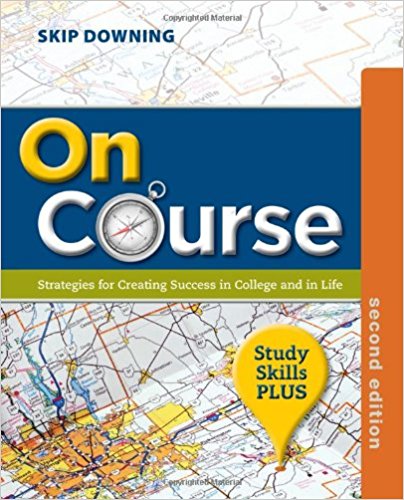
On Course Strategies For Creating Success In College And In Life 2nd Edition By Downing - Test Bank

On Course Strategies For Creating Success In College And In Life 2nd Edition By Downing - Test Bank   Instant Download - Complete Test Bank With Answers     Sample Questions Are Posted Below   Chapter 5 Test—Employing Interdependence   TRUE/FALSE   Creators know that life can be easier and more enjoyable when people cooperate. …

$19.99

On Course Strategies For Creating Success In College And In Life 2nd Edition By Downing – Test Bank


Instant Download – Complete Test Bank With Answers


Sample Questions Are Posted Below


Chapter 5 Test—Employing Interdependence


TRUE/FALSE


  1. Creators know that life can be easier and more enjoyable when people cooperate.


ANS:  T                    PTS:   1


  1. The first suggestion for starting a study group: Choose only Creators.


ANS:  T                    PTS:   1


  1. Choosing Study Group Goals means determining such things as when, where, and how often your group will meet.


ANS:  F                    PTS:   1


  1. Good listeners clear their minds and listen for the entire message, including words, tone of voice, gestures, and facial expressions.


ANS:  T                    PTS:   1


  1. You are actively listening when you’re actively waiting for the first opportunity to offer your own opinion on what the other person is saying.


ANS:  F                    PTS:   1


  1. Most available jobs (some experts say 85-90%) are unlisted; Creators discover these unlisted openings by networking.


ANS:  T                    PTS:   1


  1. According to family therapist Virginia Satir, the two most common patterns of ineffective communication are placating and blaming.


ANS:  T                    PTS:   1


  1. Individuals who blame others are dominated by their Inner Critic.


ANS:  F                    PTS:   1


  1. Creators who level communicate purposefully, honestly, and responsibly.


ANS:  T                    PTS:   1


  1. It is better to hear or give a specific “no” to a request than to settle for “maybe” or “I’ll try.”


ANS:  T                    PTS:   1


  1. Reciting is similar to reviewing but is done silently.


ANS:  F                    PTS:   1


  1. Taking a practice test is a great way to both Rehearse and Evaluate your knowledge.


ANS:  T                    PTS:   1


  1. Reading something over and over is an effective way to memorize it.


ANS:  F                    PTS:   1


  1. When using rote memorization called “chunking,” you will insure lasting learning by accurately reciting or writing each chunk from memory before adding new chunks of material.


ANS:  T                    PTS:   1


  1. An acronym is a word made from the first letters of other words that you want to remember.


ANS:  T                    PTS:   1


  1. People’s cultural programming determines the choices they will make in all situations.


ANS:  F                    PTS:   1


  1. Treating others with respect is a moral issue; there are no practical reasons to do so.


ANS:  F                    PTS:   1


MODIFIED TRUE/FALSE


  1. Creators know that life can be easier and more enjoyable when people cooperate.


ANS:  T                                                     PTS:   1


  1. Building positive relationships with your college instructors is a powerful Quadrant III action that can pay off handsomely.


ANS:  F, II


PTS:   1


  1. The first suggestion for starting a study group: Choose only Creators.


ANS:  T                                                     PTS:   1


  1. Students enrolled in online classes cannot build study groups with classmates.


ANS:  F, can


PTS:   1


  1. Good listeners clear their minds and listen for the entire message, including words, tone of voice, gestures, and facial expressions.


ANS:  T                                                     PTS:   1


  1. Suppose that you are listening to someone and you ask, “Could you say more about that?” You are using an active listening strategy called “reflection.”


ANS:  F, expansion or clarification


PTS:   1


  1. It is helpful with classmates as well as professors to check the accuracy of what you’ve understood them to say.


ANS:  T                                                     PTS:   1


  1. Active listening is a way to demonstrate the high esteem with which you value the other person.


ANS:  T                                                     PTS:   1


  1. Listening effectively means that you accept 50 percent of the responsibility for receiving the same message that the speaker is sending, uncontaminated by your own thoughts or feelings.


ANS:  F, 100


PTS:   1


  1. Most available jobs (some experts say 85-90%) are unlisted; Creators discover these unlisted openings by networking.


ANS:  T                                                     PTS:   1


  1. According to family therapist Virginia Satir, the two most common patterns of ineffective communication are placating and blaming.


ANS:  T                                                     PTS:   1


  1. Placating is characterized by a simple, yet profound, communication strategy: asserting the truth as you see it.


ANS:  F, Leveling


PTS:   1


  1. Creators who placate are dominated by their Inner Critic.


ANS:  F, Victims


PTS:   1


  1. Creators who level communicate purposefully, honestly, and responsibly.


ANS:  T                                                     PTS:   1


  1. It is better to hear or give a specific “no” to a request than to settle for “maybe” or “I’ll try.”


ANS:  T                                                     PTS:   1


MULTIPLE CHOICE


  1. Building positive relationships with your college instructors ____.
a. offers an opportunity to benefit from your instructors’ expertise
b. is a Quadrant II activity
c. may provide you with a mentor through and after college
d. all of the above
e. none of the above


ANS:  D                    PTS:   1


  1. A project team accomplishes one particular task. In business, when a project needs attention, a special committee is formed. This committee with one task is called ____.
a. an ad hoc committee
b. a special task force
c. a focused study group
d. an anno domini group
e. none of the above


ANS:  A                    PTS:   1


  1. A member of your study group speaks to you about a problem he is having with another member of the group. You choose to employ active listening. One positive outcome of this choice is ____.
a. you will be sure that your opinions on the matter are heard
b. you will be able to point out to your classmate that he is acting like a Victim
c. you will deliver an “I” message about how irritated you are when people don’t get along
d. you will demonstrate to your classmate that you value him and want to understand his point of view


ANS:  D                    PTS:   1


  1. Ethnocentrism is the belief that ____.
a. all cultures are individualistic.
b. all cultures are collectivistic.
c. all cultures should be respected.
d. the way we do things is superior to the way they do things
e. none of the above


ANS:  D                    PTS:   1


  1. As you clear your mind and remain silent during active listening, you ____.
a. let your intuition listen for a deeper message hidden beneath the speaker’s words
b. dismiss from your mind any distracting chatter from your Inner Critic or Inner Defender
c. sit forward and nod your head when appropriate
d. offer verbal feedback that shows you are listening: “Mmmmm… I see… Uh huh…”
e. all of the above


ANS:  E                    PTS:   1


  1. Victims who blame are dominated by their ____.
a. Inner Guide
b. Inner Critic
c. Inner Defender


ANS:  C                    PTS:   1


  1. Someone who believes that “the goose that honks gets shot” or “the nail that sticks up gets pounded down” has a(n) ____ mindset.
a. individualistic
b. collectivistic


ANS:  B                    PTS:   1


  1. Someone who believes that people should “stand on their own two feet” or “stand out in a crowd” has a(n) ____ mindset.
a. individualistic
b. collectivistic


ANS:  A                    PTS:   1


  1. Difference or diversity includes:
a. physical appearances
b. inner beliefs and values
c. expectations for acceptable behavior
d. all of the above
e. none of the above


ANS:  D                    PTS:   1


  1. A person with an individualistic cultural mindset might believe that ____.
a. the squeaky wheel gets the grease
b. the nail that sticks up gets pounded down
c. people should pull themselves up by their bootstraps
d. A and C
e. none of the above


ANS:  D                    PTS:   1


  1. A person with a collectivistic cultural mindset might believe that ____.
a. a person should stand out in a crowd
b. the goose that honks get shot
c. admirable people are self-made


ANS:  B                    PTS:   1


  1. Study groups are beneficial for students because ____.
a. interaction with other students increases your active involvement with course content
b. study group members might become lifelong friends
c. students develop teamwork skills which are valuable to employers
d. all of the above
e. none of the above


ANS:  D                    PTS:   1


  1. Creators can be assertive by ____.
a. saying “yes” to every request made of them
b. assuming that others will help them achieve their goals
c. avoiding confrontation
d. blaming their life circumstances for their failure to complete a project
e. none of the above


ANS:  E                    PTS:   1


MATCHING


Match each item with the statement or sentence listed below.

a. Placating
b. Blaming
c. Leveling


  1. This style of communication signals that the speaker is placing him or herself above others, shifting responsibility problems to them.


  1. This style of communication asserts the truth as the speaker sees it.


  1. This style of communication is purposeful, honest, and responsible.


  1. This style of communication signals that the speaker sees him or herself as below others, in need of their approval.


  1. This style of communication makes use of I-messages.


  1. ANS:  B                    PTS:   1


  1. ANS:  C                    PTS:   1


  1. ANS:  C                    PTS:   1


  1. ANS:  A                    PTS:   1


  1. ANS:  C                    PTS:   1


Match each student problem with the college support service that can help address it.

a. “I need a job to help me pay my bills.”
b. “What courses must I take to become a high school Chemistry teacher?”
c. “I am lost in math.”
d. “My dog died last week, and I’m so depressed that I just can’t concentrate on any of my homework.”
e. “I have a job interview next week, and I need to update my résumé.”
f. “This sinus infection just won’t go away, and I can’t afford to pay for any more medication.”
g. “I don’t know anyone at my college.”


  1. Career Services


  1. Counseling Center


  1. Tutoring Lab


  1. Academic Advising


  1. Health Services


  1. Student Activities Office


  1. Financial Aid Office


  1. ANS:  E                    PTS:   1


  1. ANS:  D                    PTS:   1


  1. ANS:  C                    PTS:   1


  1. ANS:  B                    PTS:   1


  1. ANS:  F                    PTS:   1


  1. ANS:  G                    PTS:   1


  1. ANS:  A                    PTS:   1


Match each disrespectful behavior with the guideline for showing respect that is violated.

a. Stating, “African-Americans are all good athletes.”
b. Ignoring a Vietnamese classmate because you don’t know how to say her name.
c. Yelling at a South American classmate for standing too close to you.
d. Not commenting when classmates laugh at an offensive joke that belittles your instructor based on her sexual orientation.
e. Calling a librarian who uses a wheelchair a “cripple” even though he prefers to be called “handicapped.”


  1. Advocate for respect.


  1. See people as individuals (not stereotypes).


  1. Learn nonverbal behaviors.


  1. Use the preferred name for a person’s cultural group.


  1. Pronounce names correctly.


  1. ANS:  D                    PTS:   1


  1. ANS:  A                    PTS:   1


  1. ANS:  C                    PTS:   1


  1. ANS:  E                    PTS:   1


  1. ANS:  B                    PTS:   1


ESSAY


Answer as completely as possible.


  1. Some students say they hate being assigned to work on a group project. Write an essay in which you persuade them of the benefits of working on a group project. Be sure to show that you understand the reasons they might object to group projects and offer suggestions for how they might overcome each problem. (For examples of objections, remember the problems that Anthony, Silvia, and Donald had in “Professor Rogers’ Trial.”)


ANS:

Answers will vary.


PTS:   1


  1. Successful college students know that both independence and interdependence can be used to achieve their goals. Describe a situation when it is effective for you to be independent in pursuit of your academic goals. Then, describe a time when interdependence would be appropriate. Explain why independence and interdependence can both be useful for you as a college student.


ANS:

Answers will vary.


PTS:   1


  1. Diversity is increasing both in the United States in general and in higher education specifically. One way to deal with the increased diversity is to respect others enough to listen to their ideas. Write an essay in which you explain three guidelines for respecting people who are different from you. For each guideline, offer a specific example of how a college student can use one of the steps of active listening to reduce judgment and increase respect.


ANS:

Answers will vary.


PTS:   1

Additional information

Add Review

Your email address will not be published. Required fields are marked *