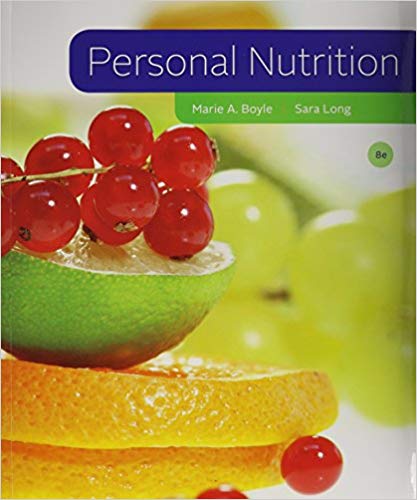
Personal Nutrition 8th Edition by Marie A - Test Bank

Personal Nutrition 8th Edition by Marie A - Test Bank   Instant Download - Complete Test Bank With Answers     Sample Questions Are Posted Below   Test Bank[1] for Personal Nutrition 8e Chapter 5 – The Lipids: Fats and Oils   Question information key: ANS = correct answer; REF = textbook page reference; TOP …

$19.99

Personal Nutrition 8th Edition by Marie A – Test Bank


Instant Download – Complete Test Bank With Answers


Sample Questions Are Posted Below


Test Bank[1] for Personal Nutrition 8e

Chapter 5 – The Lipids: Fats and Oils


Question information key:

ANS = correct answer; REF = textbook page reference; TOP = question topic


Multiple Choice


  1. All of the following are functions of fat in the body except:
  2. providing energy.
  3. forming components of cell membranes.
  4. insulating the body.
  5. storing genetic information.


ANS: d       REF: 128                                 TOP: A Primer on Fats


  1. One pound of body fat provides _____ calories.
  2. 1,000
  3. 2,500
  4. 3,500
  5. 4,000


ANS: c       REF: 128                                 TOP: A Primer on Fats


  1. Fats provide _____ by _____.
  2. an energy reserve; promoting satiety
  3. satiety; slowing stomach emptying
  4. climate control; cushioning organs
  5. shock absorption; coating cell membranes


ANS: b       REF: 129                                 TOP: A Primer on Fats


  1. Which of the following is not a function of fat?
  2. Carrier of fat-soluble vitamins
  3. Essential component of cell membranes
  4. Best source of energy for the brain
  5. Storage form of energy
  6. Food component that adds flavor and aroma


ANS: c       REF: 128-129                          TOP: A Primer on Fats


  1. Which of the following makes up 95% of the lipids in the diet?
  2. Triglycerides
  3. Cholesterol
  4. Phospholipids
  5. Sucrose
  6. Sterols


ANS: a       REF: 129                                 TOP: A Closer View of Fats


  1. Which of the following lipids is essential?
  2. Lecithin
  3. Cholesterol
  4. Linoleic acid
  5. Stearic acid
  6. Butyric acid


ANS: c       REF: 130                                 TOP: A Closer View of Fats


  1. Cholesterol:
  2. should, if possible, be avoided altogether.
  3. has no use in the human body.
  4. can be synthesized by the body.
  5. has no relation to heart disease according to present-day research.


ANS: c       REF: 133                                 TOP: Phospholipids and Sterols


  1. The American Heart Association recommends a saturated fat intake of less than _____% of calories.
  2. 30
  3. 10
  4. 7
  5. 1


ANS: c       REF: 138                                 TOP: Fat in the Diet


  1. To adhere to dietary recommendations of both the American Heart Association and Dietary Guidelines for Americans, cholesterol intake should be below _____ milligrams per day.
  2. 200
  3. 300
  4. 350
  5. 400


ANS: b       REF: 138                                 TOP: Fat in the Diet


  1. Which of the following fat replacers can inhibit the absorption of fat-soluble vitamins?
  2. Simplesse
  3. Caprenin
  4. K-Blazer
  5. Olean


ANS: d       REF: 147                                 TOP: Understanding Fat Substitutes


  1. All of the following are rich in polyunsaturated fat except:
  2. safflower oil.
  3. corn oil.
  4. palm oil.
  5. sunflower oil


ANS: c       REF: 137                                 TOP: “Good” versus “Bad” Cholesterol


  1. Which of the following statements about olestra is false?
  2. Olestra is digestible.
  3. Olestra is an artificial fat.
  4. Olestra is a combination of sucrose and fatty acids.
  5. Olestra may interfere with fat-soluble vitamin absorption.


ANS: a       REF: 147                                 TOP: Understanding Fat Substitutes


  1. Which type of lipoprotein transports newly digested fat from the intestine through the lymph and blood?
  2. High-density lipoprotein
  3. Low-density lipoprotein
  4. Chylomicron
  5. Very-low-density lipoprotein


ANS: c       REF: 134                                 TOP: How the Body Handles Fat


  1. Health experts advise that you decrease consumption of foods rich in _____ and increase the intake of _____ to achieve a more healthful balance.
  2. omega-6 fatty acids; omega-3 fatty acids
  3. saturated fat; cholesterol
  4. omega-3 fatty acids; omega-9 fatty acids
  5. chlyomicrons; LDL


ANS: a       REF: 143                                 TOP: Fat Can Be Healthy


  1. All of the following are found mainly in foods that contain fat except:
  2. vitamin A.
  3. vitamin C.
  4. vitamin D.
  5. vitamin E.


ANS: b       REF: 129                                 TOP: A Primer on Fats


  1. Which food is not a good source of polyunsaturated fatty acids?
  2. Soybean oil
  3. Walnuts
  4. Peanuts
  5. Almonds


ANS: c       REF: 137                                 TOP: “Good” versus “Bad” Cholesterol


  1. All of the following are characteristics of the essential fatty acids except:
  2. they must be supplied by the diet.
  3. they are widely distributed in plant and fish oils.
  4. they are saturated fatty acids.
  5. they are readily stored in the adult body.


ANS: c       REF: 130                                 TOP: A Closer View of Fats


  1. Which of the following statements about dietary fat is false?
  2. Fat carries water-soluble vitamins in food.
  3. Fat is a component of all cell membranes.
  4. Fat provides a concentrated source of energy.
  5. Fats provide satiety.


ANS: a       REF: 128-129                          TOP: A Primer on Fats


  1. Saturated fats:
  2. are generally solid at room temperature.
  3. are found only in animal products.
  4. contain fatty acids with one point of unsaturation.
  5. contain a glycerol and 4 fatty acid molecules.


ANS: a       REF: 131                                 TOP: Characteristics of Fats in Foods


  1. Which of the following is not a type of lipoprotein?
  2. HDL
  3. Triglycerides
  4. VLDL
  5. Chylomicrons


ANS: b       REF: 135                                 TOP: How the Body Handles Fat


  1. Which of the following statements concerning lecithin is not true?
  2. It is a major constituent of cell membranes.
  3. It is made by the liver from scratch.
  4. It is an essential nutrient.
  5. It is often added to foods as an emulsifier.


ANS: c       REF: 132-133                          TOP: Phospholipids and Sterols


  1. All of the following dietary recommendations have been made by the DRI Committee except:
  2. consume less than 20% of calories as total fat.
  3. consume 0.6%-1.2% of calories as omega-3 fats.
  4. consume 5%-10% of calories as omega-6 fats.
  5. consume no more than 35% of calories as total fat.


ANS: a       REF: 138                                 TOP: Fat in the Diet


  1. Which of the following items contains the most saturated fat?
  2. Olive oil
  3. Lard
  4. Corn oil
  5. Sunflower oil


ANS: b       REF: 131|132                         TOP: Characteristics of Fats in Foods


  1. Which of the following factors is associated with lower HDL levels?
  2. Being a non-smoker, as opposed to a smoker
  3. Weight loss
  4. Being male, as opposed to female
  5. Consumption of fish rather than meat


ANS: c       REF: 155                                 TOP: Diet and Heart Disease


  1. Which of the following factors is the most powerful influence on HDL levels?
  2. Alcohol consumption
  3. Regular exercise
  4. Weight loss
  5. Fiber consumption


ANS: b       REF: 155                                 TOP: Diet and Heart Disease


  1. Which of these foods contains cholesterol?
  2. Peanut butter
  3. Corn oils
  4. Avocados
  5. Lean turkey


ANS: d       REF: 133                                 TOP: Phospholipids and Sterols


  1. For most Americans, the most important dietary change to make in order to reduce blood LDL-cholesterol levels is to reduce intake of:
  2. polyunsaturated fat.
  3. cholesterol.
  4. saturated and trans fats.
  5. monounsaturated fat.
  6. fish oils.


ANS: c       REF: 154                                 TOP: Diet and Heart Disease


  1. Americans are urged to eat more fish due to its high content of:
  2. omega-3 fatty acids.
  3. HDL-cholesterol.
  4. vitamin A.
  5. lecithin.


ANS: a       REF: 130|142                         TOP: Fat Can Be Healthy


  1. All of the following are correct about unsaturated fats except:
  2. they may be monounsaturated or polyunsaturated.
  3. they are usually liquid at room temperature.
  4. they are found mostly in plant foods.
  5. they belong to the sterol group of lipids.


ANS: d       REF: 129                                 TOP: A Closer View of Fats


  1. A desirable level of total blood cholesterol in adults is:
  2. < 200 mg/dL.
  3. 200-300 mg/dL.
  4. > 240 mg/dL.
  5. < 300 mg/dL.


ANS: a       REF: 155                                 TOP: Diet and Heart Disease


  1. Which of the following is not an effect of diets high in omega-3 fatty acids?
  2. They help reduce blood clot formation.
  3. They can reduce blood triglycerides.
  4. They can raise LDL cholesterol.
  5. They help reduce inflammation in arthritis sufferers.


ANS: c       REF: 130-131                          TOP: A Closer View of Fats


  1. All of the following are correct about hydrogenation of oil except:
  2. it makes the oil more saturated.
  3. it makes the oil healthier to consume.
  4. it makes the oil more solid.
  5. it results in the formation of trans fatty acids.


ANS: b       REF: 145                                 TOP: The Trans Fatty Acid Controversy


  1. A major source of saturated fat in the U.S. diet is:
  2. olive oil.
  3. nuts.
  4. cheese.
  5. legumes.


ANS: c       REF: 140                                 TOP: Fat in the Diet


  1. Why are monounsaturated fats better for you than polyunsaturated fats?
  2. Because they are lower in calories per tablespoon.
  3. Because they decrease total cholesterol better.
  4. Because they decrease LDL and decrease HDL.
  5. Because they decrease LDL and don’t decrease HDL.


ANS: d       REF: 137                                 TOP: “Good” versus “Bad” Cholesterol


  1. Which of the following is the best to choose when cooking in order to reduce the added fats in your diet?
  2. Nonstick sprays
  3. Shortening
  4. Butter
  5. Canola oil


ANS: a       REF: 144                                 TOP: Choose Fats Sensibly


  1. Joy decides to cook dinner with less fat tonight and instead of 2 tablespoons of butter, she uses 1 tablespoon on her baked potato. Approximately how many grams of fat did Joy remove from her meal?
  2. 5 grams
  3. 12 grams
  4. 25 grams
  5. 100 grams


ANS: b       REF: 144                                 TOP: Choose Fats Sensibly


  1. Joy decides to cook dinner with less fat tonight and omits 2 tablespoons of vegetable oil from her recipe for rice pilaf. This change reduces the calories from fat in this recipe by approximately _____.
  2. 24 calories
  3. 50 calories
  4. 200 calories
  5. 350 calories


ANS: c       REF: 144                                 TOP: Choose Fats Sensibly


  1. The Mediterranean diet:
  2. is low in fiber.
  3. is low in phytochemicals.
  4. is low in meat.
  5. is low in fish.


ANS: c       REF: 140                                 TOP: Fat Can Be Healthy


  1. All the following foods are especially high in omega-3 fats except:
  2. salmon.
  3. walnuts.
  4. flaxseed oil.
  5. almonds.


ANS: d       REF: 137                                 TOP: “Good” versus “Bad” Cholesterol


  1. What happens to fat when it initially enters the small intestine?
  2. It is immediately digested by enzymes from the pancreas.
  3. It is immediately emulsified by bile from the gallbladder.
  4. It is absorbed as is through the villi packaged as a chylomicron.
  5. It is trapped in fiber and carried out of the body.


ANS: b       REF: 134                                 TOP: How the Body Handles Fat


  1. Sue overate by 500 calories each day on her recent cruise to the Bahamas. If Sue gained one pound of body fat as a result, how long was her cruise?
  2. 2 days
  3. 5 days
  4. 7 days
  5. 1 month


ANS: c       REF: 128                                 TOP: A Primer on Fats


  1. Which factor may account for the “French paradox”?
  2. The French typically drink more red wine.
  3. The French consume most of their day’s calories before 2 p.m.
  4. The French eat more fruits and vegetables.
  5. All of the above


ANS: d       REF: 156                                 TOP: Diet and Heart Disease


  1. Why does eating a high-fiber diet lower a person’s risk for heart disease?
  2. Food travels faster through the digestive tract, allowing less time for cholesterol absorption to occur.
  3. A high-fiber diet is typically high in dietary cholesterol.
  4. This diet is a rich source of antioxidants, which can neutralize damaging free radicals.
  5. a and c only
  6. b and c only


ANS: d       REF: 150                                 TOP: Nourish the Heart


  1. Which of the following is not an emulsifier of fats that is often used as a food additive?
  2. Monoglycerides
  3. Diglycerides
  4. Bile
  5. Lecithin


ANS: c       REF: 132                                 TOP: Characteristics of Fats in Foods


  1. One of the concerns regarding olestra is that:
  2. it increases the risk of obesity by providing 9 calories per gram.
  3. it increases the risk of high blood pressure in sensitive individuals.
  4. it can inhibit the absorption of vitamins.
  5. it is hard to avoid because it is naturally found in foods.


ANS: c       REF: 147                                 TOP: Understanding Fat Substitutes


  1. Most people have well-developed plaques in their arteries by the time they are:
  2. 30.
  3. 45.
  4. 65.
  5. 70.


ANS: a       REF: 152                                 TOP: Diet and Heart Disease


  1. Which organ senses the body’s blood pressure?
  2. Heart
  3. Kidney
  4. Liver
  5. Pancreas


ANS: b       REF: 152                                 TOP: Diet and Heart Disease


  1. _____ is not a risk factor for heart disease.
  2. Family history
  3. Low HDL-cholesterol
  4. Being a woman
  5. Smoking


ANS: c       REF: 136                                 TOP: “Good” versus “Bad” Cholesterol


  1. A desirable LDL-cholesterol level is _____, while a desirable HDL-cholesterol level is _____.
  2. 225 mg/dL; < 40 mg/dL
  3. < 130 mg/dL; > 15 mg/dL
  4. < 100 mg/dL; > 60 mg/dL
  5. It doesn’t matter as long as your total cholesterol is lower than 200 mg/dL.


ANS: c       REF: 155                                 TOP: Diet and Heart Disease


  1. All of the following are correct about phytosterols except:
  2. they may reduce blood cholesterol when consumed as part of a low-fat diet.
  3. they are structurally similar to the steroid hormones.
  4. they are found in all margarines made from vegetable oils.
  5. they block the absorption of dietary cholesterol from the intestine.


ANS: c       REF: 154                                 TOP: Diet and Heart Disease


  1. Why is heart disease the major cause of death among women after menopause?
  2. Because osteoporosis is so common and weakens the heart.
  3. Because women tend to eat more fat in their diets after they reach 55.
  4. Because low estrogen levels lower HDL and raise LDL.
  5. Because menopause leads to the overproduction of chylomicrons.


ANS: c       REF: 155                                 TOP: Diet and Heart Disease


  1. High homocysteine levels are associated with more heart attacks and strokes. Which of the following might potentially lower these levels?
  2. Generous amounts of iron
  3. Generous amounts of the B vitamins
  4. Lowered intakes of sodium
  5. Eating 35 grams of fiber per day


ANS: b       REF: 156                                 TOP: Diet and Heart Disease


  1. Which of the following is not characteristic of an atherogenic diet?
  2. High in saturated fats
  3. Low in fruits
  4. Low in legumes
  5. Low in trans fats


ANS: d       REF: 136                                 TOP: “Good” versus “Bad” Cholesterol


  1. Trans fats
  2. are naturally found in meat.
  3. are created when oils become rancid.
  4. are not listed on food labels.
  5. are naturally found in legumes and some nuts.


ANS: a       REF: 137|145                         TOP: The Trans Fatty Acid Controversy


  1. Which container of margarine would be the most heart healthy?
  2. One that lists soy oil as the last ingredient
  3. One that lists trans fat as the last ingredient
  4. One that lists liquid vegetable oil as the first ingredient
  5. Buying butter would be more heart healthy than buying margarine.


ANS: c       REF: 146                                 TOP: The Trans Fatty Acid Controversy


  1. Sam and Regina are new parents and want to do the best thing for their baby. Sam says they should put their baby on a low-fat diet right from the beginning. What advice would you give these new parents?
  2. They are correct and the baby should eat no more than 35% of his or her calories from fat.
  3. They are correct and the baby should only drink skim milk as a beverage.
  4. They are incorrect; from birth to 2 years of age, a child’s fat consumption should not be restricted for proper development.
  5. The healthiest diet for everyone is a vegan diet.


ANS: c       REF: 157                                 TOP: Diet and Heart Disease


  1. A sizable body of evidence from around the world suggests that garlic may benefit health by
  2. reducing blood platelets.
  3. lowering blood cholesterol.
  4. keeping arteries rigid.
  5. lowering HDL.


ANS: b       REF: 156                                 TOP: Diet and Heart Disease


  1. Which statement about olive oil is not true?
  2. It has high levels of oleic acids.
  3. It has a good ratio of omega-3 fatty acids to omega-6 fatty acids.
  4. It has fewer calories than other oils.
  5. All of the above are true statements.


ANS: c       REF: 141                                 TOP: Fat Can Be Healthy


  1. The most important difference between the typical American diet and the typical Mediterranean diet is that:
  2. Americans eat more saturated fat.
  3. Americans eat more fruits.
  4. Americans exercise less.
  5. Americans eat more monounsaturated fat.


ANS: a       REF: 140-141                          TOP: Fat Can Be Healthy


  1. Omega-3 fatty acids are not found in
  2. soybeans.
  3. pecans.
  4. green beans.
  5. flaxseed.


ANS: c       REF: 143                                 TOP: Fat Can Be Healthy


  1. Unprocessed oils are best stored in airtight containers because:
  2. exposure to the air will decrease the likelihood of rancidity.
  3. airtight storage destroys the natural antioxidants in the oils.
  4. points of unsaturation in their molecules are vulnerable to oxidation.
  5. this prevents hydrogenation, which makes them less healthful.


ANS: c       REF: 131                                 TOP: Characteristics of Fats in Foods


  1. Heather notices that her favorite breakfast cereal contains BHA and BHT. Why did the manufacturer add them?
  2. To enhance the flavor of the cereal
  3. To keep the oil in the cereal from spoiling
  4. To improve the lipid profile of the cereal
  5. To provide essential fatty acids


ANS: b       REF: 131                                 TOP: Characteristics of Fats in Foods


  1. Phospholipids can help fats cross cell membranes because
  2. they are so abundant in foods and widespread in the body.
  3. they are fat soluble but not water soluble.
  4. they have a large, multiple-ring structure.
  5. they have water-soluble heads and fat-soluble tails.


ANS: d       REF: 132                                 TOP: Phospholipids and Sterols


  1. _____ diffuse easily into intestinal cells, which release them into capillaries without further processing.
  2. Glycerol and short-chain fatty acids
  3. Glycerol and long-chain fatty acids
  4. Cholesterol and phospholipids
  5. Cholesterol and short-chain fatty acids


ANS: a       REF: 133-134                          TOP: How the Body Handles Fat


  1. As the amount of _____ in a lipoprotein increases, its _____ also increases.
  2. protein; density
  3. triglycerides; solubility
  4. protein; size
  5. triglycerides; density


ANS: a       REF: 135                                 TOP: How the Body Handles Fat


  1. How is a trans fatty acid different from other unsaturated fatty acids?
  2. A trans fatty acid has at least two hydrogen atoms attached to each carbon atom in the chain
  3. At a trans fatty acid’s point of unsaturation, the hydrogens are on opposite sides of the carbon chain instead of on the same side
  4. A trans fatty acid’s carbon chain contains at least one double bond between two carbon atoms instead of all single bonds
  5. At a trans fatty acid’s point of unsaturation, the hydrogens are on the same side of the carbon chain instead of on opposite sides


ANS: b       REF: 145                                 TOP: The Trans Fatty Acid Controversy


  1. Samuel sees the term “partially hydrogenated vegetable oil” in the ingredients list for his favorite brand of corn chips, but the front of the packages states they are “trans fat free.” What does this mean?
  2. The chips don’t contain trans fat, but might be very high in saturated fat
  3. The chips’ manufacturer has made an unlawful claim on the package
  4. The chips do contain trans fat, but less than 0.5 gram per serving
  5. The chips are more healthful than chips made with plain vegetable oil


ANS: c       REF: 145-146                          TOP: The Trans Fatty Acid Controversy


  1. Which of the following dietary changes would be most effective for lowering one’s LDL?
  2. Replacing monounsaturated fats with saturated fats
  3. Replacing polyunsaturated fats with hydrogenated fats
  4. Choosing whole milk instead of a soda beverage
  5. Choosing broiled salmon instead of a bacon burger


ANS: d       REF: 149                                 TOP: Nourish the Heart


Vignette #1

Jack has just returned from the hospital where Jack’s father is recovering from a heart attack. The doctors told Jack that his dad’s atherosclerosis is very serious. Jack and his wife, Melanie, are worried about Jack’s father and also are starting to think about Jack’s risk of also having heart disease in his lifetime. He sets up an appointment at his doctor’s office and has his blood lipid levels evaluated for the first time. Let’s see if you can answer some of the questions that Jack and Melanie have.


  1. Which risk factor does Jack have no control over?
  2. Obesity
  3. Genetics
  4. Stress
  5. Atherogenic diet
  6. Jack can change all of these risk factors.


ANS: b       REF: 152-153                          TOP: Diet and Heart Disease


  1. Jack’s results from his blood lipid level test are as follows:

Total cholesterol           255 mg/dL

LDL                               145 mg/dL

HDL                               40 mg/dL

Triglycerides, fasting    220 mg/dL

Which statement about Jack’s values is correct?

  1. His total cholesterol is in the desirable range.
  2. His LDL-cholesterol puts him at high risk.
  3. His triglycerides are in the desirable range.
  4. His HDL is too low.


ANS: d       REF: 155                                 TOP: Diet and Heart Disease


  1. Which of the following would be the best choice in order for Jack to lower his LDL-cholesterol without decreasing his HDL-cholesterol?
  2. Exercise regularly.
  3. Eat an atherogenic diet.
  4. Switch back to butter instead of margarine.
  5. Eat almonds and use olive oil.
  6. Eat more trans fats when possible.


ANS: d       REF: 137|141                         TOP: Fat Can Be Healthy


  1. What exactly happens in atherosclerosis?
  2. Oxidized LDL is incorporated into the lining of arteries.
  3. A blood clot travels to the brain and causes a stroke.
  4. Chylomicrons cause veins to lose their elasticity.
  5. Blood pressure is too low and dizziness occurs.
  6. b and c


ANS: a       REF: 136                                 TOP: “Good” versus “Bad” Cholesterol


  1. Jack wants to learn how to cook healthier meals now that he is better informed. Which suggestion is not a good idea based on current recommendations?
  2. Use fruit jam instead of margarine on toast.
  3. Use applesauce instead of butter when baking brownies.
  4. Eat more sardines and herring.
  5. Drink 3 glasses of red wine each day.
  6. All of the above are recommended for heart health.


ANS: d       REF: 157                                 TOP: Diet and Heart Disease


Vignette #2

Bob is committed to losing weight but knows little about nutrition. He has heard his friends discussing types of fat, such as saturated and unsaturated, but has no idea what the terms mean or how they relate to his health and diet. He also has read that the most important improvement a person can make in his or her diet is to eat less cholesterol. Let’s answer these questions and help Bob understand this topic better.


  1. What characterizes saturated fats?
  2. They are liquid at room temperature.
  3. They are carrying the maximum possible number of hydrogens.
  4. They function as emulsifiers in the small intestine.
  5. They provide 4 calories per gram.


ANS: b       REF: 129                                 TOP: A Closer View of Fats


  1. Which food is rich in saturated fat?
  2. Steak
  3. Banana
  4. Avocado
  5. Broccoli
  6. a and c


ANS: a       REF: 137                                 TOP: “Good” versus “Bad” Cholesterol


  1. Bob read an article about how fat travels in his body. He learned that
  2. blood cholesterol is carried in LDLs that are taken up by macrophages and deposited in plaque inside his arteries.
  3. saturated fats and trans fats only travel in HDL and are taken back to his liver for disposal.
  4. fat from a recent meal is carried in HDL to his liver for storage.
  5. HDL is only found in vegetable oils and not in any animal food.
  6. b and c


ANS: a       REF: 135|136                         TOP: How the Body Handles Fat


  1. If Bob wants to lower his blood cholesterol, which of the following would be bad advice?
  2. You should lower your intake of trans fats only, not of other types of fat.
  3. Lowering your saturated fat intake may be more important than reducing dietary cholesterol.
  4. Eat more plant sources of fats to lower total blood cholesterol and LDL-cholesterol.
  5. Eat more high-soluble fiber foods such as legumes.
  6. All of these are good suggestions.


ANS: a       REF: 149-150                          TOP: Nourish the Heart


  1. To lose weight, Bob knows he needs to take in fewer calories. Which of the following is correct regarding lipids and body weight?
  2. Saturated fats have more calories per gram than unsaturated fats.
  3. When saturated fat is heated and melts, it loses calories.
  4. When excess monounsaturated fat is eaten it is stored as fat around the waist only.
  5. Both saturated and unsaturated fats have 9 calories per gram.


ANS: d       REF: 139|141                         TOP: Fat in the Diet


True/False


  1. The body can store fat in practically unlimited amounts.


ANS: T       REF: 128                                 TOP: A Primer on Fats


  1. High concentrations of high-density lipoproteins are associated with a high risk of heart attack.


ANS: F       REF: 136                                 TOP: “Good” versus “Bad” Cholesterol


  1. Cholesterol is found in plant and animal foods.


ANS: F       REF: 133                                 TOP: Phospholipids and Sterols


  1. The bulk of the saturated fat in most North American diets comes from animal flesh or animal products.


ANS: T       REF: 140                                 TOP: Fat in the Diet


  1. Palm and coconut oils are examples of polyunsaturated fats.


ANS: F       REF: 129                                 TOP: A Closer View of Fats


  1. Running is the only exercise that raises HDL levels.


ANS: F       REF: 155                                 TOP: Diet and Heart Disease


  1. Foam cells play an important role in preventing heart disease progression.


ANS: F       REF: 136                                 TOP: “Good” versus “Bad” Cholesterol


  1. Trans fat decreases HDL-cholesterol and increases LDL-cholesterol.


ANS: T       REF: 145                                 TOP: The Trans Fatty Acid Controversy


  1. The human body can synthesize all the fatty acids it needs from carbohydrate, fat, or protein.


ANS: F       REF: 130                                 TOP: A Closer View of Fats


  1. Flaxseed is rich in omega-3 fatty acids.


ANS: T       REF: 143                                 TOP: Fat Can Be Healthy


  1. Hydrogenation makes unsaturated fats more saturated.


ANS: T       REF: 131                                 TOP: Characteristics of Fats in Foods


  1. All food fats contain a mixture of saturated and unsaturated fatty acids.


ANS: T       REF: 131                                 TOP: Characteristics of Fats in Foods


  1. People with high levels of homocysteine have significantly fewer heart attacks and strokes.


ANS: F       REF: 155                                 TOP: Diet and Heart Disease


  1. Some studies show that garlic may reduce blood pressure.


ANS: T       REF: 156                                 TOP: Diet and Heart Disease


  1. Long-chain fatty acids are water soluble and travel freely in blood and lymph.


ANS: F       REF: 134                                 TOP: How the Body Handles Fat


  1. The Mediterranean diet provides about 30 to 35 percent of calories from fat.


ANS: T       REF: 141|144                         TOP: Fat Can Be Healthy


  1. The higher on the ingredient list the term “partially hydrogenated oil” is, the better the food is for your heart.


ANS: F       REF: 145-146                          TOP: The Trans Fatty Acid Controversy


  1. Eating more fiber promotes fat and cholesterol excretion.


ANS: T       REF: 150                                 TOP: Nourish the Heart


Matching


Match the term with the short phrase or description that best matches it.


  1. a type of lipoprotein that transports newly digested fat from the intestine through lymph and blood.
  2. clusters of lipids associated with protein that serve as transport vehicles for lipids in blood and lymph.
  3. carries fats packaged or made by the liver to various tissues in the body.
  4. carries cholesterol to body cells.
  5. carries cholesterol in the blood back to the liver for recycling or disposal.
  6. the cholesterol in LDLs that is attacked by reactive oxygen molecules inside the walls of the arteries.
  7. cells from the immune system containing scavenged oxidized LDL-cholesterol that are thought to initiate arterial plaque formation.
  8. highly toxic compounds created in the body as a result of chemical reactions that involve oxygen.


  1. chylomicron
  2. foam cells
  3. free radicals
  4. HDL
  5. LDL
  6. lipoproteins
  7. oxidized LDL-cholesterol
  8. VLDL


  1. ANS: a REF: 134                                 TOP: How the Body Handles Fat
  2. ANS: g REF: 136                                 TOP: “Good” versus “Bad” Cholesterol
  3. ANS: h REF: 150                                 TOP: Nourish the Heart
  4. ANS: e REF: 135                                 TOP: How the Body Handles Fat
  5. ANS: d REF: 135                                 TOP: How the Body Handles Fat
  6. ANS: b REF: 134                                 TOP: How the Body Handles Fat
  7. ANS: f REF: 136                                 TOP: “Good” versus “Bad” Cholesterol
  8. ANS: c REF: 135                                 TOP: How the Body Handles Fat


Match the term with the short phrase or description that best matches it.


  1. a phospholipid.
  2. one of the sterols.
  3. a fatty acid carrying the maximum possible number of hydrogen atoms.
  4. a fatty acid with one or more points of unsaturation.
  5. a fatty acid containing one point of unsaturation.
  6. a fatty acid in which two or more points of unsaturation occur.
  7. one of the polyunsaturated fatty acids that is essential for human beings.
  8. a fatty acid that cannot be synthesized in the body in amounts sufficient to meet physiological need.
  9. polyunsaturated fatty acids that have their end-most double bonds after the sixth carbon in the chain.
  10. polyunsaturated fatty acids that have their end-most double bonds after the third carbon in the chain.
  11. a type of fatty acid created when an unsaturated fat is hydrogenated.


  1. cholesterol
  2. essential fatty acid
  3. lecithin
  4. linoleic acid
  5. monounsaturated fatty acid
  6. omega-3 fatty acids
  7. omega-6 fatty acids
  8. polyunsaturated fatty acid
  9. saturated fatty acid
  10. trans fatty acid
  11. unsaturated fatty acid


  1. ANS: b REF: 129                                 TOP: A Closer View of Fats
  2. ANS: h REF: 130 TOP: A Closer View of Fats
  3. ANS: a REF: 129 TOP: A Closer View of Fats
  4. ANS: g REF: 130 TOP: A Closer View of Fats
  5. ANS: e REF: 129 TOP: A Closer View of Fats
  6. ANS: j REF: 130 TOP: A Closer View of Fats
  7. ANS: i REF: 130 TOP: A Closer View of Fats
  8. ANS: f REF: 129 TOP: A Closer View of Fats
  9. ANS: c REF: 129 TOP: A Closer View of Fats
  10. ANS: k REF: 136 TOP: “Good” versus “Bad” Cholesterol
  11. ANS: d REF: 129 TOP: A Closer View of Fats


Essay


  1. Describe the dietary recommendations for fat intake from the Dietary Guidelines for Americans and the American Heart Association.


ANS: See p. 138                                        TOP: Fat in the Diet


  1. Describe five functions for lipids in the body.


ANS: See p. 128                                        TOP: A Primer on Fats


  1. Compare and contrast the following lipoproteins: LDL, HDL, VLDL, and chylomicrons. Include where they are made, their functions in the body, and the correlation between high or low levels and heart disease risk.


ANS: See p. 134-136                                 TOP: How the Body Handles Fat|“Good” versus “Bad” Cholesterol


  1. Identify factors that raise HDL levels and lower LDL levels.


ANS: See p. 154-155                                 TOP: Diet and Heart Disease


  1. Jeffrey’s girlfriend insists that butter is better than margarine but Jeffrey learned she is wrong in his nutrition course. What should he tell his girlfriend to change her mind?


ANS: See p. 145-146                                 TOP: The Trans Fatty Acid Controversy


  1. What is homocysteine, and how is it related to heart disease? What should a person do to lower his or her homocysteine levels if they are elevated?


ANS: See p. 155-156                                TOP: Diet and Heart Disease


  1. How does hypertension make atherosclerosis worse?


ANS: See p. 152                                        TOP: Diet and Heart Disease


  1. For each of the following foods, suggest a replacement that is lower in unhealthy fats:
  2. Cheddar cheese
  3. 2% milk
  4. Mayonnaise
  5. Spareribs
  6. Fried chicken
  7. Fish sticks
  8. Pasta with Alfredo sauce
  9. Premium ice cream
  10. Croissant


ANS: See p. 148-150                                 TOP: Nourish the Heart


  1. Jeremy’s father is 55 years old, smokes 2 packs of cigarettes a day, leads a sedentary life, and is overweight. You want to help him lower his risk for heart disease. Describe what you would say to him to convince him to change his lifestyle. Discuss his risk factors and how they should be modified.


ANS: See p. 152-153                                 TOP: Diet and Heart Disease


  1. What is meant by the “Mediterranean diet,” and what might a typical day’s meal plan look like? What nutrients is this diet particularly high or low in? Comment on your ability to follow this way of eating.


ANS: See p. 140-142                                 TOP: Fat Can Be Healthy


Chapter 5 Test Personal Nutrition 8e


Multiple Choice


  1. All of the following are functions of fat in the body except:
  2. providing energy.
  3. forming components of cell membranes.
  4. insulating the body.
  5. storing genetic information.


  1. One pound of body fat provides _____ calories.
  2. 1,000
  3. 2,500
  4. 3,500
  5. 4,000


  1. Fats provide _____ by _____.
  2. an energy reserve; promoting satiety
  3. satiety; slowing stomach emptying
  4. climate control; cushioning organs
  5. shock absorption; coating cell membranes


  1. Which of the following is not a function of fat?
  2. Carrier of fat-soluble vitamins
  3. Essential component of cell membranes
  4. Best source of energy for the brain
  5. Storage form of energy
  6. Food component that adds flavor and aroma


  1. Which of the following makes up 95% of the lipids in the diet?
  2. Triglycerides
  3. Cholesterol
  4. Phospholipids
  5. Sucrose
  6. Sterols


  1. Which of the following lipids is essential?
  2. Lecithin
  3. Cholesterol
  4. Linoleic acid
  5. Stearic acid
  6. Butyric acid


  1. Cholesterol:
  2. should, if possible, be avoided altogether.
  3. has no use in the human body.
  4. can be synthesized by the body.
  5. has no relation to heart disease according to present-day research.


  1. The American Heart Association recommends a saturated fat intake of less than _____% of calories.
  2. 30
  3. 10
  4. 7
  5. 1


  1. To adhere to dietary recommendations of both the American Heart Association and Dietary Guidelines for Americans, cholesterol intake should be below _____ milligrams per day.
  2. 200
  3. 300
  4. 350
  5. 400


  1. Which of the following fat replacers can inhibit the absorption of fat-soluble vitamins?
  2. Simplesse
  3. Caprenin
  4. K-Blazer
  5. Olean


  1. All of the following are rich in polyunsaturated fat except:
  2. safflower oil.
  3. corn oil.
  4. palm oil.
  5. sunflower oil


  1. Which of the following statements about olestra is false?
  2. Olestra is digestible.
  3. Olestra is an artificial fat.
  4. Olestra is a combination of sucrose and fatty acids.
  5. Olestra may interfere with fat-soluble vitamin absorption.


  1. Which type of lipoprotein transports newly digested fat from the intestine through the lymph and blood?
  2. High-density lipoprotein
  3. Low-density lipoprotein
  4. Chylomicron
  5. Very-low-density lipoprotein


ANS: c       REF: 134                                 TOP: How the Body Handles Fat


  1. Health experts advise that you decrease consumption of foods rich in _____ and increase the intake of _____ to achieve a more healthful balance.
  2. omega-6 fatty acids; omega-3 fatty acids
  3. saturated fat; cholesterol
  4. omega-3 fatty acids; omega-9 fatty acids
  5. chlyomicrons; LDL


  1. All of the following are found mainly in foods that contain fat except:
  2. vitamin A.
  3. vitamin C.
  4. vitamin D.
  5. vitamin E.


  1. Which food is not a good source of polyunsaturated fatty acids?
  2. Soybean oil
  3. Walnuts
  4. Peanuts
  5. Almonds


  1. All of the following are characteristics of the essential fatty acids except:
  2. they must be supplied by the diet.
  3. they are widely distributed in plant and fish oils.
  4. they are saturated fatty acids.
  5. they are readily stored in the adult body.


  1. Which of the following statements about dietary fat is false?
  2. Fat carries water-soluble vitamins in food.
  3. Fat is a component of all cell membranes.
  4. Fat provides a concentrated source of energy.
  5. Fats provide satiety.


  1. Saturated fats:
  2. are generally solid at room temperature.
  3. are found only in animal products.
  4. contain fatty acids with one point of unsaturation.
  5. contain a glycerol and 4 fatty acid molecules.


  1. Which of the following is not a type of lipoprotein?
  2. HDL
  3. Triglycerides
  4. VLDL
  5. Chylomicrons


  1. Which of the following statements concerning lecithin is not true?
  2. It is a major constituent of cell membranes.
  3. It is made by the liver from scratch.
  4. It is an essential nutrient.
  5. It is often added to foods as an emulsifier.


  1. All of the following dietary recommendations have been made by the DRI Committee except:
  2. consume less than 20% of calories as total fat.
  3. consume 0.6%-1.2% of calories as omega-3 fats.
  4. consume 5%-10% of calories as omega-6 fats.
  5. consume no more than 35% of calories as total fat.


  1. Which of the following items contains the most saturated fat?
  2. Olive oil
  3. Lard
  4. Corn oil
  5. Sunflower oil


  1. Which of the following factors is associated with lower HDL levels?
  2. Being a non-smoker, as opposed to a smoker
  3. Weight loss
  4. Being male, as opposed to female
  5. Consumption of fish rather than meat


  1. Which of the following factors is the most powerful influence on HDL levels?
  2. Alcohol consumption
  3. Regular exercise
  4. Weight loss
  5. Fiber consumption


  1. Which of these foods contains cholesterol?
  2. Peanut butter
  3. Corn oils
  4. Avocados
  5. Lean turkey


  1. For most Americans, the most important dietary change to make in order to reduce blood LDL-cholesterol levels is to reduce intake of:
  2. polyunsaturated fat.
  3. cholesterol.
  4. saturated and trans fats.
  5. monounsaturated fat.
  6. fish oils.


  1. Americans are urged to eat more fish due to its high content of:
  2. omega-3 fatty acids.
  3. HDL-cholesterol.
  4. vitamin A.
  5. lecithin.


  1. All of the following are correct about unsaturated fats except:
  2. they may be monounsaturated or polyunsaturated.
  3. they are usually liquid at room temperature.
  4. they are found mostly in plant foods.
  5. they belong to the sterol group of lipids.


  1. A desirable level of total blood cholesterol in adults is:
  2. < 200 mg/dL.
  3. 200-300 mg/dL.
  4. > 240 mg/dL.
  5. < 300 mg/dL.


  1. Which of the following is not an effect of diets high in omega-3 fatty acids?
  2. They help reduce blood clot formation.
  3. They can reduce blood triglycerides.
  4. They can raise LDL cholesterol.
  5. They help reduce inflammation in arthritis sufferers.


  1. All of the following are correct about hydrogenation of oil except:
  2. it makes the oil more saturated.
  3. it makes the oil healthier to consume.
  4. it makes the oil more solid.
  5. it results in the formation of trans fatty acids.


  1. A major source of saturated fat in the U.S. diet is:
  2. olive oil.
  3. nuts.
  4. cheese.
  5. legumes.


  1. Why are monounsaturated fats better for you than polyunsaturated fats?
  2. Because they are lower in calories per tablespoon.
  3. Because they decrease total cholesterol better.
  4. Because they decrease LDL and decrease HDL.
  5. Because they decrease LDL and don’t decrease HDL.


  1. Which of the following is the best to choose when cooking in order to reduce the added fats in your diet?
  2. Nonstick sprays
  3. Shortening
  4. Butter
  5. Canola oil


  1. Joy decides to cook dinner with less fat tonight and instead of 2 tablespoons of butter, she uses 1 tablespoon on her baked potato. Approximately how many grams of fat did Joy remove from her meal?
  2. 5 grams
  3. 12 grams
  4. 25 grams
  5. 100 grams


  1. Joy decides to cook dinner with less fat tonight and omits 2 tablespoons of vegetable oil from her recipe for rice pilaf. This change reduces the calories from fat in this recipe by approximately _____.
  2. 24 calories
  3. 50 calories
  4. 200 calories
  5. 350 calories


  1. The Mediterranean diet:
  2. is low in fiber.
  3. is low in phytochemicals.
  4. is low in meat.
  5. is low in fish.


  1. All the following foods are especially high in omega-3 fats except:
  2. salmon.
  3. walnuts.
  4. flaxseed oil.
  5. almonds.


  1. What happens to fat when it initially enters the small intestine?
  2. It is immediately digested by enzymes from the pancreas.
  3. It is immediately emulsified by bile from the gallbladder.
  4. It is absorbed as is through the villi packaged as a chylomicron.
  5. It is trapped in fiber and carried out of the body.


  1. Sue overate by 500 calories each day on her recent cruise to the Bahamas. If Sue gained one pound of body fat as a result, how long was her cruise?
  2. 2 days
  3. 5 days
  4. 7 days
  5. 1 month


  1. Which factor may account for the “French paradox”?
  2. The French typically drink more red wine.
  3. The French consume most of their day’s calories before 2 p.m.
  4. The French eat more fruits and vegetables.
  5. All of the above


  1. Why does eating a high-fiber diet lower a person’s risk for heart disease?
  2. Food travels faster through the digestive tract, allowing less time for cholesterol absorption to occur.
  3. A high-fiber diet is typically high in dietary cholesterol.
  4. This diet is a rich source of antioxidants, which can neutralize damaging free radicals.
  5. a and c only
  6. b and c only


  1. Which of the following is not an emulsifier of fats that is often used as a food additive?
  2. Monoglycerides
  3. Diglycerides
  4. Bile
  5. Lecithin


  1. One of the concerns regarding olestra is that:
  2. it increases the risk of obesity by providing 9 calories per gram.
  3. it increases the risk of high blood pressure in sensitive individuals.
  4. it can inhibit the absorption of vitamins.
  5. it is hard to avoid because it is naturally found in foods.


  1. Most people have well-developed plaques in their arteries by the time they are:
  2. 30.
  3. 45.
  4. 65.
  5. 70.


  1. Which organ senses the body’s blood pressure?
  2. Heart
  3. Kidney
  4. Liver
  5. Pancreas


  1. _____ is not a risk factor for heart disease.
  2. Family history
  3. Low HDL-cholesterol
  4. Being a woman
  5. Smoking


  1. A desirable LDL-cholesterol level is _____, while a desirable HDL-cholesterol level is _____.
  2. 225 mg/dL; < 40 mg/dL
  3. < 130 mg/dL; > 15 mg/dL
  4. < 100 mg/dL; > 60 mg/dL
  5. It doesn’t matter as long as your total cholesterol is lower than 200 mg/dL.


  1. All of the following are correct about phytosterols except:
  2. they may reduce blood cholesterol when consumed as part of a low-fat diet.
  3. they are structurally similar to the steroid hormones.
  4. they are found in all margarines made from vegetable oils.
  5. they block the absorption of dietary cholesterol from the intestine.


  1. Why is heart disease the major cause of death among women after menopause?
  2. Because osteoporosis is so common and weakens the heart.
  3. Because women tend to eat more fat in their diets after they reach 55.
  4. Because low estrogen levels lower HDL and raise LDL.
  5. Because menopause leads to the overproduction of chylomicrons.


  1. High homocysteine levels are associated with more heart attacks and strokes. Which of the following might potentially lower these levels?
  2. Generous amounts of iron
  3. Generous amounts of the B vitamins
  4. Lowered intakes of sodium
  5. Eating 35 grams of fiber per day


  1. Which of the following is not characteristic of an atherogenic diet?
  2. High in saturated fats
  3. Low in fruits
  4. Low in legumes
  5. Low in trans fats


  1. Trans fats
  2. are naturally found in meat.
  3. are created when oils become rancid.
  4. are not listed on food labels.
  5. are naturally found in legumes and some nuts.


  1. Which container of margarine would be the most heart healthy?
  2. One that lists soy oil as the last ingredient
  3. One that lists trans fat as the last ingredient
  4. One that lists liquid vegetable oil as the first ingredient
  5. Buying butter would be more heart healthy than buying margarine.


  1. Sam and Regina are new parents and want to do the best thing for their baby. Sam says they should put their baby on a low-fat diet right from the beginning. What advice would you give these new parents?
  2. They are correct and the baby should eat no more than 35% of his or her calories from fat.
  3. They are correct and the baby should only drink skim milk as a beverage.
  4. They are incorrect; from birth to 2 years of age, a child’s fat consumption should not be restricted for proper development.
  5. The healthiest diet for everyone is a vegan diet.


  1. A sizable body of evidence from around the world suggests that garlic may benefit health by
  2. reducing blood platelets.
  3. lowering blood cholesterol.
  4. keeping arteries rigid.
  5. lowering HDL.


  1. Which statement about olive oil is not true?
  2. It has high levels of oleic acids.
  3. It has a good ratio of omega-3 fatty acids to omega-6 fatty acids.
  4. It has fewer calories than other oils.
  5. All of the above are true statements.


  1. The most important difference between the typical American diet and the typical Mediterranean diet is that:
  2. Americans eat more saturated fat.
  3. Americans eat more fruits.
  4. Americans exercise less.
  5. Americans eat more monounsaturated fat.


  1. Omega-3 fatty acids are not found in
  2. soybeans.
  3. pecans.
  4. green beans.
  5. flaxseed.


  1. Unprocessed oils are best stored in airtight containers because:
  2. exposure to the air will decrease the likelihood of rancidity.
  3. airtight storage destroys the natural antioxidants in the oils.
  4. points of unsaturation in their molecules are vulnerable to oxidation.
  5. this prevents hydrogenation, which makes them less healthful.


  1. Heather notices that her favorite breakfast cereal contains BHA and BHT. Why did the manufacturer add them?
  2. To enhance the flavor of the cereal
  3. To keep the oil in the cereal from spoiling
  4. To improve the lipid profile of the cereal
  5. To provide essential fatty acids


  1. Phospholipids can help fats cross cell membranes because
  2. they are so abundant in foods and widespread in the body.
  3. they are fat soluble but not water soluble.
  4. they have a large, multiple-ring structure.
  5. they have water-soluble heads and fat-soluble tails.


  1. _____ diffuse easily into intestinal cells, which release them into capillaries without further processing.
  2. Glycerol and short-chain fatty acids
  3. Glycerol and long-chain fatty acids
  4. Cholesterol and phospholipids
  5. Cholesterol and short-chain fatty acids


  1. As the amount of _____ in a lipoprotein increases, its _____ also increases.
  2. protein; density
  3. triglycerides; solubility
  4. protein; size
  5. triglycerides; density


  1. How is a trans fatty acid different from other unsaturated fatty acids?
  2. A trans fatty acid has at least two hydrogen atoms attached to each carbon atom in the chain
  3. At a trans fatty acid’s point of unsaturation, the hydrogens are on opposite sides of the carbon chain instead of on the same side
  4. A trans fatty acid’s carbon chain contains at least one double bond between two carbon atoms instead of all single bonds
  5. At a trans fatty acid’s point of unsaturation, the hydrogens are on the same side of the carbon chain instead of on opposite sides


  1. Samuel sees the term “partially hydrogenated vegetable oil” in the ingredients list for his favorite brand of corn chips, but the front of the packages states they are “trans fat free.” What does this mean?
  2. The chips don’t contain trans fat, but might be very high in saturated fat
  3. The chips’ manufacturer has made an unlawful claim on the package
  4. The chips do contain trans fat, but less than 0.5 gram per serving
  5. The chips are more healthful than chips made with plain vegetable oil


  1. Which of the following dietary changes would be most effective for lowering one’s LDL?
  2. Replacing monounsaturated fats with saturated fats
  3. Replacing polyunsaturated fats with hydrogenated fats
  4. Choosing whole milk instead of a soda beverage
  5. Choosing broiled salmon instead of a bacon burger


Vignette #1

Jack has just returned from the hospital where Jack’s father is recovering from a heart attack. The doctors told Jack that his dad’s atherosclerosis is very serious. Jack and his wife, Melanie, are worried about Jack’s father and also are starting to think about Jack’s risk of also having heart disease in his lifetime. He sets up an appointment at his doctor’s office and has his blood lipid levels evaluated for the first time. Let’s see if you can answer some of the questions that Jack and Melanie have.


  1. Which risk factor does Jack have no control over?
  2. Obesity
  3. Genetics
  4. Stress
  5. Atherogenic diet
  6. Jack can change all of these risk factors.


  1. Jack’s results from his blood lipid level test are as follows:

Total cholesterol           255 mg/dL

LDL                               145 mg/dL

HDL                               40 mg/dL

Triglycerides, fasting    220 mg/dL

Which statement about Jack’s values is correct?

  1. His total cholesterol is in the desirable range.
  2. His LDL-cholesterol puts him at high risk.
  3. His triglycerides are in the desirable range.
  4. His HDL is too low.


  1. Which of the following would be the best choice in order for Jack to lower his LDL-cholesterol without decreasing his HDL-cholesterol?
  2. Exercise regularly.
  3. Eat an atherogenic diet.
  4. Switch back to butter instead of margarine.
  5. Eat almonds and use olive oil.
  6. Eat more trans fats when possible.


  1. What exactly happens in atherosclerosis?
  2. Oxidized LDL is incorporated into the lining of arteries.
  3. A blood clot travels to the brain and causes a stroke.
  4. Chylomicrons cause veins to lose their elasticity.
  5. Blood pressure is too low and dizziness occurs.
  6. b and c


  1. Jack wants to learn how to cook healthier meals now that he is better informed. Which suggestion is not a good idea based on current recommendations?
  2. Use fruit jam instead of margarine on toast.
  3. Use applesauce instead of butter when baking brownies.
  4. Eat more sardines and herring.
  5. Drink 3 glasses of red wine each day.
  6. All of the above are recommended for heart health.


Vignette #2

Bob is committed to losing weight but knows little about nutrition. He has heard his friends discussing types of fat, such as saturated and unsaturated, but has no idea what the terms mean or how they relate to his health and diet. He also has read that the most important improvement a person can make in his or her diet is to eat less cholesterol. Let’s answer these questions and help Bob understand this topic better.


  1. What characterizes saturated fats?
  2. They are liquid at room temperature.
  3. They are carrying the maximum possible number of hydrogens.
  4. They function as emulsifiers in the small intestine.
  5. They provide 4 calories per gram.


  1. Which food is rich in saturated fat?
  2. Steak
  3. Banana
  4. Avocado
  5. Broccoli
  6. a and c


  1. Bob read an article about how fat travels in his body. He learned that
  2. blood cholesterol is carried in LDLs that are taken up by macrophages and deposited in plaque inside his arteries.
  3. saturated fats and trans fats only travel in HDL and are taken back to his liver for disposal.
  4. fat from a recent meal is carried in HDL to his liver for storage.
  5. HDL is only found in vegetable oils and not in any animal food.
  6. b and c


  1. If Bob wants to lower his blood cholesterol, which of the following would be bad advice?
  2. You should lower your intake of trans fats only, not of other types of fat.
  3. Lowering your saturated fat intake may be more important than reducing dietary cholesterol.
  4. Eat more plant sources of fats to lower total blood cholesterol and LDL-cholesterol.
  5. Eat more high-soluble fiber foods such as legumes.
  6. All of these are good suggestions.


  1. To lose weight, Bob knows he needs to take in fewer calories. Which of the following is correct regarding lipids and body weight?
  2. Saturated fats have more calories per gram than unsaturated fats.
  3. When saturated fat is heated and melts, it loses calories.
  4. When excess monounsaturated fat is eaten it is stored as fat around the waist only.
  5. Both saturated and unsaturated fats have 9 calories per gram.


True/False


  1. The body can store fat in practically unlimited amounts.


  1. High concentrations of high-density lipoproteins are associated with a high risk of heart attack.


  1. Cholesterol is found in plant and animal foods.


  1. The bulk of the saturated fat in most North American diets comes from animal flesh or animal products.


  1. Palm and coconut oils are examples of polyunsaturated fats.


  1. Running is the only exercise that raises HDL levels.


  1. Foam cells play an important role in preventing heart disease progression.


  1. Trans fat decreases HDL-cholesterol and increases LDL-cholesterol.


  1. The human body can synthesize all the fatty acids it needs from carbohydrate, fat, or protein.


  1. Flaxseed is rich in omega-3 fatty acids.


  1. Hydrogenation makes unsaturated fats more saturated.


  1. All food fats contain a mixture of saturated and unsaturated fatty acids.


  1. People with high levels of homocysteine have significantly fewer heart attacks and strokes.


  1. Some studies show that garlic may reduce blood pressure.


  1. Long-chain fatty acids are water soluble and travel freely in blood and lymph.


  1. The Mediterranean diet provides about 30 to 35 percent of calories from fat.


  1. The higher on the ingredient list the term “partially hydrogenated oil” is, the better the food is for your heart.


  1. Eating more fiber promotes fat and cholesterol excretion.


Matching


Match the term with the short phrase or description that best matches it.


  1. a type of lipoprotein that transports newly digested fat from the intestine through lymph and blood.
  2. clusters of lipids associated with protein that serve as transport vehicles for lipids in blood and lymph.
  3. carries fats packaged or made by the liver to various tissues in the body.
  4. carries cholesterol to body cells.
  5. carries cholesterol in the blood back to the liver for recycling or disposal.
  6. the cholesterol in LDLs that is attacked by reactive oxygen molecules inside the walls of the arteries.
  7. cells from the immune system containing scavenged oxidized LDL-cholesterol that are thought to initiate arterial plaque formation.
  8. highly toxic compounds created in the body as a result of chemical reactions that involve oxygen.


  1. chylomicron
  2. foam cells
  3. free radicals
  4. HDL
  5. LDL
  6. lipoproteins
  7. oxidized LDL-cholesterol
  8. VLDL


Match the term with the short phrase or description that best matches it.


  1. a phospholipid.
  2. one of the sterols.
  3. a fatty acid carrying the maximum possible number of hydrogen atoms.
  4. a fatty acid with one or more points of unsaturation.
  5. a fatty acid containing one point of unsaturation.
  6. a fatty acid in which two or more points of unsaturation occur.
  7. one of the polyunsaturated fatty acids that is essential for human beings.
  8. a fatty acid that cannot be synthesized in the body in amounts sufficient to meet physiological need.
  9. polyunsaturated fatty acids that have their end-most double bonds after the sixth carbon in the chain.
  10. polyunsaturated fatty acids that have their end-most double bonds after the third carbon in the chain.
  11. a type of fatty acid created when an unsaturated fat is hydrogenated.


  1. cholesterol
  2. essential fatty acid
  3. lecithin
  4. linoleic acid
  5. monounsaturated fatty acid
  6. omega-3 fatty acids
  7. omega-6 fatty acids
  8. polyunsaturated fatty acid
  9. saturated fatty acid
  10. trans fatty acid
  11. unsaturated fatty acid


Essay


  1. Describe the dietary recommendations for fat intake from the Dietary Guidelines for Americans and the American Heart Association.


  1. Describe five functions for lipids in the body.


  1. Compare and contrast the following lipoproteins: LDL, HDL, VLDL, and chylomicrons. Include where they are made, their functions in the body, and the correlation between high or low levels and heart disease risk.


  1. Identify factors that raise HDL levels and lower LDL levels.


  1. Jeffrey’s girlfriend insists that butter is better than margarine but Jeffrey learned she is wrong in his nutrition course. What should he tell his girlfriend to change her mind?


  1. What is homocysteine, and how is it related to heart disease? What should a person do to lower his or her homocysteine levels if they are elevated?


  1. How does hypertension make atherosclerosis worse?


  1. For each of the following foods, suggest a replacement that is lower in unhealthy fats:
  2. Cheddar cheese
  3. 2% milk
  4. Mayonnaise
  5. Spareribs
  6. Fried chicken
  7. Fish sticks
  8. Pasta with Alfredo sauce
  9. Premium ice cream
  10. Croissant


  1. Jeremy’s father is 55 years old, smokes 2 packs of cigarettes a day, leads a sedentary life, and is overweight. You want to help him lower his risk for heart disease. Describe what you would say to him to convince him to change his lifestyle. Discuss his risk factors and how they should be modified.


  1. What is meant by the “Mediterranean diet,” and what might a typical day’s meal plan look like? What nutrients is this diet particularly high or low in? Comment on your ability to follow this way of eating.


[1] by Judy Kaufman of Monroe Community College; revised by Tania Rivera of Florida International University. A ready-to-print blank test containing the same questions is included at the end of this document.

Additional information

Add Review

Your email address will not be published. Required fields are marked *