No products in the cart.

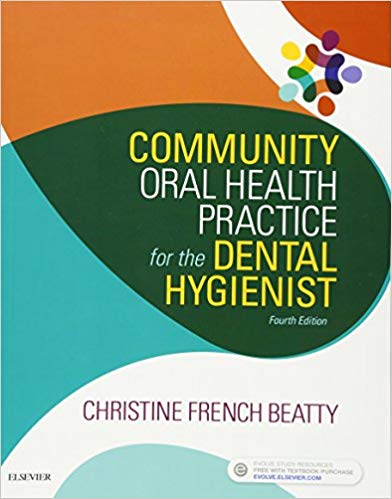
Community Oral Health Practice for the Dental Hygienist 4th Edition by Christine French Beatty - Test Bank

Community Oral Health Practice for the Dental Hygienist 4th Edition by Christine French Beatty - Test Bank   Instant Download - Complete Test Bank With Answers     Sample Questions Are Posted Below   Chapter 05: Population Health Beatty: Community Oral Health Practice for the Dental Hygienist, 4th Edition   MULTIPLE CHOICE   What population …

$19.99

Community Oral Health Practice for the Dental Hygienist 4th Edition by Christine French Beatty – Test Bank


Instant Download – Complete Test Bank With Answers


Sample Questions Are Posted Below


Chapter 05: Population Health

Beatty: Community Oral Health Practice for the Dental Hygienist, 4th Edition


MULTIPLE CHOICE


  1. What population has the highest rate of untreated tooth decay compared to other age groups?
a. Vulnerable adult seniors
b. Children 10-13 years old
c. Children 6-9 years old
d. Children 3-5 years old


ANS:  D

Children 3-5 years old have the highest rate of untreated decay, compared to other age groups.


DIF:    Recall             REF:   p. 104            OBJ:   1

TOP:   COMMUNITY HEALTH/RESEARCH PRINCIPLES 3.0 Analyzing Scientific Literature, Understanding Statistical Concepts, and Applying Research Results


  1. What percentage of older adults (65 to 74 years of age) are edentulous?
a. 4%
b. 14%
c. 22%
d. 34%


ANS:  C

Oral diseases continue to burden older adults, and 22% are edentulous and no longer have their natural teeth because of dental caries or periodontal disease.


DIF:    Recall             REF:   p. 104            OBJ:   1

TOP:   COMMUNITY HEALTH/RESEARCH PRINCIPLES 3.0 Analyzing Scientific Literature, Understanding Statistical Concepts, and Applying Research Results


  1. What percentage of children (older than 2 years of age) and adults have never visited a dentist, according to the 1999-2004 NHANES?
a. 3%
b. 15%
c. 23%
d. 55%


ANS:  C

Twenty-three percent of children (older than 2 years of age) have never visited a dentist, compared to 3% of 12-19 year olds.


DIF:    Recall             REF:   p. 118|Box 5-4                                 OBJ:   1

TOP:   COMMUNITY HEALTH/RESEARCH PRINCIPLES 3.0 Analyzing Scientific Literature, Understanding Statistical Concepts, and Applying Research Results


  1. Which of the following organizations developed the Oral Health Country/Area Profile Program (CAPP) in 1995?
a. Pan American Health Organization (PAHO)
b. World Health Regional Office for the Americas (AMRO)
c. World Health Organization (WHO)
d. National Health and Nutrition Examination Survey (NHANES)


ANS:  C

The WHO Global Oral Health Database was developed as part of the WHO Global InfoBase with the aim of mapping oral health indicators for target population groups worldwide to depict the oral disease burden globally. Also, the Global Oral Health Atlas has mapped oral health across the world, describing oral health status as well as key factors influencing trends in oral diseases.


DIF:    Comprehension                               REF:   p. 105             OBJ:   4

TOP:   COMMUNITY HEALTH/RESEARCH PRINCIPLES 3.0 Analyzing Scientific Literature, Understanding Statistical Concepts, and Applying Research Results


  1. Which of the following is considered to be a safe and effective population-based measure to improve oral health and prevent oral disease?
a. Daily oral hygiene
b. School-based dental sealant program
c. Clinical dental visit
d. Healthy diet


ANS:  B

Population-based measures include community water fluoridation, tobacco cessation programs, school-based dental sealant programs, and fluoride programs. Self-care measures include daily oral hygiene and healthy diets. Personal oral health services include clinical dental visits and examinations for oral cancer.


DIF:    Comprehension                               REF:   p. 110             OBJ:   4

TOP:   COMMUNITY HEALTH/RESEARCH PRINCIPLES 3.0 Analyzing Scientific Literature, Understanding Statistical Concepts, and Applying Research Results


  1. Which of the following is true concerning the social impact of oral disease?
a. Children have a poor self-concept.
b. Children from higher income families experience more restricted activity days than poor children because of better monitoring.
c. Children experience delayed growth and development.
d. Children have a poor self-concept and experience delayed growth and development.


ANS:  D

The social impact of oral disease is substantial. More than 51 million school hours are lost each year because of dental problems. Poor children experience nearly 12 times more restricted activity days than do their counterparts from higher-income families. Among those who lost school time, youngsters from low-income families, members of minority communities, and families without insurance missed more hours. Children with early childhood caries—often a severe and painful form of dental caries—can demonstrate failure to thrive and be underweight.


DIF:    Comprehension                               REF:   p. 109             OBJ:   3

TOP:   COMMUNITY HEALTH/RESEARCH PRINCIPLES 3.0 Analyzing Scientific Literature, Understanding Statistical Concepts, and Applying Research Results


  1. Which of the following is true concerning the burden of oral disease?
a. It is spread evenly throughout the population.
b. Those who experience the worst oral health are found among the very young.
c. Poorer older Americans are particularly vulnerable.
d. Oral disease does not jeopardize overall oral health.


ANS:  C

The burden of oral diseases is spread unevenly throughout the population. People who experience the worst oral health are found among the poor of all ages; poor children and poor older Americans are particularly vulnerable. Members of racial and ethnic minorities experience a disproportionate level of oral health problems. People who are medically compromised or who have disabilities are at greater risk for oral disease; in turn, oral diseases further jeopardize their overall health and well-being.


DIF:    Comprehension                               REF:   p. 109             OBJ:   1

TOP:   COMMUNITY HEALTH/RESEARCH PRINCIPLES 3.0 Analyzing Scientific Literature, Understanding Statistical Concepts, and Applying Research Results


  1. Which of the following is true about poor oral health?
a. Employers have an obligation to make care available.
b. Left untreated, it can result in premature death.
c. It is only experienced at the low socioeconomic level.
d. Has an effect on home life, but not work experience.


ANS:  B

Poor oral health-related quality of life, partially resulting from the burden of oral diseases, can affect economic productivity and compromise a person’s ability to work at home and on the job as well as school performance. Both adults and children that experience oral diseases are more likely to be at a low socioeconomic level. Poor oral health also can result in premature death when oral diseases are left untreated.


DIF:    Comprehension                               REF:   p. 109             OBJ:   3

TOP:   COMMUNITY HEALTH/RESEARCH PRINCIPLES 3.0 Analyzing Scientific Literature, Understanding Statistical Concepts, and Applying Research Results


  1. In recent years, which of the following has limited the pursuits in oral health research to measure progress in relation to the status of oral diseases and conditions?
a. Lack of funding
b. Lack of disease disparity
c. Lack of adequate means of measuring the result of programs
d. Lack of communication between public health and private practice


ANS:  A

In recent years, lack of funding has limited pursuits in oral health research to measure progress in relation to the status of oral diseases and conditions.  More recently there has been an increase in funding, and research is now under way to evaluate progress of Healthy People 2020 objectives. Additional reports are expected in the near future to update the oral health status of Americans and assess progress made in attaining Healthy People 2020 objectives.


DIF:    Comprehension                               REF:   p. 109             OBJ:   3

TOP:   COMMUNITY HEALTH/RESEARCH PRINCIPLES 3.0 Analyzing Scientific Literature, Understanding Statistical Concepts, and Applying Research Results


  1. Which of the following is the most common chronic disease of childhood?
a. Juvenile diabetes
b. Asthma
c. Hay fever
d. Tooth decay


ANS:  D

Despite a tremendous decline in dental caries in children in the United States since the 1950s, tooth decay remains the single most common chronic disease of childhood. It is five times more common than asthma and seven times more common than hay fever.


DIF:    Recall             REF:   p. 110            OBJ:   1

TOP:   COMMUNITY HEALTH/RESEARCH PRINCIPLES 3.0 Analyzing Scientific Literature, Understanding Statistical Concepts, and Applying Research Results


  1. Early childhood caries affects teeth of children up to what age?
a. 3
b. 5
c. 7
d. 9


ANS:  B

Early childhood caries affects the primary teeth of infants and young children 1-5 years of age. Sometimes referred to as baby bottle decay or nursing caries, it can be a devastating condition, often requiring thousands of dollars and a hospital visit with general anesthesia during treatment. Substantial pain, psychological stress, health risks, and expense are associated with restorative care for children affected by early childhood caries.


DIF:    Recall             REF:   p. 110            OBJ:   1

TOP:   COMMUNITY HEALTH/RESEARCH PRINCIPLES 3.0 Analyzing Scientific Literature, Understanding Statistical Concepts, and Applying Research Results


  1. Which of the following is associated with early childhood caries?
a. Diet that is high in saturated fat
b. Putting a child to bed with formula or other sweetened drinks
c. Not eating enough leafy green or yellow vegetables
d. Child who is a finicky eater


ANS:  B

Infant feeding practices in which children are put to bed with formula or other sweetened drinks and fall asleep while feeding have been associated with this condition.


DIF:    Recall             REF:   p. 110            OBJ:   1

TOP:   COMMUNITY HEALTH/RESEARCH PRINCIPLES 3.0 Analyzing Scientific Literature, Understanding Statistical Concepts, and Applying Research Results


  1. According to the National Health and Nutrition Examination Survey (NHANES), which group experienced the greatest gain in dental caries reduction from the Healthy People 2010 to Healthy People 2020 surveys?
a. Children aged 3-5 years
b. Children aged 6-9 years
c. Adolescents aged 13-15 years
d. Adults aged 35-60 years


ANS:  C

According to the NHANES, adolescents aged 13-15 saw an 8.2% decrease in baseline data from the Healthy People 2010  survey to the Healthy People 2020 All other groups experienced an increase.


DIF:    Comprehension                               REF:   p. 106|Table 5-1

OBJ:   4

TOP:   COMMUNITY HEALTH/RESEARCH PRINCIPLES 3.0 Analyzing Scientific Literature, Understanding Statistical Concepts, and Applying Research Results


  1. The prevalence of dental caries among school-age children declined within the United States in the 1980s and 1990s. However, these improvements for children seem to have stalled and for some indicators actually regressed in the 2000s.
a. Both statements are true.
b. Both statements are false.
c. The first statement is true; the second statement is false.
d. The first statement is false; the second statement is true.


ANS:  A

The prevalence of dental caries among school-age children declined within the United States in the 1980s and 1990s. The decline is the result of various preventive measures such as community water fluoridation and increased use of other fluorides, as well as application of dental sealants. But these improvements for children appear to have stalled and, for some indicators, actually regressed slightly in the 2000s. More than half (53%) of children 6-8 years old experienced dental caries in their primary or permanent teeth in 1999-2004, compared to 52% in the years 1988-1994.


DIF:    Comprehension                               REF:   p. 110             OBJ:   1

TOP:   COMMUNITY HEALTH/RESEARCH PRINCIPLES 3.0 Analyzing Scientific Literature, Understanding Statistical Concepts, and Applying Research Results


  1. According to NOHSS, caries rate among third graders (1998 to 2011) was lowest/highest in which of the following states?
a. Arizona/Connecticut
b. Connecticut/Arizona
c. California/Maine
d. Washington/Arizona


ANS:  B

The rate of caries experience was measured in third graders in each state as part of the NOHSS from 1998 to 2011, noting that  the caries experience rates varied by state, with the lowest found in Connecticut and the highest in Arizona. Untreated decay also varied by state, with the highest in Arizona and the lowest in Washington. .


DIF:    Recall             REF:   p. 110            OBJ:   1

TOP:   COMMUNITY HEALTH/RESEARCH PRINCIPLES 3.0 Analyzing Scientific Literature, Understanding Statistical Concepts, and Applying Research Results


  1. Which of the following populations are less likely to have a dental visit?
a. Children from minority families, whose parents have periodontal disease, and are from low income homes
b. Children from minority families whose parents have periodontal disease
c. Children from minority families and from low income homes
d. Children whose parents have periodontal disease and from low income homes


ANS:  C

Children and adolescents of minority families and families with low incomes were less likely to have a dental visit.


DIF:    Comprehension                               REF:   p. 118|Box 5-4

OBJ:   1

TOP:   COMMUNITY HEALTH/RESEARCH PRINCIPLES 3.0 Analyzing Scientific Literature, Understanding Statistical Concepts, and Applying Research Results


  1. What percentage of children aged 2-17 were offered advice by a medical doctor about needing routine dental visits (NHANES 1999-2004 and MEPS 2011 data)?
a. 15%
b. 32%
c. 40%
d. 52%


ANS:  D

According to NHANES 1999-2004 and MEPS 2011 data, more than 52% of children ages 2-17 were offered advice by a medical doctor about needing routine dental visits.


DIF:    Recall             REF:   p. 118|Box 5-4                                 OBJ:   4

TOP:   COMMUNITY HEALTH/RESEARCH PRINCIPLES 3.0 Analyzing Scientific Literature, Understanding Statistical Concepts, and Applying Research Results


  1. According to the National Health and Nutrition Examination Survey, 1999-2004, what percentage of people aged 75 years and older had experienced root caries?
a. 22%
b. 42%
c. 62%
d. 82%


ANS:  B

Of people 75 years and older with teeth, 42.3% had root caries either restored or unrestored; 31.7% of persons aged 65-75 years with teeth had experienced root caries (decayed or restored); and 21.6% of adults aged 50-64 years had unrestored root caries.


DIF:    Recall             REF:   p. 112            OBJ:   4

TOP:   COMMUNITY HEALTH/RESEARCH PRINCIPLES 3.0 Analyzing Scientific Literature, Understanding Statistical Concepts, and Applying Research Results


  1. As the current trends in aging continue, which of the following will be true?
a. Adults will lose fewer teeth as they age and will have fewer teeth that are at risk for dental caries throughout life.
b. Adults will lose fewer teeth as they age and will have more teeth that are at risk for dental caries throughout life.
c. Adults will lose more teeth as they age and will have fewer teeth that are at risk for dental caries throughout life.
d. Adults will lose more teeth as they age and will have more teeth that are at risk for dental caries throughout life.


ANS:  B

Adults will lose fewer teeth as they age but will have more teeth that are at risk for dental caries throughout life.


DIF:    Comprehension                               REF:   p. 110             OBJ:   4

TOP:   COMMUNITY HEALTH/RESEARCH PRINCIPLES 3.0 Analyzing Scientific Literature, Understanding Statistical Concepts, and Applying Research Results


  1. Which of the following is true concerning placement of dental sealants in the United States?
a. A higher percentage of 14-year-old adolescents received dental sealants in the United States in 1999-2004 than 8-year-old children.
b. Disparities in dental sealants are not apparent based on race and ethnicity.
c. In 1999-2004, 8-year-old Mexican American children had fewer dental sealants than White or African American children.
d. In 1999-2004, 14-year-old Mexican American adolescents had fewer dental sealants than White or African American children.


ANS:  C

In 1999-2004, 38% of 8-year-old White children received sealants compared with 23% of their African American and 19% of their Mexican American peers. This same survey found that 16% of 14-year-old White adolescents had a dental sealant compared with 11% of their African American and 13% of their Mexican American counterparts. Disparities in dental sealants have been shown among children based on race and ethnicity.


DIF:    Comprehension                               REF:   p. 112|Figure 5-3

OBJ:   4

TOP:   COMMUNITY HEALTH/RESEARCH PRINCIPLES 3.0 Analyzing Scientific Literature, Understanding Statistical Concepts, and Applying Research Results


  1. As reported in 2009-2010 data, what percentage of 6-9 year olds had at least one dental sealant placed?
a. 32%
b. 50%
c. 65%
d. 90%


ANS:  A

The most recent report (2009-2010) showed that 32.1% of 6-9 year olds had at least one dental sealant placed, and 50.5% of 13-15 year olds had at least one dental sealant placed. Although these rates are still lower than ideal, the proportion of children with sealed permanent molars increased significantly during the previous decade, by 39.1% in 6-9 year olds and by 40% in 13-15 year olds.


DIF:    Comprehension                               REF:   p. 112             OBJ:   4

TOP:   COMMUNITY HEALTH/RESEARCH PRINCIPLES 3.0 Analyzing Scientific Literature, Understanding Statistical Concepts, and Applying Research Results


  1. Which of the following is the most equitable, cost-effective, and cost-saving method of providing fluoride to the community?
a. Fluoridated salt
b. Fluoridation of the public water supply
c. Fluoride mouth rinses
d. In-office fluoride treatments with fluoride gels or foams


ANS:  B

Fluoridation of the public water supply is the most equitable, cost-effective, and cost-saving method of providing fluoride to the community. It is an effective, safe, and inexpensive method for preventing dental caries. In contrast to other fluoride delivery modes, systemic community water fluoridation benefits Americans of all ages and socioeconomic status.


DIF:    Comprehension                               REF:   pp. 112-113    OBJ:   4

TOP:   COMMUNITY HEALTH/RESEARCH PRINCIPLES 3.0 Analyzing Scientific Literature, Understanding Statistical Concepts, and Applying Research Results


  1. Which of the following statements is true concerning fluoridation of water in the United States?
a. More than 75% of the U.S. population is served by community water systems with optimally fluoridated water.
b. Twenty-five percent of people in the United States receive water with sufficient naturally occurring fluoride concentrations.
c. More than 50% of the U.S. population does not have access to optimally fluoridated water.
d. The percentage of the population served by community water systems receiving optimally fluoridated water varies substantially by state.


ANS:  D

In 2012 only 22 (44%) of the 50 states in the United States had reached the national benchmark, based on Healthy People 2020, of providing fluoridated water to 79.6% of their population in community water systems. In 10 states—Alaska, Hawaii, Idaho, Louisiana, Montana, New Hampshire, New Jersey, Oregon, Utah, and Wyoming—the share of the population with fluoridated community water had not reached even 53%, which would represent two thirds of the benchmark. In three states—Hawaii, New Jersey, and Oregon—less than 25% of the population had fluoridated community water.


DIF:    Comprehension                               REF:   p. 113             OBJ:   4

TOP:   COMMUNITY HEALTH/RESEARCH PRINCIPLES 3.0 Analyzing Scientific Literature, Understanding Statistical Concepts, and Applying Research Results


  1. The benefit received by those living in a nonfluoridated part of a state with a fluoridated water supply is called which of the following?
a. Halo effect
b. Shared benefit
c. Minimal
d. Pipeline effect


ANS:  A

The fact that a significant number of states are so far below the benchmark is of special significance because of the diffusion or halo benefit of fluoride from fluoridated communities to surrounding nonfluoridated communities via the exportation of bottled beverages and processed foods. A study conducted to analyze this diffusion effect showed that 12-year-old children living in states where more than half of the communities had fluoridated water had 26% fewer decayed tooth surfaces per year than 12-year-old children living in states where less than one-quarter of the communities were fluoridated.


DIF:    Comprehension                               REF:   p. 113             OBJ:   2

TOP:   COMMUNITY HEALTH/RESEARCH PRINCIPLES 3.0 Analyzing Scientific Literature, Understanding Statistical Concepts, and Applying Research Results


  1. Of the 50 largest U.S. cities, which of the following do not have fluoridated water?
a. San Jose, CA; Detroit, MI; Portland, ME
b. Portland, ME; Albuquerque, NM; Fresno, CA
c. Fresno, CA; Detroit, MI; Portland, ME
d. Wichita, KS; Tucson, AZ; San Jose, CA


ANS:  D

The six cities that are not benefiting from fluoridation are San Jose, CA; Portland, OR; Albuquerque, NM; Tucson, AZ; Fresno, CA; and Wichita, KS.  Public health officials, policymakers, and stakeholders in states and major cities with lower percentages of residents receiving water fluoridation should expand their efforts to promote fluoridation of community water systems.


DIF:    Recall             REF:   p. 113            OBJ:   4

TOP:   COMMUNITY HEALTH/RESEARCH PRINCIPLES 3.0 Analyzing Scientific Literature, Understanding Statistical Concepts, and Applying Research Results


  1. The current recommended concentration of fluoride in the water for the prevention of dental caries is which of the following?
a. 7%
b. 37%
c. 57%
d. 77%


ANS:  A

Since the reduction of the optimal recommended concentration of fluoride in the water to 0.7 ppm, major cities have begun evaluating their fluoridation status, helping the potential antifluoridationists to gain ground for their cause.


DIF:    Recall             REF:   p. 113            OBJ:   4

TOP:   COMMUNITY HEALTH/RESEARCH PRINCIPLES 3.0 Analyzing Scientific Literature, Understanding Statistical Concepts, and Applying Research Results


  1. During the period 1988-1994, what percentage of adults in the United States aged 35-44 years had gingivitis?
a. 25%
b. 33%
c. 50%
d. 76%


ANS:  C

Nearly half (48%) of adults aged 35-44 years had gingivitis during the period 1988-1994. This figure represents an increase from the 41% of young adults with gingivitis in 1985-1986.


DIF:    Recall             REF:   p. 113            OBJ:   4

TOP:   COMMUNITY HEALTH/RESEARCH PRINCIPLES 3.0 Analyzing Scientific Literature, Understanding Statistical Concepts, and Applying Research Results


  1. Severe periodontal disease affected what percent of dentate adults 35-49 years of age in 2009-2010?
a. 8.5%
b. 8.7%
c. 30%
d. 85%


ANS:  A

Of the total percentage of the population experiencing periodontal disease, 8.5% experienced severe, 30% moderate, and 8.7% mild disease.


DIF:    Recall             REF:   p. 113            OBJ:   1

TOP:   COMMUNITY HEALTH/RESEARCH PRINCIPLES 3.0 Analyzing Scientific Literature, Understanding Statistical Concepts, and Applying Research Results


  1. Which of the following is true of the prevalence of periodontal disease between male and female?

______ show a higher prevalence of periodontal disease; __________ show a lower prevalence of moderate periodontal disease.

a. Males/males. Males show a higher prevalence of periodontal disease, but a lower prevalence of moderate periodontal disease.
b. Males/females. Males show a higher prevalence of periodontal disease; females show a lower prevalence of moderate periodontal disease.
c. Females/males. Females show a higher prevalence of periodontal disease, but males show a lower prevalence of moderate periodontal disease.
d. Females/females. Females show a higher prevalence of periodontal disease and a lower prevalence of moderate periodontal disease.


ANS:  B

Males show a higher prevalence of periodontal disease (56.4%) than females (38.4%). Females have a lower prevalence of moderate periodontal disease (26.4%) than males (33.8%).


DIF:    Recall             REF:   p. 114|Table 5-4                              OBJ:   4

TOP:   COMMUNITY HEALTH/RESEARCH PRINCIPLES 3.0 Analyzing Scientific Literature, Understanding Statistical Concepts, and Applying Research Results


  1. Factors most impacting tooth loss were which of the following?
a. Age and education
b. Education and gender
c. Age and low income
d. Low income and education


ANS:  C

Poverty level status significantly impacted tooth loss and tooth retention. For example, complete tooth retention was more than twice as high for adults aged 45-64 years who lived above the federal poverty level, compared to the same age group living below the federal poverty level. Also, edentulism was more than two and a half times higher among 65-74 year olds living below the federal poverty level, compared to the same age group that lived above the federal poverty level.


DIF:    Comprehension                               REF:   pp. 114-115    OBJ:   5

TOP:   COMMUNITY HEALTH/RESEARCH PRINCIPLES 3.0 Analyzing Scientific Literature, Understanding Statistical Concepts, and Applying Research Results


  1. Which of the following is true about edentulism in the past decade? Rates of edentulism have ______________ while rates of untreated decay in adults have ______________.
a. The rate of edentulism has decreased while the rate of untreated decay in adults has increased.
b. The rate of edentulism has increased while the rate of untreated decay in adults has decreased.
c. The rate of edentulism and untreated decay in adults has decreased.
d. The rate of edentulism and untreated decay in adults has increased.


ANS:  C

In addition, rates of edentulism (the loss of all natural teeth) and partial tooth loss decreased during the last decade. On the other hand, data that have become available since the launch of Healthy People 2020 indicate a possible reversal resulting in an increase of partial tooth loss along with a continuing decrease in complete tooth loss. It is interesting to consider a possible relationship of this increase in partial tooth loss to the decrease in untreated decay in adults described earlier.


DIF:    Comprehension                               REF:   p. 113             OBJ:   4

TOP:   COMMUNITY HEALTH/RESEARCH PRINCIPLES 3.0 Analyzing Scientific Literature, Understanding Statistical Concepts, and Applying Research Results


  1. Which of the following types of cancer occurs most frequently?
a. Bone cancer
b. Oral cancer
c. Ovarian cancer
d. Hodgkin’s lymphoma


ANS:  B

Oral and pharyngeal cancers, most of which are squamous cell carcinomas, represent 2.5% of all new cancer cases in the United States and include cancers of the lip, tongue, floor of the mouth, palate, gingival and alveolar mucosa, buccal mucosa, and oropharynx.


DIF:    Comprehension                               REF:   p. 114             OBJ:   4

TOP:   COMMUNITY HEALTH/RESEARCH PRINCIPLES 3.0 Analyzing Scientific Literature, Understanding Statistical Concepts, and Applying Research Results


  1. Most oral cancers are which of the following?
a. Osteogenic sarcomas
b. Pleomorphic adenomas
c. Squamous cell carcinomas
d. Melanomas


ANS:  C

Most of these tumors are squamous cell carcinomas. These may include cancers of the lip, tongue, floor of the mouth, palate, gingival and alveolar mucosa, buccal mucosa, and oropharynx.


DIF:    Comprehension                               REF:   p. 114             OBJ:   4

TOP:   COMMUNITY HEALTH/RESEARCH PRINCIPLES 3.0 Analyzing Scientific Literature, Understanding Statistical Concepts, and Applying Research Results


  1. According to the National Cancer Institute Survey, which of the following statements reflects the rate of oral cancer from 2007 to 2011?
a. 11 per 100,000 per year
b. 6.5 per 100,000 per year
c. 5 per 100,000 per year
d. 2.5 per 100,000 per year


ANS:  D

The incidence of oral and pharyngeal cancer in 2007-2011 was 11 per 100,000 per year, and the death rate in this same time period was 2.5 per 100,000 per year.


DIF:    Comprehension                               REF:   p. 115             OBJ:   1

TOP:   COMMUNITY HEALTH/RESEARCH PRINCIPLES 3.0 Analyzing Scientific Literature, Understanding Statistical Concepts, and Applying Research Results


  1. Which of the following is true regarding oral and pharyngeal cancer?
a. American Indian and Alaskan native men have the highest oral cancer rates.
b. Recent studies have shown that the incidence is increasing for those cancers related to human papillomavirus (HPV) infection.
c. An estimated 18,880 deaths from oral and pharyngeal cancer are expected in 2015.
d. The National Cancer Institute reported that oral cancer survival rates decreased approximately 15% in 2006.


ANS:  B

Significant disparities exist in some population groups, especially in minority men, who experience a higher incidence of oral and pharyngeal cancers and higher death rates. Also, oral and pharyngeal cancers are about twice as common in men compared to women. These cancers occur more frequently also in certain racial and ethnic groups and in lower SES groups. The highest rates are in Black males. In recent years, there has been an increase in oropharyngeal cancers linked to human papillomavirus (HPV) infection, especially among non-Hispanic White men and women.


DIF:    Comprehension                               REF:   p. 115             OBJ:   4

TOP:   COMMUNITY HEALTH/RESEARCH PRINCIPLES 3.0 Analyzing Scientific Literature, Understanding Statistical Concepts, and Applying Research Results


  1. Of the following, which has the lowest 5-year cancer survival rate?
a. Localized
b. Metastasized
c. Spread to regional lymph nodes


ANS:  B

Five-year survival rate for metastatic cancer is 37.3%; spread to lymph nodes 60.5%; localized 80.7%.


DIF:    Comprehension                               REF:   p. 115|Table 5-5

OBJ:   4

TOP:   COMMUNITY HEALTH/RESEARCH PRINCIPLES 3.0 Analyzing Scientific Literature, Understanding Statistical Concepts, and Applying Research Results


  1. Studies have reported that which of the following creates a significant risk increase for oral cancer in individuals?
a. Smoking
b. Alcohol use
c. Smoking and alcohol use together
d. Chewing betel quid


ANS:  C

Many studies have reported a synergism between smoking and alcohol use, resulting in substantially greater risk for oral cancer in individuals who both smoke and drink heavily. Also, the chewing of betel quid and gutka, a practice that is common in Southeast Asia, is a risk factor for developing oral and pharyngeal cancer. Another risk factor is contracting an HPV infection, although only a small percentage of HPV infections develop into oropharyngeal cancer.


DIF:    Comprehension                               REF:   pp. 115-116    OBJ:   4

TOP:   COMMUNITY HEALTH/RESEARCH PRINCIPLES 3.0 Analyzing Scientific Literature, Understanding Statistical Concepts, and Applying Research Results


  1. Which of the following is true regarding treatment of cleft lip and cleft palate in the United States?
a. The lifetime cost of providing care to children born each year with cleft lip or cleft palate is estimated to be $697 million.
b. Oral clefts are entirely attributable to genetic causes, and environmental factors do not play a role.
c. The National Birth Defects Prevention Network (NBDPN) collects cleft lip and palate data annually from all 50 states.
d. Oral clefts are attributable solely to environmental factors.


ANS:  A

The lifetime cost is estimated to be $697 million. Both genetic and environmental factors contribute to oral clefts. There is a lack of national data for cleft lip and palate. The NBDPN collects lip and palate data annually from 11 states, which provides a means for estimating national data.


DIF:    Comprehension                               REF:   p. 116             OBJ:   4

TOP:   COMMUNITY HEALTH/RESEARCH PRINCIPLES 3.0 Analyzing Scientific Literature, Understanding Statistical Concepts, and Applying Research Results


  1. According to a national survey what percentage of persons aged 8-50 years had severe crowding of the anterior incisors?
a. 0.9%
b. 9.0%
c. 19.0%
d. 29.0%


ANS:  B

It was found that 9.0% of persons 8-50 years of age had severe crowding of the anterior incisors and 25% had no crowding in a national survey of the latest published findings. Approximately 9.0% of persons had a posterior crossbite; this condition was most common in Whites. Severe overbite was found in 8%, and a similar percentage had a severe overjet. Less than 5% of Whites had an open bite.


DIF:    Comprehension                               REF:   p. 116             OBJ:   4

TOP:   COMMUNITY HEALTH/RESEARCH PRINCIPLES 3.0 Analyzing Scientific Literature, Understanding Statistical Concepts, and Applying Research Results


  1. A definition for incisal trauma is which of the following?
a. Fractured enamel caused by a craniofacial insult
b. A traumatic injury to either upper or lower permanent incisors
c. A sports-related injury
d. Fracture of enamel caused by malocclusion


ANS:  B

Incisal trauma is defined as a traumatic injury affecting either an upper or lower permanent incisor.


DIF:    Recall             REF:   p. 116            OBJ:   4

TOP:   COMMUNITY HEALTH/RESEARCH PRINCIPLES 3.0 Analyzing Scientific Literature, Understanding Statistical Concepts, and Applying Research Results


  1. Which tooth structures is/are most likely to be affected by a sports-related injury?
a. Maxillary incisors
b. Mandibular incisors
c. Upper lip
d. Lower lip


ANS:  A

Sports injuries affect maxillary incisors the most. Lip is tissue not tooth structure.


DIF:    Recall             REF:   p. 116            OBJ:   4

TOP:   COMMUNITY HEALTH/RESEARCH PRINCIPLES 3.0 Analyzing Scientific Literature, Understanding Statistical Concepts, and Applying Research Results


  1. Which of the following is true concerning dental fluorosis?
a. A 1999-2004 survey found that anterior teeth were more often affected than posterior teeth.
b. In a 1999-2004 survey, very mild or greater dental fluorosis was observed in 67% of persons aged 4-49 years.
c. Sixteen percent were categorized as having questionable fluorosis.
d. Forty-eight percent had severe fluorosis.


ANS:  C

The results of the NHANES 1999-2004 revealed the following distribution of prevalence of fluorosis in each of the categories for the 4 to 49-year-olds that were surveyed: 16.5% were categorized as having questionable fluorosis, 16% had very mild fluorosis, 4.8% had mild fluorosis, 2.0% had moderate fluorosis, less than 1% had severe fluorosis, and 60.6% had no fluorosis.


DIF:    Recall             REF:   p. 117            OBJ:   1

TOP:   COMMUNITY HEALTH/RESEARCH PRINCIPLES 3.0 Analyzing Scientific Literature, Understanding Statistical Concepts, and Applying Research Results


  1. According to the Medical Expenditure Panel Survey (MEPS) in 2004, what percentage of the total U.S. population aged 65 and above had not had a dental visit within a year?
a. 35%
b. 45%
c. 50%
d. 60%


ANS:  C

According to the Medical Expenditure Panel Survey (MEPS) in 2004, 50% of the total U.S. population age 65 and above had not had a dental visit within a year and 60% of adults aged 20-64 had not visited a dentist within a year.


DIF:    Recall             REF:   p. 118|Box 5-4                                 OBJ:   1

TOP:   COMMUNITY HEALTH/RESEARCH PRINCIPLES 3.0 Analyzing Scientific Literature, Understanding Statistical Concepts, and Applying Research Results


  1. Which of the following demographic  groups was least likely to have indicated an annual dental visit in 2004 according to the Medical Expenditure Panel Survey (MEPS)?
a. Families with low income
b. Families with low education
c. Families with no symptoms
d. Families with low income and low education


ANS:  D

Disparities in regular dental attendance for children and adults older than 2 years were reported in the MEPS among racial and ethnic groups, with children and adolescents of minority families and families with low incomes being less likely to have a dental visit. Non-Hispanic Black and Hispanic children as well as children without insurance are also less likely to visit the dentist.


DIF:    Recall             REF:   p. 118|Box 5-4                                 OBJ:   5

TOP:   COMMUNITY HEALTH/RESEARCH PRINCIPLES 3.0 Analyzing Scientific Literature, Understanding Statistical Concepts, and Applying Research Results


  1. Which of the following age groups has the highest prevalence of nondental visits within a 5-year period?
a. Children younger than 6 years of age
b. Adolescents between 14 and 18 years of age
c. Adults between 20 and 64 years of age
d. Adults older than 65 years of age


ANS:  D

The percentage is higher among adults 65 and older (23%) than adults 20-64 years of age (12%).


DIF:    Recall             REF:   p. 118|Box 5-4                                 OBJ:   4

TOP:   COMMUNITY HEALTH/RESEARCH PRINCIPLES 3.0 Analyzing Scientific Literature, Understanding Statistical Concepts, and Applying Research Results


  1. From a 2020 progress report, approximately what percentage of Americans visited the dentist during 2011?
a. 32%
b. 42%
c. 52%
d. 62%


ANS:  A

According to the most recent Healthy People 2020 progress report, the proportion of Americans who visited the dentist during the previous year had decreased further from 44.5% in 2007 to 41.8% in 2011.


DIF:    Recall             REF:   p. 118            OBJ:   4

TOP:   COMMUNITY HEALTH/RESEARCH PRINCIPLES 3.0 Analyzing Scientific Literature, Understanding Statistical Concepts, and Applying Research Results


  1. The legislation that has impacted the evolution of the oral health care system is which of the following?
a. Medicare
b. Affordable Care Act (ACA)
c. Head Start
d. OSHA


ANS:  B

The increased concern for the inadequacies of the current oral health care system has been made apparent through the trends and lack of access to oral health care. The changes to the health care system through the ACA also have impacted the evolution of the oral health care system. The ACA aims to improve the oral health of Americans through multiple mechanisms. Several other changes are needed to support the initiatives of the ACA to be able to result in improved oral health status of Americans.


DIF:    Comprehension                               REF:   p. 118             OBJ:   4

TOP:   COMMUNITY HEALTH/RESEARCH PRINCIPLES 3.0 Analyzing Scientific Literature, Understanding Statistical Concepts, and Applying Research Results


  1. The 2010 out-of-pocket expenditures for dental care were how much higher than the out-of-pocket expenditures for all other health expenses?
a. About the same
b. Double
c. Triple
d. Quadruple


ANS:  C

In 2010, out-of-pocket expenditures for dental care were 47.5% compared to 14.2% out-of-pocket expenditures for overall health care. Because of the low level of dental insurance coverage and the structure of dental benefits, out-of-pocket expenses account for a much larger percentage of total dental care spending for individuals in comparison to out-of-pocket costs for general health care paid by individuals.


DIF:    Recall             REF:   p. 120|Box 5-5                                 OBJ:   4

TOP:   COMMUNITY HEALTH/RESEARCH PRINCIPLES 3.0 Analyzing Scientific Literature, Understanding Statistical Concepts, and Applying Research Results


  1. Expenditures for dental care among the U.S. civilian population not in institutions were what percentage of total health care expenditures in 2010?
a. 2.7%
b. 6.6%
c. 13.9%
d. 27.4%


ANS:  B

They were 6.6% of total health care expenditures in 2010. National dental care expenditures were $46.8 billion in 1996, $95.2 billion in 2007, and about $111 billion in 2012.


DIF:    Recall             REF:   p. 120|Box 5-5                                 OBJ:   1

TOP:   COMMUNITY HEALTH/RESEARCH PRINCIPLES 3.0 Analyzing Scientific Literature, Understanding Statistical Concepts, and Applying Research Results


  1. When at 200% or more below the federal poverty level, which group has the highest rate of being uninsured?
a. Hispanic
b. Non-Hispanic Black
c. Non-Hispanic White
d. All groups have the same rate of being uninsured


ANS:  D

Hispanic, non-Hispanic Blacks, and non-Hispanic Whites have the same rate of being uninsured when they are at 200% or more below the federal poverty level.


DIF:    Recall             REF:   p. 122            OBJ:   5

TOP:   COMMUNITY HEALTH/RESEARCH PRINCIPLES 3.0 Analyzing Scientific Literature, Understanding Statistical Concepts, and Applying Research Results


  1. Vulnerable population groups include which of the following?
a. Pregnant women, prisoners, urban dwellers
b. Recent immigrants, prisoners, homeless persons
c. Teenagers, rural citizens, migrants
d. Older adults, urban dwellers, teenagers


ANS:  B

Vulnerable population groups that often lack access to oral health care include the following: low-income individuals, older adults, pregnant women, prisoners, recent immigrants, individuals with HIV and other special health care needs, homeless persons, homebound individuals, migrant and seasonal farm workers, persons with disabilities, individuals living in rural areas, and infants and young children.


DIF:    Comprehension                               REF:   pp. 117-118    OBJ:   5

TOP:   COMMUNITY HEALTH/RESEARCH PRINCIPLES 3.0 Analyzing Scientific Literature, Understanding Statistical Concepts, and Applying Research Results


  1. Public programs covering dental care include which of the following?
a. Medicaid
b. Children’s Health Insurance Program (CHIP)
c. Medicare
d. Medicaid and CHIP


ANS:  D

Public programs covering dental care include Medicaid and Children’s Health Insurance Program (CHIP). Medicare is a source of health insurance coverage for older adults in the U.S. but not a source of dental insurance. Medicare covers only extremely limited hospital-based oral surgery needed in conjunction with medical treatment. A few Medicare Advantage plans have included modest dental benefits of primary and secondary services.


DIF:    Comprehension                               REF:   p. 119             OBJ:   4

TOP:   COMMUNITY HEALTH/RESEARCH PRINCIPLES 3.0 Analyzing Scientific Literature, Understanding Statistical Concepts, and Applying Research Results


  1. In the United States in 2013, how many children remained uninsured?
a. 5.7 million
b. 7 million
c. 28 million.
d. 50 million.


ANS:  B

Because of ACA, dental coverage is now available to more children living at or below the federal poverty level. In June 2013, over 28 million children were enrolled in Medicaid, and 5.7 million were enrolled in CHIP, but over 7 million children still remained uninsured.


DIF:    Comprehension                               REF:   pp. 122-123    OBJ:   4

TOP:   COMMUNITY HEALTH/RESEARCH PRINCIPLES 3.0 Analyzing Scientific Literature, Understanding Statistical Concepts, and Applying Research Results


  1. The group most impacted by ACA is which of the following?
a. The very young (ages up to 2 years)
b. Teenagers (ages 13 to 19)
c. Young adults (ages 19 to 25)
d. The elderly (ages 70+)


ANS:  C

From 2006 to 2011, 50% of young adults 19-25 years old reported having private dental coverage, and 53.1% of young adults 27-30 years of age reported having dental coverage. The group that was most impacted by the ACA was young adults between age 19-25. Because of the dependent coverage mandate in the ACA, there was an increase of 6.7% in private dental coverage among young adults in this age group.


DIF:    Comprehension                               REF:   p. 123             OBJ:   1

TOP:   COMMUNITY HEALTH/RESEARCH PRINCIPLES 3.0 Analyzing Scientific Literature, Understanding Statistical Concepts, and Applying Research Results


  1. Of the following, which group is least likely to have dental coverage?
a. Nonunion workers
b. Low-income adults
c. Children living at or near the federal poverty level
d. Union workers


ANS:  C

Children who are living close to, at, or below the federal poverty level are least likely to have dental coverage.


DIF:    Comprehension                               REF:   p. 122             OBJ:   5

TOP:   COMMUNITY HEALTH/RESEARCH PRINCIPLES 3.0 Analyzing Scientific Literature, Understanding Statistical Concepts, and Applying Research Results


  1. Since its inception in 1965, which agency has functioned as the main payer of nursing home and other long-term care?
a. Medicare
b. Medicaid
c. Affordable Care Act
d. CHIP


ANS:  B

Since its enactment in 1965 as a publicly funded program, Medicaid (Title XVIV of the Social Security Act) has increased access to care for low-income people, functioned as the main payer of nursing home and other long-term care, and partially supported the safety net of providers that serve low-income and uninsured people.


DIF:    Comprehension                               REF:   p. 123             OBJ:   6

TOP:   COMMUNITY HEALTH/RESEARCH PRINCIPLES 3.0 Analyzing Scientific Literature, Understanding Statistical Concepts, and Applying Research Results


  1. The federal share of Medicaid spending represents which percent in every state?
a. 30%
b. 50%
c. 60%
d. 75%


ANS:  B

Overall, the federal government finances at least 50% of Medicaid spending. It varies based on state per capita income relative to the national average and ranges as high as 76% in the poorest states.


DIF:    Comprehension                               REF:   p. 123             OBJ:   6

TOP:   COMMUNITY HEALTH/RESEARCH PRINCIPLES 3.0 Analyzing Scientific Literature, Understanding Statistical Concepts, and Applying Research Results


  1. In the absence of Medicaid and the Children’s Health Insurance Program (CHIP), most children covered by these programs would be:
a. covered by private dental insurance.
b. covered by Medicare.
c. covered by the Association of State and Territorial Dental Directors.
d. uninsured.


ANS:  D

In 2013, the two programs covered more than 37% of all children. Children from families with low incomes in the United States received dental coverage through Medicaid and CHIP during at least part of the previous year. The ACA expansion of Medicaid and CHIP enables more children to be eligible for dental benefits because dental benefits are considered essential health benefits by ACA. In December 2014, it was estimated that over 28 million children were enrolled in Medicaid, and 5.7 million were enrolled in CHIP. The 2018 projection is an expected increase of 3.2 million children with Medicaid and CHIP dental benefits.


DIF:    Comprehension                               REF:   p. 123             OBJ:   6

TOP:   COMMUNITY HEALTH/RESEARCH PRINCIPLES 3.0 Analyzing Scientific Literature, Understanding Statistical Concepts, and Applying Research Results


  1. In 2012, how many older adults were enrolled in Medicare?
a. 26 million
b. 28 million
c. 41 million
d. 60 million


ANS:  C

In 2012, over 41 million older adults enrolled in Medicare. Traditional Medicare is not a source of dental insurance, as it does not pay for any general oral health care. Medicare pays only for dental care when it is medically necessary for another medical procedure, such as organ transplantation.


DIF:    Comprehension                               REF:   p. 124             OBJ:   5

TOP:   COMMUNITY HEALTH/RESEARCH PRINCIPLES 3.0 Analyzing Scientific Literature, Understanding Statistical Concepts, and Applying Research Results


  1. By 2060, minorities are expected to increase and comprise half of the U.S. population. The number of elderly Americans will double by 2050.
a. Both statements are true.
b. Both statements are false.
c. The first statement is true; the second statement is false.
d. The first statement is false; the second statement is true.


ANS:  A

By 2060, minorities are expected to increase to one half of the U.S. population (241.3 million), which will represent 57%. The number of older adults is expected to more than double between 2012 and 2060, from 43.1 million to 92.0 million. These population trends will have far-reaching effects not only for the oral health care system but also for patients and oral health care providers in the coming decades.


DIF:    Comprehension                               REF:   p. 128             OBJ:   5

TOP:   COMMUNITY HEALTH/RESEARCH PRINCIPLES 3.0 Analyzing Scientific Literature, Understanding Statistical Concepts, and Applying Research Results


  1. Which of the following is true concerning the supply of general dentists in the United States?
a. The Bureau of Labor Statistics projects a 16% growth in the number of general dentists through 2018.
b. Currently, about 21% of all dentists are practitioners in general dentistry.
c. The number of general dentists in the United States started declining around the turn of the twenty-firstcentury.
d. As the number of general dentists increases, it is predicted to have a positive impact on the supply of dentists in rural areas.


ANS:  C

The number of general dentists in the United States started declining around the turn of the twenty-first century. The declining number of general dentists likely will continue throughout the next decade. As the number of general dentists decreases, it is predicted to have a negative impact on the supply of dentists in rural areas.


DIF:    Comprehension                               REF:   p. 125             OBJ:   7

TOP:   COMMUNITY HEALTH/RESEARCH PRINCIPLES 3.0 Analyzing Scientific Literature, Understanding Statistical Concepts, and Applying Research Results


  1. Which of the following is true of the demand for dental professional services?
a. The demand will continue to decrease which will result in a surplus of dentists in 2025.
b. The demand will continue to decrease which will result in a shortage of dentists in 2025.
c. The demand will continue to increase which will result in a shortage of dentists in 2025.
d. The demand will continue to increase which will result in a surplus of dentists in 2025.


ANS:  C

The estimated demand for dentists is expected to increase by 10% in the coming decade. Based on these data, the DHHS projects a significant shortage of dentists in 2025.


DIF:    Comprehension                               REF:   p. 125|Table 5-10

OBJ:   7

TOP:   COMMUNITY HEALTH/RESEARCH PRINCIPLES 3.0 Analyzing Scientific Literature, Understanding Statistical Concepts, and Applying Research Results


  1. The greatest gains in dental school enrollment have been an expansion in the representation of which of the following?
a. African Americans
b. Women
c. Persons with disabilities
d. People from lower socioeconomic backgrounds


ANS:  B

Diversity is increasing within the dental health profession in the United States. The greatest gains in diversification of dental school enrollment have been an expansion in the representation of females, which increased by nearly 37% between 2000 and 2013. Representation by underrepresented minorities has been low traditionally among predoctoral dental students enrolled in dental schools, although it has improved in recent years.


DIF:    Comprehension                               REF:   p. 126             OBJ:   7

TOP:   COMMUNITY HEALTH/RESEARCH PRINCIPLES 3.0 Analyzing Scientific Literature, Understanding Statistical Concepts, and Applying Research Results


  1. One of the major challenges facing meeting unmet oral health care needs is which of the following?
a. Inadequate state funding of public programs
b. Geographic maldistribution of dentists
c. Lack of knowledge about the scope of the disease by funders
d. Poor administration of programs at the state and federal level


ANS:  B

Recent national reports have discussed the maldistribution of dentists and how it influences the ability to meet the oral health needs of the nation. Even when the number of dentists is adequate, the distribution of dentists remains a major challenge, indicating a need to develop workforce solutions that will address the greater need in underserved areas. The distribution of the dental workforce is placing stress on the public, nonprofit, and private sectors that provide services in the oral health care system, causing reductions in access to oral health services. Geographic maldistribution of dental professionals contributes to poor access to dental care in many areas, especially in rural and urban areas, as local programs struggle to meet the oral health care needs within their communities.


DIF:    Comprehension                               REF:   p. 126             OBJ:   7

TOP:   COMMUNITY HEALTH/RESEARCH PRINCIPLES 3.0 Analyzing Scientific Literature, Understanding Statistical Concepts, and Applying Research Results


  1. The dentist-to-population ratio has increased since the 1980s. By 2025, the ratio will be at its highest level in nearly 100 years.
a. Both statements are true.
b. Both statements are false.
c. The first statement is true; the second statement is false.
d. The first statement is false; the second statement is true.


ANS:  B

The dentist-to-population ratio has declined since the 1980s. By 2010, the ratio will be at its lowest level in nearly 100 years. It is projected to decline even further, to 53.7 in 2020 and only 50 dentists per 100,000 people in 2050.


DIF:    Comprehension                               REF:   p. 125             OBJ:   7

TOP:   COMMUNITY HEALTH/RESEARCH PRINCIPLES 3.0 Analyzing Scientific Literature, Understanding Statistical Concepts, and Applying Research Results


  1. Private dental practices tend to be disproportionately concentrated in which of the following?
a. Cities
b. Suburban areas
c. Rural areas
d. Areas served by  mass transit systems


ANS:  B

Dentists in the United States are distributed unevenly and are underrepresented in areas of high need. Privately owned dental practices tend to be disproportionately concentrated in suburban areas, with dentists less available in inner cities or rural areas. In 2012-2013, 72.7% of states had 1 to more than 10 counties with no dentist.


DIF:    Comprehension                               REF:   p. 126             OBJ:   7

TOP:   COMMUNITY HEALTH/RESEARCH PRINCIPLES 3.0 Analyzing Scientific Literature, Understanding Statistical Concepts, and Applying Research Results


  1. Between 1998 and 2008, the number of dental patients at community health centers increased by what percentage?
a. 8%
b. 58%
c. 108%
d. 158%


ANS:  D

The number of dental patients at community health centers increased by 158% (from more than 1.2 million in 1998 to 3.1 million in 2008). Even so, it was estimated that more than 12 million health center patients did not have access to oral health services, because not all community health centers had an oral health component.


DIF:    Comprehension                               REF:   p. 132             OBJ:   10

TOP:   COMMUNITY HEALTH/RESEARCH PRINCIPLES 3.0 Analyzing Scientific Literature, Understanding Statistical Concepts, and Applying Research Results


  1. Which of the following provides one of the largest safety net systems of primary and preventive care in the United States?
a. Affordable Care Act
b. Community health centers
c. Medicare
d. Medicaid


ANS:  B

More than 1300 community health centers operate 9000 service sites, providing one of the largest safety net systems of primary and preventive care. The proportion of community health centers with an oral health component increased from 76% in 2007 to 78.6% in 2012; the Healthy People 2020 target is 83%. Nationwide in 2008, health centers employed 2300 full-time equivalent (FTE) employees as dentists and 900 as dental hygienists, serving in a multidisciplinary collaborative practice model.


DIF:    Comprehension                               REF:   p. 132             OBJ:   10

TOP:   COMMUNITY HEALTH/RESEARCH PRINCIPLES 3.0 Analyzing Scientific Literature, Understanding Statistical Concepts, and Applying Research Results


  1. Which of the following is true concerning results of the Pew Children’s Dental Campaign assessment and grading of all 50 states and the District of Columbia on whether and how well they were implementing cost-effective preventive strategies and promising policy approaches?
a. Most states had key policies in place.
b. All states met all eight benchmarks.
c. Grades dropped in six states, mostly because of the failure of Medicaid reimbursement rates not keeping pace with the growth in dental fees.
d. Twenty-two states received a merited grade of A.


ANS:  C

Grades dropped in six states, mostly because of the failure of Medicaid reimbursement rates not keeping pace with the growth in dental fees. 24 of the states did not have key policies in place. No state met all eight benchmarks and only seven states received an A grade, reflecting that they met six of the eight benchmarks.


DIF:    Comprehension                               REF:   p. 133             OBJ:   9

TOP:   COMMUNITY HEALTH/RESEARCH PRINCIPLES 3.0 Analyzing Scientific Literature, Understanding Statistical Concepts, and Applying Research Results


  1. The Patient Protection and Affordable Care Act includes which of the following provisions?
a. Increases in funding for Centers for Disease Control and Prevention (CDC) grants, expansion of school-based sealant programs, and expansion of access to optimally fluoridated water
b. Expansion of school-based sealant programs and expansion of access to optimally fluoridated water
c. Increases in funding for Centers for Disease Control and Prevention (CDC) grants and expansion of access to optimally fluoridated water
d. Expansion of school-based sealant programs and expansion of access to optimally fluoridated water


ANS:  A

All three provisions are included. The Patient Protection and Affordable Care Act enacted in 2010 offers opportunities to expand oral health promotion, strengthen disease prevention, increase access to dental care, enhance professional education, and build public health programs to improve oral health outcomes in the nation.


DIF:    Comprehension                               REF:   p. 133             OBJ:   9

TOP:   COMMUNITY HEALTH/RESEARCH PRINCIPLES 3.0 Analyzing Scientific Literature, Understanding Statistical Concepts, and Applying Research Results


  1. Healthy People 2020 has provided us with:
a. data on oral health status, oral health trends, and goals for improving the oral health of the nation.
b. data on oral health status and oral health trends.
c. data on oral health status and goals for improving the oral health of the nation.
d. data on oral health trends and goals for improving the oral health of the nation.


ANS:  A

Healthy People 2010 and Healthy People 2020 have provided us with data on oral health status and trends and provided us with goals for improving the oral health of the nation.


DIF:    Application    REF:   p. 110            OBJ:   3

TOP:   COMMUNITY HEALTH/RESEARCH PRINCIPLES 2.0 Participating in Community Programs, 2.2 Designing, Implementing and Evaluating Programs

Additional information

Add Review

Your email address will not be published. Required fields are marked *